



How can i help you?

Blolgs

How Much Sleep Do School-Aged Children Need? A Practical Guide for School Nights

How Much Sleep Do School-Aged Children Need? A Practical Guide for School Nights

How Much Sleep Do School-Aged Children Need? A Practical Guide for School Nights

How Much Sleep Do School-Aged Children Need? A Practical Guide for School Nights
site.CALENDAR_IMAGE_ALT
24/08/2026

How Much Sleep Do School-Aged Children Need? A Practical Guide for School Nights

School-aged children need enough regular sleep to wake up ready for the day ahead. The American Academy of Sleep Medicine recommends that children aged 6–12 years get 9–12 hours of sleep per 24 hours on a regular basis, while teenagers aged 13–18 years should get 8–10 hours. [1]

Knowing the recommended number of hours is only the first step. Sleep timing, consistency and quality also matter. For parents, the practical question is often: if my child has to wake up early for school, when should they actually be asleep—and how do we reset a holiday sleep schedule?

This guide provides a practical school-night sleep plan and explains how to distinguish a routine that may simply need adjustment from signs that deserve medical attention.

For a broader plan covering nutrition, physical activity, hygiene and emotional preparation, see our back-to-school child health guide.

How much sleep do children need by age?

Sleep needs vary with age and individual biology. The American Academy of Sleep Medicine provides recommended ranges intended to support health, daytime alertness and school performance. [1]

Age Recommended Sleep
6–12 years 9–12 hours per 24 hours
13–18 years 8–10 hours per 24 hours

The Saudi Ministry of Health uses the same ranges in its back-to-school health guidance: 9–12 hours for children aged 6–12 and 8–10 hours for adolescents aged 13–18. [2]

These figures are ranges, not one exact number that must fit every child. Individual children may function best at different points within the recommended range.

Why sleep matters for students

Adequate sleep does more than prevent morning tiredness. The American Academy of Sleep Medicine states that regularly getting the recommended amount of sleep is associated with better attention, behavior, learning, memory, emotional regulation and physical and mental health. [1]

CDC also notes that sufficient sleep helps students stay focused, improve concentration and support academic performance, while insufficient sleep is associated with attention and behavior problems that can affect school performance. [3]

For this reason, when a child suddenly becomes very difficult to wake, sleepy during lessons or less able to concentrate, sleep is one of the factors worth reviewing.

How to calculate your child's bedtime for school nights

Start with the required school-day wake-up time, then count backward by the amount of sleep your child is aiming for within the recommended range for their age.

Simple formula:
Wake-up time − target sleep duration = approximate sleep-onset time.

Example Wake-Up Time Target Sleep Approximate Sleep Time
School-aged child 6:00 AM 10 hours 8:00 PM
Teenager 6:00 AM 9 hours 9:00 PM

These examples are not mandatory bedtimes. Time in bed is not always the same as actual sleep time, so the wind-down routine should begin before the target sleep time.

How to reset your child's sleep before school starts

If sleep and wake times changed during the holiday, avoid waiting until the night before school begins. The American Academy of Sleep Medicine recommends beginning the transition back to a school-year sleep routine about two weeks in advance, while Saudi Ministry of Health guidance also recommends adjusting sleep to the school schedule with enough time before classes begin. [2] [4]

Start about two weeks before school

Gradually move sleep and wake times toward the schedule your child will need for school rather than switching abruptly from late holiday nights to early school mornings. [4]

Keep wake-up time consistent

A predictable daily routine helps the body adjust to regular sleep and wake patterns. Pediatric sleep guidance emphasizes consistency as an important part of healthy sleep. [5]

Practice the evening routine before the first school night

Do not wait until the first school night to introduce a completely new routine. Make the end of the day calmer, reduce stimulating activities close to bedtime and prepare school items earlier to reduce pressure the next morning. [2]

Healthy sleep habits for school nights

1. Keep the bedtime routine calm and predictable

A simple, consistent sequence before bed can help make sleep a natural part of the day. It may include bathing, brushing teeth, reading or another quiet age-appropriate activity. [5]

2. Put screens away before bedtime

Saudi Ministry of Health back-to-school guidance recommends limiting screens for approximately 30–60 minutes before sleep. The American Academy of Pediatrics recommends turning screens off at least one hour before bedtime and keeping devices out of children's bedrooms when possible. [2] [5]

3. Make the bedroom sleep-friendly

Saudi Ministry of Health guidance recommends a dark, quiet bedroom at a comfortable temperature, while the American Academy of Pediatrics also recommends a calm home and bedroom environment that supports sleep. [5] [6]

4. Encourage physical activity during the day

Physical activity is an important part of a child's daily routine, and Saudi Ministry of Health guidance recommends regular daytime activity to support healthy sleep and overall health. [6]

5. Watch caffeine in older children and teenagers

Caffeine may be present in coffee, tea, some soft drinks and other beverages. Saudi Ministry of Health guidance recommends reducing caffeine intake in teenagers, particularly during the hours before bedtime. [6]

6. Avoid completely reversing the schedule on weekends

Consistency is an important part of healthy sleep. The American Academy of Sleep Medicine emphasizes that healthy sleep depends not only on duration but also on timing, regularity, quality and the absence of sleep disorders. [7]

This does not mean every night has to be identical, but repeated major shifts between school-day and weekend sleep patterns may make returning to the school schedule harder.

Signs your child may not be getting enough sleep

Insufficient sleep does not always look like a child simply saying, “I'm tired.” Daytime clues can include:

CDC and the American Academy of Pediatrics note that insufficient or poor-quality sleep may show up as attention or behavior difficulties, daytime sleepiness or problems at school. [3] [5]

When should you talk to a doctor about your child's sleep?

Some sleep problems improve when routines change, but certain signs deserve medical assessment. Saudi Ministry of Health guidance recommends seeking medical advice for problems including: [6]

The American Academy of Pediatrics also lists snoring, loud or heavy breathing during sleep, difficulty falling asleep, repeated awakenings and daytime learning or behavior concerns among sleep issues that should be discussed with a child's doctor. [5]

Frequently asked questions about children's sleep on school nights

How much sleep does a 6–12-year-old child need?

The American Academy of Sleep Medicine recommends 9–12 hours of sleep per 24 hours on a regular basis for children aged 6–12. [1]

How much sleep does a teenager need?

Teenagers aged 13–18 should regularly get 8–10 hours of sleep per 24 hours. [1]

What time should my child sleep if they wake at 6:00 AM?

It depends on the child's age and individual sleep need. For example, a school-aged child aiming for 10 hours of sleep and waking at 6:00 AM would need to be asleep at approximately 8:00 PM. Begin the wind-down routine before that time.

Can phones and tablets affect children's sleep?

This is why Saudi Ministry of Health guidance recommends limiting screens for about 30–60 minutes before bedtime, while the American Academy of Pediatrics recommends turning screens off at least one hour before bed and keeping devices out of bedrooms when possible. [2] [5]

Can children make up for lost sleep on weekends?

Extra sleep may help a child feel more rested after a short night, but a routine of repeatedly sleeping too little on school days and then dramatically changing the schedule on weekends does not provide consistent healthy sleep. The AASM emphasizes duration, timing, regularity and quality—not duration alone. [7]

When is snoring a reason to see a doctor?

Frequent snoring, particularly when accompanied by abnormal breathing during sleep or marked daytime sleepiness, should be discussed with a healthcare professional. Both Saudi Ministry of Health and AAP guidance identify snoring as a potential sign of a sleep problem. [5] [6]

Make sleep part of school preparation—not just a bedtime task

Healthy sleep starts before the lights go out. An appropriate wake-up time, daytime activity, a calm evening routine, fewer screens and a bedtime that allows enough hours of sleep all work together.

If your child's schedule changed during the holiday, begin shifting it back before school rather than trying to fix it in one night. If sleep difficulties continue or your child has symptoms such as frequent snoring, significant daytime sleepiness or repeated nighttime awakenings, seek medical advice.


Sources and References

  1. American Academy of Sleep Medicine (AASM). Child Sleep Duration Health Advisory .
  2. Saudi Ministry of Health. Health Guidelines for Returning to School .
  3. Centers for Disease Control and Prevention (CDC). Sleep and Health .
  4. American Academy of Sleep Medicine (AASM). Start the School Year Strong with Healthy Sleep Habits .
  5. American Academy of Pediatrics (AAP) – HealthyChildren.org. Healthy Sleep Habits: How Many Hours Does Your Child Need? . Updated August 2026.
  6. Saudi Ministry of Health. Children and Staying Up Late .
  7. American Academy of Sleep Medicine (AASM). Student Sleep Health: Sleep Duration, Timing, Regularity and Quality .

This content is intended for health education and does not replace individual medical assessment or professional medical advice for persistent sleep problems.




Prev
24/08/2026

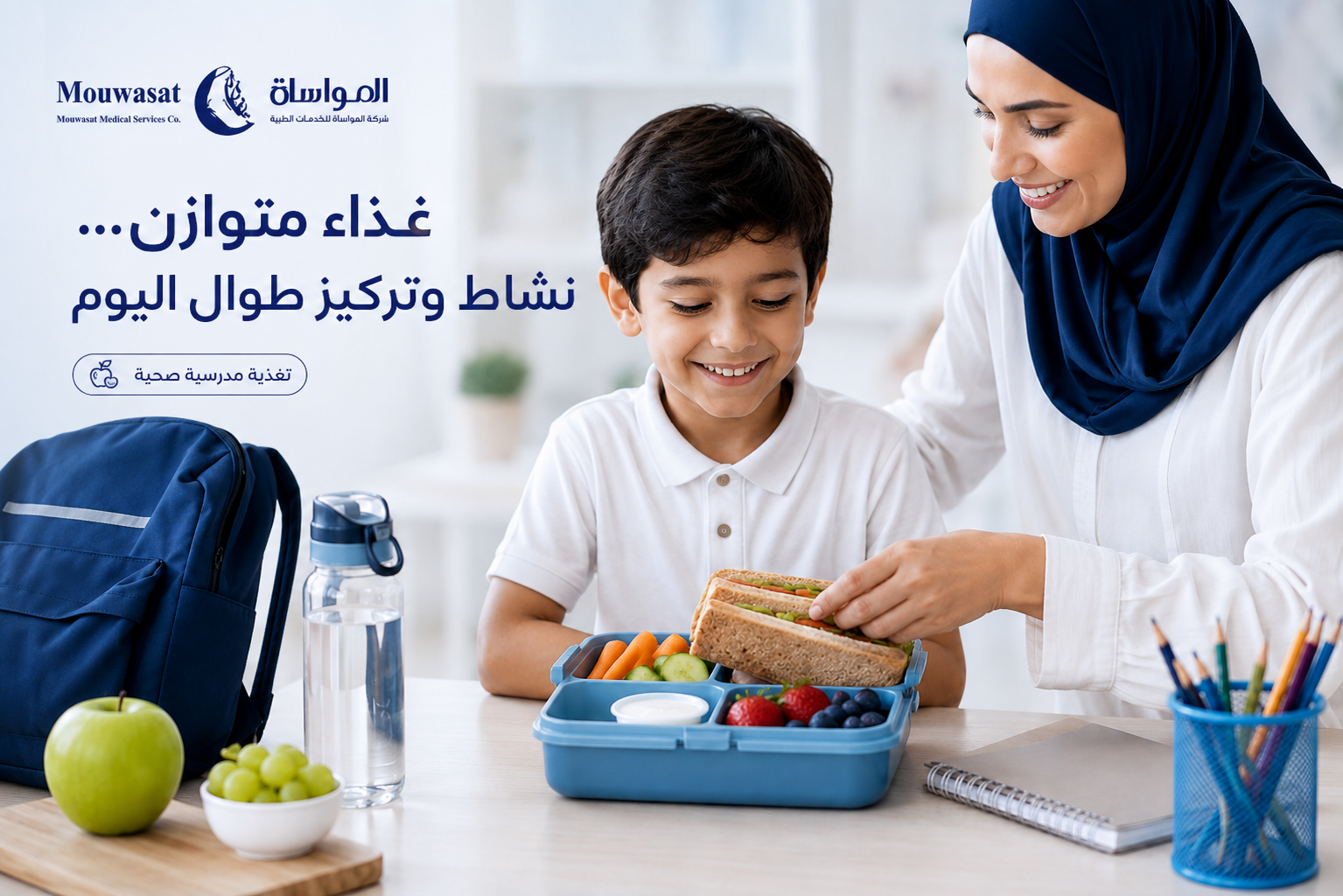
Healthy Nutrition for School-Aged Children: A Practical Guide for Ages 6–12

Healthy nutrition for school-aged children does not require a complicated diet or a fixed daily menu. The goal is to build a balanced eating pattern that offers a variety of vegetables, fruits, grains, protein foods and dairy or appropriate alternatives while limiting foods and drinks high in added sugars, saturated fat and sodium. [1] [2] [3]

On school days, the challenge becomes much more practical: What should a child eat before school? What belongs in the lunchbox? How can food be kept safe? And what should parents do when most of the lunch comes home uneaten?

This guide answers those questions with practical steps for creating a healthy school-day eating routine that can last throughout the academic year.

For a broader plan covering sleep, activity, hygiene and emotional preparation, see our back-to-school child health guide.

What does healthy nutrition mean for school-aged children?

Healthy eating is not about finding one “perfect” food. It is about creating variety across the day and week. Nutrition guidance for children recommends offering foods from different groups, including vegetables, fruits, grains, protein foods and dairy or appropriate fortified alternatives, while choosing nutrient-dense options and limiting added sugars, saturated fat and sodium. [2] [3]

Children's needs vary with age, growth, activity and health. There is therefore no single portion size or fixed menu that is right for every child. The focus should be on variety, regular eating opportunities and the child's overall growth and health.

How to build a healthy school-day breakfast

Breakfast does not need to be complicated. The aim is to provide nutritious food that a child can realistically eat before leaving for school.

CDC notes that eating a healthy breakfast among students is associated with improved cognitive function, particularly memory, as well as improved mood and reduced absenteeism. [2] The American Academy of Pediatrics also highlights breakfast as an important source of energy for children at the beginning of the school day. [4]

A simple breakfast formula

A practical breakfast can combine two or three of the following:

  • Grains or starches: such as oats or whole-grain bread.
  • Protein or dairy: such as eggs, cheese, milk, yogurt or an appropriate alternative.
  • Fruit or vegetables: such as banana, apple, cucumber or tomato.
  • Water: an important part of the morning routine.

Breakfast does not need to contain traditional breakfast foods. What matters is nutritional quality, practicality and consistency.

How to build a balanced school lunchbox

Instead of searching for a new recipe every morning, parents can use a simple framework and select suitable foods from several groups according to the child's needs, preferences, school policies and any food allergies.

Food Group Practical Examples Purpose
Grains and starches Whole-grain bread or wrap, oats or other suitable grain foods Provides energy as part of a balanced meal
Protein Eggs, chicken, hummus, beans, cheese or another suitable source Supports growth and adds variety
Vegetables or fruit Cucumber, carrots, tomatoes, peppers, apples, oranges, bananas or seasonal fruit Adds variety, color and fiber
Dairy or suitable alternative Milk, laban, yogurt, cheese or an appropriate fortified alternative Adds a food from the dairy group or its alternative
Drink Water The main everyday hydration choice

This is not a mandatory meal plan. It is simply a practical way to create variety without having to redesign the lunchbox from scratch each morning. [2] [3]

Healthy school lunch ideas for children

The following are flexible examples rather than a fixed nutrition plan. Adjust them according to your child's needs, preferences, allergies and school rules.

Idea Example Combination
1 Whole-grain cheese sandwich + cucumber and tomato + fruit + water
2 Chicken and vegetable wrap + seasonal fruit + properly chilled yogurt + water
3 Hummus with suitable bread + sliced vegetables + apple or orange + water
4 Safely chilled egg sandwich + vegetables + banana + water
5 Labneh or cheese sandwich + sliced vegetables + fruit + water

Healthy school snack ideas

If the school day is long and a child needs a snack, the goal is to add useful nutrition rather than simply providing another source of added sugar.

  • Fresh fruit that is easy to carry.
  • Safely stored sliced vegetables.
  • Yogurt or laban when it can be kept properly chilled.
  • Whole-grain foods that are lower in added sugar and sodium.
  • An age-appropriate protein source that complies with school allergy policies.

A snack is not automatically necessary for every child. Its usefulness depends on the length and structure of the school day and the child's overall meal pattern.

Water and drinks during the school day

Water should be the main everyday hydration choice. MyPlate encourages making water, milk or appropriate fortified alternatives easy options for children while limiting drinks high in added sugars. [3]

CDC also notes that adequate hydration may support cognitive function in children and adolescents, which is relevant during the school day. [2]

Keeping packed lunches safe in warm weather

A nutritious lunch also needs to be safe. This is especially important when the lunchbox includes perishable foods such as yogurt, dairy products, eggs, chicken or prepared sandwiches.

The U.S. Department of Agriculture's Food Safety and Inspection Service recommends using an insulated lunch bag and adequate cold sources for perishable packed foods. For cold lunches, its guidance recommends at least two cold sources, such as two frozen gel packs or a frozen gel pack combined with a frozen bottle of water. [6]

  • Use an insulated lunch bag for foods that need to stay cold.
  • Add suitable cold sources for perishable foods.
  • Wash produce before packing it.
  • Use clean, tightly closed containers.
  • Do not rely on appearance alone to decide whether food is safe.

This deserves particular attention during hot weather in Saudi Arabia, especially when a lunch is prepared several hours before it will be eaten.

What if your child is a selective eater?

The most nutritious lunchbox on paper has little value if the child consistently refuses to eat it. Involving children in choosing and preparing suitable foods can make school meals more practical.

MyPlate encourages age-appropriate participation in food shopping and preparation. The American Academy of Pediatrics also advises parents to avoid turning meals into battles or forcing children to eat particular foods, while continuing to offer balanced choices. [3] [5]

If the lunchbox regularly comes home almost untouched, investigate first

  • Is the child's lunch period too short?
  • Is the amount of food too large?
  • Is the food difficult to open or eat quickly?
  • Does the texture or temperature change after several hours?
  • Does the child prefer some options over others?
  • Is there an ongoing appetite concern that needs assessment?

Sometimes a simpler meal, different presentation or giving the child a choice between two suitable options can be more effective than adding more food.

Managing food allergies at school

If a child has a diagnosed food allergy, choosing an appropriate lunch is only one part of staying safe. CDC recommends coordination among families, schools and healthcare professionals to manage food allergies, reduce allergen exposure and prepare for severe reactions. [7]

  • Inform the school about known food allergies.
  • Follow the child's medical emergency plan.
  • Check the school's food and allergy policies.
  • Teach the child not to share food when this is relevant to their condition.
  • Make sure required emergency medication is available according to the healthcare and school plan.

Common school nutrition mistakes

Searching for one “superfood”

No single food can replace dietary variety. The overall eating pattern across the day and week matters more.

Packing more food than the child can realistically eat

Quality and variety are more useful than filling the lunchbox with large amounts that cannot be eaten during the available break.

Using sweets as a constant reward

Regularly using food as a reward can make certain foods appear more desirable than others. The goal should be a balanced and neutral relationship with food. [5]

Forgetting food safety

Sending yogurt, eggs, chicken or other perishable foods for hours without appropriate temperature control can make an otherwise nutritious lunch unsafe. [6]

Pressuring children to finish everything

The goal is to build sustainable eating habits rather than create daily conflict around food. Offer suitable options and look at the child's overall eating and growth pattern.

When should parents seek medical or nutrition advice?

Appetite can vary from day to day. However, consider discussing your child's nutrition with a doctor or qualified nutrition professional if there are persistent concerns about growth, very limited food variety, significant ongoing feeding difficulties, symptoms associated with certain foods or a chronic health condition that affects nutrition.

Children should not be placed on unnecessarily restrictive diets or have entire food groups removed without a medical reason and appropriate professional guidance.

Frequently asked questions about school-age nutrition

What is a healthy breakfast for a school-aged child?

There is no single ideal breakfast. A practical meal can combine a grain or starch, a protein or dairy food, fruit or vegetables and water. Variety and a routine the child can maintain are more important than following a fixed menu. [2] [3]

What should a healthy school lunch contain?

A school lunch can combine grains or starches, a protein source, vegetables or fruit and dairy or an appropriate alternative, with water. Every food group does not need to appear in every single meal if the child's overall daily eating pattern is varied and balanced.

Is juice a replacement for water?

Water should remain the main everyday hydration choice, and drinks high in added sugars should be limited. [2] [3]

What should I do if my child does not eat their school lunch?

Start by finding out why. The portion may be too large, the break may be short or the food may be difficult to eat at school. Involve your child in choosing suitable foods and avoid pressure or punishment around eating. [3] [5]

How can I keep a packed lunch cold and safe?

Use an insulated lunch bag and suitable cold sources for perishable foods. USDA guidance recommends two cold sources for packed cold lunches that need to remain chilled during transport and storage. [6]

Make healthy eating a routine, not a daily project

The best school lunch is not the most complicated or visually perfect one. It is the meal that balances nutrition, safety and practicality—and that the child can realistically eat.

Start with a small group of suitable foods your child accepts, then gradually expand variety. Involve them in choosing and preparing food, and make water, fruits, vegetables, protein foods and appropriate grains easy everyday options at home.

Over time, healthy school nutrition can become part of the family's normal routine rather than another stressful task that starts from scratch every morning.


Sources and References

  1. Saudi Ministry of Health. Child Nutrition . Updated August 2026.
  2. Centers for Disease Control and Prevention (CDC). Childhood Nutrition Facts .
  3. U.S. Department of Agriculture – MyPlate. Healthy Eating for Kids .
  4. American Academy of Pediatrics (AAP) – HealthyChildren.org. Breakfast for Learning: Why the Morning Meal Matters .
  5. American Academy of Pediatrics (AAP) – HealthyChildren.org. How to Please Fussy Eaters .
  6. U.S. Department of Agriculture – Food Safety and Inspection Service. How Do You Keep a Bag Lunch Safe? . Updated March 2025.
  7. Centers for Disease Control and Prevention (CDC). Food Allergies in Schools .

This content is intended for health education and does not represent an individualized nutrition plan or replace professional medical or nutrition assessment when needed.

```

How Much Sleep Do School-Aged Children Need? A Practical Guide for School Nights

Next
How Much Sleep Do School-Aged Children Need? A Practical Guide for School Nights
24/08/2026

Back to School: How to Prepare Your Child for a Healthy Start

Getting ready for school involves more than buying uniforms, backpacks and supplies. A healthy back-to-school transition also means helping children return to routines that support adequate sleep, balanced nutrition, physical activity, good hygiene, emotional well-being and the management of any individual health needs. [1]

These changes are easier when they do not all happen the night before school starts. Health guidance recommends beginning the transition about one to two weeks before the first day, particularly when adjusting sleep schedules and helping children prepare emotionally for a new school year. [2] [3]

This practical guide provides a step-by-step health plan that families can use before the new school year begins.

Why does a healthy back-to-school routine matter?

Moving suddenly from a relaxed holiday schedule to early mornings, classroom routines, homework and school activities can require time for adjustment. Gradually rebuilding daily routines can make this transition more manageable.

The American Academy of Pediatrics highlights core health habits, including sleep, nutrition, physical activity, preventive care and emotional well-being, as important foundations for helping children stay healthy and ready to learn. [3]

Your child’s back-to-school health checklist

1. Reset the sleep schedule before school starts

If your child has been going to bed and waking up later during the holiday, avoid waiting until the night before school to change the routine. Start moving bedtime and wake-up time gradually toward the school schedule about one to two weeks in advance. [2] [3]

The American Academy of Sleep Medicine recommends that children aged 6–12 years regularly get 9–12 hours of sleep per 24 hours, while teenagers aged 13–18 years should get 8–10 hours. [4]

Age Recommended Sleep
6–12 years 9–12 hours per 24 hours
13–18 years 8–10 hours per 24 hours

Keep bedtime and wake-up time as consistent as practical and create a calm evening routine. Saudi Ministry of Health guidance also recommends limiting screens for approximately 30–60 minutes before bedtime. [1]

2. Rebuild a balanced school-day eating routine

School-aged children benefit from a varied eating pattern that supports growth and everyday nutritional needs. Healthy eating patterns include a variety of fruits and vegetables, whole grains, dairy products and protein foods while limiting added sugars, sodium and saturated fats. [5]

Breakfast is also worth bringing back into the morning routine if schedules changed during the holiday. CDC data associate healthy breakfast consumption among students with better cognitive function, particularly memory, along with improved mood and lower absenteeism. [5]

When preparing a school lunch, aim for simple, varied choices that are appropriate for your child's age, health needs and any food allergies.

Our dedicated guide to healthy nutrition for school-aged children will explore this topic in greater detail.

3. Make hydration part of the school routine

Because the Saudi school year begins during hot weather, hydration deserves particular attention. Saudi Ministry of Health guidance encourages students to drink water regularly throughout the day rather than waiting until they feel thirsty, and a refillable water bottle can serve as a practical reminder. [1] [6]

CDC guidance also notes that staying hydrated may support cognitive function in children and adolescents, while water provides a healthier everyday alternative to sugar-sweetened drinks. [5]

4. Review vaccinations and routine health needs

Before school begins, review your child's immunization record and confirm that age-appropriate vaccinations are up to date according to the Saudi National Immunization Schedule. The national childhood immunization program is designed to protect children and the wider community from vaccine-preventable diseases. [7]

If your child is overdue for routine health care, developed a new concern during the holiday, or needs an assessment before participating in sport, the weeks before school can be a useful time to arrange an appointment. Depending on the child's age and individual needs, routine visits may include growth and developmental assessment, discussions about sleep, nutrition and mental health, and appropriate screening such as vision or hearing checks. [8]

Preparing for school does not mean that every child needs laboratory tests or extra medical investigations. Testing should be guided by the child's age, medical history, symptoms, routine care schedule and a clinician's assessment.

5. Reinforce hand hygiene and infection-prevention habits

Schools involve shared classrooms, equipment, surfaces and common spaces. Simple hygiene habits can help reduce the spread of infections.

CDC recommends teaching children to wash their hands with soap and water for at least 20 seconds, particularly after using the bathroom, before eating and after coughing or sneezing. [9]

  • Wash hands thoroughly with soap and water.
  • Cover coughs and sneezes with a tissue or the inside of the elbow.
  • Avoid sharing personal items where practical.
  • Avoid touching the eyes, nose and mouth with unclean hands.
  • Teach children to tell an adult if they feel unwell during the school day.

When soap and water are not available, an alcohol-based hand sanitizer containing at least 60% alcohol can be used, with supervision for young children. [9]

6. Bring physical activity back into the daily routine

Some children may become less active during holidays as routines change or screen use increases. The period before school is a good opportunity to gradually restore everyday movement.

Guidelines recommend that children and adolescents aged 6–17 years get 60 minutes or more of moderate-to-vigorous physical activity every day, with activities that are varied, age-appropriate and enjoyable. [10]

Those 60 minutes do not need to happen in one exercise session. Activity can accumulate through walking, play, sports and movement before, during and after school.

7. Reset digital media habits

The start of a new school year is a useful time for families to review habits around phones, tablets, gaming and other digital media. The American Academy of Pediatrics recommends creating family rules that fit the child's needs and protecting screen-free times and places, such as meals, homework time and before bed. [11]

Rather than focusing only on a single daily screen-time number, make sure digital media is not displacing essential activities such as sleep, physical activity, family meals, studying and in-person social interaction.

8. Prepare your child emotionally for returning to school

Some children look forward to returning to school, while others may feel worried about a new classroom, teacher, school or academic stage. Saudi Ministry of Health guidance recommends talking openly with children about their concerns, listening to their feelings and restoring the family's school routine one to two weeks before classes begin. Visiting a new school before the first day may also be helpful when possible. [2]

Try open questions such as, “What are you most looking forward to?” and “Is there anything about going back that worries you?”

If anxiety becomes persistent or significantly affects sleep, eating, school attendance or everyday activities, consider discussing it with a healthcare professional.

9. Have a school health plan for chronic medical conditions

If your child has asthma, diabetes, epilepsy, a severe allergy or another medical condition that requires management during the school day, communicate with the school before problems arise.

Saudi Ministry of Health guidance recommends informing the school about chronic or special medical conditions and potential emergencies before classes begin. The American Academy of Pediatrics also recommends coordinating in advance when children need medication or health instructions during school hours. [1] [8]

  • Make sure emergency contact information is up to date.
  • Provide the school with the health information it needs.
  • Check medications and medical supplies the child may require.
  • Complete any forms or instructions required for medication at school.

10. Check the school backpack

Choosing and packing a suitable backpack is another part of daily school health. The American Academy of Pediatrics and Saudi Ministry of Health recommend using a backpack with two wide, padded shoulder straps, positioning heavier items near the center of the back, using both straps and regularly removing unnecessary items. [1] [3]

Guidance generally recommends that the backpack should not weigh more than approximately 10%–20% of the child's body weight. [1] [3]

A practical back-to-school health timeline

When? What to Do
Two weeks before school Gradually reset sleep and wake times, rebuild regular meals, increase daily activity, and talk with your child about their feelings about returning to school.
One week before school Review vaccinations and any health follow-up needs, prepare plans for chronic conditions, and reset family rules for digital media use.
The day before school Prepare the backpack, clothes, school lunch, water bottle, and any required medication or health supplies.
The first morning Allow enough time to wake up calmly, eat breakfast, drink water, check your child's health needs, and start the day with reassurance.

When should your child see a doctor before school?

Consider arranging a medical appointment if your child is overdue for routine health care, has developed a new health concern, needs follow-up for a chronic condition or medication plan, or if you have concerns about growth, sleep, vision, hearing, mental health or participation in sports. [8]

Acute symptoms or a clear deterioration in your child's health should not be delayed simply because the school year has not yet begun.

Quick checklist: Is your child ready for school?

  • Has your child returned to an appropriate bedtime and wake-up time?
  • Are they getting the recommended amount of sleep for their age?
  • Are regular meals and breakfast back in the routine?
  • Do they have a plan for drinking water during the school day?
  • Are age-appropriate vaccinations up to date?
  • Is there a health issue that should be reviewed before school?
  • Does the school know about any chronic condition or severe allergy?
  • Are required medications, supplies and school forms ready?
  • Does your child know when and how to wash their hands properly?
  • Have digital media habits been reset?
  • Have you talked about feelings or concerns around returning to school?
  • Is the backpack appropriate and free of unnecessary weight?

Frequently asked questions about children's health and going back to school

When should I start changing my child's sleep schedule?

Ideally, start approximately one to two weeks before school begins and adjust bedtime and wake-up time gradually rather than changing the entire schedule the night before the first day. [2] [3]

How much sleep does a school-aged child need?

Children aged 6–12 years should regularly get 9–12 hours of sleep per 24 hours, while teenagers aged 13–18 years should get 8–10 hours. [4]

Does every child need a medical examination before school?

Not every child needs extra tests simply because school is starting. Routine preventive care remains important, and additional assessment may be appropriate when there is a new health concern, a chronic condition or concerns involving growth, vision, hearing, sleep, mental health or sports participation. [8]

What is one of the most important infection-prevention habits for school?

Proper handwashing is one of the most useful habits to teach. CDC recommends scrubbing the hands with soap for at least 20 seconds. [9]

What if my child is anxious about returning to school?

Listen to their concerns, discuss expected changes and rebuild the school routine gradually. A visit to a new school before the first day may also help when possible. Persistent anxiety that interferes with daily life should be discussed with a healthcare professional. [2]

Build healthy habits that last beyond the first week

A healthy back-to-school plan should not end after the first few days. The goal is to rebuild routines the family can maintain throughout the school year: consistent sleep, balanced nutrition, adequate hydration, everyday movement, good hygiene, thoughtful media use and open conversations about health and emotions.

Make changes gradually and adapt them to your child's age, health needs and family routine. If you have specific concerns about your child's health, speak with a healthcare professional for individualized advice.


Sources and References

  1. Saudi Ministry of Health. Health Guidelines for Returning to School .
  2. Saudi Ministry of Health. Psychological Preparation Before Returning to School .
  3. American Academy of Pediatrics (AAP) – HealthyChildren.org. Back-to-School Tips for Families .
  4. American Academy of Sleep Medicine (AASM). Pediatric Sleep Recommendations .
  5. Centers for Disease Control and Prevention (CDC). Childhood Nutrition Facts .
  6. Saudi Ministry of Health. School Health .
  7. Saudi Ministry of Health. National Childhood Immunization Schedule .
  8. American Academy of Pediatrics (AAP) – HealthyChildren.org. Back to School, Back to the Doctor .
  9. Centers for Disease Control and Prevention (CDC). About Hand Hygiene in Schools and Early Care and Education Settings .
  10. Centers for Disease Control and Prevention (CDC). Physical Activity Guidelines for School-Aged Children and Adolescents .
  11. American Academy of Pediatrics (AAP) – HealthyChildren.org. How to Make a Family Media Plan .

This content is provided for health education and does not replace individual medical assessment or professional medical advice when needed.

Next
Prev
  • 24/08/2026

    Back to School: How to Prepare Your Child for a Healthy Start

    Getting ready for school involves more than buying uniforms, backpacks and supplies. A healthy back-to-school transition also means helping children return to routines that support adequate sleep, balanced nutrition, physical activity, good hygiene, emotional well-being and the management of any individual health needs. [1]

    These changes are easier when they do not all happen the night before school starts. Health guidance recommends beginning the transition about one to two weeks before the first day, particularly when adjusting sleep schedules and helping children prepare emotionally for a new school year. [2] [3]

    This practical guide provides a step-by-step health plan that families can use before the new school year begins.

    Why does a healthy back-to-school routine matter?

    Moving suddenly from a relaxed holiday schedule to early mornings, classroom routines, homework and school activities can require time for adjustment. Gradually rebuilding daily routines can make this transition more manageable.

    The American Academy of Pediatrics highlights core health habits, including sleep, nutrition, physical activity, preventive care and emotional well-being, as important foundations for helping children stay healthy and ready to learn. [3]

    Your child’s back-to-school health checklist

    1. Reset the sleep schedule before school starts

    If your child has been going to bed and waking up later during the holiday, avoid waiting until the night before school to change the routine. Start moving bedtime and wake-up time gradually toward the school schedule about one to two weeks in advance. [2] [3]

    The American Academy of Sleep Medicine recommends that children aged 6–12 years regularly get 9–12 hours of sleep per 24 hours, while teenagers aged 13–18 years should get 8–10 hours. [4]

    Age Recommended Sleep
    6–12 years 9–12 hours per 24 hours
    13–18 years 8–10 hours per 24 hours

    Keep bedtime and wake-up time as consistent as practical and create a calm evening routine. Saudi Ministry of Health guidance also recommends limiting screens for approximately 30–60 minutes before bedtime. [1]

    2. Rebuild a balanced school-day eating routine

    School-aged children benefit from a varied eating pattern that supports growth and everyday nutritional needs. Healthy eating patterns include a variety of fruits and vegetables, whole grains, dairy products and protein foods while limiting added sugars, sodium and saturated fats. [5]

    Breakfast is also worth bringing back into the morning routine if schedules changed during the holiday. CDC data associate healthy breakfast consumption among students with better cognitive function, particularly memory, along with improved mood and lower absenteeism. [5]

    When preparing a school lunch, aim for simple, varied choices that are appropriate for your child's age, health needs and any food allergies.

    Our dedicated guide to healthy nutrition for school-aged children will explore this topic in greater detail.

    3. Make hydration part of the school routine

    Because the Saudi school year begins during hot weather, hydration deserves particular attention. Saudi Ministry of Health guidance encourages students to drink water regularly throughout the day rather than waiting until they feel thirsty, and a refillable water bottle can serve as a practical reminder. [1] [6]

    CDC guidance also notes that staying hydrated may support cognitive function in children and adolescents, while water provides a healthier everyday alternative to sugar-sweetened drinks. [5]

    4. Review vaccinations and routine health needs

    Before school begins, review your child's immunization record and confirm that age-appropriate vaccinations are up to date according to the Saudi National Immunization Schedule. The national childhood immunization program is designed to protect children and the wider community from vaccine-preventable diseases. [7]

    If your child is overdue for routine health care, developed a new concern during the holiday, or needs an assessment before participating in sport, the weeks before school can be a useful time to arrange an appointment. Depending on the child's age and individual needs, routine visits may include growth and developmental assessment, discussions about sleep, nutrition and mental health, and appropriate screening such as vision or hearing checks. [8]

    Preparing for school does not mean that every child needs laboratory tests or extra medical investigations. Testing should be guided by the child's age, medical history, symptoms, routine care schedule and a clinician's assessment.

    5. Reinforce hand hygiene and infection-prevention habits

    Schools involve shared classrooms, equipment, surfaces and common spaces. Simple hygiene habits can help reduce the spread of infections.

    CDC recommends teaching children to wash their hands with soap and water for at least 20 seconds, particularly after using the bathroom, before eating and after coughing or sneezing. [9]

    • Wash hands thoroughly with soap and water.
    • Cover coughs and sneezes with a tissue or the inside of the elbow.
    • Avoid sharing personal items where practical.
    • Avoid touching the eyes, nose and mouth with unclean hands.
    • Teach children to tell an adult if they feel unwell during the school day.

    When soap and water are not available, an alcohol-based hand sanitizer containing at least 60% alcohol can be used, with supervision for young children. [9]

    6. Bring physical activity back into the daily routine

    Some children may become less active during holidays as routines change or screen use increases. The period before school is a good opportunity to gradually restore everyday movement.

    Guidelines recommend that children and adolescents aged 6–17 years get 60 minutes or more of moderate-to-vigorous physical activity every day, with activities that are varied, age-appropriate and enjoyable. [10]

    Those 60 minutes do not need to happen in one exercise session. Activity can accumulate through walking, play, sports and movement before, during and after school.

    7. Reset digital media habits

    The start of a new school year is a useful time for families to review habits around phones, tablets, gaming and other digital media. The American Academy of Pediatrics recommends creating family rules that fit the child's needs and protecting screen-free times and places, such as meals, homework time and before bed. [11]

    Rather than focusing only on a single daily screen-time number, make sure digital media is not displacing essential activities such as sleep, physical activity, family meals, studying and in-person social interaction.

    8. Prepare your child emotionally for returning to school

    Some children look forward to returning to school, while others may feel worried about a new classroom, teacher, school or academic stage. Saudi Ministry of Health guidance recommends talking openly with children about their concerns, listening to their feelings and restoring the family's school routine one to two weeks before classes begin. Visiting a new school before the first day may also be helpful when possible. [2]

    Try open questions such as, “What are you most looking forward to?” and “Is there anything about going back that worries you?”

    If anxiety becomes persistent or significantly affects sleep, eating, school attendance or everyday activities, consider discussing it with a healthcare professional.

    9. Have a school health plan for chronic medical conditions

    If your child has asthma, diabetes, epilepsy, a severe allergy or another medical condition that requires management during the school day, communicate with the school before problems arise.

    Saudi Ministry of Health guidance recommends informing the school about chronic or special medical conditions and potential emergencies before classes begin. The American Academy of Pediatrics also recommends coordinating in advance when children need medication or health instructions during school hours. [1] [8]

    • Make sure emergency contact information is up to date.
    • Provide the school with the health information it needs.
    • Check medications and medical supplies the child may require.
    • Complete any forms or instructions required for medication at school.

    10. Check the school backpack

    Choosing and packing a suitable backpack is another part of daily school health. The American Academy of Pediatrics and Saudi Ministry of Health recommend using a backpack with two wide, padded shoulder straps, positioning heavier items near the center of the back, using both straps and regularly removing unnecessary items. [1] [3]

    Guidance generally recommends that the backpack should not weigh more than approximately 10%–20% of the child's body weight. [1] [3]

    A practical back-to-school health timeline

    When? What to Do
    Two weeks before school Gradually reset sleep and wake times, rebuild regular meals, increase daily activity, and talk with your child about their feelings about returning to school.
    One week before school Review vaccinations and any health follow-up needs, prepare plans for chronic conditions, and reset family rules for digital media use.
    The day before school Prepare the backpack, clothes, school lunch, water bottle, and any required medication or health supplies.
    The first morning Allow enough time to wake up calmly, eat breakfast, drink water, check your child's health needs, and start the day with reassurance.

    When should your child see a doctor before school?

    Consider arranging a medical appointment if your child is overdue for routine health care, has developed a new health concern, needs follow-up for a chronic condition or medication plan, or if you have concerns about growth, sleep, vision, hearing, mental health or participation in sports. [8]

    Acute symptoms or a clear deterioration in your child's health should not be delayed simply because the school year has not yet begun.

    Quick checklist: Is your child ready for school?

    • Has your child returned to an appropriate bedtime and wake-up time?
    • Are they getting the recommended amount of sleep for their age?
    • Are regular meals and breakfast back in the routine?
    • Do they have a plan for drinking water during the school day?
    • Are age-appropriate vaccinations up to date?
    • Is there a health issue that should be reviewed before school?
    • Does the school know about any chronic condition or severe allergy?
    • Are required medications, supplies and school forms ready?
    • Does your child know when and how to wash their hands properly?
    • Have digital media habits been reset?
    • Have you talked about feelings or concerns around returning to school?
    • Is the backpack appropriate and free of unnecessary weight?

    Frequently asked questions about children's health and going back to school

    When should I start changing my child's sleep schedule?

    Ideally, start approximately one to two weeks before school begins and adjust bedtime and wake-up time gradually rather than changing the entire schedule the night before the first day. [2] [3]

    How much sleep does a school-aged child need?

    Children aged 6–12 years should regularly get 9–12 hours of sleep per 24 hours, while teenagers aged 13–18 years should get 8–10 hours. [4]

    Does every child need a medical examination before school?

    Not every child needs extra tests simply because school is starting. Routine preventive care remains important, and additional assessment may be appropriate when there is a new health concern, a chronic condition or concerns involving growth, vision, hearing, sleep, mental health or sports participation. [8]

    What is one of the most important infection-prevention habits for school?

    Proper handwashing is one of the most useful habits to teach. CDC recommends scrubbing the hands with soap for at least 20 seconds. [9]

    What if my child is anxious about returning to school?

    Listen to their concerns, discuss expected changes and rebuild the school routine gradually. A visit to a new school before the first day may also help when possible. Persistent anxiety that interferes with daily life should be discussed with a healthcare professional. [2]

    Build healthy habits that last beyond the first week

    A healthy back-to-school plan should not end after the first few days. The goal is to rebuild routines the family can maintain throughout the school year: consistent sleep, balanced nutrition, adequate hydration, everyday movement, good hygiene, thoughtful media use and open conversations about health and emotions.

    Make changes gradually and adapt them to your child's age, health needs and family routine. If you have specific concerns about your child's health, speak with a healthcare professional for individualized advice.


    Sources and References

    1. Saudi Ministry of Health. Health Guidelines for Returning to School .
    2. Saudi Ministry of Health. Psychological Preparation Before Returning to School .
    3. American Academy of Pediatrics (AAP) – HealthyChildren.org. Back-to-School Tips for Families .
    4. American Academy of Sleep Medicine (AASM). Pediatric Sleep Recommendations .
    5. Centers for Disease Control and Prevention (CDC). Childhood Nutrition Facts .
    6. Saudi Ministry of Health. School Health .
    7. Saudi Ministry of Health. National Childhood Immunization Schedule .
    8. American Academy of Pediatrics (AAP) – HealthyChildren.org. Back to School, Back to the Doctor .
    9. Centers for Disease Control and Prevention (CDC). About Hand Hygiene in Schools and Early Care and Education Settings .
    10. Centers for Disease Control and Prevention (CDC). Physical Activity Guidelines for School-Aged Children and Adolescents .
    11. American Academy of Pediatrics (AAP) – HealthyChildren.org. How to Make a Family Media Plan .

    This content is provided for health education and does not replace individual medical assessment or professional medical advice when needed.

  • 24/08/2026

    Healthy Nutrition for School-Aged Children: A Practical Guide for Ages 6–12

    Healthy nutrition for school-aged children does not require a complicated diet or a fixed daily menu. The goal is to build a balanced eating pattern that offers a variety of vegetables, fruits, grains, protein foods and dairy or appropriate alternatives while limiting foods and drinks high in added sugars, saturated fat and sodium. [1] [2] [3]

    On school days, the challenge becomes much more practical: What should a child eat before school? What belongs in the lunchbox? How can food be kept safe? And what should parents do when most of the lunch comes home uneaten?

    This guide answers those questions with practical steps for creating a healthy school-day eating routine that can last throughout the academic year.

    For a broader plan covering sleep, activity, hygiene and emotional preparation, see our back-to-school child health guide.

    What does healthy nutrition mean for school-aged children?

    Healthy eating is not about finding one “perfect” food. It is about creating variety across the day and week. Nutrition guidance for children recommends offering foods from different groups, including vegetables, fruits, grains, protein foods and dairy or appropriate fortified alternatives, while choosing nutrient-dense options and limiting added sugars, saturated fat and sodium. [2] [3]

    Children's needs vary with age, growth, activity and health. There is therefore no single portion size or fixed menu that is right for every child. The focus should be on variety, regular eating opportunities and the child's overall growth and health.

    How to build a healthy school-day breakfast

    Breakfast does not need to be complicated. The aim is to provide nutritious food that a child can realistically eat before leaving for school.

    CDC notes that eating a healthy breakfast among students is associated with improved cognitive function, particularly memory, as well as improved mood and reduced absenteeism. [2] The American Academy of Pediatrics also highlights breakfast as an important source of energy for children at the beginning of the school day. [4]

    A simple breakfast formula

    A practical breakfast can combine two or three of the following:

    • Grains or starches: such as oats or whole-grain bread.
    • Protein or dairy: such as eggs, cheese, milk, yogurt or an appropriate alternative.
    • Fruit or vegetables: such as banana, apple, cucumber or tomato.
    • Water: an important part of the morning routine.

    Breakfast does not need to contain traditional breakfast foods. What matters is nutritional quality, practicality and consistency.

    How to build a balanced school lunchbox

    Instead of searching for a new recipe every morning, parents can use a simple framework and select suitable foods from several groups according to the child's needs, preferences, school policies and any food allergies.

    Food Group Practical Examples Purpose
    Grains and starches Whole-grain bread or wrap, oats or other suitable grain foods Provides energy as part of a balanced meal
    Protein Eggs, chicken, hummus, beans, cheese or another suitable source Supports growth and adds variety
    Vegetables or fruit Cucumber, carrots, tomatoes, peppers, apples, oranges, bananas or seasonal fruit Adds variety, color and fiber
    Dairy or suitable alternative Milk, laban, yogurt, cheese or an appropriate fortified alternative Adds a food from the dairy group or its alternative
    Drink Water The main everyday hydration choice

    This is not a mandatory meal plan. It is simply a practical way to create variety without having to redesign the lunchbox from scratch each morning. [2] [3]

    Healthy school lunch ideas for children

    The following are flexible examples rather than a fixed nutrition plan. Adjust them according to your child's needs, preferences, allergies and school rules.

    Idea Example Combination
    1 Whole-grain cheese sandwich + cucumber and tomato + fruit + water
    2 Chicken and vegetable wrap + seasonal fruit + properly chilled yogurt + water
    3 Hummus with suitable bread + sliced vegetables + apple or orange + water
    4 Safely chilled egg sandwich + vegetables + banana + water
    5 Labneh or cheese sandwich + sliced vegetables + fruit + water

    Healthy school snack ideas

    If the school day is long and a child needs a snack, the goal is to add useful nutrition rather than simply providing another source of added sugar.

    • Fresh fruit that is easy to carry.
    • Safely stored sliced vegetables.
    • Yogurt or laban when it can be kept properly chilled.
    • Whole-grain foods that are lower in added sugar and sodium.
    • An age-appropriate protein source that complies with school allergy policies.

    A snack is not automatically necessary for every child. Its usefulness depends on the length and structure of the school day and the child's overall meal pattern.

    Water and drinks during the school day

    Water should be the main everyday hydration choice. MyPlate encourages making water, milk or appropriate fortified alternatives easy options for children while limiting drinks high in added sugars. [3]

    CDC also notes that adequate hydration may support cognitive function in children and adolescents, which is relevant during the school day. [2]

    Keeping packed lunches safe in warm weather

    A nutritious lunch also needs to be safe. This is especially important when the lunchbox includes perishable foods such as yogurt, dairy products, eggs, chicken or prepared sandwiches.

    The U.S. Department of Agriculture's Food Safety and Inspection Service recommends using an insulated lunch bag and adequate cold sources for perishable packed foods. For cold lunches, its guidance recommends at least two cold sources, such as two frozen gel packs or a frozen gel pack combined with a frozen bottle of water. [6]

    • Use an insulated lunch bag for foods that need to stay cold.
    • Add suitable cold sources for perishable foods.
    • Wash produce before packing it.
    • Use clean, tightly closed containers.
    • Do not rely on appearance alone to decide whether food is safe.

    This deserves particular attention during hot weather in Saudi Arabia, especially when a lunch is prepared several hours before it will be eaten.

    What if your child is a selective eater?

    The most nutritious lunchbox on paper has little value if the child consistently refuses to eat it. Involving children in choosing and preparing suitable foods can make school meals more practical.

    MyPlate encourages age-appropriate participation in food shopping and preparation. The American Academy of Pediatrics also advises parents to avoid turning meals into battles or forcing children to eat particular foods, while continuing to offer balanced choices. [3] [5]

    If the lunchbox regularly comes home almost untouched, investigate first

    • Is the child's lunch period too short?
    • Is the amount of food too large?
    • Is the food difficult to open or eat quickly?
    • Does the texture or temperature change after several hours?
    • Does the child prefer some options over others?
    • Is there an ongoing appetite concern that needs assessment?

    Sometimes a simpler meal, different presentation or giving the child a choice between two suitable options can be more effective than adding more food.

    Managing food allergies at school

    If a child has a diagnosed food allergy, choosing an appropriate lunch is only one part of staying safe. CDC recommends coordination among families, schools and healthcare professionals to manage food allergies, reduce allergen exposure and prepare for severe reactions. [7]

    • Inform the school about known food allergies.
    • Follow the child's medical emergency plan.
    • Check the school's food and allergy policies.
    • Teach the child not to share food when this is relevant to their condition.
    • Make sure required emergency medication is available according to the healthcare and school plan.

    Common school nutrition mistakes

    Searching for one “superfood”

    No single food can replace dietary variety. The overall eating pattern across the day and week matters more.

    Packing more food than the child can realistically eat

    Quality and variety are more useful than filling the lunchbox with large amounts that cannot be eaten during the available break.

    Using sweets as a constant reward

    Regularly using food as a reward can make certain foods appear more desirable than others. The goal should be a balanced and neutral relationship with food. [5]

    Forgetting food safety

    Sending yogurt, eggs, chicken or other perishable foods for hours without appropriate temperature control can make an otherwise nutritious lunch unsafe. [6]

    Pressuring children to finish everything

    The goal is to build sustainable eating habits rather than create daily conflict around food. Offer suitable options and look at the child's overall eating and growth pattern.

    When should parents seek medical or nutrition advice?

    Appetite can vary from day to day. However, consider discussing your child's nutrition with a doctor or qualified nutrition professional if there are persistent concerns about growth, very limited food variety, significant ongoing feeding difficulties, symptoms associated with certain foods or a chronic health condition that affects nutrition.

    Children should not be placed on unnecessarily restrictive diets or have entire food groups removed without a medical reason and appropriate professional guidance.

    Frequently asked questions about school-age nutrition

    What is a healthy breakfast for a school-aged child?

    There is no single ideal breakfast. A practical meal can combine a grain or starch, a protein or dairy food, fruit or vegetables and water. Variety and a routine the child can maintain are more important than following a fixed menu. [2] [3]

    What should a healthy school lunch contain?

    A school lunch can combine grains or starches, a protein source, vegetables or fruit and dairy or an appropriate alternative, with water. Every food group does not need to appear in every single meal if the child's overall daily eating pattern is varied and balanced.

    Is juice a replacement for water?

    Water should remain the main everyday hydration choice, and drinks high in added sugars should be limited. [2] [3]

    What should I do if my child does not eat their school lunch?

    Start by finding out why. The portion may be too large, the break may be short or the food may be difficult to eat at school. Involve your child in choosing suitable foods and avoid pressure or punishment around eating. [3] [5]

    How can I keep a packed lunch cold and safe?

    Use an insulated lunch bag and suitable cold sources for perishable foods. USDA guidance recommends two cold sources for packed cold lunches that need to remain chilled during transport and storage. [6]

    Make healthy eating a routine, not a daily project

    The best school lunch is not the most complicated or visually perfect one. It is the meal that balances nutrition, safety and practicality—and that the child can realistically eat.

    Start with a small group of suitable foods your child accepts, then gradually expand variety. Involve them in choosing and preparing food, and make water, fruits, vegetables, protein foods and appropriate grains easy everyday options at home.

    Over time, healthy school nutrition can become part of the family's normal routine rather than another stressful task that starts from scratch every morning.


    Sources and References

    1. Saudi Ministry of Health. Child Nutrition . Updated August 2026.
    2. Centers for Disease Control and Prevention (CDC). Childhood Nutrition Facts .
    3. U.S. Department of Agriculture – MyPlate. Healthy Eating for Kids .
    4. American Academy of Pediatrics (AAP) – HealthyChildren.org. Breakfast for Learning: Why the Morning Meal Matters .
    5. American Academy of Pediatrics (AAP) – HealthyChildren.org. How to Please Fussy Eaters .
    6. U.S. Department of Agriculture – Food Safety and Inspection Service. How Do You Keep a Bag Lunch Safe? . Updated March 2025.
    7. Centers for Disease Control and Prevention (CDC). Food Allergies in Schools .

    This content is intended for health education and does not represent an individualized nutrition plan or replace professional medical or nutrition assessment when needed.

    ```

  • 19/02/2026

    When you blink, you’re not only moisturizing your eyes, but you are also activating a complex system of glands and nerves that maintain the health and integrity of the eye’s surface. But what happens when this refined system is disrupted? This is where dry eye comes in, a condition affecting millions worldwide with symptoms ranging from mild burning to vision disturbances that impact quality of life. 

    In this comprehensive medical guide, we provide you with the latest information on dry eye, its causes, symptoms, diagnosis, and treatment. We also highlight the advanced therapeutic options available at the Eye Center at Mouwasat Hospital to help you take informed steps toward better eye care. 

    What Is Dry Eye? 

    Dry eye is a common condition that occurs when tears fail to provide adequate lubrication for the eye’s surface. This happens due to decreased tear production or poor tear quality, leading to instability of the tear film and inflammation that can damage the ocular surface. 

    Causes of Dry Eye and Risk Factors 

    Dry eye mainly results from one, or both, of the following causes:

    • Reduced Tear Production 
    • The lacrimal glands are unable to produce enough tears to keep the eyes moist. 
    • Rapid Tear Evaporation 

    This occurs due to dysfunction in the small oil‑producing glands along the eyelid margins (meibomian glands), leading to a deficiency in the oily layer that prevents tears from evaporating quickly. 

    Risk Factors 

    Several factors can increase the likelihood of developing dry eye:

    Environmental and lifestyle factors:

    • Exposure to wind and dry air 
    • Prolonged screen use (computer and phone), which reduces blinking 
    • Wearing contact lenses 
    • Smoking 
    • Eye allergies 

    Aging:

    Dry eye becomes more common with age, especially after age 50. 

    Medications:

    Some medications cause dry eye as a side effect, such as

    • Antidepressants 
    • Antihistamines 
    • Blood pressure medications 
    • Acne treatments 

    Medical conditions:

    • Eyelid inflammation (blepharitis) 
    • Sjögren’s syndrome 
    • Thyroid disorders (e.g., thyroid eye disease) 
    • Diabetes 

    Surgeries:

    Eye procedures such as LASIK, cataract surgery, and corneal surgeries can worsen dry eye temporarily or permanently. 

    Dry Eye After LASIK 

    Dry eye is a common and expected side effect after LASIK surgery. LASIK temporarily cuts some corneal nerves, reducing sensation and decreasing tear production. 

    Most cases are temporary and improve gradually within 3 to 6 months (or slightly longer) as nerves recover. 

    Eye surgeons typically prescribe intensive lubricating drops during the recovery phase. 

    In rare cases, dryness may persist longer, especially in patients who already had mild dry eye before surgery. 

    Symptoms of Dry Eye 

    Dry eye symptoms vary, but the most common include:

    • Feeling like there is a foreign body in the eye (sand or dust) 
    • Burning or stinging sensation 
    • Eye redness and irritation 
    • Light sensitivity 
    • Blurred or fluctuating vision that improves after blinking 
    • Mucous discharge in or around the eyes 
    • Excessive tearing: severe dryness may trigger reflex watery tears that lack the oily layer, causing continued instability and dryness. 

    Symptoms of Severe Dry Eye 

    Symptoms resemble general dry eye but with greater intensity:

    • Persistent pain or severe burning 
    • Extreme light sensitivity, making daylight exposure difficult 
    • Severe blurred vision that does not improve with blinking 
    • Inability to produce tears even when crying or yawning 
    • Marked and persistent redness 
    • Feeling of a large rough object in the eye 

    If you experience any of these symptoms, consult an eye specialist to avoid complications. 

    Complications of Dry Eye 

    If left untreated, especially in severe cases, dry eye may lead to

    • Recurrent eye infections 
    • Corneal scratches or ulcers 
    • Chronic irritation and inflammation 
    • Vision problems affecting daily life 

    When Should You See a Doctor? 

    Schedule an appointment with an eye specialist if:

    • Symptoms persist or worsen despite using home remedies and artificial tears. 
    • You experience severe redness or pain. 
    • You notice sudden or ongoing changes in vision. 
    • You take medications or have health conditions that may cause dry eye. 

    Consult the ophthalmologists at Mouwasat Hospitals


    Diagnosing Dry Eye: How Do Doctors Confirm It? 

    No single test is enough to diagnose dry eye. Doctors use several assessments to accurately identify the condition and its underlying cause:

    • Comprehensive Eye Examination 

    Includes medical history and examination of the eyes and eyelids using a slit lamp to look for dryness and inflammation. 

    • Measuring Tear Quantity:

    Schirmer test: A small paper strip is placed under the lower eyelid to measure tear production over 5 minutes. 
    Red thread test: A quicker, less irritating method using a specialized thread to absorb tears. 

    • Assessing Tear Quality and Evaporation:

    Tear Break-Up Time (TBUT): A special dye is placed in the eye, and the doctor measures how quickly the tear film breaks down. 

    • Advanced Tests:

    Tear osmolarity: Measures concentration of particles in tears; high levels indicate dryness. 
    Tear composition analysis: Detects inflammatory markers such as elevated MMP‑9 or reduced lactoferrin. 

    • Additional Tests:

    Blood tests may be needed to check for autoimmune conditions like Sjögren’s syndrome. 

    Dry Eye Treatment: From Home Remedies to Advanced Technology 

    Treatment varies depending on severity and underlying cause, starting with simple steps and progressing to more advanced options. 

    Tips for Relieving Mild to Moderate Dry Eye 

    Warm Compresses and Eyelid Cleaning 

    • Apply warm compresses for 5 to 10 minutes daily to open blocked oil glands. Follow with gentle lid massage and cleaning using diluted baby shampoo or a medical eyelid cleanser. 
    • Blink More & Take Breaks: Use the 20‑20‑20 rule: every 20 minutes, look at something 20 feet away for 20 seconds. 
    • Screen Positioning: Place your computer screen below eye level to reduce eyelid opening and evaporation. 
    • Improve Your Environment: Avoid drafts, use a humidifier, and wear sunglasses outdoors. 
    Healthy Diet for Dry Eye 
    • Consume omega‑3-rich foods: salmon, tuna, sardines, walnuts, and flaxseeds. 
    • Drink 8 to 10 cups of water daily. 
    • Eat water‑rich foods like cucumber and watermelon. 
    • Consult your doctor before taking supplements. 
    Treating Dry Eye with Drops and Medications 

    Artificial Tears 

    • The first line of treatment. 
    • If used more than four times daily, choose preservative‑free options. 
    • Avoid redness‑relief drops, which may worsen dryness long‑term. 

    Lubricating Ointments 

    • Used before bedtime for long‑lasting nighttime moisture. 

    Prescription Medications 

    • May include anti‑inflammatory treatments that stimulate tear production and reduce gland inflammation. 

    Do not use any medication without consulting your doctor or pharmacist. 


    Advanced Technologies for Dry Eye Treatment 

    When conventional treatments are insufficient, the Eye Center at Mouwasat Hospital offers more advanced solutions:

    • Punctal Plugs 

    Tiny silicone or collagen plugs are inserted into tear drainage ducts to keep natural and artificial tears on the eye longer. 

    • Dry Eye Treatment Devices 

    One of the most effective modern treatments is the E‑Eye IPL device. 

    Benefits of Dry Eye Treatment with E‑Eye IPL Technology 

    If you suffer from chronic dry eye and conventional treatments have failed, E‑Eye at Mouwasat’s Eye Center may be the ideal solution. 

    How E‑Eye Works 

    • Quick, painless sessions lasting only a few minutes 
    • Protective goggles placed over the eyes 
    • Conductive gel applied to the lower eyelid 
    • Gentle, painless pulses of light delivered around the lower eye area 

    These pulses stimulate meibomian glands to resume normal oil production, reducing tear evaporation and addressing dry eye at its root. 

    Advantages of E‑Eye for Dry Eye Treatment 

    • Fast and effective: 90% of patients report noticeable improvement from the first sessions. 
    • Non‑surgical and safe: No pain or downtime, resume daily activities immediately 
    • Clear treatment protocol: 3 main sessions (days 0, 15, 45), with optional follow‑up sessions 
    • Long‑lasting results: Effects can last from 6 months up to 3 years. 

    Thanks to E‑Eye technology at Mouwasat Hospital’s Eye Center, thousands of dry eye patients can restore visual comfort and quality of life with a solution that treats the root cause, not just the symptoms. 

    Book Your Session Now 

    How Long Does Dry Eye Recovery Take? 

    It varies based on severity and treatment:

    • Simple treatments: improvement in days to weeks 
    • Medications: may take 3 to 6 months for full effect 
    • E‑Eye IPL therapy: typically 3 sessions over 1.5 months 

    Frequently Asked Questions 

    Can Dry Eye Be Cured Permanently? 

    It depends on the underlying cause:

    • Temporary causes: full, permanent recovery is possible once the trigger is removed. 
    • Chronic conditions: long‑term management can eliminate symptoms, but requires ongoing care. 
    Does Dry Eye Go Away on Its Own? 

    Sometimes, if caused by temporary eye strain or a dry environment. 
    Chronic dry eye rarely resolves without treatment and may worsen over time. 

    Is Dry Eye Dangerous? 

    Dry eye is not an immediate threat to vision, but severe untreated cases can lead to corneal ulcers, scarring, infections, and long‑term vision problems. 

    Dry Eye Is Treatable; Your Next Step at Mouwasat Hospital 

    Dry eye is not a final verdict. With accurate diagnosis and proper treatment, you can restore comfort and quality of life. 

    At the Eye Center at Mouwasat Hospital, expert specialists, advanced technologies like E‑Eye, and personalized care come together to deliver the best outcomes. 

    Book your dry eye assessment today by calling the free number 920004477 or visiting our booking website. Start your journey toward more hydrated eyes and clearer vision.

    Disclaimer: The information provided in this article is for educational purposes only and does not replace professional medical advice. Please consult your doctor for personalized recommendations. 

    Resources:

    Home Remedies for Dry Eyes Dry eyes - Symptoms & causes | Devices for Treating Dry Eyes

  • 15/12/2025

    A child’s natural curiosity often leads them to explore their surroundings and put objects in their mouth, exposing them to the risk of swallowing foreign bodies such as coins, button batteries, magnets, pins, beads, or small toy parts. 

    Therefore, foreign body ingestion is considered one of the most common pediatric emergencies. These objects can become a serious threat to a child’s life if not handled quickly and professionally.  

    If you notice that your child has swallowed a foreign object, go immediately to the pediatric emergency department for proper management. 

    Why Is Swallowing a Foreign Object Dangerous? 

    When a child swallows a foreign object, it may lodge in the esophagus, stomach, or intestines, causing blockage, perforation, or internal bleeding. 

    In some cases, the object can enter the airway, leading to choking. 

    Certain objects, such as button batteries, magnets, or sharp items, can cause severe internal damage like poisoning or bleeding within a short time, making these cases medical emergencies that should never be delayed. 

    How Do You Know If Your Child Swallowed Something? 

    It can be a frightening moment when you notice your child put something in their mouth or suspect an object is missing. Watch for these warning signs: 

    • Vomiting or excessive drooling 
    • Persistent coughing 
    • Chest or abdominal pain 
    • Difficulty swallowing or breathing 
    • Feeling like something is stuck in the throat 

    Severe symptoms include intense pain, vomiting blood, breathing difficulty, or continuous coughing.  

    If you see your child swallow an object or notice these symptoms, go to the emergency department immediately. 

    At Mouwasat Hospital, our pediatric emergency department is available 24/7 with specialized teams and advanced equipment to handle these cases safely and quickly. 

    Consult Pediatric Experts at Mouwasat 

    What Should You Do If Your Child Swallowed a Foreign Object? 

    Go to the pediatric emergency department immediately. 

    • Do not wait for symptoms to appear. 
    • Do not induce vomiting. 
    • Do not try to remove the object yourself, as this may cause more harm. 

    What should I do if my child swallowed a coin? 

    Coins are among the most commonly swallowed objects by children. Often, the coin passes through the stomach and intestines and exits naturally. However, sometimes it gets stuck in the esophagus or even the windpipe, posing serious risks such as: 

    • Esophageal or intestinal blockage 
    • Choking, especially with larger coins 

    If removed by a specialist within 24 hours, permanent damage is unlikely to happen. But prolonged retention can cause serious tissue injury. 

    Swallowing multiple coins containing zinc can lead to zinc poisoning, causing: 

    • Stomach pain 
    • Vomiting 
    • Diarrhea 
    • In severe cases, this can be life-threatening. 

    If your child swallows a coin, do not wait for complications; head to the emergency department immediately. 

    What If Your Child Swallowed a Button Battery? 

    Button batteries are extremely dangerous and can cause internal burns and severe complications within hours. 

    Important steps for parents before heading to the ER: 

    • Bring the device or packaging containing the battery to help identify its type. 
    • Do not allow your child to eat or drink until an X-ray confirms the battery location. 
    • Do not induce vomiting. 

    Even if you only suspect ingestion, go to the emergency department immediately. 

    What If Your Child Swallowed a Magnet? 

    Small, high-powered magnets found in toys or household items can cause serious gastrointestinal injuries.

    If multiple magnets are swallowed, they can attract each other through intestinal walls, causing blockage, perforation, or tissue erosion. 

    The risk is even higher if a magnet is swallowed with another metallic object like a battery. 

    If you suspect your child swallowed a magnet, especially more than one, or notice symptoms like abdominal pain, vomiting, fever, or irritability, go to the emergency department immediately. 

    X-rays will determine the location, and removal is usually done via endoscopy. 

    What Happens If Your Child Swallows a Pin or Sharp Object? 

    Sharp objects like pins or plastic fragments are among the most dangerous because they can puncture the esophagus, stomach, or intestines, leading to: 

    • Internal bleeding 
    • Severe infections or abscesses 
    • Intestinal blockage 
    • In extreme cases: peritonitis or airway obstruction 

    What to do: 

    • Do not try to remove the pin or induce vomiting. 
    • Do not give food or drink. 
    • Go to the emergency department immediately, even if there are no symptoms. 

    Most cases require endoscopic removal, and in complex situations, surgery may be necessary. 

    How Are Foreign Objects Removed Endoscopically? 

    Foreign objects are often removed using endoscopy, a minimally invasive procedure. 

    A thin, flexible tube with a camera and light is inserted through the child’s mouth into the gastrointestinal tract.  

    The doctor visualizes the object and uses tiny instruments to remove it safely while checking for any tissue damage. 

    Pediatric Emergency at Al Mouwasat Hospital: Comprehensive Care 24/7 

    Our pediatric emergency department is equipped with technology and a multidisciplinary team, including pediatricians, gastroenterologists, and surgeons, to ensure rapid and safe intervention for emergencies such as: 

    • Head injuries (falls, suspected concussion) 
    • Severe breathing problems (choking, asthma attacks) 
    • Poisoning (chemicals, medications, foreign objects) 
    • Severe allergic reactions 
    • Seizures or epilepsy episodes 
    • Accidents and injuries with bleeding 
    • Severe dehydration from vomiting or diarrhea 
    • High fever with loss of consciousness or meningitis signs 

    Department Features: 

    • Advanced diagnostic imaging (X-rays, scans) 
    • Rapid lab testing 
    • Pediatric intensive care unit for critical cases 
    • Pediatric surgery for urgent interventions 
    • Flexible endoscopy for safe foreign object removal 

    We guarantee advanced, fast medical care for your child 24/7, because their safety is our top priority. 

    Prevention Is Better Than Cure, so keep your child’s environment safe: Remove small objects from their reach and choose age-appropriate toys without detachable parts, and supervise playtime to prevent accidents. 

    Disclaimer: The information provided in this article is for educational purposes only and does not replace professional medical advice. Please consult your doctor for personalized recommendations. 

    Resources:

    A Child Swallows an Object—Children's Health | Swallowed a Coin—Poison Control | Button Battery Ingestion—EPBA

  • 14/12/2025

    Laparoscopic gallbladder removal is one of the most advanced surgical techniques for treating gallbladder diseases. This minimally invasive procedure removes the affected gallbladder through small incisions in the abdomen. Compared to traditional open surgery, laparoscopic surgery offers greater precision, less pain,

    faster recovery, and minimal scarring, making it the preferred choice for most cases. 

    Mouwasat Hospital provides robot-assisted laparoscopic gallbladder removal, combining the benefits of minimally invasive surgery with the enhanced accuracy of robotic technology. 

    What is Laparoscopic Gallbladder Removal? 

    Laparoscopic cholecystectomy is a surgical procedure that removes the gallbladder using fine instruments and a small camera, giving the surgeon a clear view while minimizing incision size. This results in less pain and quicker recovery compared to open surgery. 

    Robotic gallbladder removal is an advanced technique where the surgeon controls a robotic system with high-definition 3D imaging and enhanced magnification. This ensures maximum precision, improved safety, and better outcomes, while reducing complications. 

    When Is Gallbladder Removal Necessary? 

    Gallbladder removal is recommended when medical treatment is not enough. Common conditions include: 

    • Gallstones causing severe pain or bile duct blockage 
    • Acute or chronic gallbladder inflammation 
    • Pancreatitis caused by gallstones 
    • Gallbladder tumors or polyps requiring surgical removal 

    In these cases, surgery is the best option to prevent complications and improve quality of life. 

    Can Gallstones Be Removed Without Surgery? 

    In rare cases, gallstones can be treated without removing the gallbladder using: 

    • Shock wave lithotripsy to break stones into smaller pieces 
    • Endoscopic removal through bile ducts 

    These methods are suitable only if: 

    • Stones are small 
    • Gallbladder function is normal 
    • Surgery is not possible due to other health issues 

    However, these are temporary solutions since stones often recur and may cause complications. Laparoscopic gallbladder removal remains the safest and most effective option for permanent treatment. 

    Book a consultation with general surgeons 

    How is gallbladder surgery performed? 

    Before surgery: 

    Patients are admitted on the day of surgery or the day before 

    Fasting is required as per medical instructions 

    Preoperative checks are done by the care team 

    During surgery: 

    General anesthesia is administered so you are completely asleep and pain-free 

    The procedure usually takes about one hour 

    Laparoscopic steps include: 

    • Small incisions in the abdomen 
    • Carbon dioxide gas is introduced for better visibility 
    • A camera and surgical instruments are inserted 
    • The gallbladder is removed through these incisions 
    • Incisions are closed with sutures and covered with dressings 

    Open surgery may be necessary in complex cases such as severe infection or gallbladder rupture. Recovery after open surgery takes 4–6 weeks, compared to 1–2 weeks for laparoscopic or robotic surgery. 

    Robotic Gallbladder Surgery at Mouwasat Hospital 

    Robotic-assisted laparoscopic surgery offers: 

    • Smaller incisions 
    • Less pain and lower infection risk 
    • Faster recovery 
    • Enhanced precision with 3D imaging and magnification 

    This advanced technique ensures optimal safety and superior results, making it ideal for gallbladder removal. 

    Book your robotic gallbladder surgery now at Mouwasat Hospital 

    Recovery After Robotic Gallbladder Surgery 

    • Most patients go home the same day or the next day 
    • Return to work within a week, sooner for desk jobs 
    • Heavy physical work may require more time 

    What Happens to Your Body After Gallbladder Removal? 

    The liver continues to produce bile for fat digestion, but without storage in the gallbladder, bile flows directly into the intestine. Digestion remains normal, but fat intake per meal should be moderate. Following a healthy diet is essential. 

    Post-Surgery Tips 

    Diet 

    • Start with clear liquids and soups, then soft foods in the first week 
    • Eat small, frequent meals (4–6 per day) 
    • Limit fatty and fried foods; choose healthy fats like olive oil and fish 
    • Add fiber gradually; avoid excess to prevent gas and bloating 
    • Drink 8–10 glasses of water daily 
    • Avoid caffeine, spicy foods, and alcohol 

    Sleep 

    • Get 8–10 hours of sleep daily for the first two weeks 
    • Avoid caffeine and late-night meals 
    • Take prescribed painkillers if needed 

    Physical Activity 

    • Begin light walking to prevent blood clots 
    • Avoid heavy lifting and strenuous exercise for 4–6 weeks 
    • Follow your doctor’s advice before driving or resuming sports 

    Avoid Harmful Habits 

    • Quit smoking before and after surgery 
    • Avoid high-sugar diets and salty drinks to prevent swelling 

    Why You Should Follow These Tips 

    Adhering to these guidelines prevents complications, speeds recovery, and ensures a safe return to normal life. Proper diet, early mobility, good sleep, and wound care reduce pain, prevent infections, and improve overall healing. 

    Choose Mouwasat Hospital for Advanced Gallbladder Surgery 

    Mouwasat offers robotic and laparoscopic gallbladder surgery performed by highly experienced surgeons. Our advanced technology ensures precision, safety, and faster recovery for every patient. 

    Why Choose Mouwasat Hospital for Gallbladder Surgery? 

     Mouwasat Hospital offers the latest surgical technologies, including laparoscopic gallbladder removal and robotic-assisted surgery, ensuring the highest levels of precision, safety, and faster recovery with minimal pain. 

    Our team of highly experienced surgeons specializes in complex procedures using advanced equipment and robotic systems to deliver the best outcomes and enhance patient experience. 

    If you are looking for comprehensive care, accurate follow-up, and cutting-edge techniques like robotic surgery, Mouwasat Hospital is your ideal choice for a safe and quick recovery. 

    Frequently Asked Questions About Laparoscopic Gallbladder Removal 

    Is laparoscopic gallbladder removal better than open surgery? 

    Yes. Laparoscopic gallbladder removal is the most common and preferred option because it involves small incisions, less pain, faster recovery, and lower risk of infection and scarring. 

    Most patients leave the hospital the same day or the next day and return to normal life within 1–2 weeks. 

    Open surgery is only necessary for complicated cases such as severe infections or tumors. It requires a larger incision, causes more pain, and involves a longer recovery period of 4–6 weeks, with a higher risk of infection and visible scars. 

    In general, if your condition allows, laparoscopic surgery is the best choice for quick recovery and minimal discomfort, while open surgery is reserved for medical necessity. 

    How long does laparoscopic gallbladder surgery take? What type of anesthesia is used? 

    The procedure is performed under general anesthesia, so you will be completely asleep and pain-free during surgery. 

    The operation usually takes about one hour, depending on your condition. Most patients are discharged the same day or the following day. 

    Disclaimer: The information provided in this article is for educational purposes only and does not replace professional medical advice. Please consult your doctor for personalized recommendations. 

    Success Stories in Robotic Surgery at Mouwasat:

    Resources:

    Laparoscopic CholecystectomyGallbladder removal - NHSRobotic Cholecystectomy - University Surgeons Associates 

  • 11/12/2025

    Acid reflux in infants and children is one of the most common health issues during the early years of life. Many babies encounter food or milk being regurgitated back into the esophagus from the stomach, and this problem may not go away. in older children, causing concern for parents. 

    In this comprehensive guide, we will cover the causes of acid reflux in babies and children, its symptoms, and the different treatment methods. We will also answer frequently asked questions such as: 

    • How do I know if my child has acid reflux? 
    • When does acid reflux in infants go away? 
    • Is reflux in babies dangerous? 
    • Is GERD surgery risky for children? 
    • When is surgical intervention necessary for acid reflux? 

    What Is Acid Reflux in Children? 

    Acid reflux occurs when stomach contents flow back into the esophagus, the tube that connects the mouth to the stomach, causing what is known as acid regurgitation. This condition can irritate the esophagus and lead to heartburn. 

    Acid reflux in infants and children is common across all age groups, from newborns to older kids. However, when reflux happens frequently, it becomes a chronic condition called Gastroesophageal Reflux Disease (GERD), which can cause more severe symptoms. 

    Causes of Acid Reflux in Infants and Children 

    When food is swallowed, it travels from the mouth to the stomach through the esophagus. A muscular valve at the lower end of the esophagus (called the lower esophageal sphincter) prevents food from flowing back. If this valve does not close properly, stomach contents can return to the esophagus. 

    In infants, this muscle is underdeveloped, making reflux common. That’s why most babies spit up milk after feeding. Acid reflux usually disappears by the age of one as the muscle matures. 

    However, if symptoms persist or worsen, it may indicate GERD. 

    Risk Factors for GERD in Children 

    • Congenital defects such as hiatal hernia, where part of the stomach pushes through the diaphragm. 
    • Obesity. 
    • Certain medications, such as asthma drugs. 
    • Exposure to secondhand smoke. 
    • Previous upper abdominal surgeries. 
    • Neurological disorders like cerebral palsy. 
    • Genetic factors, as GERD tends to run in families. 

    How Do I Know If My Child Has Acid Reflux? 

    Reflux in babies and children can be mild or severe, and each has distinct symptoms: 

    Symptoms of Mild Reflux in Infants 

    • Spitting up small amounts of milk after feeding. 
    • No impact on weight or normal growth. 
    • Mild discomfort or irritability. 
    • Gradual improvement as the digestive system develops. 

    Symptoms of GERD (Severe Acid Reflux) 

    This condition is more serious and requires medical attention. Common symptoms include: 

    • Frequent nausea or vomiting after feeding or eating. 
    • Regurgitation of food or milk into the mouth. 
    • Heartburn or chest and abdominal pain, or pain when swallowing. 
    • Chronic cough or wheezing, sometimes choking during meals. 
    • Refusal to eat or eating very little. 
    • Poor weight gain or weight loss. 
    • Persistent hoarseness or voice changes. 
    • Frequent hiccups or burping. 

    If these symptoms occur repeatedly, consult a pediatrician for proper diagnosis and treatment. 

    Diagnostic Tests for Acid Reflux in Children 

    If symptoms are mild, tests may not be necessary. However, persistent or severe symptoms may require: 

    • Barium swallow X-ray: The child drinks a liquid that shows the esophagus and stomach on X-ray. 
    • Upper endoscopy: A flexible camera is inserted through the mouth to examine the esophagus, stomach, and upper intestine. 
    • Esophageal pH monitoring. 
    • Esophageal manometry to measure muscle pressure. 

    These tests help determine the severity and guide treatment, especially if weight loss or complications occur. 

    Tips to Reduce Mild Reflux in Infants and Children 

    • Maintain a healthy weight if the child is overweight. 
    • Wear loose clothing around the abdomen. 
    • Elevate the head of the bed slightly while sleeping. 
    • Avoid lying down for at least 3 hours after eating. 
    • Limit sugary and spicy foods. 
    • Avoid chocolate, mint, and caffeinated drinks. 
    • Avoid acidic beverages like soda and orange juice. 
    • Offer small, frequent meals instead of large ones. 
    • Keep the child away from cigarette smoke. 

    Treatment for Acid Reflux in Infants and Children 

    After diagnosis, the doctor will choose the appropriate treatment based on severity: 

    1. Medication (Under Medical Supervision) 

    • Proton pump inhibitors (PPIs). 
    • H2 receptor blockers. 
    • Antacids when needed. 

    Never use medication without a doctor’s guidance. 

    2. Surgical Treatment for Acid Reflux in Children 

    In severe cases that do not respond to medication, or when serious complications arise, surgery may be recommended.

    When is Acid Reflux Surgery Necessary? 

    • Persistent heartburn despite medication. 
    • Presence of hiatal hernia or stomach twisting. 
    • Esophageal narrowing or internal bleeding. 
    • Failure to gain weight or poor growth. 
    • Recurrent lung infections due to aspiration. 
    • Chronic cough or hoarseness caused by reflux. 

    Anti-Reflux Surgery for Children 

    The goal is to strengthen the lower esophageal sphincter to prevent food and acid from flowing back. This is an option when medications fail or complications occur. 

    Types of Anti-Reflux Surgery 

    Fundoplication: The most common procedure, where the upper part of the stomach is wrapped around the esophagus to reinforce the valve. 

    Methods include: 

    • Open surgery: A large incision in the abdomen. 
    • Laparoscopic surgery: 3 to 5 small incisions using a camera. 
    • Endoscopic approach: Through the mouth using special tools. 

    Laparoscopic fundoplication is the most popular choice because it involves smaller incisions, less pain, faster recovery, and minimal scarring. 

    Recovery After Anti-Reflux Surgery 

    • Hospital stay: 2-3 days for laparoscopic surgery, up to 6 days for open surgery. 
    • Start with liquids after 2 days, then gradually introduce solid foods. 

    Most children recover well, but some may need additional surgery if the wrap is too tight or too loose. 

    Advantages of Treating Acid Reflux in Children at Mouwasat Hospital 

    The Pediatric Surgery Department at Mouwasat Hospital offers comprehensive and personalized care for children suffering from gastroesophageal reflux disease (GERD) or cases requiring surgical intervention. The approach is holistic, starting from accurate diagnosis to post-treatment follow-up. 

    Key Advantages of Acid Reflux Treatment at Mouwasat Hospital 

    • Specialized Medical Team: A group of board-certified pediatric surgeons and gastroenterology consultants. 
    • Child-Friendly Environment: Safe and comforting facilities with psychological support programs to reduce anxiety and enhance comfort. 
    • Safe Pediatric Anesthesia Techniques: Tailored anesthesia protocols to ensure maximum safety during surgery. 
    • Focus on Minimally Invasive Surgery: Procedures such as laparoscopic fundoplication to reduce pain and accelerate recovery. 
    • Comprehensive Post-Surgical Care: Close monitoring in pediatric intensive care units when necessary. 
    • Parental Education and Support: Ensuring parents fully understand the treatment and recovery plan. 
    • Therapeutic Nutrition Programs: Designed to speed up healing and improve the child’s health after surgery. 
    • Integrated Medical Departments: Collaboration between anesthesia, pediatric ICU, and neonatal units for optimal outcomes. 

    FAQ About Acid Reflux in Children 

    When Does Acid Reflux in Infants Go Away? 

    Reflux usually improves significantly between 6 to 12 months and often disappears completely by 12 to 18 months. 

    Which Foods Worsen Reflux in Infants? 

    Food allergies or intolerances can increase reflux symptoms. The most common culprit is cow milk protein (not lactose), which is the leading cause of food-related reflux in infants. 

    Is Acid Reflux Surgery for Children Dangerous? 

    Acid reflux surgery for children is generally safe, especially when performed laparoscopically by an experienced medical team in a well-equipped hospital like Al Mouwasat. 

    Potential risks are minimal and may include: 

    • Rare bleeding or infection. 
    • Temporary difficulty swallowing during the first few weeks. 
    • Bloating or gas due to changes in stomach function. 

    Disclaimer: 

    The information provided in this article is for educational purposes only and does not replace professional medical advice. Always consult a qualified pediatric specialist for diagnosis and treatment. 

    Resources: 

    Gastroesophageal reflux disease | Anti-reflux surgery - children | Reflux in breastfed babies 


Doctors related to How Much Sleep Do School-Aged Children Need? A Practical Guide for School Nights

Book your appointment now with best doctors

Mouwasat Medical Dammam Dispensary in '75, evolved into LLC managing multiple facilities in '97 under same registration.

Contact Information

Unified Number:
site.QUOTES_IMAGE_ALT
+966 920 004 477