


Getting ready for school involves more than buying uniforms, backpacks and supplies. A healthy back-to-school transition also means helping children return to routines that support adequate sleep, balanced nutrition, physical activity, good hygiene, emotional well-being and the management of any individual health needs. [1]
These changes are easier when they do not all happen the night before school starts. Health guidance recommends beginning the transition about one to two weeks before the first day, particularly when adjusting sleep schedules and helping children prepare emotionally for a new school year. [2] [3]
This practical guide provides a step-by-step health plan that families can use before the new school year begins.
Why does a healthy back-to-school routine matter?
Moving suddenly from a relaxed holiday schedule to early mornings, classroom routines, homework and school activities can require time for adjustment. Gradually rebuilding daily routines can make this transition more manageable.
The American Academy of Pediatrics highlights core health habits, including sleep, nutrition, physical activity, preventive care and emotional well-being, as important foundations for helping children stay healthy and ready to learn. [3]
Your child’s back-to-school health checklist
1. Reset the sleep schedule before school starts
If your child has been going to bed and waking up later during the holiday, avoid waiting until the night before school to change the routine. Start moving bedtime and wake-up time gradually toward the school schedule about one to two weeks in advance. [2] [3]
The American Academy of Sleep Medicine recommends that children aged 6–12 years regularly get 9–12 hours of sleep per 24 hours, while teenagers aged 13–18 years should get 8–10 hours. [4]
| Age | Recommended Sleep |
|---|---|
| 6–12 years | 9–12 hours per 24 hours |
| 13–18 years | 8–10 hours per 24 hours |
Keep bedtime and wake-up time as consistent as practical and create a calm evening routine. Saudi Ministry of Health guidance also recommends limiting screens for approximately 30–60 minutes before bedtime. [1]
2. Rebuild a balanced school-day eating routine
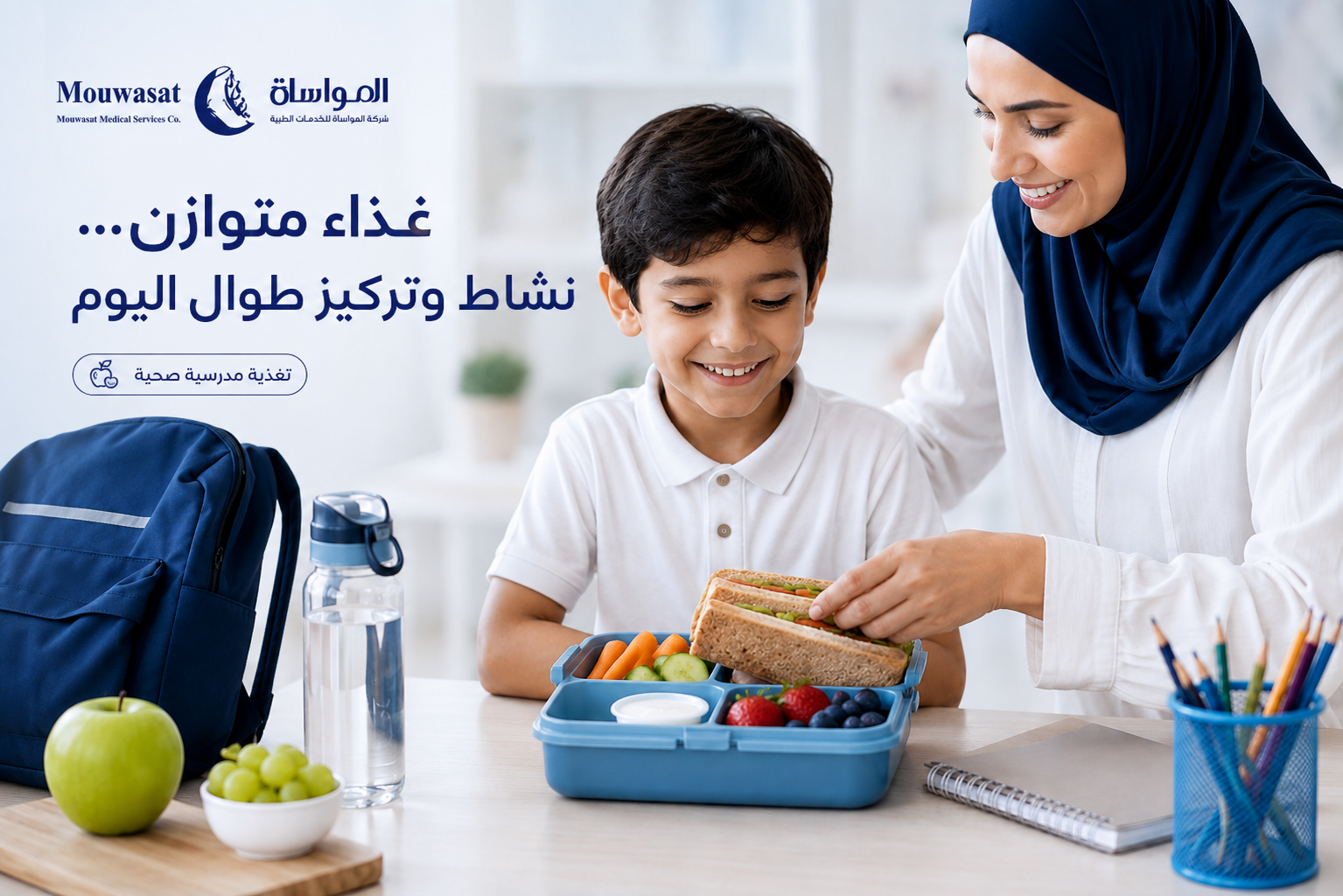
School-aged children benefit from a varied eating pattern that supports growth and everyday nutritional needs. Healthy eating patterns include a variety of fruits and vegetables, whole grains, dairy products and protein foods while limiting added sugars, sodium and saturated fats. [5]
Breakfast is also worth bringing back into the morning routine if schedules changed during the holiday. CDC data associate healthy breakfast consumption among students with better cognitive function, particularly memory, along with improved mood and lower absenteeism. [5]
When preparing a school lunch, aim for simple, varied choices that are appropriate for your child's age, health needs and any food allergies.
Our dedicated guide to healthy nutrition for school-aged children will explore this topic in greater detail.
3. Make hydration part of the school routine
Because the Saudi school year begins during hot weather, hydration deserves particular attention. Saudi Ministry of Health guidance encourages students to drink water regularly throughout the day rather than waiting until they feel thirsty, and a refillable water bottle can serve as a practical reminder. [1] [6]
CDC guidance also notes that staying hydrated may support cognitive function in children and adolescents, while water provides a healthier everyday alternative to sugar-sweetened drinks. [5]
4. Review vaccinations and routine health needs
Before school begins, review your child's immunization record and confirm that age-appropriate vaccinations are up to date according to the Saudi National Immunization Schedule. The national childhood immunization program is designed to protect children and the wider community from vaccine-preventable diseases. [7]
If your child is overdue for routine health care, developed a new concern during the holiday, or needs an assessment before participating in sport, the weeks before school can be a useful time to arrange an appointment. Depending on the child's age and individual needs, routine visits may include growth and developmental assessment, discussions about sleep, nutrition and mental health, and appropriate screening such as vision or hearing checks. [8]
Preparing for school does not mean that every child needs laboratory tests or extra medical investigations. Testing should be guided by the child's age, medical history, symptoms, routine care schedule and a clinician's assessment.
5. Reinforce hand hygiene and infection-prevention habits
Schools involve shared classrooms, equipment, surfaces and common spaces. Simple hygiene habits can help reduce the spread of infections.
CDC recommends teaching children to wash their hands with soap and water for at least 20 seconds, particularly after using the bathroom, before eating and after coughing or sneezing. [9]
- Wash hands thoroughly with soap and water.
- Cover coughs and sneezes with a tissue or the inside of the elbow.
- Avoid sharing personal items where practical.
- Avoid touching the eyes, nose and mouth with unclean hands.
- Teach children to tell an adult if they feel unwell during the school day.
When soap and water are not available, an alcohol-based hand sanitizer containing at least 60% alcohol can be used, with supervision for young children. [9]
6. Bring physical activity back into the daily routine
Some children may become less active during holidays as routines change or screen use increases. The period before school is a good opportunity to gradually restore everyday movement.
Guidelines recommend that children and adolescents aged 6–17 years get 60 minutes or more of moderate-to-vigorous physical activity every day, with activities that are varied, age-appropriate and enjoyable. [10]
Those 60 minutes do not need to happen in one exercise session. Activity can accumulate through walking, play, sports and movement before, during and after school.
7. Reset digital media habits
The start of a new school year is a useful time for families to review habits around phones, tablets, gaming and other digital media. The American Academy of Pediatrics recommends creating family rules that fit the child's needs and protecting screen-free times and places, such as meals, homework time and before bed. [11]
Rather than focusing only on a single daily screen-time number, make sure digital media is not displacing essential activities such as sleep, physical activity, family meals, studying and in-person social interaction.
8. Prepare your child emotionally for returning to school
Some children look forward to returning to school, while others may feel worried about a new classroom, teacher, school or academic stage. Saudi Ministry of Health guidance recommends talking openly with children about their concerns, listening to their feelings and restoring the family's school routine one to two weeks before classes begin. Visiting a new school before the first day may also be helpful when possible. [2]
Try open questions such as, “What are you most looking forward to?” and “Is there anything about going back that worries you?”
If anxiety becomes persistent or significantly affects sleep, eating, school attendance or everyday activities, consider discussing it with a healthcare professional.
9. Have a school health plan for chronic medical conditions
If your child has asthma, diabetes, epilepsy, a severe allergy or another medical condition that requires management during the school day, communicate with the school before problems arise.
Saudi Ministry of Health guidance recommends informing the school about chronic or special medical conditions and potential emergencies before classes begin. The American Academy of Pediatrics also recommends coordinating in advance when children need medication or health instructions during school hours. [1] [8]
- Make sure emergency contact information is up to date.
- Provide the school with the health information it needs.
- Check medications and medical supplies the child may require.
- Complete any forms or instructions required for medication at school.
10. Check the school backpack
Choosing and packing a suitable backpack is another part of daily school health. The American Academy of Pediatrics and Saudi Ministry of Health recommend using a backpack with two wide, padded shoulder straps, positioning heavier items near the center of the back, using both straps and regularly removing unnecessary items. [1] [3]
Guidance generally recommends that the backpack should not weigh more than approximately 10%–20% of the child's body weight. [1] [3]
A practical back-to-school health timeline
| When? | What to Do |
|---|---|
| Two weeks before school | Gradually reset sleep and wake times, rebuild regular meals, increase daily activity, and talk with your child about their feelings about returning to school. |
| One week before school | Review vaccinations and any health follow-up needs, prepare plans for chronic conditions, and reset family rules for digital media use. |
| The day before school | Prepare the backpack, clothes, school lunch, water bottle, and any required medication or health supplies. |
| The first morning | Allow enough time to wake up calmly, eat breakfast, drink water, check your child's health needs, and start the day with reassurance. |
When should your child see a doctor before school?
Consider arranging a medical appointment if your child is overdue for routine health care, has developed a new health concern, needs follow-up for a chronic condition or medication plan, or if you have concerns about growth, sleep, vision, hearing, mental health or participation in sports. [8]
Acute symptoms or a clear deterioration in your child's health should not be delayed simply because the school year has not yet begun.
Quick checklist: Is your child ready for school?
- Has your child returned to an appropriate bedtime and wake-up time?
- Are they getting the recommended amount of sleep for their age?
- Are regular meals and breakfast back in the routine?
- Do they have a plan for drinking water during the school day?
- Are age-appropriate vaccinations up to date?
- Is there a health issue that should be reviewed before school?
- Does the school know about any chronic condition or severe allergy?
- Are required medications, supplies and school forms ready?
- Does your child know when and how to wash their hands properly?
- Have digital media habits been reset?
- Have you talked about feelings or concerns around returning to school?
- Is the backpack appropriate and free of unnecessary weight?
Frequently asked questions about children's health and going back to school
When should I start changing my child's sleep schedule?
Ideally, start approximately one to two weeks before school begins and adjust bedtime and wake-up time gradually rather than changing the entire schedule the night before the first day. [2] [3]
How much sleep does a school-aged child need?
Children aged 6–12 years should regularly get 9–12 hours of sleep per 24 hours, while teenagers aged 13–18 years should get 8–10 hours. [4]
Does every child need a medical examination before school?
Not every child needs extra tests simply because school is starting. Routine preventive care remains important, and additional assessment may be appropriate when there is a new health concern, a chronic condition or concerns involving growth, vision, hearing, sleep, mental health or sports participation. [8]
What is one of the most important infection-prevention habits for school?
Proper handwashing is one of the most useful habits to teach. CDC recommends scrubbing the hands with soap for at least 20 seconds. [9]
What if my child is anxious about returning to school?
Listen to their concerns, discuss expected changes and rebuild the school routine gradually. A visit to a new school before the first day may also help when possible. Persistent anxiety that interferes with daily life should be discussed with a healthcare professional. [2]
Build healthy habits that last beyond the first week
A healthy back-to-school plan should not end after the first few days. The goal is to rebuild routines the family can maintain throughout the school year: consistent sleep, balanced nutrition, adequate hydration, everyday movement, good hygiene, thoughtful media use and open conversations about health and emotions.
Make changes gradually and adapt them to your child's age, health needs and family routine. If you have specific concerns about your child's health, speak with a healthcare professional for individualized advice.
Sources and References
- Saudi Ministry of Health. Health Guidelines for Returning to School .
- Saudi Ministry of Health. Psychological Preparation Before Returning to School .
- American Academy of Pediatrics (AAP) – HealthyChildren.org. Back-to-School Tips for Families .
- American Academy of Sleep Medicine (AASM). Pediatric Sleep Recommendations .
- Centers for Disease Control and Prevention (CDC). Childhood Nutrition Facts .
- Saudi Ministry of Health. School Health .
- Saudi Ministry of Health. National Childhood Immunization Schedule .
- American Academy of Pediatrics (AAP) – HealthyChildren.org. Back to School, Back to the Doctor .
- Centers for Disease Control and Prevention (CDC). About Hand Hygiene in Schools and Early Care and Education Settings .
- Centers for Disease Control and Prevention (CDC). Physical Activity Guidelines for School-Aged Children and Adolescents .
- American Academy of Pediatrics (AAP) – HealthyChildren.org. How to Make a Family Media Plan .
This content is provided for health education and does not replace individual medical assessment or professional medical advice when needed.