


How to Help Children Focus Better at School: Practical Habits That Support Attention
Children can have difficulty concentrating from time to time, and this does not automatically mean that they have an attention disorder. The Centers for Disease Control and Prevention (CDC) notes that other conditions, including sleep disorders, anxiety, depression and certain learning disabilities, can cause symptoms similar to some features of attention-deficit/hyperactivity disorder. [8]
Before looking for medication, supplements or a quick way to improve concentration, it is useful to review the basic conditions that support a child's readiness to learn, including sleep, nutrition and hydration, physical activity, distractions, task organization and emotional well-being.
This guide explains practical habits that may create a better environment for attention at school and during homework, as well as signs that persistent concentration difficulties should be discussed with a healthcare professional.
For a broader school-health plan covering sleep, nutrition, activity, hygiene and emotional preparation, see our Back-to-School Child Health Guide .
Why does a child's concentration vary?
Attention does not operate at exactly the same level throughout the day. A child may concentrate well on an activity they enjoy but find it harder to continue with a long or complicated task, particularly when they are tired, anxious or surrounded by distractions.
Before assuming that a child has a medical attention problem, consider several aspects of their daily routine:
- Are they getting enough sleep for their age?
- Have they eaten and had enough water?
- Are they getting enough physical activity?
- Are screens, sounds or notifications competing for their attention?
- Is the task clear and divided into manageable steps?
- Could school-related worries or stress be occupying their attention?
1. Start with adequate sleep
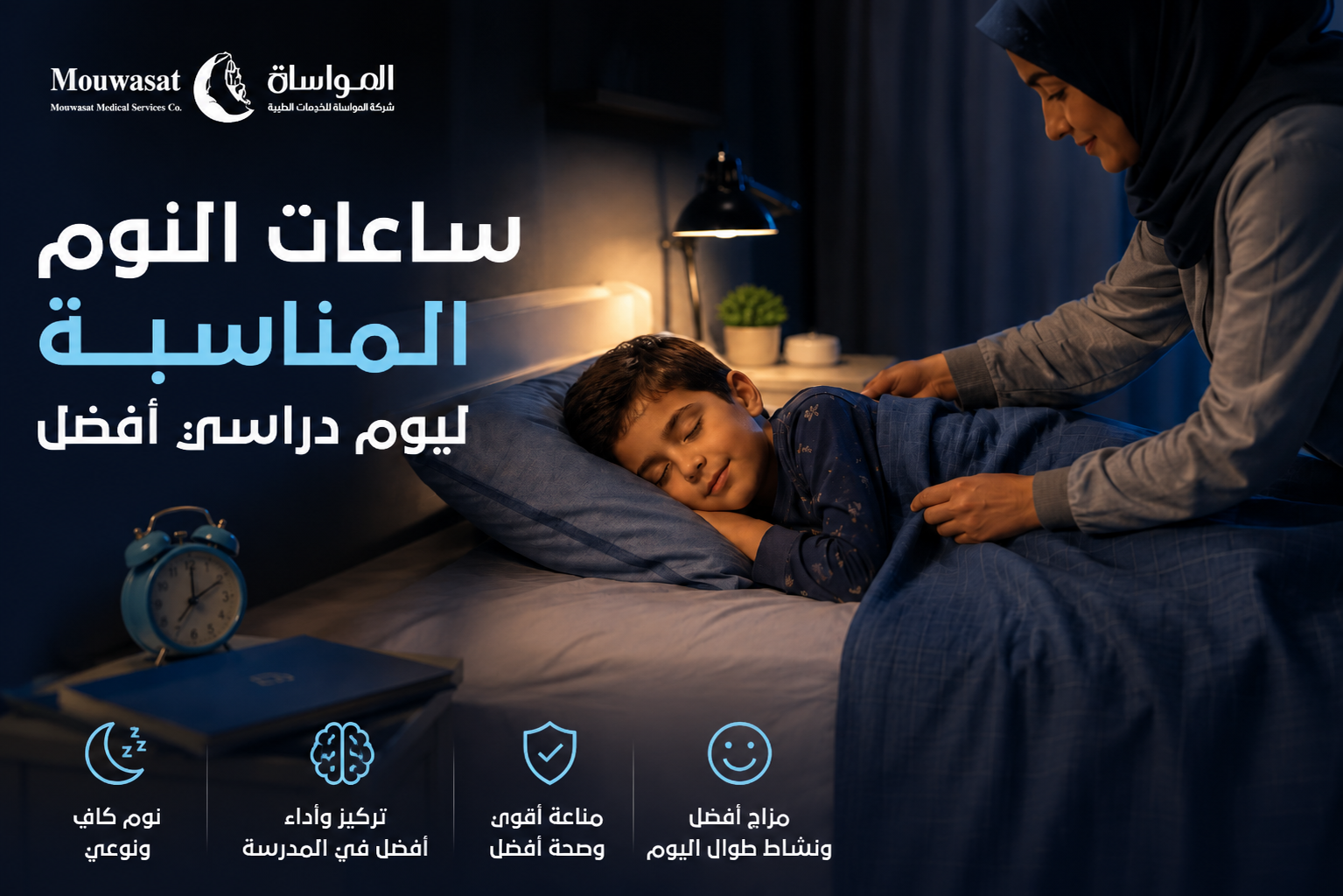
Sleep is one of the first factors worth reviewing when a child is having difficulty paying attention. The American Academy of Sleep Medicine recommends that children aged 6–12 years regularly get 9–12 hours of sleep per 24 hours. [1]
Regularly getting the recommended amount of sleep is associated with better attention, behavior, learning, memory, emotional regulation and physical and mental health. [1]
If a child is difficult to wake, sleepy during the day or regularly sleeping less than recommended for their age, improving the sleep routine is an important step before simply increasing academic pressure.
Read more: How Much Sleep Do School-Aged Children Need? A Practical Guide for School Nights .
2. Do not overlook breakfast and hydration
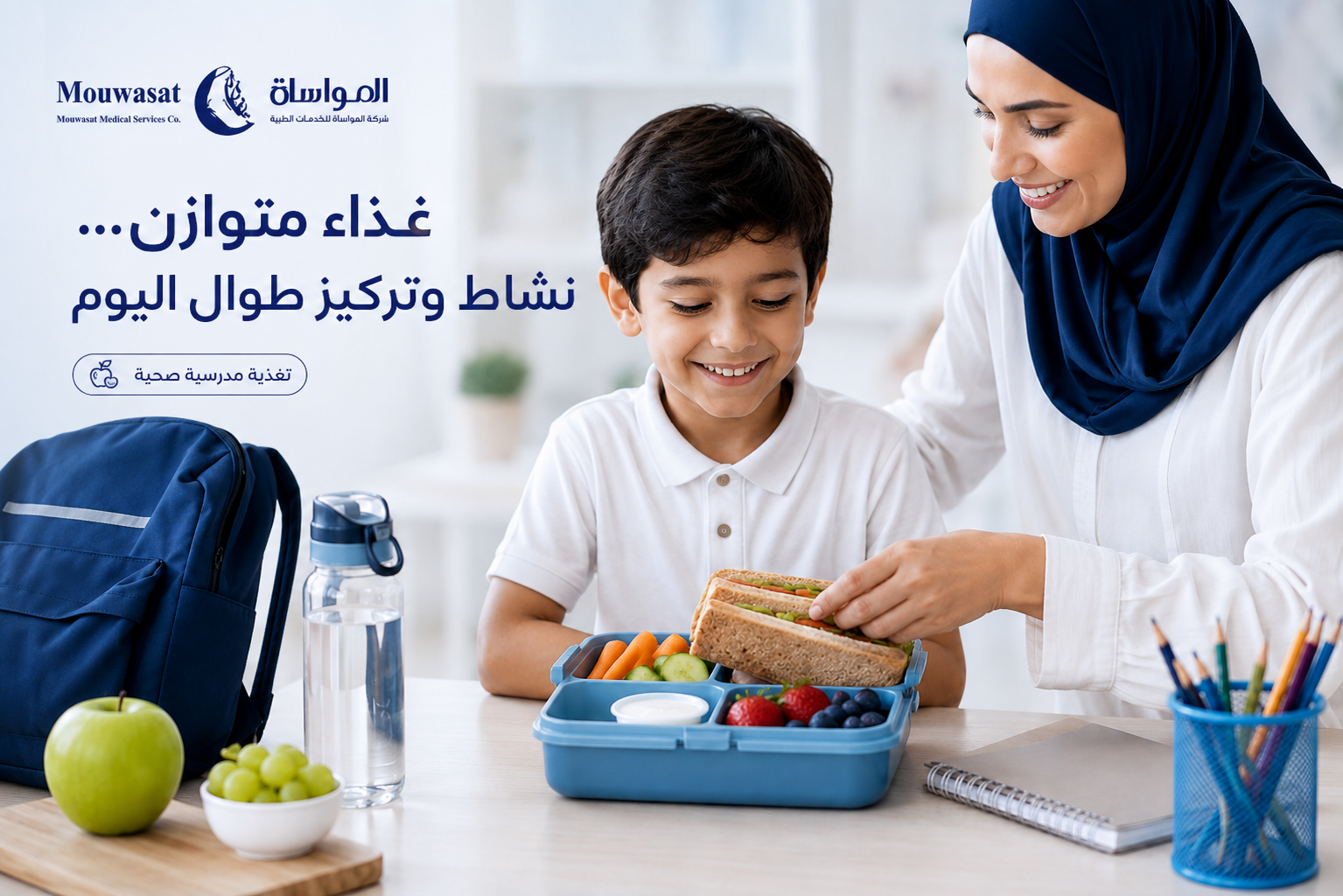
Nutrition and hydration are part of a child's readiness to learn. CDC notes that eating a healthy breakfast among students is associated with improved cognitive function, particularly memory, as well as improved mood and reduced absenteeism. [3]
CDC also notes that drinking enough water may support cognitive function in children and adolescents, which is important during the school day. [3]
There is no single meal or ingredient that acts as an instant concentration booster. A balanced and sustainable eating pattern, together with adequate hydration, is a more useful foundation.
Read more: Healthy Nutrition for School-Aged Children: A Practical Guide for Ages 6–12 .
3. Make movement part of the day
More time sitting at a desk does not automatically mean more learning. Physical activity has benefits that extend beyond physical fitness.
CDC lists improved attention and memory among the brain-health benefits of physical activity for children. [4]
Guidelines also recommend that children and adolescents aged 6–17 years get 60 minutes or more of moderate-to-vigorous physical activity each day. [5]
This activity does not need to happen in one exercise session. It can be accumulated through play, walking, sport and movement during the school day.
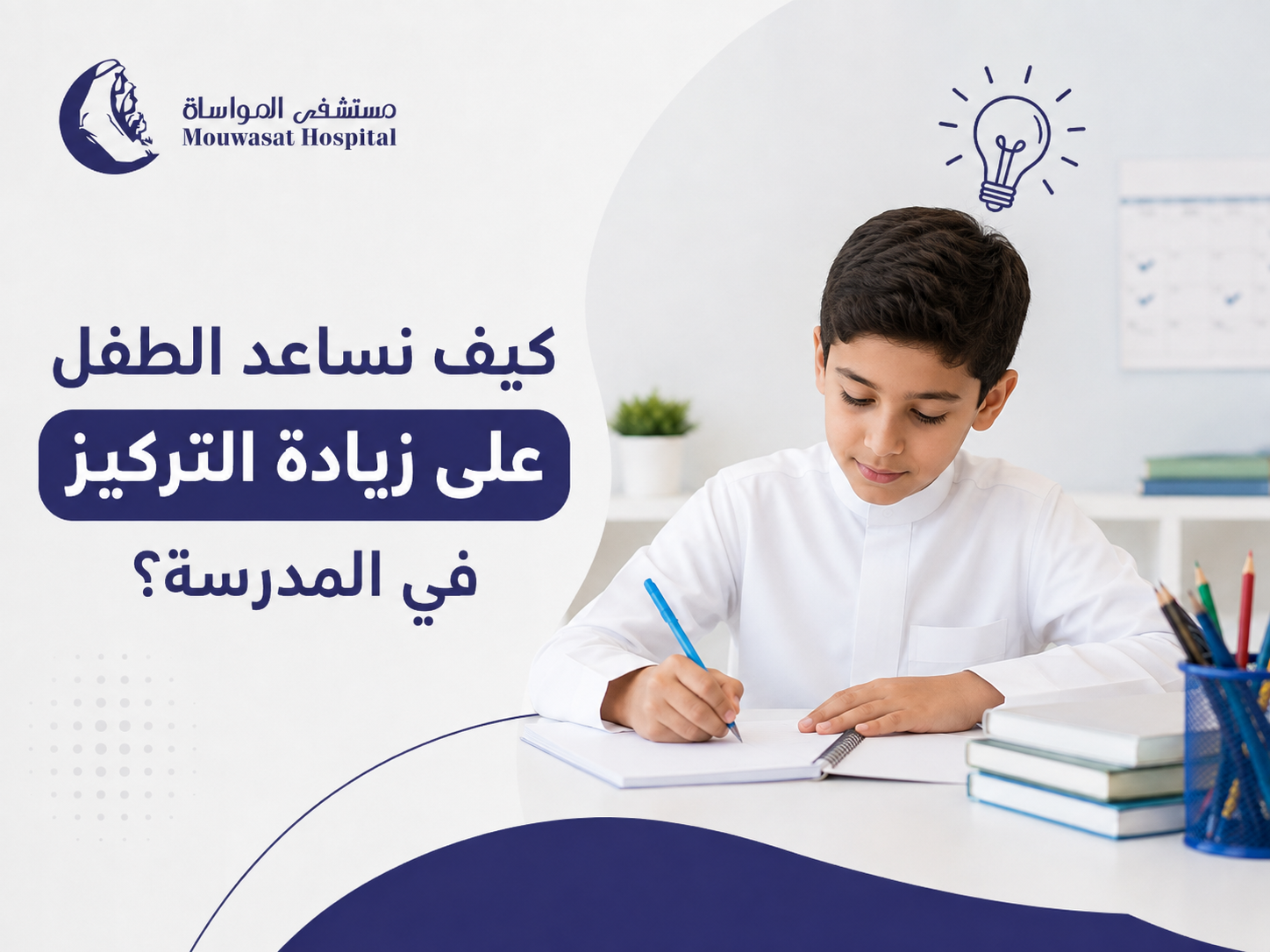
4. Reduce distractions during homework
Maintaining attention becomes more difficult when television is playing, notifications are arriving and several screens are being used at the same time.
The American Academy of Pediatrics recommends screen-free times during homework, a “one screen at a time” rule, turning off devices that are not in use and disabling notifications that create unnecessary distractions. [6]
Keep the study environment simple
- Move phones or other devices away if they are not required for the task.
- Turn off unnecessary notifications.
- Reduce background television and avoidable noise.
- Prepare books, pencils and other materials before starting.
- Keep the study area reasonably organized.
The aim is not to create a completely silent or perfect room, but to reduce distractions that can reasonably be controlled.
5. Break long tasks into smaller, clearer steps
A large task can feel more difficult when it is presented all at once. Breaking it into specific steps can make it easier to start and continue.
CDC behavior-management guidance for children with ADHD includes breaking complicated tasks into simpler, shorter steps and using breaks during longer tasks. [7]
The general organizational principle can also be useful when structuring homework, without treating it as a therapy or as evidence that a child has ADHD.
For example:
- Open the mathematics book.
- Read the instructions carefully.
- Complete the first three questions.
- Check the answers.
- Take a short break if the task is long.
- Continue with the next section.
6. Use a clear routine and specific instructions
A predictable routine can make it easier for a child to know what comes next rather than making new decisions every time homework begins.
CDC behavior-management guidance includes following consistent routines for repeated tasks, organizing materials and giving clear, brief and specific directions. [7]
| Instead of a broad instruction | Try a more specific instruction |
|---|---|
| “Finish your homework.” | “Start with mathematics and complete the first three questions.” |
| “Organize your things.” | “Put the books in your backpack and the pencils in the pencil case.” |
| “Focus.” | “Read the first question and identify what it is asking before you answer.” |
7. Consider anxiety and emotional stress
Sometimes difficulty concentrating reflects something else occupying the child's thoughts rather than a primary problem with attention.
Saudi Ministry of Health guidance lists difficulty concentrating among the possible signs of anxiety in children, along with sleep difficulties, eating problems and irritability. Anxiety may also follow stressful events such as frequent examinations, bullying or changing schools. [2]
If your child's concentration has changed noticeably or suddenly, speak calmly with them about school and whether anything is causing worry or discomfort.
The Saudi Ministry of Health recommends seeking professional help when a child's anxiety is severe, persistent and interferes with daily life. [2]
A quick checklist before study time
Before asking a child to “focus more,” review some of the factors that can be modified:
| Check | Practical Question |
|---|---|
| Sleep | Has the child had enough sleep for their age? |
| Food and water | Have they eaten appropriately and had water? |
| Activity | Have they spent a long period without movement? |
| Distractions | Are there notifications, screens or sounds that can be reduced? |
| The task | Does the child know exactly what they need to do? |
| Emotional state | Could a school concern or anxiety be occupying their attention? |
Does poor concentration mean a child has ADHD?
No. Difficulty concentrating by itself is not enough to diagnose attention-deficit/hyperactivity disorder.
CDC explains that diagnosing ADHD is a multi-step process and that there is no single test that can diagnose the condition. Sleep disorders, anxiety, depression and certain learning disabilities may produce similar symptoms. [8]
For children, the assessment also includes information from parents, teachers and other adults who observe the child in different settings, while considering whether another condition may better explain the symptoms. [8]
A child should therefore not be diagnosed at home simply because they are frequently distracted, and medication should not be used to treat concentration problems without appropriate medical assessment and diagnosis.
When should concentration problems be evaluated?
Consider discussing the problem with a healthcare professional when the difficulty:
- Is persistent rather than limited to a temporary stressful period.
- Occurs in more than one setting, such as both home and school.
- Clearly interferes with learning, school performance or everyday life.
- Occurs alongside significant hyperactivity, impulsivity or behavioral concerns.
- Is associated with severe anxiety or a major change in sleep or mood.
- Appears suddenly or represents a marked change from the child's usual functioning.
Appropriate assessment considers the whole picture because a single symptom does not determine the cause by itself. [2] [8]
Frequently asked questions about children's concentration
How can I help my child focus better at school?
Start with modifiable basics: adequate sleep, nutrition and hydration, daily physical activity, fewer distractions, clear instructions and smaller steps for longer tasks. Persistent difficulties that interfere with daily life should be discussed with a healthcare professional.
Are there foods that improve children's concentration?
There is no single food that works as an instant concentration booster. A healthy eating pattern is important, and CDC notes associations between healthy breakfast, adequate water intake and aspects of cognitive function in students. [3]
Can insufficient sleep affect concentration?
Regularly getting the recommended amount of sleep is associated with better attention, learning, memory and behavior. [1]
Does physical activity help children focus?
CDC lists improved attention and memory among the brain-health benefits of physical activity for children. [4]
Should phones be moved away during homework?
If the device is not needed for the task, moving it away or disabling notifications can help reduce distractions. The American Academy of Pediatrics recommends screen-free homework time and a one-screen-at-a-time approach. [6]
When should distractibility become a concern?
If difficulty concentrating is persistent, appears in more than one setting and interferes with school or daily life, professional assessment is more appropriate than trying to identify the cause at home. [8]
Focus starts with the whole day
A child's ability to pay attention does not begin only when they open a book. Sleep the night before, nutrition and hydration, physical activity, emotional well-being, task structure and the number of surrounding distractions can all influence the learning experience.
Start with habits and environmental factors that can be improved. Keep tasks clear and manageable, and avoid labeling a child as lazy or unable to focus before understanding what may be contributing.
If concentration difficulties persist or clearly interfere with school or daily life, medical assessment can help identify the cause and guide the next steps.
Sources and References
- American Academy of Sleep Medicine (AASM). Child Sleep Duration Health Advisory .
- Saudi Ministry of Health. Anxiety Disorder in Children .
- Centers for Disease Control and Prevention (CDC). Childhood Nutrition Facts .
- Centers for Disease Control and Prevention (CDC). Health Benefits of Physical Activity for Children .
- Centers for Disease Control and Prevention (CDC). Physical Activity Guidelines for School-Aged Children and Adolescents .
- American Academy of Pediatrics (AAP) – HealthyChildren.org. How to Make a Family Media Plan .
- Centers for Disease Control and Prevention (CDC). Treatment of ADHD .
- Centers for Disease Control and Prevention (CDC). Diagnosing ADHD .
This content is intended for health education and is not used to diagnose ADHD or any other medical condition. Persistent attention difficulties that interfere with daily life should be assessed by a qualified healthcare professional.