


How can i help you?

Blolgs

How to Support Your Child’s Immune Health and Reduce Infections at School

How to Support Your Child’s Immune Health and Reduce Infections at School

How to Support Your Child’s Immune Health and Reduce Infections at School

How to Support Your Child’s Immune Health and Reduce Infections at School
site.CALENDAR_IMAGE_ALT
31/08/2026

How to Support Your Child’s Immune Health and Reduce Infections at School

Returning to school means children spend more time in classrooms and shared spaces and have closer contact with classmates. These conditions can make it easier for some respiratory and gastrointestinal infections to spread. [1] [2]

Keeping children healthy, however, is not about finding one vitamin, food or product that can instantly “boost” immunity. A more useful approach is to support normal immune function through healthy daily habits while using proven infection-prevention measures such as recommended vaccinations, good hand hygiene and staying home when sick. [3] [4]

This guide explains what families can realistically do to support children's immune health and reduce the spread of infections during the school year—and which popular “immune-boosting” approaches most healthy children do not need.

For a broader school-health plan covering nutrition, sleep, activity and emotional preparation, see our Back-to-School Child Health Guide .

Why do infections spread more easily at school?

Schools are important environments for learning and social development, but they also bring many children together in shared classrooms and spaces. CDC notes that infections may spread through close contact, shared objects and surfaces, close play and factors such as hygiene practices and ventilation. [2]

Saudi Ministry of Health guidance also notes that several respiratory, gastrointestinal and skin infections may become more common during the school season. [1]

It is not possible to prevent every illness, but consistent everyday actions can reduce the spread of many common infections.

Can you really “boost” a child’s immune system?

The phrase “boost children's immunity” is commonly used, but it can suggest that one food, drink or supplement can quickly make the immune system stronger.

The immune system is far more complex. Normal immune function depends on overall health and adequate nutrition, while vaccines train the adaptive immune system to recognize and respond to specific pathogens. [3] [5]

The American Academy of Pediatrics states that most healthy children who eat a varied diet do not need extra vitamin or mineral supplements to “boost” immunity. Nutritious food, sufficient sleep, regular physical activity and recommended vaccines are more useful foundations. [3]

1. Review your child’s vaccinations

Vaccination is one of the most effective ways to protect children from specific vaccine-preventable infectious diseases.

The Saudi Ministry of Health states that the national childhood immunization schedule is designed to protect children and the wider community from diseases targeted by the immunization program. [5]

Before and during the school year, review your child's immunization record and make sure age-appropriate vaccines are up to date according to the Saudi National Immunization Schedule.

The American Academy of Pediatrics also highlights vaccination as an important part of back-to-school preventive care. [6]

2. Make handwashing a routine

Handwashing is one of the most useful everyday infection-prevention habits in schools. CDC notes that school hand-hygiene programs can reduce gastrointestinal and respiratory illness and missed school days. [4]

Children should be taught to wash their hands with soap and water for at least 20 seconds. [4]

Important times to wash hands

When soap and water are not readily available, an alcohol-based hand sanitizer containing at least 60% alcohol may be used, with appropriate supervision for younger children. [4]

Soap and water remain preferable when hands are visibly dirty and after using the toilet. [4]

3. Teach proper cough and sneeze etiquette

CDC recommends teaching and reinforcing respiratory etiquette to reduce the spread of respiratory viruses in schools. [2]

Practicing these habits at home can make it easier for children to use them independently at school.

4. Focus on balanced nutrition rather than “immune foods”

The immune system requires many nutrients to function normally. The U.S. National Institutes of Health notes that adequate intake of several vitamins and minerals is important for proper immune function and that clinical deficiencies can weaken immunity. [7]

This does not mean that large amounts of one vitamin or one “superfood” can prevent school infections.

A varied eating pattern that includes fruits, vegetables, grains, protein foods and dairy or appropriate alternatives is a better foundation than relying on products marketed as immunity boosters. [3]

Read more: Healthy Nutrition for School-Aged Children: A Practical Guide for Ages 6–12 .

5. Protect your child’s sleep

Adequate sleep is one of the basic health habits the American Academy of Pediatrics recommends for supporting children's overall and immune health, alongside healthy nutrition, physical activity and vaccination. [3]

Children aged 6–12 years generally need 9–12 hours of sleep per 24 hours on a regular basis.

Read more: How Much Sleep Do School-Aged Children Need? A Practical Guide for School Nights .

6. Keep children physically active

The American Academy of Pediatrics includes regular physical activity among the basic habits that support children's overall health and immune function. [3]

Encourage age-appropriate movement, play and physical activity rather than allowing the entire day to become a cycle of school, homework and screens.

7. Avoid sharing personal items

Saudi Ministry of Health guidance recommends avoiding the sharing of personal items as one of the measures families can teach children to help reduce infection transmission at school. [1]

Items children should generally keep for their own use include:

This does not mean children cannot share ordinary educational materials. The emphasis is on personal items that may transfer saliva or other secretions.

What should be in a simple school health kit?

Children do not need a backpack full of preventive products. A few practical items are usually enough:

Item Why It May Help
Personal water bottle Supports hydration and avoids sharing bottles.
Tissues Useful for coughs, sneezes and blowing the nose.
Personal eating utensils Reduces the need to share utensils.
Hand sanitizer when appropriate Can be used when soap and water are unavailable, if permitted by the school and appropriate for the child's age.

Do children need vitamins or supplements to boost immunity?

For most healthy children who eat a balanced and varied diet, extra vitamin or mineral supplements are not routinely needed simply to “boost immunity.” [3]

The American Academy of Pediatrics notes that supplements may be appropriate in specific situations, such as a diagnosed nutrient deficiency, a very restricted diet or a medical condition that increases the risk of deficiency. [3]

More is not necessarily better. High doses of some vitamins can be harmful, so supplements should be discussed with a healthcare professional before they are given to a child. [3]

Can vitamin C supplements prevent colds in children?

Vitamin C is an important nutrient, but the American Academy of Pediatrics notes that there is no evidence that vitamin C supplements prevent children from catching a cold. [3]

When should a child stay home from school?

Sending a sick child to school can make the day difficult for the child and may increase the chance of spreading infection to others.

CDC guidance recommends staying home when symptoms may prevent normal participation at school or may indicate a meaningful risk of spreading infection, including: [8]

Return-to-school rules depend on the illness, local health guidance and school policy. Families should follow local and school instructions and consult a healthcare professional when uncertain about a child's condition or return date.

A simple daily infection-prevention plan

When What to Do
Before school Check that your child feels well, has eaten and has their personal water bottle and necessary items.
During school Wash hands at key times, use cough and sneeze etiquette and avoid sharing personal items.
After school Clean hands when needed, eat and drink appropriately and maintain a healthy routine with activity and enough sleep.
If symptoms appear Assess how the child feels, keep them home when indicated by school and health guidance, and seek medical advice when needed.

Frequently asked questions about children's immunity and school infections

How can I strengthen my child's immunity before school?

There is no single product that instantly strengthens immunity. Focus on recommended vaccinations, balanced nutrition, adequate sleep, regular physical activity, hand hygiene and keeping children home when they are genuinely ill. [1] [3]

Does my child need immune-boosting supplements?

Most healthy children who eat a varied diet do not need extra supplements for this purpose. Supplements may be recommended when a child has a diagnosed deficiency, restricted diet or specific health condition. [3]

What is the best way to prevent infections at school?

No single measure prevents every infection. A layered approach—including vaccination, handwashing, respiratory etiquette, avoiding the sharing of personal items and staying home when sick—is more effective. [1] [2]

Does hand sanitizer replace handwashing?

No. Soap and water are preferred in many situations, particularly when hands are visibly dirty and after using the toilet. When soap and water are unavailable, sanitizer containing at least 60% alcohol can be used appropriately. [4]

Should a child with a fever go to school?

CDC guidance recommends that children with fever stay home, while families should also follow local health guidance and their school's return-to-school policy. [8]

Healthy school habits are more useful than an “immune booster”

Supporting a child's health during the school year does not require a long list of products or supplements. The most useful foundations are often the simplest: up-to-date vaccinations, a varied diet, adequate sleep, regular movement, good hand hygiene, respiratory etiquette and avoiding the sharing of personal items.

The goal is to turn these steps into everyday habits rather than temporary rules used only during the first weeks of school.

If your child has a chronic health condition, a known immune disorder or recurrent infections that concern you, speak with a healthcare professional for advice tailored to your child's health.


Sources and References

  1. Saudi Ministry of Health. How to Protect Students from the Spread of Viruses .
  2. Centers for Disease Control and Prevention (CDC). Everyday Actions for Schools to Prevent and Control the Spread of Infections .
  3. American Academy of Pediatrics (AAP) – HealthyChildren.org. Nutritional Supplements, Vitamins & Boosting Your Child’s Immunity . Updated April 2026.
  4. Centers for Disease Control and Prevention (CDC). About Hand Hygiene in Schools and Early Care and Education Settings .
  5. Saudi Ministry of Health. National Childhood Immunization Schedule .
  6. American Academy of Pediatrics (AAP) – HealthyChildren.org. Back to School, Back to the Doctor: How Annual Checkups Support Your Child’s Health . Updated August 2026.
  7. National Institutes of Health (NIH) – Office of Dietary Supplements. Dietary Supplements for Immune Function and Infectious Diseases .
  8. Centers for Disease Control and Prevention (CDC). When Students or Staff Are Sick .

This content is intended for health education and does not replace individual medical assessment or professional medical advice when needed.


Prev
24/08/2026

Back to School: How to Prepare Your Child for a Healthy Start

Getting ready for school involves more than buying uniforms, backpacks and supplies. A healthy back-to-school transition also means helping children return to routines that support adequate sleep, balanced nutrition, physical activity, good hygiene, emotional well-being and the management of any individual health needs. [1]

These changes are easier when they do not all happen the night before school starts. Health guidance recommends beginning the transition about one to two weeks before the first day, particularly when adjusting sleep schedules and helping children prepare emotionally for a new school year. [2] [3]

This practical guide provides a step-by-step health plan that families can use before the new school year begins.

Why does a healthy back-to-school routine matter?

Moving suddenly from a relaxed holiday schedule to early mornings, classroom routines, homework and school activities can require time for adjustment. Gradually rebuilding daily routines can make this transition more manageable.

The American Academy of Pediatrics highlights core health habits, including sleep, nutrition, physical activity, preventive care and emotional well-being, as important foundations for helping children stay healthy and ready to learn. [3]

Your child’s back-to-school health checklist

1. Reset the sleep schedule before school starts

If your child has been going to bed and waking up later during the holiday, avoid waiting until the night before school to change the routine. Start moving bedtime and wake-up time gradually toward the school schedule about one to two weeks in advance. [2] [3]

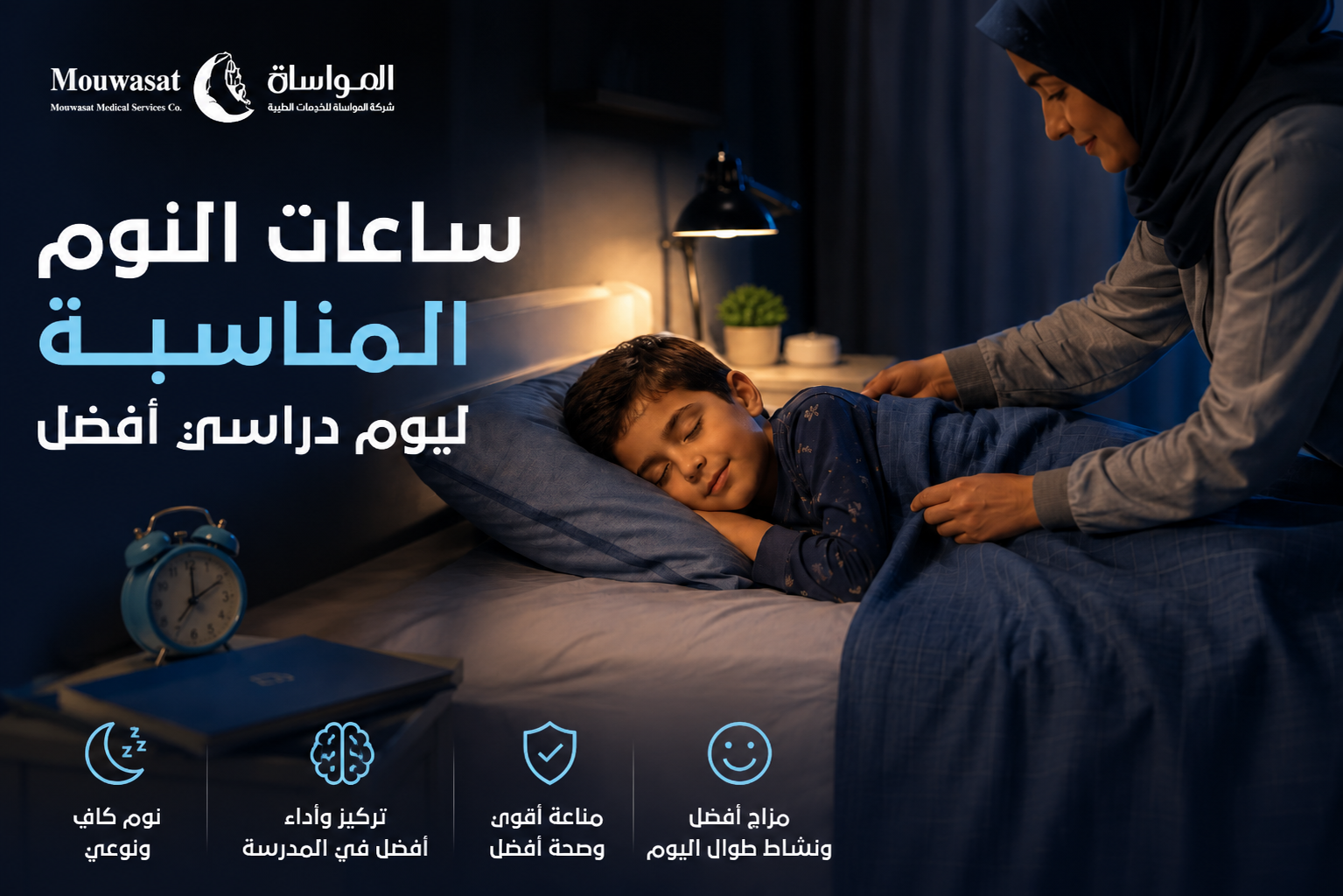
The American Academy of Sleep Medicine recommends that children aged 6–12 years regularly get 9–12 hours of sleep per 24 hours, while teenagers aged 13–18 years should get 8–10 hours. [4]

Age Recommended Sleep
6–12 years 9–12 hours per 24 hours
13–18 years 8–10 hours per 24 hours

Keep bedtime and wake-up time as consistent as practical and create a calm evening routine. Saudi Ministry of Health guidance also recommends limiting screens for approximately 30–60 minutes before bedtime. [1]

2. Rebuild a balanced school-day eating routine

School-aged children benefit from a varied eating pattern that supports growth and everyday nutritional needs. Healthy eating patterns include a variety of fruits and vegetables, whole grains, dairy products and protein foods while limiting added sugars, sodium and saturated fats. [5]

Breakfast is also worth bringing back into the morning routine if schedules changed during the holiday. CDC data associate healthy breakfast consumption among students with better cognitive function, particularly memory, along with improved mood and lower absenteeism. [5]

When preparing a school lunch, aim for simple, varied choices that are appropriate for your child's age, health needs and any food allergies.

Our dedicated guide to healthy nutrition for school-aged children will explore this topic in greater detail.

3. Make hydration part of the school routine

Because the Saudi school year begins during hot weather, hydration deserves particular attention. Saudi Ministry of Health guidance encourages students to drink water regularly throughout the day rather than waiting until they feel thirsty, and a refillable water bottle can serve as a practical reminder. [1] [6]

CDC guidance also notes that staying hydrated may support cognitive function in children and adolescents, while water provides a healthier everyday alternative to sugar-sweetened drinks. [5]

4. Review vaccinations and routine health needs

Before school begins, review your child's immunization record and confirm that age-appropriate vaccinations are up to date according to the Saudi National Immunization Schedule. The national childhood immunization program is designed to protect children and the wider community from vaccine-preventable diseases. [7]

If your child is overdue for routine health care, developed a new concern during the holiday, or needs an assessment before participating in sport, the weeks before school can be a useful time to arrange an appointment. Depending on the child's age and individual needs, routine visits may include growth and developmental assessment, discussions about sleep, nutrition and mental health, and appropriate screening such as vision or hearing checks. [8]

Preparing for school does not mean that every child needs laboratory tests or extra medical investigations. Testing should be guided by the child's age, medical history, symptoms, routine care schedule and a clinician's assessment.

5. Reinforce hand hygiene and infection-prevention habits

Schools involve shared classrooms, equipment, surfaces and common spaces. Simple hygiene habits can help reduce the spread of infections.

CDC recommends teaching children to wash their hands with soap and water for at least 20 seconds, particularly after using the bathroom, before eating and after coughing or sneezing. [9]

  • Wash hands thoroughly with soap and water.
  • Cover coughs and sneezes with a tissue or the inside of the elbow.
  • Avoid sharing personal items where practical.
  • Avoid touching the eyes, nose and mouth with unclean hands.
  • Teach children to tell an adult if they feel unwell during the school day.

When soap and water are not available, an alcohol-based hand sanitizer containing at least 60% alcohol can be used, with supervision for young children. [9]

6. Bring physical activity back into the daily routine

Some children may become less active during holidays as routines change or screen use increases. The period before school is a good opportunity to gradually restore everyday movement.

Guidelines recommend that children and adolescents aged 6–17 years get 60 minutes or more of moderate-to-vigorous physical activity every day, with activities that are varied, age-appropriate and enjoyable. [10]

Those 60 minutes do not need to happen in one exercise session. Activity can accumulate through walking, play, sports and movement before, during and after school.

7. Reset digital media habits

The start of a new school year is a useful time for families to review habits around phones, tablets, gaming and other digital media. The American Academy of Pediatrics recommends creating family rules that fit the child's needs and protecting screen-free times and places, such as meals, homework time and before bed. [11]

Rather than focusing only on a single daily screen-time number, make sure digital media is not displacing essential activities such as sleep, physical activity, family meals, studying and in-person social interaction.

8. Prepare your child emotionally for returning to school

Some children look forward to returning to school, while others may feel worried about a new classroom, teacher, school or academic stage. Saudi Ministry of Health guidance recommends talking openly with children about their concerns, listening to their feelings and restoring the family's school routine one to two weeks before classes begin. Visiting a new school before the first day may also be helpful when possible. [2]

Try open questions such as, “What are you most looking forward to?” and “Is there anything about going back that worries you?”

If anxiety becomes persistent or significantly affects sleep, eating, school attendance or everyday activities, consider discussing it with a healthcare professional.

9. Have a school health plan for chronic medical conditions

If your child has asthma, diabetes, epilepsy, a severe allergy or another medical condition that requires management during the school day, communicate with the school before problems arise.

Saudi Ministry of Health guidance recommends informing the school about chronic or special medical conditions and potential emergencies before classes begin. The American Academy of Pediatrics also recommends coordinating in advance when children need medication or health instructions during school hours. [1] [8]

  • Make sure emergency contact information is up to date.
  • Provide the school with the health information it needs.
  • Check medications and medical supplies the child may require.
  • Complete any forms or instructions required for medication at school.

10. Check the school backpack

Choosing and packing a suitable backpack is another part of daily school health. The American Academy of Pediatrics and Saudi Ministry of Health recommend using a backpack with two wide, padded shoulder straps, positioning heavier items near the center of the back, using both straps and regularly removing unnecessary items. [1] [3]

Guidance generally recommends that the backpack should not weigh more than approximately 10%–20% of the child's body weight. [1] [3]

A practical back-to-school health timeline

When? What to Do
Two weeks before school Gradually reset sleep and wake times, rebuild regular meals, increase daily activity, and talk with your child about their feelings about returning to school.
One week before school Review vaccinations and any health follow-up needs, prepare plans for chronic conditions, and reset family rules for digital media use.
The day before school Prepare the backpack, clothes, school lunch, water bottle, and any required medication or health supplies.
The first morning Allow enough time to wake up calmly, eat breakfast, drink water, check your child's health needs, and start the day with reassurance.

When should your child see a doctor before school?

Consider arranging a medical appointment if your child is overdue for routine health care, has developed a new health concern, needs follow-up for a chronic condition or medication plan, or if you have concerns about growth, sleep, vision, hearing, mental health or participation in sports. [8]

Acute symptoms or a clear deterioration in your child's health should not be delayed simply because the school year has not yet begun.

Quick checklist: Is your child ready for school?

  • Has your child returned to an appropriate bedtime and wake-up time?
  • Are they getting the recommended amount of sleep for their age?
  • Are regular meals and breakfast back in the routine?
  • Do they have a plan for drinking water during the school day?
  • Are age-appropriate vaccinations up to date?
  • Is there a health issue that should be reviewed before school?
  • Does the school know about any chronic condition or severe allergy?
  • Are required medications, supplies and school forms ready?
  • Does your child know when and how to wash their hands properly?
  • Have digital media habits been reset?
  • Have you talked about feelings or concerns around returning to school?
  • Is the backpack appropriate and free of unnecessary weight?

Frequently asked questions about children's health and going back to school

When should I start changing my child's sleep schedule?

Ideally, start approximately one to two weeks before school begins and adjust bedtime and wake-up time gradually rather than changing the entire schedule the night before the first day. [2] [3]

How much sleep does a school-aged child need?

Children aged 6–12 years should regularly get 9–12 hours of sleep per 24 hours, while teenagers aged 13–18 years should get 8–10 hours. [4]

Does every child need a medical examination before school?

Not every child needs extra tests simply because school is starting. Routine preventive care remains important, and additional assessment may be appropriate when there is a new health concern, a chronic condition or concerns involving growth, vision, hearing, sleep, mental health or sports participation. [8]

What is one of the most important infection-prevention habits for school?

Proper handwashing is one of the most useful habits to teach. CDC recommends scrubbing the hands with soap for at least 20 seconds. [9]

What if my child is anxious about returning to school?

Listen to their concerns, discuss expected changes and rebuild the school routine gradually. A visit to a new school before the first day may also help when possible. Persistent anxiety that interferes with daily life should be discussed with a healthcare professional. [2]

Build healthy habits that last beyond the first week

A healthy back-to-school plan should not end after the first few days. The goal is to rebuild routines the family can maintain throughout the school year: consistent sleep, balanced nutrition, adequate hydration, everyday movement, good hygiene, thoughtful media use and open conversations about health and emotions.

Make changes gradually and adapt them to your child's age, health needs and family routine. If you have specific concerns about your child's health, speak with a healthcare professional for individualized advice.


Sources and References

  1. Saudi Ministry of Health. Health Guidelines for Returning to School .
  2. Saudi Ministry of Health. Psychological Preparation Before Returning to School .
  3. American Academy of Pediatrics (AAP) – HealthyChildren.org. Back-to-School Tips for Families .
  4. American Academy of Sleep Medicine (AASM). Pediatric Sleep Recommendations .
  5. Centers for Disease Control and Prevention (CDC). Childhood Nutrition Facts .
  6. Saudi Ministry of Health. School Health .
  7. Saudi Ministry of Health. National Childhood Immunization Schedule .
  8. American Academy of Pediatrics (AAP) – HealthyChildren.org. Back to School, Back to the Doctor .
  9. Centers for Disease Control and Prevention (CDC). About Hand Hygiene in Schools and Early Care and Education Settings .
  10. Centers for Disease Control and Prevention (CDC). Physical Activity Guidelines for School-Aged Children and Adolescents .
  11. American Academy of Pediatrics (AAP) – HealthyChildren.org. How to Make a Family Media Plan .

This content is provided for health education and does not replace individual medical assessment or professional medical advice when needed.

How to Support Your Child’s Immune Health and Reduce Infections at School

Next
How to Support Your Child’s Immune Health and Reduce Infections at School
31/08/2026

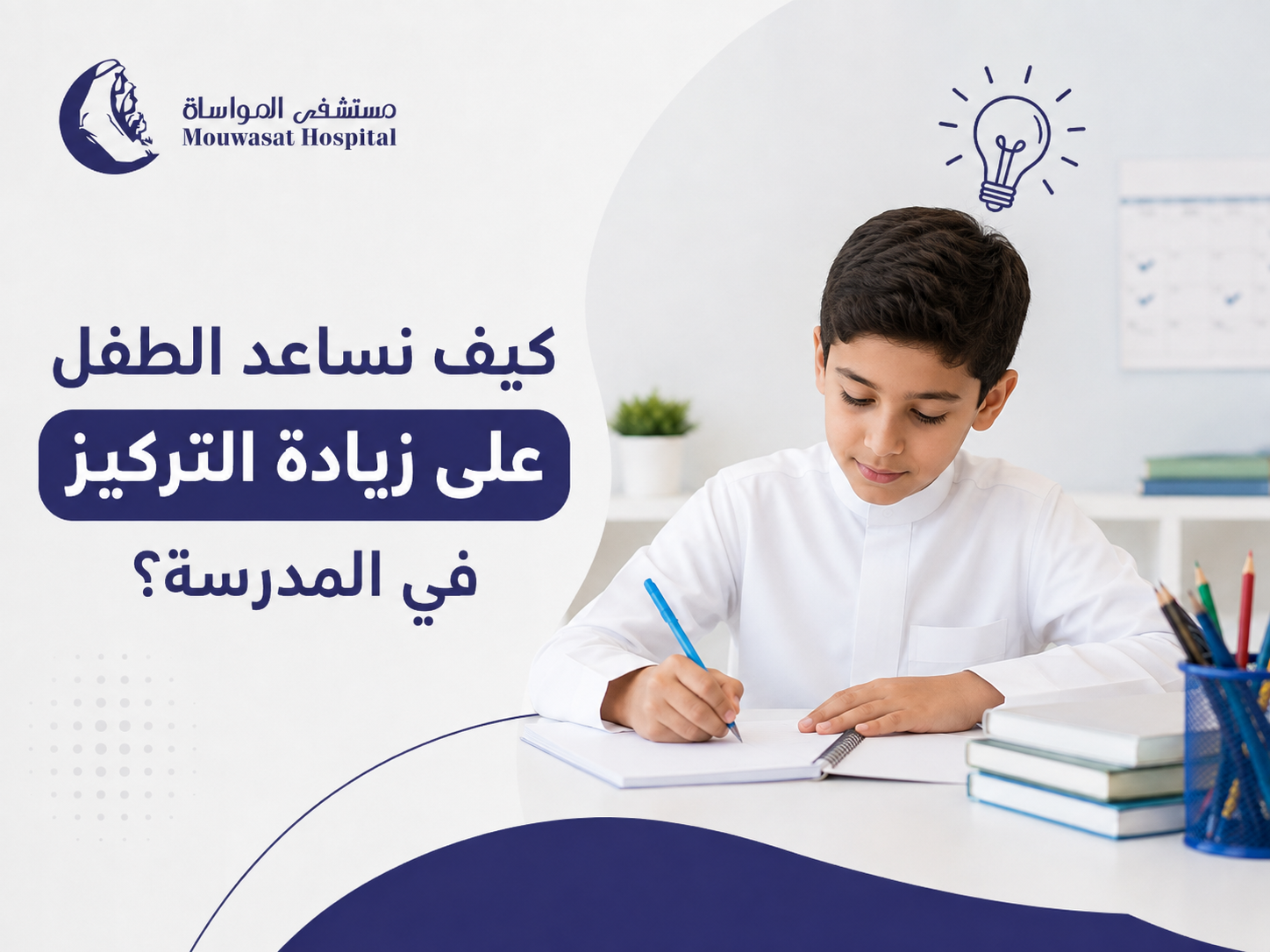
How to Help Children Focus Better at School: Practical Habits That Support Attention

Children can have difficulty concentrating from time to time, and this does not automatically mean that they have an attention disorder. The Centers for Disease Control and Prevention (CDC) notes that other conditions, including sleep disorders, anxiety, depression and certain learning disabilities, can cause symptoms similar to some features of attention-deficit/hyperactivity disorder. [8]

Before looking for medication, supplements or a quick way to improve concentration, it is useful to review the basic conditions that support a child's readiness to learn, including sleep, nutrition and hydration, physical activity, distractions, task organization and emotional well-being.

This guide explains practical habits that may create a better environment for attention at school and during homework, as well as signs that persistent concentration difficulties should be discussed with a healthcare professional.

For a broader school-health plan covering sleep, nutrition, activity, hygiene and emotional preparation, see our Back-to-School Child Health Guide .

Why does a child's concentration vary?

Attention does not operate at exactly the same level throughout the day. A child may concentrate well on an activity they enjoy but find it harder to continue with a long or complicated task, particularly when they are tired, anxious or surrounded by distractions.

Before assuming that a child has a medical attention problem, consider several aspects of their daily routine:

  • Are they getting enough sleep for their age?
  • Have they eaten and had enough water?
  • Are they getting enough physical activity?
  • Are screens, sounds or notifications competing for their attention?
  • Is the task clear and divided into manageable steps?
  • Could school-related worries or stress be occupying their attention?

1. Start with adequate sleep

Sleep is one of the first factors worth reviewing when a child is having difficulty paying attention. The American Academy of Sleep Medicine recommends that children aged 6–12 years regularly get 9–12 hours of sleep per 24 hours. [1]

Regularly getting the recommended amount of sleep is associated with better attention, behavior, learning, memory, emotional regulation and physical and mental health. [1]

If a child is difficult to wake, sleepy during the day or regularly sleeping less than recommended for their age, improving the sleep routine is an important step before simply increasing academic pressure.

Read more: How Much Sleep Do School-Aged Children Need? A Practical Guide for School Nights .

2. Do not overlook breakfast and hydration

Nutrition and hydration are part of a child's readiness to learn. CDC notes that eating a healthy breakfast among students is associated with improved cognitive function, particularly memory, as well as improved mood and reduced absenteeism. [3]

CDC also notes that drinking enough water may support cognitive function in children and adolescents, which is important during the school day. [3]

There is no single meal or ingredient that acts as an instant concentration booster. A balanced and sustainable eating pattern, together with adequate hydration, is a more useful foundation.

Read more: Healthy Nutrition for School-Aged Children: A Practical Guide for Ages 6–12 .

3. Make movement part of the day

More time sitting at a desk does not automatically mean more learning. Physical activity has benefits that extend beyond physical fitness.

CDC lists improved attention and memory among the brain-health benefits of physical activity for children. [4]

Guidelines also recommend that children and adolescents aged 6–17 years get 60 minutes or more of moderate-to-vigorous physical activity each day. [5]

This activity does not need to happen in one exercise session. It can be accumulated through play, walking, sport and movement during the school day.

4. Reduce distractions during homework

Maintaining attention becomes more difficult when television is playing, notifications are arriving and several screens are being used at the same time.

The American Academy of Pediatrics recommends screen-free times during homework, a “one screen at a time” rule, turning off devices that are not in use and disabling notifications that create unnecessary distractions. [6]

Keep the study environment simple

  • Move phones or other devices away if they are not required for the task.
  • Turn off unnecessary notifications.
  • Reduce background television and avoidable noise.
  • Prepare books, pencils and other materials before starting.
  • Keep the study area reasonably organized.

The aim is not to create a completely silent or perfect room, but to reduce distractions that can reasonably be controlled.

5. Break long tasks into smaller, clearer steps

A large task can feel more difficult when it is presented all at once. Breaking it into specific steps can make it easier to start and continue.

CDC behavior-management guidance for children with ADHD includes breaking complicated tasks into simpler, shorter steps and using breaks during longer tasks. [7]

The general organizational principle can also be useful when structuring homework, without treating it as a therapy or as evidence that a child has ADHD.

For example:

  1. Open the mathematics book.
  2. Read the instructions carefully.
  3. Complete the first three questions.
  4. Check the answers.
  5. Take a short break if the task is long.
  6. Continue with the next section.

6. Use a clear routine and specific instructions

A predictable routine can make it easier for a child to know what comes next rather than making new decisions every time homework begins.

CDC behavior-management guidance includes following consistent routines for repeated tasks, organizing materials and giving clear, brief and specific directions. [7]

Instead of a broad instruction Try a more specific instruction
“Finish your homework.” “Start with mathematics and complete the first three questions.”
“Organize your things.” “Put the books in your backpack and the pencils in the pencil case.”
“Focus.” “Read the first question and identify what it is asking before you answer.”

7. Consider anxiety and emotional stress

Sometimes difficulty concentrating reflects something else occupying the child's thoughts rather than a primary problem with attention.

Saudi Ministry of Health guidance lists difficulty concentrating among the possible signs of anxiety in children, along with sleep difficulties, eating problems and irritability. Anxiety may also follow stressful events such as frequent examinations, bullying or changing schools. [2]

If your child's concentration has changed noticeably or suddenly, speak calmly with them about school and whether anything is causing worry or discomfort.

The Saudi Ministry of Health recommends seeking professional help when a child's anxiety is severe, persistent and interferes with daily life. [2]

A quick checklist before study time

Before asking a child to “focus more,” review some of the factors that can be modified:

Check Practical Question
Sleep Has the child had enough sleep for their age?
Food and water Have they eaten appropriately and had water?
Activity Have they spent a long period without movement?
Distractions Are there notifications, screens or sounds that can be reduced?
The task Does the child know exactly what they need to do?
Emotional state Could a school concern or anxiety be occupying their attention?

Does poor concentration mean a child has ADHD?

No. Difficulty concentrating by itself is not enough to diagnose attention-deficit/hyperactivity disorder.

CDC explains that diagnosing ADHD is a multi-step process and that there is no single test that can diagnose the condition. Sleep disorders, anxiety, depression and certain learning disabilities may produce similar symptoms. [8]

For children, the assessment also includes information from parents, teachers and other adults who observe the child in different settings, while considering whether another condition may better explain the symptoms. [8]

A child should therefore not be diagnosed at home simply because they are frequently distracted, and medication should not be used to treat concentration problems without appropriate medical assessment and diagnosis.

When should concentration problems be evaluated?

Consider discussing the problem with a healthcare professional when the difficulty:

  • Is persistent rather than limited to a temporary stressful period.
  • Occurs in more than one setting, such as both home and school.
  • Clearly interferes with learning, school performance or everyday life.
  • Occurs alongside significant hyperactivity, impulsivity or behavioral concerns.
  • Is associated with severe anxiety or a major change in sleep or mood.
  • Appears suddenly or represents a marked change from the child's usual functioning.

Appropriate assessment considers the whole picture because a single symptom does not determine the cause by itself. [2] [8]

Frequently asked questions about children's concentration

How can I help my child focus better at school?

Start with modifiable basics: adequate sleep, nutrition and hydration, daily physical activity, fewer distractions, clear instructions and smaller steps for longer tasks. Persistent difficulties that interfere with daily life should be discussed with a healthcare professional.

Are there foods that improve children's concentration?

There is no single food that works as an instant concentration booster. A healthy eating pattern is important, and CDC notes associations between healthy breakfast, adequate water intake and aspects of cognitive function in students. [3]

Can insufficient sleep affect concentration?

Regularly getting the recommended amount of sleep is associated with better attention, learning, memory and behavior. [1]

Does physical activity help children focus?

CDC lists improved attention and memory among the brain-health benefits of physical activity for children. [4]

Should phones be moved away during homework?

If the device is not needed for the task, moving it away or disabling notifications can help reduce distractions. The American Academy of Pediatrics recommends screen-free homework time and a one-screen-at-a-time approach. [6]

When should distractibility become a concern?

If difficulty concentrating is persistent, appears in more than one setting and interferes with school or daily life, professional assessment is more appropriate than trying to identify the cause at home. [8]

Focus starts with the whole day

A child's ability to pay attention does not begin only when they open a book. Sleep the night before, nutrition and hydration, physical activity, emotional well-being, task structure and the number of surrounding distractions can all influence the learning experience.

Start with habits and environmental factors that can be improved. Keep tasks clear and manageable, and avoid labeling a child as lazy or unable to focus before understanding what may be contributing.

If concentration difficulties persist or clearly interfere with school or daily life, medical assessment can help identify the cause and guide the next steps.


Sources and References

  1. American Academy of Sleep Medicine (AASM). Child Sleep Duration Health Advisory .
  2. Saudi Ministry of Health. Anxiety Disorder in Children .
  3. Centers for Disease Control and Prevention (CDC). Childhood Nutrition Facts .
  4. Centers for Disease Control and Prevention (CDC). Health Benefits of Physical Activity for Children .
  5. Centers for Disease Control and Prevention (CDC). Physical Activity Guidelines for School-Aged Children and Adolescents .
  6. American Academy of Pediatrics (AAP) – HealthyChildren.org. How to Make a Family Media Plan .
  7. Centers for Disease Control and Prevention (CDC). Treatment of ADHD .
  8. Centers for Disease Control and Prevention (CDC). Diagnosing ADHD .

This content is intended for health education and is not used to diagnose ADHD or any other medical condition. Persistent attention difficulties that interfere with daily life should be assessed by a qualified healthcare professional.

Next
Prev
  • 31/08/2026

    How to Help Children Focus Better at School: Practical Habits That Support Attention

    Children can have difficulty concentrating from time to time, and this does not automatically mean that they have an attention disorder. The Centers for Disease Control and Prevention (CDC) notes that other conditions, including sleep disorders, anxiety, depression and certain learning disabilities, can cause symptoms similar to some features of attention-deficit/hyperactivity disorder. [8]

    Before looking for medication, supplements or a quick way to improve concentration, it is useful to review the basic conditions that support a child's readiness to learn, including sleep, nutrition and hydration, physical activity, distractions, task organization and emotional well-being.

    This guide explains practical habits that may create a better environment for attention at school and during homework, as well as signs that persistent concentration difficulties should be discussed with a healthcare professional.

    For a broader school-health plan covering sleep, nutrition, activity, hygiene and emotional preparation, see our Back-to-School Child Health Guide .

    Why does a child's concentration vary?

    Attention does not operate at exactly the same level throughout the day. A child may concentrate well on an activity they enjoy but find it harder to continue with a long or complicated task, particularly when they are tired, anxious or surrounded by distractions.

    Before assuming that a child has a medical attention problem, consider several aspects of their daily routine:

    • Are they getting enough sleep for their age?
    • Have they eaten and had enough water?
    • Are they getting enough physical activity?
    • Are screens, sounds or notifications competing for their attention?
    • Is the task clear and divided into manageable steps?
    • Could school-related worries or stress be occupying their attention?

    1. Start with adequate sleep

    Sleep is one of the first factors worth reviewing when a child is having difficulty paying attention. The American Academy of Sleep Medicine recommends that children aged 6–12 years regularly get 9–12 hours of sleep per 24 hours. [1]

    Regularly getting the recommended amount of sleep is associated with better attention, behavior, learning, memory, emotional regulation and physical and mental health. [1]

    If a child is difficult to wake, sleepy during the day or regularly sleeping less than recommended for their age, improving the sleep routine is an important step before simply increasing academic pressure.

    Read more: How Much Sleep Do School-Aged Children Need? A Practical Guide for School Nights .

    2. Do not overlook breakfast and hydration

    Nutrition and hydration are part of a child's readiness to learn. CDC notes that eating a healthy breakfast among students is associated with improved cognitive function, particularly memory, as well as improved mood and reduced absenteeism. [3]

    CDC also notes that drinking enough water may support cognitive function in children and adolescents, which is important during the school day. [3]

    There is no single meal or ingredient that acts as an instant concentration booster. A balanced and sustainable eating pattern, together with adequate hydration, is a more useful foundation.

    Read more: Healthy Nutrition for School-Aged Children: A Practical Guide for Ages 6–12 .

    3. Make movement part of the day

    More time sitting at a desk does not automatically mean more learning. Physical activity has benefits that extend beyond physical fitness.

    CDC lists improved attention and memory among the brain-health benefits of physical activity for children. [4]

    Guidelines also recommend that children and adolescents aged 6–17 years get 60 minutes or more of moderate-to-vigorous physical activity each day. [5]

    This activity does not need to happen in one exercise session. It can be accumulated through play, walking, sport and movement during the school day.

    4. Reduce distractions during homework

    Maintaining attention becomes more difficult when television is playing, notifications are arriving and several screens are being used at the same time.

    The American Academy of Pediatrics recommends screen-free times during homework, a “one screen at a time” rule, turning off devices that are not in use and disabling notifications that create unnecessary distractions. [6]

    Keep the study environment simple

    • Move phones or other devices away if they are not required for the task.
    • Turn off unnecessary notifications.
    • Reduce background television and avoidable noise.
    • Prepare books, pencils and other materials before starting.
    • Keep the study area reasonably organized.

    The aim is not to create a completely silent or perfect room, but to reduce distractions that can reasonably be controlled.

    5. Break long tasks into smaller, clearer steps

    A large task can feel more difficult when it is presented all at once. Breaking it into specific steps can make it easier to start and continue.

    CDC behavior-management guidance for children with ADHD includes breaking complicated tasks into simpler, shorter steps and using breaks during longer tasks. [7]

    The general organizational principle can also be useful when structuring homework, without treating it as a therapy or as evidence that a child has ADHD.

    For example:

    1. Open the mathematics book.
    2. Read the instructions carefully.
    3. Complete the first three questions.
    4. Check the answers.
    5. Take a short break if the task is long.
    6. Continue with the next section.

    6. Use a clear routine and specific instructions

    A predictable routine can make it easier for a child to know what comes next rather than making new decisions every time homework begins.

    CDC behavior-management guidance includes following consistent routines for repeated tasks, organizing materials and giving clear, brief and specific directions. [7]

    Instead of a broad instruction Try a more specific instruction
    “Finish your homework.” “Start with mathematics and complete the first three questions.”
    “Organize your things.” “Put the books in your backpack and the pencils in the pencil case.”
    “Focus.” “Read the first question and identify what it is asking before you answer.”

    7. Consider anxiety and emotional stress

    Sometimes difficulty concentrating reflects something else occupying the child's thoughts rather than a primary problem with attention.

    Saudi Ministry of Health guidance lists difficulty concentrating among the possible signs of anxiety in children, along with sleep difficulties, eating problems and irritability. Anxiety may also follow stressful events such as frequent examinations, bullying or changing schools. [2]

    If your child's concentration has changed noticeably or suddenly, speak calmly with them about school and whether anything is causing worry or discomfort.

    The Saudi Ministry of Health recommends seeking professional help when a child's anxiety is severe, persistent and interferes with daily life. [2]

    A quick checklist before study time

    Before asking a child to “focus more,” review some of the factors that can be modified:

    Check Practical Question
    Sleep Has the child had enough sleep for their age?
    Food and water Have they eaten appropriately and had water?
    Activity Have they spent a long period without movement?
    Distractions Are there notifications, screens or sounds that can be reduced?
    The task Does the child know exactly what they need to do?
    Emotional state Could a school concern or anxiety be occupying their attention?

    Does poor concentration mean a child has ADHD?

    No. Difficulty concentrating by itself is not enough to diagnose attention-deficit/hyperactivity disorder.

    CDC explains that diagnosing ADHD is a multi-step process and that there is no single test that can diagnose the condition. Sleep disorders, anxiety, depression and certain learning disabilities may produce similar symptoms. [8]

    For children, the assessment also includes information from parents, teachers and other adults who observe the child in different settings, while considering whether another condition may better explain the symptoms. [8]

    A child should therefore not be diagnosed at home simply because they are frequently distracted, and medication should not be used to treat concentration problems without appropriate medical assessment and diagnosis.

    When should concentration problems be evaluated?

    Consider discussing the problem with a healthcare professional when the difficulty:

    • Is persistent rather than limited to a temporary stressful period.
    • Occurs in more than one setting, such as both home and school.
    • Clearly interferes with learning, school performance or everyday life.
    • Occurs alongside significant hyperactivity, impulsivity or behavioral concerns.
    • Is associated with severe anxiety or a major change in sleep or mood.
    • Appears suddenly or represents a marked change from the child's usual functioning.

    Appropriate assessment considers the whole picture because a single symptom does not determine the cause by itself. [2] [8]

    Frequently asked questions about children's concentration

    How can I help my child focus better at school?

    Start with modifiable basics: adequate sleep, nutrition and hydration, daily physical activity, fewer distractions, clear instructions and smaller steps for longer tasks. Persistent difficulties that interfere with daily life should be discussed with a healthcare professional.

    Are there foods that improve children's concentration?

    There is no single food that works as an instant concentration booster. A healthy eating pattern is important, and CDC notes associations between healthy breakfast, adequate water intake and aspects of cognitive function in students. [3]

    Can insufficient sleep affect concentration?

    Regularly getting the recommended amount of sleep is associated with better attention, learning, memory and behavior. [1]

    Does physical activity help children focus?

    CDC lists improved attention and memory among the brain-health benefits of physical activity for children. [4]

    Should phones be moved away during homework?

    If the device is not needed for the task, moving it away or disabling notifications can help reduce distractions. The American Academy of Pediatrics recommends screen-free homework time and a one-screen-at-a-time approach. [6]

    When should distractibility become a concern?

    If difficulty concentrating is persistent, appears in more than one setting and interferes with school or daily life, professional assessment is more appropriate than trying to identify the cause at home. [8]

    Focus starts with the whole day

    A child's ability to pay attention does not begin only when they open a book. Sleep the night before, nutrition and hydration, physical activity, emotional well-being, task structure and the number of surrounding distractions can all influence the learning experience.

    Start with habits and environmental factors that can be improved. Keep tasks clear and manageable, and avoid labeling a child as lazy or unable to focus before understanding what may be contributing.

    If concentration difficulties persist or clearly interfere with school or daily life, medical assessment can help identify the cause and guide the next steps.


    Sources and References

    1. American Academy of Sleep Medicine (AASM). Child Sleep Duration Health Advisory .
    2. Saudi Ministry of Health. Anxiety Disorder in Children .
    3. Centers for Disease Control and Prevention (CDC). Childhood Nutrition Facts .
    4. Centers for Disease Control and Prevention (CDC). Health Benefits of Physical Activity for Children .
    5. Centers for Disease Control and Prevention (CDC). Physical Activity Guidelines for School-Aged Children and Adolescents .
    6. American Academy of Pediatrics (AAP) – HealthyChildren.org. How to Make a Family Media Plan .
    7. Centers for Disease Control and Prevention (CDC). Treatment of ADHD .
    8. Centers for Disease Control and Prevention (CDC). Diagnosing ADHD .

    This content is intended for health education and is not used to diagnose ADHD or any other medical condition. Persistent attention difficulties that interfere with daily life should be assessed by a qualified healthcare professional.

  • 24/08/2026

    Back to School: How to Prepare Your Child for a Healthy Start

    Getting ready for school involves more than buying uniforms, backpacks and supplies. A healthy back-to-school transition also means helping children return to routines that support adequate sleep, balanced nutrition, physical activity, good hygiene, emotional well-being and the management of any individual health needs. [1]

    These changes are easier when they do not all happen the night before school starts. Health guidance recommends beginning the transition about one to two weeks before the first day, particularly when adjusting sleep schedules and helping children prepare emotionally for a new school year. [2] [3]

    This practical guide provides a step-by-step health plan that families can use before the new school year begins.

    Why does a healthy back-to-school routine matter?

    Moving suddenly from a relaxed holiday schedule to early mornings, classroom routines, homework and school activities can require time for adjustment. Gradually rebuilding daily routines can make this transition more manageable.

    The American Academy of Pediatrics highlights core health habits, including sleep, nutrition, physical activity, preventive care and emotional well-being, as important foundations for helping children stay healthy and ready to learn. [3]

    Your child’s back-to-school health checklist

    1. Reset the sleep schedule before school starts

    If your child has been going to bed and waking up later during the holiday, avoid waiting until the night before school to change the routine. Start moving bedtime and wake-up time gradually toward the school schedule about one to two weeks in advance. [2] [3]

    The American Academy of Sleep Medicine recommends that children aged 6–12 years regularly get 9–12 hours of sleep per 24 hours, while teenagers aged 13–18 years should get 8–10 hours. [4]

    Age Recommended Sleep
    6–12 years 9–12 hours per 24 hours
    13–18 years 8–10 hours per 24 hours

    Keep bedtime and wake-up time as consistent as practical and create a calm evening routine. Saudi Ministry of Health guidance also recommends limiting screens for approximately 30–60 minutes before bedtime. [1]

    2. Rebuild a balanced school-day eating routine

    School-aged children benefit from a varied eating pattern that supports growth and everyday nutritional needs. Healthy eating patterns include a variety of fruits and vegetables, whole grains, dairy products and protein foods while limiting added sugars, sodium and saturated fats. [5]

    Breakfast is also worth bringing back into the morning routine if schedules changed during the holiday. CDC data associate healthy breakfast consumption among students with better cognitive function, particularly memory, along with improved mood and lower absenteeism. [5]

    When preparing a school lunch, aim for simple, varied choices that are appropriate for your child's age, health needs and any food allergies.

    Our dedicated guide to healthy nutrition for school-aged children will explore this topic in greater detail.

    3. Make hydration part of the school routine

    Because the Saudi school year begins during hot weather, hydration deserves particular attention. Saudi Ministry of Health guidance encourages students to drink water regularly throughout the day rather than waiting until they feel thirsty, and a refillable water bottle can serve as a practical reminder. [1] [6]

    CDC guidance also notes that staying hydrated may support cognitive function in children and adolescents, while water provides a healthier everyday alternative to sugar-sweetened drinks. [5]

    4. Review vaccinations and routine health needs

    Before school begins, review your child's immunization record and confirm that age-appropriate vaccinations are up to date according to the Saudi National Immunization Schedule. The national childhood immunization program is designed to protect children and the wider community from vaccine-preventable diseases. [7]

    If your child is overdue for routine health care, developed a new concern during the holiday, or needs an assessment before participating in sport, the weeks before school can be a useful time to arrange an appointment. Depending on the child's age and individual needs, routine visits may include growth and developmental assessment, discussions about sleep, nutrition and mental health, and appropriate screening such as vision or hearing checks. [8]

    Preparing for school does not mean that every child needs laboratory tests or extra medical investigations. Testing should be guided by the child's age, medical history, symptoms, routine care schedule and a clinician's assessment.

    5. Reinforce hand hygiene and infection-prevention habits

    Schools involve shared classrooms, equipment, surfaces and common spaces. Simple hygiene habits can help reduce the spread of infections.

    CDC recommends teaching children to wash their hands with soap and water for at least 20 seconds, particularly after using the bathroom, before eating and after coughing or sneezing. [9]

    • Wash hands thoroughly with soap and water.
    • Cover coughs and sneezes with a tissue or the inside of the elbow.
    • Avoid sharing personal items where practical.
    • Avoid touching the eyes, nose and mouth with unclean hands.
    • Teach children to tell an adult if they feel unwell during the school day.

    When soap and water are not available, an alcohol-based hand sanitizer containing at least 60% alcohol can be used, with supervision for young children. [9]

    6. Bring physical activity back into the daily routine

    Some children may become less active during holidays as routines change or screen use increases. The period before school is a good opportunity to gradually restore everyday movement.

    Guidelines recommend that children and adolescents aged 6–17 years get 60 minutes or more of moderate-to-vigorous physical activity every day, with activities that are varied, age-appropriate and enjoyable. [10]

    Those 60 minutes do not need to happen in one exercise session. Activity can accumulate through walking, play, sports and movement before, during and after school.

    7. Reset digital media habits

    The start of a new school year is a useful time for families to review habits around phones, tablets, gaming and other digital media. The American Academy of Pediatrics recommends creating family rules that fit the child's needs and protecting screen-free times and places, such as meals, homework time and before bed. [11]

    Rather than focusing only on a single daily screen-time number, make sure digital media is not displacing essential activities such as sleep, physical activity, family meals, studying and in-person social interaction.

    8. Prepare your child emotionally for returning to school

    Some children look forward to returning to school, while others may feel worried about a new classroom, teacher, school or academic stage. Saudi Ministry of Health guidance recommends talking openly with children about their concerns, listening to their feelings and restoring the family's school routine one to two weeks before classes begin. Visiting a new school before the first day may also be helpful when possible. [2]

    Try open questions such as, “What are you most looking forward to?” and “Is there anything about going back that worries you?”

    If anxiety becomes persistent or significantly affects sleep, eating, school attendance or everyday activities, consider discussing it with a healthcare professional.

    9. Have a school health plan for chronic medical conditions

    If your child has asthma, diabetes, epilepsy, a severe allergy or another medical condition that requires management during the school day, communicate with the school before problems arise.

    Saudi Ministry of Health guidance recommends informing the school about chronic or special medical conditions and potential emergencies before classes begin. The American Academy of Pediatrics also recommends coordinating in advance when children need medication or health instructions during school hours. [1] [8]

    • Make sure emergency contact information is up to date.
    • Provide the school with the health information it needs.
    • Check medications and medical supplies the child may require.
    • Complete any forms or instructions required for medication at school.

    10. Check the school backpack

    Choosing and packing a suitable backpack is another part of daily school health. The American Academy of Pediatrics and Saudi Ministry of Health recommend using a backpack with two wide, padded shoulder straps, positioning heavier items near the center of the back, using both straps and regularly removing unnecessary items. [1] [3]

    Guidance generally recommends that the backpack should not weigh more than approximately 10%–20% of the child's body weight. [1] [3]

    A practical back-to-school health timeline

    When? What to Do
    Two weeks before school Gradually reset sleep and wake times, rebuild regular meals, increase daily activity, and talk with your child about their feelings about returning to school.
    One week before school Review vaccinations and any health follow-up needs, prepare plans for chronic conditions, and reset family rules for digital media use.
    The day before school Prepare the backpack, clothes, school lunch, water bottle, and any required medication or health supplies.
    The first morning Allow enough time to wake up calmly, eat breakfast, drink water, check your child's health needs, and start the day with reassurance.

    When should your child see a doctor before school?

    Consider arranging a medical appointment if your child is overdue for routine health care, has developed a new health concern, needs follow-up for a chronic condition or medication plan, or if you have concerns about growth, sleep, vision, hearing, mental health or participation in sports. [8]

    Acute symptoms or a clear deterioration in your child's health should not be delayed simply because the school year has not yet begun.

    Quick checklist: Is your child ready for school?

    • Has your child returned to an appropriate bedtime and wake-up time?
    • Are they getting the recommended amount of sleep for their age?
    • Are regular meals and breakfast back in the routine?
    • Do they have a plan for drinking water during the school day?
    • Are age-appropriate vaccinations up to date?
    • Is there a health issue that should be reviewed before school?
    • Does the school know about any chronic condition or severe allergy?
    • Are required medications, supplies and school forms ready?
    • Does your child know when and how to wash their hands properly?
    • Have digital media habits been reset?
    • Have you talked about feelings or concerns around returning to school?
    • Is the backpack appropriate and free of unnecessary weight?

    Frequently asked questions about children's health and going back to school

    When should I start changing my child's sleep schedule?

    Ideally, start approximately one to two weeks before school begins and adjust bedtime and wake-up time gradually rather than changing the entire schedule the night before the first day. [2] [3]

    How much sleep does a school-aged child need?

    Children aged 6–12 years should regularly get 9–12 hours of sleep per 24 hours, while teenagers aged 13–18 years should get 8–10 hours. [4]

    Does every child need a medical examination before school?

    Not every child needs extra tests simply because school is starting. Routine preventive care remains important, and additional assessment may be appropriate when there is a new health concern, a chronic condition or concerns involving growth, vision, hearing, sleep, mental health or sports participation. [8]

    What is one of the most important infection-prevention habits for school?

    Proper handwashing is one of the most useful habits to teach. CDC recommends scrubbing the hands with soap for at least 20 seconds. [9]

    What if my child is anxious about returning to school?

    Listen to their concerns, discuss expected changes and rebuild the school routine gradually. A visit to a new school before the first day may also help when possible. Persistent anxiety that interferes with daily life should be discussed with a healthcare professional. [2]

    Build healthy habits that last beyond the first week

    A healthy back-to-school plan should not end after the first few days. The goal is to rebuild routines the family can maintain throughout the school year: consistent sleep, balanced nutrition, adequate hydration, everyday movement, good hygiene, thoughtful media use and open conversations about health and emotions.

    Make changes gradually and adapt them to your child's age, health needs and family routine. If you have specific concerns about your child's health, speak with a healthcare professional for individualized advice.


    Sources and References

    1. Saudi Ministry of Health. Health Guidelines for Returning to School .
    2. Saudi Ministry of Health. Psychological Preparation Before Returning to School .
    3. American Academy of Pediatrics (AAP) – HealthyChildren.org. Back-to-School Tips for Families .
    4. American Academy of Sleep Medicine (AASM). Pediatric Sleep Recommendations .
    5. Centers for Disease Control and Prevention (CDC). Childhood Nutrition Facts .
    6. Saudi Ministry of Health. School Health .
    7. Saudi Ministry of Health. National Childhood Immunization Schedule .
    8. American Academy of Pediatrics (AAP) – HealthyChildren.org. Back to School, Back to the Doctor .
    9. Centers for Disease Control and Prevention (CDC). About Hand Hygiene in Schools and Early Care and Education Settings .
    10. Centers for Disease Control and Prevention (CDC). Physical Activity Guidelines for School-Aged Children and Adolescents .
    11. American Academy of Pediatrics (AAP) – HealthyChildren.org. How to Make a Family Media Plan .

    This content is provided for health education and does not replace individual medical assessment or professional medical advice when needed.

  • 24/08/2026

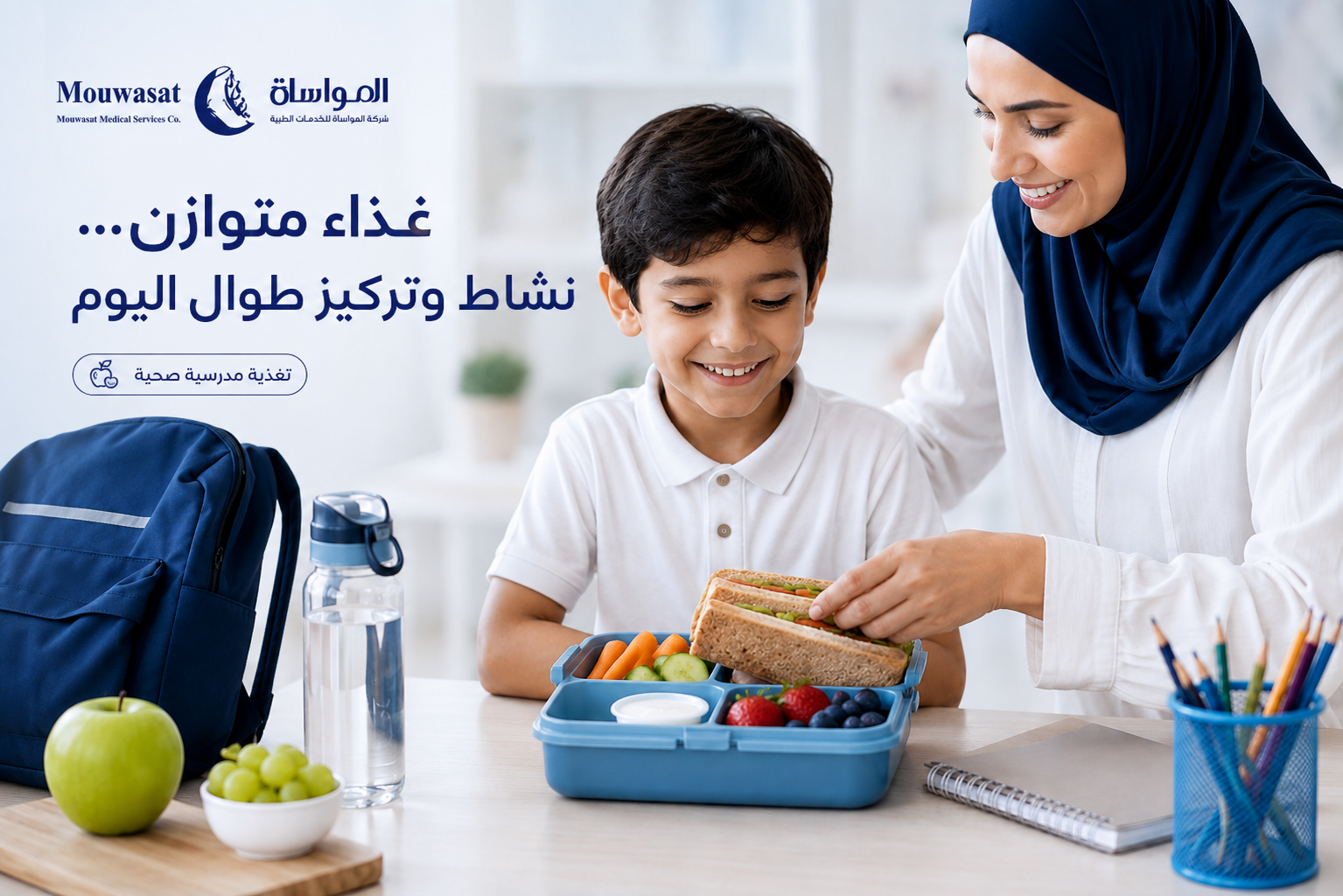
    Healthy Nutrition for School-Aged Children: A Practical Guide for Ages 6–12

    Healthy nutrition for school-aged children does not require a complicated diet or a fixed daily menu. The goal is to build a balanced eating pattern that offers a variety of vegetables, fruits, grains, protein foods and dairy or appropriate alternatives while limiting foods and drinks high in added sugars, saturated fat and sodium. [1] [2] [3]

    On school days, the challenge becomes much more practical: What should a child eat before school? What belongs in the lunchbox? How can food be kept safe? And what should parents do when most of the lunch comes home uneaten?

    This guide answers those questions with practical steps for creating a healthy school-day eating routine that can last throughout the academic year.

    For a broader plan covering sleep, activity, hygiene and emotional preparation, see our back-to-school child health guide.

    What does healthy nutrition mean for school-aged children?

    Healthy eating is not about finding one “perfect” food. It is about creating variety across the day and week. Nutrition guidance for children recommends offering foods from different groups, including vegetables, fruits, grains, protein foods and dairy or appropriate fortified alternatives, while choosing nutrient-dense options and limiting added sugars, saturated fat and sodium. [2] [3]

    Children's needs vary with age, growth, activity and health. There is therefore no single portion size or fixed menu that is right for every child. The focus should be on variety, regular eating opportunities and the child's overall growth and health.

    How to build a healthy school-day breakfast

    Breakfast does not need to be complicated. The aim is to provide nutritious food that a child can realistically eat before leaving for school.

    CDC notes that eating a healthy breakfast among students is associated with improved cognitive function, particularly memory, as well as improved mood and reduced absenteeism. [2] The American Academy of Pediatrics also highlights breakfast as an important source of energy for children at the beginning of the school day. [4]

    A simple breakfast formula

    A practical breakfast can combine two or three of the following:

    • Grains or starches: such as oats or whole-grain bread.
    • Protein or dairy: such as eggs, cheese, milk, yogurt or an appropriate alternative.
    • Fruit or vegetables: such as banana, apple, cucumber or tomato.
    • Water: an important part of the morning routine.

    Breakfast does not need to contain traditional breakfast foods. What matters is nutritional quality, practicality and consistency.

    How to build a balanced school lunchbox

    Instead of searching for a new recipe every morning, parents can use a simple framework and select suitable foods from several groups according to the child's needs, preferences, school policies and any food allergies.

    Food Group Practical Examples Purpose
    Grains and starches Whole-grain bread or wrap, oats or other suitable grain foods Provides energy as part of a balanced meal
    Protein Eggs, chicken, hummus, beans, cheese or another suitable source Supports growth and adds variety
    Vegetables or fruit Cucumber, carrots, tomatoes, peppers, apples, oranges, bananas or seasonal fruit Adds variety, color and fiber
    Dairy or suitable alternative Milk, laban, yogurt, cheese or an appropriate fortified alternative Adds a food from the dairy group or its alternative
    Drink Water The main everyday hydration choice

    This is not a mandatory meal plan. It is simply a practical way to create variety without having to redesign the lunchbox from scratch each morning. [2] [3]

    Healthy school lunch ideas for children

    The following are flexible examples rather than a fixed nutrition plan. Adjust them according to your child's needs, preferences, allergies and school rules.

    Idea Example Combination
    1 Whole-grain cheese sandwich + cucumber and tomato + fruit + water
    2 Chicken and vegetable wrap + seasonal fruit + properly chilled yogurt + water
    3 Hummus with suitable bread + sliced vegetables + apple or orange + water
    4 Safely chilled egg sandwich + vegetables + banana + water
    5 Labneh or cheese sandwich + sliced vegetables + fruit + water

    Healthy school snack ideas

    If the school day is long and a child needs a snack, the goal is to add useful nutrition rather than simply providing another source of added sugar.

    • Fresh fruit that is easy to carry.
    • Safely stored sliced vegetables.
    • Yogurt or laban when it can be kept properly chilled.
    • Whole-grain foods that are lower in added sugar and sodium.
    • An age-appropriate protein source that complies with school allergy policies.

    A snack is not automatically necessary for every child. Its usefulness depends on the length and structure of the school day and the child's overall meal pattern.

    Water and drinks during the school day

    Water should be the main everyday hydration choice. MyPlate encourages making water, milk or appropriate fortified alternatives easy options for children while limiting drinks high in added sugars. [3]

    CDC also notes that adequate hydration may support cognitive function in children and adolescents, which is relevant during the school day. [2]

    Keeping packed lunches safe in warm weather

    A nutritious lunch also needs to be safe. This is especially important when the lunchbox includes perishable foods such as yogurt, dairy products, eggs, chicken or prepared sandwiches.

    The U.S. Department of Agriculture's Food Safety and Inspection Service recommends using an insulated lunch bag and adequate cold sources for perishable packed foods. For cold lunches, its guidance recommends at least two cold sources, such as two frozen gel packs or a frozen gel pack combined with a frozen bottle of water. [6]

    • Use an insulated lunch bag for foods that need to stay cold.
    • Add suitable cold sources for perishable foods.
    • Wash produce before packing it.
    • Use clean, tightly closed containers.
    • Do not rely on appearance alone to decide whether food is safe.

    This deserves particular attention during hot weather in Saudi Arabia, especially when a lunch is prepared several hours before it will be eaten.

    What if your child is a selective eater?

    The most nutritious lunchbox on paper has little value if the child consistently refuses to eat it. Involving children in choosing and preparing suitable foods can make school meals more practical.

    MyPlate encourages age-appropriate participation in food shopping and preparation. The American Academy of Pediatrics also advises parents to avoid turning meals into battles or forcing children to eat particular foods, while continuing to offer balanced choices. [3] [5]

    If the lunchbox regularly comes home almost untouched, investigate first

    • Is the child's lunch period too short?
    • Is the amount of food too large?
    • Is the food difficult to open or eat quickly?
    • Does the texture or temperature change after several hours?
    • Does the child prefer some options over others?
    • Is there an ongoing appetite concern that needs assessment?

    Sometimes a simpler meal, different presentation or giving the child a choice between two suitable options can be more effective than adding more food.

    Managing food allergies at school

    If a child has a diagnosed food allergy, choosing an appropriate lunch is only one part of staying safe. CDC recommends coordination among families, schools and healthcare professionals to manage food allergies, reduce allergen exposure and prepare for severe reactions. [7]

    • Inform the school about known food allergies.
    • Follow the child's medical emergency plan.
    • Check the school's food and allergy policies.
    • Teach the child not to share food when this is relevant to their condition.
    • Make sure required emergency medication is available according to the healthcare and school plan.

    Common school nutrition mistakes

    Searching for one “superfood”

    No single food can replace dietary variety. The overall eating pattern across the day and week matters more.

    Packing more food than the child can realistically eat

    Quality and variety are more useful than filling the lunchbox with large amounts that cannot be eaten during the available break.

    Using sweets as a constant reward

    Regularly using food as a reward can make certain foods appear more desirable than others. The goal should be a balanced and neutral relationship with food. [5]

    Forgetting food safety

    Sending yogurt, eggs, chicken or other perishable foods for hours without appropriate temperature control can make an otherwise nutritious lunch unsafe. [6]

    Pressuring children to finish everything

    The goal is to build sustainable eating habits rather than create daily conflict around food. Offer suitable options and look at the child's overall eating and growth pattern.

    When should parents seek medical or nutrition advice?

    Appetite can vary from day to day. However, consider discussing your child's nutrition with a doctor or qualified nutrition professional if there are persistent concerns about growth, very limited food variety, significant ongoing feeding difficulties, symptoms associated with certain foods or a chronic health condition that affects nutrition.

    Children should not be placed on unnecessarily restrictive diets or have entire food groups removed without a medical reason and appropriate professional guidance.

    Frequently asked questions about school-age nutrition

    What is a healthy breakfast for a school-aged child?

    There is no single ideal breakfast. A practical meal can combine a grain or starch, a protein or dairy food, fruit or vegetables and water. Variety and a routine the child can maintain are more important than following a fixed menu. [2] [3]

    What should a healthy school lunch contain?

    A school lunch can combine grains or starches, a protein source, vegetables or fruit and dairy or an appropriate alternative, with water. Every food group does not need to appear in every single meal if the child's overall daily eating pattern is varied and balanced.

    Is juice a replacement for water?

    Water should remain the main everyday hydration choice, and drinks high in added sugars should be limited. [2] [3]

    What should I do if my child does not eat their school lunch?

    Start by finding out why. The portion may be too large, the break may be short or the food may be difficult to eat at school. Involve your child in choosing suitable foods and avoid pressure or punishment around eating. [3] [5]

    How can I keep a packed lunch cold and safe?

    Use an insulated lunch bag and suitable cold sources for perishable foods. USDA guidance recommends two cold sources for packed cold lunches that need to remain chilled during transport and storage. [6]

    Make healthy eating a routine, not a daily project

    The best school lunch is not the most complicated or visually perfect one. It is the meal that balances nutrition, safety and practicality—and that the child can realistically eat.

    Start with a small group of suitable foods your child accepts, then gradually expand variety. Involve them in choosing and preparing food, and make water, fruits, vegetables, protein foods and appropriate grains easy everyday options at home.

    Over time, healthy school nutrition can become part of the family's normal routine rather than another stressful task that starts from scratch every morning.


    Sources and References

    1. Saudi Ministry of Health. Child Nutrition . Updated August 2026.
    2. Centers for Disease Control and Prevention (CDC). Childhood Nutrition Facts .
    3. U.S. Department of Agriculture – MyPlate. Healthy Eating for Kids .
    4. American Academy of Pediatrics (AAP) – HealthyChildren.org. Breakfast for Learning: Why the Morning Meal Matters .
    5. American Academy of Pediatrics (AAP) – HealthyChildren.org. How to Please Fussy Eaters .
    6. U.S. Department of Agriculture – Food Safety and Inspection Service. How Do You Keep a Bag Lunch Safe? . Updated March 2025.
    7. Centers for Disease Control and Prevention (CDC). Food Allergies in Schools .

    This content is intended for health education and does not represent an individualized nutrition plan or replace professional medical or nutrition assessment when needed.

    ```

  • 24/08/2026

    How Much Sleep Do School-Aged Children Need? A Practical Guide for School Nights

    School-aged children need enough regular sleep to wake up ready for the day ahead. The American Academy of Sleep Medicine recommends that children aged 6–12 years get 9–12 hours of sleep per 24 hours on a regular basis, while teenagers aged 13–18 years should get 8–10 hours. [1]

    Knowing the recommended number of hours is only the first step. Sleep timing, consistency and quality also matter. For parents, the practical question is often: if my child has to wake up early for school, when should they actually be asleep—and how do we reset a holiday sleep schedule?

    This guide provides a practical school-night sleep plan and explains how to distinguish a routine that may simply need adjustment from signs that deserve medical attention.

    For a broader plan covering nutrition, physical activity, hygiene and emotional preparation, see our back-to-school child health guide.

    How much sleep do children need by age?

    Sleep needs vary with age and individual biology. The American Academy of Sleep Medicine provides recommended ranges intended to support health, daytime alertness and school performance. [1]

    Age Recommended Sleep
    6–12 years 9–12 hours per 24 hours
    13–18 years 8–10 hours per 24 hours

    The Saudi Ministry of Health uses the same ranges in its back-to-school health guidance: 9–12 hours for children aged 6–12 and 8–10 hours for adolescents aged 13–18. [2]

    These figures are ranges, not one exact number that must fit every child. Individual children may function best at different points within the recommended range.

    Why sleep matters for students

    Adequate sleep does more than prevent morning tiredness. The American Academy of Sleep Medicine states that regularly getting the recommended amount of sleep is associated with better attention, behavior, learning, memory, emotional regulation and physical and mental health. [1]

    CDC also notes that sufficient sleep helps students stay focused, improve concentration and support academic performance, while insufficient sleep is associated with attention and behavior problems that can affect school performance. [3]

    For this reason, when a child suddenly becomes very difficult to wake, sleepy during lessons or less able to concentrate, sleep is one of the factors worth reviewing.

    How to calculate your child's bedtime for school nights

    Start with the required school-day wake-up time, then count backward by the amount of sleep your child is aiming for within the recommended range for their age.

    Simple formula:
    Wake-up time − target sleep duration = approximate sleep-onset time.

    Example Wake-Up Time Target Sleep Approximate Sleep Time
    School-aged child 6:00 AM 10 hours 8:00 PM
    Teenager 6:00 AM 9 hours 9:00 PM

    These examples are not mandatory bedtimes. Time in bed is not always the same as actual sleep time, so the wind-down routine should begin before the target sleep time.

    How to reset your child's sleep before school starts

    If sleep and wake times changed during the holiday, avoid waiting until the night before school begins. The American Academy of Sleep Medicine recommends beginning the transition back to a school-year sleep routine about two weeks in advance, while Saudi Ministry of Health guidance also recommends adjusting sleep to the school schedule with enough time before classes begin. [2] [4]

    Start about two weeks before school

    Gradually move sleep and wake times toward the schedule your child will need for school rather than switching abruptly from late holiday nights to early school mornings. [4]

    Keep wake-up time consistent

    A predictable daily routine helps the body adjust to regular sleep and wake patterns. Pediatric sleep guidance emphasizes consistency as an important part of healthy sleep. [5]

    Practice the evening routine before the first school night

    Do not wait until the first school night to introduce a completely new routine. Make the end of the day calmer, reduce stimulating activities close to bedtime and prepare school items earlier to reduce pressure the next morning. [2]

    Healthy sleep habits for school nights

    1. Keep the bedtime routine calm and predictable

    A simple, consistent sequence before bed can help make sleep a natural part of the day. It may include bathing, brushing teeth, reading or another quiet age-appropriate activity. [5]

    2. Put screens away before bedtime

    Saudi Ministry of Health back-to-school guidance recommends limiting screens for approximately 30–60 minutes before sleep. The American Academy of Pediatrics recommends turning screens off at least one hour before bedtime and keeping devices out of children's bedrooms when possible. [2] [5]

    3. Make the bedroom sleep-friendly

    Saudi Ministry of Health guidance recommends a dark, quiet bedroom at a comfortable temperature, while the American Academy of Pediatrics also recommends a calm home and bedroom environment that supports sleep. [5] [6]

    4. Encourage physical activity during the day

    Physical activity is an important part of a child's daily routine, and Saudi Ministry of Health guidance recommends regular daytime activity to support healthy sleep and overall health. [6]

    5. Watch caffeine in older children and teenagers

    Caffeine may be present in coffee, tea, some soft drinks and other beverages. Saudi Ministry of Health guidance recommends reducing caffeine intake in teenagers, particularly during the hours before bedtime. [6]

    6. Avoid completely reversing the schedule on weekends

    Consistency is an important part of healthy sleep. The American Academy of Sleep Medicine emphasizes that healthy sleep depends not only on duration but also on timing, regularity, quality and the absence of sleep disorders. [7]

    This does not mean every night has to be identical, but repeated major shifts between school-day and weekend sleep patterns may make returning to the school schedule harder.

    Signs your child may not be getting enough sleep

    Insufficient sleep does not always look like a child simply saying, “I'm tired.” Daytime clues can include:

    • Significant difficulty waking in the morning.
    • Daytime sleepiness or falling asleep at school.
    • Difficulty paying attention or concentrating.
    • Changes in behavior or mood.
    • Reduced alertness or school performance.

    CDC and the American Academy of Pediatrics note that insufficient or poor-quality sleep may show up as attention or behavior difficulties, daytime sleepiness or problems at school. [3] [5]

    When should you talk to a doctor about your child's sleep?

    Some sleep problems improve when routines change, but certain signs deserve medical assessment. Saudi Ministry of Health guidance recommends seeking medical advice for problems including: [6]

    • Frequent snoring.
    • Unusual daytime sleepiness, such as falling asleep at school despite adequate opportunity for nighttime sleep.
    • Persistent difficulty falling asleep.
    • Frequent nighttime awakenings.
    • Repeated sleepwalking or troubling nightmares.

    The American Academy of Pediatrics also lists snoring, loud or heavy breathing during sleep, difficulty falling asleep, repeated awakenings and daytime learning or behavior concerns among sleep issues that should be discussed with a child's doctor. [5]

    Frequently asked questions about children's sleep on school nights

    How much sleep does a 6–12-year-old child need?

    The American Academy of Sleep Medicine recommends 9–12 hours of sleep per 24 hours on a regular basis for children aged 6–12. [1]

    How much sleep does a teenager need?

    Teenagers aged 13–18 should regularly get 8–10 hours of sleep per 24 hours. [1]

    What time should my child sleep if they wake at 6:00 AM?

    It depends on the child's age and individual sleep need. For example, a school-aged child aiming for 10 hours of sleep and waking at 6:00 AM would need to be asleep at approximately 8:00 PM. Begin the wind-down routine before that time.


    Can phones and tablets affect children's sleep?

    This is why Saudi Ministry of Health guidance recommends limiting screens for about 30–60 minutes before bedtime, while the American Academy of Pediatrics recommends turning screens off at least one hour before bed and keeping devices out of bedrooms when possible. [2] [5]

    Can children make up for lost sleep on weekends?

    Extra sleep may help a child feel more rested after a short night, but a routine of repeatedly sleeping too little on school days and then dramatically changing the schedule on weekends does not provide consistent healthy sleep. The AASM emphasizes duration, timing, regularity and quality—not duration alone. [7]

    When is snoring a reason to see a doctor?

    Frequent snoring, particularly when accompanied by abnormal breathing during sleep or marked daytime sleepiness, should be discussed with a healthcare professional. Both Saudi Ministry of Health and AAP guidance identify snoring as a potential sign of a sleep problem. [5] [6]

    Make sleep part of school preparation—not just a bedtime task

    Healthy sleep starts before the lights go out. An appropriate wake-up time, daytime activity, a calm evening routine, fewer screens and a bedtime that allows enough hours of sleep all work together.

    If your child's schedule changed during the holiday, begin shifting it back before school rather than trying to fix it in one night. If sleep difficulties continue or your child has symptoms such as frequent snoring, significant daytime sleepiness or repeated nighttime awakenings, seek medical advice.


    Sources and References

    1. American Academy of Sleep Medicine (AASM). Child Sleep Duration Health Advisory .
    2. Saudi Ministry of Health. Health Guidelines for Returning to School .
    3. Centers for Disease Control and Prevention (CDC). Sleep and Health .
    4. American Academy of Sleep Medicine (AASM). Start the School Year Strong with Healthy Sleep Habits .
    5. American Academy of Pediatrics (AAP) – HealthyChildren.org. Healthy Sleep Habits: How Many Hours Does Your Child Need? . Updated August 2026.
    6. Saudi Ministry of Health. Children and Staying Up Late .
    7. American Academy of Sleep Medicine (AASM). Student Sleep Health: Sleep Duration, Timing, Regularity and Quality .

    This content is intended for health education and does not replace individual medical assessment or professional medical advice for persistent sleep problems.


Doctors related to How to Support Your Child’s Immune Health and Reduce Infections at School

Book your appointment now with best doctors

Mouwasat Medical Dammam Dispensary in '75, evolved into LLC managing multiple facilities in '97 under same registration.

Contact Information

Unified Number:
site.QUOTES_IMAGE_ALT
+966 920 004 477