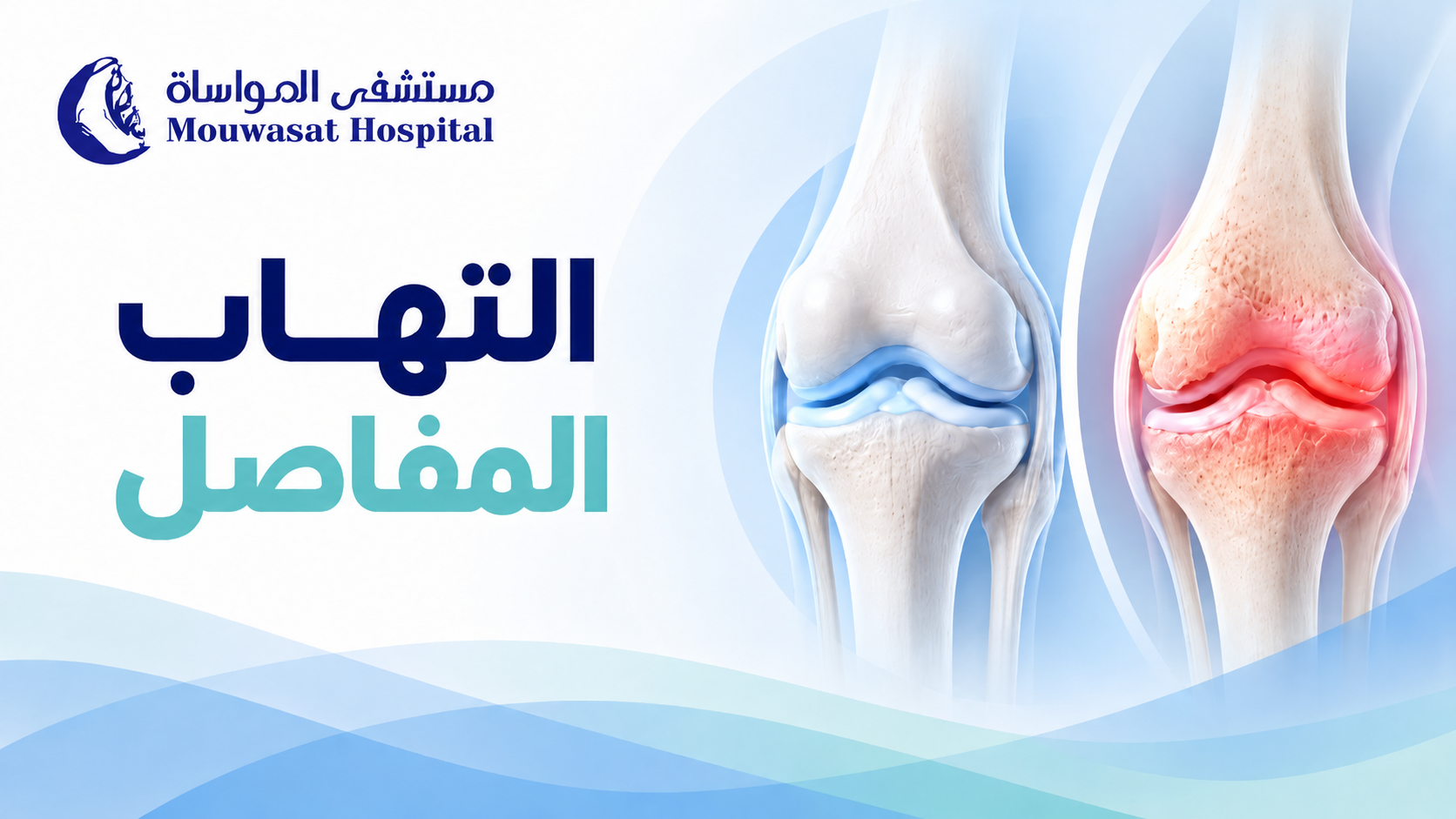

Arthritis is not a single disease, and joint pain does not automatically mean rheumatoid arthritis. The term covers more than 100 conditions affecting the joints and surrounding tissues, including osteoarthritis, rheumatoid arthritis, gout and psoriatic arthritis. These conditions have different causes, symptom patterns and treatments. [1]
Several clues can help distinguish them initially: when the pain occurs, whether the joint is swollen or warm, how long morning stiffness lasts, whether several joints are affected symmetrically and whether symptoms developed suddenly or gradually. However, symptoms alone cannot confirm the diagnosis.
Arthritis is a broad term for conditions affecting joints, tissues surrounding the joints and other connective tissues.
There are more than 100 different forms of arthritis, and their causes and treatment can be very different. [1]
Common examples include:
No.
Joint pain can also result from:
This is why the pattern of symptoms matters: the location, duration, swelling, warmth, morning stiffness and number of affected joints all help narrow the diagnosis.
Osteoarthritis is the most common form of arthritis. It involves progressive changes in the whole joint, including cartilage, bone and surrounding tissues, and commonly affects the knees, hips, hands and spine. [2]
Rheumatoid arthritis is a chronic autoimmune disease in which the immune system attacks the body's own tissues, especially the lining of the joints. It causes inflammation, pain, swelling and stiffness and may also affect organs outside the joints. [3]
Gout is an inflammatory arthritis caused by urate crystal deposition in and around joints. It commonly produces sudden episodes of severe pain and swelling. [5]
Psoriatic arthritis is an immune-mediated inflammatory condition associated with psoriasis. It can affect joints, the spine and the places where tendons and ligaments attach to bone. [6]
| Feature | Osteoarthritis | Rheumatoid arthritis | Gout | Psoriatic arthritis |
|---|---|---|---|---|
| Onset | Usually gradual | Can develop gradually or over a shorter period | Often sudden during a flare | Highly variable |
| Pain pattern | Often worse with use or loading | Can occur at rest and with movement | Often extremely painful during attacks | Inflammatory pain and stiffness |
| Morning stiffness | Usually shorter | Often longer than 30 minutes | Not usually the main feature | Often worse after rest or in the morning |
| Swelling and warmth | Variable | Common during active inflammation | Can be pronounced | Common |
| Helpful clues | Pain with activity, reduced movement | Symmetrical joints, fatigue | Big toe is common, sudden attacks | Psoriasis, nail changes, swollen whole digit |
These patterns are useful clues but cannot replace a medical assessment.
Osteoarthritis is a chronic joint condition that involves progressive changes in the joint and surrounding tissues. It is different from rheumatoid arthritis because it is not primarily an autoimmune attack on the joints. [2]
The most commonly affected joints include:
According to the World Health Organization, the knee is the most frequently affected joint worldwide. [2]
Rheumatoid arthritis is a chronic autoimmune inflammatory disease.
It commonly affects the wrists, hands, feet and other joints and often follows a symmetrical pattern. [3]
Rheumatoid arthritis can begin damaging joints relatively early in the disease. Treatment aims to control inflammation before permanent damage develops or progresses. [4]
No.
“Rheumatism” is often used as a broad, non-specific term for rheumatic or musculoskeletal complaints.
Rheumatoid arthritis is a specific autoimmune inflammatory disease with defined diagnostic criteria.
Gout develops when excess urate contributes to crystal formation in and around a joint, triggering inflammation. [5]
A typical flare may cause:
No. Some people have elevated serum urate without ever developing gout, so the blood level alone does not establish the diagnosis. [5]
Psoriatic arthritis is an inflammatory immune-mediated condition that often occurs in people with psoriasis.
Possible clues include:
A small number of people develop joint symptoms before the typical psoriasis rash appears. [6]
Symptoms vary by cause but can include:
The length and pattern of stiffness after waking or resting can help distinguish inflammatory from mechanical joint problems.
In rheumatoid arthritis, stiffness commonly lasts more than 30 minutes after waking or a long period of rest. [3]
In osteoarthritis, stiffness after inactivity is common but is usually shorter, while pain may become more noticeable during joint use or loading.
Stiffness duration alone, however, cannot confirm a diagnosis.

Medical assessment is particularly important if you have:
Seek prompt medical care for:
Gout and other inflammatory disorders can cause similar symptoms, but septic arthritis must be considered because a joint infection requires urgent treatment. [7]
| A rheumatologist may be particularly appropriate for | An orthopaedic doctor may be particularly appropriate for |
|---|---|
| Inflammation in several joints | Fractures, injuries or ligament problems |
| Suspected rheumatoid or autoimmune disease | Mechanical or surgical joint problems |
| Prolonged morning stiffness | Advanced structural joint damage needing surgical assessment |
| Recurrent gout or psoriatic arthritis | Traumatic cartilage or joint injury |
Some patients benefit from coordinated care involving rheumatology, orthopaedics, rehabilitation and physiotherapy.
There is no single test that diagnoses every form of arthritis.
The doctor may assess:
Additional testing may include:
Rheumatoid arthritis is not diagnosed by one laboratory result alone. Diagnosis combines the medical history, physical examination, laboratory tests and imaging when appropriate. [4]
Treatment depends on the diagnosis.
Management may include:
Exercise and healthy weight management are important parts of osteoarthritis care. [2]
The goal is not merely to relieve pain but to suppress inflammation and prevent or slow joint damage.
Treatment can include disease-modifying antirheumatic drugs and other therapies selected by a rheumatologist. [4]
Treatment of an acute gout flare is different from long-term treatment aimed at reducing urate levels and preventing future attacks. [5]
Treatment aims to control inflammation, protect joints and manage associated skin disease when present. [6]
Not necessarily.
For many people with arthritis, regular appropriate physical activity helps maintain movement, strengthen surrounding muscles and improve function.
The type and intensity of activity should be adjusted according to:
There is no single diet that cures all forms of arthritis.
Maintaining a healthy weight can reduce stress on weight-bearing joints, while conditions such as gout have their own dietary and metabolic considerations.
A single list of “foods to avoid for arthritis” therefore should not be applied to every patient.

Pain, stiffness or swelling in one or more joints may be the first sign, but the pattern varies greatly between arthritis types.
Persistent swelling in several joints, prolonged morning stiffness and symmetrical hand or foot symptoms raise suspicion, but medical evaluation is needed for diagnosis.
Osteoarthritis involves progressive structural changes in the joint, while rheumatoid arthritis is a systemic autoimmune inflammatory disease.
Yes. Arthritis is not limited to older adults. Rheumatoid arthritis, psoriatic arthritis and several other inflammatory conditions can occur in younger people.
No. Elevated serum urate can occur without gout, and the diagnosis depends on the overall clinical picture. [5]
Appropriate walking can be beneficial for many people, but activity may need modification during severe active inflammation, acute injury or when pain clearly worsens with loading.
No. Rheumatism is a broad term, while rheumatoid arthritis is a specific autoimmune inflammatory disease.
It depends on the cause. Many common forms are chronic, but modern treatment can control symptoms, suppress inflammation and reduce joint damage substantially.
Arthritis is not one diagnosis. Osteoarthritis, rheumatoid arthritis, gout and psoriatic arthritis can produce joint pain but differ significantly in their cause, symptom pattern and treatment.
Gradual pain that becomes worse with use may suggest osteoarthritis, while prolonged morning stiffness and symmetrical swollen joints can suggest inflammatory disease such as rheumatoid arthritis. Sudden severe pain and swelling in one joint may occur with gout or other acute conditions.
A suddenly hot, swollen and severely painful joint, particularly with fever or feeling unwell, needs prompt medical assessment.
The most useful first step is therefore not finding the strongest painkiller, but identifying which type of joint disease is causing the symptoms.