How can i help you?
Latest Blogs
Explore All
2026-10-21 08:07:45
Medical Articles


In a groundbreaking operation for the private sector in Saudi Arabia, Mouwasat Hospital in Al-Khobar successfully performed a mini gastric bypass and inflamed gallbladder removal on a patient suffering from severe obesity, who had previously undergone a sleeve gastrectomy and developed gallbladder inflammation.
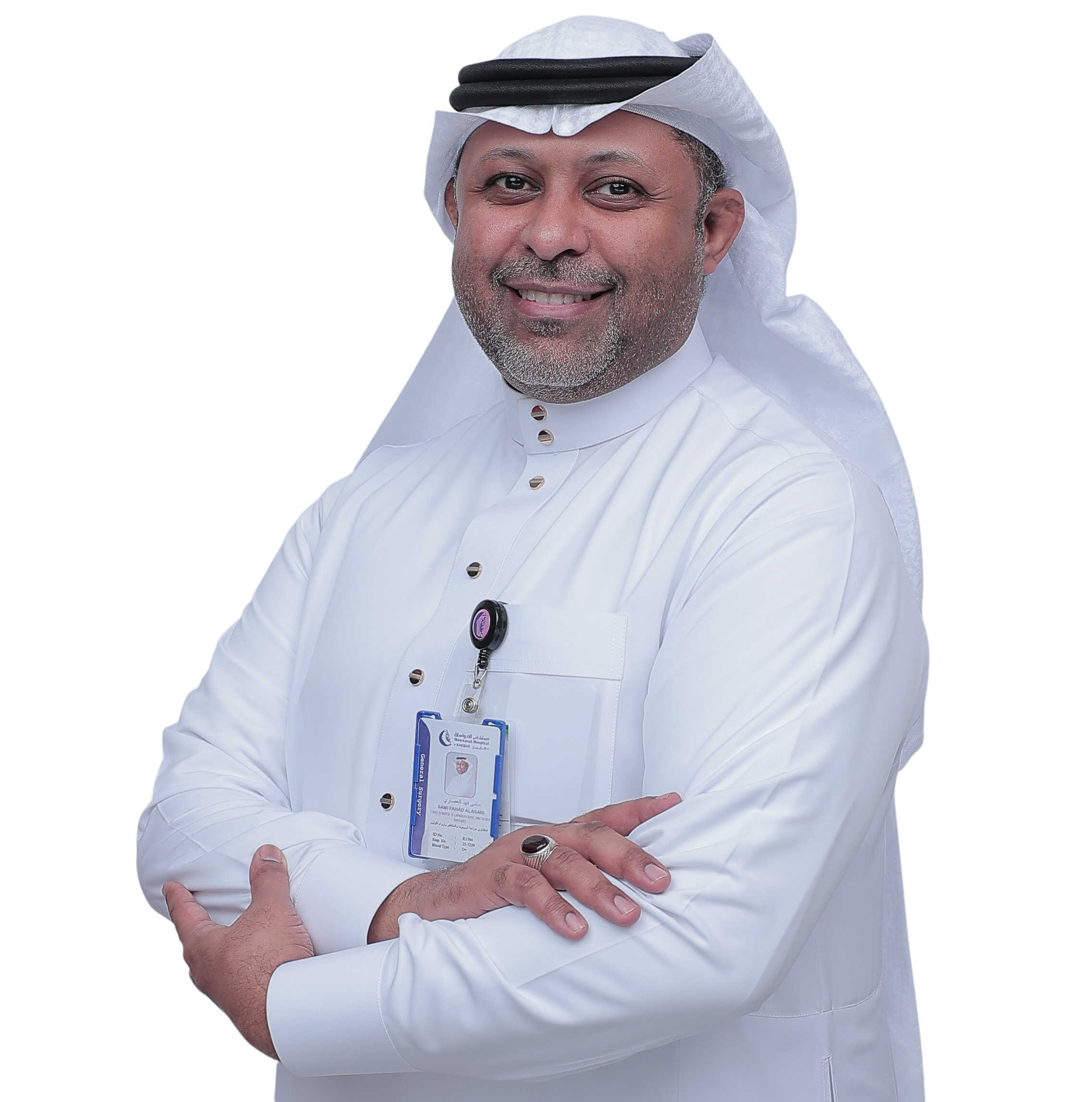
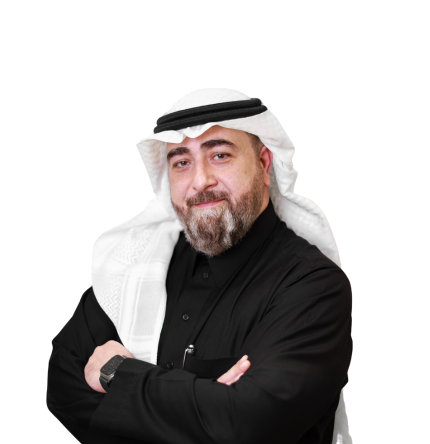
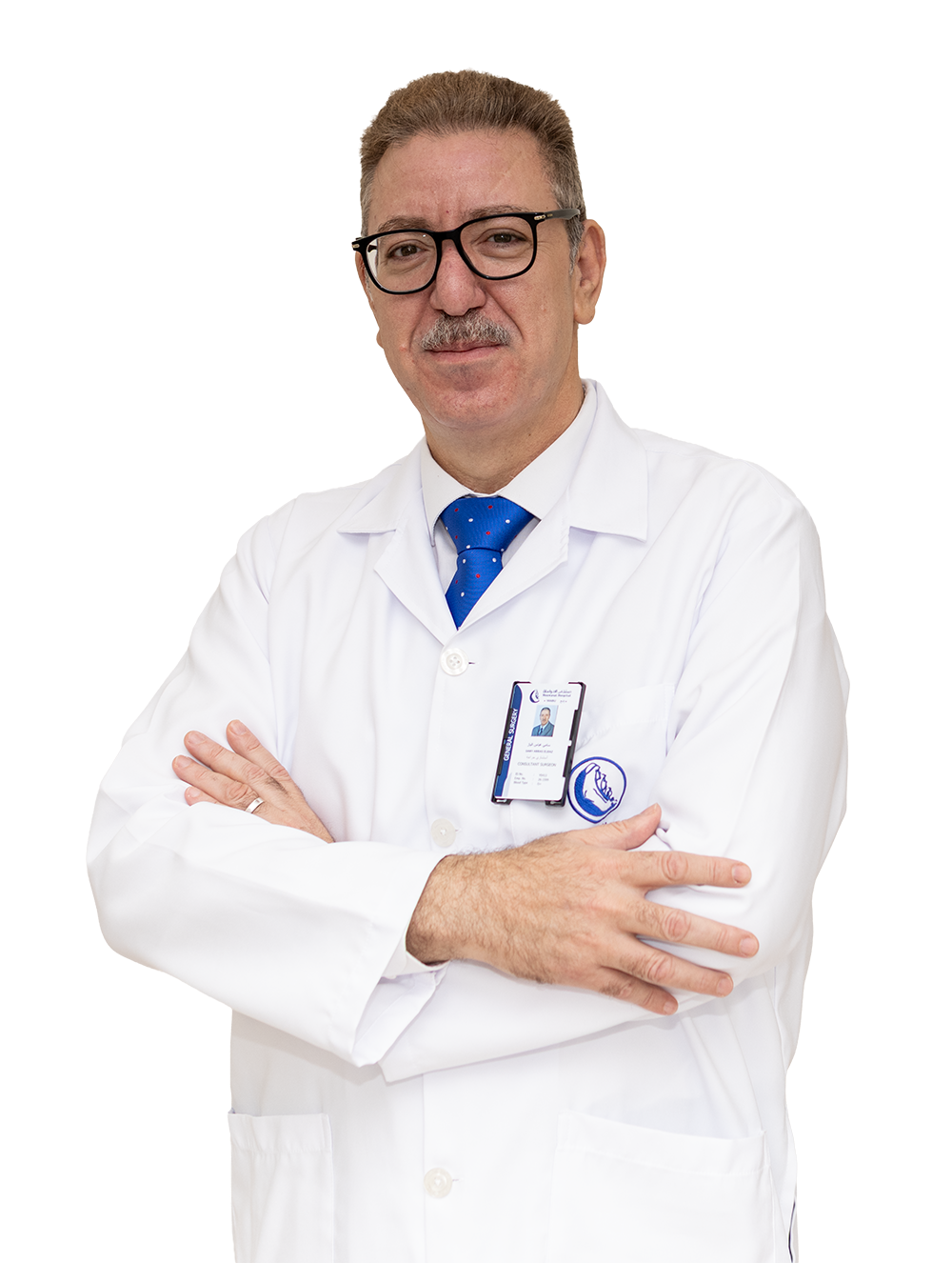
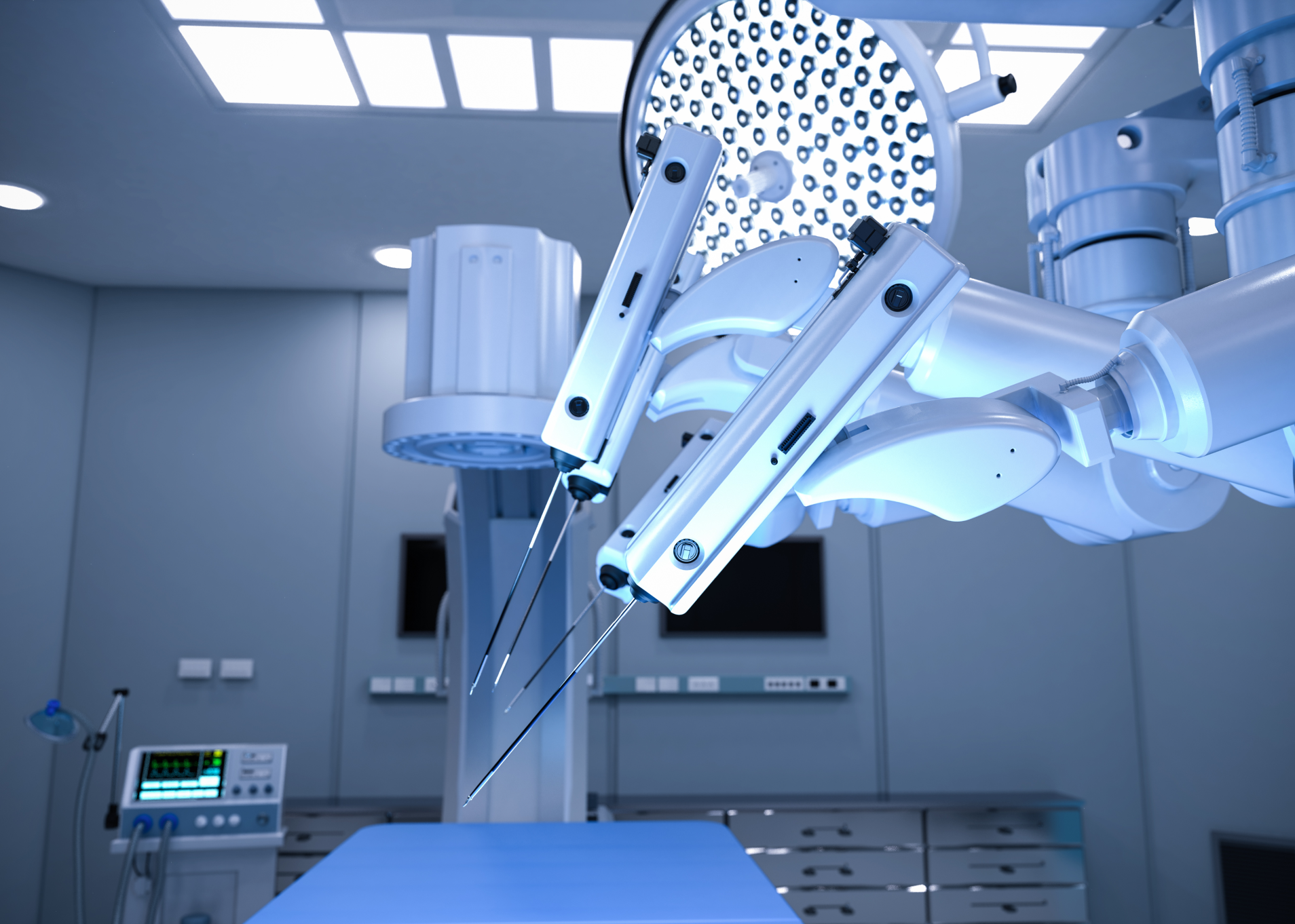
Upon the patient's arrival at the hospital, Dr. Sami Al-Asari, a consultant in bariatric, colon, and rectal surgery, performed the mini gastric bypass using a single anastomosis and removed the gallbladder using robotic surgery through four small incisions. This procedure significantly reduced the patient's pain and bleeding, and the precise stitching and stapling were achieved using an advanced smart stapler at the anastomosis site.
It is noteworthy that Mouwasat Hospital in Al-Khobar is a pioneer in advanced surgeries using robotic technology, whether in bariatric, colon, or general surgeries. These innovative techniques contribute to improved surgical outcomes and provide more accurate and effective healthcare.
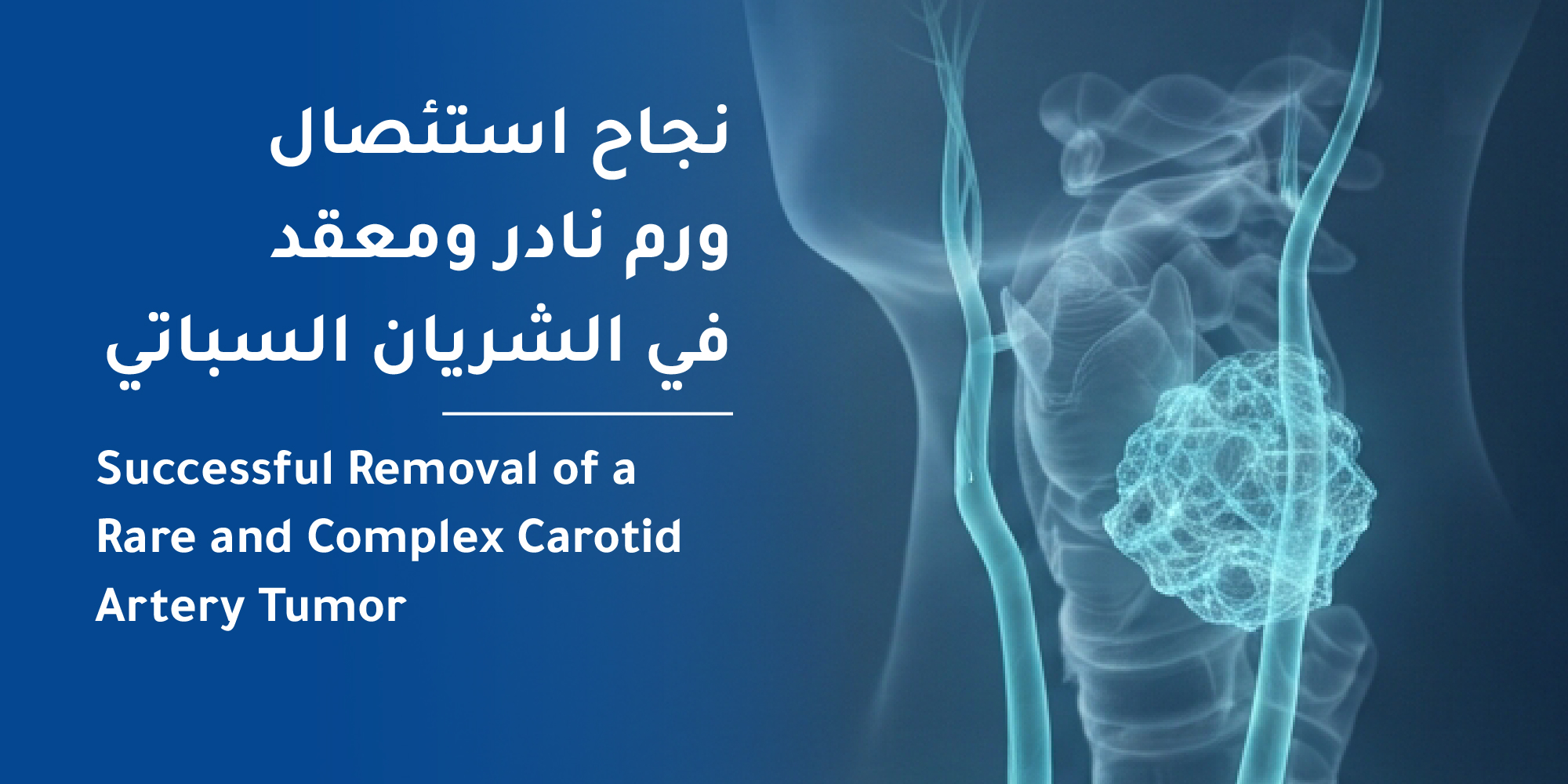
Mouwasat Hospital Jubail achieved a new medical milestone as the Vascular Surgery team successfully performed a delicate surgical procedure to remove a rare and complex tumor in the carotid artery region of the neck. The tumor was classified as Shamblin III and was found in a 40-year-old patient who had been referred to the hospital after visiting several other hospitals due to the complexity of his condition.
The patient was suffering from symptoms caused by the size and extension of the tumor and its pressure on the surrounding tissues, requiring detailed medical and imaging assessments and the development of a specialized surgical plan.
A Shamblin III carotid body tumor is considered a rare and surgically complex condition due to the tumor’s close attachment to the carotid arteries and its proximity to important nerves in the neck. Its removal therefore requires a high level of precision and specialized surgical expertise to reduce the risk of bleeding or nerve injury.
Examinations showed that the tumor extended around and adhered to both carotid arteries and was associated with the hypoglossal nerve. Following careful planning, the medical team successfully removed the tumor completely while preserving the integrity of the arteries and nerves.
The procedure was performed through collaboration between the Vascular Surgery and Anesthesia teams. Careful preoperative planning and surgical precision enabled complete removal of the tumor with limited blood loss and no significant neurological complications.
By the grace of God, the patient experienced a good recovery following the operation, with intact neurological functions and no difficulties with swallowing or breathing. He remained under observation at the hospital for two nights before being discharged home in stable condition and returning to his normal life.
Such complex surgical cases require advanced expertise, precise planning, and close coordination among medical teams due to the sensitive location of the tumor and its proximity to major blood vessels and important nerves.
The success of this procedure reflects the specialized medical expertise and advanced capabilities available at Mouwasat Hospital Jubail for managing complex surgical cases, contributing to comprehensive healthcare and the best possible outcomes for patients.
These highly precise surgical procedures are part of the specialized medical services that Mouwasat Medical Services Company continues to develop and support by attracting specialized medical professionals and providing the latest technologies and equipment to enhance the quality of healthcare provided to patients.
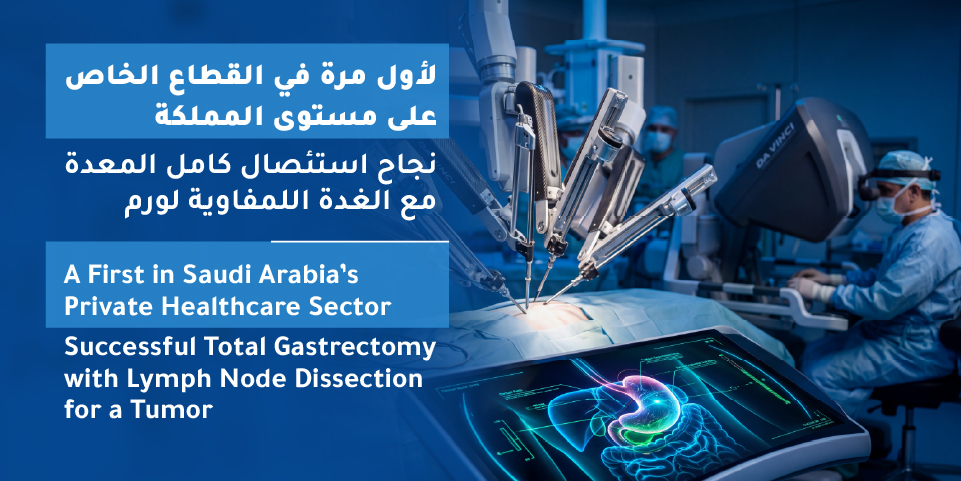
For the first time in the private healthcare sector in Saudi Arabia, Mouwasat Hospital Khobar successfully performed a total gastrectomy with lymph node removal using robotic surgery. The procedure treated a tumor in the upper part of the stomach and represents a medical achievement considered the first of its kind in the Kingdom’s private sector.
The operation was performed under the supervision of Dr. Sami Al-Asiri, Consultant in Robotic Surgery and Gastrointestinal Oncology, as part of an integrated treatment plan for a patient in his sixties. The plan began with the necessary examinations and assessments, followed by chemotherapy and radiation therapy. After completing the treatment plan, the patient underwent total gastrectomy with lymph node removal and reconstruction connecting the esophagus to the small intestine.
The surgical team performed the procedure using robotic surgery without the need to open the abdomen or chest, through small incisions. This helped reduce pain and accelerate recovery while providing a high level of precision during complete removal of the tumor and lymph nodes.
By the grace of God, the operation was successful, and the medical team was able to completely remove the tumor along with the lymph nodes. The patient experienced a rapid recovery and passed through the postoperative period in stable condition.
Total gastrectomy procedures are complex and highly precise, particularly when associated with tumors and the need for lymph node removal. However, the use of robotic surgery enabled the medical team to manage the case with high precision while benefiting from the advantages of minimally invasive surgery.
This achievement reflects, by the grace of God first, the specialized medical expertise, modern technologies, and integration across the different stages of cancer treatment available at Mouwasat Hospital Khobar, enabling the hospital to provide advanced surgical solutions for complex cases.
For the first time in the private healthcare sector in Saudi Arabia, Mouwasat Hospital Khobar successfully performed a total gastrectomy with lymph node removal using robotic surgery. The procedure treated a tumor in the upper part of the stomach and represents a medical achievement considered the first of its kind in the Kingdom’s private sector.
The operation was performed under the supervision of Dr. Sami Al-Asiri, Consultant in Robotic Surgery and Gastrointestinal Oncology, as part of an integrated treatment plan for a patient in his sixties. The plan began with the necessary examinations and assessments, followed by chemotherapy and radiation therapy. After completing the treatment plan, the patient underwent total gastrectomy with lymph node removal and reconstruction connecting the esophagus to the small intestine.
The surgical team performed the procedure using robotic surgery without the need to open the abdomen or chest, through small incisions. This helped reduce pain and accelerate recovery while providing a high level of precision during complete removal of the tumor and lymph nodes.
By the grace of God, the operation was successful, and the medical team was able to completely remove the tumor along with the lymph nodes. The patient experienced a rapid recovery and passed through the postoperative period in stable condition.
Total gastrectomy procedures are complex and highly precise, particularly when associated with tumors and the need for lymph node removal. However, the use of robotic surgery enabled the medical team to manage the case with high precision while benefiting from the advantages of minimally invasive surgery.
This achievement reflects, by the grace of God first, the specialized medical expertise, modern technologies, and integration across the different stages of cancer treatment available at Mouwasat Hospital Khobar, enabling the hospital to provide advanced surgical solutions for complex cases.
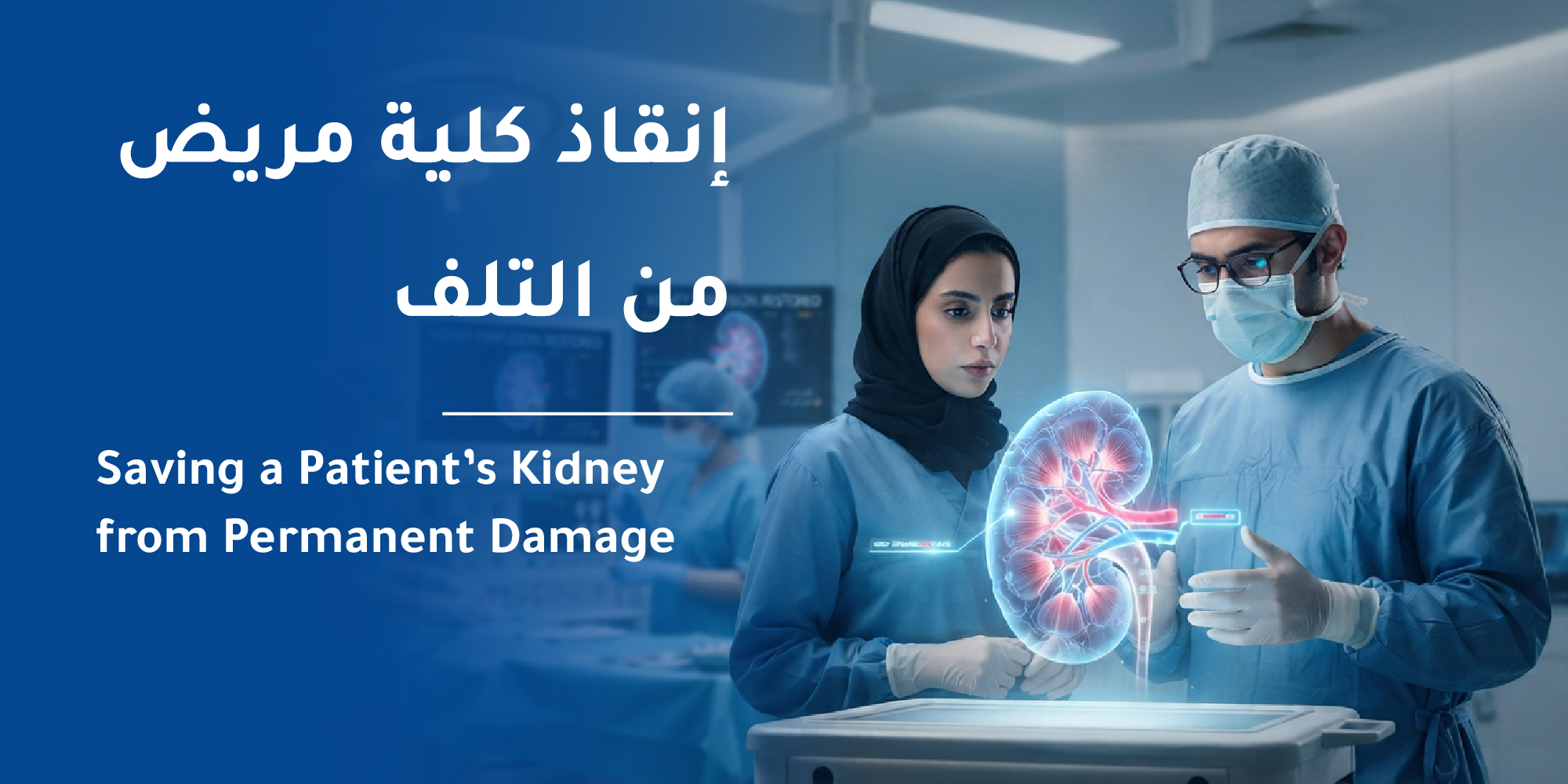
In a complex emergency case, Mouwasat Hospital Jubail received a 46-year-old patient with a history of atrial fibrillation who arrived at the Emergency Department suffering from severe flank pain along with deterioration in kidney function.
Examinations and imaging revealed an acute blockage in the artery responsible for supplying blood to the kidney, resulting in a severe reduction in blood flow and the beginning of tissue damage due to inadequate perfusion.
Following an urgent assessment by the Vascular Surgery team, immediate intervention was decided, and the patient was transferred to the Vascular Catheterization Department within less than one hour of the assessment.
During the procedure, the medical team successfully removed the clot causing the blockage of the renal artery and its main branches using an advanced clot extraction technique. The procedure was performed through a small access point via the femoral artery under local anesthesia and took only 35 minutes.
By the grace of God, the procedure successfully restored blood flow to the kidney. The patient showed significant improvement while kidney function was preserved, and he was able to leave the hospital in good health.
Such interventions are highly precise medical procedures that require rapid diagnosis and treatment, alongside specialized medical expertise and advanced technologies, due to their importance in preserving kidney function and reducing the risk of permanent tissue damage.
The success of this intervention reflects the specialized medical expertise and advanced capabilities available at Mouwasat Hospital Jubail for managing complex emergency cases, contributing to comprehensive healthcare and the best possible outcomes for patients.
This achievement also reflects Mouwasat Medical Services Company’s commitment to attracting specialized medical professionals and providing the latest technologies, equipment, and subspecialties to enhance the quality of healthcare provided to patients.
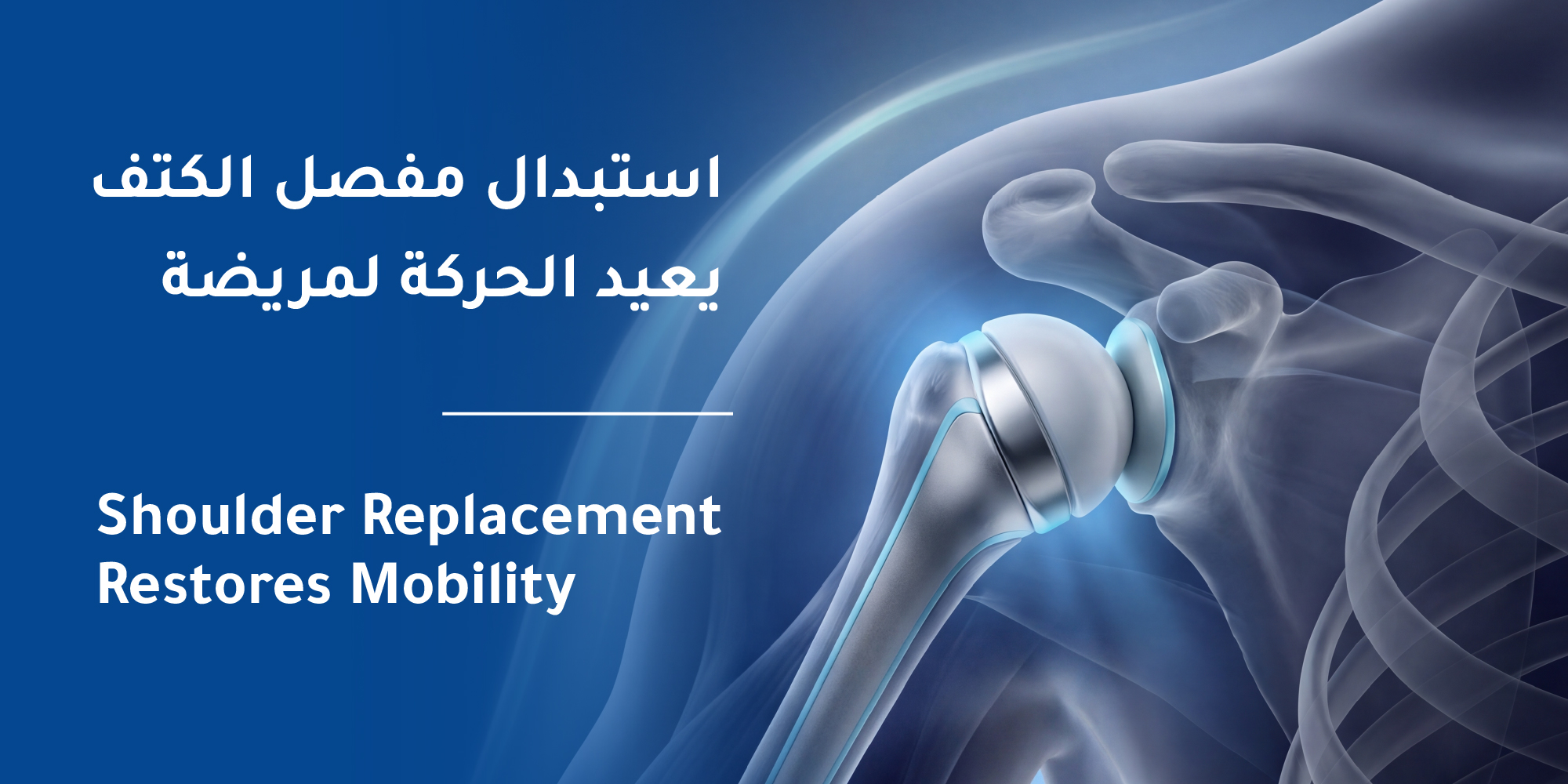
The medical team at Mouwasat Hospital Madinah successfully ended the suffering of a patient with advanced shoulder joint arthritis that had caused severe pain and significant difficulty moving and raising her arm. This had clearly affected her ability to carry out daily activities and led her to rely continuously on painkillers to relieve the pain.
The patient had visited the hospital’s Orthopedic Surgery Clinics after suffering from severe shoulder joint pain and difficulty moving her arm normally for several months. Following the necessary medical examinations and diagnostic imaging, advanced shoulder joint arthritis was identified, accompanied by erosion of the joint surfaces and significant loss of joint mobility.
Due to certain challenges related to her general health condition, the patient underwent a comprehensive medical assessment before surgery, with all necessary procedures and preparations carried out in coordination between the Anesthesia team and the relevant medical teams to ensure that the operation was performed according to the highest safety standards.
The operation was performed by Dr. Mohamed Elbakosh, Consultant and Head of the Orthopedic Department at the hospital. The shoulder joint was completely replaced with an advanced artificial joint, along with treatment and rehabilitation of the surrounding tissues, with the aim of restoring normal movement and function of the arm.
By the grace of God and the efforts of the medical team, the operation was successful. The patient was able to begin moving her arm within a short period after surgery and started a physiotherapy program the following day under the supervision of the specialized team. She was discharged from the hospital in good health after several days to begin rehabilitation and gradually regain her range of motion.
Follow-up visits at the outpatient clinics showed noticeable improvement in her condition, with a gradual restoration of her ability to use her arm and perform daily activities, positively affecting her quality of life and psychological well-being.
This success reflects the specialized joint replacement services provided by Mouwasat Hospital Madinah, including knee, hip, shoulder, and ankle replacements, utilizing modern surgical techniques and high-quality artificial joints according to the needs of each case.
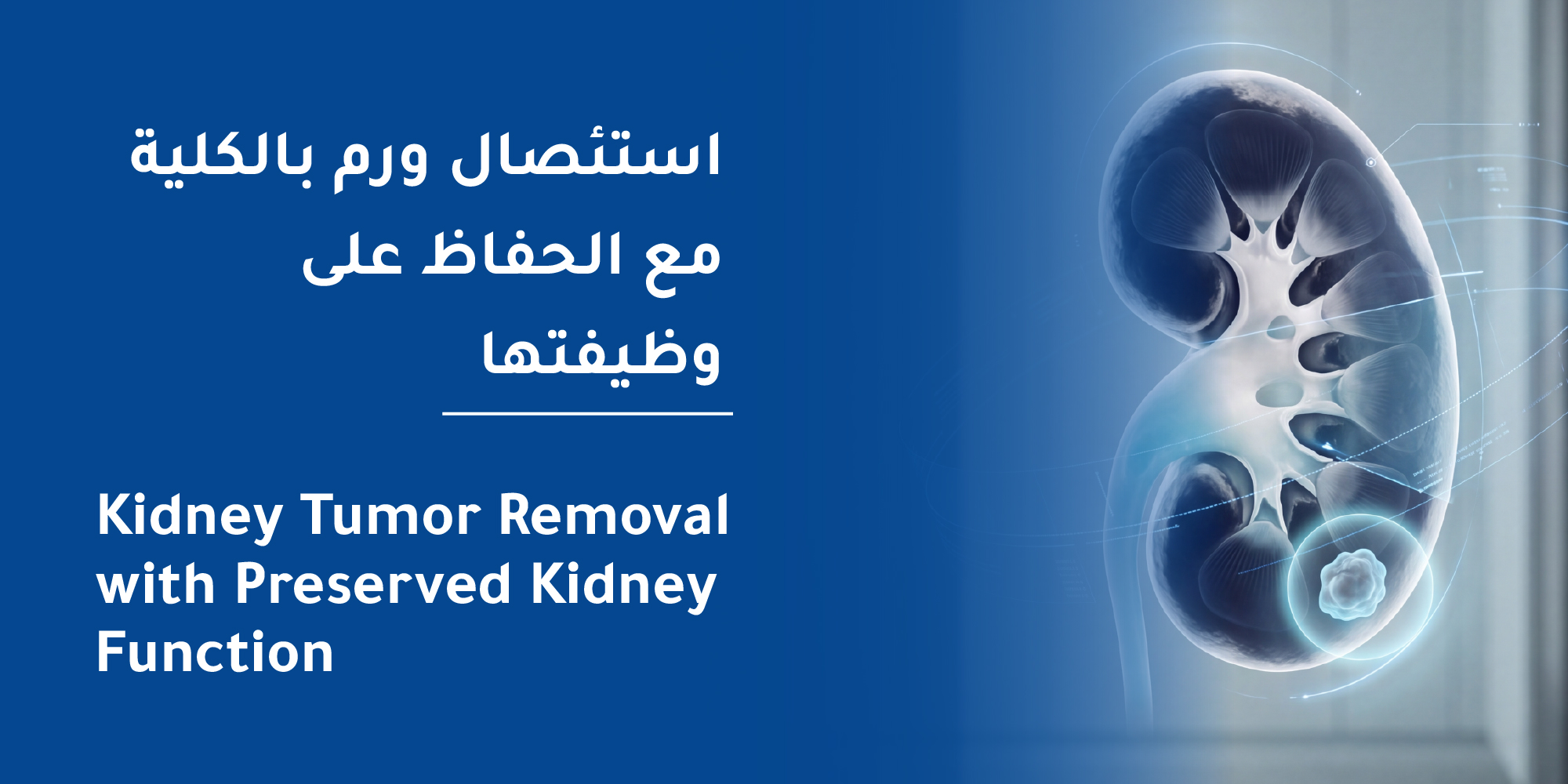
A 62-year-old patient visited the Urology Clinic at Mouwasat Hospital Madinah. The patient had a history of hypertension and type 2 diabetes. During the medical assessment and imaging examinations, a complex lesion measuring approximately 4 cm was discovered in the lower pole of the left kidney, requiring detailed evaluation to determine the nature and stage of the tumor and identify the most appropriate treatment plan.
The necessary examinations and detailed staging assessment were completed, and the results were then discussed during the multidisciplinary tumor meeting (MDT). The available treatment options were evaluated, with a focus on achieving complete tumor control while preserving as much healthy kidney tissue as possible.
Based on the results of the assessment and medical discussion, the decision was made to perform a partial nephrectomy of the left kidney, aiming to completely remove the tumor while preserving the healthy portion of the kidney rather than removing the entire kidney.
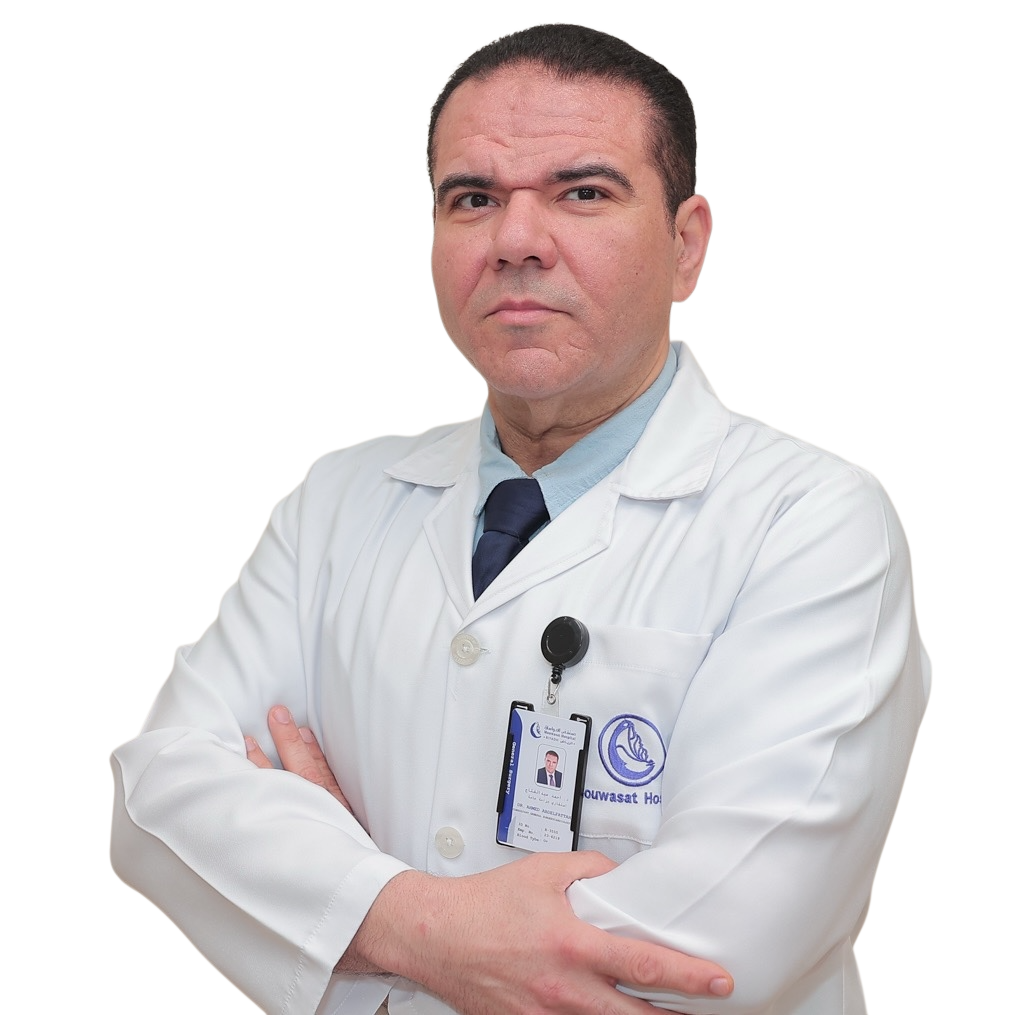
The procedure was successfully performed by Dr. Emad Mohamed Elhajjar, Consultant Urologist. The tumor was removed while preserving as much healthy kidney tissue as possible, with the aim of achieving tumor control while maintaining kidney function.
Following the operation, the patient underwent regular medical follow-up. His condition remained stable, with preservation of the kidney and its function, alongside a plan for periodic follow-up according to the pathological results and tumor stage.
By the grace of God, followed by accurate diagnosis, integrated treatment planning, and surgical expertise, the medical team successfully removed the tumor while preserving the kidney and its function, supporting the patient’s recovery and maintaining his quality of life.
This success reflects Mouwasat Hospital’s commitment to providing specialized care for complex cases through experienced medical professionals and advanced capabilities and technologies, helping provide advanced treatment options tailored to each patient’s needs and supporting the best possible outcomes.
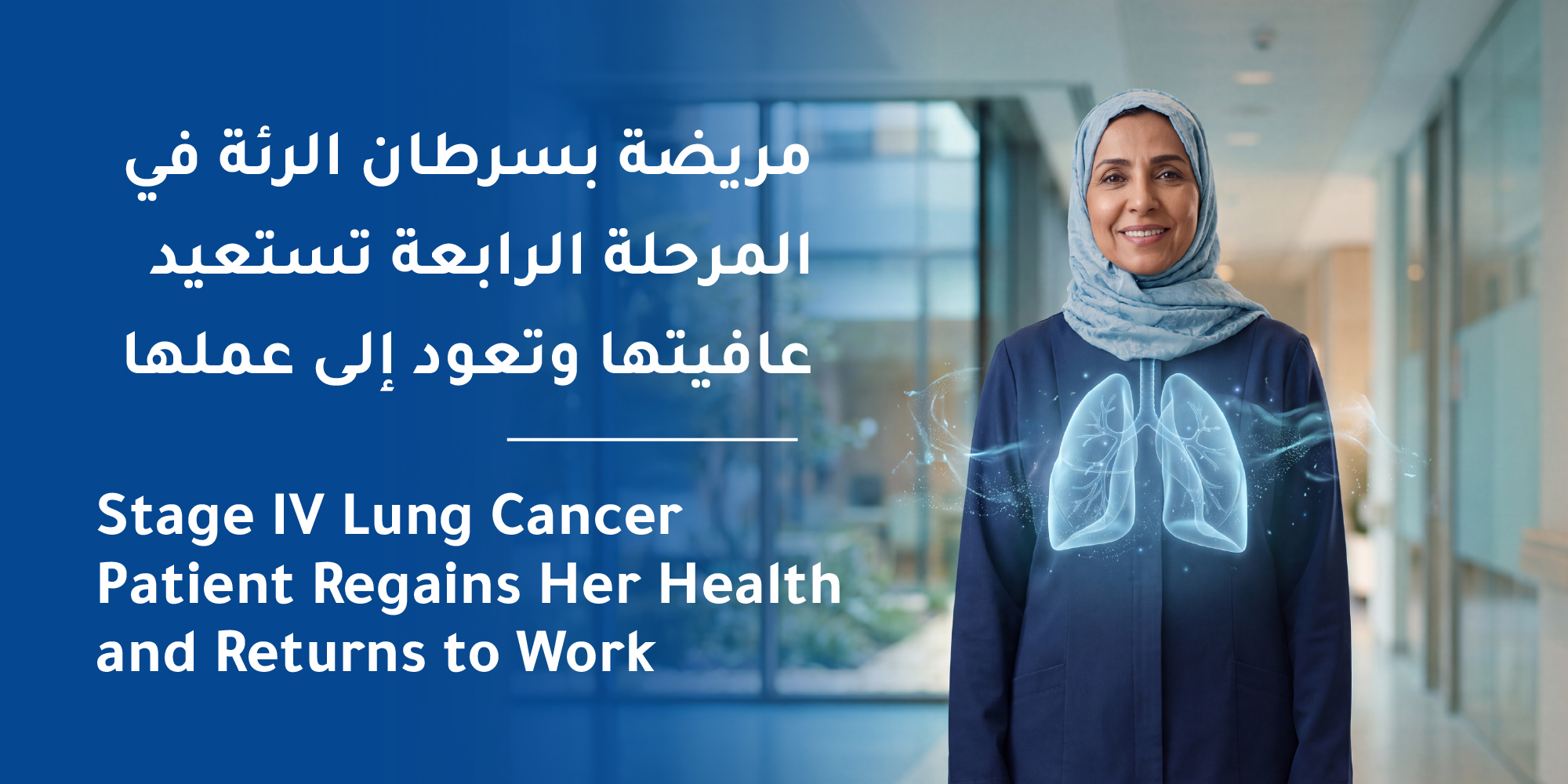
A 56-year-old patient working in the healthcare field visited the Oncology Clinic at Mouwasat Hospital Madinah with a noticeable deterioration in her health. She was suffering from severe shortness of breath, intense headaches, neurological symptoms, and severe bone pain that significantly affected her ability to carry out daily activities and forced her to stop working.
Following detailed diagnostic examinations and imaging, along with a lung biopsy, she was diagnosed with stage 4 lung cancer that had spread to the bones, liver, and brain. A pulmonary artery clot was also identified, contributing to the severity of her symptoms and their impact on her health and quality of life.
Genetic and immunological testing revealed a genetic mutation that could be targeted with targeted therapy. Based on these findings, the case was discussed at the multidisciplinary tumor meeting (MDT) to develop an integrated treatment plan tailored to the nature of the disease and its genetic characteristics.
The treatment plan included chemotherapy, targeted therapy based on the genetic test results, and radiation therapy to relieve bone pain and control disease sites.
After treatment began, the patient’s condition gradually improved. Her shortness of breath resolved, her general health improved significantly, and she regained her ability to move and carry out her daily activities.
More than a year after the diagnosis and the start of treatment, the patient continued regular follow-up at the Oncology Clinic. Clinical examinations and imaging showed significant and sustained improvement in her condition. The improvement was not limited to her health alone, as she regained her activity and returned to work regularly as a nurse after previously having to stop because of the impact of the disease on her health.
By the grace of God, followed by advances in diagnostic techniques and genetic testing and the integration of medical expertise within a multidisciplinary team, the treating team developed a comprehensive treatment plan that resulted in an excellent response to treatment, enabling the patient to regain her health and return to work and daily life normally.
This case reflects Mouwasat Hospital’s commitment to providing specialized and integrated care for complex cases according to the latest medical practices, utilizing medical expertise and modern technologies to help improve treatment outcomes and patients’ quality of life.