

How can i help you?

Blolgs

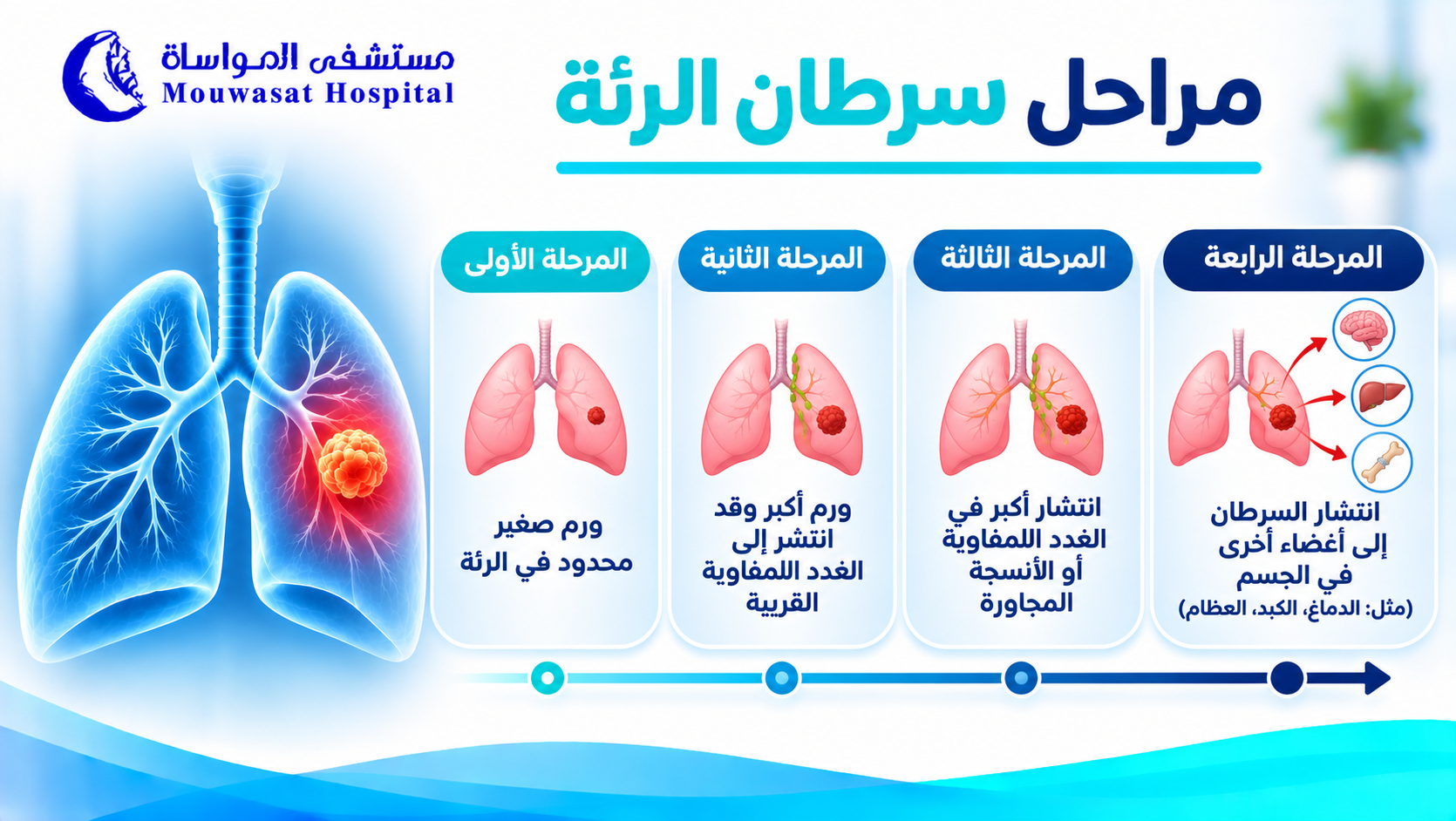
Lung Cancer Stages: What Stages 1 to 4 Mean and Can Lung Cancer Be Cured?

Lung Cancer Stages: What Stages 1 to 4 Mean and Can Lung Cancer Be Cured?

Lung Cancer Stages: What Stages 1 to 4 Mean and Can Lung Cancer Be Cured?

Lung Cancer Stages: What Stages 1 to 4 Mean and Can Lung Cancer Be Cured?
site.CALENDAR_IMAGE_ALT
09/11/2026

Lung Cancer Stages: What Stages 1 to 4 Mean and Can Lung Cancer Be Cured?

Hearing that lung cancer is “stage III” or “stage IV” can make the stage number feel like a complete prediction of what will happen next. It is not. Cancer stage describes how far the disease has spread; it does not function as a countdown of how long an individual patient will live.

Stage is also different from tumor grade. Stage describes the size and spread of cancer, while grade describes how abnormal the cancer cells appear under a microscope and can provide information about how the cancer may behave.[1]

For non-small cell lung cancer (NSCLC), current classification uses the 9th edition TNM system, which became effective for lung cancer in 2025 and describes the primary tumor, lymph-node involvement, and distant metastasis.[2][3]

If you are looking first for symptoms, risk factors, and how lung cancer is diagnosed, read our complete guide to lung cancer symptoms and early detection.

Key points:
  • Cancer stage is different from tumor grade.
  • Current lung cancer staging uses TNM Version 9.
  • Stage III is highly heterogeneous and includes both potentially resectable and unresectable disease.
  • Stage IV includes IVA and IVB, and not all metastatic lung cancers have the same disease burden.
  • A stage can change after surgery when pathology provides more accurate information.
  • SCLC is commonly described as limited-stage or extensive-stage disease.
  • A 5-year survival rate is not an estimate of how many years an individual patient will live.
  • Cancer biology, biomarkers, health status, and response to treatment affect prognosis in addition to stage.

What Does Lung Cancer Stage Mean?

Cancer stage describes the extent of disease in the body at the time of assessment.

Staging attempts to answer questions such as:

Stage is essential for treatment planning and prognosis, but it is not the only information that matters.

What Is the Difference Between Stage and Grade?

Term What it describes
Stage The size and extent of cancer and how far it has spread.
Grade How abnormal cancer cells look under the microscope and clues about their biological behavior.

NCI specifically distinguishes tumor grade from cancer stage.[1]

When people use the phrase “grade 4 lung cancer,” they often actually mean stage IV lung cancer.

How Does the TNM System Work?

Letter Meaning What it describes
T Tumor Primary tumor size and invasion of nearby structures.
N Nodes Regional lymph-node involvement and the nodal stations affected.
M Metastasis Distant spread, including the number and distribution of distant metastatic sites.

T, N, and M are then combined into a stage group such as IA, IIB, IIIA, or IVA.

What Changed in TNM Version 9?

The 9th edition TNM classification for lung cancer took effect in 2025.[2][3]

Important changes include:

The changes provide greater detail about disease burden rather than simply labeling every patient with nodal or metastatic disease in the same way.

What Is Stage 0 Lung Cancer?

Stage 0 refers to carcinoma in situ, where abnormal cancer cells remain highly localized and have not yet developed into more deeply invasive cancer.

It represents the earliest stage and is generally approached with local treatment.

What Is Stage I Lung Cancer?

In stage I NSCLC, cancer remains localized to the lung without regional lymph-node metastasis.

Subgroups within stage I reflect differences in tumor size and local features.

For many medically suitable patients, stage I disease can be treated with curative intent, often with surgery. Effective local treatment can also be considered when surgery is unsuitable.

Because outcomes are generally better when disease is found early, people at sufficiently high risk may benefit from screening before symptoms occur. Read who should have low-dose CT lung cancer screening.

What Is Stage II Lung Cancer?

Stage II includes cancers that are more locally advanced than stage I and may involve a larger tumor, certain local features, or nearby lymph nodes depending on the TNM combination.

Many stage II NSCLCs remain potentially resectable.

However, surgery may be only one component of treatment. Selected patients may require systemic therapy before surgery, after surgery, or both.

For a full explanation of how these choices are made, read our guide to lung cancer treatment.

What Is Stage III Lung Cancer?

Stage III is not one single clinical situation.

It includes IIIA, IIIB, and IIIC disease and can vary substantially in:

NCI describes stage IIIA NSCLC as a heterogeneous group ranging from resectable disease to bulky unresectable nodal disease.[4]

This means some patients may undergo surgery as part of multimodality treatment, while others require combinations of chemotherapy, radiation, immunotherapy, or other treatments.

The key question in stage III is not simply “Which stage number?”

Resectability, nodal pattern, tumor anatomy, lung function, and overall health can significantly change the treatment pathway.

See Lung Cancer Treatment: Surgery, Targeted Therapy and Immunotherapy for the treatment decision pathway.

What Does Stage IV Lung Cancer Mean?

Stage IV means that distant metastatic disease is present.

It does not mean every stage IV cancer has the same disease burden.

Current NSCLC staging divides stage IV into IVA and IVB.[2]

What Is the Difference Between Stage IVA and IVB?

Classification Simplified meaning
IVA — M1a May include a separate tumor in the opposite lung, pleural or pericardial tumor nodules, or malignant pleural/pericardial effusion.
IVA — M1b A single extrathoracic metastasis in one organ system.
IVB — M1c1 Multiple distant metastases within a single organ system.
IVB — M1c2 Multiple distant metastases involving multiple organ systems.[2]
Stage IV is a description of cancer spread, not a life-expectancy clock

Stage alone cannot determine exactly how many months or years an individual person will live.

How Is Lung Cancer Staged?

Staging usually combines multiple sources of information rather than relying on one scan.

Depending on the clinical situation, assessment may involve:

For more on how imaging, biopsy, pathology, and biomarkers fit together, read our complete lung cancer guide.

Book an appointment at Mouwasat Hospital

What Is the Difference Between Clinical and Pathological Stage?

Clinical stage is the best estimate before treatment using imaging, biopsy, lymph-node assessment, and other available information.

When surgery is performed, pathology can examine:

This can provide a more precise pathological stage. NCI notes that pathological staging requires examination of the tumor, resection margins, and lymph-node status.[4]

Does a stage change after surgery mean the original staging was wrong?

Not necessarily. Pathology can reveal microscopic nodal involvement that could not be seen clearly before surgery, giving the team more accurate information.

How Is Small Cell Lung Cancer Staged?

Although TNM information can also be used, SCLC is commonly described using two practical clinical categories:

Limited-stage SCLC

Cancer remains within a limited chest region and may involve nearby mediastinal or supraclavicular lymph nodes.[5]

Extensive-stage SCLC

Cancer has spread beyond the limited-stage region to other parts of the body.[5]

This distinction is important because treatment planning for SCLC differs substantially from NSCLC.

See our lung cancer treatment guide for the differences between NSCLC and SCLC treatment.

Does Stage Alone Determine Lung Cancer Treatment?

No.

Treatment decisions also depend on:

This is why two patients described as having “stage IV NSCLC” may receive completely different systemic treatments.

Read Lung Cancer Treatment: How Doctors Choose Between Surgery, Targeted Therapy and Immunotherapy for the full treatment decision map.

What Does a 5-Year Survival Rate Mean?

A 5-year relative survival rate does not mean a patient will live for only five years.

Relative survival compares survival among people with a particular cancer with survival among similar people in the general population who do not have that cancer.[1][6]

It is not:

What Are the Current Lung Cancer Survival Rates?

The American Cancer Society currently reports SEER survival data using localized, regional, and distant disease rather than direct AJCC stage I–IV categories.[6]

SEER stage NSCLC 5-year relative survival SCLC 5-year relative survival
Localized 67% 34%
Regional 40% 20%
Distant 12% 4%
All SEER stages combined 32% 9%

The current NSCLC figures are based on people diagnosed from 2015 through 2021, while the SCLC figures use patients diagnosed from 2012 through 2018.[6]

Do not directly convert SEER categories into TNM stages

Localized, regional, and distant disease are not exact equivalents of stages I, II, III, and IV. They are different classification systems used for different purposes.

What Do Saudi Lung Cancer Data Show?

Local data provide important context.

The Saudi Cancer Registry 2023 recorded 666 newly diagnosed lung cancer cases among Saudi nationals. More than half—56.8%—were diagnosed with distant-stage disease, while approximately 30.6% were localized at diagnosis.[7]

The Saudi Health Council also states that 5-year survival may reach approximately 70% when lung cancer is detected and treated early and falls to around 30% when disease has reached the lymph nodes.[8]

These local figures should not be combined mathematically with the SEER table because the populations, sources, and staging frameworks differ.

For people at increased risk, screening before symptoms appear can be important. Read our LDCT lung cancer screening guide.

Why Can't Survival Statistics Predict One Person's Outcome?

NCI explains that prognosis is affected by factors including cancer type, stage, grade, tumor characteristics, age, general health, and treatment response.[1]

For lung cancer, additional factors may include:

Survival statistics also necessarily look backward because several years are required to calculate long-term outcomes.

ACS specifically notes that people diagnosed today may have a better outlook than historical survival numbers indicate because treatment continues to improve.[6]

A stage describes the cancer; it does not summarize the whole patient

Patients with the same stage can have different tumor biology, disease burden, health status, treatment options, and responses. An individualized prognosis therefore requires an individualized clinical assessment.

Is There Hope With Stage IV Lung Cancer?

Yes, treatment options exist, although stage IV remains advanced cancer.

Treatment commonly aims to:

Some patients experience prolonged responses to targeted therapy, immunotherapy, or other modern treatments when the biology of their cancer makes those treatments effective.

To understand why molecular testing can dramatically change stage IV treatment, read our lung cancer treatment guide.

A published Mouwasat Hospital Madinah stage IV lung cancer case describes the use of biopsy, genetic and immune testing, multidisciplinary review, and personalized systemic treatment, followed by a major clinical response.[9]

One patient's response is not a survival estimate or cure rate for other patients with stage IV disease.

Lung Cancer Staging at Mouwasat Hospital

Lung cancer staging can require collaboration among Pulmonology, Radiology, Pathology, Oncology, and Chest Surgery.

The Pulmonology Department at Mouwasat Hospital lists lung cancer diagnosis and staging in collaboration with Oncology, along with bronchoscopic biopsy procedures in appropriate patients.

The Oncology Department treats both NSCLC and SCLC, while the Chest Surgery Department can participate in assessment of surgically resectable disease.

Multidisciplinary review allows the team to combine:

Meet our doctors at Mouwasat Hospital

Frequently Asked Questions About Lung Cancer Stages

What is the most advanced stage of lung cancer?

Stage IV is the most advanced stage because distant metastasis is present. However, stage IV itself includes different patterns and amounts of metastatic disease.

Is grade 4 lung cancer the same as stage 4?

No. Stage describes how far cancer has spread, while grade describes how abnormal the cells appear under a microscope. People saying “grade 4” often mean stage IV.

Can stage I lung cancer be cured?

Many stage I NSCLCs can be treated with curative intent, particularly when the cancer is localized and effective surgery or another definitive local treatment is possible.

Can stage II lung cancer be cured?

Some stage II cancers can be treated with curative intent. Treatment may include surgery plus systemic therapy before or after surgery depending on the individual cancer.

Is stage III lung cancer treatable?

Yes. Stage III is highly heterogeneous. Some cancers are approached with surgery as part of multimodality treatment, while others are treated with combinations of chemotherapy, radiation, immunotherapy, or other strategies.

Does stage IV mean someone will die soon?

No exact time can be determined from stage alone. Stage IV means distant disease is present, but it does not provide an individual life expectancy.

How long can someone live with stage IV lung cancer?

There is no single answer. Tumor subtype, biomarkers, metastatic pattern, overall health, and treatment response can lead to substantially different outcomes.

Can lung cancer stage change after surgery?

Yes. Surgical pathology can reveal microscopic tumor or lymph-node findings that were not visible before surgery, leading to a more accurate pathological stage.

Does a 5-year survival rate mean I have five years to live?

No. It is a population statistic, not a time limit for an individual patient.

Does finding lung cancer earlier improve outcomes?

In general, localized lung cancer has substantially better outcomes than distant disease, which is why appropriate screening of higher-risk people can be valuable.

Final Thoughts: Stage Describes the Disease, Not the Patient's Entire Future

Lung cancer stage is essential because it describes disease extent and helps guide treatment, but the stage number alone cannot answer every question about treatment or survival.

Stages I through IV are not simply four levels of severity. Stage III and stage IV in particular contain very different clinical patterns.

Prognosis also depends on cancer subtype, biomarkers, disease burden, general health, and response to treatment.

Within this lung cancer cluster:

Medical disclaimer: This article is intended for general health education. An individual's prognosis should be discussed using their specific diagnosis, stage, tumor biology, general health, and treatment response rather than population statistics alone.

Medical References

  1. National Cancer Institute — Understanding Cancer Prognosis
  2. International Association for the Study of Lung Cancer — Staging Cards in Thoracic Oncology, 9th Edition
  3. IASLC — Lung Cancer TNM Classification, 9th Edition
  4. National Cancer Institute — Non-Small Cell Lung Cancer Treatment and Staging
  5. National Cancer Institute — Small Cell Lung Cancer Stages and Treatment
  6. American Cancer Society — Lung Cancer Survival Rates
  7. Saudi Health Council — Saudi Cancer Registry 2023
  8. Saudi Health Council — Lung Cancer
  9. Mouwasat Hospital — Published Stage IV Lung Cancer Case



Prev
09/11/2026

Prostatitis: Symptoms, Types, Treatment and When Is It Serious?

Pelvic or perineal pain, burning during urination, urinary frequency, or pain with ejaculation often lead men to assume they have a prostate infection and need antibiotics.

However, prostatitis is not one single condition, and not every case of prostate or pelvic pain is caused by bacteria. Acute bacterial prostatitis requires prompt antimicrobial treatment, while chronic pelvic pain syndrome can produce similar symptoms without a proven bacterial infection.[1][2]

Recognizing that difference is essential because the treatment of acute infection is very different from the management of chronic pelvic pain or pelvic-floor dysfunction.

Key points:
  • Prostatitis includes several different conditions, not all of which are bacterial.
  • Fever and chills with urinary pain or difficulty can indicate acute bacterial prostatitis and need prompt assessment.
  • Pelvic pain lasting months without evidence of infection may be chronic prostatitis/chronic pelvic pain syndrome.
  • Repeated antibiotics are not an appropriate long-term strategy when bacterial infection is not demonstrated.
  • Pelvic-floor muscle dysfunction can contribute to symptoms in some men.
  • Active prostatitis can temporarily elevate PSA.
  • Complete inability to urinate or urinary symptoms accompanied by fever and chills require urgent medical assessment.

What Is Prostatitis?

Prostatitis describes several conditions associated with inflammation, pain, or urinary symptoms involving the prostate and surrounding pelvic region.

The prostate sits below the bladder and surrounds part of the urethra, which helps explain why prostate conditions can produce urinary as well as pelvic symptoms.[3]

Prostatitis does not automatically mean infection

Modern classification distinguishes bacterial prostatitis from chronic pelvic pain syndrome, which can produce prostatitis-like symptoms without an ongoing bacterial infection.[1]

What Are the Different Types of Prostatitis?

Type Nature Typical pattern
Acute bacterial prostatitis Sudden bacterial infection Rapid onset of urinary symptoms, pelvic pain, fever and chills
Chronic bacterial prostatitis Persistent or recurrent bacterial infection Milder or recurring symptoms and recurrent urinary infections
Chronic prostatitis/chronic pelvic pain syndrome Multifactorial chronic pain condition, not necessarily infection Pelvic pain lasting or recurring for at least three months, sometimes with urinary or sexual symptoms
Asymptomatic inflammatory prostatitis Inflammation found incidentally No symptoms and usually no specific treatment required

What Are the Symptoms of Prostatitis?

Symptoms vary by type and can include:

  • Burning or pain during urination.
  • Urinary frequency or urgency.
  • Difficulty starting urination or a weak stream.
  • Pain between the scrotum and anus.
  • Lower abdominal, genital, or lower-back pain.
  • Pain during or after ejaculation.
  • Pelvic pressure or discomfort.

These symptoms can overlap with other urinary conditions. If weak flow, nocturia, or incomplete bladder emptying are dominant symptoms, see our guide to Enlarged Prostate Symptoms and Diagnosis.

What Are the Symptoms of Acute Bacterial Prostatitis?

Acute bacterial prostatitis typically begins suddenly and can cause significant systemic illness.

Possible symptoms include:

  • Fever and chills.
  • Body aches and feeling unwell.
  • Burning or pain during urination.
  • Urinary frequency and urgency.
  • Pelvic, perineal, genital, or lower-back pain.
  • Difficulty starting urination or weak flow.
  • Urinary retention or complete inability to urinate.
  • Nausea or vomiting in some cases.[3]
Fever and chills with urinary symptoms need prompt assessment

Acute bacterial prostatitis can occasionally lead to systemic infection or a prostatic abscess and should not be managed as routine pelvic discomfort.[1]

What Is Chronic Bacterial Prostatitis?

Chronic bacterial prostatitis is a recurrent or persistent bacterial infection that usually causes less dramatic symptoms than acute prostatitis.

Men may experience:

  • Recurrent urinary tract infections.
  • Burning or difficult urination.
  • Pelvic or genital discomfort.
  • Frequency or urgency.
  • Painful ejaculation.

Symptoms can improve between episodes and then return.[3]

Chronic pelvic pain alone, however, does not establish a diagnosis of chronic bacterial infection.

What Is Chronic Prostatitis/Chronic Pelvic Pain Syndrome?

CP/CPPS is a chronic pain syndrome and is not necessarily caused by bacteria.

Pain or discomfort may persist or recur for at least three months in areas such as:

  • The perineum.
  • Lower abdomen.
  • Penis.
  • Scrotum.
  • Lower back.

Pain during or after ejaculation is common, and urinary frequency, urgency, or weak flow may coexist.[3]

The condition can involve several mechanisms including pelvic-floor dysfunction, bladder symptoms, pain-processing pathways, and other biological and psychosocial factors.[2]

What Causes Prostatitis?

Bacterial prostatitis

Bacteria can travel from the urinary tract into the prostate. Recurrent or difficult-to-treat urinary infections can increase the likelihood of chronic bacterial prostatitis.[3]

CP/CPPS

There is usually no single demonstrated bacterial cause. Potential contributors can include:

  • Pelvic-floor muscle dysfunction.
  • Neuropathic or sensitized pain mechanisms.
  • Associated bladder or urinary dysfunction.
  • Previous injury or procedures in some patients.
  • Stress and psychological distress that may amplify chronic pain without making the symptoms any less real.[2]

How Do Bacterial Prostatitis and CP/CPPS Differ?

Feature Bacterial prostatitis CP/CPPS
Onset Can be sudden and severe in acute infection Usually chronic or recurrent
Fever/chills Common in acute infection Not typical
Cultures May demonstrate bacterial infection Do not usually demonstrate persistent infection
Treatment focus Antimicrobial treatment when infection is confirmed or strongly suspected Multimodal treatment tailored to pain and associated symptoms

How Is Prostatitis Diagnosed?

Diagnosis begins with symptoms, medical history, and examination and is then directed by the suspected type.

For suspected acute bacterial prostatitis, assessment may include:

  • Urinalysis.
  • Urine culture.
  • Blood tests in patients who appear systemically unwell.
  • Blood cultures when systemic infection is suspected.
  • Imaging in selected patients when a prostatic abscess is a concern.[1]

Chronic symptoms require a broader evaluation because BPH, bladder dysfunction, urethral disease, sexually transmitted infection, and other pelvic pain conditions can produce overlapping complaints.

Book an appointment at Mouwasat Hospital

Is Prostate Massage Used for Diagnosis?

Urine samples obtained before and after prostate massage can be useful in selected cases of suspected chronic bacterial prostatitis.[1]

However:

Prostate massage should not be performed in acute bacterial prostatitis

Current EAU guidance advises against prostate massage during acute bacterial prostatitis because it can increase the risk of bacteria entering the bloodstream.[1]

Can Prostatitis Raise PSA?

Yes. PSA can rise during active prostatitis and the increase does not automatically mean prostate cancer.

Current EAU guidance notes that PSA testing provides no practical diagnostic information for active prostatitis and can complicate interpretation.[1]

For detailed PSA interpretation, read PSA Test: Normal Levels and What Results Mean.

If prostate-cancer risk remains a concern after infection has resolved and the patient has been appropriately reassessed, see our guide to Prostate Cancer Symptoms and Early Detection.

How Is Prostatitis Treated?

Treatment depends on whether the condition is a bacterial infection or a chronic pelvic pain syndrome.

How Is Acute Bacterial Prostatitis Treated?

Antibiotics are central to the treatment of acute bacterial prostatitis.[1]

Selection depends on illness severity, culture results when available, local antimicrobial resistance, and individual patient factors.

Patients with significant systemic illness may require:

  • Hospital admission.
  • Intravenous fluids.
  • Initial intravenous antimicrobial treatment.
  • Transition to oral treatment once clinically stable.[1]

Antibiotic choice and duration should therefore be determined medically rather than selected from an online list.

How Is Chronic Bacterial Prostatitis Treated?

Chronic bacterial prostatitis generally requires a longer antimicrobial course than straightforward acute urinary infections, preferably directed at the organism and susceptibility results when possible.[1]

Clinicians may also look for underlying urinary problems that contribute to repeated infection.

Persistent pelvic symptoms, however, should not automatically trigger repeated antibiotic courses when infection has not been established.

How Is CP/CPPS Treated?

Because chronic pelvic pain can involve several mechanisms, modern treatment is usually multimodal and individualized rather than based on one drug.[2]

Depending on the clinical pattern, management may include:

  • Patient education and self-management.
  • Lifestyle modification and physical activity.
  • Treatment of associated voiding symptoms.
  • Appropriate pain or anti-inflammatory management.
  • Pelvic-floor assessment and therapy when muscle dysfunction is present.
  • Psychological or pain-focused strategies when chronic pain is significantly affecting wellbeing.
  • Other pain-management approaches selected according to the patient's phenotype.[2]
When are repeated antibiotics not the answer?

When bacterial infection is not demonstrated or an appropriate initial antimicrobial trial has not helped, the diagnosis and pain mechanisms should be reconsidered rather than repeating antibiotics indefinitely.[2]

What Is the Role of the Pelvic Floor?

Some men with chronic pelvic pain have painful or overactive pelvic-floor muscles.

This can contribute to:

  • Perineal or pelvic pain.
  • Urinary hesitancy.
  • A slow urinary stream.
  • Painful ejaculation.
  • Pain radiating into the groin or lower abdomen.

When pelvic-floor dysfunction is identified, treatment by appropriately trained pelvic-health physiotherapists can form part of a broader pain-management strategy, using approaches such as myofascial treatment, relaxation, stretching, or biofeedback depending on the findings.[2]

Can Prostatitis Be Cured?

The answer depends on the type.

Acute bacterial prostatitis often resolves completely with appropriate treatment.

Chronic bacterial prostatitis may require longer treatment and can recur in some men.

CP/CPPS may behave as a chronic condition with periods of improvement and flare, but symptoms can often be substantially improved with appropriate multimodal management.

Can Prostatitis Affect Sexual Function?

Prostatitis and chronic pelvic pain can be associated with:

  • Pain during or after ejaculation.
  • Reduced sexual activity because of pain.
  • Sexual dysfunction in some men.

This does not mean that prostatitis inevitably causes permanent erectile dysfunction.

Addressing pain, pelvic-floor dysfunction, and associated factors can also improve sexual symptoms in some men.[2]

Can Prostatitis Affect Fertility?

The prostate contributes fluid to semen, and some inflammatory or infectious conditions can affect reproductive function.

However, prostatitis does not automatically mean infertility.

Men experiencing difficulty conceiving should have fertility evaluated directly rather than assuming prostatitis is the only cause.

When Is Prostatitis Serious?

Seek urgent medical assessment if you have:
  • Complete inability to urinate.
  • Painful, frequent, urgent urination with fever and chills.
  • Visible blood in the urine.
  • Severe lower abdominal or urinary-tract pain.
  • Significant systemic illness with urinary symptoms.[3]

Acute bacterial prostatitis can occasionally lead to bloodstream infection or prostatic abscess, so systemic symptoms should not be ignored.[1]

Prostatitis Assessment at Mouwasat Hospital

The Urology Department at Mouwasat Hospital evaluates prostate and urinary-tract symptoms.

The appropriate work-up depends on whether the presentation suggests acute infection, recurrent bacterial prostatitis, chronic pelvic pain, BPH, or another urinary condition.

The goal is not simply to treat the symptom label “prostatitis,” but to determine which type of problem is actually present.

Meet our doctors at Mouwasat Hospital

Frequently Asked Questions About Prostatitis

How do I know if I have prostatitis?

Pelvic or perineal pain, burning urination, urinary frequency, difficulty urinating, and painful ejaculation can occur with prostatitis, but similar symptoms occur in other conditions and require proper assessment.

Does every prostatitis case need antibiotics?

No. Antibiotics are essential for bacterial prostatitis, but chronic pelvic pain syndrome is not necessarily caused by bacteria and often requires different treatment.

What is the strongest antibiotic for prostatitis?

There is no universally “strongest” antibiotic. Treatment depends on the causative organism, susceptibility results, local resistance, severity, and the individual patient.

Does chronic prostatitis always require antibiotics?

No. Chronic bacterial prostatitis may require antimicrobial therapy, whereas CP/CPPS usually needs a broader multimodal approach.

Can prostatitis increase PSA?

Yes. Active prostatitis can raise PSA temporarily, which is why the result should be interpreted in the correct clinical context.[1]

Can prostatitis cause erectile dysfunction?

Chronic pelvic pain can be associated with sexual dysfunction in some men, but prostatitis does not automatically cause permanent erectile dysfunction.

Can prostatitis cause infertility?

Not automatically. Some infections or inflammation can affect reproductive function, but infertility requires its own evaluation.

How long does prostatitis take to heal?

There is no single timeline. Acute bacterial infection, chronic bacterial prostatitis, and CP/CPPS have very different courses and treatments.

Can masturbation cause prostatitis?

There is no evidence that masturbation is a general direct cause of bacterial prostatitis. Ejaculation may worsen or trigger pain in some men with CP/CPPS, but that does not prove infection.

When is prostatitis dangerous?

Acute bacterial prostatitis becomes particularly concerning when urinary symptoms are accompanied by fever, chills, urinary retention, severe pain, or systemic illness.

Final Thoughts: Identify the Type Before Treating “Prostatitis”

The most important step in prostatitis treatment is not finding the strongest antibiotic. It is identifying what type of condition is present.

Acute bacterial prostatitis requires prompt antimicrobial therapy, chronic bacterial prostatitis requires appropriate confirmation and targeted management, while chronic pelvic pain syndrome may require treatment of pain, urinary symptoms, pelvic-floor dysfunction, and other contributing factors.

This distinction reduces unnecessary antibiotic exposure while ensuring that a genuine acute bacterial infection is treated promptly.

Medical disclaimer: This article is intended for general health education and should not be used to diagnose prostatitis or select antibiotic therapy without medical assessment.

Medical References

  1. European Association of Urology — Urological Infections: Bacterial Prostatitis, 2026
  2. European Association of Urology — Chronic Pelvic Pain: Management, 2026
  3. National Institute of Diabetes and Digestive and Kidney Diseases — Prostatitis: Inflammation of the Prostate
Lung Cancer Stages: What Stages 1 to 4 Mean and Can Lung Cancer Be Cured?

Next
Lung Cancer Stages: What Stages 1 to 4 Mean and Can Lung Cancer Be Cured?
09/11/2026

Enlarged Prostate Treatment: When Are Medications Enough and When Is a Procedure Needed?

Once benign prostatic hyperplasia starts interfering with sleep, urination, or quality of life, one question usually follows: What is the best treatment for an enlarged prostate?

There is no single best option for every man. One patient may need monitoring only, another may respond well to medication, while another may benefit more from a minimally invasive procedure, laser treatment, or surgery.

The choice depends on symptom burden, prostate size and anatomy, degree of obstruction, risk of urinary retention, general health, sexual and ejaculatory priorities, and the balance between treatment durability and invasiveness.[1]

Key points:
  • Not every enlarged prostate requires immediate treatment.
  • Medications that relieve symptoms quickly are different from those that shrink the prostate and reduce progression risk.
  • Complications or persistent severe symptoms can shift the balance toward a procedure.
  • Rezūm and UroLift can offer less invasive treatment for appropriately selected men.
  • TURP remains an effective standard surgical treatment despite the development of newer techniques.
  • HoLEP and thulium laser enucleation can provide powerful relief of obstruction in appropriately selected patients.
  • No single treatment provides the best balance of symptom relief, durability, recovery, and sexual preservation for every patient.

Does Every Enlarged Prostate Need Treatment?

No.

Men with mild or moderately bothersome uncomplicated symptoms may sometimes be managed with watchful waiting rather than immediate medication or surgery.

Current European guidance recommends watchful waiting for men whose symptoms cause little bother, because many remain stable for years without developing major complications.[1]

For an explanation of symptoms and diagnostic assessment, read Enlarged Prostate Symptoms: Causes and Diagnosis.

What Is the Best Treatment for BPH?

There is no universally best treatment.

The better question is: which treatment offers the best balance for this patient's anatomy, symptoms, risks, and priorities?

Important factors include:

  • Symptom severity and quality-of-life impact.
  • Prostate size.
  • Prostate anatomy, including a potentially obstructing middle lobe.
  • Residual urine and degree of obstruction.
  • Previous urinary retention.
  • Recurrent infection, stones, bleeding, or other complications.
  • Age, medical conditions, and other medications.
  • Use of anticoagulant or antiplatelet therapy.
  • The importance of preserving ejaculation.
  • How much retreatment risk the patient is willing to accept for a less invasive procedure.
The newest treatment is not automatically the best treatment

Good treatment selection balances symptom relief, durability, recovery, complications, sexual priorities, and the patient's individual anatomy.

When Are Watchful Waiting and Lifestyle Measures Enough?

For men with mild symptoms and no significant complications, conservative management may include:

  • Adjusting fluid intake when nocturia is troublesome.
  • Reducing caffeine when it worsens urinary frequency or urgency.
  • Reviewing the timing of diuretic medications with a clinician.
  • Double voiding in selected patients.
  • Bladder training when storage symptoms are important.
  • Managing constipation and other lifestyle factors that worsen symptoms.

These measures may improve symptoms, but they should not be interpreted as evidence that specific foods or herbal products can reliably shrink an enlarged prostate.[1]

What Medications Are Used for an Enlarged Prostate?

BPH medications do not all serve the same purpose.

Goal Treatment class Main role
Relatively rapid symptom improvement Alpha blockers Reduce smooth-muscle tone and improve urinary symptoms without substantially shrinking the prostate.
Reduce prostate size and progression risk 5-alpha reductase inhibitors Work more slowly but can reduce prostate volume, retention risk, and future surgery in selected men.

Alpha Blockers: Faster Symptom Relief

Alpha blockers are commonly used in men with bothersome moderate-to-severe lower urinary tract symptoms.

They reduce smooth-muscle tone in and around the prostate and bladder outlet, which can improve urine flow and urinary symptoms relatively quickly.[1][2]

However, they do not significantly shrink the prostate and do not by themselves prevent future urinary retention or surgery.

The choice of drug also matters because different agents have different effects on blood pressure and ejaculation.

5-Alpha Reductase Inhibitors: Treating Prostate Growth

This medication class works differently by reducing hormonal stimulation of prostate growth.

It is generally more useful when genuine prostate enlargement is present and the risk of progression is greater.[1][2]

Potential benefits include:

  • Gradual reduction in prostate volume.
  • Improvement of symptoms over time.
  • Reduced risk of acute urinary retention.
  • Reduced likelihood of future BPH-related surgery in appropriate men.

The effect is slower than with alpha blockers, and sexual adverse effects can occur in some patients.

When Is Combination Therapy Used?

An alpha blocker and a prostate-shrinking medication may be combined when a man has significant symptoms together with demonstrable enlargement and a higher risk of progression.

The rationale is to combine quicker symptom improvement with longer-term reduction in progression risk.

The tradeoff is exposure to the adverse-effect profiles of both medication classes.[2]

What Is the Role of Tadalafil and Storage-Symptom Treatment?

Tadalafil can be considered as a treatment option for lower urinary tract symptoms attributed to BPH in selected men, including men who also have erectile dysfunction.[2]

Some patients have predominantly storage symptoms such as urgency, frequency, or overactive bladder rather than obstruction alone.

In appropriate men, bladder-directed medication may therefore be considered after evaluating bladder emptying and the overall clinical picture.

Book an appointment at Mouwasat Hospital

When Is Medication No Longer Enough?

A patient does not need to remain on medication indefinitely if symptoms remain unacceptable or complications develop.

A procedure may be considered when:

  • Symptoms remain significantly bothersome despite appropriate therapy.
  • Urinary flow remains substantially impaired.
  • A large amount of urine remains in the bladder after voiding.
  • Urinary retention recurs.
  • The patient prefers a procedure rather than long-term medication.
  • Complications change the risk-benefit balance.

When Is BPH Surgery or a Procedure Needed?

Current guidelines identify several situations in which procedural treatment becomes particularly important, including:[1][2]

  • Recurrent or refractory urinary retention.
  • Recurrent urinary tract infection related to obstruction.
  • Recurrent bladder stones.
  • Persistent visible bleeding attributable to BPH.
  • Upper urinary tract or kidney impairment from obstruction.
  • Bothersome symptoms that remain inadequately controlled with conservative or medical therapy.

What Is Rezūm Therapy?

Rezūm is a minimally invasive treatment that delivers controlled water-vapor thermal energy into selected areas of enlarged prostate tissue.

The treated tissue gradually shrinks, creating more room for urine to pass.

Potential advantages include:

  • A less invasive approach than major tissue-removing surgery.
  • Meaningful symptom improvement in appropriately selected patients.
  • Generally favorable preservation of erectile and ejaculatory function.

However, Rezūm is not automatically better than surgery.

More tissue-removing procedures may provide stronger objective relief of obstruction in some men, and some patients treated with minimally invasive approaches may require retreatment later.[1]

What Is UroLift?

UroLift, or prostatic urethral lift, uses small implants to retract obstructing prostate tissue away from the urethra rather than removing large amounts of tissue.

Its attractions include:

  • Relatively quick recovery.
  • A minimally invasive approach.
  • Low rates of ejaculatory dysfunction in appropriately selected men.

Its tradeoff is that symptom and flow improvement may be less pronounced than TURP, while retreatment is more common over time.[1]

Current EAU guidance particularly supports the option in men interested in preserving ejaculation whose prostate size and anatomy fit the selection criteria.[1]

What Is TURP?

Transurethral resection of the prostate (TURP) removes obstructing prostate tissue through the urethra without a traditional external surgical incision.

Despite the availability of newer technologies, TURP remains an effective standard procedure for appropriately selected men with BPH-related obstruction.[1]

Its strengths include:

  • Strong symptom improvement.
  • Meaningful improvement in urinary flow.
  • A large body of long-term clinical experience.

Patients should also discuss recovery, bleeding risk, and the likelihood of changes in ejaculation with their urologist.

What Is HoLEP?

HoLEP stands for holmium laser enucleation of the prostate.

It uses a holmium laser to separate obstructing adenoma from the prostate capsule before the tissue is removed.

EAU guidance supports HoLEP as an effective alternative to TURP or open prostate surgery in appropriate men.[1]

Advantages can include:

  • Powerful relief of obstruction.
  • Use across a broad range of prostate sizes in experienced hands.
  • Durable long-term outcomes.

Operator experience is particularly important because HoLEP has a meaningful technical learning curve.

What About Thulium Laser Treatment?

Thulium laser can be used for prostate vaporization or enucleation, depending on the technique.

Current European evidence supports thulium enucleation as an effective alternative to TURP, bipolar enucleation, or HoLEP in appropriate settings.[1]

Choice between holmium and thulium technology should therefore be based on patient anatomy, clinical circumstances, equipment, and surgeon expertise rather than assuming one laser is universally superior.

What Is Prostatic Artery Embolization?

Prostatic artery embolization (PAE) is an interventional radiology procedure that reduces blood flow to selected prostate arteries, leading to gradual shrinkage of prostate tissue.

It can be considered by selected men interested in a less invasive option.

However, evidence suggests that TURP generally provides greater improvements in urinary symptoms and flow, while PAE is associated with higher retreatment rates.[1]

Current European guidance recommends that patient selection and follow-up occur through collaboration between urologists and appropriately trained interventional radiologists.

How Does a Doctor Choose Between the Options?

Patient priority Options that may be discussed Important tradeoff
Symptoms are mild Watchful waiting and lifestyle measures Avoid unnecessary treatment while monitoring progression
Relatively fast medication relief Alpha blocker in an appropriate patient Improves symptoms but does not substantially shrink the prostate
Large prostate and higher progression risk Prostate-shrinking therapy ± combination treatment Slower symptom relief but reduced progression risk
Preserving ejaculation is a major priority UroLift or selected minimally invasive options Potentially less de-obstruction or greater retreatment risk
Strong and durable relief of obstruction TURP or laser enucleation depending on anatomy More invasive treatment with different recovery and ejaculatory effects
Recurrent retention or complications Procedural treatment becomes a stronger consideration The goal is preventing ongoing harm as well as relieving symptoms

What Is the Best BPH Treatment for Older Men?

Age alone should not determine treatment.

An active man in his seventies may be an excellent candidate for a procedure, while conservative management may be more suitable for a younger man with mild symptoms.

In older adults, clinicians also consider:

  • Blood pressure and fall risk.
  • Cardiovascular medications and blood thinners.
  • Kidney function.
  • Polypharmacy and medication interactions.
  • Urinary retention and residual urine.
  • Recurrent infections or bladder stones.
  • Anaesthetic and procedural risk.
  • Functional independence and quality of life.

How Do BPH Treatments Affect Ejaculation and Sexual Function?

This should be discussed before choosing a treatment.

Different medications and procedures carry different risks of ejaculatory and sexual side effects.

UroLift and some minimally invasive treatments tend to preserve ejaculation better in appropriately selected men, while TURP and tissue-removing procedures have a greater likelihood of changing ejaculation.[1]

That does not make ejaculation-preserving treatment universally superior; some men prioritize maximal relief of obstruction or durability instead.

BPH Treatment at Mouwasat Hospital

The Urology Department at Mouwasat Hospital evaluates and treats prostate and urinary tract conditions. Treatment availability varies by hospital, physician, and patient suitability.

Published Mouwasat physician profiles demonstrate experience with several BPH treatment options.

For example, a urology consultant at Mouwasat Hospital Dammam lists prostate treatment with holmium and thulium laser, TURP, UroLift, and Rezūm among the conditions and procedures treated.[3]

A urology consultant at Mouwasat Hospital Riyadh also lists medical and surgical management of benign prostate disease using TURP or Rezūm.[4]

Availability of a technique does not mean it is suitable for every patient or available at every Mouwasat location.

Meet our doctors at Mouwasat Hospital

Frequently Asked Questions About BPH Treatment

What is the fastest treatment for an enlarged prostate?

Some alpha-blocking medications can improve urinary symptoms relatively quickly, but faster symptom relief does not mean they shrink the prostate or prevent progression.

Can BPH be treated without surgery?

Yes. Many men can be managed with observation, lifestyle measures, medication, or minimally invasive procedures. Surgery becomes more important when symptoms remain severe or complications develop.

Can herbs cure an enlarged prostate?

Herbal products should not be treated as proven substitutes for established BPH therapies. Their composition and evidence vary, and they may interact with other medicines.

Do BPH medications shrink the prostate?

Not all of them. Alpha blockers primarily improve symptoms, while 5-alpha reductase inhibitors can gradually reduce prostate volume in appropriately selected men.

Do you need to take BPH medication for life?

It depends on the drug, response, risk of progression, prostate characteristics, and whether the patient later chooses a procedure.

Which is better: Rezūm or UroLift?

Neither is universally better. Prostate anatomy, size, middle-lobe anatomy, ejaculatory priorities, desired symptom relief, and tolerance for future retreatment all influence the choice.

Which is better: laser treatment or TURP?

Both can be highly effective. The best choice depends on prostate size, the specific laser technique, surgeon expertise, bleeding risk, comorbidities, and patient priorities.

Is HoLEP suitable for a large prostate?

HoLEP can be particularly effective in larger prostates when performed by an appropriately experienced surgeon.

Can the prostate grow back after a procedure?

The need for future treatment depends on the procedure and how much tissue was treated or removed. Some minimally invasive options have higher retreatment rates than more extensive tissue-removing procedures.

Does BPH surgery cause erectile dysfunction?

Different procedures have different sexual side-effect profiles. Changes in ejaculation are generally more common than new erectile dysfunction after several prostate procedures.

Does UroLift preserve ejaculation?

Preservation of ejaculatory function is one of the main advantages of UroLift in appropriately selected men.[1]

Does Rezūm affect sexual function?

Rezūm generally has a favorable sexual-function profile, but no procedure can guarantee that every patient will experience no sexual or ejaculatory changes.

When does BPH require surgery?

Surgery becomes a stronger consideration with recurrent retention, recurrent infection, bladder stones, persistent BPH-related bleeding, kidney or upper urinary tract effects from obstruction, or severe symptoms that remain inadequately controlled.

Final Thoughts: Treat the Patient's Problem, Not the Name of the Procedure

BPH treatment is not a contest between medication, Rezūm, UroLift, TURP, and laser surgery.

Observation may be ideal for one man, medication for another, while a patient with recurrent retention or severe obstruction may benefit more from definitive tissue-removing treatment.

Recovery time, durability, preservation of ejaculation, bleeding risk, and the strength of de-obstruction are all legitimate treatment priorities.

The right treatment therefore begins with symptoms, prostate anatomy, bladder function, complications, overall health, and patient goals and only then moves to comparing the options that actually fit that individual case.

Medical disclaimer: This article provides general health education and should not be used to select medication or a procedure without individualized medical assessment.

Medical References

  1. European Association of Urology — Management of Non-neurogenic Male LUTS: Disease Management, 2026
  2. American Urological Association — Management of Lower Urinary Tract Symptoms Attributed to BPH
  3. Mouwasat Hospital Dammam — Urology Treatment Profile
  4. Mouwasat Hospital Riyadh — Urology Treatment Profile
Next
Prev
  • 09/11/2026

    Enlarged Prostate Treatment: When Are Medications Enough and When Is a Procedure Needed?

    Once benign prostatic hyperplasia starts interfering with sleep, urination, or quality of life, one question usually follows: What is the best treatment for an enlarged prostate?

    There is no single best option for every man. One patient may need monitoring only, another may respond well to medication, while another may benefit more from a minimally invasive procedure, laser treatment, or surgery.

    The choice depends on symptom burden, prostate size and anatomy, degree of obstruction, risk of urinary retention, general health, sexual and ejaculatory priorities, and the balance between treatment durability and invasiveness.[1]

    Key points:
    • Not every enlarged prostate requires immediate treatment.
    • Medications that relieve symptoms quickly are different from those that shrink the prostate and reduce progression risk.
    • Complications or persistent severe symptoms can shift the balance toward a procedure.
    • Rezūm and UroLift can offer less invasive treatment for appropriately selected men.
    • TURP remains an effective standard surgical treatment despite the development of newer techniques.
    • HoLEP and thulium laser enucleation can provide powerful relief of obstruction in appropriately selected patients.
    • No single treatment provides the best balance of symptom relief, durability, recovery, and sexual preservation for every patient.

    Does Every Enlarged Prostate Need Treatment?

    No.

    Men with mild or moderately bothersome uncomplicated symptoms may sometimes be managed with watchful waiting rather than immediate medication or surgery.

    Current European guidance recommends watchful waiting for men whose symptoms cause little bother, because many remain stable for years without developing major complications.[1]

    For an explanation of symptoms and diagnostic assessment, read Enlarged Prostate Symptoms: Causes and Diagnosis.

    What Is the Best Treatment for BPH?

    There is no universally best treatment.

    The better question is: which treatment offers the best balance for this patient's anatomy, symptoms, risks, and priorities?

    Important factors include:

    • Symptom severity and quality-of-life impact.
    • Prostate size.
    • Prostate anatomy, including a potentially obstructing middle lobe.
    • Residual urine and degree of obstruction.
    • Previous urinary retention.
    • Recurrent infection, stones, bleeding, or other complications.
    • Age, medical conditions, and other medications.
    • Use of anticoagulant or antiplatelet therapy.
    • The importance of preserving ejaculation.
    • How much retreatment risk the patient is willing to accept for a less invasive procedure.
    The newest treatment is not automatically the best treatment

    Good treatment selection balances symptom relief, durability, recovery, complications, sexual priorities, and the patient's individual anatomy.

    When Are Watchful Waiting and Lifestyle Measures Enough?

    For men with mild symptoms and no significant complications, conservative management may include:

    • Adjusting fluid intake when nocturia is troublesome.
    • Reducing caffeine when it worsens urinary frequency or urgency.
    • Reviewing the timing of diuretic medications with a clinician.
    • Double voiding in selected patients.
    • Bladder training when storage symptoms are important.
    • Managing constipation and other lifestyle factors that worsen symptoms.

    These measures may improve symptoms, but they should not be interpreted as evidence that specific foods or herbal products can reliably shrink an enlarged prostate.[1]

    What Medications Are Used for an Enlarged Prostate?

    BPH medications do not all serve the same purpose.

    Goal Treatment class Main role
    Relatively rapid symptom improvement Alpha blockers Reduce smooth-muscle tone and improve urinary symptoms without substantially shrinking the prostate.
    Reduce prostate size and progression risk 5-alpha reductase inhibitors Work more slowly but can reduce prostate volume, retention risk, and future surgery in selected men.

    Alpha Blockers: Faster Symptom Relief

    Alpha blockers are commonly used in men with bothersome moderate-to-severe lower urinary tract symptoms.

    They reduce smooth-muscle tone in and around the prostate and bladder outlet, which can improve urine flow and urinary symptoms relatively quickly.[1][2]

    However, they do not significantly shrink the prostate and do not by themselves prevent future urinary retention or surgery.

    The choice of drug also matters because different agents have different effects on blood pressure and ejaculation.

    5-Alpha Reductase Inhibitors: Treating Prostate Growth

    This medication class works differently by reducing hormonal stimulation of prostate growth.

    It is generally more useful when genuine prostate enlargement is present and the risk of progression is greater.[1][2]

    Potential benefits include:

    • Gradual reduction in prostate volume.
    • Improvement of symptoms over time.
    • Reduced risk of acute urinary retention.
    • Reduced likelihood of future BPH-related surgery in appropriate men.

    The effect is slower than with alpha blockers, and sexual adverse effects can occur in some patients.

    When Is Combination Therapy Used?

    An alpha blocker and a prostate-shrinking medication may be combined when a man has significant symptoms together with demonstrable enlargement and a higher risk of progression.

    The rationale is to combine quicker symptom improvement with longer-term reduction in progression risk.

    The tradeoff is exposure to the adverse-effect profiles of both medication classes.[2]

    What Is the Role of Tadalafil and Storage-Symptom Treatment?

    Tadalafil can be considered as a treatment option for lower urinary tract symptoms attributed to BPH in selected men, including men who also have erectile dysfunction.[2]

    Some patients have predominantly storage symptoms such as urgency, frequency, or overactive bladder rather than obstruction alone.

    In appropriate men, bladder-directed medication may therefore be considered after evaluating bladder emptying and the overall clinical picture.

    Book an appointment at Mouwasat Hospital

    When Is Medication No Longer Enough?

    A patient does not need to remain on medication indefinitely if symptoms remain unacceptable or complications develop.

    A procedure may be considered when:

    • Symptoms remain significantly bothersome despite appropriate therapy.
    • Urinary flow remains substantially impaired.
    • A large amount of urine remains in the bladder after voiding.
    • Urinary retention recurs.
    • The patient prefers a procedure rather than long-term medication.
    • Complications change the risk-benefit balance.

    When Is BPH Surgery or a Procedure Needed?

    Current guidelines identify several situations in which procedural treatment becomes particularly important, including:[1][2]

    • Recurrent or refractory urinary retention.
    • Recurrent urinary tract infection related to obstruction.
    • Recurrent bladder stones.
    • Persistent visible bleeding attributable to BPH.
    • Upper urinary tract or kidney impairment from obstruction.
    • Bothersome symptoms that remain inadequately controlled with conservative or medical therapy.

    What Is Rezūm Therapy?

    Rezūm is a minimally invasive treatment that delivers controlled water-vapor thermal energy into selected areas of enlarged prostate tissue.

    The treated tissue gradually shrinks, creating more room for urine to pass.

    Potential advantages include:

    • A less invasive approach than major tissue-removing surgery.
    • Meaningful symptom improvement in appropriately selected patients.
    • Generally favorable preservation of erectile and ejaculatory function.

    However, Rezūm is not automatically better than surgery.

    More tissue-removing procedures may provide stronger objective relief of obstruction in some men, and some patients treated with minimally invasive approaches may require retreatment later.[1]

    What Is UroLift?

    UroLift, or prostatic urethral lift, uses small implants to retract obstructing prostate tissue away from the urethra rather than removing large amounts of tissue.

    Its attractions include:

    • Relatively quick recovery.
    • A minimally invasive approach.
    • Low rates of ejaculatory dysfunction in appropriately selected men.

    Its tradeoff is that symptom and flow improvement may be less pronounced than TURP, while retreatment is more common over time.[1]

    Current EAU guidance particularly supports the option in men interested in preserving ejaculation whose prostate size and anatomy fit the selection criteria.[1]

    What Is TURP?

    Transurethral resection of the prostate (TURP) removes obstructing prostate tissue through the urethra without a traditional external surgical incision.

    Despite the availability of newer technologies, TURP remains an effective standard procedure for appropriately selected men with BPH-related obstruction.[1]

    Its strengths include:

    • Strong symptom improvement.
    • Meaningful improvement in urinary flow.
    • A large body of long-term clinical experience.

    Patients should also discuss recovery, bleeding risk, and the likelihood of changes in ejaculation with their urologist.

    What Is HoLEP?

    HoLEP stands for holmium laser enucleation of the prostate.

    It uses a holmium laser to separate obstructing adenoma from the prostate capsule before the tissue is removed.

    EAU guidance supports HoLEP as an effective alternative to TURP or open prostate surgery in appropriate men.[1]

    Advantages can include:

    • Powerful relief of obstruction.
    • Use across a broad range of prostate sizes in experienced hands.
    • Durable long-term outcomes.

    Operator experience is particularly important because HoLEP has a meaningful technical learning curve.

    What About Thulium Laser Treatment?

    Thulium laser can be used for prostate vaporization or enucleation, depending on the technique.

    Current European evidence supports thulium enucleation as an effective alternative to TURP, bipolar enucleation, or HoLEP in appropriate settings.[1]

    Choice between holmium and thulium technology should therefore be based on patient anatomy, clinical circumstances, equipment, and surgeon expertise rather than assuming one laser is universally superior.

    What Is Prostatic Artery Embolization?

    Prostatic artery embolization (PAE) is an interventional radiology procedure that reduces blood flow to selected prostate arteries, leading to gradual shrinkage of prostate tissue.

    It can be considered by selected men interested in a less invasive option.

    However, evidence suggests that TURP generally provides greater improvements in urinary symptoms and flow, while PAE is associated with higher retreatment rates.[1]

    Current European guidance recommends that patient selection and follow-up occur through collaboration between urologists and appropriately trained interventional radiologists.

    How Does a Doctor Choose Between the Options?

    Patient priority Options that may be discussed Important tradeoff
    Symptoms are mild Watchful waiting and lifestyle measures Avoid unnecessary treatment while monitoring progression
    Relatively fast medication relief Alpha blocker in an appropriate patient Improves symptoms but does not substantially shrink the prostate
    Large prostate and higher progression risk Prostate-shrinking therapy ± combination treatment Slower symptom relief but reduced progression risk
    Preserving ejaculation is a major priority UroLift or selected minimally invasive options Potentially less de-obstruction or greater retreatment risk
    Strong and durable relief of obstruction TURP or laser enucleation depending on anatomy More invasive treatment with different recovery and ejaculatory effects
    Recurrent retention or complications Procedural treatment becomes a stronger consideration The goal is preventing ongoing harm as well as relieving symptoms

    What Is the Best BPH Treatment for Older Men?

    Age alone should not determine treatment.

    An active man in his seventies may be an excellent candidate for a procedure, while conservative management may be more suitable for a younger man with mild symptoms.

    In older adults, clinicians also consider:

    • Blood pressure and fall risk.
    • Cardiovascular medications and blood thinners.
    • Kidney function.
    • Polypharmacy and medication interactions.
    • Urinary retention and residual urine.
    • Recurrent infections or bladder stones.
    • Anaesthetic and procedural risk.
    • Functional independence and quality of life.

    How Do BPH Treatments Affect Ejaculation and Sexual Function?

    This should be discussed before choosing a treatment.

    Different medications and procedures carry different risks of ejaculatory and sexual side effects.

    UroLift and some minimally invasive treatments tend to preserve ejaculation better in appropriately selected men, while TURP and tissue-removing procedures have a greater likelihood of changing ejaculation.[1]

    That does not make ejaculation-preserving treatment universally superior; some men prioritize maximal relief of obstruction or durability instead.

    BPH Treatment at Mouwasat Hospital

    The Urology Department at Mouwasat Hospital evaluates and treats prostate and urinary tract conditions. Treatment availability varies by hospital, physician, and patient suitability.

    Published Mouwasat physician profiles demonstrate experience with several BPH treatment options.

    For example, a urology consultant at Mouwasat Hospital Dammam lists prostate treatment with holmium and thulium laser, TURP, UroLift, and Rezūm among the conditions and procedures treated.[3]

    A urology consultant at Mouwasat Hospital Riyadh also lists medical and surgical management of benign prostate disease using TURP or Rezūm.[4]

    Availability of a technique does not mean it is suitable for every patient or available at every Mouwasat location.

    Meet our doctors at Mouwasat Hospital

    Frequently Asked Questions About BPH Treatment

    What is the fastest treatment for an enlarged prostate?

    Some alpha-blocking medications can improve urinary symptoms relatively quickly, but faster symptom relief does not mean they shrink the prostate or prevent progression.

    Can BPH be treated without surgery?

    Yes. Many men can be managed with observation, lifestyle measures, medication, or minimally invasive procedures. Surgery becomes more important when symptoms remain severe or complications develop.

    Can herbs cure an enlarged prostate?

    Herbal products should not be treated as proven substitutes for established BPH therapies. Their composition and evidence vary, and they may interact with other medicines.

    Do BPH medications shrink the prostate?

    Not all of them. Alpha blockers primarily improve symptoms, while 5-alpha reductase inhibitors can gradually reduce prostate volume in appropriately selected men.

    Do you need to take BPH medication for life?

    It depends on the drug, response, risk of progression, prostate characteristics, and whether the patient later chooses a procedure.

    Which is better: Rezūm or UroLift?

    Neither is universally better. Prostate anatomy, size, middle-lobe anatomy, ejaculatory priorities, desired symptom relief, and tolerance for future retreatment all influence the choice.

    Which is better: laser treatment or TURP?

    Both can be highly effective. The best choice depends on prostate size, the specific laser technique, surgeon expertise, bleeding risk, comorbidities, and patient priorities.

    Is HoLEP suitable for a large prostate?

    HoLEP can be particularly effective in larger prostates when performed by an appropriately experienced surgeon.

    Can the prostate grow back after a procedure?

    The need for future treatment depends on the procedure and how much tissue was treated or removed. Some minimally invasive options have higher retreatment rates than more extensive tissue-removing procedures.

    Does BPH surgery cause erectile dysfunction?

    Different procedures have different sexual side-effect profiles. Changes in ejaculation are generally more common than new erectile dysfunction after several prostate procedures.

    Does UroLift preserve ejaculation?

    Preservation of ejaculatory function is one of the main advantages of UroLift in appropriately selected men.[1]

    Does Rezūm affect sexual function?

    Rezūm generally has a favorable sexual-function profile, but no procedure can guarantee that every patient will experience no sexual or ejaculatory changes.

    When does BPH require surgery?

    Surgery becomes a stronger consideration with recurrent retention, recurrent infection, bladder stones, persistent BPH-related bleeding, kidney or upper urinary tract effects from obstruction, or severe symptoms that remain inadequately controlled.

    Final Thoughts: Treat the Patient's Problem, Not the Name of the Procedure

    BPH treatment is not a contest between medication, Rezūm, UroLift, TURP, and laser surgery.

    Observation may be ideal for one man, medication for another, while a patient with recurrent retention or severe obstruction may benefit more from definitive tissue-removing treatment.

    Recovery time, durability, preservation of ejaculation, bleeding risk, and the strength of de-obstruction are all legitimate treatment priorities.

    The right treatment therefore begins with symptoms, prostate anatomy, bladder function, complications, overall health, and patient goals and only then moves to comparing the options that actually fit that individual case.

    Medical disclaimer: This article provides general health education and should not be used to select medication or a procedure without individualized medical assessment.

    Medical References

    1. European Association of Urology — Management of Non-neurogenic Male LUTS: Disease Management, 2026
    2. American Urological Association — Management of Lower Urinary Tract Symptoms Attributed to BPH
    3. Mouwasat Hospital Dammam — Urology Treatment Profile
    4. Mouwasat Hospital Riyadh — Urology Treatment Profile
  • 09/11/2026

    Prostatitis: Symptoms, Types, Treatment and When Is It Serious?

    Pelvic or perineal pain, burning during urination, urinary frequency, or pain with ejaculation often lead men to assume they have a prostate infection and need antibiotics.

    However, prostatitis is not one single condition, and not every case of prostate or pelvic pain is caused by bacteria. Acute bacterial prostatitis requires prompt antimicrobial treatment, while chronic pelvic pain syndrome can produce similar symptoms without a proven bacterial infection.[1][2]

    Recognizing that difference is essential because the treatment of acute infection is very different from the management of chronic pelvic pain or pelvic-floor dysfunction.

    Key points:
    • Prostatitis includes several different conditions, not all of which are bacterial.
    • Fever and chills with urinary pain or difficulty can indicate acute bacterial prostatitis and need prompt assessment.
    • Pelvic pain lasting months without evidence of infection may be chronic prostatitis/chronic pelvic pain syndrome.
    • Repeated antibiotics are not an appropriate long-term strategy when bacterial infection is not demonstrated.
    • Pelvic-floor muscle dysfunction can contribute to symptoms in some men.
    • Active prostatitis can temporarily elevate PSA.
    • Complete inability to urinate or urinary symptoms accompanied by fever and chills require urgent medical assessment.

    What Is Prostatitis?

    Prostatitis describes several conditions associated with inflammation, pain, or urinary symptoms involving the prostate and surrounding pelvic region.

    The prostate sits below the bladder and surrounds part of the urethra, which helps explain why prostate conditions can produce urinary as well as pelvic symptoms.[3]

    Prostatitis does not automatically mean infection

    Modern classification distinguishes bacterial prostatitis from chronic pelvic pain syndrome, which can produce prostatitis-like symptoms without an ongoing bacterial infection.[1]

    What Are the Different Types of Prostatitis?

    Type Nature Typical pattern
    Acute bacterial prostatitis Sudden bacterial infection Rapid onset of urinary symptoms, pelvic pain, fever and chills
    Chronic bacterial prostatitis Persistent or recurrent bacterial infection Milder or recurring symptoms and recurrent urinary infections
    Chronic prostatitis/chronic pelvic pain syndrome Multifactorial chronic pain condition, not necessarily infection Pelvic pain lasting or recurring for at least three months, sometimes with urinary or sexual symptoms
    Asymptomatic inflammatory prostatitis Inflammation found incidentally No symptoms and usually no specific treatment required

    What Are the Symptoms of Prostatitis?

    Symptoms vary by type and can include:

    • Burning or pain during urination.
    • Urinary frequency or urgency.
    • Difficulty starting urination or a weak stream.
    • Pain between the scrotum and anus.
    • Lower abdominal, genital, or lower-back pain.
    • Pain during or after ejaculation.
    • Pelvic pressure or discomfort.

    These symptoms can overlap with other urinary conditions. If weak flow, nocturia, or incomplete bladder emptying are dominant symptoms, see our guide to Enlarged Prostate Symptoms and Diagnosis.

    What Are the Symptoms of Acute Bacterial Prostatitis?

    Acute bacterial prostatitis typically begins suddenly and can cause significant systemic illness.

    Possible symptoms include:

    • Fever and chills.
    • Body aches and feeling unwell.
    • Burning or pain during urination.
    • Urinary frequency and urgency.
    • Pelvic, perineal, genital, or lower-back pain.
    • Difficulty starting urination or weak flow.
    • Urinary retention or complete inability to urinate.
    • Nausea or vomiting in some cases.[3]
    Fever and chills with urinary symptoms need prompt assessment

    Acute bacterial prostatitis can occasionally lead to systemic infection or a prostatic abscess and should not be managed as routine pelvic discomfort.[1]

    What Is Chronic Bacterial Prostatitis?

    Chronic bacterial prostatitis is a recurrent or persistent bacterial infection that usually causes less dramatic symptoms than acute prostatitis.

    Men may experience:

    • Recurrent urinary tract infections.
    • Burning or difficult urination.
    • Pelvic or genital discomfort.
    • Frequency or urgency.
    • Painful ejaculation.

    Symptoms can improve between episodes and then return.[3]

    Chronic pelvic pain alone, however, does not establish a diagnosis of chronic bacterial infection.

    What Is Chronic Prostatitis/Chronic Pelvic Pain Syndrome?

    CP/CPPS is a chronic pain syndrome and is not necessarily caused by bacteria.

    Pain or discomfort may persist or recur for at least three months in areas such as:

    • The perineum.
    • Lower abdomen.
    • Penis.
    • Scrotum.
    • Lower back.

    Pain during or after ejaculation is common, and urinary frequency, urgency, or weak flow may coexist.[3]

    The condition can involve several mechanisms including pelvic-floor dysfunction, bladder symptoms, pain-processing pathways, and other biological and psychosocial factors.[2]

    What Causes Prostatitis?

    Bacterial prostatitis

    Bacteria can travel from the urinary tract into the prostate. Recurrent or difficult-to-treat urinary infections can increase the likelihood of chronic bacterial prostatitis.[3]

    CP/CPPS

    There is usually no single demonstrated bacterial cause. Potential contributors can include:

    • Pelvic-floor muscle dysfunction.
    • Neuropathic or sensitized pain mechanisms.
    • Associated bladder or urinary dysfunction.
    • Previous injury or procedures in some patients.
    • Stress and psychological distress that may amplify chronic pain without making the symptoms any less real.[2]

    How Do Bacterial Prostatitis and CP/CPPS Differ?

    Feature Bacterial prostatitis CP/CPPS
    Onset Can be sudden and severe in acute infection Usually chronic or recurrent
    Fever/chills Common in acute infection Not typical
    Cultures May demonstrate bacterial infection Do not usually demonstrate persistent infection
    Treatment focus Antimicrobial treatment when infection is confirmed or strongly suspected Multimodal treatment tailored to pain and associated symptoms

    How Is Prostatitis Diagnosed?

    Diagnosis begins with symptoms, medical history, and examination and is then directed by the suspected type.

    For suspected acute bacterial prostatitis, assessment may include:

    • Urinalysis.
    • Urine culture.
    • Blood tests in patients who appear systemically unwell.
    • Blood cultures when systemic infection is suspected.
    • Imaging in selected patients when a prostatic abscess is a concern.[1]

    Chronic symptoms require a broader evaluation because BPH, bladder dysfunction, urethral disease, sexually transmitted infection, and other pelvic pain conditions can produce overlapping complaints.

    Book an appointment at Mouwasat Hospital

    Is Prostate Massage Used for Diagnosis?

    Urine samples obtained before and after prostate massage can be useful in selected cases of suspected chronic bacterial prostatitis.[1]

    However:

    Prostate massage should not be performed in acute bacterial prostatitis

    Current EAU guidance advises against prostate massage during acute bacterial prostatitis because it can increase the risk of bacteria entering the bloodstream.[1]

    Can Prostatitis Raise PSA?

    Yes. PSA can rise during active prostatitis and the increase does not automatically mean prostate cancer.

    Current EAU guidance notes that PSA testing provides no practical diagnostic information for active prostatitis and can complicate interpretation.[1]

    For detailed PSA interpretation, read PSA Test: Normal Levels and What Results Mean.

    If prostate-cancer risk remains a concern after infection has resolved and the patient has been appropriately reassessed, see our guide to Prostate Cancer Symptoms and Early Detection.

    How Is Prostatitis Treated?

    Treatment depends on whether the condition is a bacterial infection or a chronic pelvic pain syndrome.

    How Is Acute Bacterial Prostatitis Treated?

    Antibiotics are central to the treatment of acute bacterial prostatitis.[1]

    Selection depends on illness severity, culture results when available, local antimicrobial resistance, and individual patient factors.

    Patients with significant systemic illness may require:

    • Hospital admission.
    • Intravenous fluids.
    • Initial intravenous antimicrobial treatment.
    • Transition to oral treatment once clinically stable.[1]

    Antibiotic choice and duration should therefore be determined medically rather than selected from an online list.

    How Is Chronic Bacterial Prostatitis Treated?

    Chronic bacterial prostatitis generally requires a longer antimicrobial course than straightforward acute urinary infections, preferably directed at the organism and susceptibility results when possible.[1]

    Clinicians may also look for underlying urinary problems that contribute to repeated infection.

    Persistent pelvic symptoms, however, should not automatically trigger repeated antibiotic courses when infection has not been established.

    How Is CP/CPPS Treated?

    Because chronic pelvic pain can involve several mechanisms, modern treatment is usually multimodal and individualized rather than based on one drug.[2]

    Depending on the clinical pattern, management may include:

    • Patient education and self-management.
    • Lifestyle modification and physical activity.
    • Treatment of associated voiding symptoms.
    • Appropriate pain or anti-inflammatory management.
    • Pelvic-floor assessment and therapy when muscle dysfunction is present.
    • Psychological or pain-focused strategies when chronic pain is significantly affecting wellbeing.
    • Other pain-management approaches selected according to the patient's phenotype.[2]
    When are repeated antibiotics not the answer?

    When bacterial infection is not demonstrated or an appropriate initial antimicrobial trial has not helped, the diagnosis and pain mechanisms should be reconsidered rather than repeating antibiotics indefinitely.[2]

    What Is the Role of the Pelvic Floor?

    Some men with chronic pelvic pain have painful or overactive pelvic-floor muscles.

    This can contribute to:

    • Perineal or pelvic pain.
    • Urinary hesitancy.
    • A slow urinary stream.
    • Painful ejaculation.
    • Pain radiating into the groin or lower abdomen.

    When pelvic-floor dysfunction is identified, treatment by appropriately trained pelvic-health physiotherapists can form part of a broader pain-management strategy, using approaches such as myofascial treatment, relaxation, stretching, or biofeedback depending on the findings.[2]

    Can Prostatitis Be Cured?

    The answer depends on the type.

    Acute bacterial prostatitis often resolves completely with appropriate treatment.

    Chronic bacterial prostatitis may require longer treatment and can recur in some men.

    CP/CPPS may behave as a chronic condition with periods of improvement and flare, but symptoms can often be substantially improved with appropriate multimodal management.

    Can Prostatitis Affect Sexual Function?

    Prostatitis and chronic pelvic pain can be associated with:

    • Pain during or after ejaculation.
    • Reduced sexual activity because of pain.
    • Sexual dysfunction in some men.

    This does not mean that prostatitis inevitably causes permanent erectile dysfunction.

    Addressing pain, pelvic-floor dysfunction, and associated factors can also improve sexual symptoms in some men.[2]

    Can Prostatitis Affect Fertility?

    The prostate contributes fluid to semen, and some inflammatory or infectious conditions can affect reproductive function.

    However, prostatitis does not automatically mean infertility.

    Men experiencing difficulty conceiving should have fertility evaluated directly rather than assuming prostatitis is the only cause.

    When Is Prostatitis Serious?

    Seek urgent medical assessment if you have:
    • Complete inability to urinate.
    • Painful, frequent, urgent urination with fever and chills.
    • Visible blood in the urine.
    • Severe lower abdominal or urinary-tract pain.
    • Significant systemic illness with urinary symptoms.[3]

    Acute bacterial prostatitis can occasionally lead to bloodstream infection or prostatic abscess, so systemic symptoms should not be ignored.[1]

    Prostatitis Assessment at Mouwasat Hospital

    The Urology Department at Mouwasat Hospital evaluates prostate and urinary-tract symptoms.

    The appropriate work-up depends on whether the presentation suggests acute infection, recurrent bacterial prostatitis, chronic pelvic pain, BPH, or another urinary condition.

    The goal is not simply to treat the symptom label “prostatitis,” but to determine which type of problem is actually present.

    Meet our doctors at Mouwasat Hospital

    Frequently Asked Questions About Prostatitis

    How do I know if I have prostatitis?

    Pelvic or perineal pain, burning urination, urinary frequency, difficulty urinating, and painful ejaculation can occur with prostatitis, but similar symptoms occur in other conditions and require proper assessment.

    Does every prostatitis case need antibiotics?

    No. Antibiotics are essential for bacterial prostatitis, but chronic pelvic pain syndrome is not necessarily caused by bacteria and often requires different treatment.

    What is the strongest antibiotic for prostatitis?

    There is no universally “strongest” antibiotic. Treatment depends on the causative organism, susceptibility results, local resistance, severity, and the individual patient.

    Does chronic prostatitis always require antibiotics?

    No. Chronic bacterial prostatitis may require antimicrobial therapy, whereas CP/CPPS usually needs a broader multimodal approach.

    Can prostatitis increase PSA?

    Yes. Active prostatitis can raise PSA temporarily, which is why the result should be interpreted in the correct clinical context.[1]

    Can prostatitis cause erectile dysfunction?

    Chronic pelvic pain can be associated with sexual dysfunction in some men, but prostatitis does not automatically cause permanent erectile dysfunction.

    Can prostatitis cause infertility?

    Not automatically. Some infections or inflammation can affect reproductive function, but infertility requires its own evaluation.

    How long does prostatitis take to heal?

    There is no single timeline. Acute bacterial infection, chronic bacterial prostatitis, and CP/CPPS have very different courses and treatments.

    Can masturbation cause prostatitis?

    There is no evidence that masturbation is a general direct cause of bacterial prostatitis. Ejaculation may worsen or trigger pain in some men with CP/CPPS, but that does not prove infection.

    When is prostatitis dangerous?

    Acute bacterial prostatitis becomes particularly concerning when urinary symptoms are accompanied by fever, chills, urinary retention, severe pain, or systemic illness.

    Final Thoughts: Identify the Type Before Treating “Prostatitis”

    The most important step in prostatitis treatment is not finding the strongest antibiotic. It is identifying what type of condition is present.

    Acute bacterial prostatitis requires prompt antimicrobial therapy, chronic bacterial prostatitis requires appropriate confirmation and targeted management, while chronic pelvic pain syndrome may require treatment of pain, urinary symptoms, pelvic-floor dysfunction, and other contributing factors.

    This distinction reduces unnecessary antibiotic exposure while ensuring that a genuine acute bacterial infection is treated promptly.

    Medical disclaimer: This article is intended for general health education and should not be used to diagnose prostatitis or select antibiotic therapy without medical assessment.

    Medical References

    1. European Association of Urology — Urological Infections: Bacterial Prostatitis, 2026
    2. European Association of Urology — Chronic Pelvic Pain: Management, 2026
    3. National Institute of Diabetes and Digestive and Kidney Diseases — Prostatitis: Inflammation of the Prostate
  • 09/11/2026

    Lung Cancer: Symptoms, Risk Factors and How It Is Detected Early

    Lung cancer is often associated with severe coughing or coughing up blood, but early lung cancer may cause no obvious symptoms at all. At the same time, a persistent cough does not automatically mean cancer because many respiratory conditions can produce similar symptoms.[1][2]

    This is why lung cancer screening in people without symptoms but at increased risk is very different from diagnostic evaluation in someone who already has suspicious symptoms or an abnormal scan.

    When lung cancer is suspected, the process also extends beyond seeing a mass on a scan. Tissue may be needed to determine the cancer type, followed by staging and, in many cases, biomarker testing that can significantly affect treatment selection.[2][8]

    Key points:
    • Early lung cancer may not cause noticeable symptoms.
    • A persistent or changing cough deserves assessment but does not automatically indicate cancer.
    • Smoking is the most important risk factor, but lung cancer can also occur in people who have never smoked.
    • Low-dose CT screening is intended for selected higher-risk people, not the general population.
    • Screening is different from evaluating a patient who already has symptoms.
    • A scan alone often cannot confirm lung cancer; tissue biopsy is usually required.
    • Cancer type, stage, and tumor biomarkers can significantly change treatment decisions.

    What Is Lung Cancer?

    Lung cancer develops when abnormal cells arising in lung tissue grow uncontrollably.

    It is not one single disease. Two major categories are non-small cell lung cancer (NSCLC) and small cell lung cancer (SCLC), which differ in their biology, pattern of spread, and treatment.[2][3]

    Once cancer is diagnosed, treatment depends on factors including cancer type, stage, general health, and in some cases the molecular characteristics of the tumor.

    Does Lung Cancer Cause Symptoms in Its Early Stages?

    Not always.

    Lung cancer can develop without clear early symptoms and may sometimes be discovered incidentally on chest imaging performed for another reason or through screening in a higher-risk person.[2]

    No cough does not mean no lung cancer

    Waiting for a noticeable symptom is not the same as early detection. This is why lung cancer screening exists for selected people at increased risk even when they feel well.

    However, this does not mean that everyone without symptoms should undergo CT screening. Screening has demonstrated benefit when it is targeted to populations whose lung cancer risk is high enough to outweigh the potential harms.[5]

    What Are the Symptoms of Lung Cancer?

    Possible symptoms include:[1][3]

    • A new cough that does not go away.
    • A long-standing cough that changes or worsens.
    • Shortness of breath.
    • Blood in sputum.
    • Chest pain or discomfort.
    • Hoarseness.
    • Wheezing in some patients.
    • Loss of appetite.
    • Unexplained weight loss.
    • Persistent fatigue.
    • Difficulty swallowing in some cases.
    • Swelling of the face or neck in some advanced cases.

    Cancer that has spread beyond the lung may produce symptoms related to other areas, such as bone pain or neurological symptoms.

    These symptoms do not automatically mean lung cancer

    Pneumonia, asthma, COPD, respiratory infections, and many other conditions can cause similar symptoms. Persistence, progression, associated warning signs, and individual risk determine how urgently the symptoms should be evaluated.

    When Is a Cough Concerning?

    A cough is common and highly nonspecific, but assessment becomes particularly important when a cough:

    • Persists rather than improving.
    • Represents a clear change in a smoker's usual chronic cough.
    • Becomes progressively more frequent or severe.
    • Is accompanied by blood in sputum.
    • Occurs with persistent chest pain or unexplained breathlessness.
    • Occurs with unexplained weight or appetite loss.
    • Is associated with recurrent pneumonia in the same area.

    The goal is not to interpret every cough as cancer, but to investigate a persistent or changing symptom rather than ignoring it.

    What Increases the Risk of Lung Cancer?

    Smoking

    Tobacco smoking is the most important modifiable risk factor for lung cancer.

    Risk rises with both the amount smoked and the number of years of smoking. Quitting reduces lung cancer risk compared with continuing to smoke.[4]

    Secondhand smoke

    Regular exposure to other people's tobacco smoke is also an established lung cancer risk factor.[4]

    Radon

    Radon is a naturally occurring radioactive gas that can accumulate in buildings and is an established lung cancer risk factor, particularly in combination with smoking.[4]

    Occupational exposure

    Risk is associated with workplace exposure to carcinogens such as:

    • Asbestos.
    • Arsenic.
    • Chromium.
    • Nickel.
    • Beryllium.
    • Cadmium.
    • Tar and soot.[4]

    Air pollution and radiation exposure

    Outdoor air pollution and some types of radiation exposure are also associated with increased lung cancer risk.[4]

    Age and family history

    Risk generally increases with age, and a family history of lung cancer can also be associated with higher risk.

    Can People Who Have Never Smoked Develop Lung Cancer?

    Yes.

    Smoking remains the major risk factor, but it is not a requirement for developing lung cancer.

    Lung cancer in never-smokers can be associated with factors including secondhand smoke, radon, occupational and environmental exposures, radiation, and family history.[4]

    Persistent respiratory symptoms therefore should not be dismissed solely because a person has never smoked.

    Book an appointment at Mouwasat Hospital

    What Are the Main Types of Lung Cancer?

    Type Key point
    Non-small cell lung cancer (NSCLC) The larger group of lung cancers, including subtypes such as adenocarcinoma and squamous cell carcinoma. Treatment depends strongly on stage and tumor biology.[2]
    Small cell lung cancer (SCLC) Typically grows and spreads more rapidly and follows a different treatment pathway from NSCLC.[3]

    What Is the Difference Between Lung Cancer Screening and Diagnosis?

    Screening Diagnostic evaluation
    For selected people without symptoms who are at increased risk. For someone with suspicious symptoms or an abnormal finding that needs explanation.
    Low-dose CT is the evidence-based screening test for eligible high-risk populations. May involve diagnostic CT, bronchoscopy, biopsy, PET/CT, MRI, and other tests according to the clinical situation.
    Screening is not the test you wait for after symptoms appear

    A person with significant smoking exposure but no symptoms may be a screening candidate. A person coughing up blood needs diagnostic evaluation, even if they do not fit a screening eligibility rule.

    Who May Need Low-Dose CT Lung Cancer Screening?

    Lung cancer screening is not recommended indiscriminately for all adults.

    The current Saudi Health Council page describes annual low-dose CT screening for selected long-term smokers aged 50 to 80 years, using a high cumulative smoking-exposure threshold and considering people who quit within the previous 15 years.[1]

    International recommendations differ in some details.

    The USPSTF recommends annual LDCT for adults aged 50 to 80 years with at least a 20 pack-year smoking history who currently smoke or quit within the past 15 years.[6]

    The American Cancer Society also uses age 50 to 80 years and at least 20 pack-years but no longer uses years since quitting as an eligibility requirement.[7]

    These differences are one reason screening eligibility should be assessed according to the relevant health program and individual clinical circumstances rather than applying one rule universally.

    What is a pack-year?

    One pack-year means smoking an average of one pack of cigarettes per day for one year.

    For example, one pack per day for 20 years equals 20 pack-years, while two packs per day for 10 years also equals approximately 20 pack-years.

    Can a regular chest X-ray be used instead?

    Chest X-ray is not an equivalent substitute for LDCT screening in high-risk populations.

    Randomized screening evidence has shown a mortality benefit with LDCT, whereas chest X-ray screening has not produced the same reduction in lung cancer mortality.[5]

    Does LDCT screening have downsides?

    Yes. Screening can identify nodules and abnormalities that are not cancer, resulting in follow-up scans and occasionally invasive testing.

    Other potential harms include radiation exposure, incidental findings, anxiety, and overdiagnosis.[5]

    A separate guide will cover lung cancer screening eligibility, LDCT, pack-years, benefits, and harms in detail.

    How Is Lung Cancer Diagnosed?

    There is no single test that answers every question about suspected lung cancer.

    The pathway may involve:

    Medical history and examination

    Clinicians consider symptoms, smoking history, occupational and environmental exposures, family history, and overall health.

    Imaging

    CT imaging can identify the size, location, and characteristics of an abnormality and whether lymph nodes or surrounding structures appear involved.

    However, an abnormality on CT is not automatically cancer.

    Tissue sampling

    Tissue can be obtained using methods such as:

    • Bronchoscopy.
    • Image-guided needle biopsy.
    • Lymph-node biopsy.
    • Surgical biopsy in selected cases.[2]

    The Pulmonology Department at Mouwasat Hospital evaluates lung conditions and includes interventional pulmonary expertise and bronchoscopic biopsy services among its published capabilities.

    Can a Scan Alone Confirm Lung Cancer?

    Usually not.

    Imaging can make an abnormality more or less suspicious, but a biopsy is often required to confirm cancer and determine the exact histologic type.[8]

    This matters because infections, inflammatory changes, scarring, and benign pulmonary nodules can sometimes resemble cancer on imaging.

    How Is Lung Cancer Staged?

    After diagnosis, clinicians determine how far the disease has spread because stage has major treatment and prognostic implications.

    For NSCLC, staging considers the primary tumor, lymph nodes, and whether cancer has spread to distant sites.[2]

    Staging investigations may include:

    • CT.
    • PET/CT.
    • Brain MRI in appropriate patients.
    • Sampling of lymph nodes or other suspicious areas.

    Small cell lung cancer follows a somewhat different clinical staging and treatment framework because of its faster pattern of spread.[3]

    A separate guide will explain lung cancer stages and what stages I through IV mean for treatment and prognosis.

    Why Is Biomarker Testing Important in Lung Cancer?

    Biomarker testing has transformed the treatment of many patients with lung cancer.

    In some NSCLC tumors, molecular testing can identify alterations that have treatments specifically designed to target them.

    EGFR is one example, while other molecular and immune biomarkers may also be tested depending on the tumor type and clinical setting.[9]

    Results can help determine:

    • Whether a targeted therapy may be appropriate.
    • Whether certain immunotherapies may be useful.
    • Which treatment strategy best matches the biology of the cancer.
    The stage is important, but it is no longer the whole story

    Two people with apparently similar stages of lung cancer can receive different systemic treatments when their tumors have different actionable biomarkers.

    How Is Lung Cancer Treated?

    Treatment can include one or more approaches depending on lung cancer type, stage, tumor biology, and overall health.

    Surgery

    Surgery can be important for selected patients with localized, resectable NSCLC. Procedures may include wedge resection, segmentectomy, or lobectomy depending on the tumor and lung function.[2]

    The Chest Surgery Department at Mouwasat Hospital provides surgical evaluation and management of lung lesions and lung cancer, including minimally invasive approaches in appropriate patients.

    Radiation therapy

    Radiotherapy may be used with curative intent in some settings, together with other treatments, or to control specific areas of disease and symptoms.

    Chemotherapy

    Chemotherapy remains an important treatment for several lung cancer types and stages and may be combined with surgery, radiation, immunotherapy, or other systemic treatments.

    Targeted therapy

    Targeted therapy is selected when a tumor has a biomarker that can be matched to an available treatment.[9]

    Immunotherapy

    Immune-based therapy can be appropriate for selected patients depending on cancer type, stage, biomarkers, previous treatments, and other factors.

    The Oncology Department at Mouwasat Hospital lists care for both small-cell and non-small-cell lung cancer, including chemotherapy, targeted therapy, immunotherapy, and multidisciplinary treatment.

    Meet our doctors at Mouwasat Hospital

    Can Lung Cancer Be Cured?

    Some lung cancers can be treated with curative intent, particularly when disease is localized and suitable for definitive treatment.

    The chance of long-term disease control or cure depends on factors including:

    • Lung cancer type.
    • Stage at diagnosis.
    • Whether the tumor can be treated definitively with surgery or other local therapy.
    • Tumor biology and biomarkers.
    • Response to treatment.
    • Overall health.

    For advanced lung cancer, treatment may instead focus on controlling the disease for as long as possible, relieving symptoms, and maintaining quality of life.

    Statements such as “stage IV lung cancer cannot be treated” or “a particular therapy cures all lung cancer” are therefore both misleading simplifications.

    When Should You See a Doctor?

    Medical assessment is particularly important for:

    • A persistent or worsening cough.
    • A clear change in a longstanding cough.
    • Blood in sputum.
    • Unexplained or progressive breathlessness.
    • Persistent chest pain.
    • Persistent unexplained hoarseness.
    • Unexplained weight or appetite loss.
    • Repeated chest infections or pneumonia that does not resolve as expected.
    Seek urgent medical assessment if:
    • You cough up a significant or increasing amount of blood.
    • You develop severe or sudden shortness of breath.
    • Chest pain is accompanied by acute breathing difficulty or significant deterioration.

    Lung Cancer Care at Mouwasat Hospital

    Lung cancer care often requires several specialties working together.

    The Pulmonology Department provides respiratory assessment and diagnostic procedures, including interventional pulmonology capabilities in selected locations.

    When cancer is confirmed, the Oncology Department contributes systemic cancer treatment including chemotherapy, targeted therapy, and immunotherapy according to the individual case.

    If surgical treatment is appropriate, the Chest Surgery Department evaluates options for lung resection and other thoracic procedures.

    The final treatment plan depends on pathology, stage, tumor biomarkers, lung function, overall health, and patient-specific circumstances rather than any single scan or test.

    Frequently Asked Questions About Lung Cancer

    What are the first symptoms of lung cancer?

    There is no single first symptom, and early lung cancer may cause no obvious symptoms. Possible signs include a persistent or changing cough, shortness of breath, chest discomfort, or blood in sputum.

    Does lung cancer always cause coughing?

    No. Some patients have no significant cough, especially early in the disease, and most coughs are caused by conditions other than cancer.

    What does a lung cancer cough feel like?

    There is no specific cough pattern that proves cancer. A new persistent cough or a change in a longstanding cough deserves greater attention, especially when accompanied by blood, unexplained weight loss, chest pain, or breathlessness.

    Does blood in sputum mean lung cancer?

    No. Infections and other lung diseases can also cause hemoptysis, but coughing up blood should be medically evaluated.

    Can a nonsmoker get lung cancer?

    Yes. Lung cancer can occur in people who have never smoked. Secondhand smoke, radon, occupational carcinogens, radiation, and other factors can contribute to risk.[4]

    Can a chest X-ray detect lung cancer?

    A chest X-ray can sometimes show an abnormality, but it is not the recommended substitute for LDCT screening in eligible high-risk individuals and cannot by itself confirm cancer.

    Can CT confirm lung cancer?

    No. CT can identify a suspicious mass or nodule, but tissue biopsy is commonly needed to confirm cancer and determine its type.[8]

    Does every lung nodule mean cancer?

    No. Many pulmonary nodules are benign. Their significance depends on factors such as size, appearance, growth over time, and individual cancer risk.

    Does lung cancer spread quickly?

    It depends on the type. Small cell lung cancer generally grows and spreads more rapidly than many non-small cell lung cancers.[3]

    Can lung cancer be cured?

    Some cases can be treated with curative intent, particularly when disease is detected at a localized stage. Treatment goals and outcomes vary substantially in advanced disease.

    Can a blood test diagnose lung cancer?

    No routine blood test alone can reliably confirm or exclude lung cancer. Diagnosis usually combines clinical assessment, imaging, and tissue evaluation.

    Who should be screened for lung cancer?

    Screening is recommended for selected higher-risk people based largely on age and cumulative smoking history. Exact eligibility criteria vary among guidelines and health programs.

    Is it still worth quitting smoking after many years?

    Yes. Quitting smoking reduces lung cancer risk compared with continuing to smoke and provides many additional health benefits.[4]

    Final Thoughts: Early Detection Is Not the Same as Waiting for Symptoms

    One of the most important misconceptions about lung cancer is that it must cause an obvious cough or severe symptoms before it can be found.

    Lung cancer may be silent early, which is why screening exists for selected higher-risk people. At the same time, screening is not appropriate for everyone, and a person who already has concerning symptoms needs diagnostic evaluation rather than simply requesting a screening scan.

    Once a suspicious lung abnormality is found, the clinically important questions become more specific: Is it cancer? What type is it? What stage is it? Does it have an actionable biomarker?

    Those answers, rather than the scan alone, determine the most appropriate treatment pathway.

    Medical disclaimer: This article is intended for general health education and does not replace medical assessment, particularly when coughing up blood, progressive breathlessness, persistent cough, or unexplained weight loss is present.

    Medical References

    1. Saudi Health Council — Lung Cancer
    2. National Cancer Institute — Non-Small Cell Lung Cancer Treatment
    3. National Cancer Institute — Small Cell Lung Cancer Treatment
    4. National Cancer Institute — Lung Cancer Prevention and Risk Factors
    5. National Cancer Institute — Lung Cancer Screening
    6. U.S. Preventive Services Task Force — Lung Cancer Screening Recommendation
    7. American Cancer Society — Lung Cancer Screening Guideline
    8. National Cancer Institute — How Cancer Is Diagnosed
    9. National Cancer Institute — Biomarker Testing for Cancer Treatment
  • 09/11/2026

    Lung Cancer Screening: Who Should Have a Low-Dose CT Scan?

    Having a CT scan “just to be safe” may sound reasonable, especially for someone with a long smoking history. However, lung cancer screening is not recommended for everyone and is not simply a CT scan offered to anyone worried about cancer.

    Screening is designed primarily for people who do not have concerning symptoms but whose risk of lung cancer is high enough that early detection may provide a meaningful benefit.

    Someone who is already coughing up blood, experiencing a concerning persistent cough, or developing other suspicious symptoms needs diagnostic evaluation rather than routine screening.

    The test shown to reduce lung-cancer mortality in appropriately selected higher-risk populations is low-dose computed tomography, or LDCT, not a routine chest X-ray.[1][2]

    Key points:
    • Lung cancer screening is intended for selected higher-risk people, not all adults.
    • LDCT is the evidence-based screening test; a regular chest X-ray is not an equivalent substitute.
    • Screening is intended for people without concerning symptoms.
    • Cumulative cigarette exposure is commonly measured in pack-years.
    • Eligibility criteria differ between Saudi, USPSTF, and American Cancer Society guidance.
    • A pulmonary nodule found on LDCT does not automatically mean cancer.
    • Screening can reduce lung cancer mortality but also causes false-positive results and additional testing.
    • Screening does not replace smoking cessation.

    What Is Lung Cancer Screening?

    Lung cancer screening means testing a person who does not currently have suspicious symptoms but has a sufficiently increased risk of developing lung cancer.

    The goal is to identify some lung cancers at an earlier stage, when treatment may be more effective.

    Large randomized studies have shown that LDCT screening in appropriately selected high-risk populations can reduce deaths from lung cancer compared with chest X-ray or no screening.[2]

    Screening is not simply a reassurance scan

    Screening provides its best balance of benefit and harm when it is offered to people whose lung cancer risk is high enough to justify radiation exposure, false-positive findings, and possible follow-up procedures.

    What Is the Difference Between Screening and Diagnostic Evaluation?

    Screening Diagnostic evaluation
    The person has no concerning symptoms. There are symptoms or an abnormal finding that needs explanation.
    Used for selected higher-risk populations. Aims to determine the cause of an existing clinical concern.
    LDCT is the evidence-based screening test. May involve diagnostic CT, bronchoscopy, PET/CT, biopsy, or other tests.

    For example, a long-term smoker who feels well may be eligible to discuss screening.

    A person who is coughing up blood should not wait for a screening appointment; that symptom requires diagnostic assessment.

    Who Should Be Screened for Lung Cancer?

    Age and cumulative cigarette exposure are the main factors used by major screening guidelines.

    However, the exact eligibility rules are not identical across organizations.

    Screening should therefore be based on the relevant national or clinical program and the individual's health rather than assuming that one international threshold applies universally.

    What Does Current Saudi Guidance Say?

    The current Saudi Health Council page describes annual LDCT screening for long-term smokers aged 50 to 80 years.[1]

    It gives examples of heavy cumulative smoking exposure including:

    • At least one pack per day for 30 years or more.
    • Two packs per day for 15 years or more.

    Both examples are equivalent to approximately 30 pack-years.

    The page also includes people who stopped smoking within the previous 15 years.[1]

    Why Do Lung Cancer Screening Guidelines Differ?

    Guideline Age Smoking exposure Time since quitting
    Saudi Health Council 50–80 Examples given are equivalent to about 30 pack-years Includes those who quit within the past 15 years
    USPSTF 50–80 At least 20 pack-years Current smoker or quit within 15 years[3]
    American Cancer Society 50–80 At least 20 pack-years No longer uses years since quitting as an eligibility criterion[4]

    These differences reflect how organizations weigh benefits and harms and how their recommendations are intended to be implemented.

    How Do You Calculate Pack-Years?

    A pack-year is a way of measuring cumulative cigarette exposure.

    Pack-years = packs smoked per day × years smoked
    Average smoking Duration Pack-years
    1 pack/day 20 years 20
    ½ pack/day 40 years 20
    2 packs/day 10 years 20
    2 packs/day 15 years 30

    USPSTF defines one pack-year as the equivalent of smoking approximately one pack, or 20 cigarettes, per day for one year.[3]

    What Is Low-Dose CT?

    Low-dose computed tomography is a CT technique designed to image the lungs using less radiation than many standard diagnostic chest CT examinations.

    Screening LDCT usually does not require intravenous contrast.

    Its purpose is to identify small pulmonary abnormalities that may warrant monitoring or further investigation rather than to provide a final cancer diagnosis by itself.

    Can a Chest X-Ray Be Used Instead?

    No.

    Chest X-rays can reveal some lung abnormalities, but they are not an equivalent substitute for LDCT screening.

    NCI reports that screening with chest X-ray or sputum cytology did not reduce the risk of dying from lung cancer, whereas LDCT demonstrated a mortality benefit in appropriately selected high-risk populations.[2]

    A chest X-ray performed as part of a general check-up is not the same as lung cancer screening

    Evidence-based lung cancer screening for eligible high-risk people uses LDCT.

    What Are the Benefits of LDCT Screening?

    The main benefit is earlier detection of some lung cancers before symptoms develop or disease becomes advanced.

    Large randomized trials have shown a meaningful reduction in lung cancer mortality among appropriately selected high-risk people screened with LDCT.[2][5]

    This does not mean screening prevents lung cancer or detects every cancer.

    Book an appointment at Mouwasat Hospital

    What Are the Potential Harms of LDCT Screening?

    Screening has important limitations.

    False-positive findings

    LDCT can detect many abnormalities that are not cancer.

    Large trials have reported substantial false-positive rates, and some patients consequently undergo repeat imaging or invasive diagnostic procedures for abnormalities that later prove benign.[5]

    Radiation exposure

    LDCT uses less radiation than a typical diagnostic chest CT but still involves ionizing radiation, particularly relevant when screening is repeated annually.

    Overdiagnosis

    Screening can occasionally detect a cancer that would not have caused symptoms or death during the person's lifetime, potentially resulting in unnecessary treatment.

    Incidental findings

    The scan can identify unrelated abnormalities in the lungs, heart, or other structures that may require further assessment.

    Anxiety

    An indeterminate nodule and the need to wait for follow-up imaging can also cause significant anxiety.

    Does a Lung Nodule Mean Cancer?

    No.

    Many pulmonary nodules are benign and can result from old infection, inflammation, scarring, or other noncancerous causes.

    Evaluation considers factors such as:

    • Nodule size.
    • Shape and margins.
    • Whether it is solid or has another appearance.
    • Growth over time.
    • Age.
    • Smoking history.
    • Other cancer risk factors.

    For some nodules, the safest next step is simply another scan after a defined interval rather than immediate biopsy.

    What Happens After an Abnormal LDCT?

    The next step depends on how suspicious the finding appears.

    Management may involve:

    • Repeat LDCT after a specified interval.
    • A diagnostic chest CT.
    • PET/CT in selected cases.
    • Pulmonology assessment.
    • Bronchoscopy.
    • Biopsy when the probability of cancer justifies tissue sampling.

    At this point, the process has moved from screening into diagnostic evaluation.

    When Should Lung Cancer Screening Stop?

    According to USPSTF, annual screening should stop when a person:

    • Exceeds the recommended age range.
    • Has not smoked for 15 years under the USPSTF framework.
    • Develops a health condition that substantially limits life expectancy.
    • Is unable or unwilling to undergo curative lung surgery if cancer is found.[3]

    The American Cancer Society no longer uses years since quitting as an eligibility cutoff, highlighting another important difference between screening recommendations.[4]

    The underlying principle is that screening is most valuable when finding cancer early can realistically lead to meaningful treatment benefit.

    Does Screening Replace Smoking Cessation?

    No.

    LDCT screening can reduce lung cancer mortality among eligible high-risk people, but it does not prevent the ongoing harmful effects of tobacco exposure.

    USPSTF specifically recommends smoking-cessation interventions for current smokers participating in screening programs.[3]

    Lung Cancer Risk Assessment at Mouwasat Hospital

    People with a significant smoking history or concerns about lung health can discuss their symptoms and risk factors with the Pulmonology Department at Mouwasat Hospital.

    The department's published services include lung cancer diagnosis and staging in collaboration with Oncology, bronchoscopy with biopsy, and navigational bronchoscopy in appropriate patients.[6]

    This does not establish that a dedicated LDCT lung cancer screening program is available at every Mouwasat location. Availability of the appropriate scan and screening pathway should be confirmed for the relevant hospital and individual situation.

    Meet our doctors at Mouwasat Hospital

    Frequently Asked Questions About Lung Cancer Screening

    Should every smoker have a yearly CT scan?

    No. Eligibility depends on age, cumulative smoking exposure, time since quitting, overall health, and the screening guideline being used.

    I have smoked for 20 years. Do I need LDCT?

    The number of years alone is not enough. The average number of cigarettes smoked per day must also be considered to calculate pack-years.

    What does 20 pack-years mean?

    Examples include one pack per day for 20 years, half a pack per day for 40 years, or two packs per day for 10 years.

    Does shisha smoking count as pack-years?

    Pack-years were developed primarily for cigarette smoking, and there is no simple universally accepted conversion of shisha exposure into cigarette pack-years. Shisha use should still be reported when assessing lung cancer risk.

    Does vaping make someone eligible for lung cancer screening?

    Current screening eligibility criteria are based mainly on conventional cigarette smoking history. There is no established pack-year conversion for exclusive e-cigarette use, so risk should be assessed individually.

    Can a chest X-ray screen for lung cancer?

    It can detect some abnormalities, but it is not an equivalent substitute for LDCT screening and has not demonstrated the same reduction in lung cancer mortality.[2]

    Does LDCT require contrast dye?

    Routine LDCT used for lung cancer screening generally does not require intravenous contrast.

    Is LDCT painful?

    No. The scan itself is painless and takes only a short time while the patient lies on the CT table.

    Is low-dose CT safe?

    It uses less radiation than many standard diagnostic CT examinations, but radiation exposure is not zero. This is why screening is targeted to people expected to gain a meaningful benefit.

    Does finding a lung nodule mean I have cancer?

    No. Many lung nodules are benign, and some only require follow-up imaging.

    Should a nonsmoker have LDCT just for reassurance?

    Routine LDCT screening is not recommended for all nonsmokers simply for reassurance. Symptoms or other risk factors may justify clinical assessment, but that is different from population screening.

    If I have lung cancer symptoms, should I request a screening LDCT?

    Concerning symptoms require diagnostic evaluation rather than relying on screening eligibility criteria.

    How often is lung cancer screening performed?

    Major LDCT screening recommendations generally use annual screening while the person continues to meet eligibility criteria.[1][3]

    Final Thoughts: Effective Screening Starts With Selecting the Right Person

    Early detection does not mean that CT screening should be performed indiscriminately.

    LDCT can reduce lung cancer mortality when used in appropriately selected high-risk people, but it can also identify benign nodules and lead to repeat scans or additional procedures.

    The decision therefore starts with three questions:

    • Do I already have concerning symptoms? If so, diagnostic evaluation may be needed instead of screening.
    • What are my age and cumulative smoking exposure in pack-years?
    • Would my overall health allow me to benefit from early treatment if cancer were found?

    That is the goal of good lung cancer screening: not simply finding more abnormalities, but finding clinically important disease early in people who are most likely to benefit.

    Medical disclaimer: This article is intended for general health education and should not be used to determine lung cancer screening eligibility without individualized medical assessment. Concerning respiratory symptoms require diagnostic evaluation regardless of screening criteria.

    Medical References

    1. Saudi Health Council — Lung Cancer Screening and Early Detection
    2. National Cancer Institute — Lung Cancer Screening
    3. U.S. Preventive Services Task Force — Lung Cancer Screening
    4. American Cancer Society — Lung Cancer Screening Guideline
    5. National Cancer Institute — Lung Cancer Screening: Evidence, Benefits and Harms
    6. Mouwasat Hospital — Pulmonology
  • 09/11/2026

    Lung Cancer Treatment: How Doctors Choose Between Surgery, Targeted Therapy and Immunotherapy

    Lung cancer treatment is no longer a simple choice between “surgery or chemotherapy.” Two people with apparently similar stages of lung cancer can receive very different treatment plans because of differences in cancer type, molecular features, resectability, overall health, lung function, and immune biomarkers.

    Some patients with non-small cell lung cancer may begin with surgery, while others need systemic treatment before or after an operation. In advanced disease, an actionable molecular alteration can make targeted therapy a major treatment option, while other tumors may be better treated with immunotherapy, chemotherapy, or combinations of these treatments.[1][2]

    The better question is therefore not “What is the strongest treatment for lung cancer?” but “Which treatment best matches this cancer, at this stage, in this particular patient?”

    Key points:
    • NSCLC and SCLC follow different treatment pathways.
    • Stage is important, but it does not determine treatment by itself.
    • Surgery can be central to curative treatment in selected localized cancers but is not appropriate for every lung cancer.
    • Surgery does not always mean treatment is finished; therapy may be given before or after an operation.
    • Targeted therapy requires a targetable molecular alteration.
    • Immunotherapy is not automatically the best or newest option for every patient.
    • Chemotherapy remains an important component of modern lung cancer treatment.
    • Performance status, lung function, and other health conditions influence treatment selection.
    • Biomarker and immune profiling can substantially change treatment in advanced NSCLC.

    How Is Lung Cancer Treatment Selected?

    Before choosing treatment, the cancer team needs to answer several questions:

    • Is the cancer NSCLC or SCLC?
    • What is the exact histologic subtype?
    • What stage is the disease?
    • Can the tumor be removed surgically?
    • Are lymph nodes involved?
    • Has cancer spread to distant organs?
    • Are actionable molecular alterations present?
    • What are relevant immune markers such as PD-L1 when indicated?
    • What is the patient's performance status?
    • Are lung and heart function adequate for surgery or other treatment?
    • What are the goals and preferences of the patient?

    NCI describes treatment selection in NSCLC as dependent on factors including histology, molecular features, tumor extent, lymph-node involvement, overall health, comorbidities, and performance status.[1][2]

    The stage does not choose the treatment by itself

    Modern lung cancer treatment combines stage with tumor biology, resectability, patient fitness, and treatment goals rather than assigning one treatment to every patient at the same stage.

    Why Does NSCLC vs SCLC Matter?

    Type General treatment pattern
    Non-small cell lung cancer (NSCLC) Treatment can involve surgery, radiation therapy, chemotherapy, immunotherapy, targeted therapy, or combinations depending on stage and tumor biology.
    Small cell lung cancer (SCLC) Usually grows and spreads more rapidly and relies more heavily on systemic therapy and radiation. Surgery has a much smaller role in carefully selected early disease.[3]

    How Does Lung Cancer Stage Affect Treatment?

    Stage describes the extent of cancer and is one of the most important treatment variables.

    NSCLC may be localized and resectable, locally advanced, or metastatic.

    However, patients within the same broad stage can follow different treatment pathways.

    For example, some stage III cancers can be approached with surgery within a multimodality plan, while others are unresectable and may be treated with chemotherapy and radiation followed by additional systemic therapy when appropriate.[1]

    A separate guide in this series will explain stages I through IV and what they mean for treatment and prognosis.

    When Is Surgery Used for Lung Cancer?

    Surgery is an important potentially curative treatment for selected patients with localized, resectable NSCLC.

    Procedures can include:

    • Wedge resection — removal of the tumor with a small rim of surrounding lung.
    • Segmentectomy — removal of an anatomical segment of the lung.
    • Lobectomy — removal of an entire lung lobe.
    • Sleeve resection — removal of involved airway tissue while preserving lung when appropriate.
    • Pneumonectomy — removal of an entire lung in selected cases.[1]

    The operation is selected according to tumor location, lymph-node status, pulmonary reserve, general health, and whether an adequate cancer resection can be achieved.

    The Chest Surgery Department at Mouwasat Hospital lists lung cancer surgery including lobectomy, segmentectomy, wedge resection, and pneumonectomy among its published services, with minimally invasive techniques used in appropriate cases.[5]

    Does Lung Cancer Treatment End After Surgery?

    Not necessarily.

    Modern treatment of resectable NSCLC may involve treatment before surgery, after surgery, or both.

    Neoadjuvant therapy

    Treatment given before surgery can address microscopic disease early and may improve cancer control.

    Some current NSCLC strategies include chemotherapy combined with immunotherapy before surgery in selected patients.[1]

    Adjuvant therapy

    After resection, selected patients may receive:

    • Chemotherapy.
    • Immunotherapy.
    • Targeted therapy when an appropriate molecular alteration is present.
    • Radiation therapy in selected clinical situations.

    This is why surgical planning ideally occurs as part of a multidisciplinary cancer strategy rather than as an isolated decision.

    What Is the Role of Radiation Therapy?

    Radiation therapy is not limited to end-stage cancer.

    It can be used:

    • With curative intent for selected early tumors when surgery is unsuitable.
    • With chemotherapy in locally advanced disease.
    • As part of treatment for SCLC.
    • For selected sites of metastatic disease.
    • To relieve symptoms such as pain or pressure.

    In unresectable NSCLC, radiation can form part of a combined chemoradiation strategy followed by additional therapy when appropriate.[1]

    Is Chemotherapy Still Important?

    Yes.

    The arrival of targeted therapy and immunotherapy has not made chemotherapy obsolete.

    Chemotherapy remains important:

    • Before surgery in selected NSCLC.
    • After surgery in selected stages.
    • With radiation therapy.
    • With immunotherapy in many advanced NSCLC regimens.
    • As a core component of SCLC treatment.
    Precision medicine did not replace chemotherapy

    It improved our ability to determine who needs chemotherapy, who benefits from combining it with immunotherapy, and whose tumor biology makes a targeted treatment more appropriate.

    Book an appointment at Mouwasat Hospital

    What Is Targeted Therapy for Lung Cancer?

    Targeted therapy is designed to attack a specific molecular abnormality or biological pathway that helps cancer cells grow.

    The key principle is:

    Targeted therapy requires a relevant target.

    Examples of potentially actionable alterations in NSCLC include:

    • EGFR
    • ALK
    • ROS1
    • BRAF V600E
    • MET exon 14 skipping
    • RET
    • NTRK
    • KRAS G12C
    • Selected HER2 alterations and others depending on the clinical setting.[2]

    Finding a matching biomarker does not guarantee that a targeted therapy will work indefinitely. Tumors can vary biologically and may develop resistance over time.[4]

    Why Is Biomarker Testing Important?

    Biomarker testing looks for characteristics of the tumor that can help predict which treatments may be useful.

    Testing is commonly performed on tumor tissue, although other molecular techniques may be used in selected situations.

    In advanced NSCLC, NCI identifies molecular alterations and immune features such as PD-L1 expression as critical factors in treatment selection.[2]

    Testing can help answer questions such as:

    • Is there an actionable molecular alteration?
    • Could targeted therapy be appropriate?
    • Does the immune profile support a particular immunotherapy strategy?
    • Should chemotherapy be combined with immunotherapy?
    Stage IV is not a treatment name

    Two patients with stage IV NSCLC can receive completely different systemic treatments when one tumor has an actionable driver alteration and the other does not.

    What Is Immunotherapy?

    Immunotherapy helps the immune system recognize and attack cancer more effectively.

    Immune checkpoint inhibitors are used in multiple NSCLC and SCLC treatment settings.[1][3]

    Immunotherapy may be used:

    • With chemotherapy.
    • Alone in selected patients.
    • Before surgery in certain resectable cancers.
    • After surgery or after chemoradiation in selected settings.

    PD-L1 can help guide some immunotherapy decisions, but it is not the only factor. The presence of a targetable driver alteration can substantially change the preferred treatment sequence.

    Immunotherapy is not simply a newer, better form of chemotherapy

    Some patients benefit from immunotherapy alone, others from immunotherapy plus chemotherapy, and others need a completely different targeted treatment strategy.

    How Is Stage IV Lung Cancer Treated?

    Stage IV means that cancer has spread beyond its original lung site to a distant location.

    For metastatic NSCLC, treatment generally aims to:

    • Prolong survival.
    • Control disease for as long as possible.
    • Relieve symptoms.
    • Maintain or improve quality of life.

    Treatment options can include:

    • Targeted therapy for an actionable alteration.
    • Immunotherapy.
    • Chemotherapy.
    • Chemotherapy combined with immunotherapy.
    • Radiation or other local treatment for selected disease sites.
    • Supportive and palliative care alongside cancer-directed therapy.

    NCI notes that stage IV NSCLC treatment selection depends on histology, molecular and immune features, comorbidities, age, and performance status.[2]

    Does stage IV mean there is no treatment?

    No.

    Modern systemic treatments can produce significant and sometimes long-lasting responses in selected patients, particularly when a highly effective targeted treatment matches the tumor biology or when the cancer responds well to immunotherapy.

    However, these outcomes vary substantially and should not be described as a guaranteed cure.

    A published Mouwasat Hospital Madinah case describes a patient with stage IV lung cancer whose tumor biopsy and genetic and immune testing identified a targetable alteration. A multidisciplinary team developed a plan involving targeted therapy, chemotherapy, and radiation, followed by a major sustained clinical improvement.[8]

    The case illustrates the value of molecular testing and multidisciplinary care; it does not predict the outcome of every patient with stage IV lung cancer.

    How Is Small Cell Lung Cancer Treated?

    SCLC tends to grow and spread faster than many non-small cell lung cancers.

    In limited-stage disease, treatment commonly relies on:

    • Chemotherapy.
    • Thoracic radiation therapy.
    • Immunotherapy in selected current treatment settings.

    Extensive-stage disease is generally treated primarily with systemic therapy, including chemotherapy and immunotherapy in appropriate patients.[3]

    Surgery has a much smaller role than in NSCLC and is considered only in carefully selected very early cases.

    Why Does Performance Status Matter?

    Cancer treatment is chosen for a patient, not for a scan.

    Performance status describes how well a person can perform daily activities and care for themselves.

    Treatment planning also considers:

    • Lung function.
    • Cardiac health.
    • Kidney and liver function.
    • Comorbidities.
    • Other medications.
    • Symptoms and disease burden.
    • Overall treatment tolerance.

    NCI lists age, comorbidities, and performance status among important factors affecting treatment selection in advanced NSCLC.[2]

    What Is the Role of Supportive and Palliative Care?

    Palliative care does not mean stopping cancer treatment or “giving up.”

    Supportive and palliative treatment can be provided alongside cancer-directed therapy to manage:

    • Pain.
    • Shortness of breath.
    • Cough.
    • Fatigue.
    • Nausea and treatment side effects.
    • Loss of appetite or weight.
    • Anxiety and emotional distress.

    Radiation and other procedures may also be used to control a troublesome disease site even when the objective is symptom control rather than complete eradication of cancer.

    Can Lung Cancer Be Cured?

    Some lung cancers can be treated with curative intent, especially when disease is localized and suitable for definitive surgery, radiation, or multimodality therapy.

    The possibility of cure or long-term disease control depends on:

    • Cancer type.
    • Stage.
    • Resectability.
    • Presence of distant metastases.
    • Tumor biomarkers.
    • Response to treatment.
    • Overall health.

    For metastatic cancer, treatment usually focuses on long-term disease control, survival, symptom relief, and quality of life, although some patients can experience prolonged responses to modern treatments.

    What Does the Treatment Decision Look Like in Practice?

    Clinical situation Options commonly considered Key question
    Early resectable NSCLC Surgery ± therapy before or after surgery Is perioperative or adjuvant therapy needed?
    Localized cancer but surgery is unsuitable Definitive radiation in appropriate settings Can effective local treatment be delivered without surgery?
    Locally advanced NSCLC Multimodality treatment, potentially involving surgery or chemoradiation and systemic therapy Is the tumor truly resectable?
    Metastatic NSCLC with actionable driver Targeted therapy may become central What does molecular profiling show?
    Metastatic NSCLC without an appropriate target Immunotherapy ± chemotherapy according to tumor and patient factors What are PD-L1 and other relevant tumor features?
    SCLC Systemic therapy ± radiation; surgery only in very selected early disease Is disease limited or extensive?

    Lung Cancer Treatment at Mouwasat Hospital

    Published Mouwasat services demonstrate a multidisciplinary lung cancer pathway across several specialties.

    The Pulmonology Department lists lung cancer diagnosis and staging in collaboration with Oncology, as well as bronchoscopy with biopsy and navigational bronchoscopy in appropriate cases.[7]

    The Oncology Department lists care for small-cell and non-small-cell lung cancer, including advanced and metastatic disease, with treatment modalities such as surgery, chemotherapy, targeted therapy, and immunotherapy.[6]

    The Chest Surgery Department lists lung cancer surgery including lobectomy, segmentectomy, wedge resection, and pneumonectomy, using minimally invasive techniques where appropriate.[5]

    Availability of these options does not mean every treatment is appropriate for every patient. Treatment is selected according to pathology, stage, molecular findings, lung function, overall health, and multidisciplinary review.

    Meet our doctors at Mouwasat Hospital

    Frequently Asked Questions About Lung Cancer Treatment

    What is the best treatment for lung cancer?

    There is no single best treatment. The plan depends on cancer type, stage, resectability, molecular and immune biomarkers, overall health, and patient preferences.

    Can surgery cure lung cancer?

    Surgery can form part of curative treatment for selected localized NSCLC, but some patients also require treatment before or after surgery.

    Can lung cancer be treated without chemotherapy?

    Yes, in some situations. Selected early cancers may be treated with surgery or radiation, while some advanced cancers may be driven by biomarkers that allow targeted therapy. Chemotherapy, however, remains essential in many lung cancer treatment plans.

    Which is better, immunotherapy or chemotherapy?

    Neither is universally better. Some patients receive immunotherapy alone, others receive immunotherapy with chemotherapy, while others are better treated with targeted therapy or another strategy.

    Is targeted therapy suitable for every lung cancer patient?

    No. Targeted treatment generally requires a specific molecular alteration that matches an available therapy.

    What is PD-L1 testing?

    PD-L1 testing measures an immune-related biomarker that can help inform some immunotherapy decisions. It is not the only factor used to select treatment.

    Can stage IV lung cancer be treated?

    Yes. Treatment options can include targeted therapy, immunotherapy, chemotherapy, radiation, and selected local treatments. The usual aim is disease control, longer survival, symptom relief, and improved quality of life.

    Does radiation therapy mean the cancer is terminal?

    No. Radiation can be used with curative intent in selected early or locally advanced cancers as well as for control of metastatic disease or symptoms.

    Can older adults receive lung cancer treatment?

    Yes. Chronological age alone does not determine eligibility. Overall health, organ function, performance status, and treatment goals are more important.

    Can the lung cancer treatment plan change over time?

    Yes. Treatment may change because of response, side effects, development of resistance, new molecular information, or changes in the patient's overall condition.

    Final Thoughts: Understand the Tumor Before Choosing the Treatment

    The greatest change in modern lung cancer care is not one treatment becoming stronger than all the others. It is the increasing ability to match treatment to the biology and clinical behavior of each cancer.

    One patient may need surgery, another therapy before and after surgery, another targeted therapy for a driver mutation, and another a combination of immunotherapy and chemotherapy.

    That is why cancer type, stage, resectability, biomarkers, and patient fitness need to be understood together before treatment is selected.

    For complex cases, multidisciplinary decision-making helps combine these factors into one coherent treatment strategy rather than basing treatment on a single scan or specialty.

    Medical disclaimer: This article provides general health education and should not be used to select lung cancer medication or treatment. Individual treatment requires specialist assessment, pathology, staging, and appropriate molecular testing.

    Medical References

    1. National Cancer Institute — Non-Small Cell Lung Cancer Treatment
    2. National Cancer Institute — Non-Small Cell Lung Cancer Treatment, Health Professional Version
    3. National Cancer Institute — Small Cell Lung Cancer Treatment
    4. National Cancer Institute — Biomarker Testing for Cancer Treatment
    5. Mouwasat Hospital — Chest Surgery
    6. Mouwasat Hospital — Oncology
    7. Mouwasat Hospital — Pulmonology
    8. Mouwasat Hospital — Published Stage IV Lung Cancer Multidisciplinary Treatment Case

  • 08/11/2026

    Prostate Cancer: Symptoms, Risk Factors, and How It Is Detected Early

    When men think about prostate cancer, the first question is often: “What symptoms should I look for?”

    But one fact matters even more: early prostate cancer may cause no noticeable symptoms at all. This means early detection should not depend on waiting for urinary problems or pain. At the same time, urinary symptoms do not automatically mean cancer, because benign prostate enlargement, prostatitis, and other conditions can cause similar complaints.[1][2]

    Modern prostate cancer assessment therefore considers individual risk, PSA when appropriate, clinical assessment, prostate MRI, and biopsy when clinically indicated rather than relying on one symptom or one blood-test result.[3][4]

    Key points:
    • Early prostate cancer may cause no symptoms.
    • Difficulty urinating or frequent urination does not automatically mean prostate cancer.
    • Risk increases with age, strong family history, and certain inherited genetic changes.
    • PSA helps estimate prostate cancer risk but cannot diagnose cancer by itself.
    • PSA can also rise with benign prostate enlargement or prostatitis.
    • Prostate MRI now plays an important role before biopsy in many men with suspected prostate cancer.
    • Biopsy usually provides the tissue diagnosis needed to confirm prostate cancer.
    • Not every prostate cancer requires immediate treatment; selected low-risk cancers may be managed with active surveillance.

    What Is Prostate Cancer?

    The prostate is a small gland in the male reproductive system located below the bladder and surrounding part of the urethra. It produces some of the fluid that makes up semen.

    Prostate cancer develops when cells within the prostate begin growing and dividing abnormally.

    Prostate cancers can behave very differently. Some grow so slowly that they may never cause a serious problem, while others are more aggressive and can spread beyond the prostate to lymph nodes, bones, or other organs.

    This is why the words “prostate cancer” alone do not determine treatment. The grade, stage, risk group, overall health, and individual preferences all matter.

    Can Prostate Cancer Develop Without Symptoms?

    Yes.

    Early localized prostate cancer usually does not cause noticeable symptoms, and some men are diagnosed while feeling completely well.[2]

    No symptoms does not necessarily mean no prostate cancer

    Men with relevant risk factors should not wait for pain or significant urinary difficulty before discussing whether prostate cancer screening is appropriate for them.

    What Are the Symptoms of Prostate Cancer?

    When prostate cancer does produce symptoms, they depend on the size, location, and extent of the disease.

    Possible urinary symptoms include:

    • Difficulty starting urination.
    • A weak or interrupted urinary stream.
    • Frequent urination, especially at night.
    • Difficulty completely emptying the bladder.
    • Urinary urgency.
    • Blood in the urine in some cases.[1][6]

    More advanced disease can cause symptoms such as:


    • Persistent pain in the back, hips, or pelvis.

    • Bone pain when cancer has spread to bone.
    • Other symptoms related to the location of metastatic disease.[6]
    Symptoms alone cannot diagnose prostate cancer

    Urinary symptoms are nonspecific and are often more suggestive of benign prostate enlargement than prostate cancer.[7]

    Does Difficulty Urinating Mean Prostate Cancer?

    No.

    A weak stream, hesitancy, nocturia, urgency, and incomplete bladder emptying can occur with several conditions, particularly benign prostatic hyperplasia (BPH).

    The National Cancer Institute notes that urinary obstruction symptoms are nonspecific and often more indicative of BPH than cancer.[7]

    See Benign Prostatic Hyperplasia: Symptoms and When an Enlarged Prostate Needs Assessment.

    Who Is at Higher Risk of Prostate Cancer?

    Increasing Age

    Prostate cancer risk rises with age, making age one of the strongest known risk factors.[2]

    Family History

    Having a father, brother, or son with prostate cancer can increase risk, particularly when several family members have been affected or diagnoses occurred at younger ages.[2]

    Inherited Genetic Changes

    Inherited changes involving genes such as BRCA1, BRCA2, or Lynch syndrome can increase prostate cancer risk in some families.[2]

    Risk is not diagnosis

    Risk factors help determine who may benefit from a more individualized discussion about early detection. They do not mean that prostate cancer is inevitable.

    Can an Enlarged Prostate Turn Into Prostate Cancer?

    No.

    Benign prostatic hyperplasia and prostate cancer are different conditions.

    BPH is not cancer and does not increase a person's risk of developing prostate cancer.[2]

    However, both conditions become more common with age and can coexist, which is why urinary symptoms sometimes require assessment rather than self-diagnosis.

    How Is Prostate Cancer Detected Early?

    Early detection means looking for clinically important prostate cancer before it causes advanced symptoms.

    There is no single test that provides the whole answer.

    The pathway may involve:

    1. Assessing age, family history, inherited risk, and general health.
    2. Discussing the potential benefits and harms of PSA-based screening.
    3. Clinical prostate assessment when appropriate.
    4. Repeating PSA or refining risk when an initial result is unclear.
    5. Prostate MRI when cancer remains a relevant concern.
    6. Targeted or appropriate biopsy when the combined risk justifies tissue sampling.[3][4]

    Book an appointment at Mouwasat Hospital

    What Is the Role of PSA?

    Prostate-specific antigen (PSA) is a protein produced by normal as well as malignant prostate cells.

    PSA testing may be used for:

    • Early-detection discussions in appropriate men.
    • Evaluation of selected prostate-related symptoms.
    • Monitoring prostate cancer after diagnosis and treatment.[8]

    Does a High PSA Mean Prostate Cancer?

    No.

    PSA may be elevated with:

    • Prostate cancer.
    • Benign prostatic hyperplasia.
    • Prostatitis or inflammation.
    • Other temporary factors that affect the prostate.[8]

    There is no single PSA threshold that perfectly separates men with and without prostate cancer.

    Read the dedicated guide: PSA Test: What Does the Result Mean and When Should Men Be Tested?.

    PSA is not a simple positive-or-negative cancer test

    Interpretation may consider age, previous PSA values, prostate size, risk factors, examination findings, MRI, and other tests.

    What Is the Role of Prostate MRI?

    Prostate MRI has become an important part of the modern diagnostic pathway for many men with suspected localized prostate cancer.

    Current European guidance strongly recommends performing MRI before prostate biopsy in men with suspected organ-confined disease.[4]

    MRI can:

    • Identify suspicious areas within the prostate.
    • Help estimate the likelihood of clinically significant cancer.
    • Guide targeted biopsy toward suspicious lesions.
    • Provide information about local disease extent.

    Radiologists commonly use the PI-RADS system to classify MRI findings.

    However, MRI is not an initial population-screening test, and a negative MRI does not exclude cancer in every patient. Clinical risk still matters.[4]

    When Is a Prostate Biopsy Needed?

    A prostate biopsy removes small tissue samples for examination under a microscope.

    It is usually required to confirm prostate cancer and assess its microscopic characteristics.

    Modern biopsy decisions consider more than PSA alone and may incorporate:

    • PSA level and previous results.
    • Family and genetic risk.
    • Clinical examination.
    • Prostate size and PSA density when relevant.
    • MRI findings and PI-RADS score.
    • Previous biopsy results.[3][4]

    What Do Gleason Score and Grade Group Mean?

    After cancer is identified on biopsy, the pathology report describes how abnormal the cancer cells look and how aggressively they are likely to behave.

    The traditional Gleason score is now commonly translated into Grade Groups 1 through 5.

    Grade Group General Meaning
    1 Generally the least aggressive group
    2–3 Intermediate features whose significance depends on other risk factors
    4–5 More aggressive microscopic features and generally higher risk

    Grade Group is interpreted together with PSA, stage, imaging, tumor volume, and other factors to determine the overall risk group.

    What Are the Stages of Prostate Cancer?

    A useful simplified framework is:

    Disease Extent Meaning
    Localized Cancer remains confined to the prostate.
    Locally advanced Cancer has extended beyond the prostate into nearby tissues.
    Metastatic Cancer has spread to distant lymph nodes, bones, or other organs.

    Formal staging uses the TNM system together with PSA, Grade Group, imaging, and other clinical information.

    Can Prostate Cancer Be Cured?

    Many prostate cancers can be treated very successfully, particularly when disease is localized and suitable for curative treatment.

    The outlook depends on:

    • Stage.
    • Grade Group.
    • PSA and overall risk group.
    • Whether cancer has spread.
    • Age and general health.
    • Response to treatment.

    For metastatic disease, treatment may focus on long-term disease control, delaying progression, relieving symptoms, and preserving quality of life.

    How Is Prostate Cancer Treated?

    Treatment is individualized, and some men do not require immediate treatment.

    Depending on stage and risk, options may include:[9]

    • Active surveillance for selected low-risk localized cancers.
    • Radical prostatectomy.
    • Radiation therapy.
    • Hormone therapy.
    • Chemotherapy, targeted therapies, and other systemic treatments in selected advanced disease.
    Not treating immediately can sometimes be the correct treatment strategy

    Active surveillance is a structured program for selected low-risk cancers. The cancer is monitored carefully, with treatment introduced if there is evidence that it is becoming more clinically significant.[9]

    Prostate Cancer Care at Mouwasat Hospital

    The Urology Department at Mouwasat Hospital evaluates and treats prostate disease, while the Oncology Department provides multidisciplinary care for localized, locally advanced, and metastatic prostate cancer.

    Treatment may include active surveillance, surgery, hormonal therapy, and systemic treatment depending on the individual disease profile.

    Selected urologic procedures at Mouwasat can also be performed using robotic surgery, including radical prostate surgery in appropriately selected patients.[10]

    Meet our doctors at Mouwasat Hospital

    When Should You See a Urologist?

    Medical assessment is appropriate if:

    • You develop new or persistent urinary symptoms.
    • You notice blood in the urine or semen.
    • You have a strong family history of prostate cancer and want to discuss early detection.
    • Your PSA is elevated and needs appropriate interpretation.
    • You have an abnormal prostate examination or MRI result.
    • You want to know whether prostate cancer screening is appropriate for your individual risk.
    Seek urgent assessment for new neurological symptoms with severe back pain

    In a person with known or suspected prostate cancer, severe back pain accompanied by leg weakness or numbness or new loss of bladder or bowel control requires urgent assessment for possible spinal cord compression.

    Frequently Asked Questions About Prostate Cancer

    What are the first symptoms of prostate cancer?

    There may be no early symptoms at all. Localized prostate cancer is often asymptomatic.[2]

    Does frequent urination at night mean prostate cancer?

    No. Nocturia has many causes and is commonly associated with benign prostate enlargement and other urinary conditions.

    Can a weak urine stream be caused by prostate cancer?

    It can occur with locally progressive disease, but it is nonspecific and is more commonly associated with benign prostate enlargement.[7]

    Does an enlarged prostate become cancer?

    No. BPH is a benign condition and is not a precancerous stage of prostate cancer.[2]

    Does prostatitis cause prostate cancer?

    A direct cause-and-effect relationship has not been established. Prostatitis can, however, raise PSA and complicate interpretation of the blood test.

    Does a high PSA mean cancer?

    No. PSA can rise because of cancer, BPH, prostatitis, and other factors.[8]

    Does a normal PSA completely rule out prostate cancer?

    No. There is no single PSA value that can exclude every prostate cancer.

    Does every elevated PSA require a biopsy?

    No. Repeat PSA, risk assessment, biomarkers, MRI, and other clinical information may be used before deciding whether biopsy is appropriate.[3][4]

    Can MRI replace prostate biopsy?

    Not in every patient. MRI helps identify and target suspicious lesions, but tissue sampling is still required in many men to confirm the diagnosis.[4]

    Is prostate cancer always slow growing?

    No. Some tumors grow very slowly, while others behave aggressively. Grade Group, stage, PSA, imaging, and other factors help distinguish risk.

    Can prostate cancer be treated without surgery?

    Yes. Depending on risk and stage, options can include active surveillance, radiation, hormone therapy, and other treatments.[9]

    When should men be screened for prostate cancer?

    There is no single age or schedule appropriate for every man. Screening decisions should account for age, family and genetic risk, general health, and individual preferences. These details are covered in our dedicated PSA and prostate screening guide.

    Final Thoughts: Do Not Wait for Symptoms to Think About Prostate Health

    Prostate cancer can be silent in its early stages, so the absence of pain or urinary symptoms does not automatically mean that early-detection discussions are unnecessary in men at relevant risk.

    At the same time, urinary symptoms do not automatically mean cancer. Benign prostate enlargement, prostatitis, and other conditions are common causes of similar complaints.

    Modern assessment combines individual risk with PSA when appropriate, clinical evaluation, prostate MRI, and biopsy when needed rather than relying on one symptom or one test result.

    Once prostate cancer is diagnosed, stage, Grade Group, overall risk, health, and personal preferences determine whether active surveillance, surgery, radiation, hormone therapy, or another treatment strategy is most appropriate.

    Medical disclaimer: This article provides general health education and does not replace individualized medical assessment or a discussion with your healthcare professional about the potential benefits and harms of prostate cancer screening.

    Medical References

    1. Saudi Ministry of Health — Prostate Cancer
    2. National Cancer Institute — Understanding Prostate Changes
    3. AUA/SUO — Updates to Early Detection of Prostate Cancer Guideline, 2026
    4. European Association of Urology — Prostate Cancer: Diagnostic Evaluation
    5. National Cancer Institute — Prostate Cancer Screening
    6. National Cancer Institute — Prostate Cancer Treatment: Patient Version
    7. National Cancer Institute — Prostate Cancer: Clinical Presentation
    8. National Cancer Institute — Prostate-Specific Antigen (PSA) Test
    9. National Cancer Institute — Prostate Cancer Treatment Options
    10. Mouwasat Hospital — Robotic Urologic Surgery

Doctors related to Lung Cancer Stages: What Stages 1 to 4 Mean and Can Lung Cancer Be Cured?

Book your appointment now with best doctors

Mouwasat Medical Dammam Dispensary in '75, evolved into LLC managing multiple facilities in '97 under same registration.

Contact Information

Unified Number:
site.QUOTES_IMAGE_ALT
+966 920 004 477