

Lung Cancer Screening: Who Should Have a Low-Dose CT Scan?
Having a CT scan “just to be safe” may sound reasonable, especially for someone with a long smoking history. However, lung cancer screening is not recommended for everyone and is not simply a CT scan offered to anyone worried about cancer.
Screening is designed primarily for people who do not have concerning symptoms but whose risk of lung cancer is high enough that early detection may provide a meaningful benefit.
Someone who is already coughing up blood, experiencing a concerning persistent cough, or developing other suspicious symptoms needs diagnostic evaluation rather than routine screening.
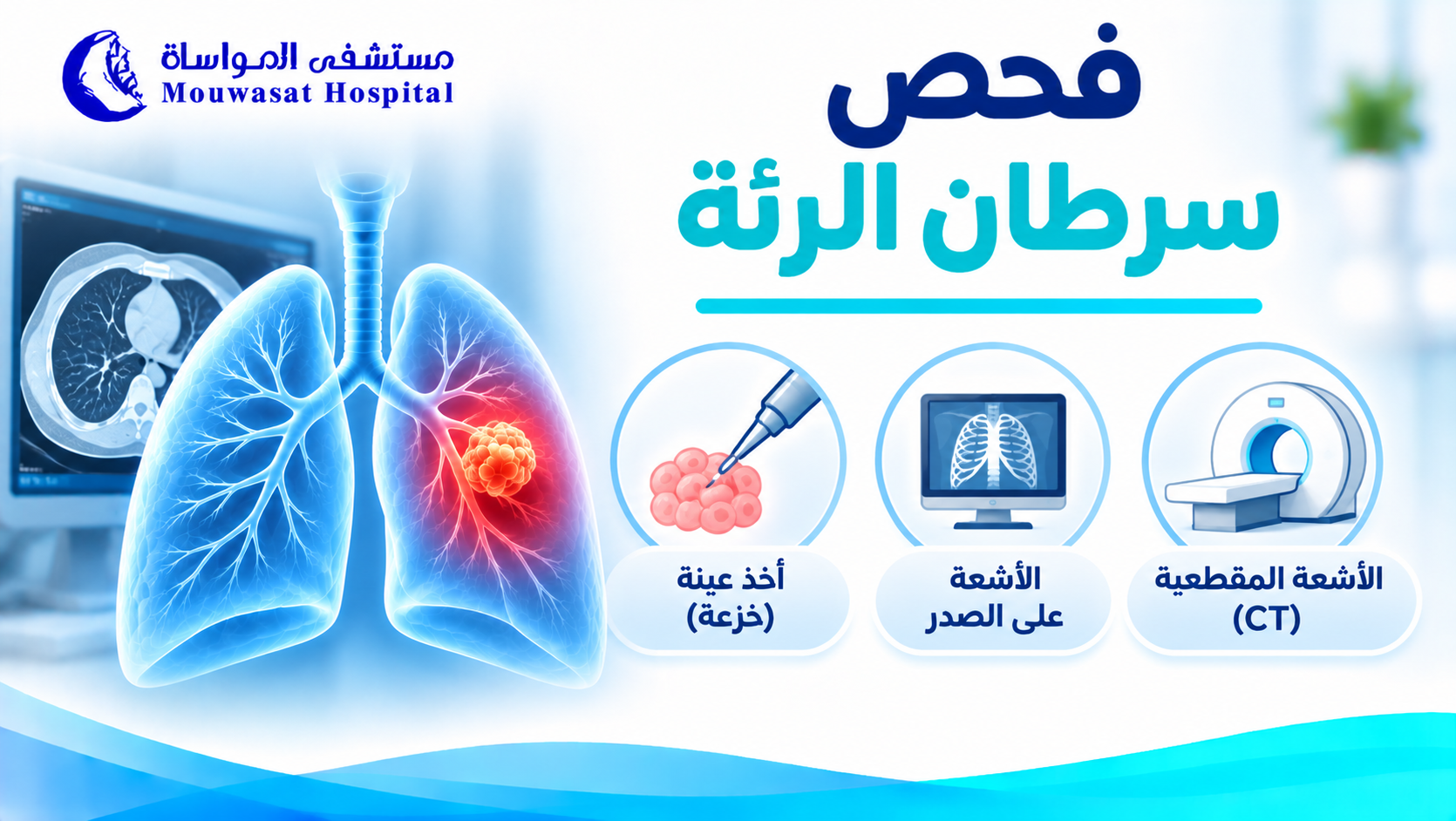
The test shown to reduce lung-cancer mortality in appropriately selected higher-risk populations is low-dose computed tomography, or LDCT, not a routine chest X-ray.[1][2]
- Lung cancer screening is intended for selected higher-risk people, not all adults.
- LDCT is the evidence-based screening test; a regular chest X-ray is not an equivalent substitute.
- Screening is intended for people without concerning symptoms.
- Cumulative cigarette exposure is commonly measured in pack-years.
- Eligibility criteria differ between Saudi, USPSTF, and American Cancer Society guidance.
- A pulmonary nodule found on LDCT does not automatically mean cancer.
- Screening can reduce lung cancer mortality but also causes false-positive results and additional testing.
- Screening does not replace smoking cessation.
- What is lung cancer screening?
- Screening vs diagnostic evaluation
- Who should be screened?
- Saudi screening guidance
- Why do recommendations differ?
- How are pack-years calculated?
- What is LDCT?
- Is a chest X-ray enough?
- Benefits of LDCT screening
- Potential harms and limitations
- What if a lung nodule is found?
- What happens after an abnormal scan?
- When does screening stop?
- Does screening replace quitting smoking?
- Risk assessment at Mouwasat Hospital
- Frequently asked questions
What Is Lung Cancer Screening?
Lung cancer screening means testing a person who does not currently have suspicious symptoms but has a sufficiently increased risk of developing lung cancer.
The goal is to identify some lung cancers at an earlier stage, when treatment may be more effective.
Large randomized studies have shown that LDCT screening in appropriately selected high-risk populations can reduce deaths from lung cancer compared with chest X-ray or no screening.[2]
Screening provides its best balance of benefit and harm when it is offered to people whose lung cancer risk is high enough to justify radiation exposure, false-positive findings, and possible follow-up procedures.
What Is the Difference Between Screening and Diagnostic Evaluation?
| Screening | Diagnostic evaluation |
|---|---|
| The person has no concerning symptoms. | There are symptoms or an abnormal finding that needs explanation. |
| Used for selected higher-risk populations. | Aims to determine the cause of an existing clinical concern. |
| LDCT is the evidence-based screening test. | May involve diagnostic CT, bronchoscopy, PET/CT, biopsy, or other tests. |
For example, a long-term smoker who feels well may be eligible to discuss screening.
A person who is coughing up blood should not wait for a screening appointment; that symptom requires diagnostic assessment.
Who Should Be Screened for Lung Cancer?
Age and cumulative cigarette exposure are the main factors used by major screening guidelines.
However, the exact eligibility rules are not identical across organizations.
Screening should therefore be based on the relevant national or clinical program and the individual's health rather than assuming that one international threshold applies universally.
What Does Current Saudi Guidance Say?
The current Saudi Health Council page describes annual LDCT screening for long-term smokers aged 50 to 80 years.[1]
It gives examples of heavy cumulative smoking exposure including:
- At least one pack per day for 30 years or more.
- Two packs per day for 15 years or more.
Both examples are equivalent to approximately 30 pack-years.
The page also includes people who stopped smoking within the previous 15 years.[1]
Why Do Lung Cancer Screening Guidelines Differ?
| Guideline | Age | Smoking exposure | Time since quitting |
|---|---|---|---|
| Saudi Health Council | 50–80 | Examples given are equivalent to about 30 pack-years | Includes those who quit within the past 15 years |
| USPSTF | 50–80 | At least 20 pack-years | Current smoker or quit within 15 years[3] |
| American Cancer Society | 50–80 | At least 20 pack-years | No longer uses years since quitting as an eligibility criterion[4] |
These differences reflect how organizations weigh benefits and harms and how their recommendations are intended to be implemented.
How Do You Calculate Pack-Years?
A pack-year is a way of measuring cumulative cigarette exposure.
| Average smoking | Duration | Pack-years |
|---|---|---|
| 1 pack/day | 20 years | 20 |
| ½ pack/day | 40 years | 20 |
| 2 packs/day | 10 years | 20 |
| 2 packs/day | 15 years | 30 |
USPSTF defines one pack-year as the equivalent of smoking approximately one pack, or 20 cigarettes, per day for one year.[3]
What Is Low-Dose CT?
Low-dose computed tomography is a CT technique designed to image the lungs using less radiation than many standard diagnostic chest CT examinations.
Screening LDCT usually does not require intravenous contrast.
Its purpose is to identify small pulmonary abnormalities that may warrant monitoring or further investigation rather than to provide a final cancer diagnosis by itself.
Can a Chest X-Ray Be Used Instead?
No.
Chest X-rays can reveal some lung abnormalities, but they are not an equivalent substitute for LDCT screening.
NCI reports that screening with chest X-ray or sputum cytology did not reduce the risk of dying from lung cancer, whereas LDCT demonstrated a mortality benefit in appropriately selected high-risk populations.[2]
Evidence-based lung cancer screening for eligible high-risk people uses LDCT.
What Are the Benefits of LDCT Screening?
The main benefit is earlier detection of some lung cancers before symptoms develop or disease becomes advanced.
Large randomized trials have shown a meaningful reduction in lung cancer mortality among appropriately selected high-risk people screened with LDCT.[2][5]
This does not mean screening prevents lung cancer or detects every cancer.

What Are the Potential Harms of LDCT Screening?
Screening has important limitations.
False-positive findings
LDCT can detect many abnormalities that are not cancer.
Large trials have reported substantial false-positive rates, and some patients consequently undergo repeat imaging or invasive diagnostic procedures for abnormalities that later prove benign.[5]
Radiation exposure
LDCT uses less radiation than a typical diagnostic chest CT but still involves ionizing radiation, particularly relevant when screening is repeated annually.
Overdiagnosis
Screening can occasionally detect a cancer that would not have caused symptoms or death during the person's lifetime, potentially resulting in unnecessary treatment.
Incidental findings
The scan can identify unrelated abnormalities in the lungs, heart, or other structures that may require further assessment.
Anxiety
An indeterminate nodule and the need to wait for follow-up imaging can also cause significant anxiety.
Does a Lung Nodule Mean Cancer?
No.
Many pulmonary nodules are benign and can result from old infection, inflammation, scarring, or other noncancerous causes.
Evaluation considers factors such as:
- Nodule size.
- Shape and margins.
- Whether it is solid or has another appearance.
- Growth over time.
- Age.
- Smoking history.
- Other cancer risk factors.
For some nodules, the safest next step is simply another scan after a defined interval rather than immediate biopsy.
What Happens After an Abnormal LDCT?
The next step depends on how suspicious the finding appears.
Management may involve:
- Repeat LDCT after a specified interval.
- A diagnostic chest CT.
- PET/CT in selected cases.
- Pulmonology assessment.
- Bronchoscopy.
- Biopsy when the probability of cancer justifies tissue sampling.
At this point, the process has moved from screening into diagnostic evaluation.
When Should Lung Cancer Screening Stop?
According to USPSTF, annual screening should stop when a person:
- Exceeds the recommended age range.
- Has not smoked for 15 years under the USPSTF framework.
- Develops a health condition that substantially limits life expectancy.
- Is unable or unwilling to undergo curative lung surgery if cancer is found.[3]
The American Cancer Society no longer uses years since quitting as an eligibility cutoff, highlighting another important difference between screening recommendations.[4]
The underlying principle is that screening is most valuable when finding cancer early can realistically lead to meaningful treatment benefit.
Does Screening Replace Smoking Cessation?
No.
LDCT screening can reduce lung cancer mortality among eligible high-risk people, but it does not prevent the ongoing harmful effects of tobacco exposure.
USPSTF specifically recommends smoking-cessation interventions for current smokers participating in screening programs.[3]
Lung Cancer Risk Assessment at Mouwasat Hospital
People with a significant smoking history or concerns about lung health can discuss their symptoms and risk factors with the Pulmonology Department at Mouwasat Hospital.
The department's published services include lung cancer diagnosis and staging in collaboration with Oncology, bronchoscopy with biopsy, and navigational bronchoscopy in appropriate patients.[6]
This does not establish that a dedicated LDCT lung cancer screening program is available at every Mouwasat location. Availability of the appropriate scan and screening pathway should be confirmed for the relevant hospital and individual situation.

Frequently Asked Questions About Lung Cancer Screening
Should every smoker have a yearly CT scan?
No. Eligibility depends on age, cumulative smoking exposure, time since quitting, overall health, and the screening guideline being used.
I have smoked for 20 years. Do I need LDCT?
The number of years alone is not enough. The average number of cigarettes smoked per day must also be considered to calculate pack-years.
What does 20 pack-years mean?
Examples include one pack per day for 20 years, half a pack per day for 40 years, or two packs per day for 10 years.
Does shisha smoking count as pack-years?
Pack-years were developed primarily for cigarette smoking, and there is no simple universally accepted conversion of shisha exposure into cigarette pack-years. Shisha use should still be reported when assessing lung cancer risk.
Does vaping make someone eligible for lung cancer screening?
Current screening eligibility criteria are based mainly on conventional cigarette smoking history. There is no established pack-year conversion for exclusive e-cigarette use, so risk should be assessed individually.
Can a chest X-ray screen for lung cancer?
It can detect some abnormalities, but it is not an equivalent substitute for LDCT screening and has not demonstrated the same reduction in lung cancer mortality.[2]
Does LDCT require contrast dye?
Routine LDCT used for lung cancer screening generally does not require intravenous contrast.
Is LDCT painful?
No. The scan itself is painless and takes only a short time while the patient lies on the CT table.
Is low-dose CT safe?
It uses less radiation than many standard diagnostic CT examinations, but radiation exposure is not zero. This is why screening is targeted to people expected to gain a meaningful benefit.
Does finding a lung nodule mean I have cancer?
No. Many lung nodules are benign, and some only require follow-up imaging.
Should a nonsmoker have LDCT just for reassurance?
Routine LDCT screening is not recommended for all nonsmokers simply for reassurance. Symptoms or other risk factors may justify clinical assessment, but that is different from population screening.
If I have lung cancer symptoms, should I request a screening LDCT?
Concerning symptoms require diagnostic evaluation rather than relying on screening eligibility criteria.
How often is lung cancer screening performed?
Major LDCT screening recommendations generally use annual screening while the person continues to meet eligibility criteria.[1][3]
Final Thoughts: Effective Screening Starts With Selecting the Right Person
Early detection does not mean that CT screening should be performed indiscriminately.
LDCT can reduce lung cancer mortality when used in appropriately selected high-risk people, but it can also identify benign nodules and lead to repeat scans or additional procedures.
The decision therefore starts with three questions:
- Do I already have concerning symptoms? If so, diagnostic evaluation may be needed instead of screening.
- What are my age and cumulative smoking exposure in pack-years?
- Would my overall health allow me to benefit from early treatment if cancer were found?
That is the goal of good lung cancer screening: not simply finding more abnormalities, but finding clinically important disease early in people who are most likely to benefit.
Medical disclaimer: This article is intended for general health education and should not be used to determine lung cancer screening eligibility without individualized medical assessment. Concerning respiratory symptoms require diagnostic evaluation regardless of screening criteria.
Medical References
- Saudi Health Council — Lung Cancer Screening and Early Detection
- National Cancer Institute — Lung Cancer Screening
- U.S. Preventive Services Task Force — Lung Cancer Screening
- American Cancer Society — Lung Cancer Screening Guideline
- National Cancer Institute — Lung Cancer Screening: Evidence, Benefits and Harms
- Mouwasat Hospital — Pulmonology