

Lung Cancer Treatment: How Doctors Choose Between Surgery, Targeted Therapy and Immunotherapy
Lung cancer treatment is no longer a simple choice between “surgery or chemotherapy.” Two people with apparently similar stages of lung cancer can receive very different treatment plans because of differences in cancer type, molecular features, resectability, overall health, lung function, and immune biomarkers.
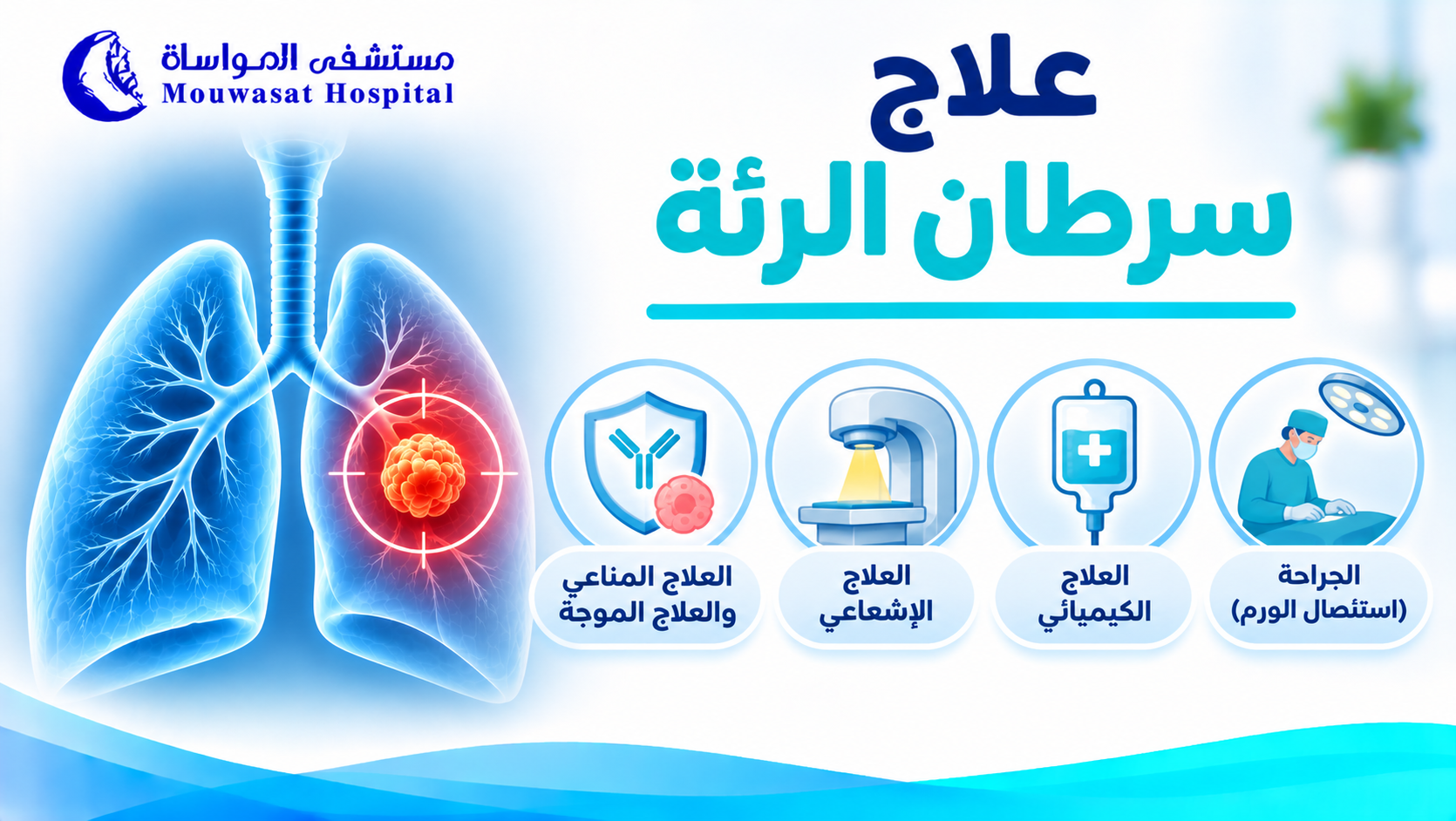
Some patients with non-small cell lung cancer may begin with surgery, while others need systemic treatment before or after an operation. In advanced disease, an actionable molecular alteration can make targeted therapy a major treatment option, while other tumors may be better treated with immunotherapy, chemotherapy, or combinations of these treatments.[1][2]
The better question is therefore not “What is the strongest treatment for lung cancer?” but “Which treatment best matches this cancer, at this stage, in this particular patient?”
- NSCLC and SCLC follow different treatment pathways.
- Stage is important, but it does not determine treatment by itself.
- Surgery can be central to curative treatment in selected localized cancers but is not appropriate for every lung cancer.
- Surgery does not always mean treatment is finished; therapy may be given before or after an operation.
- Targeted therapy requires a targetable molecular alteration.
- Immunotherapy is not automatically the best or newest option for every patient.
- Chemotherapy remains an important component of modern lung cancer treatment.
- Performance status, lung function, and other health conditions influence treatment selection.
- Biomarker and immune profiling can substantially change treatment in advanced NSCLC.
- How is lung cancer treatment selected?
- Why does NSCLC vs SCLC matter?
- How does stage affect treatment?
- When is surgery used?
- Does treatment end after surgery?
- What is the role of radiation therapy?
- Is chemotherapy still important?
- What is targeted therapy?
- Why is biomarker testing important?
- What is immunotherapy?
- How is stage IV lung cancer treated?
- How is small cell lung cancer treated?
- Why does performance status matter?
- What is supportive and palliative care?
- Can lung cancer be cured?
- Lung cancer treatment at Mouwasat Hospital
- Frequently asked questions
How Is Lung Cancer Treatment Selected?
Before choosing treatment, the cancer team needs to answer several questions:
- Is the cancer NSCLC or SCLC?
- What is the exact histologic subtype?
- What stage is the disease?
- Can the tumor be removed surgically?
- Are lymph nodes involved?
- Has cancer spread to distant organs?
- Are actionable molecular alterations present?
- What are relevant immune markers such as PD-L1 when indicated?
- What is the patient's performance status?
- Are lung and heart function adequate for surgery or other treatment?
- What are the goals and preferences of the patient?
NCI describes treatment selection in NSCLC as dependent on factors including histology, molecular features, tumor extent, lymph-node involvement, overall health, comorbidities, and performance status.[1][2]
Modern lung cancer treatment combines stage with tumor biology, resectability, patient fitness, and treatment goals rather than assigning one treatment to every patient at the same stage.
Why Does NSCLC vs SCLC Matter?
| Type | General treatment pattern |
|---|---|
| Non-small cell lung cancer (NSCLC) | Treatment can involve surgery, radiation therapy, chemotherapy, immunotherapy, targeted therapy, or combinations depending on stage and tumor biology. |
| Small cell lung cancer (SCLC) | Usually grows and spreads more rapidly and relies more heavily on systemic therapy and radiation. Surgery has a much smaller role in carefully selected early disease.[3] |
How Does Lung Cancer Stage Affect Treatment?
Stage describes the extent of cancer and is one of the most important treatment variables.
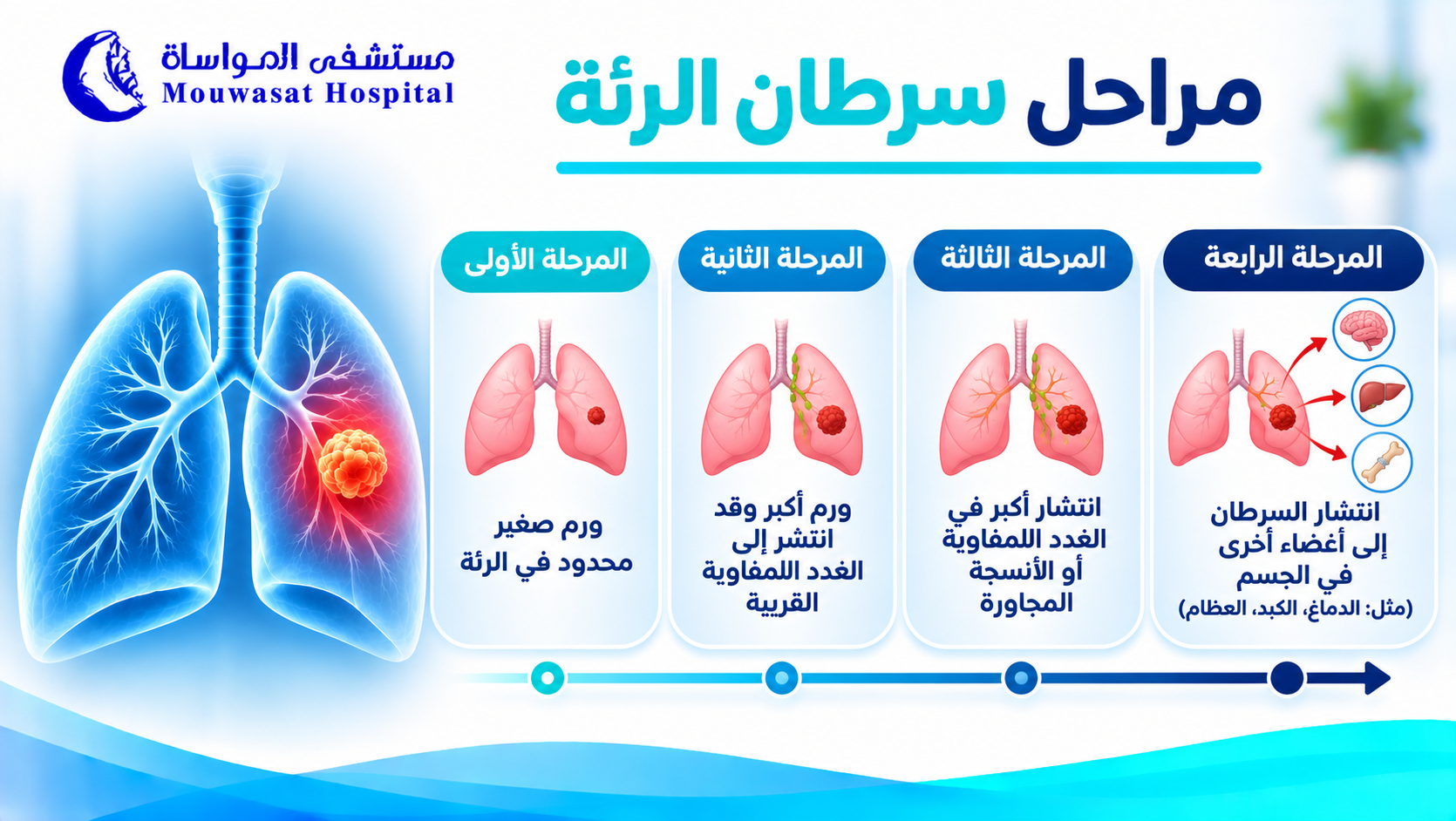
NSCLC may be localized and resectable, locally advanced, or metastatic.
However, patients within the same broad stage can follow different treatment pathways.
For example, some stage III cancers can be approached with surgery within a multimodality plan, while others are unresectable and may be treated with chemotherapy and radiation followed by additional systemic therapy when appropriate.[1]
A separate guide in this series will explain stages I through IV and what they mean for treatment and prognosis.
When Is Surgery Used for Lung Cancer?
Surgery is an important potentially curative treatment for selected patients with localized, resectable NSCLC.
Procedures can include:
- Wedge resection — removal of the tumor with a small rim of surrounding lung.
- Segmentectomy — removal of an anatomical segment of the lung.
- Lobectomy — removal of an entire lung lobe.
- Sleeve resection — removal of involved airway tissue while preserving lung when appropriate.
- Pneumonectomy — removal of an entire lung in selected cases.[1]
The operation is selected according to tumor location, lymph-node status, pulmonary reserve, general health, and whether an adequate cancer resection can be achieved.
The Chest Surgery Department at Mouwasat Hospital lists lung cancer surgery including lobectomy, segmentectomy, wedge resection, and pneumonectomy among its published services, with minimally invasive techniques used in appropriate cases.[5]
Does Lung Cancer Treatment End After Surgery?
Not necessarily.
Modern treatment of resectable NSCLC may involve treatment before surgery, after surgery, or both.
Neoadjuvant therapy
Treatment given before surgery can address microscopic disease early and may improve cancer control.
Some current NSCLC strategies include chemotherapy combined with immunotherapy before surgery in selected patients.[1]
Adjuvant therapy
After resection, selected patients may receive:
- Chemotherapy.
- Immunotherapy.
- Targeted therapy when an appropriate molecular alteration is present.
- Radiation therapy in selected clinical situations.
This is why surgical planning ideally occurs as part of a multidisciplinary cancer strategy rather than as an isolated decision.
What Is the Role of Radiation Therapy?
Radiation therapy is not limited to end-stage cancer.
It can be used:
- With curative intent for selected early tumors when surgery is unsuitable.
- With chemotherapy in locally advanced disease.
- As part of treatment for SCLC.
- For selected sites of metastatic disease.
- To relieve symptoms such as pain or pressure.
In unresectable NSCLC, radiation can form part of a combined chemoradiation strategy followed by additional therapy when appropriate.[1]
Is Chemotherapy Still Important?
Yes.
The arrival of targeted therapy and immunotherapy has not made chemotherapy obsolete.
Chemotherapy remains important:
- Before surgery in selected NSCLC.
- After surgery in selected stages.
- With radiation therapy.
- With immunotherapy in many advanced NSCLC regimens.
- As a core component of SCLC treatment.
It improved our ability to determine who needs chemotherapy, who benefits from combining it with immunotherapy, and whose tumor biology makes a targeted treatment more appropriate.

What Is Targeted Therapy for Lung Cancer?
Targeted therapy is designed to attack a specific molecular abnormality or biological pathway that helps cancer cells grow.
The key principle is:
Targeted therapy requires a relevant target.
Examples of potentially actionable alterations in NSCLC include:
- EGFR
- ALK
- ROS1
- BRAF V600E
- MET exon 14 skipping
- RET
- NTRK
- KRAS G12C
- Selected HER2 alterations and others depending on the clinical setting.[2]
Finding a matching biomarker does not guarantee that a targeted therapy will work indefinitely. Tumors can vary biologically and may develop resistance over time.[4]
Why Is Biomarker Testing Important?
Biomarker testing looks for characteristics of the tumor that can help predict which treatments may be useful.
Testing is commonly performed on tumor tissue, although other molecular techniques may be used in selected situations.
In advanced NSCLC, NCI identifies molecular alterations and immune features such as PD-L1 expression as critical factors in treatment selection.[2]
Testing can help answer questions such as:
- Is there an actionable molecular alteration?
- Could targeted therapy be appropriate?
- Does the immune profile support a particular immunotherapy strategy?
- Should chemotherapy be combined with immunotherapy?
Two patients with stage IV NSCLC can receive completely different systemic treatments when one tumor has an actionable driver alteration and the other does not.
What Is Immunotherapy?
Immunotherapy helps the immune system recognize and attack cancer more effectively.
Immune checkpoint inhibitors are used in multiple NSCLC and SCLC treatment settings.[1][3]
Immunotherapy may be used:
- With chemotherapy.
- Alone in selected patients.
- Before surgery in certain resectable cancers.
- After surgery or after chemoradiation in selected settings.
PD-L1 can help guide some immunotherapy decisions, but it is not the only factor. The presence of a targetable driver alteration can substantially change the preferred treatment sequence.
Some patients benefit from immunotherapy alone, others from immunotherapy plus chemotherapy, and others need a completely different targeted treatment strategy.
How Is Stage IV Lung Cancer Treated?
Stage IV means that cancer has spread beyond its original lung site to a distant location.
For metastatic NSCLC, treatment generally aims to:
- Prolong survival.
- Control disease for as long as possible.
- Relieve symptoms.
- Maintain or improve quality of life.
Treatment options can include:
- Targeted therapy for an actionable alteration.
- Immunotherapy.
- Chemotherapy.
- Chemotherapy combined with immunotherapy.
- Radiation or other local treatment for selected disease sites.
- Supportive and palliative care alongside cancer-directed therapy.
NCI notes that stage IV NSCLC treatment selection depends on histology, molecular and immune features, comorbidities, age, and performance status.[2]
Does stage IV mean there is no treatment?
No.
Modern systemic treatments can produce significant and sometimes long-lasting responses in selected patients, particularly when a highly effective targeted treatment matches the tumor biology or when the cancer responds well to immunotherapy.
However, these outcomes vary substantially and should not be described as a guaranteed cure.
A published Mouwasat Hospital Madinah case describes a patient with stage IV lung cancer whose tumor biopsy and genetic and immune testing identified a targetable alteration. A multidisciplinary team developed a plan involving targeted therapy, chemotherapy, and radiation, followed by a major sustained clinical improvement.[8]
The case illustrates the value of molecular testing and multidisciplinary care; it does not predict the outcome of every patient with stage IV lung cancer.
How Is Small Cell Lung Cancer Treated?
SCLC tends to grow and spread faster than many non-small cell lung cancers.
In limited-stage disease, treatment commonly relies on:
- Chemotherapy.
- Thoracic radiation therapy.
- Immunotherapy in selected current treatment settings.
Extensive-stage disease is generally treated primarily with systemic therapy, including chemotherapy and immunotherapy in appropriate patients.[3]
Surgery has a much smaller role than in NSCLC and is considered only in carefully selected very early cases.
Why Does Performance Status Matter?
Cancer treatment is chosen for a patient, not for a scan.
Performance status describes how well a person can perform daily activities and care for themselves.
Treatment planning also considers:
- Lung function.
- Cardiac health.
- Kidney and liver function.
- Comorbidities.
- Other medications.
- Symptoms and disease burden.
- Overall treatment tolerance.
NCI lists age, comorbidities, and performance status among important factors affecting treatment selection in advanced NSCLC.[2]
What Is the Role of Supportive and Palliative Care?
Palliative care does not mean stopping cancer treatment or “giving up.”
Supportive and palliative treatment can be provided alongside cancer-directed therapy to manage:
- Pain.
- Shortness of breath.
- Cough.
- Fatigue.
- Nausea and treatment side effects.
- Loss of appetite or weight.
- Anxiety and emotional distress.
Radiation and other procedures may also be used to control a troublesome disease site even when the objective is symptom control rather than complete eradication of cancer.
Can Lung Cancer Be Cured?
Some lung cancers can be treated with curative intent, especially when disease is localized and suitable for definitive surgery, radiation, or multimodality therapy.
The possibility of cure or long-term disease control depends on:
- Cancer type.
- Stage.
- Resectability.
- Presence of distant metastases.
- Tumor biomarkers.
- Response to treatment.
- Overall health.
For metastatic cancer, treatment usually focuses on long-term disease control, survival, symptom relief, and quality of life, although some patients can experience prolonged responses to modern treatments.
What Does the Treatment Decision Look Like in Practice?
| Clinical situation | Options commonly considered | Key question |
|---|---|---|
| Early resectable NSCLC | Surgery ± therapy before or after surgery | Is perioperative or adjuvant therapy needed? |
| Localized cancer but surgery is unsuitable | Definitive radiation in appropriate settings | Can effective local treatment be delivered without surgery? |
| Locally advanced NSCLC | Multimodality treatment, potentially involving surgery or chemoradiation and systemic therapy | Is the tumor truly resectable? |
| Metastatic NSCLC with actionable driver | Targeted therapy may become central | What does molecular profiling show? |
| Metastatic NSCLC without an appropriate target | Immunotherapy ± chemotherapy according to tumor and patient factors | What are PD-L1 and other relevant tumor features? |
| SCLC | Systemic therapy ± radiation; surgery only in very selected early disease | Is disease limited or extensive? |
Lung Cancer Treatment at Mouwasat Hospital
Published Mouwasat services demonstrate a multidisciplinary lung cancer pathway across several specialties.
The Pulmonology Department lists lung cancer diagnosis and staging in collaboration with Oncology, as well as bronchoscopy with biopsy and navigational bronchoscopy in appropriate cases.[7]
The Oncology Department lists care for small-cell and non-small-cell lung cancer, including advanced and metastatic disease, with treatment modalities such as surgery, chemotherapy, targeted therapy, and immunotherapy.[6]
The Chest Surgery Department lists lung cancer surgery including lobectomy, segmentectomy, wedge resection, and pneumonectomy, using minimally invasive techniques where appropriate.[5]
Availability of these options does not mean every treatment is appropriate for every patient. Treatment is selected according to pathology, stage, molecular findings, lung function, overall health, and multidisciplinary review.

Frequently Asked Questions About Lung Cancer Treatment
What is the best treatment for lung cancer?
There is no single best treatment. The plan depends on cancer type, stage, resectability, molecular and immune biomarkers, overall health, and patient preferences.
Can surgery cure lung cancer?
Surgery can form part of curative treatment for selected localized NSCLC, but some patients also require treatment before or after surgery.
Can lung cancer be treated without chemotherapy?
Yes, in some situations. Selected early cancers may be treated with surgery or radiation, while some advanced cancers may be driven by biomarkers that allow targeted therapy. Chemotherapy, however, remains essential in many lung cancer treatment plans.
Which is better, immunotherapy or chemotherapy?
Neither is universally better. Some patients receive immunotherapy alone, others receive immunotherapy with chemotherapy, while others are better treated with targeted therapy or another strategy.
Is targeted therapy suitable for every lung cancer patient?
No. Targeted treatment generally requires a specific molecular alteration that matches an available therapy.
What is PD-L1 testing?
PD-L1 testing measures an immune-related biomarker that can help inform some immunotherapy decisions. It is not the only factor used to select treatment.
Can stage IV lung cancer be treated?
Yes. Treatment options can include targeted therapy, immunotherapy, chemotherapy, radiation, and selected local treatments. The usual aim is disease control, longer survival, symptom relief, and improved quality of life.
Does radiation therapy mean the cancer is terminal?
No. Radiation can be used with curative intent in selected early or locally advanced cancers as well as for control of metastatic disease or symptoms.
Can older adults receive lung cancer treatment?
Yes. Chronological age alone does not determine eligibility. Overall health, organ function, performance status, and treatment goals are more important.
Can the lung cancer treatment plan change over time?
Yes. Treatment may change because of response, side effects, development of resistance, new molecular information, or changes in the patient's overall condition.
Final Thoughts: Understand the Tumor Before Choosing the Treatment
The greatest change in modern lung cancer care is not one treatment becoming stronger than all the others. It is the increasing ability to match treatment to the biology and clinical behavior of each cancer.
One patient may need surgery, another therapy before and after surgery, another targeted therapy for a driver mutation, and another a combination of immunotherapy and chemotherapy.
That is why cancer type, stage, resectability, biomarkers, and patient fitness need to be understood together before treatment is selected.
For complex cases, multidisciplinary decision-making helps combine these factors into one coherent treatment strategy rather than basing treatment on a single scan or specialty.
Medical disclaimer: This article provides general health education and should not be used to select lung cancer medication or treatment. Individual treatment requires specialist assessment, pathology, staging, and appropriate molecular testing.
Medical References
- National Cancer Institute — Non-Small Cell Lung Cancer Treatment
- National Cancer Institute — Non-Small Cell Lung Cancer Treatment, Health Professional Version
- National Cancer Institute — Small Cell Lung Cancer Treatment
- National Cancer Institute — Biomarker Testing for Cancer Treatment
- Mouwasat Hospital — Chest Surgery
- Mouwasat Hospital — Oncology
- Mouwasat Hospital — Pulmonology
- Mouwasat Hospital — Published Stage IV Lung Cancer Multidisciplinary Treatment Case