


Lung Cancer: Symptoms, Risk Factors and How It Is Detected Early
Lung cancer is often associated with severe coughing or coughing up blood, but early lung cancer may cause no obvious symptoms at all. At the same time, a persistent cough does not automatically mean cancer because many respiratory conditions can produce similar symptoms.[1][2]
This is why lung cancer screening in people without symptoms but at increased risk is very different from diagnostic evaluation in someone who already has suspicious symptoms or an abnormal scan.
When lung cancer is suspected, the process also extends beyond seeing a mass on a scan. Tissue may be needed to determine the cancer type, followed by staging and, in many cases, biomarker testing that can significantly affect treatment selection.[2][8]
- Early lung cancer may not cause noticeable symptoms.
- A persistent or changing cough deserves assessment but does not automatically indicate cancer.
- Smoking is the most important risk factor, but lung cancer can also occur in people who have never smoked.
- Low-dose CT screening is intended for selected higher-risk people, not the general population.
- Screening is different from evaluating a patient who already has symptoms.
- A scan alone often cannot confirm lung cancer; tissue biopsy is usually required.
- Cancer type, stage, and tumor biomarkers can significantly change treatment decisions.
- What is lung cancer?
- Does early lung cancer cause symptoms?
- What are the symptoms?
- When is a cough concerning?
- What increases lung cancer risk?
- Can nonsmokers develop lung cancer?
- What are the main types?
- Screening vs diagnosis
- Who may need low-dose CT screening?
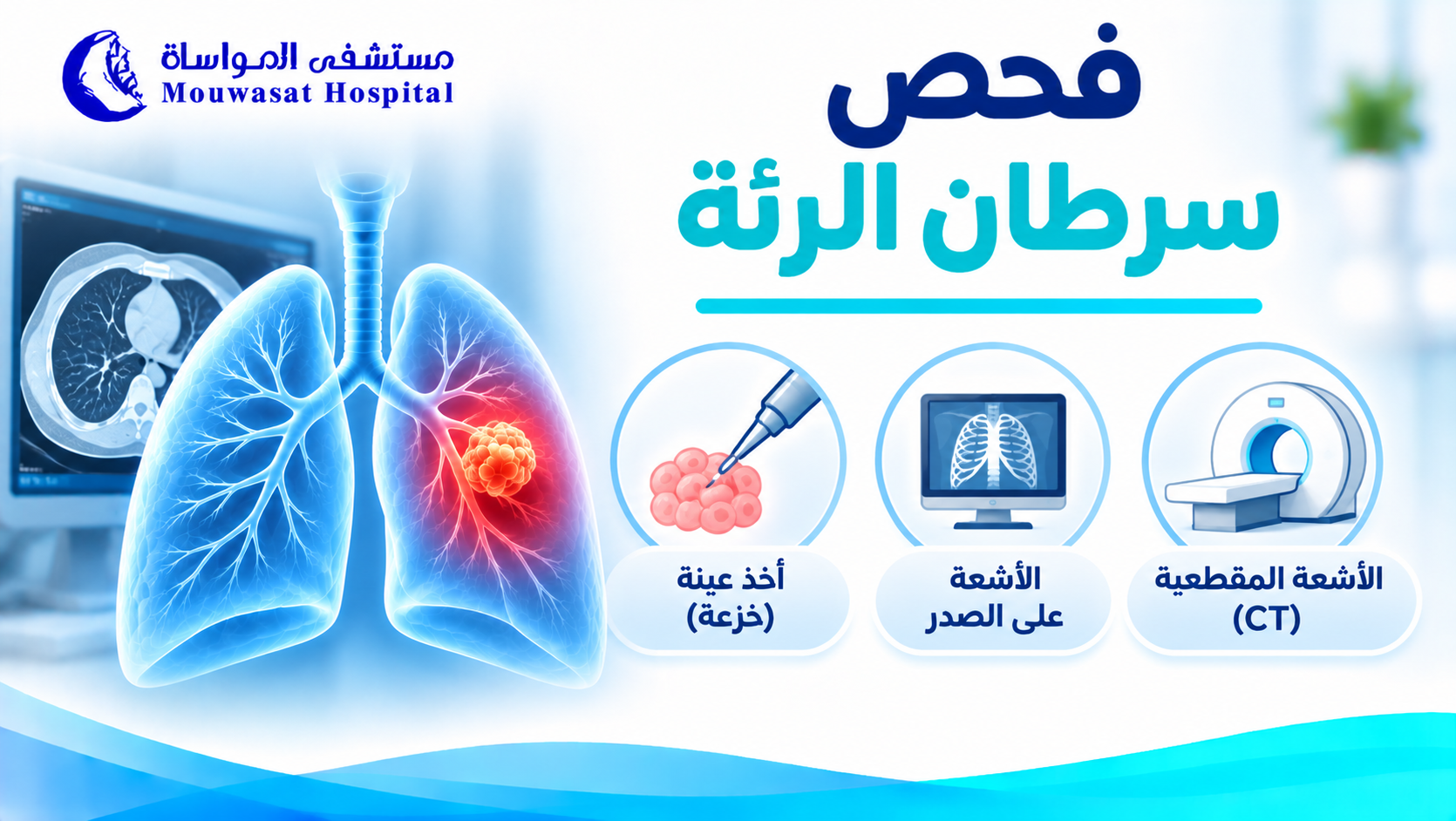
- How is lung cancer diagnosed?
- Is a biopsy necessary?
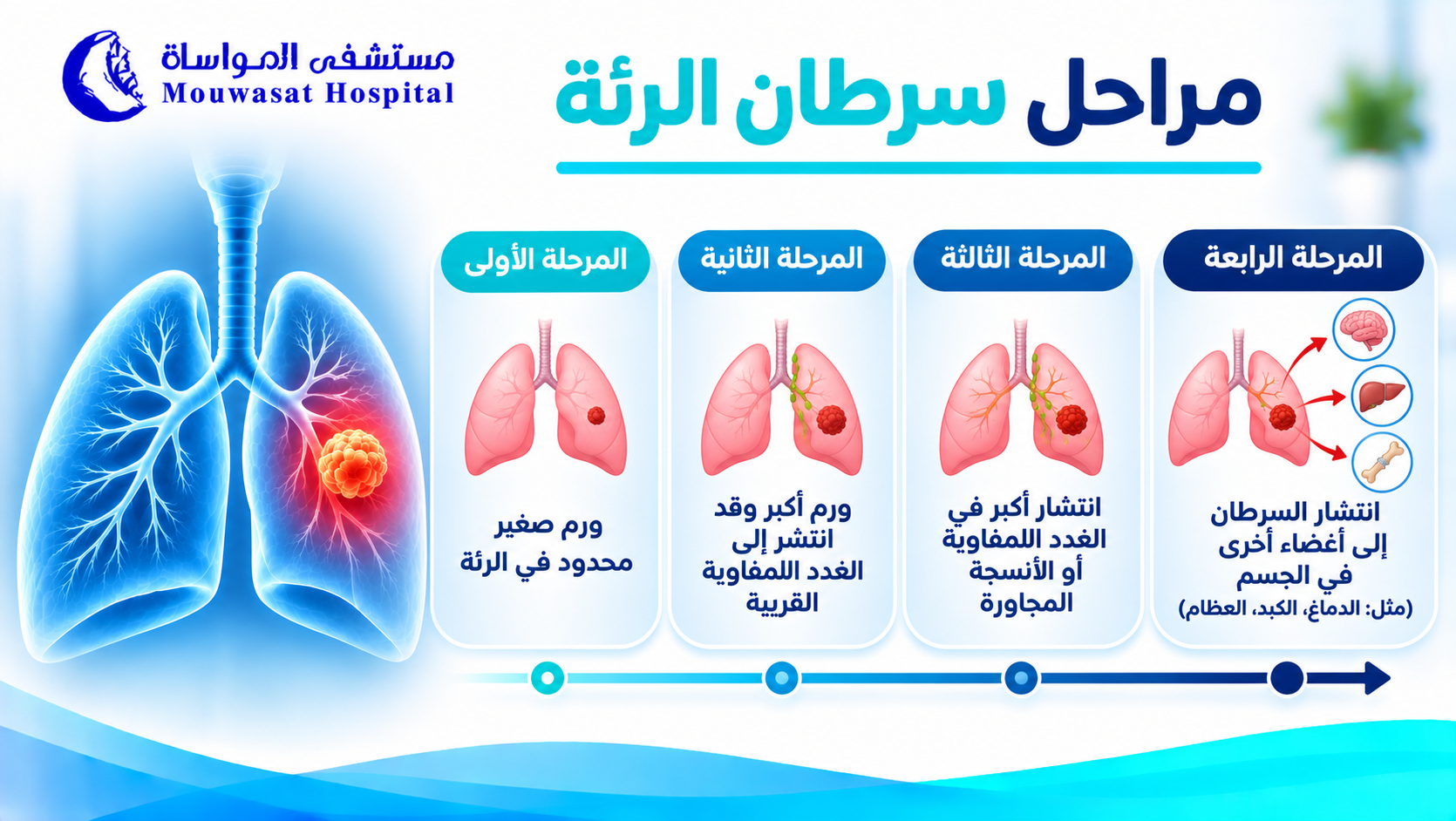
- How is lung cancer staged?
- Why is biomarker testing important?
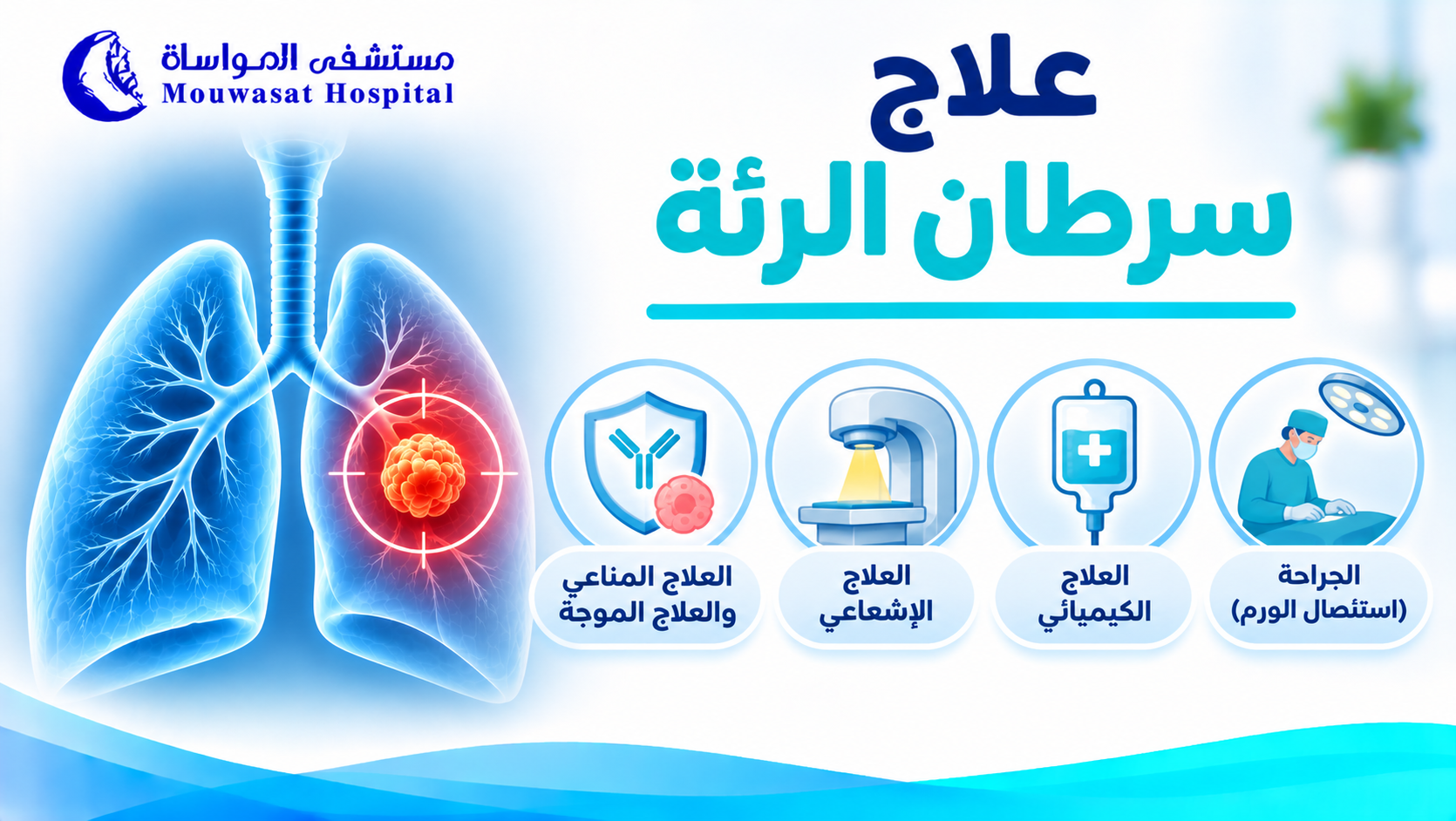
- How is lung cancer treated?
- Can lung cancer be cured?
- When should you see a doctor?
- Frequently asked questions
What Is Lung Cancer?
Lung cancer develops when abnormal cells arising in lung tissue grow uncontrollably.
It is not one single disease. Two major categories are non-small cell lung cancer (NSCLC) and small cell lung cancer (SCLC), which differ in their biology, pattern of spread, and treatment.[2][3]
Once cancer is diagnosed, treatment depends on factors including cancer type, stage, general health, and in some cases the molecular characteristics of the tumor.
Does Lung Cancer Cause Symptoms in Its Early Stages?
Not always.
Lung cancer can develop without clear early symptoms and may sometimes be discovered incidentally on chest imaging performed for another reason or through screening in a higher-risk person.[2]
Waiting for a noticeable symptom is not the same as early detection. This is why lung cancer screening exists for selected people at increased risk even when they feel well.
However, this does not mean that everyone without symptoms should undergo CT screening. Screening has demonstrated benefit when it is targeted to populations whose lung cancer risk is high enough to outweigh the potential harms.[5]
What Are the Symptoms of Lung Cancer?
Possible symptoms include:[1][3]
- A new cough that does not go away.
- A long-standing cough that changes or worsens.
- Shortness of breath.
- Blood in sputum.
- Chest pain or discomfort.
- Hoarseness.
- Wheezing in some patients.
- Loss of appetite.
- Unexplained weight loss.
- Persistent fatigue.
- Difficulty swallowing in some cases.
- Swelling of the face or neck in some advanced cases.
Cancer that has spread beyond the lung may produce symptoms related to other areas, such as bone pain or neurological symptoms.
Pneumonia, asthma, COPD, respiratory infections, and many other conditions can cause similar symptoms. Persistence, progression, associated warning signs, and individual risk determine how urgently the symptoms should be evaluated.
When Is a Cough Concerning?
A cough is common and highly nonspecific, but assessment becomes particularly important when a cough:
- Persists rather than improving.
- Represents a clear change in a smoker's usual chronic cough.
- Becomes progressively more frequent or severe.
- Is accompanied by blood in sputum.
- Occurs with persistent chest pain or unexplained breathlessness.
- Occurs with unexplained weight or appetite loss.
- Is associated with recurrent pneumonia in the same area.
The goal is not to interpret every cough as cancer, but to investigate a persistent or changing symptom rather than ignoring it.
What Increases the Risk of Lung Cancer?
Smoking
Tobacco smoking is the most important modifiable risk factor for lung cancer.
Risk rises with both the amount smoked and the number of years of smoking. Quitting reduces lung cancer risk compared with continuing to smoke.[4]
Secondhand smoke
Regular exposure to other people's tobacco smoke is also an established lung cancer risk factor.[4]
Radon
Radon is a naturally occurring radioactive gas that can accumulate in buildings and is an established lung cancer risk factor, particularly in combination with smoking.[4]
Occupational exposure
Risk is associated with workplace exposure to carcinogens such as:
- Asbestos.
- Arsenic.
- Chromium.
- Nickel.
- Beryllium.
- Cadmium.
- Tar and soot.[4]
Air pollution and radiation exposure
Outdoor air pollution and some types of radiation exposure are also associated with increased lung cancer risk.[4]
Age and family history
Risk generally increases with age, and a family history of lung cancer can also be associated with higher risk.
Can People Who Have Never Smoked Develop Lung Cancer?
Yes.
Smoking remains the major risk factor, but it is not a requirement for developing lung cancer.
Lung cancer in never-smokers can be associated with factors including secondhand smoke, radon, occupational and environmental exposures, radiation, and family history.[4]
Persistent respiratory symptoms therefore should not be dismissed solely because a person has never smoked.

What Are the Main Types of Lung Cancer?
| Type | Key point |
|---|---|
| Non-small cell lung cancer (NSCLC) | The larger group of lung cancers, including subtypes such as adenocarcinoma and squamous cell carcinoma. Treatment depends strongly on stage and tumor biology.[2] |
| Small cell lung cancer (SCLC) | Typically grows and spreads more rapidly and follows a different treatment pathway from NSCLC.[3] |
What Is the Difference Between Lung Cancer Screening and Diagnosis?
| Screening | Diagnostic evaluation |
|---|---|
| For selected people without symptoms who are at increased risk. | For someone with suspicious symptoms or an abnormal finding that needs explanation. |
| Low-dose CT is the evidence-based screening test for eligible high-risk populations. | May involve diagnostic CT, bronchoscopy, biopsy, PET/CT, MRI, and other tests according to the clinical situation. |
A person with significant smoking exposure but no symptoms may be a screening candidate. A person coughing up blood needs diagnostic evaluation, even if they do not fit a screening eligibility rule.
Who May Need Low-Dose CT Lung Cancer Screening?
Lung cancer screening is not recommended indiscriminately for all adults.
The current Saudi Health Council page describes annual low-dose CT screening for selected long-term smokers aged 50 to 80 years, using a high cumulative smoking-exposure threshold and considering people who quit within the previous 15 years.[1]
International recommendations differ in some details.
The USPSTF recommends annual LDCT for adults aged 50 to 80 years with at least a 20 pack-year smoking history who currently smoke or quit within the past 15 years.[6]
The American Cancer Society also uses age 50 to 80 years and at least 20 pack-years but no longer uses years since quitting as an eligibility requirement.[7]
These differences are one reason screening eligibility should be assessed according to the relevant health program and individual clinical circumstances rather than applying one rule universally.
What is a pack-year?
One pack-year means smoking an average of one pack of cigarettes per day for one year.
For example, one pack per day for 20 years equals 20 pack-years, while two packs per day for 10 years also equals approximately 20 pack-years.
Can a regular chest X-ray be used instead?
Chest X-ray is not an equivalent substitute for LDCT screening in high-risk populations.
Randomized screening evidence has shown a mortality benefit with LDCT, whereas chest X-ray screening has not produced the same reduction in lung cancer mortality.[5]
Does LDCT screening have downsides?
Yes. Screening can identify nodules and abnormalities that are not cancer, resulting in follow-up scans and occasionally invasive testing.
Other potential harms include radiation exposure, incidental findings, anxiety, and overdiagnosis.[5]
A separate guide will cover lung cancer screening eligibility, LDCT, pack-years, benefits, and harms in detail.
How Is Lung Cancer Diagnosed?
There is no single test that answers every question about suspected lung cancer.
The pathway may involve:
Medical history and examination
Clinicians consider symptoms, smoking history, occupational and environmental exposures, family history, and overall health.
Imaging
CT imaging can identify the size, location, and characteristics of an abnormality and whether lymph nodes or surrounding structures appear involved.
However, an abnormality on CT is not automatically cancer.
Tissue sampling
Tissue can be obtained using methods such as:
- Bronchoscopy.
- Image-guided needle biopsy.
- Lymph-node biopsy.
- Surgical biopsy in selected cases.[2]
The Pulmonology Department at Mouwasat Hospital evaluates lung conditions and includes interventional pulmonary expertise and bronchoscopic biopsy services among its published capabilities.
Can a Scan Alone Confirm Lung Cancer?
Usually not.
Imaging can make an abnormality more or less suspicious, but a biopsy is often required to confirm cancer and determine the exact histologic type.[8]
This matters because infections, inflammatory changes, scarring, and benign pulmonary nodules can sometimes resemble cancer on imaging.
How Is Lung Cancer Staged?
After diagnosis, clinicians determine how far the disease has spread because stage has major treatment and prognostic implications.
For NSCLC, staging considers the primary tumor, lymph nodes, and whether cancer has spread to distant sites.[2]
Staging investigations may include:
- CT.
- PET/CT.
- Brain MRI in appropriate patients.
- Sampling of lymph nodes or other suspicious areas.
Small cell lung cancer follows a somewhat different clinical staging and treatment framework because of its faster pattern of spread.[3]
A separate guide will explain lung cancer stages and what stages I through IV mean for treatment and prognosis.
Why Is Biomarker Testing Important in Lung Cancer?
Biomarker testing has transformed the treatment of many patients with lung cancer.
In some NSCLC tumors, molecular testing can identify alterations that have treatments specifically designed to target them.
EGFR is one example, while other molecular and immune biomarkers may also be tested depending on the tumor type and clinical setting.[9]
Results can help determine:
- Whether a targeted therapy may be appropriate.
- Whether certain immunotherapies may be useful.
- Which treatment strategy best matches the biology of the cancer.
Two people with apparently similar stages of lung cancer can receive different systemic treatments when their tumors have different actionable biomarkers.
How Is Lung Cancer Treated?
Treatment can include one or more approaches depending on lung cancer type, stage, tumor biology, and overall health.
Surgery
Surgery can be important for selected patients with localized, resectable NSCLC. Procedures may include wedge resection, segmentectomy, or lobectomy depending on the tumor and lung function.[2]
The Chest Surgery Department at Mouwasat Hospital provides surgical evaluation and management of lung lesions and lung cancer, including minimally invasive approaches in appropriate patients.
Radiation therapy
Radiotherapy may be used with curative intent in some settings, together with other treatments, or to control specific areas of disease and symptoms.
Chemotherapy
Chemotherapy remains an important treatment for several lung cancer types and stages and may be combined with surgery, radiation, immunotherapy, or other systemic treatments.
Targeted therapy
Targeted therapy is selected when a tumor has a biomarker that can be matched to an available treatment.[9]
Immunotherapy
Immune-based therapy can be appropriate for selected patients depending on cancer type, stage, biomarkers, previous treatments, and other factors.
The Oncology Department at Mouwasat Hospital lists care for both small-cell and non-small-cell lung cancer, including chemotherapy, targeted therapy, immunotherapy, and multidisciplinary treatment.

Can Lung Cancer Be Cured?
Some lung cancers can be treated with curative intent, particularly when disease is localized and suitable for definitive treatment.
The chance of long-term disease control or cure depends on factors including:
- Lung cancer type.
- Stage at diagnosis.
- Whether the tumor can be treated definitively with surgery or other local therapy.
- Tumor biology and biomarkers.
- Response to treatment.
- Overall health.
For advanced lung cancer, treatment may instead focus on controlling the disease for as long as possible, relieving symptoms, and maintaining quality of life.
Statements such as “stage IV lung cancer cannot be treated” or “a particular therapy cures all lung cancer” are therefore both misleading simplifications.
When Should You See a Doctor?
Medical assessment is particularly important for:
- A persistent or worsening cough.
- A clear change in a longstanding cough.
- Blood in sputum.
- Unexplained or progressive breathlessness.
- Persistent chest pain.
- Persistent unexplained hoarseness.
- Unexplained weight or appetite loss.
- Repeated chest infections or pneumonia that does not resolve as expected.
- You cough up a significant or increasing amount of blood.
- You develop severe or sudden shortness of breath.
- Chest pain is accompanied by acute breathing difficulty or significant deterioration.
Lung Cancer Care at Mouwasat Hospital
Lung cancer care often requires several specialties working together.
The Pulmonology Department provides respiratory assessment and diagnostic procedures, including interventional pulmonology capabilities in selected locations.
When cancer is confirmed, the Oncology Department contributes systemic cancer treatment including chemotherapy, targeted therapy, and immunotherapy according to the individual case.
If surgical treatment is appropriate, the Chest Surgery Department evaluates options for lung resection and other thoracic procedures.
The final treatment plan depends on pathology, stage, tumor biomarkers, lung function, overall health, and patient-specific circumstances rather than any single scan or test.
Frequently Asked Questions About Lung Cancer
What are the first symptoms of lung cancer?
There is no single first symptom, and early lung cancer may cause no obvious symptoms. Possible signs include a persistent or changing cough, shortness of breath, chest discomfort, or blood in sputum.
Does lung cancer always cause coughing?
No. Some patients have no significant cough, especially early in the disease, and most coughs are caused by conditions other than cancer.
What does a lung cancer cough feel like?
There is no specific cough pattern that proves cancer. A new persistent cough or a change in a longstanding cough deserves greater attention, especially when accompanied by blood, unexplained weight loss, chest pain, or breathlessness.
Does blood in sputum mean lung cancer?
No. Infections and other lung diseases can also cause hemoptysis, but coughing up blood should be medically evaluated.
Can a nonsmoker get lung cancer?
Yes. Lung cancer can occur in people who have never smoked. Secondhand smoke, radon, occupational carcinogens, radiation, and other factors can contribute to risk.[4]
Can a chest X-ray detect lung cancer?
A chest X-ray can sometimes show an abnormality, but it is not the recommended substitute for LDCT screening in eligible high-risk individuals and cannot by itself confirm cancer.
Can CT confirm lung cancer?
No. CT can identify a suspicious mass or nodule, but tissue biopsy is commonly needed to confirm cancer and determine its type.[8]
Does every lung nodule mean cancer?
No. Many pulmonary nodules are benign. Their significance depends on factors such as size, appearance, growth over time, and individual cancer risk.
Does lung cancer spread quickly?
It depends on the type. Small cell lung cancer generally grows and spreads more rapidly than many non-small cell lung cancers.[3]
Can lung cancer be cured?
Some cases can be treated with curative intent, particularly when disease is detected at a localized stage. Treatment goals and outcomes vary substantially in advanced disease.
Can a blood test diagnose lung cancer?
No routine blood test alone can reliably confirm or exclude lung cancer. Diagnosis usually combines clinical assessment, imaging, and tissue evaluation.
Who should be screened for lung cancer?
Screening is recommended for selected higher-risk people based largely on age and cumulative smoking history. Exact eligibility criteria vary among guidelines and health programs.
Is it still worth quitting smoking after many years?
Yes. Quitting smoking reduces lung cancer risk compared with continuing to smoke and provides many additional health benefits.[4]
Final Thoughts: Early Detection Is Not the Same as Waiting for Symptoms
One of the most important misconceptions about lung cancer is that it must cause an obvious cough or severe symptoms before it can be found.
Lung cancer may be silent early, which is why screening exists for selected higher-risk people. At the same time, screening is not appropriate for everyone, and a person who already has concerning symptoms needs diagnostic evaluation rather than simply requesting a screening scan.
Once a suspicious lung abnormality is found, the clinically important questions become more specific: Is it cancer? What type is it? What stage is it? Does it have an actionable biomarker?
Those answers, rather than the scan alone, determine the most appropriate treatment pathway.
Medical disclaimer: This article is intended for general health education and does not replace medical assessment, particularly when coughing up blood, progressive breathlessness, persistent cough, or unexplained weight loss is present.
Medical References
- Saudi Health Council — Lung Cancer
- National Cancer Institute — Non-Small Cell Lung Cancer Treatment
- National Cancer Institute — Small Cell Lung Cancer Treatment
- National Cancer Institute — Lung Cancer Prevention and Risk Factors
- National Cancer Institute — Lung Cancer Screening
- U.S. Preventive Services Task Force — Lung Cancer Screening Recommendation
- American Cancer Society — Lung Cancer Screening Guideline
- National Cancer Institute — How Cancer Is Diagnosed
- National Cancer Institute — Biomarker Testing for Cancer Treatment