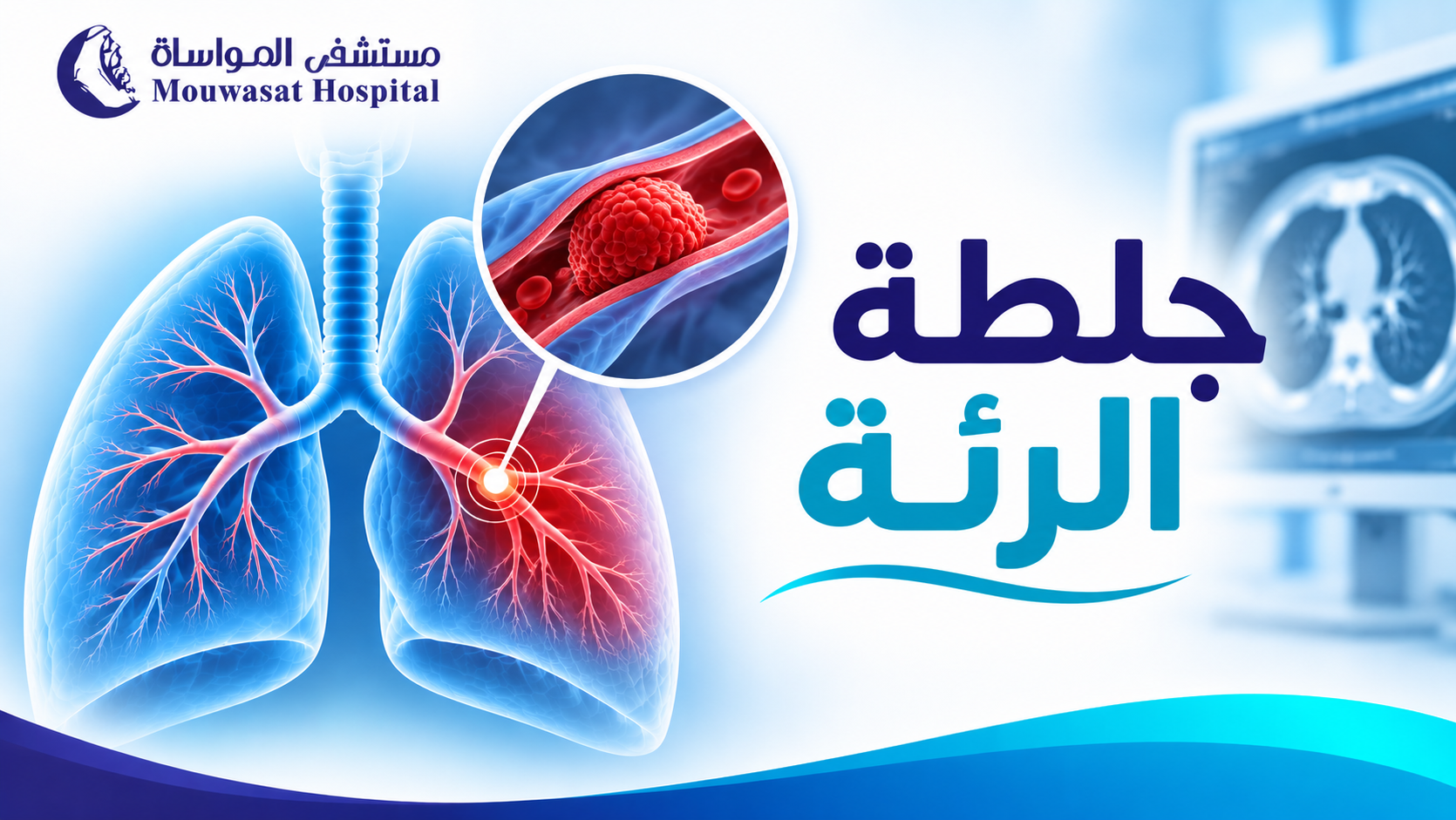


Fluid Around the Lungs: Symptoms, Causes and When Is It Dangerous?
People often use expressions such as “fluid on the lungs” to describe fluid found in the chest, but this does not refer to one medical condition.
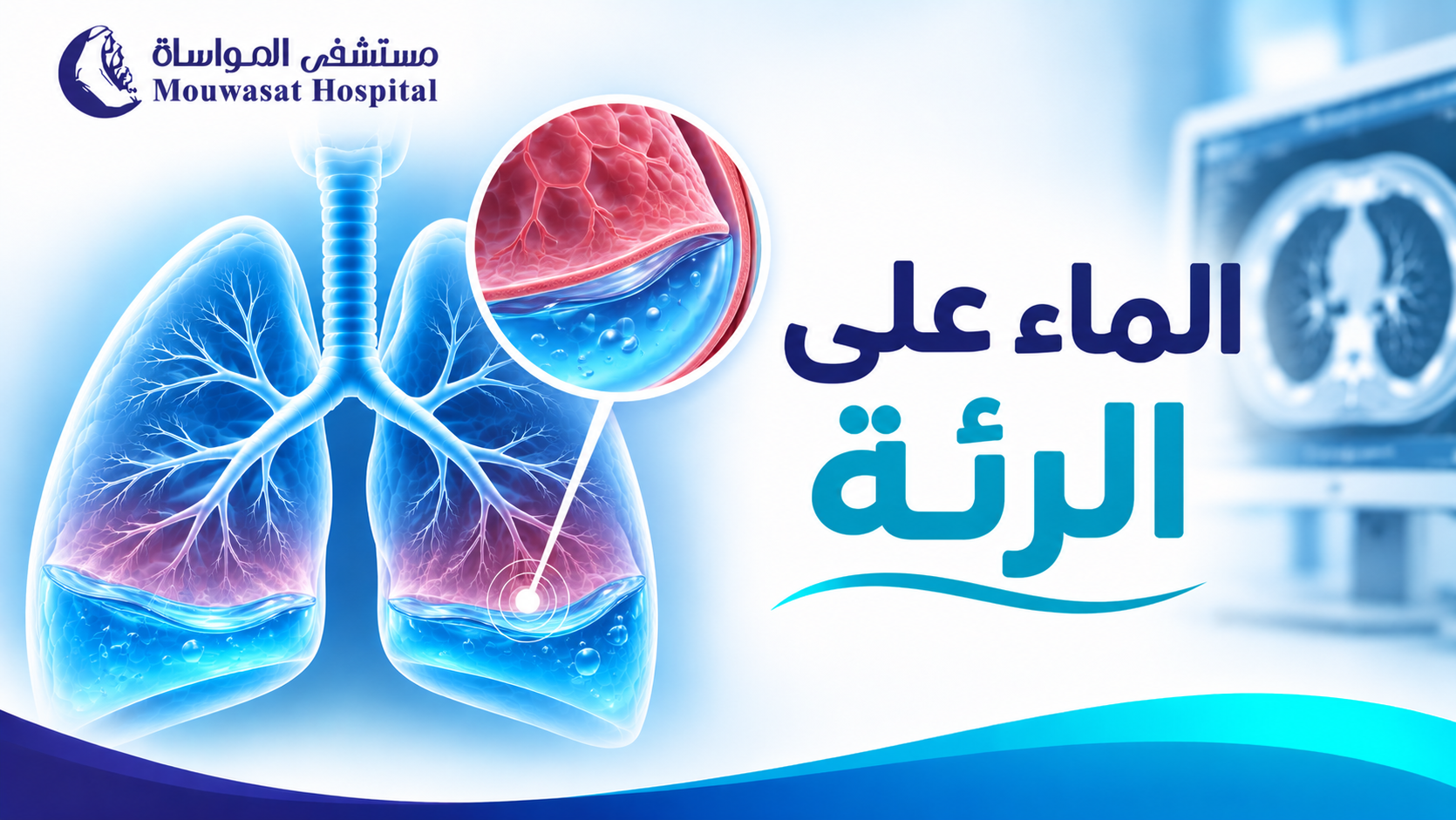
Fluid may collect around the lung in the pleural space, which is called a pleural effusion, or it may accumulate within the lung tissue and air sacs, which is called pulmonary edema.
The distinction matters because the causes, diagnostic tests, and treatments are very different.
- “Fluid on the lungs” can refer to pleural effusion or pulmonary edema.
- Pleural effusion is fluid around the lung within the pleural space.
- Pulmonary edema is fluid within lung tissue and the air sacs.
- Shortness of breath can occur with both conditions.
- Not every pleural effusion needs to be drained.
- Thoracentesis drains pleural fluid; it does not drain pulmonary edema.
- Pleural fluid analysis can help identify infection, malignancy, systemic disease, and other causes.
- Acute pulmonary edema with severe breathing difficulty is a medical emergency.
- What does “fluid on the lungs” mean?
- Is it one disease?
- Pleural effusion vs pulmonary edema
- Symptoms
- When is it an emergency?
- Causes of pleural effusion
- Causes of pulmonary edema
- Can heart disease cause fluid around or in the lungs?
- Pneumonia and pleural effusion
- Cancer and pleural effusion
- Pulmonary embolism and pleural effusion
- Fluid on the lungs in older adults
- How is it diagnosed?
- X-ray, ultrasound and CT
- When does pleural fluid need to be drained?
- What is thoracentesis?
- Is thoracentesis dangerous?
- What does pleural fluid analysis show?
- Can the fluid return?
- Pleural effusion treatment
- Pulmonary edema treatment
- Chest tubes and pleurodesis
- Pleural disease care at Mouwasat Hospital
- Frequently asked questions
What Does “Fluid on the Lungs” Mean?
“Fluid on the lungs” is a general phrase rather than a specific diagnosis.
Clinically, it commonly refers to one of two different problems:
- Pleural effusion: abnormal fluid collecting between the layers of the pleura surrounding the lung.
- Pulmonary edema: excess fluid collecting within lung tissue and the alveoli.
Determining which condition is present is essential before deciding on treatment.
Is Fluid on the Lungs One Disease?
No.
The fluid is usually the result of another medical condition.
Pleural effusion can result from heart failure, pneumonia, cancer, pulmonary embolism, liver disease, kidney disease, tuberculosis, and many other causes.
Pulmonary edema is commonly caused by cardiac disease, although non-cardiac causes also occur.
The first questions are where the fluid is located and why it developed. Treating the underlying cause is crucial for preventing recurrence and complications.
What Is the Difference Between Pleural Effusion and Pulmonary Edema?
| Feature | Pleural Effusion | Pulmonary Edema |
|---|---|---|
| Location | Around the lung in the pleural space. | Within lung tissue and alveoli. |
| Common causes | Heart failure, pneumonia, cancer, pulmonary embolism, liver and kidney disease. | Often cardiac disease, with several possible noncardiac causes. |
| Can it be drained with thoracentesis? | Sometimes, when clinically appropriate. | No. The fluid is not sitting in the pleural cavity. |
| Treatment approach | Treat the cause and drain when indicated. | Support breathing and treat the underlying cause. |
What Are the Symptoms?
Pleural Effusion Symptoms
Possible symptoms include:
- Shortness of breath.
- Pleuritic chest pain that worsens with breathing or coughing.
- Cough.
- A sensation of chest pressure or heaviness.
Small pleural effusions may cause no symptoms and may be found incidentally.
Pulmonary Edema Symptoms
Acute pulmonary edema can cause:
- Sudden or severe breathlessness.
- A sensation of suffocation, particularly when lying flat.
- Wheezing or gasping.
- Frothy sputum that may be pink or blood-stained.
- Palpitations.
- Cold, clammy skin.
- Low oxygen levels.
When Is Fluid in the Lungs an Emergency?
- Sudden or severe breathing difficulty.
- A feeling of suffocation.
- Pink or bloody frothy sputum.
- Severe oxygen desaturation or blue lips.
- Severe chest pain.
- Confusion, fainting, or altered consciousness.
- Marked low blood pressure with sweating or weakness.
Acute pulmonary edema in particular can be life-threatening and requires immediate assessment and treatment.
What Causes Pleural Effusion?
Pleural effusions are often categorized as transudates or exudates.
Transudative Pleural Effusion
This type usually results from changes in hydrostatic or oncotic pressure elsewhere in the body.
Common causes include:
- Heart failure.
- Cirrhosis with ascites.
- Selected kidney disorders and low serum protein states.
Exudative Pleural Effusion
This is more commonly caused by local pleural or pulmonary disease.
Common causes include:
- Pneumonia.
- Tuberculosis.
- Malignancy.
- Pulmonary embolism.
- Selected autoimmune diseases.
What Causes Pulmonary Edema?
Pulmonary edema is broadly divided into cardiogenic and noncardiogenic causes.
Cardiogenic Pulmonary Edema
This usually occurs when pressure rises within the pulmonary circulation because of a cardiac problem, frequently left-sided heart dysfunction.
Noncardiogenic Pulmonary Edema
Fluid can also enter the lungs because of severe lung injury, infection, toxins, certain medications, trauma, and other conditions.
Can Heart Disease Cause Both Pleural Effusion and Pulmonary Edema?
Yes.
Heart failure can cause pulmonary edema by increasing pressure within pulmonary blood vessels.
It can also produce fluid accumulation in the pleural space.
This means one patient can potentially have pulmonary edema and pleural effusions at the same time.
Can Pneumonia Cause Pleural Effusion?
Yes. A parapneumonic effusion may develop adjacent to pneumonia.
Some are uncomplicated and resolve with treatment of the infection. Others become complicated, loculated, or infected.
When pus develops in the pleural space, the condition is called empyema and generally requires appropriate antimicrobial treatment and drainage.
Can Cancer Cause Pleural Effusion?
Yes. Some cancers can cause malignant pleural effusion.
Lung cancer, breast cancer, lymphoma, and other malignancies can involve the pleura.
Pleural fluid cytology may help establish a diagnosis, while some patients require pleural biopsy when fluid analysis is insufficient.
For more information about lung cancer, read Lung Cancer: Symptoms, Risk Factors and Early Detection.
Can Pulmonary Embolism Cause Pleural Effusion?
Yes. Pulmonary embolism is a recognized cause of exudative pleural effusion.
If shortness of breath appears disproportionate to the size of an effusion, clinicians may need to consider an additional diagnosis such as PE.
Read Pulmonary Embolism: Symptoms, Causes, Diagnosis and Treatment.
Why Is “Fluid on the Lungs” Common in Older Adults?
It is not a separate disease of aging.
Older adults are more likely to have conditions that can cause pleural effusion or pulmonary edema, including:
- Heart failure.
- Kidney disease.
- Pneumonia.
- Cancer.
- Liver disease.
- Venous thromboembolism.
Comorbid cardiac and respiratory disease may also reduce physiological reserve, making fluid accumulation more symptomatic.
How Is Fluid Around or in the Lungs Diagnosed?
The first step is determining where the fluid is located.
Tests may include:
- Physical examination and oxygen assessment.
- Chest X-ray.
- Thoracic ultrasound.
- Chest CT.
- Blood tests.
- Echocardiography when cardiac disease is suspected.
- Thoracentesis and pleural-fluid analysis when indicated.

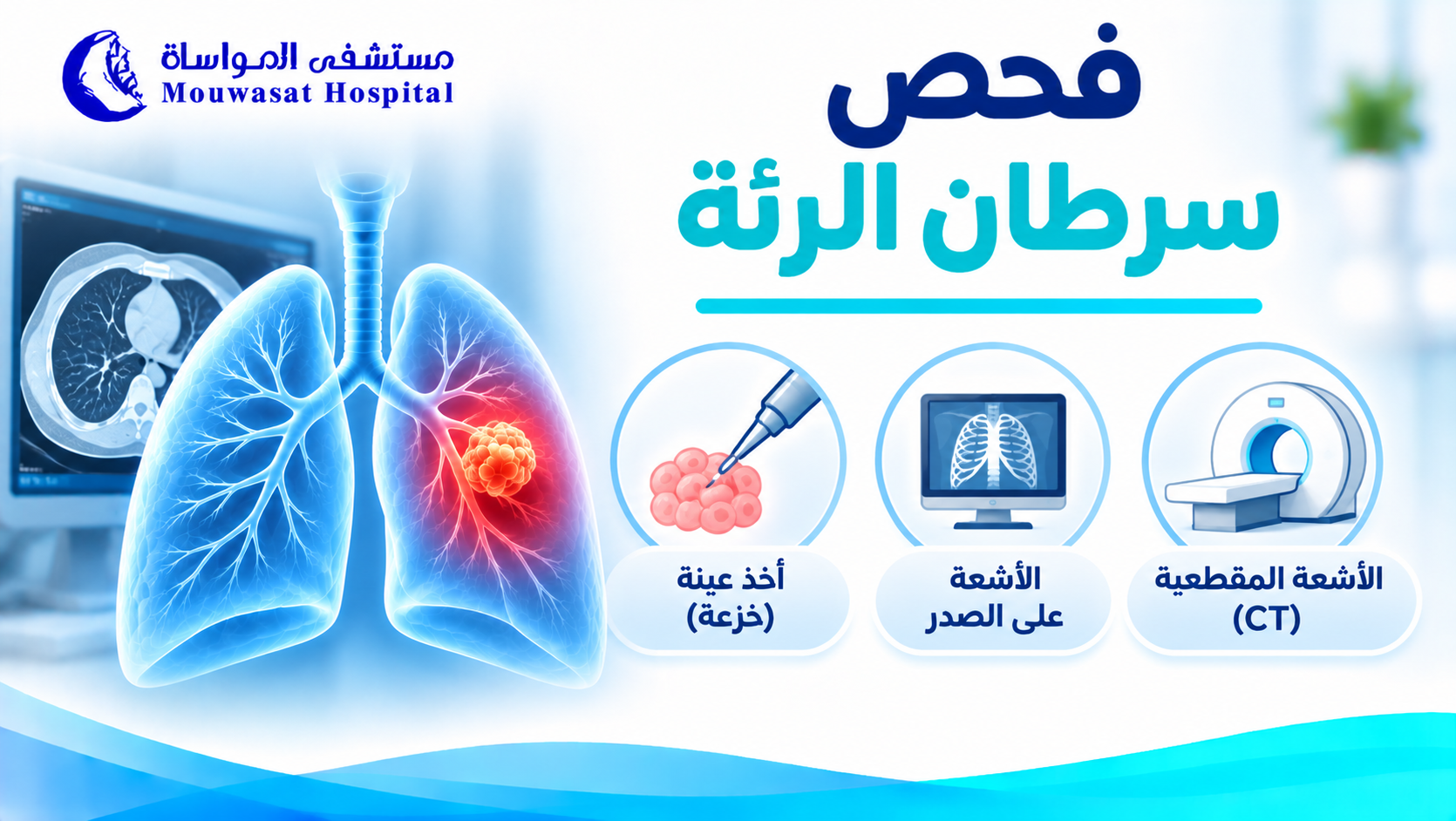
What Is the Role of X-Ray, Thoracic Ultrasound and CT?
Chest X-ray can demonstrate pleural fluid or findings consistent with pulmonary edema.
Thoracic ultrasound is particularly useful for confirming pleural fluid, estimating its location, identifying septations, and guiding pleural procedures.
CT can provide additional information about the pleura, lung tissue, infection, masses, mediastinum, and other potential causes.
Current British Thoracic Society guidance recommends image-guided thoracentesis to reduce procedural complications.
When Does Pleural Fluid Need to Be Drained?
Not every pleural effusion requires thoracentesis.
Thoracentesis may be performed:
- For diagnosis: to determine why a new or unexplained effusion developed.
- For symptom relief: when a larger effusion contributes to significant breathlessness.
Some effusions with a clear systemic cause can improve when the underlying condition is treated without immediate drainage.
What Is Thoracentesis?
Thoracentesis involves placing a needle or thin catheter into the pleural space to remove fluid.
The fluid location is generally identified with ultrasound, the skin is cleaned, local anesthetic is used, and the needle or catheter is inserted into the pleural space.
The sample may be sent to the laboratory, and a larger amount can be removed for symptom relief when appropriate.
It removes fluid from the pleural space around the lung. Pulmonary edema involves fluid within lung tissue and requires a different treatment strategy.
Is Thoracentesis Dangerous?
Thoracentesis is commonly performed but, like any invasive procedure, can have complications.
Potential risks include:
- Pneumothorax.
- Bleeding.
- Infection.
- Pain or coughing during the procedure.
- Rare complications associated with drainage of large fluid volumes.
Image guidance helps reduce procedural risk.
What Does Pleural Fluid Analysis Show?
Testing can include:
- Protein.
- LDH.
- Glucose.
- pH when pleural infection is suspected.
- Cell count and differential.
- Microbiology.
- Cytology when malignancy is suspected.
- Targeted tests for tuberculosis and other diagnoses when clinically appropriate.
Comparing pleural and blood measurements can also help classify an effusion as a transudate or exudate.
Can Pleural Fluid Return After Drainage?
Yes.
Thoracentesis removes fluid that has accumulated but does not necessarily remove the underlying cause.
Fluid can recur with ongoing heart failure, malignancy, infection, liver disease, kidney disease, and other persistent conditions.
How Is Pleural Effusion Treated?
Treatment is directed at the underlying cause.
Depending on the diagnosis, management may include treatment of heart failure, antimicrobial therapy, management of pulmonary embolism or malignancy, therapeutic thoracentesis, chest-tube drainage, an indwelling pleural catheter, pleurodesis, or surgery.
How Is Pulmonary Edema Treated?
Acute pulmonary edema requires prompt treatment.
Management may include:
- Supplemental oxygen.
- Respiratory support when needed.
- Treatment of acute heart failure when present.
- Management of excess fluid when clinically appropriate.
- Treatment of noncardiac causes when identified.
Because acute pulmonary edema can progress quickly, severe breathlessness should not be managed at home without assessment.
When Are Chest Tubes or Pleurodesis Needed?
A chest tube may be necessary when an effusion is infected, complicated, or requires ongoing drainage.
Pleurodesis is a procedure used in selected recurrent pleural conditions to reduce the chance of fluid or air accumulating again.
The Chest Surgery service at Mouwasat Hospital manages persistent pleural effusions and provides pleural interventions for selected patients.

Pleural Disease Care at Mouwasat Hospital
The Pulmonology Department at Mouwasat Hospital provides diagnosis and management of pleural conditions including pleural effusion, pneumothorax and empyema, as well as thoracentesis and chest-tube placement where clinically appropriate.
Published Mouwasat pulmonology physician profiles also include pleural tapping, pleural biopsy, medical thoracoscopy and assessment of pleural tumors among their clinical services.
Patients with persistent or surgically complex effusions may also require multidisciplinary evaluation with Chest Surgery.
Frequently Asked Questions
Is fluid on the lungs dangerous?
It can range from a minor finding to a life-threatening problem. Risk depends on the location, cause, amount of fluid, speed of accumulation, oxygen level and overall health.
What are symptoms of fluid on the lungs?
Shortness of breath, cough and chest discomfort may occur. Acute pulmonary edema can cause severe breathlessness, orthopnea and frothy sputum.
What is the difference between fluid around the lung and fluid inside the lung?
Fluid around the lung is a pleural effusion. Fluid within lung tissue and alveoli is pulmonary edema.
Can fluid be drained from the lungs?
Pleural fluid can be drained with thoracentesis in selected cases. Pulmonary edema cannot be drained with a needle because the fluid is within the lung tissue.
Can fluid return after thoracentesis?
Yes. If the underlying cause remains active, pleural fluid can accumulate again.
Can heart failure cause fluid on the lungs?
Yes. Heart failure can cause pulmonary edema and can also produce pleural effusions.
Can lung cancer cause pleural effusion?
Yes, although pleural effusion has many non-cancer causes and does not automatically mean malignancy.
Can pulmonary embolism cause pleural effusion?
Yes. Pulmonary embolism is a recognized cause of exudative pleural effusion.
Can pneumonia cause fluid around the lung?
Yes. A parapneumonic effusion can occur with pneumonia and may occasionally become complicated or infected.
Is thoracentesis dangerous?
Potential complications include pneumothorax, bleeding and infection, but image guidance helps reduce risk.
Can fluid on the lungs be treated at home?
Treatment should depend on the diagnosis. Sudden severe breathlessness, hypoxemia or suspected acute pulmonary edema requires urgent medical assessment.
Final Thoughts: “Fluid on the Lungs” Is Not One Diagnosis
The most important first step is identifying:
- Whether fluid is around the lung or within it.
- Whether this is pleural effusion or pulmonary edema.
- The underlying cause.
- Whether drainage is necessary.
- Whether emergency warning signs are present.
Pleural effusion may require thoracentesis and pleural-fluid analysis, while pulmonary edema requires a completely different treatment pathway focused on respiratory support and treatment of the underlying cause.
Medical disclaimer: This article is for general health education and does not replace medical assessment. Acute or severe breathing difficulty and low oxygen require urgent evaluation.
Medical References
- British Thoracic Society Guideline for Pleural Disease
- MSD Manual — Pleural Effusion
- Mayo Clinic — Pulmonary Edema: Symptoms and Causes
- Mayo Clinic — Pulmonary Edema: Diagnosis and Treatment
- Mouwasat Hospital — Pulmonology and Pleural Diseases
- Mouwasat Hospital — Pleural Procedures and Pulmonology
- Mouwasat Hospital — Chest Surgery and Pleural Effusion