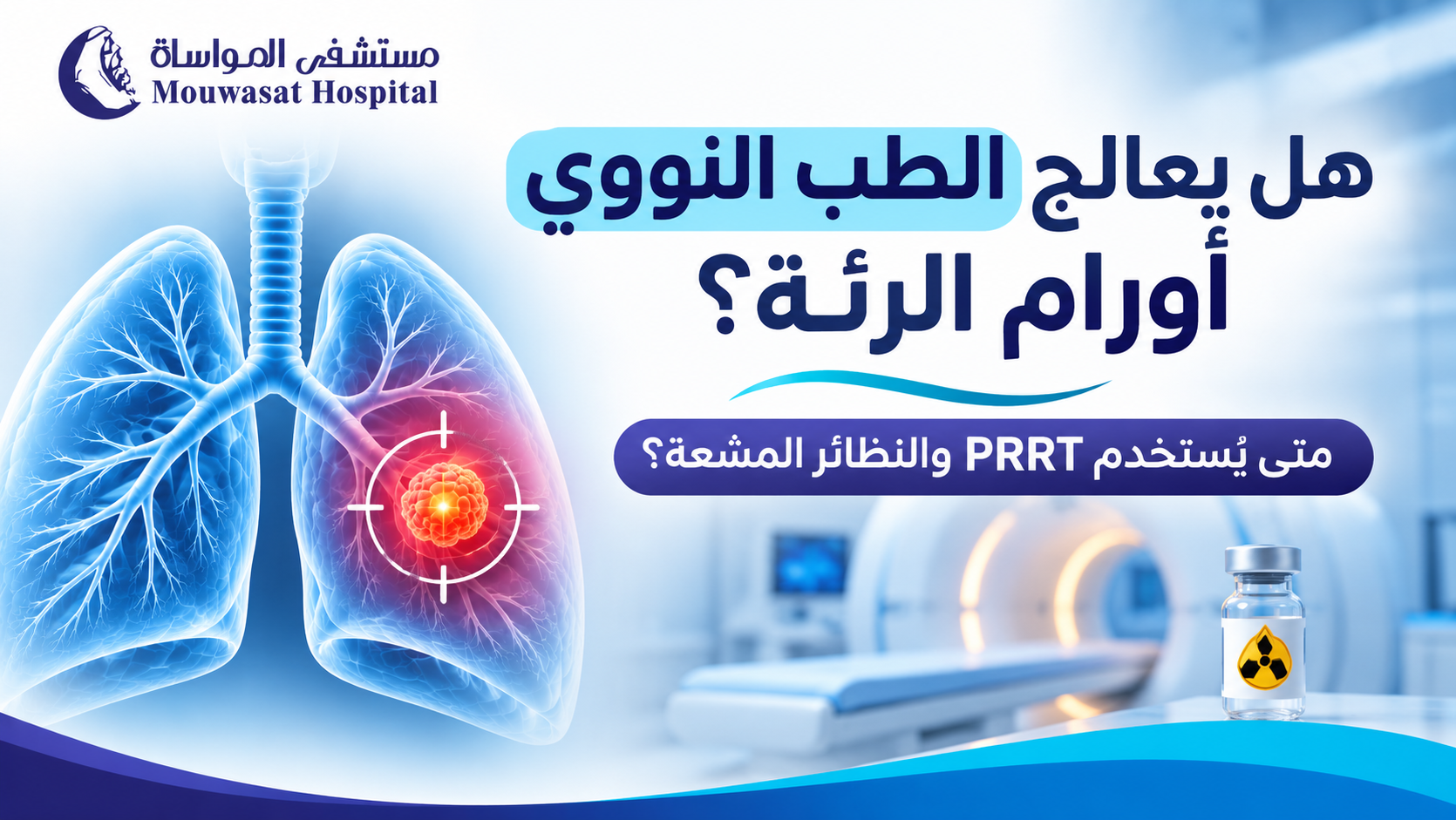


Can Nuclear Medicine Treat Lung Tumors? When Are PRRT and Radionuclide Therapy Used?
Nuclear medicine is often associated with imaging such as PET/CT, but the specialty also includes therapeutic radiopharmaceuticals. In selected cancers, a molecular target can first be visualized with nuclear imaging and then potentially targeted with a therapeutic radioactive agent.
For lung tumors, however, one distinction is essential:
- Nuclear medicine does not mean that every lung cancer can be treated with radionuclide therapy.
- PET/CT can help diagnose, stage, and monitor lung cancer but is an imaging test, not a treatment.
- PRRT is a targeted radiopharmaceutical treatment primarily used for selected neuroendocrine tumors expressing somatostatin receptors.
- Some advanced lung carcinoids may be considered for PRRT when appropriate somatostatin receptor expression is demonstrated.
- Small cell lung cancer is biologically and clinically different from well-differentiated lung carcinoids.
- Somatostatin receptor imaging can help identify the molecular target needed for SSTR-targeted PRRT.
- PRRT does not replace surgery, chemotherapy, immunotherapy, targeted therapy, or external radiation in common lung cancers.
The Nuclear Medicine Department at Mouwasat Hospital lists PET/CT for cancer diagnosis, staging and monitoring—including lung cancer—and PRRT among its therapeutic procedures for neuroendocrine tumors.[1]
- What is nuclear medicine?
- Diagnostic vs therapeutic nuclear medicine
- What is the role of PET/CT in lung cancer?
- Is PET/CT a treatment?
- Are all PET scans the same?
- What are neuroendocrine lung tumors?
- Lung carcinoid vs SCLC
- What is PRRT?
- What is theranostics?
- What is the role of SSTR PET?
- Who may benefit from PRRT?
- Does every lung tumor qualify?
- PRRT vs other lung cancer treatments
- How is PRRT given?
- Side effects and safety
- Nuclear medicine at Mouwasat Hospital
- Frequently asked questions
What Is Nuclear Medicine?
Nuclear medicine uses carefully selected radiopharmaceuticals for diagnostic imaging or treatment.
Unlike imaging methods that mainly show anatomy, nuclear medicine can provide information about cellular activity, metabolism, organ function, or the presence of specific molecular receptors.
Mouwasat Hospital's Nuclear Medicine Department lists diagnostic and therapeutic procedures including PET/CT, radioiodine therapy, radioembolization, and radionuclide therapy for neuroendocrine tumors.[1]
What Is the Difference Between Diagnostic and Therapeutic Nuclear Medicine?
| Use | Purpose | Example |
|---|---|---|
| Diagnostic | Visualize metabolism, organ function, or molecular receptor expression. | FDG PET/CT or SSTR PET/CT. |
| Therapeutic | Deliver radiation to cells expressing a selected molecular target or to a targeted disease site. | PRRT for selected neuroendocrine tumors. |
What Is the Role of PET/CT in Lung Cancer?
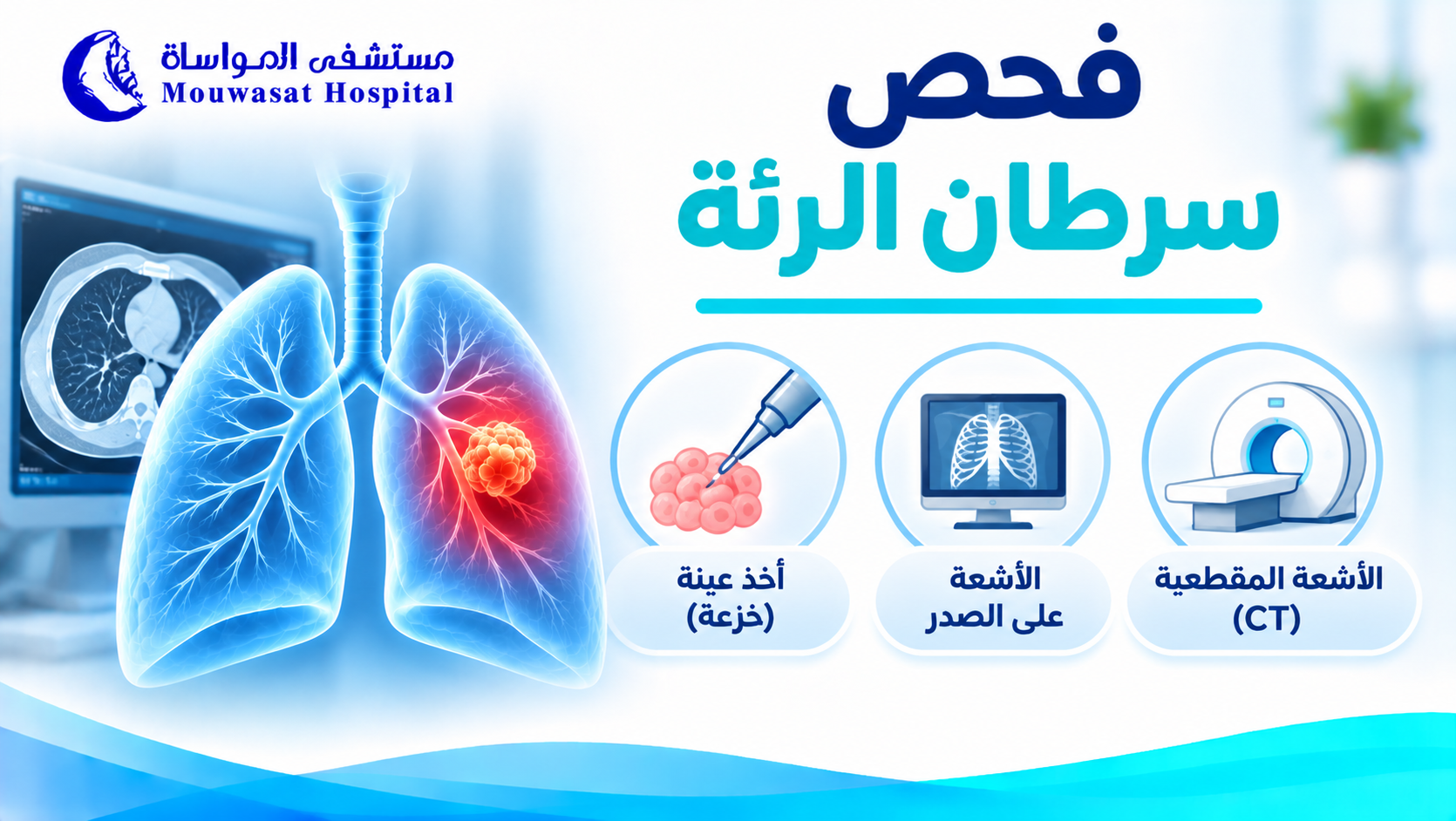
PET/CT is frequently used in lung cancer assessment to help determine the extent of disease, evaluate lymph nodes, and identify possible distant metastases.
For NSCLC, the National Cancer Institute includes 18F-FDG PET among staging investigations and notes that PET combined with CT can provide greater staging accuracy than CT alone in appropriate clinical situations.[3]
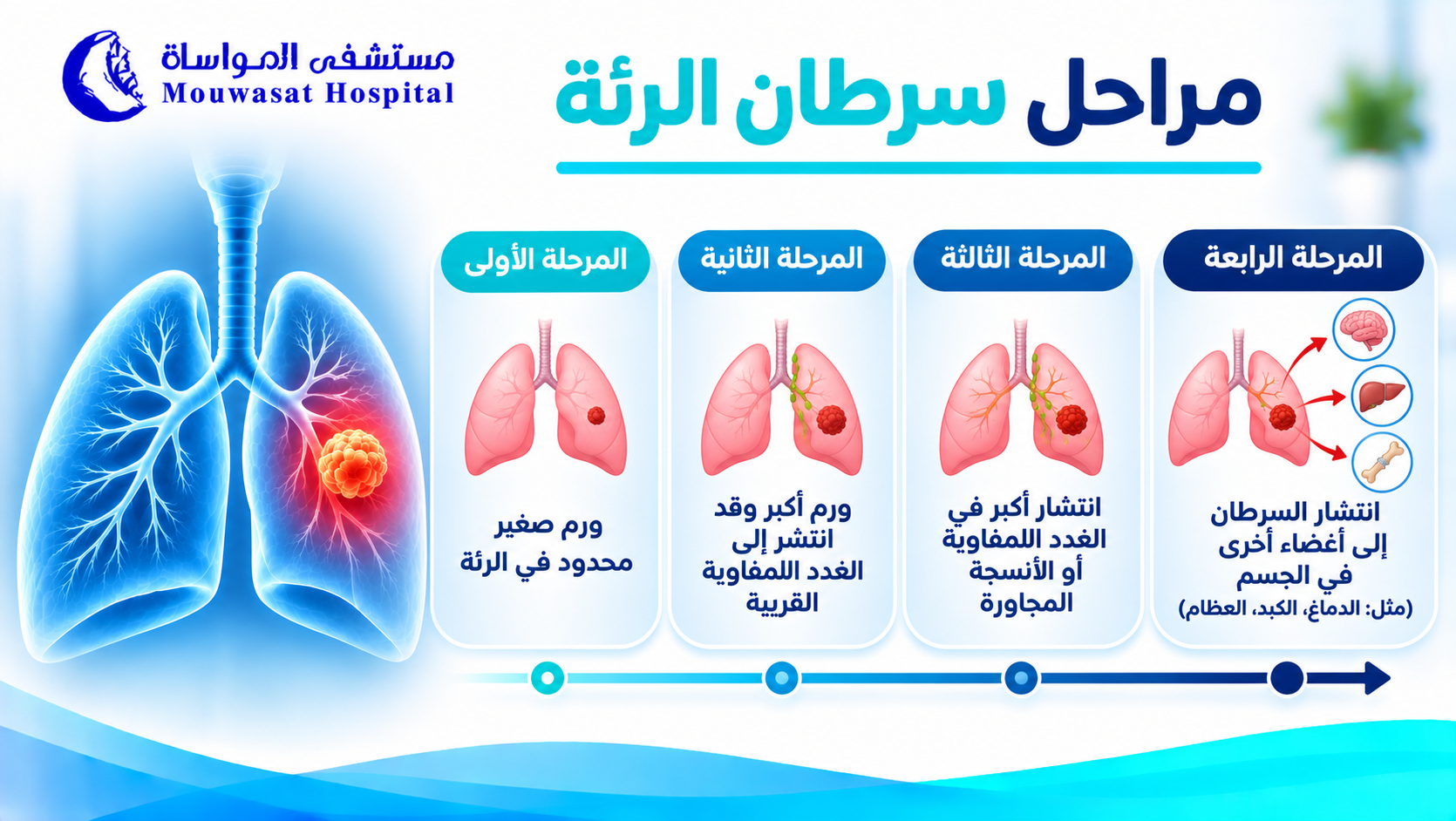
For more on what stage I through IV means, read Lung Cancer Stages and Survival.
FDG uptake is not specific to cancer. Infection and inflammation can also produce increased uptake, meaning PET results sometimes require tissue confirmation.[3]
Is PET/CT a Treatment for Lung Cancer?
No.
PET/CT is an imaging tool used for diagnosis, staging, treatment planning, and response assessment in selected situations.
The treatment of common NSCLC and SCLC depends on histology, stage, resectability, molecular characteristics, and general health and may involve surgery, chemotherapy, radiation therapy, targeted therapy, or immunotherapy.
Read Lung Cancer Treatment: Surgery, Targeted Therapy and Immunotherapy for the broader treatment pathway.
Are All PET/CT Scans the Same?
No. Different PET radiopharmaceuticals answer different biological questions.
| Imaging approach | What it reflects | Relevant use |
|---|---|---|
| FDG PET/CT | Glucose metabolism and metabolic activity. | Staging many common cancers, including lung cancer. |
| SSTR PET/CT | Somatostatin receptor expression. | Assessment of selected neuroendocrine tumors and potential eligibility for SSTR-targeted therapy. |
SSTR imaging can use tracers such as 68Ga-DOTATATE to identify somatostatin receptor-positive disease.[5]
What Are Neuroendocrine Lung Tumors?
The lung can develop several tumors with neuroendocrine characteristics, but these tumors differ substantially in biology, growth rate, prognosis, and treatment.
Well-differentiated lung neuroendocrine tumors include typical and atypical lung carcinoids.
The 2025 ENETS guidance specifically discusses SSTR imaging and PRRT in the management of advanced lung carcinoids.[4]
Is a Lung Carcinoid the Same as Small Cell Lung Cancer?
No.
Although both are associated with neuroendocrine differentiation, they behave very differently.
Small cell lung cancer is generally a rapidly growing lung cancer with a treatment pathway centered on systemic therapy and radiation according to disease stage.
Typical and atypical lung carcinoids are a distinct group of neuroendocrine tumors, and it is in selected advanced SSTR-positive carcinoid cases that PRRT can enter the treatment discussion.[4]
Radionuclide therapy should not be generalized to every lung cancer simply because the tumor arises in the lung.
What Is PRRT?
PRRT stands for Peptide Receptor Radionuclide Therapy.
It is a targeted radiopharmaceutical therapy designed for tumors that express specific receptors, particularly somatostatin receptors.
A peptide capable of binding to the receptor is linked to a therapeutic radionuclide such as lutetium-177. The radiopharmaceutical binds to receptor-expressing tumor cells and delivers radiation directly to those targeted cells.[5]
What Is Theranostics?
The word theranostics combines:
Therapy + Diagnostics.
The concept is straightforward:
- Use molecular imaging to identify whether a tumor expresses a particular target.
- If the target is present and the patient is otherwise suitable, use a therapeutic radiopharmaceutical directed at the same biological target.
In selected NETs, SSTR imaging demonstrates the target, and PRRT can then use that receptor pathway therapeutically.
This molecular selection is one of the defining principles of modern theranostics.
What Is the Role of 68Ga-DOTATATE and SSTR PET Before PRRT?
Somatostatin receptor PET imaging helps identify whether neuroendocrine tumor cells express sufficient SSTR targets.
SNMMI describes PRRT as an option for advanced or progressive neuroendocrine tumors that are positive on somatostatin receptor imaging.[5]
The 2025 ENETS lung carcinoid guidance recommends SSTR PET as part of appropriate staging and specifically links PRRT consideration to SRI-positive disease.[4]

Who May Benefit From PRRT for a Lung Neuroendocrine Tumor?
Eligibility is individualized and cannot be determined from the tumor location alone.
Factors considered may include:
- Confirmed pathology.
- Typical versus atypical lung carcinoid.
- Advanced or progressive disease requiring systemic treatment.
- Somatostatin receptor expression on appropriate imaging.
- Tumor burden and rate of progression.
- Previous treatments and treatment response.
- Kidney and bone marrow function.
- Overall health and treatment goals.
ENETS 2025 recognizes SSTR-targeted PRRT as a possible treatment option in selected SRI-positive advanced lung carcinoids, while noting that lung-specific evidence remains more limited than evidence for gastroenteropancreatic NETs.[4]
Does Every Neuroendocrine Lung Tumor Qualify for PRRT?
No.
A neuroendocrine diagnosis by itself does not establish eligibility.
Receptor expression may be inadequate, another therapy may be more suitable, or organ function and other clinical factors may affect treatment selection.
Regulatory indications also vary by tumor type and jurisdiction. The current U.S. prescribing information for LUTATHERA (lutetium Lu 177 dotatate), for example, specifies somatostatin receptor-positive gastroenteropancreatic neuroendocrine tumors rather than lung cancer as a general indication.[6]
Therefore, use in lung carcinoids requires specialist review of evidence, local availability and regulation, and the patient's complete clinical situation.
How Does PRRT Differ From Other Lung Cancer Treatments?
| Treatment | Principle | Requires SSTR? |
|---|---|---|
| Surgery | Physically removes resectable disease. | No |
| External radiation | Delivers radiation from an external machine to a defined target. | No |
| Chemotherapy | Systemic drugs affect dividing cancer cells. | No |
| Targeted therapy | Targets a specific molecular alteration or biological pathway. | Not necessarily |
| Immunotherapy | Modifies immune responses against cancer in appropriate tumors. | No |
| PRRT | Delivers a therapeutic radionuclide through a receptor-targeting peptide. | Yes, for SSTR-targeted PRRT. |
See our lung cancer treatment guide for the standard treatment pathways used in NSCLC and SCLC.
How Is PRRT Given?
PRRT is systemic treatment delivered within a specialized nuclear medicine service.
The treatment pathway generally involves:
- Confirming the pathological diagnosis.
- Reviewing SSTR imaging.
- Assessing blood counts and kidney and liver function.
- Reviewing previous and ongoing treatments.
- Administering supportive therapy to reduce treatment-related toxicity.
- Giving the therapeutic radiopharmaceutical intravenously.
- Monitoring blood tests, organ function, symptoms, and tumor response after treatment.
SNMMI notes that kidney-protective amino acid infusion and anti-nausea support are commonly incorporated into PRRT protocols.[5]
What Are the Possible Side Effects of PRRT?
Side effects vary among patients.
They may include:
- Temporary fatigue.
- Nausea.
- Temporary reduction in blood-cell counts.
- Effects on kidney function.
- Liver-related effects in selected patients.
Official prescribing information also includes warnings relating to bone-marrow suppression, rare delayed hematologic complications, renal toxicity, and hepatic toxicity, which is why laboratory and clinical monitoring are required.[6]
Does Every Lung Nodule Need PET/CT?
No.
Whether a pulmonary nodule requires CT surveillance, PET/CT, or tissue sampling depends on size, morphology, growth, and clinical risk.
Read Lung Nodules: Does Every Spot Mean Cancer? for the nodule evaluation pathway.
Is PET/CT a Substitute for LDCT Lung Cancer Screening?
No.
Low-dose CT is used for lung cancer screening in selected higher-risk people before symptoms occur. PET/CT is not used as routine population lung-cancer screening.
Read Who Should Have LDCT Lung Cancer Screening?.
Nuclear Medicine and Oncology at Mouwasat Hospital
The Nuclear Medicine Department at Mouwasat Hospital lists oncologic PET/CT—including lung cancer—and therapeutic radionuclide procedures including PRRT for neuroendocrine tumors.[1]
NABEELA QUBLAN AL HAJAJ is a Consultant Nuclear Medicine physician at Mouwasat Hospital Khobar. Her published profile lists PET/CT and treatment with radionuclides among the cases and services she manages.[2]
Complex neuroendocrine tumor treatment may require multidisciplinary review involving nuclear medicine, oncology, surgery, radiology, pathology, and other relevant specialties.
Availability of PRRT within a nuclear medicine service does not mean that every lung tumor is suitable for it. Eligibility depends on pathology, receptor expression, disease behavior, previous therapy, and the patient's overall condition.

Frequently Asked Questions
Can nuclear medicine treat lung cancer?
Not every lung cancer. PET/CT has an important diagnostic and staging role in selected lung cancers, while PRRT treatment is primarily relevant to selected somatostatin receptor-positive neuroendocrine tumors.
Is PRRT a standard treatment for NSCLC?
No. PRRT is not routine treatment for common NSCLC. Treatment is determined by stage, resectability, histology, molecular biomarkers, and other clinical factors.
Is PRRT used for small cell lung cancer?
It is not a routine standard treatment for SCLC. The PRRT discussion in thoracic tumors is more relevant to selected well-differentiated lung carcinoids.
What is the difference between FDG PET and 68Ga-DOTATATE PET?
FDG PET primarily reflects glucose metabolism, whereas 68Ga-DOTATATE targets somatostatin receptors expressed by certain neuroendocrine tumors.
Is 68Ga-DOTATATE the treatment itself?
No. It is an imaging tracer. The imaging result can contribute to determining whether SSTR-targeted radionuclide therapy may be appropriate.
What is lutetium-177?
Lutetium-177 is a therapeutic radionuclide that can be attached to receptor-targeting molecules. Lu-177 DOTATATE is a well-known application in PRRT.
Does a positive PET scan confirm cancer?
No. PET increases or decreases suspicion but does not always establish pathology. Inflammation and infection can also show increased FDG uptake.
Can PRRT be used if SSTR PET is negative?
SSTR-targeted PRRT relies on sufficient receptor expression. Low or absent uptake may make this type of treatment unsuitable.
Does PRRT replace surgery?
No. Localized resectable lung carcinoids are generally approached with surgery when appropriate. PRRT is more commonly considered in selected advanced or progressive disease.
Is radionuclide therapy the same as external-beam radiotherapy?
No. External radiation comes from a machine outside the body. Radiopharmaceutical therapy delivers a radioactive drug into the body, where biological targeting helps direct it toward disease.
Final Thoughts: Nuclear Medicine Treatment Depends on the Tumor Biology, Not Simply Its Location in the Lung
Nuclear medicine can play both diagnostic and therapeutic roles in oncology.
For common lung cancer, PET/CT is an important staging tool in selected patients, but it is not a treatment.
PRRT is a targeted radiopharmaceutical treatment for selected neuroendocrine tumors expressing somatostatin receptors. Some advanced or progressive SSTR-positive lung carcinoids may enter this treatment pathway after specialist assessment, but the approach does not apply to every lung tumor.
Continue through our lung-cancer resources:
- Lung Cancer: Symptoms, Risk Factors and Early Detection
- Lung Cancer Screening and LDCT
- Lung Cancer Treatment
- Lung Cancer Stages and Survival
- Lung Nodules
Medical References
- Mouwasat Hospital — Nuclear Medicine
- Mouwasat Hospital — NABEELA QUBLAN AL HAJAJ, Consultant Nuclear Medicine
- National Cancer Institute — Non-Small Cell Lung Cancer Treatment and Staging
- ENETS 2025 Guidance Paper for Lung and Thymic Carcinoids
- Society of Nuclear Medicine and Molecular Imaging — PRRT
- U.S. FDA — LUTATHERA Prescribing Information