Premature Babies: Causes of Preterm Birth, Complications and Care
29/11/2026
Premature Babies: Causes of Preterm Birth, Complications and Care
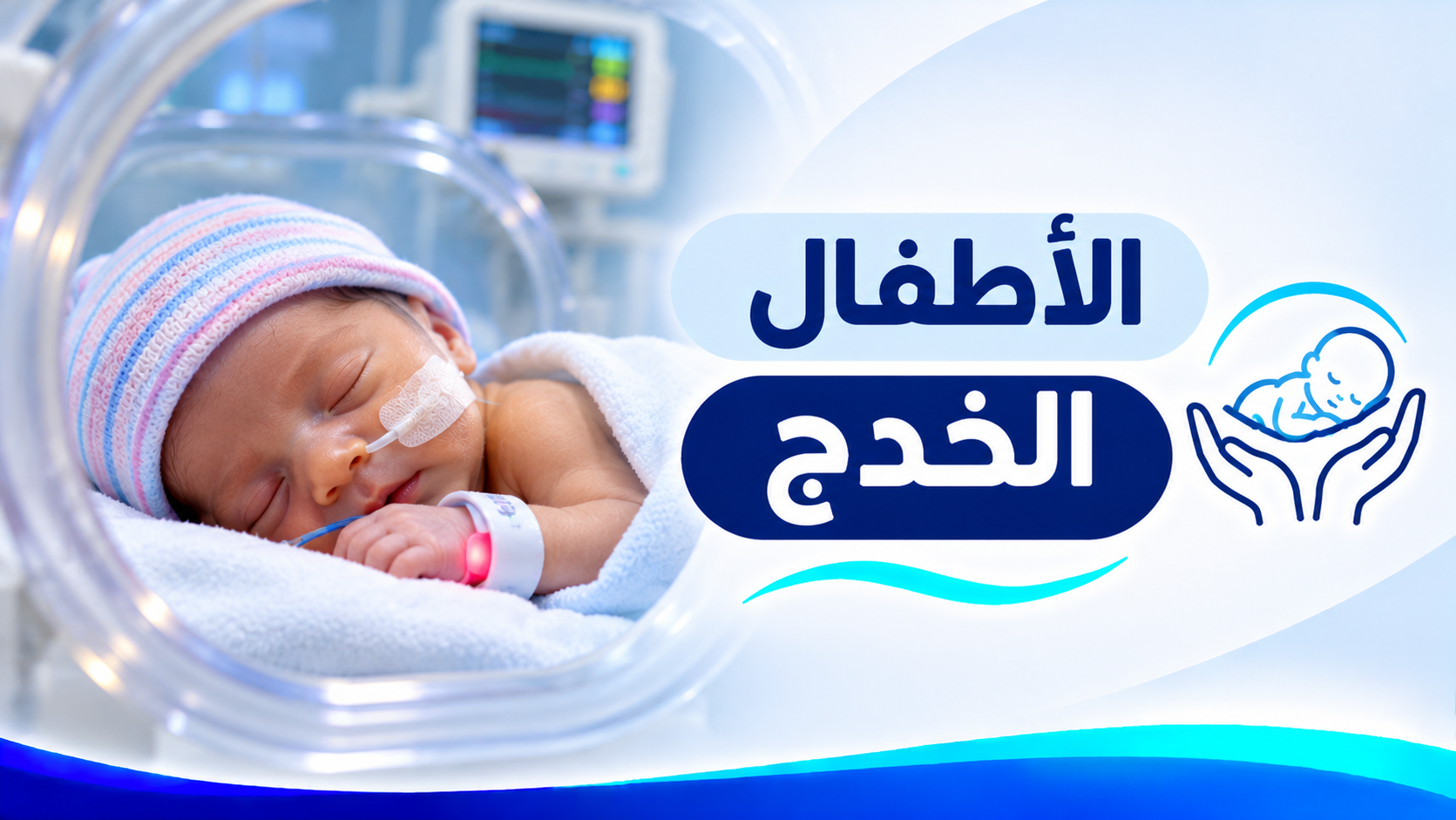
Premature babies, also known as preterm infants or preemies, are babies born before completing 37 weeks of pregnancy.
Because some of their organs may not be fully mature at birth, premature babies may require specialized medical care to support breathing, nutrition, temperature regulation, and continued development.
The World Health Organization estimates that approximately 13.4 million babies were born prematurely worldwide in 2020, representing nearly one in ten live births. [1]
However, the medical needs of premature babies vary considerably. Some require relatively limited observation, while others need prolonged care in a neonatal intensive care unit.
Key points:
- A premature baby is born before 37 completed weeks of pregnancy.
- Earlier birth generally increases the likelihood of requiring specialized medical support.
- Not every premature baby requires neonatal intensive care.
- Human milk and kangaroo mother care are important components of preterm infant care.
- Discharge readiness depends on clinical stability rather than birth weight alone.
- Some premature babies require ongoing developmental, hearing, and vision assessments.
What Is a Premature Baby?
A premature baby is an infant born before completing 37 weeks of gestation, regardless of birth weight.
Throughout pregnancy, fetal organs undergo important stages of growth and maturation. The final weeks contribute to the development of the lungs, brain, feeding abilities, and temperature regulation.
When birth occurs early, additional medical support may be necessary while these physiological functions continue to mature.
Prematurity is not a single disease. It describes the timing of birth and is associated with varying healthcare needs and potential complications. [1] [2]
How Are Premature Babies Classified by Gestational Age?
Healthcare professionals use completed weeks of pregnancy rather than months to classify prematurity accurately.
The World Health Organization recognizes three main categories of preterm birth. The moderate-to-late preterm category can also be divided clinically into moderate and late prematurity.
| Prematurity category |
Gestational age at birth |
Potential medical needs |
| Extremely preterm |
Before 28 weeks. |
Often requires specialized intensive care, respiratory support, and nutritional assistance. |
| Very preterm |
28 to less than 32 weeks. |
May require respiratory and feeding support with continuous monitoring. |
| Moderately preterm |
32 to less than 34 weeks. |
May need assistance with feeding, temperature regulation, or breathing. |
| Late preterm |
34 to less than 37 weeks. |
May be more clinically stable but can experience feeding difficulties, jaundice, or temperature and respiratory problems. |
These categories provide a general framework for understanding prematurity, but they do not independently determine an infant's medical outcome or length of hospitalization. [1] [3]
What Is the Difference Between Prematurity and Low Birth Weight?
Although many premature babies have low birth weights, prematurity and low birth weight describe different characteristics.
| Medical term |
Definition |
| Preterm infant |
An infant born before completing 37 weeks of pregnancy. |
| Low birth weight (LBW) |
Birth weight below 2,500 grams. |
| Very low birth weight (VLBW) |
Birth weight below 1,500 grams. |
| Extremely low birth weight (ELBW) |
Birth weight below 1,000 grams. |
A preterm infant may weigh more than 2,500 grams, while an infant born at term may have a low birth weight because of factors affecting fetal growth.
Clinical assessment therefore considers gestational age, birth weight, and overall health together. [4]
Babies Born in the Sixth, Seventh, or Eighth Month of Pregnancy
Families often describe premature babies according to the month of pregnancy in which they were born. However, gestational age in completed weeks is more useful for clinical assessment.
Babies born in the sixth month
These babies may be born at a very early stage of organ maturation and are more likely to require intensive respiratory, nutritional, and other medical support.
Babies born in the seventh month
Further fetal maturation has occurred, but specialized care may still be needed to support breathing, feeding, and temperature regulation.
Babies born in the eighth month
Organ maturation is generally more advanced, although some infants may still experience respiratory difficulties, feeding problems, jaundice, or low blood glucose.
Is being born in the seventh month safer than being born in the eighth month?
There is no medical basis for this common misconception. In general, increasing gestational age is associated with lower risks related to organ immaturity, although earlier delivery may be medically necessary to protect the mother or baby in certain circumstances.
What Causes Preterm Birth?
Preterm birth may follow spontaneous premature labor, early rupture of the membranes surrounding the fetus, or a medical decision to deliver early because of concerns about maternal or fetal health.
Associated risk factors include:
- A previous preterm birth.
- Multiple pregnancy, such as twins or triplets.
- Certain cervical or uterine conditions.
- Some infections during pregnancy.
- High blood pressure and preeclampsia.
- Certain chronic maternal medical conditions.
- Placental or fetal growth problems.
- Smoking and exposure to harmful substances.
However, preterm birth can also occur without an identifiable cause or previously recognized risk factor.
Parents should not assume that something they did or failed to do necessarily caused their baby's premature birth. [2] [5]
If you are pregnant and would like to understand the warning signs of early labor and when medical assessment is needed, read our guide: Preterm Labor: Signs, Risk Factors and When to Go to the Hospital.
What Are the Characteristics of Premature Babies?
Physical characteristics vary according to gestational age and organ maturity. Some premature babies may have:
- A smaller body size and lower birth weight.
- Less subcutaneous body fat.
- Thin skin with more visible blood vessels.
- Fine body hair known as lanugo.
- Immature sucking and swallowing coordination.
- Difficulty maintaining body temperature independently.
These characteristics are not present in every premature baby. Some late preterm infants resemble full-term newborns in appearance while still requiring additional observation. [3]
What Are the Potential Complications of Prematurity?
Prematurity-related complications vary according to gestational age, organ maturity, and clinical circumstances. Not every preterm infant develops these conditions.
| Body system |
Potential complications |
Clinical care objective |
| Respiratory system |
Respiratory distress syndrome and apnea of prematurity. |
Support breathing and monitor oxygen levels. |
| Cardiovascular system |
Patent ductus arteriosus (PDA) and circulatory problems. |
Monitor cardiovascular function and treat clinically significant problems. |
| Digestive system |
Feeding difficulties and necrotizing enterocolitis (NEC). |
Provide suitable nutrition and monitor feeding tolerance. |
| Blood and metabolism |
Anemia, jaundice, and hypoglycemia. |
Laboratory monitoring and condition-specific treatment. |
| Immune system |
Increased susceptibility to infections. |
Infection prevention and early detection. |
| Nervous system |
Intraventricular hemorrhage and certain developmental difficulties. |
Appropriate imaging and neurological or developmental follow-up. |
| Eyes and retina |
Retinopathy of prematurity (ROP). |
Timely retinal screening and treatment when indicated. |
Specialized neonatal monitoring helps identify complications and determine the appropriate medical intervention. [3]
Respiratory difficulties and immature lungs
Some premature infants have insufficient surfactant, a substance that helps keep the small air sacs within the lungs open during breathing.
Respiratory support, surfactant administration, and other treatments may be required according to the infant's condition.
Necrotizing enterocolitis
Necrotizing enterocolitis is a potentially serious intestinal condition affecting some premature babies. It involves inflammation and injury to intestinal tissue and may require specialized medical or surgical management.
Retinopathy of prematurity
Premature birth may interrupt the development of retinal blood vessels, increasing the risk of retinopathy of prematurity (ROP) in susceptible infants.
Because parents may not notice visible symptoms, screening must be performed according to the schedule established by the medical team. [6]
To understand which babies require screening, how the condition is diagnosed, and when treatment may be necessary, read: Retinopathy of Prematurity: Early Screening and Treatment Options.
Can complications continue after hospital discharge?
Some premature babies require longer-term follow-up for respiratory, nutritional, visual, hearing, motor, or cognitive concerns.
These outcomes cannot be predicted from gestational age alone, and individual developmental trajectories vary.
How Are Premature Babies Cared for in the NICU?
A neonatal intensive care unit (NICU) provides specialized monitoring and treatment for newborns who require additional medical support.
Depending on the infant's clinical needs, neonatal care may involve the following equipment and treatments:
| Care equipment or treatment |
Purpose |
| Incubator |
Supports temperature regulation and provides an appropriate care environment. |
| Cardiorespiratory monitoring |
Monitors heart rate, breathing, and other vital signs. |
| Continuous positive airway pressure (CPAP) |
Provides noninvasive respiratory support through continuous airway pressure. |
| Mechanical ventilation |
Provides advanced breathing assistance when required. |
| Feeding tube |
Delivers milk to the stomach when oral feeding is insufficient or unsafe. |
| Parenteral nutrition |
Provides intravenous nutrition when gastrointestinal feeding is inadequate or not possible. |
| Phototherapy |
Treats selected cases of elevated bilirubin and neonatal jaundice. |
Not every infant requires all these treatments. Medical support may be adjusted as the baby's clinical condition and physiological functions improve. [4]
How Are Premature Babies Fed?
Adequate nutrition supports the development of the brain, bones, muscles, and other organs.
A mother's own milk is preferred when available because of its nutritional and protective properties.
Some infants require human milk fortifiers or specialized nutritional alternatives based on recommendations from the neonatal team.
The feeding method depends on the infant's ability to coordinate sucking, swallowing, and breathing. Tube feeding may initially be required before transitioning to direct breastfeeding or other appropriate feeding methods.
There is no universal milk volume suitable for every preterm infant. Nutritional requirements depend on gestational age, weight, medical condition, and feeding tolerance. [4]
What Is Kangaroo Mother Care?
Kangaroo mother care (KMC) involves prolonged skin-to-skin contact between a baby and the mother or another suitable caregiver, together with support for breast milk feeding.
The World Health Organization recommends initiating kangaroo mother care as soon as possible after birth for premature and low-birth-weight infants, with appropriate medical support and safety considerations.
Potential benefits include:
- Support for temperature regulation.
- Improved breastfeeding support.
- Stronger bonding between the baby and caregivers.
- Reduced risks of hypothermia, certain infections, and mortality associated with prematurity and low birth weight.
Within the hospital, kangaroo care should be coordinated with the neonatal team, particularly when an infant requires respiratory support or other medical equipment. [7]
When Can a Premature Baby Leave the Hospital?
Hospital discharge is not determined by reaching a particular weight or completing a fixed number of days in the NICU.
The neonatal team considers several factors, including:
- Respiratory stability according to the care plan.
- Appropriate temperature regulation.
- Safe and adequate nutritional intake.
- An acceptable growth trajectory for the infant's circumstances.
- Stability of associated medical conditions or a clear ongoing management plan.
- Caregiver preparedness and appropriate follow-up arrangements.
Some babies may require additional support or specialized equipment after discharge, while others can transition home without further medical devices. [8]
Learn more about respiratory stability, feeding readiness, and the medical criteria used to determine discharge in our guide: When Is a Premature Baby Out of Danger and Ready for NICU Discharge?.
How Do Premature Babies Grow and Develop?
Premature infants may reach developmental milestones at different chronological ages from babies born at term.
Healthcare professionals therefore use corrected age when assessing development, particularly during the first two years of life.
Corrected age is calculated by subtracting the number of weeks an infant was born early from the infant's chronological age.
For example, a baby born at 32 weeks of pregnancy was born approximately eight weeks before the expected due date. At approximately four months of chronological age, the baby's corrected age would be about two months.
Corrected age helps clinicians interpret developmental progress in relation to prematurity.
However, some infants require specialized developmental assessment or early intervention. Recognized developmental concerns should not be dismissed solely because the baby was born prematurely. [9]
For more detailed information about corrected age calculations, weight monitoring, nutrition, sitting, walking, and developmental milestones, see: Premature Baby Growth: Weight, Corrected Age and Developmental Milestones.
How Do You Care for a Premature Baby at Home?
The transition home represents a new stage of neonatal care. Families should follow the individualized discharge instructions provided by their healthcare team.
Follow the feeding plan
Follow recommendations concerning milk type, feeding methods, and prescribed nutritional supplements. Do not independently change formula concentration or feeding volumes.
Provide a safe sleeping environment
Place the baby on their back on a firm, flat infant sleep surface without pillows, loose blankets, toys, or other soft objects in the sleep area.
Positioning used during monitored hospital care may differ from safe sleep recommendations at home. [10]
Reduce infection exposure
Wash hands before handling the baby, avoid tobacco smoke exposure, and limit contact with people who have respiratory or other contagious illnesses.
Attend medical follow-up appointments
Regular assessments help monitor nutrition, weight gain, growth, development, immunizations, and any required hearing or vision screening.
Warning Signs in Premature Babies After Discharge
Newborn illnesses can progress rapidly. Parents should pay attention to unusual changes in breathing, feeding, activity, and body temperature.
Seek urgent medical care if your baby develops:
- Difficulty breathing or visibly increased breathing effort.
- A temperature of 38°C or higher in an infant younger than three months, or an abnormally low body temperature.
- Refusal to feed or a significant decrease in milk intake.
- Marked lethargy or reduced responsiveness.
- Green vomiting or blood in the stool.
- Unusual abdominal swelling.
- A significant decrease in wet diapers.
If your baby stops breathing, develops blue lips or tongue, or cannot be awakened, call emergency services immediately.
Do not wait for a scheduled follow-up appointment when warning signs are present. [11] [12]
Can Preterm Birth Be Prevented?
Not every preterm birth can be prevented. Nevertheless, appropriate antenatal care can help identify and manage certain risk factors.
Important measures include:
- Beginning antenatal care early and attending scheduled appointments.
- Managing chronic medical conditions, blood pressure, and blood glucose.
- Avoiding smoking and secondhand smoke.
- Discussing previous preterm births with the obstetrician.
- Seeking medical assessment for possible preterm labor or leakage of amniotic fluid.
Additional preventive interventions may be recommended for selected pregnancies based on individual clinical circumstances. [1] [5]
Premature Baby Care at Mouwasat Hospital
The Pediatric Department at Mouwasat Hospital includes specialists in pediatrics, neonatology, and neonatal intensive care across selected Mouwasat hospitals.
Depending on the infant's needs, premature baby care may involve respiratory management, nutritional support, developmental assessment, and evaluation of prematurity-related complications.
Ongoing care after hospital discharge is also important for monitoring growth and identifying additional developmental or medical needs.
A Premature Baby Care Success Story at Mouwasat Hospital
At Mouwasat Hospital in Madinah, a baby girl born at 28 weeks of gestation and weighing 900 grams received specialized treatment after developing a rare circulatory complication.
Following medical treatment and monitoring, the infant was discharged in good health at a weight of 1,800 grams, according to the case published in September 2021.
Read the full success story: A medical achievement by the premature and newborn department at Mouwasat Hospital in Madinah.
This case illustrates the importance of specialized neonatal care, while individual outcomes and medical needs vary between infants.

Frequently Asked Questions About Premature Babies
What is considered a premature baby?
A baby born before completing 37 weeks of pregnancy is considered premature.
Is a baby born at 36 weeks premature?
Yes. Babies born at 36 weeks are classified as late preterm infants.
Do all premature babies need neonatal intensive care?
No. The required level of care depends on gestational age, breathing, feeding, temperature regulation, and associated medical conditions.
Can a premature baby weighing one kilogram survive?
Infants with very low birth weights can survive with specialized neonatal care. Individual prognosis depends on gestational age, clinical condition, complications, and other factors rather than weight alone.
Is a seventh-month baby healthier than an eighth-month baby?
There is no medical basis for this belief. Risks associated with immature organs generally decrease as gestational age increases, although individual circumstances may require earlier delivery.
When is a premature baby no longer at risk?
There is no universal point at which all risks disappear. Clinical risk changes as the baby's physiological functions mature and associated complications stabilize.
Can premature babies breastfeed?
Yes. Many premature babies can breastfeed once they develop sufficient feeding coordination. Some initially require expressed breast milk or tube feeding.
Are premature babies more likely to develop vision problems?
Some premature infants have an increased risk of retinopathy of prematurity and other visual conditions. Attending scheduled eye examinations is important.
When do premature babies catch up with full-term babies?
Many premature infants gradually catch up in aspects of growth and development, while others require ongoing support. There is no fixed age that applies to every child.
Does premature birth affect intelligence?
Prematurity does not automatically cause cognitive difficulties. The likelihood of some developmental or learning problems may be higher in infants born very early, but individual outcomes vary considerably.
Can premature babies live healthy lives?
Yes. Many premature babies grow into healthy children and adults, supported by appropriate neonatal care and individualized follow-up when needed.
Conclusion
Premature babies are born before completing 37 weeks of gestation, and their medical needs vary according to gestational age, physiological maturity, and overall clinical condition.
Specialized neonatal care, appropriate nutrition, kangaroo mother care, and family involvement can support infant health and development.
Regular follow-up after hospital discharge remains important for monitoring growth, development, hearing, vision, and any individual medical concerns.
Medical disclaimer: This article provides general health education and does not replace an individual neonatal assessment. Always follow the feeding, treatment, and follow-up instructions provided by your baby's healthcare team.
Medical and Scientific References
- World Health Organization — Preterm Birth
- Saudi Ministry of Health — Premature Babies
- Mayo Clinic — Premature Birth: Symptoms, Causes and Complications
- WHO Recommendations for Care of the Preterm or Low-Birth-Weight Infant
- Mayo Clinic — Preterm Labor: Symptoms and Causes
- National Eye Institute — Retinopathy of Prematurity
- WHO — Kangaroo Mother Care: A Clinical Practice Guide
- American Academy of Pediatrics — Going Home With Your Preemie
- American Academy of Pediatrics — Your Preemie's Growth and Developmental Milestones
- American Academy of Pediatrics — A Parent's Guide to Safe Sleep
- NHS — When to Get Urgent Medical Help for Babies and Children
- Alder Hey Children's NHS Foundation Trust — Vomiting in Babies