H. pylori in Children: Symptoms and When Your Child Needs Testing
25/11/2026
H. pylori in Children: Symptoms and When Your Child Needs Testing
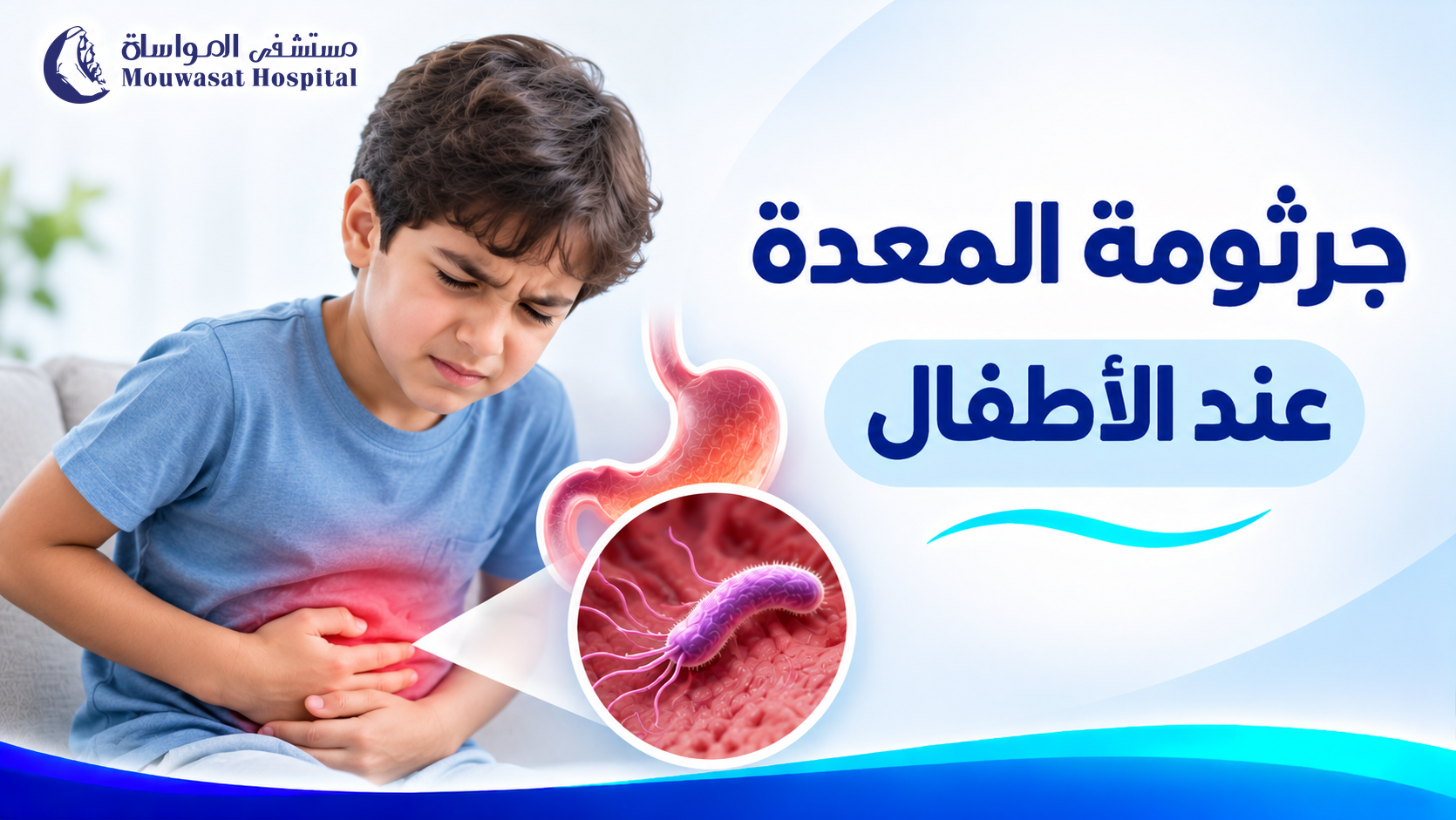
Helicobacter pylori (H. pylori) can infect children and adolescents. Many infections are acquired during childhood and may persist for years without causing noticeable symptoms.
However, recurrent abdominal pain does not necessarily mean that a child has H. pylori. Even when the bacteria are detected, they may not explain all the symptoms the child is experiencing.
For this reason, the approach to H. pylori in children differs from that used in adults. Modern pediatric guidelines emphasize identifying the underlying cause of gastrointestinal symptoms rather than simply testing for the bacteria and prescribing treatment. [1]
Key points:
- Children can have H. pylori without noticeable symptoms.
- Abdominal pain, nausea, and poor appetite are possible but nonspecific symptoms.
- Routine H. pylori testing is not recommended for every child with recurrent abdominal pain.
- Testing is recommended in children with gastric or duodenal ulcers or erosions.
- Treatment depends on the child's age, weight, medical history, and bacterial antibiotic susceptibility.
- Successful eradication should be confirmed 6 to 8 weeks after treatment.
When should you seek emergency care?
Seek immediate medical attention if your child vomits blood, passes black and tarry stools, develops sudden severe abdominal pain, faints, or shows signs of severe dehydration.
What Is H. pylori in Children?
H. pylori is a bacterium that colonizes the protective mucus layer of the stomach and can cause chronic inflammation of the gastric lining.
Many people acquire the infection during childhood, and it may persist without appropriate eradication treatment.
Although many infected children remain asymptomatic, some develop gastritis or peptic ulcer disease. [2]
For a broader overview of the infection, see H. pylori Infection: Causes, Diagnosis and Treatment.
How Do Children Acquire H. pylori?
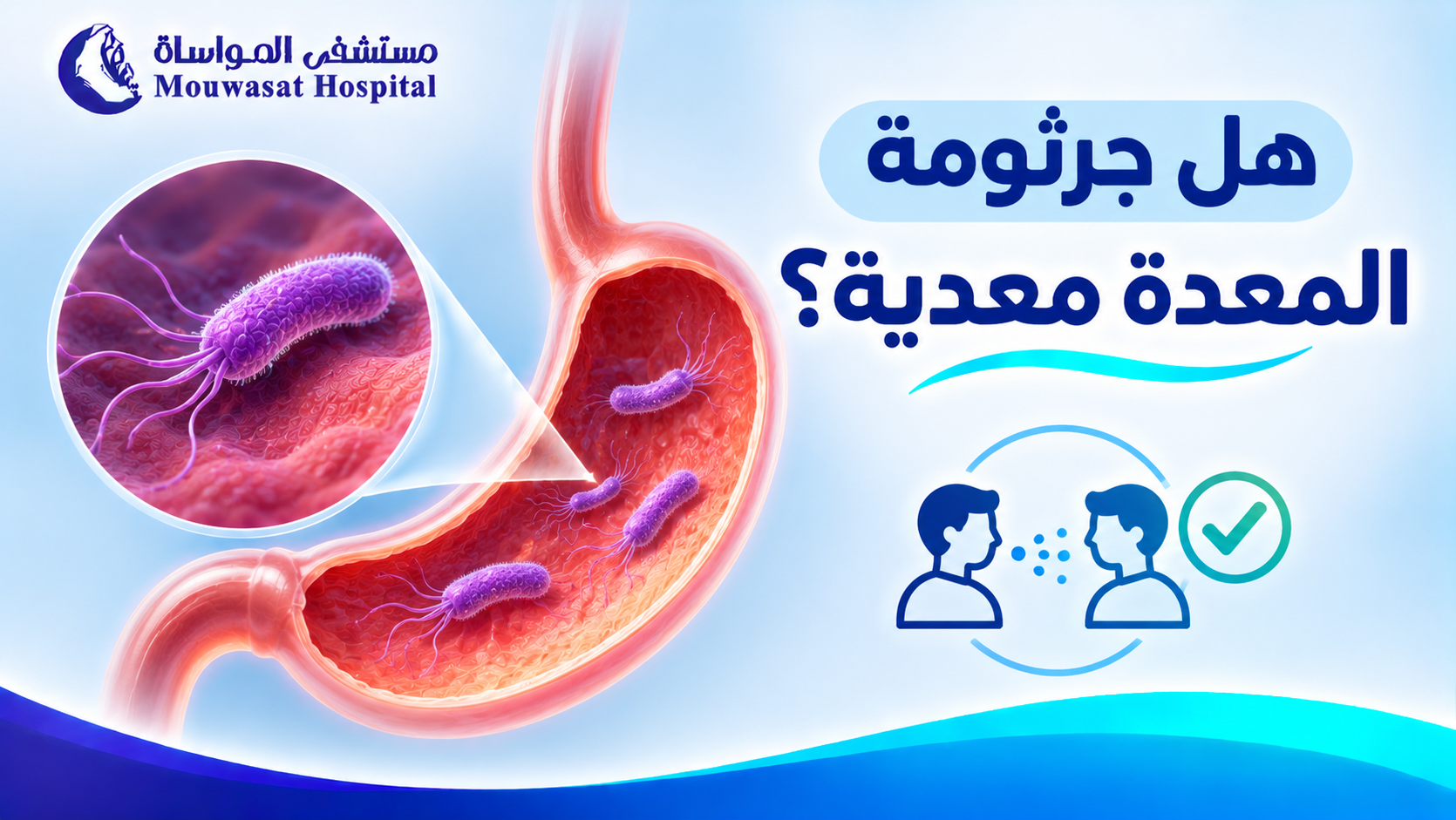
The exact transmission mechanisms are not completely understood, but infection may spread between household members or through contaminated food and water.
Potential risk factors include:
- Living with an infected household member.
- Inadequate hand hygiene.
- Limited access to safe drinking water.
- Crowded living conditions.
- Exposure to contaminated food or shared used utensils.
A positive H. pylori result does not necessarily reveal when the infection occurred or who transmitted it to the child.
Learn more about household exposure and prevention in Is H. pylori Contagious? How It Spreads Between Family Members.
What Are the Symptoms of H. pylori in Children?
Many children with H. pylori have no noticeable symptoms. When infection causes gastritis or peptic ulcer disease, gastrointestinal symptoms may develop.
Possible symptoms include:
- Upper abdominal pain or burning.
- Nausea.
- Vomiting.
- Poor appetite.
- Fullness or discomfort after eating.
- Weight loss in some cases.
Younger children may have difficulty describing where their stomach hurts or what the pain feels like. Parents may instead notice changes in appetite or repeated complaints during meals.
These symptoms overlap with many other childhood gastrointestinal conditions, so they cannot establish an H. pylori diagnosis on their own. [2] [3]
Does Recurrent Abdominal Pain Mean Your Child Has H. pylori?
No. Recurrent abdominal pain is common in children and may have several possible explanations.
Conditions that may need consideration include:
- Constipation.
- Gastroesophageal reflux.
- Food intolerances.
- Disorders of gut-brain interaction.
- Functional dyspepsia.
- Celiac disease.
- Other gastrointestinal and non-gastrointestinal conditions.
Some children experience functional abdominal pain, which is genuine pain that may occur without an identifiable structural disease.
What do pediatric guidelines recommend?
ESPGHAN and NASPGHAN guidelines advise against diagnostic H. pylori testing solely because a child has functional abdominal pain. Eradicating H. pylori has not been established as an effective treatment for this type of pain. [1]
Can H. pylori Affect a Child's Growth or Weight?
Persistent stomach discomfort, nausea, or gastritis may interfere with appetite and adequate food intake in some children.
However, poor growth, short stature, and inadequate weight gain have numerous possible nutritional, endocrine, gastrointestinal, and other medical causes.
Assessment should therefore include the child's growth chart, dietary intake, medical history, and relevant examinations rather than assuming that H. pylori is responsible.
Current pediatric guidelines advise against routine H. pylori testing when investigating short stature alone. [4]
Can H. pylori Cause Iron Deficiency in Children?
H. pylori infection may be associated with iron deficiency in some patients, but most children with iron-deficiency anemia require an evaluation for other common causes first.
These can include inadequate dietary iron, increased requirements during growth, impaired absorption, or blood loss.
Routine noninvasive H. pylori testing is not recommended as part of the initial evaluation of iron-deficiency anemia in children.
If appropriate iron treatment has failed and other causes have been excluded, H. pylori testing may be considered during upper endoscopy when that procedure is clinically indicated. [4]
When Should a Child Be Tested for H. pylori?
The decision should be based on a pediatric assessment rather than symptoms alone.
| Clinical situation |
Is H. pylori testing recommended? |
| Gastric or duodenal ulcers or erosions |
Testing is recommended, followed by treatment if infection is confirmed. |
| Functional abdominal pain |
Routine testing is not recommended for this reason alone. |
| Newly diagnosed iron-deficiency anemia |
H. pylori testing is not part of the routine initial investigation. |
| Iron deficiency that does not respond to appropriate treatment |
Testing may be considered during clinically indicated endoscopy after evaluating other causes. |
| Gastric cancer in a first-degree relative |
Noninvasive H. pylori testing may be considered under updated guidelines. |
| A parent has H. pylori |
Adult household screening recommendations should not automatically be applied to children. |
These recommendations are based on the updated joint ESPGHAN/NASPGHAN pediatric guidelines. [1] [4]

How Does Pediatric H. pylori Management Differ From Adult Management?
A noninvasive test-and-treat strategy may be appropriate for selected adults with dyspepsia and no alarm features.
In children, however, this strategy is not routinely recommended. The priority is establishing the cause of the child's symptoms and identifying underlying disease that requires treatment.
| Comparison |
Children |
Adults |
| Testing for dyspepsia |
Not routinely performed solely because symptoms are present. |
May be appropriate in selected patients. |
| Initial diagnosis |
Generally based on gastric biopsies when endoscopy is indicated, with selected exceptions. |
Breath or stool antigen testing may be appropriate. |
| Treatment selection |
Based on age, body weight, and antibiotic susceptibility. |
Uses appropriate adult regimens and doses. |
| Confirmation of eradication |
6 to 8 weeks after completion of therapy. |
At least 4 weeks after antibiotic treatment, according to ACG guidance. |
Parents should never give a child the same H. pylori prescription intended for an adult household member. [4] [5]
How Is H. pylori Diagnosed in Children?
Upper gastrointestinal endoscopy and gastric biopsies
When upper endoscopy is clinically indicated, the physician can examine the stomach and duodenum for inflammation, ulcers, or other abnormalities.
Small tissue samples can be collected to detect H. pylori and help guide antibiotic selection.
Current pediatric recommendations favor biopsy-based diagnosis using histopathology together with culture or appropriate molecular testing. [1]
Urea breath test
The carbon-13 urea breath test detects active H. pylori infection.
It has an important role in confirming eradication after treatment and may also be used in selected other clinical circumstances.
Stool antigen test
An appropriate laboratory-based monoclonal stool antigen test detects bacterial antigens in stool and is another recommended method of confirming successful eradication.
H. pylori blood antibody test
Antibody-based blood tests are not recommended for the routine clinical diagnosis of H. pylori in children.
Antibodies may remain detectable after an infection has resolved, so these tests cannot reliably confirm active infection or successful treatment. [4]
For a more detailed comparison of these methods, see H. pylori Testing: Breath Test vs. Stool Test.
How Is H. pylori Treated in Children?
When treatment is indicated, the goal is to eradicate the bacteria and address associated disease, such as peptic ulcer disease.
Treatment may involve:
- A suitable combination of antibiotics.
- An acid-suppressing medicine.
- A bismuth-containing medicine in selected regimens.
Many susceptibility-guided pediatric regimens are given for 14 days, although the exact combination, duration, and doses must be determined by the treating physician.
Antibiotic susceptibility testing is particularly important because of increasing bacterial resistance.
The updated pediatric guidelines advise against empiric clarithromycin-containing treatment when clarithromycin susceptibility has not been established. [4]
Why do medication doses differ in children?
Treatment selection takes several factors into account:
- The child's age and weight.
- Medication allergies.
- Available antibiotic susceptibility results.
- Previous antibiotic exposure.
- Underlying medical conditions.
- The child's ability to take particular medication formulations.
What if your child refuses to take the medication?
Some eradication regimens can cause an unpleasant taste, nausea, or gastrointestinal discomfort.
If your child has difficulty taking a medicine, ask the doctor or pharmacist about suitable ways of administering it.
Do not crush tablets, open capsules, or mix medicines with food without checking that this is appropriate for the specific formulation.
The prescribed course should be completed as directed, even if the child's symptoms improve before treatment ends.
When Should H. pylori Testing Be Repeated After Treatment?
Improvement in symptoms does not prove that the bacteria have been eradicated.
The updated pediatric guidelines recommend evaluating treatment success 6 to 8 weeks after completing eradication therapy. [4]
The recommended methods include:
- Carbon-13 urea breath testing.
- An appropriate two-step monoclonal stool antigen test.
Certain medicines can suppress bacterial detection and produce false-negative results. Your child's doctor should therefore provide instructions about medication timing before testing.
| Medication |
Recommended interval before confirmation testing |
| Proton pump inhibitors (PPIs) |
At least 2 weeks after discontinuation. |
| Antibiotics |
At least 4 weeks after discontinuation. |
| Bismuth-containing medicines |
At least 4 weeks after discontinuation. |
Do not discontinue medication that your child needs without consulting the treating physician.
What Should Children Eat During H. pylori Treatment?
There is no established diet that can eradicate H. pylori in children.
The nutritional priority is to provide adequate energy, protein, and nutrients for normal growth while choosing foods the child can comfortably tolerate.
Smaller meals may be easier for children experiencing nausea or early fullness.
Avoid unnecessary restrictions on dairy products, fruit, or entire food groups unless there is a specific medical or medication-related reason.
For general nutritional principles during treatment, see H. pylori Diet: What to Eat and What to Avoid During Treatment, keeping in mind that children have individual nutritional requirements.
Is H. pylori Dangerous in Children?
Many infected children do not develop serious complications, and several long-term complications associated with H. pylori are much less common during childhood than adulthood.
Nevertheless, infection may cause:
- Chronic gastritis.
- Gastric or duodenal ulcers.
- Gastrointestinal bleeding from a complicated ulcer.
Persistent infection may also have implications for stomach health later in life.
However, a positive H. pylori result in a child does not indicate that the child has cancer or faces an immediate cancer risk. [2] [3]
How Can Parents Reduce H. pylori Infection Risk?
Although no preventive measure guarantees complete protection, practical hygiene habits may help reduce exposure.
- Teach children to wash their hands after using the bathroom and before eating.
- Use safe drinking water.
- Wash fruit and vegetables thoroughly.
- Avoid sharing used eating and drinking utensils.
- Avoid giving antibiotics without a medical prescription.
Routine isolation from family members is not required solely because a child has H. pylori. [6]
When Should Your Child See a Doctor?
Arrange a pediatric assessment if your child experiences:
- Persistent or recurrent abdominal pain.
- Repeated vomiting.
- Significant loss of appetite.
- Unexplained weight loss or poor growth.
- Iron-deficiency anemia that does not respond to treatment.
- Digestive symptoms that interfere with eating, sleep, or daily activities.
Vomiting blood, black and tarry stools, sudden severe abdominal pain, fainting, or signs of severe dehydration require immediate emergency assessment. [7]

H. pylori Care for Children at Mouwasat Hospital
The Pediatric Department at Mouwasat Hospital provides care for children and adolescents, with pediatric gastroenterology, hepatology, nutrition, and endoscopy specialists available at selected Mouwasat hospitals.
A pediatric assessment can help identify the underlying cause of gastrointestinal symptoms, determine whether H. pylori testing is appropriate, and establish whether other investigations are needed.
When infection is confirmed, the treating physician can develop an age-appropriate treatment and follow-up plan based on the child's weight and medical condition.
Frequently Asked Questions About H. pylori in Children
Can children get H. pylori?
Yes. Many H. pylori infections are acquired during childhood and may persist for years without noticeable symptoms.
What are the symptoms of H. pylori in children?
Possible symptoms include upper abdominal pain, nausea, vomiting, and poor appetite. However, many infected children have no symptoms, and these complaints can have several other causes.
How can I tell if my child has H. pylori?
Symptoms alone cannot confirm infection. A pediatrician or pediatric gastroenterologist can determine whether testing is indicated.
Can H. pylori cause pain around the belly button?
Children may experience abdominal pain in different locations, but pain around the belly button is not specific to H. pylori infection.
Does H. pylori cause diarrhea in children?
Diarrhea is not a characteristic sign of H. pylori. It may result from another condition or occur as a side effect of eradication treatment.
Can H. pylori cause poor appetite?
Associated gastritis, nausea, or stomach discomfort may reduce appetite, but poor appetite alone does not establish the diagnosis.
Can H. pylori stunt a child's growth?
Poor growth has many possible causes. Routine H. pylori testing is not recommended solely because a child has short stature.
Should my child be tested if I have H. pylori?
Not automatically. Pediatric testing recommendations differ from adult household screening recommendations. The decision depends on individual clinical circumstances and risk factors.
What is the best H. pylori test for children?
The appropriate test depends on its purpose. Gastric biopsies may be used for initial diagnosis when endoscopy is indicated, while carbon-13 breath testing or an appropriate stool antigen test is recommended to confirm eradication.
Is a blood test recommended for children?
No. Antibody-based blood tests cannot reliably distinguish active infection from previous exposure and are not recommended for routine clinical diagnosis.
How long does H. pylori treatment last in children?
Many pediatric eradication regimens last 14 days. The specific medicines, duration, and doses depend on the child's clinical circumstances.
Can honey or herbal remedies cure H. pylori in children?
There is insufficient clinical evidence that these remedies eradicate H. pylori. They should not replace prescribed medical treatment.
When is H. pylori considered cured?
Successful eradication should be established with an appropriate follow-up test, generally performed 6 to 8 weeks after treatment ends.
Can H. pylori return after treatment?
Treatment failure or reinfection can occur. However, recurrent abdominal symptoms alone do not demonstrate that the infection has returned.
Conclusion
H. pylori infection can occur during childhood without noticeable symptoms, although some infected children develop gastritis or peptic ulcer disease.
Recurrent abdominal pain, poor appetite, and digestive discomfort are not sufficient to diagnose the infection, and routine H. pylori testing is not appropriate for every child experiencing these symptoms.
Pediatric management differs from adult management and requires attention to clinical indications, age, body weight, antibiotic susceptibility, and individual health needs.
When eradication treatment is provided, successful treatment should be confirmed with an appropriate test 6 to 8 weeks later.
Medical disclaimer: This article provides general health education and does not replace an individual pediatric assessment. Never give children antibiotics or adult H. pylori medicines without a medical prescription.
Medical References
- Updated Joint ESPGHAN/NASPGHAN Guidelines for Management of Helicobacter pylori Infection in Children and Adolescents (2023), Published 2024
- American Academy of Pediatrics — Helicobacter Pylori Infections
- Children's National Hospital — Pediatric H. pylori Infections
- ESPGHAN/NASPGHAN — Updated Pediatric H. pylori Guidelines: Summary of Recommendations
- American College of Gastroenterology — 2024 H. pylori Guideline Highlights
- Saudi Ministry of Health — Helicobacter pylori Infection Awareness
- Johns Hopkins Medicine — Helicobacter Pylori