How can i help you?

Blolgs

Knee Osteoarthritis: Does Walking Help or Make Pain Worse?

Knee Osteoarthritis: Does Walking Help or Make Pain Worse?

Knee Osteoarthritis: Does Walking Help or Make Pain Worse?

Knee Osteoarthritis: Does Walking Help or Make Pain Worse?
site.CALENDAR_IMAGE_ALT
18/10/2026

Knee Osteoarthritis: Does Walking Help or Make Pain Worse?

If you experience knee pain when walking or climbing stairs, you may wonder whether continuing to move will make the condition worse. Resting the knee can seem like the safest option, but appropriate movement and muscle-strengthening exercises are among the most important treatments for knee osteoarthritis.

Knee osteoarthritis is a chronic condition affecting the knee joint and its surrounding tissues. It may cause pain, stiffness, swelling, and difficulty with everyday movements. Clinical guidelines recommend regular, individualized therapeutic exercise because it can improve pain, physical function, and quality of life. Some discomfort may occur when starting an exercise program, but activity should be adapted when pain becomes severe, swelling increases, or walking becomes significantly more difficult. [1] [2]

This article explains the symptoms and causes of knee osteoarthritis, whether walking is beneficial, which exercises may help, the available nonsurgical treatments, and when knee replacement surgery may be considered.

Key points:
When is knee pain urgent?

Sudden severe pain with marked swelling, warmth, or redness, especially when accompanied by fever or feeling generally unwell, requires urgent medical assessment. A joint infection or another serious condition may need to be excluded. Inability to bear weight after an injury or obvious knee deformity also requires urgent evaluation. Do not assume these symptoms are simply an osteoarthritis flare, and do not attempt to treat them by continuing to walk or exercise. [7]

Contents

What Is Knee Osteoarthritis? Is It Just Cartilage Wear and Tear?

Knee osteoarthritis is a form of osteoarthritis, a chronic joint condition involving changes in cartilage, bone, and surrounding joint tissues.

Healthy cartilage helps the joint surfaces move smoothly. In osteoarthritis, changes may involve cartilage thinning, alterations in the underlying bone, bone spur formation, and changes in other tissues around the joint.

Therefore, knee osteoarthritis is not simply a condition in which two bones rub together after all the cartilage disappears. It affects the entire joint, and symptoms can vary significantly between individuals. [3]

The World Health Organization identifies the knee as the most frequently affected joint worldwide. It also emphasizes exercise, rehabilitation, and weight management when appropriate as important components of osteoarthritis care. [3]

Is knee osteoarthritis the same as rheumatoid arthritis?

No. Knee osteoarthritis primarily involves degenerative changes affecting the joint, whereas rheumatoid arthritis is an autoimmune inflammatory disease that may involve multiple joints and requires a different treatment approach.

Knee pain does not necessarily indicate either condition. Other possible causes include ligament injuries, meniscal problems, tendon disorders, gout, and other joint conditions.

Learn more in our article Arthritis: Types, Symptoms, and How Osteoarthritis Differs From Rheumatoid Arthritis.

What Are the Symptoms of Knee Osteoarthritis?

The symptoms of knee osteoarthritis vary according to joint changes, muscle strength, activity levels, and other individual factors. They often develop gradually.

1. Knee pain during walking and activity

Pain may occur when walking longer distances, standing for extended periods, climbing or descending stairs, or getting out of a chair.

Some people with more advanced symptoms also experience pain at rest or during the night.

However, the timing and severity of pain alone cannot determine the stage of osteoarthritis.

2. Knee stiffness after waking or resting

People may notice temporary stiffness when getting out of bed or standing after sitting for a long time.

Morning stiffness associated with osteoarthritis is often relatively brief, commonly lasting less than 30 minutes.

More prolonged morning stiffness, especially with swelling in several joints, may warrant assessment for an inflammatory joint condition. [4]

3. Clicking, cracking, or grinding sensations

Some people notice clicking, cracking, or a grinding sensation when bending or straightening the knee. This is sometimes called crepitus.

However, knee clicking without pain or swelling does not automatically indicate osteoarthritis.

Clicking alone also cannot establish the severity of joint damage or whether treatment is necessary.

4. Swelling or changes in knee shape

Mild or intermittent swelling may occur around the knee. In some advanced cases, the alignment of the leg may gradually change.

In contrast, sudden marked swelling with redness, warmth, or fever should not automatically be attributed to osteoarthritis.

5. Reduced knee movement

The knee may become more difficult to bend or straighten fully.

This can interfere with squatting, getting up from a chair, and everyday activities requiring repeated knee bending.

Reduced physical activity and thigh muscle weakness may further contribute to functional limitations.

6. Knee weakness or instability

Some people report that their knee feels unsteady while walking or changing direction.

This sensation can relate to muscle weakness or changes in joint mechanics.

True knee locking or sudden instability following an injury may indicate a different problem, such as meniscal or ligament damage, and should be assessed accordingly.

What Causes Knee Osteoarthritis?

Knee osteoarthritis does not have one universal cause. Several factors can contribute to its development or increase an individual's risk.

Although osteoarthritis is more common among older adults, younger people can also develop it, particularly following significant joint injuries. [3]

Is Walking Good or Bad for Knee Osteoarthritis?

Walking is generally beneficial for people with knee osteoarthritis when the activity is adapted to their symptoms, fitness level, and physical capacity.

NICE recommends individualized therapeutic exercise for all people with osteoarthritis, including local muscle strengthening and general aerobic activity.

The guidance also explains that pain or discomfort may initially increase during therapeutic exercise, but regular, sustainable activity can improve pain, function, and quality of life over time. [1]

How can walking help?

Appropriate walking can:

Walking does not rebuild damaged cartilage, and it is not the only exercise needed for every patient.

Some individuals benefit from combining walking with physiotherapy and strengthening exercises. Others may need activities that place less load on the knee while building their tolerance gradually.

Does walking wear away knee cartilage?

Appropriate, moderate walking should not automatically be considered a cause of accelerated cartilage damage in every person with knee osteoarthritis.

However, suddenly increasing walking speed or distance can temporarily worsen pain, especially when muscle strength and exercise tolerance are limited.

The aim is to build activity gradually and observe how the knee responds, rather than avoiding movement because of fear that any discomfort indicates damage.

Is walking better than resting?

Short periods of rest may help during a painful flare, but prolonged inactivity can contribute to stiffness, muscle weakness, and reduced physical capacity.

In many cases, balancing activity and rest and adjusting exercise intensity is more helpful than avoiding movement entirely.

When walking is difficult, alternative activities such as stationary cycling or water-based exercise may be considered after appropriate assessment.

Should You Continue Walking When Your Knee Hurts?

Some discomfort may occur when starting an exercise program. Not every increase in pain means that a new injury has developed.

However, the intensity, duration, and progression of symptoms matter.

What happens while walking? Suggested response
Mild, manageable discomfort that does not progressively worsen and settles after activity Continuing at a comfortable, low intensity may be reasonable while monitoring symptoms.
Pain increases with distance, causes limping, or continues to worsen after activity Reduce distance or pace, rest, and discuss adjusting the exercise plan if it recurs.
Marked swelling, severe pain, or a significant increase in stiffness the following day Temporarily stop the aggravating activity and seek assessment if symptoms are severe or persistent.
Sudden severe pain with redness, warmth, fever, or inability to bear weight Seek urgent medical assessment rather than treating it as routine osteoarthritis pain.

Important: This table provides general guidance, not a diagnostic test or individualized exercise prescription. A clinician or physiotherapist may recommend different activity limits depending on the person's health and symptoms.

How to Start Walking with Knee Osteoarthritis

The best walking program is one that matches your current abilities and can be maintained safely over time.

There is no single walking distance, speed, or duration that is appropriate for everyone with knee osteoarthritis. [2]

1. Begin with a manageable duration

If you have been inactive, walking for a few comfortable minutes on a level surface may be more appropriate than attempting a long walk immediately.

Short walking periods can be spread throughout the day and increased gradually as tolerated.

2. Choose a suitable surface and comfortable footwear

A level walking surface and comfortable, supportive footwear may help make walking more manageable.

Avoid sudden increases in activity intensity or challenging terrain if these consistently aggravate symptoms.

3. Adjust pace and distance

If your knee repeatedly becomes more painful after a certain walking distance, try a shorter distance and discuss gradual progression with a physiotherapist.

Meeting an arbitrary daily step target is less important than maintaining activity without substantial symptom worsening.

4. Include muscle-strengthening exercises

Walking helps support general fitness and mobility, but it does not replace exercises targeting the thigh, hip, and other muscles that support the knee.

Combining strengthening and aerobic exercise is often more useful than relying on walking alone. [1] [2]

5. Consider walking aids when needed

Some people may benefit from a walking stick or another mobility aid if pain or instability affects safe walking.

NICE recommends considering walking aids for individuals with lower-limb osteoarthritis when appropriate. [1]

How long should you walk each day?

There is no universal therapeutic duration.

A practical starting point is a period that is comfortable for your current physical capacity, followed by gradual adjustments based on your response.

People with persistent pain, significant weakness, or limited mobility may benefit from an individualized program supervised by a physiotherapist.

Which Exercises Are Best for Knee Osteoarthritis?

Therapeutic exercise is a cornerstone of knee osteoarthritis management.

Exercise aims to improve muscle strength, maintain joint movement, and support everyday function.

The American College of Rheumatology strongly recommends exercise for knee osteoarthritis, while emphasizing that the type of activity should reflect the person's needs, preferences, and abilities. [2]

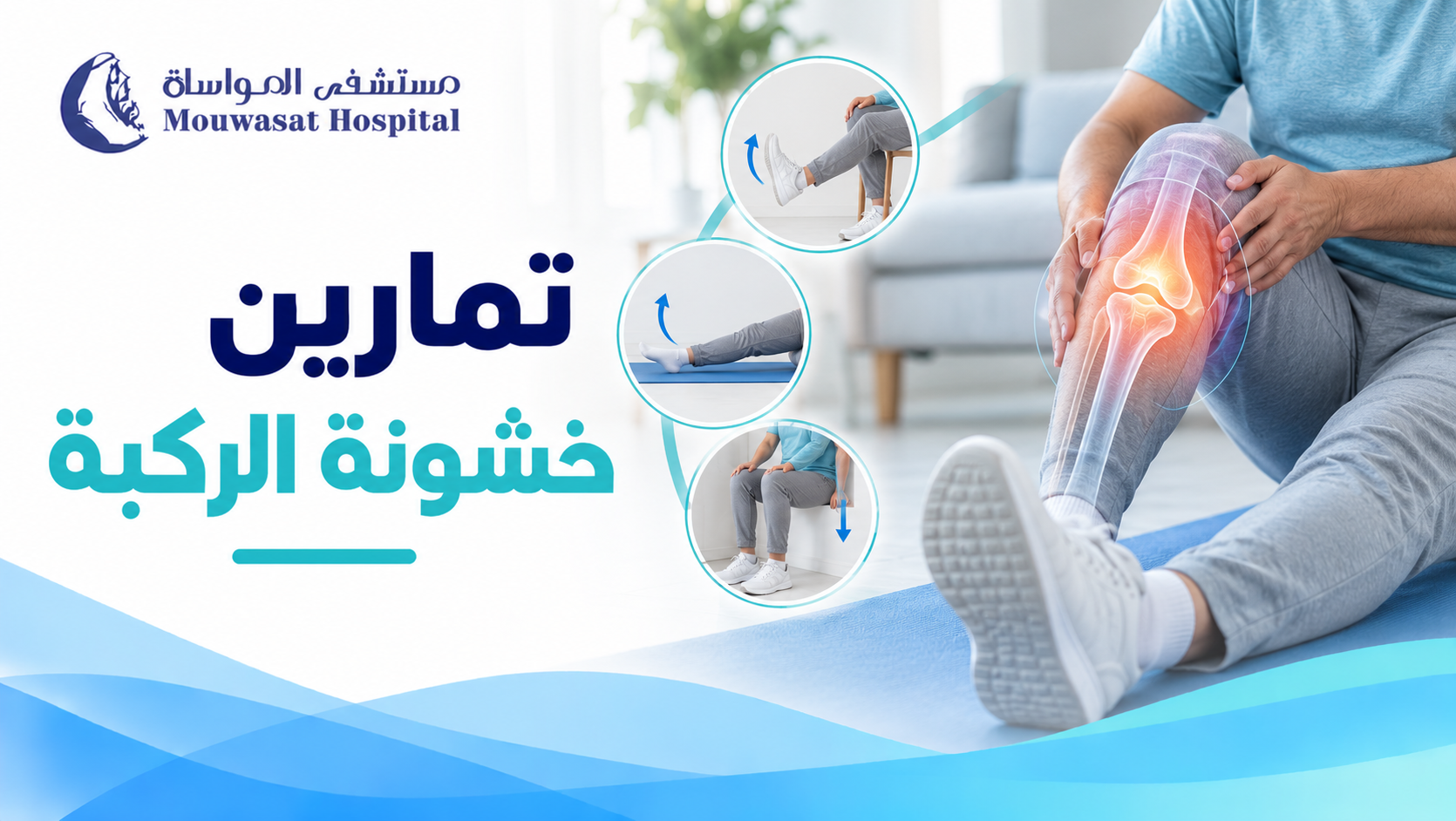
Quadriceps-setting exercises

Gentle contraction of the front thigh muscles while sitting or lying down may be included in a strengthening program.

These exercises aim to activate muscles supporting the knee without requiring forceful joint movement.

The appropriate technique, frequency, and repetitions should be determined according to individual needs.

Straight-leg raises

Raising the leg while keeping the knee straight may be useful in some rehabilitation programs.

However, the exercise should not cause severe pain or excessive strain, and it may need to be modified for people with other knee, hip, or back conditions.

Gentle knee bending and straightening

Comfortable range-of-motion exercises may help maintain knee flexibility and reduce stiffness.

The joint should not be forced into a painful range or pushed aggressively beyond what can be tolerated.

Chair-based sit-to-stand exercises

Practicing standing up from and sitting down on a stable chair may help build functional strength when a person's balance and symptoms allow.

Some individuals may need a higher chair, stable support, or supervision.

Stationary cycling and water-based exercise

Stationary cycling or exercising in water may offer alternative ways to remain active when long walks are difficult.

The most suitable choice depends on symptoms, fitness, medical conditions, and access to the activity.

Can physiotherapy help avoid knee surgery?

Physiotherapy can help many patients reduce pain, improve movement, and maintain independence.

For some, the improvement is sufficient to delay or avoid considering surgery.

However, physiotherapy cannot guarantee that surgery will never be needed, particularly when symptoms remain severe despite an appropriate treatment program.

The Physiotherapy Department at Mouwasat Hospital provides musculoskeletal rehabilitation, therapeutic exercises, strengthening, and movement training tailored to individual needs.

Book an appointment at Mouwasat Hospital

Does Every Knee Pain Mean Osteoarthritis?

No. Knee pain has many possible causes, and the likely explanation depends on factors such as symptom onset, location, swelling, previous injuries, and other associated symptoms.

Symptom pattern Possible cause What to consider
Gradual pain with joint use and brief stiffness after rest Knee osteoarthritis Common pattern, but not sufficient for diagnosis by itself.
Pain after twisting or injury, sometimes with locking or instability Meniscal or ligament injury May require an injury-focused examination and selected imaging.
Several swollen joints with prolonged morning stiffness Inflammatory arthritis, including rheumatoid arthritis May warrant rheumatology assessment.
Sudden severe pain in a hot, swollen joint Gout, septic arthritis, or another acute condition Requires urgent assessment to exclude joint infection.
Localized pain triggered by a particular movement or repetitive activity Tendon or surrounding soft-tissue problem Examination can help identify the actual source of pain.

These patterns provide general guidance, not a diagnosis.

For a broader explanation, read Joint Pain: What Causes It and When Is It Serious? and Early Rheumatoid Arthritis Symptoms: How RA Starts and How It Is Treated.

How Is Knee Osteoarthritis Diagnosed? What Do the Grades Mean?

Diagnosis begins with a clinical assessment of symptoms, their duration, the effect on everyday movement, and relevant medical history.

A physical examination may assess knee movement, alignment, swelling, tenderness, stability, and functional limitations.

Can knee osteoarthritis be diagnosed without imaging?

Often, yes.

NICE states that osteoarthritis can be diagnosed clinically in adults aged 45 or older who have activity-related joint pain and no morning stiffness, or stiffness lasting no longer than 30 minutes, provided there are no atypical features suggesting another diagnosis. [1]

This does not mean that younger people cannot develop osteoarthritis or that age 45 is an absolute diagnostic requirement.

When are knee X-rays needed?

X-rays may be useful when the diagnosis is uncertain, atypical symptoms are present, or further treatment planning requires imaging.

They can reveal changes such as narrowing of the joint space, bone spurs, and alterations in the bone beneath the joint surface.

However, routine imaging is not necessary for every patient with typical osteoarthritis, and repeat imaging is not generally required simply to monitor symptoms. [1]

Is an MRI necessary for knee osteoarthritis?

An MRI is not routinely required for typical knee osteoarthritis.

It may be considered when the clinician suspects another injury or condition that cannot be adequately assessed through the examination and initial investigations.

What are the grades of knee osteoarthritis?

One commonly used radiographic classification is the Kellgren–Lawrence grading system, which describes X-ray changes on a scale from 0 to 4.

Radiographic grade General description
0 No definite radiographic signs of osteoarthritis.
1 Possible or very minor radiographic changes.
2 More definite changes, including identifiable bone spurs.
3 Moderate to pronounced changes, including joint-space narrowing and bone changes.
4 Severe radiographic changes, including substantial joint-space narrowing and advanced bone changes.

Important: These are imaging grades, not direct measures of pain or disability.

A person with relatively mild X-ray changes may experience significant pain, while another with more advanced radiographic changes may have fewer symptoms.

Decisions about treatment and surgery therefore depend on clinical symptoms, daily function, and response to appropriate care, not the X-ray grade alone.

How Is Knee Osteoarthritis Treated Without Surgery?

No medication has been proven to restore an osteoarthritic knee joint completely to its original condition.

However, a combination of treatments can substantially improve pain, mobility, and quality of life.

Management generally focuses on individualized exercise, weight management when appropriate, education, symptom control, and selected additional interventions. [1] [2]

1. Exercise and physiotherapy

Muscle strengthening and appropriate aerobic activity are foundational treatments.

Physiotherapy can help patients learn safe exercise techniques, improve strength and mobility, and build a sustainable activity program.

Long-term consistency is often more beneficial than completing an intense exercise program for a short period and then stopping.

2. Weight loss when appropriate

For people living with overweight or obesity, weight loss may reduce knee pain and improve physical function.

NICE notes that any sustained weight reduction can be beneficial and that a reduction of approximately 10% may provide greater improvement than 5% for some individuals when achieved safely. [1]

Weight management should be individualized rather than imposed as a universal requirement for every patient.

For more information about nutrition and joint health, see Foods to Avoid With Arthritis: What Should You Limit and What Does Not Need to Be Banned?.

3. Topical anti-inflammatory medication

NICE recommends offering topical nonsteroidal anti-inflammatory drugs (NSAIDs) to people with knee osteoarthritis when medication is needed.

These treatments may be appropriate for some patients, although allergies, contraindications, and possible medication interactions still need consideration. [1]

4. Oral anti-inflammatory medication

Oral NSAIDs may be considered when appropriate, but they can have gastrointestinal, kidney, cardiovascular, and other adverse effects.

NICE recommends using the lowest effective dose for the shortest necessary period and considering suitable stomach protection when oral NSAIDs are prescribed. [1]

Do not take anti-inflammatory pain medicines frequently or for extended periods without medical guidance, especially if you have kidney disease, a history of stomach ulcers, cardiovascular conditions, or take blood-thinning medication.

5. Walking aids and knee supports

Walking sticks and selected supports may benefit individuals with pain, instability, or abnormal joint loading.

However, braces, specialized insoles, and other devices are not routinely necessary for everyone with knee osteoarthritis.

Selection should depend on the person's symptoms and an appropriate clinical assessment.

6. Heat, cold, and supportive care

Some people obtain temporary symptom relief from gentle warmth when stiffness is prominent or cold applications when discomfort and swelling increase after activity.

These measures do not rebuild cartilage and should be used carefully when sensation, circulation, or skin integrity is impaired.

Do Knee Injections Treat Osteoarthritis? What About Gel and PRP?

Some knee injections may provide symptom relief in selected circumstances, but their benefits, limitations, and evidence differ considerably.

Corticosteroid injections

Intra-articular corticosteroid injections may provide short-term relief for some patients when other treatment options are unsuitable or insufficient.

NICE advises that any benefit is generally temporary, typically around 2 to 10 weeks, and injections may be considered to help patients participate in therapeutic exercise. [1]

They do not reverse osteoarthritis or restore damaged cartilage. The risks and benefits of repeated injections should be discussed with a clinician.

Hyaluronic acid or gel injections

Hyaluronic acid injections have been used for symptom relief, but research findings are inconsistent and do not establish sufficient benefit for routine use in all patients.

NICE recommends against offering intra-articular hyaluronan for osteoarthritis, and the ACR guideline conditionally recommends against its routine use for knee osteoarthritis. [1] [2]

Platelet-rich plasma (PRP) injections

Platelet-rich plasma injections have been studied for knee osteoarthritis, but the preparation methods, platelet concentrations, and treatment protocols vary substantially across studies.

The ACR guideline strongly recommends against PRP injections for knee osteoarthritis, citing insufficient standardization and limitations in the evidence supporting consistent benefit. [2]

PRP should not be marketed as a proven method of restoring cartilage or guaranteeing that knee replacement will never be necessary.

Stem cells and regenerative treatments

Some regenerative treatments remain experimental or insufficiently supported by high-quality clinical evidence.

There is currently no established basis for promising that a stem cell injection can reliably rebuild damaged knee cartilage or permanently cure osteoarthritis.

Patients should discuss evidence, potential harms, cost, and regulatory approval with qualified clinicians before considering such treatments.

When Is Knee Replacement Surgery Considered?

Not everyone with knee osteoarthritis needs surgery.

Many patients improve with appropriate exercise, physiotherapy, weight management, and medication.

However, knee replacement may be considered when pain, stiffness, or reduced mobility substantially affects quality of life and adequate nonsurgical treatment has not provided sufficient relief. [1] [6]

Signs that may lead to a surgical discussion

Does grade 4 osteoarthritis always require knee replacement?

No. Advanced radiographic changes do not automatically mean that surgery is necessary.

Clinical guidelines emphasize the impact of symptoms, quality of life, and response to nonsurgical management rather than using an imaging grade alone to determine referral. [1]

Can knee arthroscopy cure osteoarthritis?

Arthroscopic washing or debridement is not recommended as a routine treatment for osteoarthritis alone because meaningful benefit has not been reliably established for this purpose.

Arthroscopy may still be considered for a separate, clearly identified knee problem in selected circumstances after orthopedic assessment.

It should not be presented as a procedure that restores osteoarthritic cartilage.

The Orthopedic Department at Mouwasat Hospital provides evaluation and treatment for musculoskeletal conditions, including joint disorders and knee replacement services when indicated.

When Should You See an Orthopedic Specialist for Knee Pain?

Arrange a professional evaluation if:

When is urgent assessment necessary?

Seek urgent medical assessment for sudden severe pain with warmth, redness, or significant swelling, especially if accompanied by fever or feeling unwell.

Inability to bear weight, obvious deformity, or signs of a serious injury also require prompt evaluation.

These symptoms may indicate a condition other than osteoarthritis, including septic arthritis or an acute injury. [7]

Should you see orthopedics, rheumatology, or physiotherapy?

The appropriate specialty depends on the likely diagnosis:

You can explore the Orthopedic Department and Physiotherapy Department at Mouwasat Hospital and review the services available at your preferred hospital location.

Meet our doctors at Mouwasat Hospital

Frequently Asked Questions About Knee Osteoarthritis

1. Is walking good for knee osteoarthritis?

Yes. Appropriate walking can improve mobility, fitness, and daily function. It is generally most helpful when combined with muscle-strengthening exercises and gradual activity progression.

2. Can walking worsen grade 3 or grade 4 knee osteoarthritis?

Walking recommendations cannot be determined from an X-ray grade alone. Some people can walk comfortably with suitable adjustments, while others need shorter distances, walking aids, or alternative exercises based on their symptoms and clinical assessment.

3. Should I stop walking when my knee hurts?

Not necessarily for mild, manageable discomfort when starting an exercise program. However, sharp or progressively worsening pain, limping, significant swelling, or inability to bear weight warrants stopping the aggravating activity and seeking appropriate assessment.

4. What is the best exercise for knee osteoarthritis?

There is no single best exercise for everyone. Walking, stationary cycling, water-based exercise, and strengthening of the thigh and hip muscles may all be useful. An appropriate program depends on the individual's symptoms, fitness, and medical history.

5. Can knee osteoarthritis be cured permanently?

No treatment has been proven to restore an osteoarthritic knee joint completely to its original condition. However, appropriate treatment can substantially reduce pain and improve mobility and quality of life.

6. Does knee clicking mean I have osteoarthritis?

No. Clicking can occur without osteoarthritis or another serious knee problem. It is more relevant when accompanied by pain, swelling, locking, or significant instability.

7. Can young adults develop knee osteoarthritis?

Yes. Although osteoarthritis becomes more common with age, younger people may develop it, particularly after previous knee injuries or in the presence of other risk factors.

8. Can losing weight reduce knee pain?

Yes. For people with knee osteoarthritis who are overweight or living with obesity, appropriate weight reduction can help reduce pain and improve function. The goal should be safe, realistic, and sustainable.

9. Do gel or PRP injections permanently cure knee osteoarthritis?

No. These injections have not been reliably shown to restore damaged cartilage or permanently cure knee osteoarthritis. Some clinical guidelines recommend against their routine use because of limited or inconsistent evidence of benefit.

10. Do I need an MRI to diagnose knee osteoarthritis?

Not in most typical cases. A clinician may diagnose osteoarthritis based on the symptom pattern and examination, using X-rays or other imaging when there is a specific clinical indication.

11. When does knee replacement become necessary?

Knee replacement may be discussed when persistent pain, stiffness, and functional limitations significantly affect daily life despite appropriate nonsurgical treatment. The decision depends on a clinical assessment and discussion of the benefits, risks, and alternatives.

12. Does climbing stairs make knee osteoarthritis worse?

Stair climbing may increase symptoms because it requires greater effort from the knee and supporting muscles. However, pain while using stairs does not automatically prove that new joint damage has occurred. Activity modification and strengthening may help according to the individual's condition.

Conclusion: Appropriate Movement Is Part of Knee Osteoarthritis Treatment

Knee osteoarthritis does not mean that you must stop walking or avoid using your knee.

Appropriate physical activity, muscle-strengthening exercises, and physiotherapy are among the most effective approaches for improving symptoms and maintaining everyday function.

The key is choosing suitable activities and progressing gradually while recognizing worsening pain, swelling, or warning signs that may indicate another condition.

Weight management when appropriate, carefully selected medications, and other treatments can complement exercise. Surgery is generally considered when substantial symptoms persist despite appropriate nonsurgical care.

If knee pain limits your ability to walk or affects your quality of life, explore the Orthopedic Department and Physiotherapy Department at Mouwasat Hospital for assessment and an individualized treatment plan.

Medical disclaimer: This article is intended for general health education and does not replace professional medical examination, diagnosis, or individualized treatment. Do not begin painful exercises or new medication without appropriate advice if you have a recent injury or unusual symptoms.

Medical and Scientific References

  1. NICE — Osteoarthritis in Over 16s: Diagnosis and Management (NG226).
  2. American College of Rheumatology / Arthritis Foundation — Guideline for the Management of Osteoarthritis of the Hand, Hip, and Knee.
  3. World Health Organization — Osteoarthritis.
  4. NHS — Osteoarthritis.
  5. Arthritis UK — Exercises for the Knees.
  6. American Academy of Orthopaedic Surgeons (AAOS) — Total Knee Replacement.
  7. NHS — Septic Arthritis.
  8. Mouwasat Hospital — Orthopedic Department.
  9. Mouwasat Hospital — Physiotherapy Department.


Prev
18/10/2026

Smiling Depression: When a Happy Face Hides Emotional Pain

Someone may laugh with friends, perform well at work, and appear confident in social situations while privately struggling with depressive symptoms. This experience is often described as smiling depression, a popular term for depression that may not be obvious from a person's outward appearance or behavior.

However, smiling depression is not a formally recognized, separate psychiatric diagnosis. A person may experience genuine depression while continuing to work, socialize, and smile, but these behaviors alone cannot establish or rule out a mental health condition. An appropriate diagnosis depends on the person's symptoms, medical history, and professional clinical assessment. [1] [2]

This article explores the meaning of smiling depression, the less visible signs of emotional distress, why some people hide their symptoms, and how to support someone who may be struggling without making assumptions about their mental health.

Key points:
  • Smiling depression is a descriptive, nonclinical term rather than a separate psychiatric diagnosis.
  • Someone may continue working, smiling, and interacting socially despite experiencing significant depressive symptoms.
  • Loss of interest or pleasure, persistent fatigue, sleep disturbances, and feelings of hopelessness are symptoms worth recognizing.
  • Some people may conceal emotional distress because of social stigma, fear of judgment, or difficulty asking for help.
  • Depression severity and safety risks cannot be determined from someone's appearance or professional success.
  • Effective treatments for depressive disorders are available, and people do not have to wait until daily life becomes unmanageable before seeking help.
Important safety information:

If someone expresses suicidal thoughts accompanied by intent or a plan to harm themselves, or there is an immediate threat to their safety, seek emergency assistance. Do not leave a person alone when they are at immediate risk. In Saudi Arabia, call 997 for an ambulance or go to the nearest emergency department. A person's smile or apparently normal behavior should never be used as evidence that they are safe when serious warning signs are present. [2] [8]

What Is Smiling Depression?

Smiling depression describes a situation in which someone experiences depressive symptoms while presenting themselves to others as happy, sociable, or generally well-functioning.

They may be known for their optimism, professional accomplishments, or willingness to help others, yet privately experience exhaustion, emptiness, hopelessness, or a reduced ability to enjoy life.

Importantly, smiling depression is not an independent diagnosis in established psychiatric classification systems.

Some people described by this term may meet the criteria for major depressive disorder or persistent depressive disorder. Others may be experiencing emotional distress without meeting the full criteria for a depressive disorder.

Only an appropriate clinical assessment can determine what is happening. [1] [3]

A smile, therefore, does not prove that depression is absent. Equally, concealing emotions does not prove that someone has depression.

How is smiling depression different from hiding ordinary sadness?

People sometimes choose not to discuss personal difficulties at work or during social occasions. This is a common human behavior and does not automatically indicate a mental health disorder.

Clinical depression, by contrast, involves a pattern of symptoms that may include persistent low mood or loss of interest and pleasure, together with changes in sleep, appetite, energy, thinking, and daily functioning.

For major depressive disorder, relevant symptoms generally occur for most of the day, nearly every day, for at least two weeks, alongside other diagnostic criteria.

However, someone experiencing severe distress or safety concerns should seek help without waiting for that duration. [1]

To learn more about the core symptoms, read Depression Symptoms: How to Recognize the Signs and Distinguish Depression from Sadness.

Can Someone Laugh and Still Have Depression?

Yes. Someone with depression can laugh, enjoy particular moments, and perform well at work. Depression does not necessarily mean looking sad every minute of the day.

Depressive disorders do not always eliminate every positive emotion. Similarly, being able to fulfill certain responsibilities does not mean that a person is free from emotional difficulties.

For example, an employee may appear enthusiastic during meetings, make jokes with colleagues, and complete important assignments, yet struggle with motivation and sleep after returning home.

Another person may maintain friendships and family responsibilities while privately feeling disconnected from activities they previously enjoyed.

These examples illustrate how outward functioning and internal experiences can differ. They are not diagnostic scenarios: fatigue, reduced motivation, and sleep difficulties can also result from stress or medical conditions.

Does someone who smiles while depressed deliberately hide their feelings?

Not always.

Some individuals consciously choose not to share their emotional difficulties. Others continue their usual social behavior without intentionally concealing anything.

A person may also struggle to recognize depressive symptoms in themselves, particularly when changes develop gradually.

It is therefore inappropriate to assume that someone is secretly depressed simply because they appear cheerful around others but sometimes prefer to spend time alone.

What Are the Signs of Smiling Depression?

There is no separate diagnostic checklist for smiling depression.

However, someone who conceals emotional distress may experience recognized symptoms of depression that are not immediately obvious in their social interactions.

1. Loss of interest or pleasure despite staying active

A person may continue attending social events, practicing hobbies, or completing daily responsibilities without experiencing their usual sense of enjoyment or satisfaction.

They might participate because they feel obligated, want to maintain relationships, or prefer to preserve their routine.

Loss of interest or pleasure, also called anhedonia, is one of the core symptoms clinicians assess when evaluating possible depression. [1]

2. Feeling exhausted after social interactions

Some people feel they must make a considerable effort to appear cheerful or energetic around others.

After work or social gatherings, they may feel emotionally drained and seek time alone to recover.

However, feeling tired after a busy day does not by itself indicate depression. It can also reflect normal fatigue, insufficient sleep, or other health problems.

The symptom becomes more relevant when it is persistent and accompanied by other changes such as low mood or loss of pleasure.

3. Changes in sleep and appetite

Depression can involve insomnia, early-morning awakening, excessive sleeping, changes in appetite, and unintended weight changes.

These symptoms may remain unnoticed by friends and colleagues when the person continues presenting themselves as well and fulfilling their normal responsibilities.

Learn more in our article Physical Symptoms of Depression: Fatigue, Sleep, Appetite, and Body Pain.

4. Feeling empty or hopeless in private

Some individuals experience persistent emptiness, pessimism, or a loss of meaning despite appearing optimistic during ordinary conversations.

They may avoid discussing these feelings because they worry about upsetting loved ones or being judged for their emotional difficulties.

Persistent hopelessness deserves particular attention as part of an assessment of depression and individual safety.

5. Difficulty concentrating or making decisions

Depression can affect concentration, decision-making, and the ability to manage tasks efficiently.

Someone who appears productive may privately notice that familiar responsibilities now require much greater effort.

They may also struggle to organize daily activities, maintain attention, or make ordinary decisions.

6. Gradual withdrawal from relationships or activities

Someone may continue meeting essential obligations while gradually becoming less involved in friendships, hobbies, or activities they previously valued.

This withdrawal may be subtle and difficult for others to notice.

Nevertheless, enjoying solitude or needing personal time is not itself a sign of depression. Clinicians are more concerned with persistent changes from a person's usual behavior, especially when other depressive symptoms are present.

7. Minimizing or concealing emotional distress

Some people regularly tell others that they are fine despite experiencing emotional difficulties.

They may change the subject when asked about their well-being or downplay the severity of their symptoms.

These behaviors may be relevant when combined with persistent depressive symptoms, but they cannot establish a diagnosis independently.

A 2025 research study examining the concealment of depression symptoms found that some individuals actively modify their social presentation, including displaying positive emotions while concealing distress. [4]

Why Do Some People Hide Their Depression?

There is no single explanation for why someone may conceal depressive symptoms.

Individual reasons can involve social expectations, personal beliefs, relationships, and difficulties recognizing or communicating emotional experiences.

Fear of judgment or stigma

Some people worry that discussing mental health concerns will cause others to see them as weak, unreliable, or unable to manage their responsibilities.

They may also fear that being open about psychological difficulties could change how they are treated by relatives, friends, or colleagues.

Not wanting to worry loved ones

Someone may keep their feelings private because they believe that sharing them will cause family members or friends unnecessary concern.

Although this may come from a desire to protect others, prolonged silence can sometimes reduce opportunities to receive helpful support.

Feeling pressure to remain strong or successful

People who are accustomed to supporting others may believe they must always appear capable, optimistic, or emotionally stable.

This pressure can be particularly challenging when a person has responsibilities at home or in the workplace.

Being responsible or resilient does not mean someone should have to manage mental health difficulties alone.

Difficulty recognizing depression symptoms

In some cases, concealment is not intentional.

A person may attribute low energy, sleep disturbances, or loss of enjoyment to a demanding job or a stressful period, without recognizing that the symptoms may warrant mental health assessment.

This can delay appropriate care, especially when the person remains able to perform their basic responsibilities.

What does research say about camouflaging depression?

A study titled Camouflaging Depression, published in Discover Mental Health in May 2025, examined behaviors related to concealing depressive symptoms among 292 participants with a history of depression or relevant depressive symptoms.

The researcher developed a measure to investigate these behaviors and identified associations between depression camouflaging and indicators of distress, fatigue, and internalized stigma. [4]

These findings are informative, but several limitations matter:

  • The study examined associations and did not establish that concealment causes depression or makes it more severe.
  • The sample was recruited for research and should not be considered representative of everyone with depression.
  • The newly developed measurement tool is not an established diagnostic test for smiling depression.

The practical message is that outward social behavior may not fully reflect someone's internal emotional experience, and direct, respectful communication is more useful than judging mental health from appearance alone.

Is Smiling Depression the Same as Atypical or Hidden Depression?

Several terms appear in online discussions of mental health, including smiling depression, hidden depression, masked depression, and high-functioning depression.

These expressions are not necessarily interchangeable, and they should not all be presented as distinct medical diagnoses.

Term What it usually describes Is it a separate diagnosis?
Smiling depression Someone who appears happy or socially well-functioning despite experiencing depressive symptoms. No. It is a popular descriptive term.
Hidden depression Depressive symptoms that are not obvious to others or are not openly discussed. No. It is a general descriptive expression.
High-functioning depression Depressive symptoms in someone who continues performing some daily responsibilities. No. It is not an independent formal diagnosis.
Depression with atypical features A clinical pattern involving temporary mood improvement in response to positive events and other specific features. A recognized clinical specifier, not a synonym for smiling depression.

What makes depression with atypical features different?

One defining feature of atypical depression is that mood may temporarily improve in response to positive events.

Other characteristics may include increased appetite, excessive sleeping, a heavy feeling in the limbs, and pronounced sensitivity to rejection.

These clinical features are not required for someone to be described informally as having smiling depression.

Similarly, smiling or being socially active does not establish atypical depression. [6]

For an explanation of recognized depressive disorders and patterns, explore Types of Depression: Major, Persistent, and Seasonal Patterns.

Is Smiling Depression Dangerous?

Depression can involve serious risks even when symptoms are not visible to others. However, there is insufficient evidence to classify smiling depression as automatically more dangerous than other forms of depression.

One potential concern is that friends, relatives, or colleagues may overlook emotional distress because someone appears successful, socially active, or cheerful.

The person may also delay seeking professional help because they believe that being able to work or laugh means they cannot be experiencing depression.

Nevertheless, appearance, professional functioning, and the number of outwardly visible symptoms do not provide a reliable assessment of individual risk.

What actually determines the level of concern?

A clinical evaluation considers several factors, including:

  • The severity, duration, and progression of symptoms.
  • The effects on sleep, employment, relationships, and self-care.
  • Coexisting mental or physical health conditions.
  • Thoughts of self-harm or suicide, including any intention or plan.
  • Psychotic symptoms or significant changes in behavior that may affect safety.
  • Previous mental health history and available social support.

NICE recommends a comprehensive depression assessment rather than relying solely on symptom counts. Its guidance also emphasizes directly assessing suicidal thoughts and intent and arranging help appropriate to a person's needs and safety. [2]

Anyone who describes significant emotional distress deserves to be taken seriously, regardless of how happy or successful they may appear.

How Can You Recognize Emotional Distress in Someone Who Seems Happy?

There is no reliable way to diagnose depression from facial expressions, photographs, or social media activity.

However, noticeable and persistent changes in a person's usual behavior may be an opportunity to check on their well-being without assuming that they have a particular condition.

Changes that may be worth discussing

  • Losing interest in hobbies or activities they previously enjoyed.
  • Frequently mentioning tiredness, poor sleep, or concentration difficulties.
  • Gradually withdrawing from social contact outside essential commitments.
  • Expressing hopelessness, worthlessness, or a loss of meaning.
  • Becoming noticeably more irritable or behaving differently from usual.
  • Struggling with self-care or responsibilities that were previously manageable.

These changes can have many explanations, including stress, anxiety, physical illness, or ordinary changes in circumstances.

They should therefore prompt understanding and conversation, not a diagnosis made by a friend or family member.

Can social media reveal smiling depression?

Not reliably.

People naturally select which parts of their lives they share online. Happy photographs do not prove an absence of depression, while sad posts or reduced activity do not prove that a person has it.

Direct, respectful conversation is more informative than trying to infer someone's mental health from their online image.

Book an appointment at Mouwasat Hospital

How Can You Support Someone Who Hides Their Emotional Struggles?

Talking about mental health can be difficult, particularly for someone who feels expected to remain strong or cheerful around others.

Supporting them does not require solving every problem. Listening without judgment, respecting their privacy, and encouraging appropriate professional care can make a meaningful difference. [5]

Start with concern, not a diagnosis

You might mention that you have noticed they seem unusually tired or that you care about how they are doing.

Give them the opportunity to speak without pressuring them to share details they are not ready to discuss.

Avoid assuming that a particular change in behavior means they have depression.

Listen without minimizing their feelings

Statements suggesting that someone has no reason to feel depressed because their life looks good may discourage them from being open.

A more supportive approach is to acknowledge that emotional pain is not always visible and ask what kind of help would be useful.

What to say and what to avoid

Instead of saying Try saying Why it helps
Your life is great. What do you have to be depressed about? I know it may not be obvious what you're going through. I'm here to listen. Acknowledges emotional distress without questioning its legitimacy.
You're always smiling. You can't be depressed. I don't want to assume how you feel just from how you look. How have you really been? Separates outward behavior from internal experience.
Just stop thinking negatively and you'll feel better. Is there something I can help you with? We can look into professional support if you'd like. Offers practical support instead of oversimplifying the problem.
You have to tell me everything right now. You can share as much or as little as you're comfortable with. I'm here when you need me. Respects privacy and reduces pressure.

These are examples of supportive communication rather than substitutes for professional care when it is needed.

Offer practical help and stay connected

You can offer to help find a mental health professional, arrange an appointment if the person wishes, accompany them to a consultation, or check in regularly without becoming intrusive.

Respect confidentiality and avoid sharing their personal information without permission, except when disclosure is necessary to protect someone from a serious safety threat.

What if they mention self-harm or suicide?

Take the concern seriously. Ask calmly and directly whether they are thinking about harming themselves, and whether they have any intention or plan to do so.

If there is an immediate threat, seek emergency help, do not leave the person alone, and help create a safer environment if you can do so without placing yourself or others at risk.

Do not promise to keep a secret when doing so would put someone's life in danger. [2]

Is There a Test for Smiling Depression?

There is no established, independent diagnostic test specifically for smiling depression. The term itself does not represent a separate psychiatric disorder.

Online quizzes may claim to identify smiling depression, but their results cannot confirm a depressive disorder, determine its severity, or predict an individual's safety risks.

What about the PHQ-9?

The Patient Health Questionnaire-9 (PHQ-9) is one of several validated tools that healthcare professionals may use to screen for depressive symptoms, estimate symptom burden, and monitor change over time.

However, questionnaire scores do not replace a clinical assessment of the person's symptoms, medical and mental health history, functional impairment, and possible alternative explanations. [2] [3]

How does a clinician make a diagnosis?

An evaluation may include:

  • Asking about persistent low mood or loss of interest and pleasure.
  • Reviewing sleep, appetite, energy, concentration, guilt, and hopelessness.
  • Assessing how long symptoms have been present and how they affect daily life.
  • Discussing medical conditions, medications, family history, and stressful experiences.
  • Asking about previous periods of unusually elevated mood or energy to consider possible bipolar disorder.
  • Assessing safety concerns, including thoughts of suicide or self-harm.
  • Considering a physical examination or targeted laboratory tests when clinically appropriate.

The goal is not to prove that someone has a condition called smiling depression, but to determine whether they have a recognized depressive disorder or another condition that would benefit from appropriate care.

How Is Depression Treated When Its Symptoms Are Not Obvious to Others?

Effective treatment depends on the underlying diagnosis, symptom severity, medical history, and the individual's circumstances.

Being able to smile or function socially does not change the need for an appropriate clinical assessment.

Evidence-based treatment options for depression may include psychological therapy, medication when indicated, or a combination of both. [1] [2]

Psychological therapy

Psychological interventions, such as cognitive behavioral therapy and interpersonal therapy, can help people understand and address relevant thoughts, behaviors, emotional difficulties, and relationship patterns.

Therapy may also provide a confidential setting to discuss concerns about expressing vulnerability, seeking support, or maintaining an outward appearance of being well.

Antidepressant medication when appropriate

Depending on the diagnosis and severity of symptoms, a clinician may recommend antidepressant medication.

Meaningful improvement may take several weeks, and both the benefits and possible side effects vary between individuals.

Psychiatric medications should not be started, stopped, or adjusted without appropriate medical advice.

Social support and daily routines

Consistent sleep routines, appropriate physical activity, supportive relationships, and manageable daily routines may complement a treatment plan.

However, these measures are not guaranteed substitutes for professional treatment and should not be used to suggest that depression can simply be overcome by choosing to think positively.

Does someone need to stop hiding every emotion to recover?

No. People have a right to privacy and can choose whom they trust with personal information.

Recovery does not require sharing every emotional experience with everyone.

What matters is that difficulty discussing symptoms does not prevent someone from accessing professional assessment or treatment when needed.

For a detailed discussion of available approaches, see Depression Treatment: Therapy, Medication, and When Improvement Begins.

You can also explore What Causes Depression? Risk Factors and Conditions That Mimic Its Symptoms to understand the different factors that may contribute to depressive symptoms.

When Should You Seek Professional Help?

Consider speaking with a healthcare professional if low mood, loss of enjoyment, sleep changes, reduced energy, concentration problems, or feelings of hopelessness persist or affect your quality of life.

Professional support may be appropriate even when you are still able to work, maintain relationships, and meet your usual responsibilities.

You do not need to wait until your symptoms become obvious to others or until everyday life feels completely unmanageable.

When is urgent help necessary?

Seek urgent assistance if someone experiences:

  • Suicidal thoughts accompanied by intent or a plan to harm themselves.
  • Behavior that creates an immediate risk to themselves or other people.
  • Hallucinations or delusions accompanied by severe psychological deterioration.
  • Severe difficulties maintaining basic self-care or personal safety.

In an immediate emergency in Saudi Arabia, call 997 for an ambulance or go to the nearest emergency department. A routine outpatient booking is not a substitute for emergency care. [8]

Where can you find specialist support?

The Psychiatry Department at Mouwasat Hospital provides assessment and care for a range of mental health conditions, including depressive disorders, according to the services available at each hospital location.

You can explore available physicians and appointment options to find appropriate professional support.

Seeking help is a meaningful step even when your emotional difficulties are not visible to the people around you.

Meet our doctors at Mouwasat Hospital

Frequently Asked Questions About Smiling Depression

1. What is smiling depression?

Smiling depression is a popular term describing someone who experiences depressive symptoms while appearing happy, sociable, or capable of maintaining daily responsibilities. It is not a separate clinical diagnosis, and professional assessment is needed to identify the actual condition.

2. Can someone be depressed and still laugh?

Yes. Someone with depression can laugh, enjoy certain experiences, and continue working or socializing. These behaviors do not rule out depression, but smiling alone does not indicate that a person has it either.

3. Is smiling depression more dangerous than severe depression?

There is insufficient evidence to rank smiling depression as inherently more dangerous. Concealed symptoms may be harder for others to notice, but actual risk depends on the severity of symptoms, individual circumstances, and any concerns about safety.

4. Is there a reliable smiling depression test?

There is no independently established diagnostic test for smiling depression. Screening instruments such as the PHQ-9 may help assess depressive symptoms, but they cannot diagnose smiling depression as a separate condition or replace clinical evaluation.

5. Is smiling depression the same as hidden depression?

The terms are sometimes used similarly in everyday language to describe emotional suffering that is not obvious to others. However, neither is a separate formal diagnosis, and they should not automatically be equated with atypical depression or persistent depressive disorder.

6. Why do some people hide their depressive symptoms?

Possible reasons include fear of social judgment, reluctance to worry loved ones, pressure to appear strong, or difficulty discussing emotions. Motivations vary, and some people may not recognize their experiences as possible symptoms of depression.

7. Can smiling depression affect both men and women?

Yes. Less visible depressive symptoms can occur in people of any gender. No single outward behavior or gender-specific sign reliably identifies depression.

8. Does being successful at work mean someone cannot have depression?

No. Some individuals maintain professional performance despite experiencing significant depressive symptoms. However, professional success does not prove depression either. Diagnosis depends on clinical symptoms and assessment.

9. How can I support someone who says they are depressed but seems happy?

Listen without questioning the legitimacy of their feelings. Avoid assuming that their appearance fully reflects their emotional state. Encourage professional assessment when appropriate and offer practical support, while responding immediately to any signs of imminent self-harm risk.

Conclusion: A Smile Does Not Always Tell the Whole Story

Not everyone who smiles feels happy all the time, and not everyone with depression looks visibly sad.

Some individuals continue their work, maintain relationships, and appear cheerful despite experiencing depressive symptoms that deserve attention.

However, smiling depression remains a descriptive term rather than an independent medical diagnosis.

Recognizing meaningful symptoms, respecting people's experiences, and avoiding judgments based solely on appearance are more valuable than attempting to label someone according to how they look.

If you are experiencing persistent emotional difficulties, or are concerned about someone close to you, professional support can help clarify what is happening and guide appropriate care.

Learn more about the Psychiatry Department at Mouwasat Hospital and the physicians available at your preferred hospital location.

Medical disclaimer: This article is intended for general health education and does not replace professional medical assessment, diagnosis, or treatment.

Medical and Scientific References

  1. National Institute of Mental Health (NIMH) — Depression.
  2. NICE Guideline NG222 — Depression in Adults: Treatment and Management.
  3. Mayo Clinic — Depression: Diagnosis and Treatment.
  4. Brown S. — Camouflaging Depression. Discover Mental Health. 2025;5:71.
  5. NHS — How to Help Someone with Depression.
  6. Cleveland Clinic — Atypical Depression: Symptoms, Diagnosis and Treatment.
  7. World Health Organization (WHO) — Depressive Disorder (Depression).
  8. Saudi Red Crescent Authority — Emergency Ambulance Service (997).
Knee Osteoarthritis: Does Walking Help or Make Pain Worse?

Next
Knee Osteoarthritis: Does Walking Help or Make Pain Worse?
18/10/2026

Physical Symptoms of Depression: Fatigue, Sleep, Appetite, and Body Pain

Depression does not affect emotions alone. It can also cause physical symptoms such as persistent fatigue, sleep disturbances, changes in appetite and weight, headaches, muscle or back pain, and digestive problems. These symptoms are real and may significantly affect daily life, even when a person cannot identify an obvious explanation for them.

However, fatigue, pain, or sleep problems do not automatically mean someone has depression. Similar symptoms may occur with anemia, thyroid disorders, sleep conditions, chronic illnesses, or medication effects. An appropriate assessment therefore considers physical and emotional symptoms together rather than assuming that unexplained physical complaints must have a psychological cause. [1] [2]

Key points:
  • Common physical symptoms of depression include fatigue, low energy, insomnia or excessive sleeping, appetite changes, and recurring aches and pains.
  • Physical complaints may be prominent even when sadness is not the person's main concern.
  • Pain and depression can influence each other: chronic pain may worsen depressive symptoms, while depression can make pain harder to manage.
  • No single physical symptom confirms depression, and other medical conditions may need to be considered.
  • Persistent or worsening symptoms deserve assessment, while certain warning signs require emergency care.
Important medical warning:

Do not assume that sudden persistent chest pain, severe difficulty breathing, sudden weakness on one side of the body, or difficulty speaking is caused by depression or anxiety. These symptoms may indicate a medical emergency. Suicidal thoughts accompanied by intent or a plan to harm oneself also require urgent intervention. In an immediate emergency in Saudi Arabia, call 997 for ambulance assistance or seek care at the nearest emergency department. [6] [7] [8]

What Are the Physical Symptoms of Depression?

Physical symptoms of depression can involve changes in energy levels, sleep, appetite, movement, pain perception, and other bodily functions. They may occur as part of a depressive episode or alongside a separate medical condition.

The National Institute of Mental Health (NIMH) identifies fatigue, low energy, sleep disturbances, appetite and weight changes, physical aches, headaches, cramps, and digestive complaints among the symptoms that may accompany depression.

The NHS also describes physical symptoms such as constipation, slowed movement or speech, low sex drive, and disrupted sleep. [1] [2]

The pattern varies considerably. One person may experience insomnia and a loss of appetite, while another sleeps longer than usual and develops an increased appetite.

It is important to distinguish these symptoms from a clinical diagnosis. Physical complaints alone cannot establish major depressive disorder. Clinical evaluation also considers persistent low mood or loss of interest or pleasure, along with other symptoms, their duration, and their effects on daily life. [5]

For an explanation of the emotional and behavioral signs, read Depression Symptoms: How to Recognize the Signs and Distinguish Depression from Sadness.

1. Fatigue, Exhaustion, and Low Energy

Persistent fatigue is one of the most frequently reported physical symptoms of depression. Everyday activities may begin to feel unusually demanding, including taking a shower, preparing meals, commuting to work, or completing routine household tasks.

Some people wake up exhausted despite spending sufficient time in bed. Others find it difficult to start tasks or maintain their usual level of activity throughout the day.

Why can depression cause fatigue?

Several factors may contribute to fatigue during depression, including disrupted sleep, changes in motivation and activity levels, and difficulties maintaining everyday routines.

Reduced physical activity and persistent pain may also increase the overall burden of fatigue.

Depression-related tiredness should not be explained as a simple deficiency in a single brain chemical. The relationship between mood, sleep, energy regulation, and physical health is complex.

Does persistent fatigue mean you have depression?

No. Tiredness is a common, nonspecific symptom and may also occur with:

  • Anemia or iron deficiency.
  • Hypothyroidism.
  • Sleep disorders, including obstructive sleep apnea.
  • Diabetes and other chronic medical conditions.
  • Infections or medication side effects.

Persistent unexplained fatigue should be discussed with a healthcare professional, particularly when accompanied by unusual breathlessness during activity, pallor, significant sleep changes, or unexplained weight changes.

Any investigations should be based on the person's symptoms and medical history rather than ordered routinely for everyone experiencing tiredness. [4]

2. Sleep Disturbances Associated with Depression

Depression can affect sleep in different ways. Some people struggle to fall asleep or remain asleep, while others sleep for unusually long periods.

Insomnia and difficulty falling asleep

A person may spend a long time trying to fall asleep, experience repetitive thoughts at bedtime, or wake repeatedly during the night.

Ongoing sleep disruption can make daytime fatigue, irritability, and concentration difficulties more noticeable.

Early-morning awakening

Some individuals with depression wake several hours earlier than intended and cannot easily return to sleep.

However, early waking alone does not confirm depression. It may also be associated with stress, changes in sleep schedules, or other sleep disorders.

Oversleeping and daytime sleepiness

Others experience excessive sleeping, sometimes described as hypersomnia, or a persistent desire to sleep despite spending many hours in bed.

This can occur with depression, but excessive daytime sleepiness may also indicate sleep apnea, medication effects, or another medical condition. [1]

When should sleep problems be assessed?

Seek medical advice when sleep disturbances are persistent or interfere with daily functioning, particularly if they are accompanied by loud snoring, witnessed pauses in breathing, severe daytime sleepiness, or significant changes in mood and energy.

Sleep medications or sedatives should not be taken or adjusted without appropriate medical guidance.

3. Changes in Appetite and Body Weight

Depression may affect how much a person eats, how interested they feel in food, and whether their weight changes over time.

Importantly, appetite does not always change in the same direction.

Loss of appetite and unintentional weight loss

Some people experience reduced appetite, less interest in preparing meals, or a reduced desire to eat foods they previously enjoyed.

When these changes persist, they may contribute to unintended weight loss.

However, appetite loss and weight changes can also be associated with digestive disorders, chronic illnesses, and medication effects. They should not automatically be attributed to depression.

Increased appetite and weight gain

Other people notice an increase in appetite, more frequent eating, or greater interest in certain foods.

Some depressive presentations are associated with increased appetite and sleep, but these features alone do not identify a specific depression diagnosis. [1]

When are appetite changes concerning?

Medical evaluation is particularly important when changes are prolonged, involve unexplained weight loss, affect the ability to maintain adequate nutrition, or occur alongside other physical symptoms.

Both emotional and physical health should be considered, especially when appetite changes occur with fatigue, persistent sleep disturbances, or loss of interest in everyday activities.

4. Body Pain, Headaches, and Back Pain

Depression can occur alongside recurrent physical pain, including headaches, muscle aches, and back pain. In some people, no single physical explanation is identified for every symptom after appropriate assessment.

However, pain should never be dismissed as imaginary or "just psychological" because depression is present. Pain is a genuine physical experience and may require its own medical evaluation and treatment.

Can depression cause muscle or back pain?

Depression may be associated with increased physical pain complaints. Stress, sleep disruption, and reduced activity may also influence how pain is experienced.

Nevertheless, muscle and back pain can have musculoskeletal, neurological, inflammatory, or other medical causes.

The location of pain alone cannot establish whether depression is contributing to it.

Are headaches a physical symptom of depression?

Headaches can occur alongside depression, but they are extremely common and have many possible causes, including tension-type headaches, migraine, dehydration, and sleep problems.

There is no particular headache location that reliably proves a headache is caused by depression.

A new, worsening, or unusually severe headache, especially when accompanied by neurological symptoms, requires appropriate medical evaluation.

Can chronic pain lead to depression, or does depression worsen pain?

The relationship can work in both directions.

Living with persistent pain may interfere with sleep, employment, social activities, and a person's sense of independence. These difficulties may contribute to depressive symptoms.

At the same time, depression can make pain harder to cope with, while disrupted sleep and reduced activity may add to the overall burden.

Mayo Clinic explains that pain and depression can reinforce each other. Some individuals benefit from a coordinated approach that addresses both conditions rather than treating only one. [3]

When persistent pain occurs alongside loss of enjoyment, low mood, or major changes in daily functioning, evaluating both physical and psychological symptoms can help guide appropriate care.

Book an appointment at Mouwasat Hospital

5. Digestive Symptoms, Movement Changes, and Sexual Health

In addition to fatigue, sleep problems, and pain, depression may involve other physical changes that vary between individuals.

Digestive complaints

Some people experience constipation, abdominal discomfort, cramps, or changes in bowel habits alongside depressive symptoms.

Medical references recognize that digestive problems can accompany depression, but this does not mean all gastrointestinal symptoms are caused by a mental health condition. [1] [2]

Digestive symptoms may be related to diet, medications, or gastrointestinal disorders that require separate evaluation, particularly when accompanied by bleeding, unexplained weight loss, or increasing pain.

Slowed movement or speech and physical restlessness

During some depressive episodes, a person may move or speak more slowly than usual.

Others experience noticeable restlessness, difficulty sitting still, or changes in their usual physical activity.

Clinicians may refer to these as psychomotor changes when they are sufficiently prominent and observable.

These changes can contribute to a depression assessment, but they are not enough to establish the diagnosis on their own. [5]

Reduced sexual desire

Depression may be accompanied by reduced sexual interest or changes in sexual functioning.

Some medications, including certain antidepressants, can also contribute to sexual side effects in some individuals.

It is therefore important to consider whether a symptom relates to depression, a medication, or another health issue.

People experiencing distressing sexual changes should discuss them with their clinician rather than stopping prescribed medication without guidance. [1] [2]

Can depression cause dizziness or a racing heartbeat?

Some people notice dizziness, palpitations, or chest discomfort during periods of emotional distress. These symptoms may overlap with anxiety or panic attacks.

However, dizziness and palpitations are not specific diagnostic signs of depression.

They may also be associated with heart conditions, blood pressure changes, anemia, dehydration, or medication effects.

New or persistent chest pain, severe breathlessness, or fainting should not be assumed to have a psychological cause. Medical or emergency assessment may be necessary depending on the symptoms. [6]

Physical Symptoms of Depression and Other Possible Causes

The table below shows why fatigue, sleep disturbances, and pain should be considered within a broader medical assessment rather than used to diagnose depression independently.

Physical symptom Possible relationship with depression Other possible causes Appropriate next step
Fatigue and low energy Low energy and difficulty completing normal activities. Anemia, hypothyroidism, and sleep disorders. Review symptom duration and associated signs; consider targeted investigations when indicated.
Insomnia or oversleeping Sleep changes occurring during a depressive episode. Sleep apnea, medication effects, and other sleep disorders. Review sleep patterns, snoring, daytime sleepiness, and sleep quality.
Appetite or weight changes Reduced or increased food intake during depressive symptoms. Thyroid or digestive disorders and medication effects. Assess weight changes and associated symptoms, especially when weight changes are unintentional.
Headaches, muscle pain, or back pain Pain can coexist with depression, and each condition may increase the burden of the other. Musculoskeletal, neurological, and inflammatory conditions or migraine. Seek medical evaluation for new or persistent pain rather than automatically attributing it to mental health.
Constipation or abdominal pain Digestive symptoms may accompany depression. Gastrointestinal disorders, dietary changes, and medications. Review symptoms, particularly when persistent or accompanied by warning signs.
Dizziness or palpitations May occur with coexisting anxiety or emotional distress but are not core diagnostic signs of depression. Dehydration, anemia, heart or blood pressure problems, and medication effects. Obtain assessment according to severity, with emergency evaluation if serious warning signs appear.

Important: The conditions listed are examples rather than an exhaustive differential diagnosis. This table cannot rule out medical conditions or establish depression. Investigations should be selected according to the clinical findings. [4] [5]

Can Depression Cause Physical Symptoms Without Obvious Sadness?

Yes. Some people seek care primarily because of fatigue, low energy, insomnia, or persistent pain, rather than a clearly expressed feeling of sadness.

An especially important symptom to consider is loss of interest or pleasure, also called anhedonia.

A person may no longer enjoy hobbies, social activities, family gatherings, or everyday experiences that were previously meaningful, even if they do not describe themselves as sad.

Loss of interest or pleasure is one of the core symptoms assessed when considering major depressive disorder, alongside depressed mood.

Nevertheless, physical symptoms by themselves cannot confirm depression. A comprehensive evaluation may need to consider mood, daily functioning, medical history, and medication use. [1] [5]

Do physical symptoms differ between women and men?

Physical symptoms of depression can affect both women and men.

People may differ in how they describe their symptoms or whether they seek help for physical discomfort before discussing emotional changes.

However, there is no reliable sex-specific list of physical symptoms that can independently diagnose depression.

An effective evaluation considers the full range of physical, emotional, and behavioral changes rather than making assumptions based on gender.

Can depression overlap with anxiety or chronic medical conditions?

Yes. Depression, anxiety, and chronic medical conditions may share symptoms such as sleep disturbances, fatigue, concentration problems, and physical discomfort.

More than one condition may also be present at the same time.

The purpose of assessment is not to choose between a physical or psychological explanation too quickly, but to understand the possible contributing conditions and determine appropriate care.

For more information, read What Causes Depression? Risk Factors and Conditions That Mimic Its Symptoms.

When Are Physical Symptoms of Depression Concerning?

The appropriate response depends on the type of symptom, its severity, how quickly it developed, and its effect on everyday functioning.

Level 1: Symptoms that warrant a medical appointment

Arrange a professional assessment if:

  • Fatigue, sleep disturbances, or appetite changes persist and interfere with normal activities.
  • Physical complaints occur alongside persistent low mood or loss of interest and pleasure.
  • Recurrent pain disrupts sleep, employment, or mobility without a clear explanation.
  • New physical or emotional symptoms develop after starting or changing medication.

Depression symptoms occurring most of the day, nearly every day, for at least two weeks may indicate a depressive episode that requires assessment.

However, people should not wait two weeks to seek help when symptoms are severe, rapidly worsening, or significantly distressing. [1]

Level 2: Physical symptoms that need more prompt evaluation

Examples include:

  • Unintentional weight loss or a significant decline in the ability to eat or drink adequately.
  • Severe or worsening fatigue accompanied by unusual shortness of breath during activity.
  • New, persistent, or increasing pain, including a headache that is clearly different from usual.
  • Recurring dizziness, new palpitations, or symptoms associated with physical exertion.
  • Ongoing digestive symptoms accompanied by bleeding or other concerning changes.

The required urgency varies according to the details. These symptoms should not automatically be interpreted as manifestations of depression.

Level 3: Warning signs requiring immediate emergency care

Seek emergency assistance if any of the following occur:

  • Sudden, persistent chest pain or pressure, especially with sweating, nausea, difficulty breathing, or pain spreading to the arm or jaw.
  • Severe breathing difficulty or inability to speak normally because of breathlessness.
  • Sudden weakness on one side of the body, facial drooping, difficulty speaking, or sudden visual loss, even if the symptoms subsequently improve.
  • Suicidal thoughts accompanied by intent or a plan, or any immediate danger of self-harm.

In Saudi Arabia, call 997 for an ambulance. Do not dismiss these symptoms as temporary emotional distress or rely on a routine appointment when urgent medical care is needed. [6] [7] [8]

How Do Clinicians Evaluate Physical and Emotional Symptoms?

A thorough assessment begins by understanding the person's main concerns, how symptoms have developed, and how they affect daily life.

The clinician then considers medical and psychological history and whether additional investigations or referrals are appropriate.

1. Understanding the symptoms and their timing

A healthcare professional may ask when fatigue, pain, or sleep problems began, whether they developed suddenly or gradually, and whether they vary throughout the day.

They may also ask whether symptoms relate to physical activity, eating patterns, medication changes, or other circumstances.

2. Assessing associated emotional symptoms

The assessment may cover persistent low mood, reduced enjoyment, concentration difficulties, anxiety, and the effects of symptoms on relationships, employment, and daily responsibilities.

Questionnaires such as the PHQ-9 may help identify and monitor depressive symptoms, but a questionnaire result alone does not provide a definitive diagnosis.

3. Reviewing medical history and medications

Clinicians consider chronic illnesses, sleep disorders, and medications that may contribute to fatigue, appetite changes, or pain.

They may also ask about previous periods of unusually elevated mood or increased activity, which can be important when distinguishing unipolar depression from bipolar disorder. [5]

4. Physical examination and targeted tests

Depending on the clinical findings, investigations may include a complete blood count when anemia is suspected, thyroid function tests when appropriate, or further assessment of a possible sleep disorder.

There is no universal blood-test panel that every patient with fatigue and depressive symptoms must undergo.

Normal laboratory results also do not rule out depression.

5. What should you prepare before the appointment?

It may be helpful to record:

  • When your symptoms started and whether they are constant or intermittent.
  • How many hours you sleep and whether you wake feeling rested.
  • Any changes in appetite or body weight.
  • Where you experience pain and what makes it better or worse.
  • Any medications or supplements you take.
  • Whether activities you previously enjoyed now feel less rewarding.
  • How symptoms affect your work, studies, relationships, or daily routine.

These details can help guide the assessment and reduce the likelihood of unnecessary investigations. [1] [5]

To explore specialist care, visit the Psychiatry Department at Mouwasat Hospital and review the physicians available at your preferred hospital location.

Meet our doctors at Mouwasat Hospital

Do Physical Symptoms Improve with Depression Treatment?

Physical symptoms such as fatigue, sleep disturbances, and appetite changes may improve as depression responds to treatment.

However, the timing and extent of improvement vary. Not every physical symptom improves at the same rate, and some may have an independent medical cause.

Persistent pain, a separate sleep disorder, or another health condition may require additional treatment even after emotional symptoms improve. [3]

Psychological therapy

Evidence-based psychological treatments, including cognitive behavioral therapy and interpersonal therapy, can help improve depressive symptoms by addressing relevant thoughts, behaviors, relationships, and coping strategies.

Psychological interventions may also help individuals manage the emotional and practical impact of chronic pain.

However, they should not replace appropriate medical treatment when a physical cause of pain is identified.

Antidepressant medication

Depending on the diagnosis, symptom severity, and medical history, a clinician may recommend antidepressant medication.

Some people notice changes in sleep, appetite, or concentration before their overall mood improves.

A meaningful treatment response often develops gradually over several weeks, and both benefits and side effects vary between individuals.

Do not stop antidepressants abruptly or change prescribed doses without medical advice. [1]

Sleep routines, physical activity, and everyday support

Maintaining regular sleep and wake times, eating balanced meals, choosing physical activities appropriate for one's health, and staying connected with supportive people may help overall well-being and complement treatment.

These measures should not be considered guaranteed substitutes for professional care, particularly when depression is moderate, severe, or persistent.

For more information on treatment options and recovery timelines, read Depression Treatment: Therapy, Medication, and When Improvement Begins.

You can also explore our guide to the types of depression, including major, persistent, and seasonal patterns, to better understand differences in presentation and clinical course.

Frequently Asked Questions About Physical Symptoms of Depression

1. Can depression cause constant tiredness or exhaustion?

Yes. Fatigue and low energy are recognized symptoms of depression, sometimes occurring even when a person has not been physically active. However, persistent tiredness may also result from anemia, thyroid problems, or sleep disorders and should be evaluated in context.

2. Can depression make you sleep too much?

Yes. Excessive sleeping can occur in some people with depression, while others experience insomnia or early-morning awakening. Sleep duration alone cannot determine the cause, particularly when loud snoring or severe daytime sleepiness is present.

3. Can depression make your whole body hurt?

Depression may occur alongside widespread or recurring aches and pains and can make chronic pain harder to manage. However, widespread pain has several possible medical causes and should not automatically be considered psychological.

4. Are frequent headaches a sign of depression?

Headaches can accompany depression, but they are not specific to it. Migraine, tension-type headaches, sleep problems, and other conditions may also cause headaches. New, worsening, or neurologically concerning headaches require medical evaluation.

5. Can depression cause loss of appetite and weight loss?

Yes. Some people experience reduced appetite and unintended weight loss during depression. Others experience increased appetite and weight gain. Unexplained or persistent weight changes should be assessed, particularly when other symptoms are present.

6. Are dizziness and palpitations symptoms of depression?

These complaints may occur during anxiety or emotional distress, but they are not core diagnostic signs of depression. They can also reflect medical conditions and should be evaluated according to their severity, circumstances, and associated symptoms.

7. Can physical symptoms appear before someone notices depression?

Yes. Some people first notice fatigue, sleep difficulties, or pain before recognizing changes in mood or loss of pleasure. Nevertheless, physical complaints alone are not sufficient for diagnosis, and the full health picture should be considered.

8. Will body pain disappear after depression treatment?

Some physical pain may improve as mood, sleep, and daily functioning improve, but results vary. If pain has an independent medical cause or continues after depressive symptoms improve, additional assessment and treatment may be needed.

9. How can I tell whether fatigue is caused by depression or a physical illness?

Fatigue alone cannot reliably distinguish the two. A clinician considers emotional symptoms, loss of pleasure, sleep patterns, medical history, medications, physical examination findings, and targeted investigations when appropriate.

Conclusion: Physical Symptoms of Depression Are Real and Deserve Assessment

Depression may cause fatigue, low energy, sleep disturbances, appetite changes, and physical pain. For some people, these symptoms have as much impact on everyday life as emotional difficulties.

However, similar symptoms may also result from other medical conditions, and depression can coexist with chronic illness or persistent pain.

The most appropriate approach is neither to dismiss physical symptoms as psychological nor to overlook possible depression. A professional assessment should consider physical and mental health together.

If symptoms are persistent or interfere with your sleep, activities, or relationships, explore the Psychiatry Department at Mouwasat Hospital and review available physicians at your preferred location.

Medical disclaimer: This article provides general health information and does not replace professional medical examination, diagnosis, or treatment.

Medical References

  1. National Institute of Mental Health (NIMH) — Depression.
  2. NHS — Symptoms of Depression in Adults.
  3. Mayo Clinic — Pain and Depression: Is There a Link?.
  4. NHS — Tiredness and Fatigue.
  5. NICE Guideline NG222 — Depression in Adults: Treatment and Management.
  6. NHS — Chest Pain.
  7. NHS — Symptoms of a Stroke.
  8. Saudi Red Crescent Authority — Emergency Ambulance Number 997.
Next
Prev
  • 18/10/2026

    Physical Symptoms of Depression: Fatigue, Sleep, Appetite, and Body Pain

    Depression does not affect emotions alone. It can also cause physical symptoms such as persistent fatigue, sleep disturbances, changes in appetite and weight, headaches, muscle or back pain, and digestive problems. These symptoms are real and may significantly affect daily life, even when a person cannot identify an obvious explanation for them.

    However, fatigue, pain, or sleep problems do not automatically mean someone has depression. Similar symptoms may occur with anemia, thyroid disorders, sleep conditions, chronic illnesses, or medication effects. An appropriate assessment therefore considers physical and emotional symptoms together rather than assuming that unexplained physical complaints must have a psychological cause. [1] [2]

    Key points:
    • Common physical symptoms of depression include fatigue, low energy, insomnia or excessive sleeping, appetite changes, and recurring aches and pains.
    • Physical complaints may be prominent even when sadness is not the person's main concern.
    • Pain and depression can influence each other: chronic pain may worsen depressive symptoms, while depression can make pain harder to manage.
    • No single physical symptom confirms depression, and other medical conditions may need to be considered.
    • Persistent or worsening symptoms deserve assessment, while certain warning signs require emergency care.
    Important medical warning:

    Do not assume that sudden persistent chest pain, severe difficulty breathing, sudden weakness on one side of the body, or difficulty speaking is caused by depression or anxiety. These symptoms may indicate a medical emergency. Suicidal thoughts accompanied by intent or a plan to harm oneself also require urgent intervention. In an immediate emergency in Saudi Arabia, call 997 for ambulance assistance or seek care at the nearest emergency department. [6] [7] [8]

    What Are the Physical Symptoms of Depression?

    Physical symptoms of depression can involve changes in energy levels, sleep, appetite, movement, pain perception, and other bodily functions. They may occur as part of a depressive episode or alongside a separate medical condition.

    The National Institute of Mental Health (NIMH) identifies fatigue, low energy, sleep disturbances, appetite and weight changes, physical aches, headaches, cramps, and digestive complaints among the symptoms that may accompany depression.

    The NHS also describes physical symptoms such as constipation, slowed movement or speech, low sex drive, and disrupted sleep. [1] [2]

    The pattern varies considerably. One person may experience insomnia and a loss of appetite, while another sleeps longer than usual and develops an increased appetite.

    It is important to distinguish these symptoms from a clinical diagnosis. Physical complaints alone cannot establish major depressive disorder. Clinical evaluation also considers persistent low mood or loss of interest or pleasure, along with other symptoms, their duration, and their effects on daily life. [5]

    For an explanation of the emotional and behavioral signs, read Depression Symptoms: How to Recognize the Signs and Distinguish Depression from Sadness.

    1. Fatigue, Exhaustion, and Low Energy

    Persistent fatigue is one of the most frequently reported physical symptoms of depression. Everyday activities may begin to feel unusually demanding, including taking a shower, preparing meals, commuting to work, or completing routine household tasks.

    Some people wake up exhausted despite spending sufficient time in bed. Others find it difficult to start tasks or maintain their usual level of activity throughout the day.

    Why can depression cause fatigue?

    Several factors may contribute to fatigue during depression, including disrupted sleep, changes in motivation and activity levels, and difficulties maintaining everyday routines.

    Reduced physical activity and persistent pain may also increase the overall burden of fatigue.

    Depression-related tiredness should not be explained as a simple deficiency in a single brain chemical. The relationship between mood, sleep, energy regulation, and physical health is complex.

    Does persistent fatigue mean you have depression?

    No. Tiredness is a common, nonspecific symptom and may also occur with:

    • Anemia or iron deficiency.
    • Hypothyroidism.
    • Sleep disorders, including obstructive sleep apnea.
    • Diabetes and other chronic medical conditions.
    • Infections or medication side effects.

    Persistent unexplained fatigue should be discussed with a healthcare professional, particularly when accompanied by unusual breathlessness during activity, pallor, significant sleep changes, or unexplained weight changes.

    Any investigations should be based on the person's symptoms and medical history rather than ordered routinely for everyone experiencing tiredness. [4]

    2. Sleep Disturbances Associated with Depression

    Depression can affect sleep in different ways. Some people struggle to fall asleep or remain asleep, while others sleep for unusually long periods.

    Insomnia and difficulty falling asleep

    A person may spend a long time trying to fall asleep, experience repetitive thoughts at bedtime, or wake repeatedly during the night.

    Ongoing sleep disruption can make daytime fatigue, irritability, and concentration difficulties more noticeable.

    Early-morning awakening

    Some individuals with depression wake several hours earlier than intended and cannot easily return to sleep.

    However, early waking alone does not confirm depression. It may also be associated with stress, changes in sleep schedules, or other sleep disorders.

    Oversleeping and daytime sleepiness

    Others experience excessive sleeping, sometimes described as hypersomnia, or a persistent desire to sleep despite spending many hours in bed.

    This can occur with depression, but excessive daytime sleepiness may also indicate sleep apnea, medication effects, or another medical condition. [1]

    When should sleep problems be assessed?

    Seek medical advice when sleep disturbances are persistent or interfere with daily functioning, particularly if they are accompanied by loud snoring, witnessed pauses in breathing, severe daytime sleepiness, or significant changes in mood and energy.

    Sleep medications or sedatives should not be taken or adjusted without appropriate medical guidance.

    3. Changes in Appetite and Body Weight

    Depression may affect how much a person eats, how interested they feel in food, and whether their weight changes over time.

    Importantly, appetite does not always change in the same direction.

    Loss of appetite and unintentional weight loss

    Some people experience reduced appetite, less interest in preparing meals, or a reduced desire to eat foods they previously enjoyed.

    When these changes persist, they may contribute to unintended weight loss.

    However, appetite loss and weight changes can also be associated with digestive disorders, chronic illnesses, and medication effects. They should not automatically be attributed to depression.

    Increased appetite and weight gain

    Other people notice an increase in appetite, more frequent eating, or greater interest in certain foods.

    Some depressive presentations are associated with increased appetite and sleep, but these features alone do not identify a specific depression diagnosis. [1]

    When are appetite changes concerning?

    Medical evaluation is particularly important when changes are prolonged, involve unexplained weight loss, affect the ability to maintain adequate nutrition, or occur alongside other physical symptoms.

    Both emotional and physical health should be considered, especially when appetite changes occur with fatigue, persistent sleep disturbances, or loss of interest in everyday activities.

    4. Body Pain, Headaches, and Back Pain

    Depression can occur alongside recurrent physical pain, including headaches, muscle aches, and back pain. In some people, no single physical explanation is identified for every symptom after appropriate assessment.

    However, pain should never be dismissed as imaginary or "just psychological" because depression is present. Pain is a genuine physical experience and may require its own medical evaluation and treatment.

    Can depression cause muscle or back pain?

    Depression may be associated with increased physical pain complaints. Stress, sleep disruption, and reduced activity may also influence how pain is experienced.

    Nevertheless, muscle and back pain can have musculoskeletal, neurological, inflammatory, or other medical causes.

    The location of pain alone cannot establish whether depression is contributing to it.

    Are headaches a physical symptom of depression?

    Headaches can occur alongside depression, but they are extremely common and have many possible causes, including tension-type headaches, migraine, dehydration, and sleep problems.

    There is no particular headache location that reliably proves a headache is caused by depression.

    A new, worsening, or unusually severe headache, especially when accompanied by neurological symptoms, requires appropriate medical evaluation.

    Can chronic pain lead to depression, or does depression worsen pain?

    The relationship can work in both directions.

    Living with persistent pain may interfere with sleep, employment, social activities, and a person's sense of independence. These difficulties may contribute to depressive symptoms.

    At the same time, depression can make pain harder to cope with, while disrupted sleep and reduced activity may add to the overall burden.

    Mayo Clinic explains that pain and depression can reinforce each other. Some individuals benefit from a coordinated approach that addresses both conditions rather than treating only one. [3]

    When persistent pain occurs alongside loss of enjoyment, low mood, or major changes in daily functioning, evaluating both physical and psychological symptoms can help guide appropriate care.

    Book an appointment at Mouwasat Hospital

    5. Digestive Symptoms, Movement Changes, and Sexual Health

    In addition to fatigue, sleep problems, and pain, depression may involve other physical changes that vary between individuals.

    Digestive complaints

    Some people experience constipation, abdominal discomfort, cramps, or changes in bowel habits alongside depressive symptoms.

    Medical references recognize that digestive problems can accompany depression, but this does not mean all gastrointestinal symptoms are caused by a mental health condition. [1] [2]

    Digestive symptoms may be related to diet, medications, or gastrointestinal disorders that require separate evaluation, particularly when accompanied by bleeding, unexplained weight loss, or increasing pain.

    Slowed movement or speech and physical restlessness

    During some depressive episodes, a person may move or speak more slowly than usual.

    Others experience noticeable restlessness, difficulty sitting still, or changes in their usual physical activity.

    Clinicians may refer to these as psychomotor changes when they are sufficiently prominent and observable.

    These changes can contribute to a depression assessment, but they are not enough to establish the diagnosis on their own. [5]

    Reduced sexual desire

    Depression may be accompanied by reduced sexual interest or changes in sexual functioning.

    Some medications, including certain antidepressants, can also contribute to sexual side effects in some individuals.

    It is therefore important to consider whether a symptom relates to depression, a medication, or another health issue.

    People experiencing distressing sexual changes should discuss them with their clinician rather than stopping prescribed medication without guidance. [1] [2]

    Can depression cause dizziness or a racing heartbeat?

    Some people notice dizziness, palpitations, or chest discomfort during periods of emotional distress. These symptoms may overlap with anxiety or panic attacks.

    However, dizziness and palpitations are not specific diagnostic signs of depression.

    They may also be associated with heart conditions, blood pressure changes, anemia, dehydration, or medication effects.

    New or persistent chest pain, severe breathlessness, or fainting should not be assumed to have a psychological cause. Medical or emergency assessment may be necessary depending on the symptoms. [6]

    Physical Symptoms of Depression and Other Possible Causes

    The table below shows why fatigue, sleep disturbances, and pain should be considered within a broader medical assessment rather than used to diagnose depression independently.

    Physical symptom Possible relationship with depression Other possible causes Appropriate next step
    Fatigue and low energy Low energy and difficulty completing normal activities. Anemia, hypothyroidism, and sleep disorders. Review symptom duration and associated signs; consider targeted investigations when indicated.
    Insomnia or oversleeping Sleep changes occurring during a depressive episode. Sleep apnea, medication effects, and other sleep disorders. Review sleep patterns, snoring, daytime sleepiness, and sleep quality.
    Appetite or weight changes Reduced or increased food intake during depressive symptoms. Thyroid or digestive disorders and medication effects. Assess weight changes and associated symptoms, especially when weight changes are unintentional.
    Headaches, muscle pain, or back pain Pain can coexist with depression, and each condition may increase the burden of the other. Musculoskeletal, neurological, and inflammatory conditions or migraine. Seek medical evaluation for new or persistent pain rather than automatically attributing it to mental health.
    Constipation or abdominal pain Digestive symptoms may accompany depression. Gastrointestinal disorders, dietary changes, and medications. Review symptoms, particularly when persistent or accompanied by warning signs.
    Dizziness or palpitations May occur with coexisting anxiety or emotional distress but are not core diagnostic signs of depression. Dehydration, anemia, heart or blood pressure problems, and medication effects. Obtain assessment according to severity, with emergency evaluation if serious warning signs appear.

    Important: The conditions listed are examples rather than an exhaustive differential diagnosis. This table cannot rule out medical conditions or establish depression. Investigations should be selected according to the clinical findings. [4] [5]

    Can Depression Cause Physical Symptoms Without Obvious Sadness?

    Yes. Some people seek care primarily because of fatigue, low energy, insomnia, or persistent pain, rather than a clearly expressed feeling of sadness.

    An especially important symptom to consider is loss of interest or pleasure, also called anhedonia.

    A person may no longer enjoy hobbies, social activities, family gatherings, or everyday experiences that were previously meaningful, even if they do not describe themselves as sad.

    Loss of interest or pleasure is one of the core symptoms assessed when considering major depressive disorder, alongside depressed mood.

    Nevertheless, physical symptoms by themselves cannot confirm depression. A comprehensive evaluation may need to consider mood, daily functioning, medical history, and medication use. [1] [5]

    Do physical symptoms differ between women and men?

    Physical symptoms of depression can affect both women and men.

    People may differ in how they describe their symptoms or whether they seek help for physical discomfort before discussing emotional changes.

    However, there is no reliable sex-specific list of physical symptoms that can independently diagnose depression.

    An effective evaluation considers the full range of physical, emotional, and behavioral changes rather than making assumptions based on gender.

    Can depression overlap with anxiety or chronic medical conditions?

    Yes. Depression, anxiety, and chronic medical conditions may share symptoms such as sleep disturbances, fatigue, concentration problems, and physical discomfort.

    More than one condition may also be present at the same time.

    The purpose of assessment is not to choose between a physical or psychological explanation too quickly, but to understand the possible contributing conditions and determine appropriate care.

    For more information, read What Causes Depression? Risk Factors and Conditions That Mimic Its Symptoms.

    When Are Physical Symptoms of Depression Concerning?

    The appropriate response depends on the type of symptom, its severity, how quickly it developed, and its effect on everyday functioning.

    Level 1: Symptoms that warrant a medical appointment

    Arrange a professional assessment if:

    • Fatigue, sleep disturbances, or appetite changes persist and interfere with normal activities.
    • Physical complaints occur alongside persistent low mood or loss of interest and pleasure.
    • Recurrent pain disrupts sleep, employment, or mobility without a clear explanation.
    • New physical or emotional symptoms develop after starting or changing medication.

    Depression symptoms occurring most of the day, nearly every day, for at least two weeks may indicate a depressive episode that requires assessment.

    However, people should not wait two weeks to seek help when symptoms are severe, rapidly worsening, or significantly distressing. [1]

    Level 2: Physical symptoms that need more prompt evaluation

    Examples include:

    • Unintentional weight loss or a significant decline in the ability to eat or drink adequately.
    • Severe or worsening fatigue accompanied by unusual shortness of breath during activity.
    • New, persistent, or increasing pain, including a headache that is clearly different from usual.
    • Recurring dizziness, new palpitations, or symptoms associated with physical exertion.
    • Ongoing digestive symptoms accompanied by bleeding or other concerning changes.

    The required urgency varies according to the details. These symptoms should not automatically be interpreted as manifestations of depression.

    Level 3: Warning signs requiring immediate emergency care

    Seek emergency assistance if any of the following occur:

    • Sudden, persistent chest pain or pressure, especially with sweating, nausea, difficulty breathing, or pain spreading to the arm or jaw.
    • Severe breathing difficulty or inability to speak normally because of breathlessness.
    • Sudden weakness on one side of the body, facial drooping, difficulty speaking, or sudden visual loss, even if the symptoms subsequently improve.
    • Suicidal thoughts accompanied by intent or a plan, or any immediate danger of self-harm.

    In Saudi Arabia, call 997 for an ambulance. Do not dismiss these symptoms as temporary emotional distress or rely on a routine appointment when urgent medical care is needed. [6] [7] [8]

    How Do Clinicians Evaluate Physical and Emotional Symptoms?

    A thorough assessment begins by understanding the person's main concerns, how symptoms have developed, and how they affect daily life.

    The clinician then considers medical and psychological history and whether additional investigations or referrals are appropriate.

    1. Understanding the symptoms and their timing

    A healthcare professional may ask when fatigue, pain, or sleep problems began, whether they developed suddenly or gradually, and whether they vary throughout the day.

    They may also ask whether symptoms relate to physical activity, eating patterns, medication changes, or other circumstances.

    2. Assessing associated emotional symptoms

    The assessment may cover persistent low mood, reduced enjoyment, concentration difficulties, anxiety, and the effects of symptoms on relationships, employment, and daily responsibilities.

    Questionnaires such as the PHQ-9 may help identify and monitor depressive symptoms, but a questionnaire result alone does not provide a definitive diagnosis.

    3. Reviewing medical history and medications

    Clinicians consider chronic illnesses, sleep disorders, and medications that may contribute to fatigue, appetite changes, or pain.

    They may also ask about previous periods of unusually elevated mood or increased activity, which can be important when distinguishing unipolar depression from bipolar disorder. [5]

    4. Physical examination and targeted tests

    Depending on the clinical findings, investigations may include a complete blood count when anemia is suspected, thyroid function tests when appropriate, or further assessment of a possible sleep disorder.

    There is no universal blood-test panel that every patient with fatigue and depressive symptoms must undergo.

    Normal laboratory results also do not rule out depression.

    5. What should you prepare before the appointment?

    It may be helpful to record:

    • When your symptoms started and whether they are constant or intermittent.
    • How many hours you sleep and whether you wake feeling rested.
    • Any changes in appetite or body weight.
    • Where you experience pain and what makes it better or worse.
    • Any medications or supplements you take.
    • Whether activities you previously enjoyed now feel less rewarding.
    • How symptoms affect your work, studies, relationships, or daily routine.

    These details can help guide the assessment and reduce the likelihood of unnecessary investigations. [1] [5]

    To explore specialist care, visit the Psychiatry Department at Mouwasat Hospital and review the physicians available at your preferred hospital location.

    Meet our doctors at Mouwasat Hospital

    Do Physical Symptoms Improve with Depression Treatment?

    Physical symptoms such as fatigue, sleep disturbances, and appetite changes may improve as depression responds to treatment.

    However, the timing and extent of improvement vary. Not every physical symptom improves at the same rate, and some may have an independent medical cause.

    Persistent pain, a separate sleep disorder, or another health condition may require additional treatment even after emotional symptoms improve. [3]

    Psychological therapy

    Evidence-based psychological treatments, including cognitive behavioral therapy and interpersonal therapy, can help improve depressive symptoms by addressing relevant thoughts, behaviors, relationships, and coping strategies.

    Psychological interventions may also help individuals manage the emotional and practical impact of chronic pain.

    However, they should not replace appropriate medical treatment when a physical cause of pain is identified.

    Antidepressant medication

    Depending on the diagnosis, symptom severity, and medical history, a clinician may recommend antidepressant medication.

    Some people notice changes in sleep, appetite, or concentration before their overall mood improves.

    A meaningful treatment response often develops gradually over several weeks, and both benefits and side effects vary between individuals.

    Do not stop antidepressants abruptly or change prescribed doses without medical advice. [1]

    Sleep routines, physical activity, and everyday support

    Maintaining regular sleep and wake times, eating balanced meals, choosing physical activities appropriate for one's health, and staying connected with supportive people may help overall well-being and complement treatment.

    These measures should not be considered guaranteed substitutes for professional care, particularly when depression is moderate, severe, or persistent.

    For more information on treatment options and recovery timelines, read Depression Treatment: Therapy, Medication, and When Improvement Begins.

    You can also explore our guide to the types of depression, including major, persistent, and seasonal patterns, to better understand differences in presentation and clinical course.

    Frequently Asked Questions About Physical Symptoms of Depression

    1. Can depression cause constant tiredness or exhaustion?

    Yes. Fatigue and low energy are recognized symptoms of depression, sometimes occurring even when a person has not been physically active. However, persistent tiredness may also result from anemia, thyroid problems, or sleep disorders and should be evaluated in context.

    2. Can depression make you sleep too much?

    Yes. Excessive sleeping can occur in some people with depression, while others experience insomnia or early-morning awakening. Sleep duration alone cannot determine the cause, particularly when loud snoring or severe daytime sleepiness is present.

    3. Can depression make your whole body hurt?

    Depression may occur alongside widespread or recurring aches and pains and can make chronic pain harder to manage. However, widespread pain has several possible medical causes and should not automatically be considered psychological.

    4. Are frequent headaches a sign of depression?

    Headaches can accompany depression, but they are not specific to it. Migraine, tension-type headaches, sleep problems, and other conditions may also cause headaches. New, worsening, or neurologically concerning headaches require medical evaluation.

    5. Can depression cause loss of appetite and weight loss?

    Yes. Some people experience reduced appetite and unintended weight loss during depression. Others experience increased appetite and weight gain. Unexplained or persistent weight changes should be assessed, particularly when other symptoms are present.

    6. Are dizziness and palpitations symptoms of depression?

    These complaints may occur during anxiety or emotional distress, but they are not core diagnostic signs of depression. They can also reflect medical conditions and should be evaluated according to their severity, circumstances, and associated symptoms.

    7. Can physical symptoms appear before someone notices depression?

    Yes. Some people first notice fatigue, sleep difficulties, or pain before recognizing changes in mood or loss of pleasure. Nevertheless, physical complaints alone are not sufficient for diagnosis, and the full health picture should be considered.

    8. Will body pain disappear after depression treatment?

    Some physical pain may improve as mood, sleep, and daily functioning improve, but results vary. If pain has an independent medical cause or continues after depressive symptoms improve, additional assessment and treatment may be needed.

    9. How can I tell whether fatigue is caused by depression or a physical illness?

    Fatigue alone cannot reliably distinguish the two. A clinician considers emotional symptoms, loss of pleasure, sleep patterns, medical history, medications, physical examination findings, and targeted investigations when appropriate.

    Conclusion: Physical Symptoms of Depression Are Real and Deserve Assessment

    Depression may cause fatigue, low energy, sleep disturbances, appetite changes, and physical pain. For some people, these symptoms have as much impact on everyday life as emotional difficulties.

    However, similar symptoms may also result from other medical conditions, and depression can coexist with chronic illness or persistent pain.

    The most appropriate approach is neither to dismiss physical symptoms as psychological nor to overlook possible depression. A professional assessment should consider physical and mental health together.

    If symptoms are persistent or interfere with your sleep, activities, or relationships, explore the Psychiatry Department at Mouwasat Hospital and review available physicians at your preferred location.

    Medical disclaimer: This article provides general health information and does not replace professional medical examination, diagnosis, or treatment.

    Medical References

    1. National Institute of Mental Health (NIMH) — Depression.
    2. NHS — Symptoms of Depression in Adults.
    3. Mayo Clinic — Pain and Depression: Is There a Link?.
    4. NHS — Tiredness and Fatigue.
    5. NICE Guideline NG222 — Depression in Adults: Treatment and Management.
    6. NHS — Chest Pain.
    7. NHS — Symptoms of a Stroke.
    8. Saudi Red Crescent Authority — Emergency Ambulance Number 997.
  • 18/10/2026

    Smiling Depression: When a Happy Face Hides Emotional Pain

    Someone may laugh with friends, perform well at work, and appear confident in social situations while privately struggling with depressive symptoms. This experience is often described as smiling depression, a popular term for depression that may not be obvious from a person's outward appearance or behavior.

    However, smiling depression is not a formally recognized, separate psychiatric diagnosis. A person may experience genuine depression while continuing to work, socialize, and smile, but these behaviors alone cannot establish or rule out a mental health condition. An appropriate diagnosis depends on the person's symptoms, medical history, and professional clinical assessment. [1] [2]

    This article explores the meaning of smiling depression, the less visible signs of emotional distress, why some people hide their symptoms, and how to support someone who may be struggling without making assumptions about their mental health.

    Key points:
    • Smiling depression is a descriptive, nonclinical term rather than a separate psychiatric diagnosis.
    • Someone may continue working, smiling, and interacting socially despite experiencing significant depressive symptoms.
    • Loss of interest or pleasure, persistent fatigue, sleep disturbances, and feelings of hopelessness are symptoms worth recognizing.
    • Some people may conceal emotional distress because of social stigma, fear of judgment, or difficulty asking for help.
    • Depression severity and safety risks cannot be determined from someone's appearance or professional success.
    • Effective treatments for depressive disorders are available, and people do not have to wait until daily life becomes unmanageable before seeking help.
    Important safety information:

    If someone expresses suicidal thoughts accompanied by intent or a plan to harm themselves, or there is an immediate threat to their safety, seek emergency assistance. Do not leave a person alone when they are at immediate risk. In Saudi Arabia, call 997 for an ambulance or go to the nearest emergency department. A person's smile or apparently normal behavior should never be used as evidence that they are safe when serious warning signs are present. [2] [8]

    What Is Smiling Depression?

    Smiling depression describes a situation in which someone experiences depressive symptoms while presenting themselves to others as happy, sociable, or generally well-functioning.

    They may be known for their optimism, professional accomplishments, or willingness to help others, yet privately experience exhaustion, emptiness, hopelessness, or a reduced ability to enjoy life.

    Importantly, smiling depression is not an independent diagnosis in established psychiatric classification systems.

    Some people described by this term may meet the criteria for major depressive disorder or persistent depressive disorder. Others may be experiencing emotional distress without meeting the full criteria for a depressive disorder.

    Only an appropriate clinical assessment can determine what is happening. [1] [3]

    A smile, therefore, does not prove that depression is absent. Equally, concealing emotions does not prove that someone has depression.

    How is smiling depression different from hiding ordinary sadness?

    People sometimes choose not to discuss personal difficulties at work or during social occasions. This is a common human behavior and does not automatically indicate a mental health disorder.

    Clinical depression, by contrast, involves a pattern of symptoms that may include persistent low mood or loss of interest and pleasure, together with changes in sleep, appetite, energy, thinking, and daily functioning.

    For major depressive disorder, relevant symptoms generally occur for most of the day, nearly every day, for at least two weeks, alongside other diagnostic criteria.

    However, someone experiencing severe distress or safety concerns should seek help without waiting for that duration. [1]

    To learn more about the core symptoms, read Depression Symptoms: How to Recognize the Signs and Distinguish Depression from Sadness.

    Can Someone Laugh and Still Have Depression?

    Yes. Someone with depression can laugh, enjoy particular moments, and perform well at work. Depression does not necessarily mean looking sad every minute of the day.

    Depressive disorders do not always eliminate every positive emotion. Similarly, being able to fulfill certain responsibilities does not mean that a person is free from emotional difficulties.

    For example, an employee may appear enthusiastic during meetings, make jokes with colleagues, and complete important assignments, yet struggle with motivation and sleep after returning home.

    Another person may maintain friendships and family responsibilities while privately feeling disconnected from activities they previously enjoyed.

    These examples illustrate how outward functioning and internal experiences can differ. They are not diagnostic scenarios: fatigue, reduced motivation, and sleep difficulties can also result from stress or medical conditions.

    Does someone who smiles while depressed deliberately hide their feelings?

    Not always.

    Some individuals consciously choose not to share their emotional difficulties. Others continue their usual social behavior without intentionally concealing anything.

    A person may also struggle to recognize depressive symptoms in themselves, particularly when changes develop gradually.

    It is therefore inappropriate to assume that someone is secretly depressed simply because they appear cheerful around others but sometimes prefer to spend time alone.

    What Are the Signs of Smiling Depression?

    There is no separate diagnostic checklist for smiling depression.

    However, someone who conceals emotional distress may experience recognized symptoms of depression that are not immediately obvious in their social interactions.

    1. Loss of interest or pleasure despite staying active

    A person may continue attending social events, practicing hobbies, or completing daily responsibilities without experiencing their usual sense of enjoyment or satisfaction.

    They might participate because they feel obligated, want to maintain relationships, or prefer to preserve their routine.

    Loss of interest or pleasure, also called anhedonia, is one of the core symptoms clinicians assess when evaluating possible depression. [1]

    2. Feeling exhausted after social interactions

    Some people feel they must make a considerable effort to appear cheerful or energetic around others.

    After work or social gatherings, they may feel emotionally drained and seek time alone to recover.

    However, feeling tired after a busy day does not by itself indicate depression. It can also reflect normal fatigue, insufficient sleep, or other health problems.

    The symptom becomes more relevant when it is persistent and accompanied by other changes such as low mood or loss of pleasure.

    3. Changes in sleep and appetite

    Depression can involve insomnia, early-morning awakening, excessive sleeping, changes in appetite, and unintended weight changes.

    These symptoms may remain unnoticed by friends and colleagues when the person continues presenting themselves as well and fulfilling their normal responsibilities.

    Learn more in our article Physical Symptoms of Depression: Fatigue, Sleep, Appetite, and Body Pain.

    4. Feeling empty or hopeless in private

    Some individuals experience persistent emptiness, pessimism, or a loss of meaning despite appearing optimistic during ordinary conversations.

    They may avoid discussing these feelings because they worry about upsetting loved ones or being judged for their emotional difficulties.

    Persistent hopelessness deserves particular attention as part of an assessment of depression and individual safety.

    5. Difficulty concentrating or making decisions

    Depression can affect concentration, decision-making, and the ability to manage tasks efficiently.

    Someone who appears productive may privately notice that familiar responsibilities now require much greater effort.

    They may also struggle to organize daily activities, maintain attention, or make ordinary decisions.

    6. Gradual withdrawal from relationships or activities

    Someone may continue meeting essential obligations while gradually becoming less involved in friendships, hobbies, or activities they previously valued.

    This withdrawal may be subtle and difficult for others to notice.

    Nevertheless, enjoying solitude or needing personal time is not itself a sign of depression. Clinicians are more concerned with persistent changes from a person's usual behavior, especially when other depressive symptoms are present.

    7. Minimizing or concealing emotional distress

    Some people regularly tell others that they are fine despite experiencing emotional difficulties.

    They may change the subject when asked about their well-being or downplay the severity of their symptoms.

    These behaviors may be relevant when combined with persistent depressive symptoms, but they cannot establish a diagnosis independently.

    A 2025 research study examining the concealment of depression symptoms found that some individuals actively modify their social presentation, including displaying positive emotions while concealing distress. [4]

    Why Do Some People Hide Their Depression?

    There is no single explanation for why someone may conceal depressive symptoms.

    Individual reasons can involve social expectations, personal beliefs, relationships, and difficulties recognizing or communicating emotional experiences.

    Fear of judgment or stigma

    Some people worry that discussing mental health concerns will cause others to see them as weak, unreliable, or unable to manage their responsibilities.

    They may also fear that being open about psychological difficulties could change how they are treated by relatives, friends, or colleagues.

    Not wanting to worry loved ones

    Someone may keep their feelings private because they believe that sharing them will cause family members or friends unnecessary concern.

    Although this may come from a desire to protect others, prolonged silence can sometimes reduce opportunities to receive helpful support.

    Feeling pressure to remain strong or successful

    People who are accustomed to supporting others may believe they must always appear capable, optimistic, or emotionally stable.

    This pressure can be particularly challenging when a person has responsibilities at home or in the workplace.

    Being responsible or resilient does not mean someone should have to manage mental health difficulties alone.

    Difficulty recognizing depression symptoms

    In some cases, concealment is not intentional.

    A person may attribute low energy, sleep disturbances, or loss of enjoyment to a demanding job or a stressful period, without recognizing that the symptoms may warrant mental health assessment.

    This can delay appropriate care, especially when the person remains able to perform their basic responsibilities.

    What does research say about camouflaging depression?

    A study titled Camouflaging Depression, published in Discover Mental Health in May 2025, examined behaviors related to concealing depressive symptoms among 292 participants with a history of depression or relevant depressive symptoms.

    The researcher developed a measure to investigate these behaviors and identified associations between depression camouflaging and indicators of distress, fatigue, and internalized stigma. [4]

    These findings are informative, but several limitations matter:

    • The study examined associations and did not establish that concealment causes depression or makes it more severe.
    • The sample was recruited for research and should not be considered representative of everyone with depression.
    • The newly developed measurement tool is not an established diagnostic test for smiling depression.

    The practical message is that outward social behavior may not fully reflect someone's internal emotional experience, and direct, respectful communication is more useful than judging mental health from appearance alone.

    Is Smiling Depression the Same as Atypical or Hidden Depression?

    Several terms appear in online discussions of mental health, including smiling depression, hidden depression, masked depression, and high-functioning depression.

    These expressions are not necessarily interchangeable, and they should not all be presented as distinct medical diagnoses.

    Term What it usually describes Is it a separate diagnosis?
    Smiling depression Someone who appears happy or socially well-functioning despite experiencing depressive symptoms. No. It is a popular descriptive term.
    Hidden depression Depressive symptoms that are not obvious to others or are not openly discussed. No. It is a general descriptive expression.
    High-functioning depression Depressive symptoms in someone who continues performing some daily responsibilities. No. It is not an independent formal diagnosis.
    Depression with atypical features A clinical pattern involving temporary mood improvement in response to positive events and other specific features. A recognized clinical specifier, not a synonym for smiling depression.

    What makes depression with atypical features different?

    One defining feature of atypical depression is that mood may temporarily improve in response to positive events.

    Other characteristics may include increased appetite, excessive sleeping, a heavy feeling in the limbs, and pronounced sensitivity to rejection.

    These clinical features are not required for someone to be described informally as having smiling depression.

    Similarly, smiling or being socially active does not establish atypical depression. [6]

    For an explanation of recognized depressive disorders and patterns, explore Types of Depression: Major, Persistent, and Seasonal Patterns.

    Is Smiling Depression Dangerous?

    Depression can involve serious risks even when symptoms are not visible to others. However, there is insufficient evidence to classify smiling depression as automatically more dangerous than other forms of depression.

    One potential concern is that friends, relatives, or colleagues may overlook emotional distress because someone appears successful, socially active, or cheerful.

    The person may also delay seeking professional help because they believe that being able to work or laugh means they cannot be experiencing depression.

    Nevertheless, appearance, professional functioning, and the number of outwardly visible symptoms do not provide a reliable assessment of individual risk.

    What actually determines the level of concern?

    A clinical evaluation considers several factors, including:

    • The severity, duration, and progression of symptoms.
    • The effects on sleep, employment, relationships, and self-care.
    • Coexisting mental or physical health conditions.
    • Thoughts of self-harm or suicide, including any intention or plan.
    • Psychotic symptoms or significant changes in behavior that may affect safety.
    • Previous mental health history and available social support.

    NICE recommends a comprehensive depression assessment rather than relying solely on symptom counts. Its guidance also emphasizes directly assessing suicidal thoughts and intent and arranging help appropriate to a person's needs and safety. [2]

    Anyone who describes significant emotional distress deserves to be taken seriously, regardless of how happy or successful they may appear.

    How Can You Recognize Emotional Distress in Someone Who Seems Happy?

    There is no reliable way to diagnose depression from facial expressions, photographs, or social media activity.

    However, noticeable and persistent changes in a person's usual behavior may be an opportunity to check on their well-being without assuming that they have a particular condition.

    Changes that may be worth discussing

    • Losing interest in hobbies or activities they previously enjoyed.
    • Frequently mentioning tiredness, poor sleep, or concentration difficulties.
    • Gradually withdrawing from social contact outside essential commitments.
    • Expressing hopelessness, worthlessness, or a loss of meaning.
    • Becoming noticeably more irritable or behaving differently from usual.
    • Struggling with self-care or responsibilities that were previously manageable.

    These changes can have many explanations, including stress, anxiety, physical illness, or ordinary changes in circumstances.

    They should therefore prompt understanding and conversation, not a diagnosis made by a friend or family member.

    Can social media reveal smiling depression?

    Not reliably.

    People naturally select which parts of their lives they share online. Happy photographs do not prove an absence of depression, while sad posts or reduced activity do not prove that a person has it.

    Direct, respectful conversation is more informative than trying to infer someone's mental health from their online image.

    Book an appointment at Mouwasat Hospital

    How Can You Support Someone Who Hides Their Emotional Struggles?

    Talking about mental health can be difficult, particularly for someone who feels expected to remain strong or cheerful around others.

    Supporting them does not require solving every problem. Listening without judgment, respecting their privacy, and encouraging appropriate professional care can make a meaningful difference. [5]

    Start with concern, not a diagnosis

    You might mention that you have noticed they seem unusually tired or that you care about how they are doing.

    Give them the opportunity to speak without pressuring them to share details they are not ready to discuss.

    Avoid assuming that a particular change in behavior means they have depression.

    Listen without minimizing their feelings

    Statements suggesting that someone has no reason to feel depressed because their life looks good may discourage them from being open.

    A more supportive approach is to acknowledge that emotional pain is not always visible and ask what kind of help would be useful.

    What to say and what to avoid

    Instead of saying Try saying Why it helps
    Your life is great. What do you have to be depressed about? I know it may not be obvious what you're going through. I'm here to listen. Acknowledges emotional distress without questioning its legitimacy.
    You're always smiling. You can't be depressed. I don't want to assume how you feel just from how you look. How have you really been? Separates outward behavior from internal experience.
    Just stop thinking negatively and you'll feel better. Is there something I can help you with? We can look into professional support if you'd like. Offers practical support instead of oversimplifying the problem.
    You have to tell me everything right now. You can share as much or as little as you're comfortable with. I'm here when you need me. Respects privacy and reduces pressure.

    These are examples of supportive communication rather than substitutes for professional care when it is needed.

    Offer practical help and stay connected

    You can offer to help find a mental health professional, arrange an appointment if the person wishes, accompany them to a consultation, or check in regularly without becoming intrusive.

    Respect confidentiality and avoid sharing their personal information without permission, except when disclosure is necessary to protect someone from a serious safety threat.

    What if they mention self-harm or suicide?

    Take the concern seriously. Ask calmly and directly whether they are thinking about harming themselves, and whether they have any intention or plan to do so.

    If there is an immediate threat, seek emergency help, do not leave the person alone, and help create a safer environment if you can do so without placing yourself or others at risk.

    Do not promise to keep a secret when doing so would put someone's life in danger. [2]

    Is There a Test for Smiling Depression?

    There is no established, independent diagnostic test specifically for smiling depression. The term itself does not represent a separate psychiatric disorder.

    Online quizzes may claim to identify smiling depression, but their results cannot confirm a depressive disorder, determine its severity, or predict an individual's safety risks.

    What about the PHQ-9?

    The Patient Health Questionnaire-9 (PHQ-9) is one of several validated tools that healthcare professionals may use to screen for depressive symptoms, estimate symptom burden, and monitor change over time.

    However, questionnaire scores do not replace a clinical assessment of the person's symptoms, medical and mental health history, functional impairment, and possible alternative explanations. [2] [3]

    How does a clinician make a diagnosis?

    An evaluation may include:

    • Asking about persistent low mood or loss of interest and pleasure.
    • Reviewing sleep, appetite, energy, concentration, guilt, and hopelessness.
    • Assessing how long symptoms have been present and how they affect daily life.
    • Discussing medical conditions, medications, family history, and stressful experiences.
    • Asking about previous periods of unusually elevated mood or energy to consider possible bipolar disorder.
    • Assessing safety concerns, including thoughts of suicide or self-harm.
    • Considering a physical examination or targeted laboratory tests when clinically appropriate.

    The goal is not to prove that someone has a condition called smiling depression, but to determine whether they have a recognized depressive disorder or another condition that would benefit from appropriate care.

    How Is Depression Treated When Its Symptoms Are Not Obvious to Others?

    Effective treatment depends on the underlying diagnosis, symptom severity, medical history, and the individual's circumstances.

    Being able to smile or function socially does not change the need for an appropriate clinical assessment.

    Evidence-based treatment options for depression may include psychological therapy, medication when indicated, or a combination of both. [1] [2]

    Psychological therapy

    Psychological interventions, such as cognitive behavioral therapy and interpersonal therapy, can help people understand and address relevant thoughts, behaviors, emotional difficulties, and relationship patterns.

    Therapy may also provide a confidential setting to discuss concerns about expressing vulnerability, seeking support, or maintaining an outward appearance of being well.

    Antidepressant medication when appropriate

    Depending on the diagnosis and severity of symptoms, a clinician may recommend antidepressant medication.

    Meaningful improvement may take several weeks, and both the benefits and possible side effects vary between individuals.

    Psychiatric medications should not be started, stopped, or adjusted without appropriate medical advice.

    Social support and daily routines

    Consistent sleep routines, appropriate physical activity, supportive relationships, and manageable daily routines may complement a treatment plan.

    However, these measures are not guaranteed substitutes for professional treatment and should not be used to suggest that depression can simply be overcome by choosing to think positively.

    Does someone need to stop hiding every emotion to recover?

    No. People have a right to privacy and can choose whom they trust with personal information.

    Recovery does not require sharing every emotional experience with everyone.

    What matters is that difficulty discussing symptoms does not prevent someone from accessing professional assessment or treatment when needed.

    For a detailed discussion of available approaches, see Depression Treatment: Therapy, Medication, and When Improvement Begins.

    You can also explore What Causes Depression? Risk Factors and Conditions That Mimic Its Symptoms to understand the different factors that may contribute to depressive symptoms.

    When Should You Seek Professional Help?

    Consider speaking with a healthcare professional if low mood, loss of enjoyment, sleep changes, reduced energy, concentration problems, or feelings of hopelessness persist or affect your quality of life.

    Professional support may be appropriate even when you are still able to work, maintain relationships, and meet your usual responsibilities.

    You do not need to wait until your symptoms become obvious to others or until everyday life feels completely unmanageable.

    When is urgent help necessary?

    Seek urgent assistance if someone experiences:

    • Suicidal thoughts accompanied by intent or a plan to harm themselves.
    • Behavior that creates an immediate risk to themselves or other people.
    • Hallucinations or delusions accompanied by severe psychological deterioration.
    • Severe difficulties maintaining basic self-care or personal safety.

    In an immediate emergency in Saudi Arabia, call 997 for an ambulance or go to the nearest emergency department. A routine outpatient booking is not a substitute for emergency care. [8]

    Where can you find specialist support?

    The Psychiatry Department at Mouwasat Hospital provides assessment and care for a range of mental health conditions, including depressive disorders, according to the services available at each hospital location.

    You can explore available physicians and appointment options to find appropriate professional support.

    Seeking help is a meaningful step even when your emotional difficulties are not visible to the people around you.

    Meet our doctors at Mouwasat Hospital

    Frequently Asked Questions About Smiling Depression

    1. What is smiling depression?

    Smiling depression is a popular term describing someone who experiences depressive symptoms while appearing happy, sociable, or capable of maintaining daily responsibilities. It is not a separate clinical diagnosis, and professional assessment is needed to identify the actual condition.

    2. Can someone be depressed and still laugh?

    Yes. Someone with depression can laugh, enjoy certain experiences, and continue working or socializing. These behaviors do not rule out depression, but smiling alone does not indicate that a person has it either.

    3. Is smiling depression more dangerous than severe depression?

    There is insufficient evidence to rank smiling depression as inherently more dangerous. Concealed symptoms may be harder for others to notice, but actual risk depends on the severity of symptoms, individual circumstances, and any concerns about safety.

    4. Is there a reliable smiling depression test?

    There is no independently established diagnostic test for smiling depression. Screening instruments such as the PHQ-9 may help assess depressive symptoms, but they cannot diagnose smiling depression as a separate condition or replace clinical evaluation.

    5. Is smiling depression the same as hidden depression?

    The terms are sometimes used similarly in everyday language to describe emotional suffering that is not obvious to others. However, neither is a separate formal diagnosis, and they should not automatically be equated with atypical depression or persistent depressive disorder.

    6. Why do some people hide their depressive symptoms?

    Possible reasons include fear of social judgment, reluctance to worry loved ones, pressure to appear strong, or difficulty discussing emotions. Motivations vary, and some people may not recognize their experiences as possible symptoms of depression.

    7. Can smiling depression affect both men and women?

    Yes. Less visible depressive symptoms can occur in people of any gender. No single outward behavior or gender-specific sign reliably identifies depression.

    8. Does being successful at work mean someone cannot have depression?

    No. Some individuals maintain professional performance despite experiencing significant depressive symptoms. However, professional success does not prove depression either. Diagnosis depends on clinical symptoms and assessment.

    9. How can I support someone who says they are depressed but seems happy?

    Listen without questioning the legitimacy of their feelings. Avoid assuming that their appearance fully reflects their emotional state. Encourage professional assessment when appropriate and offer practical support, while responding immediately to any signs of imminent self-harm risk.

    Conclusion: A Smile Does Not Always Tell the Whole Story

    Not everyone who smiles feels happy all the time, and not everyone with depression looks visibly sad.

    Some individuals continue their work, maintain relationships, and appear cheerful despite experiencing depressive symptoms that deserve attention.

    However, smiling depression remains a descriptive term rather than an independent medical diagnosis.

    Recognizing meaningful symptoms, respecting people's experiences, and avoiding judgments based solely on appearance are more valuable than attempting to label someone according to how they look.

    If you are experiencing persistent emotional difficulties, or are concerned about someone close to you, professional support can help clarify what is happening and guide appropriate care.

    Learn more about the Psychiatry Department at Mouwasat Hospital and the physicians available at your preferred hospital location.

    Medical disclaimer: This article is intended for general health education and does not replace professional medical assessment, diagnosis, or treatment.

    Medical and Scientific References

    1. National Institute of Mental Health (NIMH) — Depression.
    2. NICE Guideline NG222 — Depression in Adults: Treatment and Management.
    3. Mayo Clinic — Depression: Diagnosis and Treatment.
    4. Brown S. — Camouflaging Depression. Discover Mental Health. 2025;5:71.
    5. NHS — How to Help Someone with Depression.
    6. Cleveland Clinic — Atypical Depression: Symptoms, Diagnosis and Treatment.
    7. World Health Organization (WHO) — Depressive Disorder (Depression).
    8. Saudi Red Crescent Authority — Emergency Ambulance Service (997).
  • 18/10/2026

    Postpartum Depression or Baby Blues? Knowing When to Seek Help

    Having a baby can bring significant physical, emotional, and lifestyle changes. While many mothers expect to feel happy after childbirth, some experience unexplained crying, anxiety, exhaustion, or a loss of interest in activities they previously enjoyed.

    These feelings may be part of the temporary mood changes known as the baby blues, which usually improve within one to two weeks. However, persistent or more severe symptoms may indicate postpartum depression (PPD), a treatable mental health condition that can affect a mother's well-being and daily functioning.

    Postpartum depression may begin during the first weeks after childbirth or develop later during the baby's first year. Some depressive symptoms may even begin during pregnancy. Recognizing the difference between baby blues and postpartum depression can help mothers and families understand when professional support is appropriate. [1] [2]

    Importantly, postpartum depression does not define how much a mother loves her baby or how capable she is of caring for her child. It is a medical condition, and effective treatment options are available.

    Key points:
    • Baby blues are common during the first days after delivery and usually improve within two weeks.
    • Postpartum depression involves symptoms that are more persistent, severe, or disruptive to daily life.
    • Symptoms may include sadness, anxiety, loss of pleasure, fatigue, sleep difficulties, and changes in appetite.
    • Postpartum depression can begin several months after delivery, not only immediately after childbirth.
    • Psychological therapy and medication are possible treatment options, including selected treatments that may be suitable during breastfeeding.
    • Postpartum psychosis is a separate psychiatric emergency that requires immediate medical assessment.
    Important emergency warning:

    Hallucinations, delusions, severe confusion, or sudden and unusual behavioral changes after childbirth may indicate postpartum psychosis, a psychiatric emergency requiring immediate assessment.

    Suicidal thoughts accompanied by intent or a plan to harm oneself or the baby, or any immediate threat to safety, also require emergency intervention. In Saudi Arabia, call 997 for an ambulance or go to the nearest emergency department. Do not leave the mother alone with the baby when there is an immediate safety concern. [4] [8]

    What Is Postpartum Depression?

    Postpartum depression is a depressive condition that develops after childbirth and affects mood, thoughts, energy, and everyday functioning.

    It may involve persistent sadness, anxiety, emptiness, or a loss of interest and pleasure, together with changes in sleep, appetite, concentration, and self-esteem.

    The broader term perinatal depression includes depression occurring during pregnancy and after childbirth. Postpartum depression refers specifically to depressive symptoms occurring after the baby is born. [2]

    A diagnosis is not based on sadness alone. Clinicians consider the overall pattern of symptoms, their duration, their effects on daily activities, and other medical or psychiatric explanations.

    Does postpartum depression mean a mother does not love her baby?

    No. A mother may love her baby deeply while experiencing significant depressive symptoms.

    Some mothers find it difficult to feel emotionally connected to their newborn or enjoy early interactions. Others maintain a strong sense of closeness despite having postpartum depression.

    Difficulty bonding can be one possible symptom, but it is not required for diagnosis, and it does not mean that the mother is incapable of building a close relationship with her child. [2]

    These experiences deserve understanding and support rather than blame or judgment.

    What Are the Baby Blues?

    The baby blues describe temporary emotional changes that many mothers experience shortly after childbirth.

    They may involve crying easily, mood swings, anxiety, irritability, and feeling overwhelmed as the body and family adjust to life with a newborn.

    According to the Saudi Ministry of Health, baby blues commonly begin around two to three days after delivery and generally improve within a few days to one or two weeks. [1]

    Common symptoms of baby blues

    • Unexpected crying or increased emotional sensitivity.
    • Mood swings throughout the day.
    • Temporary sadness or anxiety.
    • Irritability or feeling overwhelmed.
    • Sleep disruption and tiredness.
    • Temporary concentration or decision-making difficulties.

    These symptoms can occur alongside hormonal changes, recovery from delivery, disrupted sleep, and the adjustment to caring for a newborn.

    When might symptoms be more than the baby blues?

    If low mood, anxiety, or loss of pleasure continues beyond two weeks, becomes progressively worse, or significantly affects the mother's ability to function, professional evaluation is appropriate.

    However, there is no need to wait two weeks when symptoms are severe from the beginning, when daily functioning is seriously affected, or when immediate safety concerns arise.

    Baby Blues vs. Postpartum Depression vs. Postpartum Psychosis

    Although these conditions may occur after childbirth, they differ considerably in their symptoms, clinical significance, and appropriate response.

    Feature Baby Blues Postpartum Depression Postpartum Psychosis
    Usual onset First few days after childbirth. During the following weeks or months, potentially within the first year. Often begins suddenly within the first two weeks, though later onset is possible.
    Typical symptoms Temporary crying, mood swings, and anxiety. Persistent low mood, loss of pleasure, anxiety, fatigue, and changes in sleep or appetite. Hallucinations, delusions, severe confusion, or sudden major mood and behavioral changes.
    Duration Usually improves within one to two weeks. May continue for weeks, months, or longer without appropriate treatment. Can worsen rapidly over hours or days.
    Recommended response Support, rest, and monitoring; seek assessment if symptoms persist or worsen. Early professional assessment and an appropriate treatment plan. Immediate emergency psychiatric assessment, usually requiring hospital care.

    This comparison is intended for education rather than self-diagnosis. Severe or concerning symptoms warrant assessment even before two weeks have passed. [1] [2] [4]

    What Are the Symptoms of Postpartum Depression?

    Postpartum depression does not look the same in every mother. Symptoms may affect emotions, thinking, physical health, relationships, and everyday activities.

    1. Persistent sadness or emptiness

    A mother may experience sadness throughout much of the day, cry more often than usual, or feel emotionally empty or hopeless.

    These feelings may persist even when she tries to maintain her normal routine.

    2. Loss of interest or pleasure

    Activities that were previously enjoyable may no longer feel rewarding.

    A mother may lose interest in hobbies, social contact, or personal activities, even when she has opportunities to participate.

    Loss of interest or pleasure is a core symptom assessed when evaluating a depressive disorder. [2]

    3. Significant anxiety or persistent worry

    Depression after childbirth may occur alongside substantial anxiety about the baby's health, safety, feeding, or the mother's ability to provide care.

    Worry can become so persistent that it affects sleep, concentration, and the ability to relax, even when the baby is safe.

    4. Sleep disturbances beyond normal newborn care

    Newborns require frequent attention, so interrupted sleep is expected for many families.

    However, some mothers with postpartum depression cannot sleep even when their baby is asleep and someone else is available to help.

    Others experience early waking, excessive sleeping, or persistent exhaustion that does not improve with ordinary rest.

    5. Appetite or weight changes

    A mother may experience a substantial decrease or increase in appetite, sometimes accompanied by unintended changes in weight.

    Although physical changes are common after childbirth, persistent difficulty eating adequately or significant unexplained weight changes deserve medical attention.

    6. Excessive guilt or feelings of inadequacy

    Some mothers feel responsible for difficulties beyond their control or believe that they are failing, even when they are making considerable efforts to care for their baby.

    These thoughts may become persistent and affect self-esteem or contribute to feelings of hopelessness.

    7. Difficulty concentrating or making decisions

    Concentration and decision-making may become unusually difficult, beyond what might be expected from temporary tiredness alone.

    Everyday choices and responsibilities can feel overwhelming.

    8. Difficulty bonding with the baby

    Some mothers describe feeling emotionally distant from their newborn or struggling to enjoy interactions with the baby.

    Not everyone with postpartum depression experiences this symptom, and it does not determine how much a mother loves her child.

    9. Thoughts of death or self-harm

    Some individuals experience thoughts about death, suicide, or not wanting to continue living.

    These thoughts should be discussed with a healthcare professional and assessed appropriately. Intent, a plan, or an immediate safety threat requires urgent emergency assistance. [2]

    For a broader overview of depressive symptoms, read Depression Symptoms: How to Recognize the Signs and Distinguish Depression from Sadness.

    When Does Postpartum Depression Start, and How Long Does It Last?

    Postpartum depression often develops within the first weeks after delivery, but symptoms can begin later.

    Depressive symptoms may develop during pregnancy, soon after childbirth, or at any point during the baby's first year. [2] [3]

    Can postpartum depression begin three or six months after childbirth?

    Yes. Some mothers develop symptoms several months after delivery.

    Sleep disruption, continuing stress, previous mental health conditions, and other circumstances may contribute, although no single factor explains every case.

    Feeling emotionally well immediately after delivery does not rule out the possibility of later postpartum depression.

    How long do the baby blues last?

    Baby blues usually improve within a few days to two weeks.

    If symptoms persist, become more severe, or significantly affect daily functioning, the mother may need assessment for postpartum depression or another condition.

    How long does postpartum depression last?

    There is no single recovery timeline that applies to everyone.

    Symptoms may continue for weeks, months, or longer, especially without appropriate treatment. Recovery depends on the individual, symptom severity, other health conditions, and response to treatment.

    Professional care remains worthwhile even when symptoms have been present for a prolonged period.

    Should a mother wait two weeks before asking for help?

    No. The two-week duration can be relevant to diagnostic assessment, but it is not a waiting period for accessing care.

    Severe symptoms, major difficulty with everyday functioning, or concerns about safety should be evaluated promptly.

    What Causes Postpartum Depression?

    Postpartum depression does not have one universal cause.

    It may involve a combination of biological, psychological, and social factors. Some mothers develop postpartum depression even when pregnancy, delivery, and family support have been generally positive.

    Hormonal and physical changes

    Major hormonal changes occur after childbirth and may contribute to mood changes in some women.

    However, hormonal shifts alone do not explain every case of postpartum depression, and the disorder cannot be confirmed by a single hormone test. [1]

    Previous depression or other mental health conditions

    A history of depression, depressive symptoms during pregnancy, or postpartum depression following a previous birth may increase the likelihood of another episode.

    A history of bipolar disorder or episodes of mania or hypomania is also particularly important because it can affect diagnosis, treatment choices, and safety planning.

    Sleep deprivation and ongoing exhaustion

    Frequent nighttime waking and limited opportunities for rest can make the postpartum period physically and emotionally demanding.

    Although poor sleep may contribute to distress, postpartum depression should not be dismissed as simple tiredness that will necessarily disappear with more sleep.

    Psychosocial stress and limited support

    Relationship difficulties, financial concerns, major family changes, or insufficient practical support may add to a mother's emotional burden.

    Difficult pregnancy, delivery, or infant-care experiences

    Medical complications, distressing experiences during childbirth, concerns about the baby's health, and ongoing caregiving challenges can also increase stress.

    These are possible contributing factors rather than inevitable causes. A mother can develop postpartum depression without any of them.

    For a broader explanation of depression risk factors and similar medical conditions, see What Causes Depression? Risk Factors and Conditions That Mimic Its Symptoms.

    Can Postpartum Depression Occur After Vaginal or Cesarean Delivery?

    Yes. Postpartum depression can occur after either vaginal birth or cesarean delivery.

    The experience of childbirth, complications, postoperative pain, reduced mobility, and difficulty sleeping may increase emotional stress for some mothers.

    However, the mode of delivery alone does not determine whether someone will experience postpartum depression.

    There is no clinical basis for assuming that postpartum depression occurs only after a cesarean delivery or cannot happen following an uncomplicated birth.

    Can breastfeeding difficulties affect a mother's mental health?

    Some mothers experience painful feeding, concerns about milk supply, or difficulties establishing a feeding routine.

    These challenges may increase distress, especially when practical or emotional support is limited.

    However, breastfeeding difficulties do not automatically indicate depression, and developing postpartum depression does not mean that a mother is unable to breastfeed her child.

    Feeding concerns and emotional symptoms should each receive appropriate attention, without blame or judgment.

    Intrusive Thoughts About the Baby: When Should You Be Concerned?

    Some new mothers experience unwanted, upsetting thoughts or mental images about something bad happening to their baby.

    It is important to distinguish between intrusive thoughts that are unwanted and distressing, actual intentions to cause harm, and psychotic symptoms involving a loss of contact with reality.

    What are intrusive thoughts after childbirth?

    Intrusive thoughts are unwanted thoughts or images that appear involuntarily and may conflict with a person's beliefs, intentions, or values.

    A mother may feel frightened by a thought she does not want and make efforts to dismiss it or avoid situations that trigger it.

    Intrusive thoughts can occur with anxiety or perinatal obsessive-compulsive disorder (OCD).

    The International OCD Foundation explains that intrusive thoughts associated with perinatal OCD are not the same as the delusions or hallucinations experienced during psychosis. [7]

    Does having an unwanted thought mean a mother wants to hurt her baby?

    Not necessarily.

    An unwanted thought that frightens a mother and conflicts with her desire to keep her baby safe does not automatically indicate an intention to act on it.

    However, recurring or distressing thoughts deserve professional assessment, especially when they interfere with sleep, caregiving, or everyday functioning.

    A clinician can assess the nature of the thoughts, whether another condition is present, and whether any safety measures are necessary.

    How are intrusive thoughts different from postpartum psychosis?

    In perinatal OCD, intrusive thoughts are generally experienced as unwanted and distressing, and the person usually recognizes that the thoughts do not reflect what they want.

    Postpartum psychosis may involve hallucinations, delusions, severe confusion, or dramatic changes in mood and behavior.

    Nevertheless, families should not attempt to make this distinction independently when serious symptoms are present.

    Suspected psychosis, actual intent to cause harm, or an immediate risk to the mother or baby requires emergency assessment. [4] [7]

    When Are Postpartum Mental Health Symptoms Serious?

    Some symptoms warrant a timely medical or psychiatric appointment, while others require emergency intervention.

    Symptoms that warrant early professional assessment

    • Persistent sadness, anxiety, or loss of pleasure that affects everyday functioning.
    • Severe sleep difficulties even when opportunities to rest are available.
    • Ongoing guilt, hopelessness, or feelings of inadequacy.
    • Difficulty maintaining basic self-care or daily responsibilities.
    • Recurrent intrusive thoughts that cause significant distress or avoidance.
    • Symptoms that continue beyond two weeks or worsen at any time.

    Warning signs that require immediate emergency care

    • Hallucinations, delusions, or unusual beliefs that are not based in reality.
    • Severe confusion or sudden, significant changes in awareness or behavior.
    • Unusually elevated or agitated mood with markedly reduced need for sleep, particularly when accompanied by psychotic symptoms.
    • Intent or a plan to harm oneself or the baby, or behavior suggesting an immediate threat to safety.

    Postpartum psychosis is a psychiatric emergency that can deteriorate rapidly. It requires immediate professional intervention and should not be managed as ordinary postpartum tiredness or mood changes. [4]

    Book an appointment at Mouwasat Hospital

    How Is Postpartum Depression Diagnosed?

    Postpartum depression is diagnosed through a clinical assessment of symptoms, their duration, their effects on everyday life, and the mother's medical and mental health history.

    1. Reviewing symptoms and daily functioning

    The clinician may ask about low mood, loss of interest, anxiety, sleep, appetite, concentration, energy, and emotional connection with the baby.

    They may also explore whether symptoms interfere with essential self-care or daily responsibilities.

    2. Using validated screening questionnaires

    Common tools include:

    • Edinburgh Postnatal Depression Scale (EPDS): A screening questionnaire designed to identify symptoms that may warrant further evaluation.
    • Patient Health Questionnaire-9 (PHQ-9): A tool that can help screen for depressive symptoms and monitor changes over time.

    A high questionnaire score does not establish a diagnosis on its own, and a low score does not eliminate the need for professional evaluation when meaningful symptoms or safety concerns are present.

    The American College of Obstetricians and Gynecologists (ACOG) recommends screening for depression and anxiety during pregnancy and at postpartum visits using validated tools, with pathways for appropriate assessment, treatment, and follow-up. [5]

    3. Assessing previous mental health conditions and bipolar disorder

    A history of depressive episodes, mania, or hypomania can be relevant to the diagnosis and treatment plan.

    ACOG recommends screening for bipolar disorder before initiating medication for perinatal depression or anxiety when such screening has not previously been performed. [5]

    4. Considering possible physical contributors

    Some medical conditions, including anemia and thyroid disorders, may contribute to fatigue or mood-related symptoms.

    A clinician may recommend targeted investigations when appropriate, but there is no single blood test that diagnoses postpartum depression.

    5. Assessing safety and urgency

    When self-harm thoughts, concerns about harming the baby, or psychotic symptoms arise, clinicians assess the situation directly and determine what level of intervention is required.

    An online questionnaire is never an appropriate substitute for emergency care when serious warning signs are present.

    How Is Postpartum Depression Treated? Is Treatment Possible During Breastfeeding?

    Effective treatments are available for postpartum depression.

    Clinical care is tailored to symptom severity, diagnosis, previous treatment response, medical history, breastfeeding circumstances, and individual preferences.

    Options may include psychotherapy, medication, or a combination of approaches, together with monitoring and follow-up. [2] [6]

    Psychological therapy

    Evidence-based psychological therapies, including cognitive behavioral therapy (CBT) and interpersonal therapy (IPT), can help mothers manage depressive symptoms and address emotional or relationship challenges associated with the transition to parenthood.

    Psychotherapy may be suitable as an initial treatment for some individuals or used alongside medication when appropriate.

    Antidepressant medication

    A healthcare professional may recommend antidepressants depending on the mother's diagnosis and clinical needs.

    Meaningful improvement often develops gradually over several weeks, and the response varies between individuals.

    Medication benefits, possible side effects, and follow-up requirements should be discussed with the prescribing clinician.

    Psychiatric medication should not be started, stopped, or adjusted without medical guidance, particularly during pregnancy or breastfeeding.

    Can a mother take antidepressants while breastfeeding?

    In some cases, yes.

    Selected antidepressants may be appropriate during breastfeeding after an individualized assessment of benefits and potential risks.

    Small amounts of certain medications may pass into breast milk, but this does not automatically mean that breastfeeding must be stopped.

    The decision depends on the specific medication, maternal health, infant age and health, and any additional medical considerations. [6]

    Mothers should not independently stop breastfeeding, discontinue treatment, or avoid needed mental health care because of uncertainty about medication safety.

    The treating clinician may coordinate with a pediatrician when appropriate.

    What about newer postpartum depression treatments?

    Specialized medications for postpartum depression have become available in some healthcare systems.

    However, regulatory approval, treatment requirements, and availability vary between countries.

    A medicine approved in another country should not be assumed to be licensed or available in Saudi Arabia. Treatment selection should follow appropriate medical assessment and applicable local regulations.

    Daily routines, sleep, nutrition, and emotional support

    Practical help with infant care, opportunities for rest, balanced meals, and supportive relationships can reduce some of the daily burdens faced during the postpartum period.

    These measures can complement treatment, but they do not necessarily replace professional care, especially when symptoms are moderate or severe.

    For more information about treatment approaches and recovery, read Depression Treatment: Therapy, Medication, and When Improvement Begins.

    How Can Partners and Families Support a Mother with Postpartum Depression?

    Partners, relatives, and close friends may notice changes in a mother's well-being before she feels comfortable discussing them.

    Practical assistance, emotional understanding, and support with accessing professional treatment can all be valuable.

    Practical ways to help

    Mother's need Helpful action What to avoid
    Rest and sleep Share infant-care duties and household tasks, making time for the mother to rest. Expecting her to handle every responsibility alone.
    Emotional support Ask how she is feeling and listen without criticism or interruption. Suggesting that she must always feel happy because she has a baby.
    Nutrition and self-care Help prepare meals and manage everyday needs. Minimizing her exhaustion or blaming her for reduced energy.
    Access to treatment Help arrange appointments, transportation, or childcare during consultations. Pressuring her to stop treatment or rely exclusively on nonmedical advice.
    Safety during a crisis Arrange emergency care immediately and stay with her when there is an imminent risk. Dismissing hallucinations or severe confusion as ordinary postpartum fatigue.

    What can a partner say to a mother who is struggling?

    Supportive communication might begin with: "I've noticed that things have been difficult lately. How can I help?"

    Another practical offer could be: "We can find a healthcare professional together, and I'll help with the baby during your appointment."

    It is better to avoid comments that minimize her experience, such as "Every mother gets tired" or "You have a beautiful baby, so why are you sad?"

    Can fathers or partners also experience depression after a baby is born?

    Yes. Fathers and partners can experience depressive symptoms after the arrival of a new baby.

    These experiences may involve emotional, social, and health-related factors, but they should not be confused with the specific physical changes associated with pregnancy and childbirth.

    Anyone experiencing persistent depressive symptoms may benefit from appropriate assessment. [3]

    Can Postpartum Depression Be Prevented? Can It Happen Again?

    Not every case of postpartum depression can be prevented.

    However, identifying risk factors early, maintaining appropriate follow-up, and ensuring access to support may help reduce risk for some individuals or allow symptoms to be recognized sooner.

    Steps that may help reduce risk or support early care

    • Tell your healthcare professional about previous depression or mental health difficulties during pregnancy or after an earlier birth.
    • Discuss a mental health follow-up plan during pregnancy and after delivery when relevant risk factors are present.
    • Arrange practical support from a partner, relatives, or trusted friends.
    • Prioritize opportunities for sleep, rest, and adequate nutrition when possible.
    • Discuss emerging symptoms before they become more disruptive.
    • Avoid stopping psychiatric medication during pregnancy or postpartum without clinical guidance.

    Preventive psychological interventions may be appropriate for some women at increased risk, but no single strategy guarantees that postpartum depression will not occur. [5]

    Can postpartum depression happen again after another pregnancy?

    Yes. A previous episode of depression during pregnancy or after childbirth may increase the likelihood of another episode.

    However, recurrence is not inevitable.

    Mothers with a history of postpartum depression may benefit from discussing future pregnancy plans with their obstetric and mental health clinicians to establish an individualized monitoring and support plan.

    Frequently Asked Questions About Postpartum Depression

    1. What is the difference between baby blues and postpartum depression?

    Baby blues involve temporary mood changes that generally improve within one to two weeks. Postpartum depression involves symptoms that are more persistent, severe, or disruptive to everyday life and may require professional treatment.

    2. When does postpartum depression usually start?

    Symptoms often begin during the first weeks after childbirth, but they can appear several months later. Depression may also begin during pregnancy, so the postpartum period is not the only relevant time for assessment.

    3. How long can postpartum depression last?

    The duration varies. Symptoms may persist for weeks, months, or longer, especially without appropriate care. Recovery depends on the individual and response to treatment, and there is no universal timeline.

    4. Can postpartum depression occur after a cesarean section?

    Yes. Postpartum depression can develop after either cesarean or vaginal birth. Recovery experiences and medical complications may contribute to stress, but the delivery method alone does not determine who will develop depression.

    5. Can postpartum depression begin six months after delivery?

    Yes. Postpartum depressive symptoms may begin at different points during the first year after childbirth. Persistent or concerning symptoms deserve evaluation even when the mother initially felt well.

    6. Can postpartum depression be treated while breastfeeding?

    Yes. Treatment options are available, and selected medications may be appropriate during breastfeeding. The clinician assesses the mother's symptoms, medication choice, infant health, and the individual benefits and risks before recommending a plan.

    7. Does difficulty bonding mean a mother does not love her baby?

    No. Some mothers experience difficulty feeling emotionally connected to their newborn during depression or other stressful circumstances. This does not define their love or ability to care for their child, but persistent difficulties may benefit from professional support.

    8. Is there a blood test for postpartum depression?

    No single blood test diagnoses postpartum depression. Clinicians use a comprehensive assessment and may include screening tools such as the EPDS or PHQ-9. Tests may be recommended when another medical condition is suspected.

    9. What is the difference between intrusive thoughts and postpartum psychosis?

    Intrusive thoughts are often unwanted and distressing, particularly when associated with anxiety or OCD. Postpartum psychosis may involve hallucinations, delusions, and severe confusion and is a medical emergency. Any concern about intent to harm oneself or the baby requires appropriate risk assessment.

    10. How can a husband or partner help with postpartum depression?

    A partner can listen without judgment, share infant-care responsibilities, provide opportunities for rest, support access to professional care, and assist with appointments and follow-up.

    11. Can postpartum depression recur in a future pregnancy?

    Yes, recurrence is possible, and a previous episode can increase risk. However, another episode is not inevitable. Discussing mental health history before or during a future pregnancy can help guide early monitoring and care.

    Conclusion: Knowing When Postpartum Sadness Needs More Attention

    Physical and emotional changes are common after childbirth, and many mothers experience temporary baby blues that resolve within the first two weeks.

    However, persistent sadness, loss of pleasure, severe anxiety, or symptoms that interfere with everyday functioning may indicate postpartum depression and should be professionally assessed.

    A mother does not have to wait until she feels unable to manage her responsibilities before seeking help. Understanding from partners and family members, early assessment, and an appropriate treatment plan can support recovery and the well-being of both mother and baby.

    For professional support, explore the Psychiatry Department at Mouwasat Hospital and review available physicians at your preferred hospital location.

    Meet our doctors at Mouwasat Hospital

    Medical disclaimer: This article provides general health education and does not replace professional medical evaluation, diagnosis, or treatment. Immediate safety concerns involving the mother or baby require emergency care without delay.

    Medical and Scientific References

    1. Saudi Ministry of Health — Postpartum Depression.
    2. National Institute of Mental Health (NIMH) — Perinatal Depression.
    3. NHS — Postnatal Depression.
    4. NHS — Postpartum Psychosis.
    5. American College of Obstetricians and Gynecologists (ACOG) — Perinatal Mental Health Screening.
    6. ACOG — Postpartum Depression: Frequently Asked Questions.
    7. International OCD Foundation — What Is Perinatal OCD?.
    8. Saudi Red Crescent Authority — Emergency Ambulance Service (997).
    9. Mayo Clinic — Postpartum Depression: Symptoms and Causes.
  • 18/10/2026

    7 Knee Osteoarthritis Exercises to Improve Strength and Mobility

    If you have knee osteoarthritis, exercising may seem uncomfortable or even risky. You may worry that bending your knee, strengthening your muscles, or walking more often could make the condition worse. However, appropriate knee osteoarthritis exercises are an essential part of managing pain, improving mobility, and maintaining independence.

    Clinical guidelines recommend individualized therapeutic exercise, including strengthening the muscles around the knee and improving general fitness. Regular exercise can improve physical function and quality of life, although some temporary discomfort may occur when starting a new routine. Severe or progressively worsening pain should not be ignored. [1] [2]

    This guide explains seven common exercises used in knee rehabilitation programs, including how to perform each movement, mistakes to avoid, ways to adapt activity for older adults, and when to seek professional physiotherapy advice.

    Key points:
    • Therapeutic exercise can help reduce knee osteoarthritis symptoms and improve everyday movement.
    • Strengthening the thigh and hip muscles is an important part of rehabilitation.
    • The seven exercises are educational examples; not everyone needs to perform all seven.
    • Start with manageable movements and progress gradually based on your symptoms and ability.
    • Use stable furniture and appropriate support when performing standing exercises.
    • Severe pain, sudden swelling, or a recent significant injury requires medical assessment before exercising.
    Important safety warning:

    Seek urgent medical assessment if your knee suddenly becomes very painful, hot, red, or swollen, especially when accompanied by fever or feeling unwell. A joint infection or another serious condition may need to be excluded. An inability to bear weight or a serious knee injury also requires prompt evaluation. Do not attempt to manage these symptoms with a home exercise program. [6]

    Do Exercises Really Help Knee Osteoarthritis?

    Yes. Therapeutic exercise is one of the most strongly recommended core treatments for knee osteoarthritis.

    Exercise can improve muscle strength, mobility, physical function, and the ability to complete everyday activities. It can also reduce pain over time.

    NICE recommends individualized exercise for everyone with osteoarthritis, including muscle strengthening and general aerobic fitness. The guideline emphasizes that consistent participation improves the potential benefits for pain, function, and quality of life. [1]

    Why are stronger muscles important for the knee?

    The muscles around the thigh, hip, and lower leg help control movement and support the knee during walking, standing, and stair climbing.

    When these muscles are weak, everyday activities may become more difficult. Appropriate strengthening exercises can improve movement control and functional ability.

    However, exercise should not be described as a guaranteed method of regenerating cartilage. Its proven purpose is to improve symptoms and function.

    Can you exercise when your knee already hurts?

    Many people can perform low-intensity activity despite manageable discomfort. Some temporary pain may occur when beginning unfamiliar exercises.

    However, sharp pain, progressively worsening symptoms, pronounced swelling, or pain causing significant limping should not be ignored.

    For a separate discussion of walking with knee osteoarthritis, see the Mouwasat article Knee Osteoarthritis: Does Walking Help or Make Pain Worse? once its dedicated page has been published.

    How Should You Prepare for Knee Exercises?

    Choose a safe, uncluttered space with a stable surface. Have a sturdy chair or countertop available for support, especially during standing exercises.

    A short period of comfortable, low-impact activity may help prepare your muscles and joints before strengthening.

    The American Academy of Orthopaedic Surgeons (AAOS) advises warming up with low-impact activity, such as walking or stationary cycling, when appropriate for the individual. [2]

    Basic exercise precautions

    • Move slowly and with control, avoiding sudden or bouncing movements.
    • Breathe normally and avoid holding your breath while contracting your muscles.
    • Start with a small number of repetitions you can perform comfortably and correctly.
    • Avoid adding heavy weights or resistance bands without appropriate guidance.
    • Use a stable surface for lying exercises and secure furniture for standing movements.
    • Seek supervision if your balance is poor or you have an increased risk of falling.

    The following exercises are commonly used in knee rehabilitation, but the appropriate selection, technique, range of motion, and number of repetitions should be based on individual needs. [3] [4]

    1. Heel Slides: Improve Knee Bending and Straightening

    Exercise name: Heel Slides

    Heel slides are gentle range-of-motion exercises that help maintain comfortable knee movement and may reduce the effects of stiffness.

    How to perform heel slides

    1. Lie on your back on a firm, comfortable surface with your legs extended.
    2. Slowly slide one heel toward your buttocks, bending the knee while keeping the heel in contact with the surface.
    3. Stop when you reach a comfortable bending range.
    4. Slowly slide the heel away to straighten the leg again.
    5. Repeat with control, switching to the other leg if appropriate.

    Primary purpose: Improving knee range of motion through comfortable bending and straightening.

    Common mistake: Lifting the heel instead of sliding it, twisting the leg, or forcing the knee into painful flexion.

    Clinical reference: Cambridge University Hospitals NHS knee exercise guidance. [3]

    2. Quadriceps Sets: Activate the Front Thigh Muscles

    Exercise name: Quadriceps Sets / Static Quads

    This exercise activates the quadriceps, the large muscle group at the front of the thigh that helps straighten and control the knee.

    It is an isometric exercise, meaning that the muscle contracts with minimal joint movement.

    How to perform quadriceps sets

    1. Lie on your back with the working leg straight on the surface.
    2. Gently pull your toes toward your shin.
    3. Tighten the muscles at the front of your thigh and gently press the back of the knee toward the surface.
    4. Maintain the contraction for a few comfortable seconds while breathing normally.
    5. Relax slowly and repeat as tolerated.

    Primary muscles: Quadriceps.

    Common mistake: Lifting the leg instead of contracting the thigh, holding your breath, or pushing forcefully into pain.

    Some rehabilitation programs use a rolled towel to modify quadriceps exercises. The position must match the particular variation being taught, rather than combining different techniques in one illustration. [3] [4]

    3. Straight-Leg Raises: Strengthen the Thigh and Hip

    Exercise name: Straight-Leg Raise

    Straight-leg raises are commonly included in knee rehabilitation programs to strengthen the quadriceps while practicing controlled leg movement.

    How to perform a straight-leg raise

    1. Lie on your back and bend one knee, placing that foot flat on the surface.
    2. Keep the opposite leg straight and tighten its front thigh muscles.
    3. Slowly raise the straight leg a short distance from the surface without bending the knee.
    4. Pause briefly while maintaining control.
    5. Lower the leg slowly instead of allowing it to drop.

    Primary muscles: Quadriceps and hip flexors.

    Common mistake: Bending the working knee, arching the lower back excessively, or swinging the leg upward.

    If you cannot keep the working knee straight while lifting, a simpler exercise or professional assessment may be more appropriate. [2] [3]

    4. Seated Knee Extensions: Strengthen the Quadriceps

    Exercise name: Seated Knee Extension

    This exercise can be performed on a sturdy chair and targets the quadriceps, which play an important role in standing, walking, and controlling knee movement.

    How to perform a seated knee extension

    1. Sit upright on a sturdy chair with both feet resting on the floor.
    2. Tighten the muscles at the front of one thigh.
    3. Slowly straighten the knee and raise the foot in front of you to a comfortable range.
    4. Pause briefly without forcing the knee into a painful position.
    5. Lower the foot slowly and repeat on the other side if appropriate.

    Primary muscles: Quadriceps.

    Common mistake: Kicking the leg quickly, using momentum, or lifting the thigh off the chair to compensate for weakness.

    AAOS includes controlled seated leg extensions in its knee conditioning guidance. [2]

    5. Sit-to-Stand: Improve Everyday Strength and Mobility

    Exercise name: Sit-to-Stand

    This functional exercise trains one of the most common daily movements: rising from a chair and sitting down again.

    It works several muscle groups, including the quadriceps and gluteal muscles.

    How to perform sit-to-stand

    1. Choose a sturdy chair without wheels, ideally positioned against a wall.
    2. Sit with both feet flat and approximately hip-width apart.
    3. Position the feet slightly back toward the chair as comfortable.
    4. Lean your upper body forward naturally and push through both feet to stand upright.
    5. Bend your hips and knees in a controlled manner to sit down slowly.

    Primary muscles: Quadriceps, gluteal muscles, and other muscles supporting the hips and knees.

    Common mistake: Dropping into the chair, allowing uncontrolled inward knee movement, or attempting to stand from a very low chair despite significant weakness.

    If needed, use armrests or suitable assistance. The goal is a safe, controlled movement, not avoiding support at all costs. [5]

    6. Standing Hip Abduction: Strengthen the Muscles That Support Leg Control

    Exercise name: Standing Hip Abduction

    The muscles on the outer side of the hip help stabilize the pelvis and control leg positioning during standing and walking.

    Strengthening these muscles may be a useful component of a comprehensive knee rehabilitation program.

    How to perform standing hip abduction

    1. Stand upright in front of a sturdy countertop or support.
    2. Hold the surface for balance, keeping both feet initially pointing forward.
    3. Shift your weight safely onto one leg.
    4. Slowly move the other leg sideways a short, comfortable distance without leaning your upper body or rotating the foot outward.
    5. Return the leg slowly and repeat as tolerated.

    Primary muscles: Hip abductors, including the gluteus medius.

    Common mistake: Leaning the torso to the opposite side, turning the toes outward, or lifting the leg too far at the expense of pelvic stability.

    This exercise is included in NHS physiotherapy resources for osteoarthritis and lower-limb strengthening. [4]

    7. Supported Heel Raises: Strengthen the Calf Muscles

    Exercise name: Supported Double-Leg Heel Raises

    Heel raises strengthen the calf muscles, which contribute to walking, standing, and lower-limb control.

    A supported, double-leg version may be appropriate for some beginners who require additional stability.

    How to perform supported heel raises

    1. Stand in front of a stable countertop and hold it for balance.
    2. Place your feet approximately hip-width apart, pointing forward.
    3. Slowly lift both heels from the floor while keeping your toes and the balls of your feet grounded.
    4. Pause briefly if you can maintain balance comfortably.
    5. Lower both heels slowly and with control.

    Primary muscles: Calf muscles, including the gastrocnemius and soleus.

    Common mistake: Bouncing rapidly, rocking your body, losing balance, or unintentionally shifting all your weight onto one leg.

    Some people may need a modified exercise if they have substantial balance difficulties or additional foot or ankle conditions. [5]

    Summary: Seven Exercises for Knee Osteoarthritis

    Exercise Main purpose Position Key precaution
    Heel slides Knee range of motion Lying down Avoid forcing painful knee bending.
    Quadriceps sets Front thigh activation Lying down Do not lift the leg or hold your breath.
    Straight-leg raises Thigh and hip strengthening Lying down Keep the working knee straight.
    Seated knee extensions Quadriceps strengthening Chair Avoid swinging or kicking.
    Sit-to-stand Functional strength and mobility Sturdy chair Maintain control and avoid falling.
    Standing hip abduction Hip muscle strengthening Standing with support Avoid leaning or rotating the torso.
    Supported heel raises Calf strength and lower-limb control Standing with support Avoid bouncing or losing balance.

    Not everyone needs to complete all seven exercises. A physiotherapist can select and modify movements according to knee mobility, muscle strength, balance, symptoms, and individual goals.

    Is Pain During or After Knee Exercises Normal?

    Some people experience mild muscle soreness or temporary discomfort when they begin a new exercise routine, particularly after a period of inactivity.

    NICE explains that osteoarthritis pain may initially increase with therapeutic exercise, but appropriate and consistent exercise provides long-term benefits. [1]

    However, this does not mean that severe pain or clearly worsening symptoms should be ignored.

    How your knee responds What to do
    Mild manageable discomfort that settles after activity without new swelling Continuing at a low intensity may be reasonable while monitoring symptoms.
    Pain progressively increases during repetitions or changes the way you move Reduce or pause the exercise and review technique and range of movement.
    Severe pain, increasing swelling, or persistent worsening of function Stop the aggravating activity and seek medical assessment according to symptom severity.
    Suddenly hot, red, markedly swollen joint with fever or acute severe pain Seek urgent medical assessment.

    How Can You Build a Home Exercise Program?

    The best routine is not necessarily the one with the most exercises or repetitions. It is the one you can perform safely and consistently.

    Your program may begin with a small selection of comfortable mobility and strengthening exercises, with gradual adjustments based on your symptoms and progress.

    Practical steps

    1. Choose a functional goal: Such as standing up more easily, walking more comfortably, or reducing stiffness.
    2. Begin with manageable movements: Gentle heel slides or quadriceps sets may suit some individuals initially.
    3. Add strengthening gradually: Progress toward straight-leg raises or sit-to-stand when your strength allows.
    4. Monitor symptoms: Observe pain, swelling, and movement during and after exercise.
    5. Avoid sudden changes: Do not increase duration, repetitions, and resistance all at once.
    6. Modify when needed: A different exercise or reduced range may be more appropriate than pushing through worsening pain.

    How often should you perform the exercises?

    There is no universal schedule that suits everyone.

    Some gentle mobility movements may be performed regularly as tolerated, while strengthening sessions may require planned recovery time depending on intensity and individual capacity.

    Published rehabilitation programs use different repetition ranges and schedules. These should not be interpreted as a compulsory prescription for every person with knee osteoarthritis.

    If you have advanced symptoms, significant weakness, balance problems, or other health conditions, an individualized physiotherapy plan is preferable.

    Are There Exercises You Should Avoid With Knee Osteoarthritis?

    There is no single list of exercises that must be avoided by everyone with knee osteoarthritis.

    However, particular movements may need to be modified based on pain, strength, balance, and joint mobility.

    Deep squats

    Deep squatting may be difficult or painful for some individuals because it requires greater knee bending and muscle control.

    A physiotherapist may recommend a shallower movement or a modified sit-to-stand exercise instead.

    This does not mean that every squat is harmful or that any knee bending causes additional cartilage damage.

    High-impact jumping or running

    Activities involving repeated impact may be poorly tolerated by some people, especially during symptom flares or periods of limited fitness.

    A lower-impact activity may be more manageable until strength and exercise tolerance improve.

    Heavy resistance without gradual progression

    Resistance exercise can be beneficial, but starting with excessive weights or rapidly increasing the workload may aggravate symptoms.

    Resistance should match current strength, movement control, and symptom tolerance.

    Does climbing stairs damage the knee?

    Stair climbing can provoke pain because it requires greater muscle effort and knee control.

    However, pain when climbing stairs does not automatically prove that new cartilage damage is occurring.

    Appropriate strengthening, pacing, and use of a handrail when needed may make the activity more manageable.

    Knee Osteoarthritis Exercises for Older Adults

    Older adults can benefit from therapeutic exercise, but additional attention may be needed for balance, fall risk, muscle weakness, and other health conditions.

    For some individuals, lying or seated exercises may be a useful starting point before progressing to standing exercises with support.

    Ways to make exercises safer

    • Use a sturdy chair without wheels.
    • Perform standing exercises near a secure countertop or other stable support.
    • Choose movements that do not require sudden effort or unstable positions.
    • Ask for assistance if getting down to or up from the floor is difficult.
    • Discuss dizziness, repeated falls, or altered sensation with a healthcare professional.
    • Avoid beginning unfamiliar exercises when severe pain, a recent injury, or unexplained marked swelling is present.

    NICE recommends individualized therapeutic exercise for people with osteoarthritis and suggests supervised sessions when appropriate. [1]

    When Should You See a Physiotherapist Instead of Exercising Alone?

    Home exercise may be a useful part of knee osteoarthritis management, but not everyone can select or progress exercises safely without guidance.

    A physiotherapist can help assess knee movement, muscle strength, balance, walking, and the activities that cause symptoms.

    Consider a physiotherapy assessment if:

    • Pain limits walking, stair climbing, work, or everyday activities.
    • Your knee is weak, stiff, or difficult to bend or straighten.
    • You experience instability or are concerned about falling.
    • Exercise repeatedly causes substantial pain or swelling.
    • You are recovering from an injury or operation and need a specific rehabilitation plan.
    • Other health conditions may affect your exercise choices or safety.

    Professional assessment helps determine which exercises are appropriate, how to modify them, and how to progress toward meaningful functional goals.

    Learn more in When Do You Need Physical Therapy? Is It Right for You?.

    The Physiotherapy Department at Mouwasat Hospital offers musculoskeletal rehabilitation, therapeutic exercise, muscle strengthening, and functional movement training based on the patient's assessment and services available at each location.

    Book an appointment at Mouwasat Hospital

    Frequently Asked Questions About Knee Osteoarthritis Exercises

    1. What are the best home exercises for knee osteoarthritis?

    Common exercises include heel slides, quadriceps sets, straight-leg raises, seated knee extensions, and sit-to-stand movements. The most appropriate selection depends on the person's symptoms, strength, balance, and functional goals.

    2. Can knee exercises rebuild worn cartilage?

    Exercise has not been established as a reliable way to restore damaged cartilage to its original condition. However, it can improve strength, mobility, pain, and everyday function.

    3. Can knee osteoarthritis exercises be done every day?

    Some gentle range-of-motion activities may be suitable for frequent practice, while more demanding strengthening exercises may require planned recovery time. The right schedule depends on the individual and the exercise program.

    4. How long does it take for knee exercises to help?

    Some people notice gradual improvement over several weeks of consistent exercise. However, recovery and symptom improvement vary according to the condition, program, fitness level, and adherence. Improvement is not guaranteed within a fixed period.

    5. Is walking enough, or should I also strengthen my knees?

    Walking can be beneficial, but it does not always replace exercises targeting the thigh and hip muscles. A combination of aerobic activity and strengthening may be more useful for overall function.

    6. Are squats bad for knee osteoarthritis?

    Not necessarily. Squats may need modification, such as reducing knee bend, lowering resistance, or using a higher chair. Suitability depends on pain, strength, and movement control.

    7. Are knee osteoarthritis exercises safe for older adults?

    They can be beneficial when adapted appropriately. Balance, fall risk, muscle strength, and other medical conditions should be considered, and supervised exercise may be necessary for some individuals.

    8. Should I exercise when my knee is swollen?

    It depends on the cause and severity of swelling. Avoid exercises that clearly worsen symptoms, and seek medical assessment if swelling is new, severe, or accompanied by warmth, redness, fever, or significant pain.

    9. Is stationary cycling better than walking for knee osteoarthritis?

    Both may be beneficial. Cycling may be more tolerable for some people who struggle with longer walks, while others prefer walking. The best choice depends on symptoms, fitness, and individual preferences.

    10. When should I stop knee exercises?

    Stop the aggravating activity if you experience sharp or worsening pain, substantial swelling, or loss of balance. Sudden severe pain with a hot, swollen joint, fever, or inability to bear weight requires urgent medical attention.

    11. Can exercise help delay knee replacement surgery?

    Appropriate rehabilitation can improve symptoms and function. For some people, this may delay or avoid a surgical discussion. However, exercise cannot guarantee that surgery will never be needed, and treatment decisions depend on the clinical situation.

    Conclusion: The Right Exercises Matter More Than Doing More Exercises

    Knee osteoarthritis does not automatically mean you should stop moving.

    Appropriate range-of-motion exercises, thigh and hip strengthening, and lower-limb conditioning may help improve walking, standing, and other everyday activities.

    However, a successful exercise program is not about pushing through severe pain or completing every available exercise. It is about choosing suitable movements, progressing gradually, and responding appropriately to changes in symptoms.

    If knee pain, weakness, or stiffness affects your daily life, explore the Physiotherapy Department at Mouwasat Hospital for a professional assessment and individualized rehabilitation plan.

    Meet our doctors at Mouwasat Hospital

    Medical disclaimer: This content is for general health education and does not replace professional assessment, diagnosis, or an individualized physiotherapy program. Exercise techniques and their associated illustrations should be reviewed by a qualified physiotherapist before publication as patient instructions.

    Medical References

    1. NICE — Osteoarthritis in Over 16s: Diagnosis and Management (NG226).
    2. American Academy of Orthopaedic Surgeons (AAOS) — Knee Conditioning Program.
    3. Cambridge University Hospitals NHS — Knee Exercises.
    4. DynamicHealth NHS — Osteoarthritis: Exercises and Advice.
    5. DynamicHealth NHS — Knee Pain: Exercise Guidance.
    6. NHS — Septic Arthritis.
    7. Mouwasat Hospital — Physiotherapy Department.
    8. Mouwasat Hospital — When Do You Need Physical Therapy?.
  • 17/10/2026

    Nocturnal Panic Attacks: Why Do They Happen and How Are They Different From Night Terrors?

    A nocturnal panic attack is a sudden episode of intense fear that wakes a person from sleep. It may involve a racing heart, sweating, trembling, shortness of breath, dizziness or a strong sense that something terrible is about to happen. [1] [2]

    The attack can occur without a frightening dream or an obvious trigger. A person is usually awake and aware of the fear and physical symptoms, which helps distinguish nocturnal panic from a night terror, during which the person is only partially awake and often has little or no memory of the episode the next morning. [1] [3]

    Key points:
    • A panic attack can genuinely occur during sleep and wake you suddenly.
    • Palpitations, breathlessness, sweating, trembling and fear of dying can occur.
    • Nocturnal panic attacks are not the same as nightmares or night terrors.
    • Waking up choking does not automatically mean panic; sleep-related breathing disorders and other medical causes may need consideration.
    • The attack itself is not usually dangerous, but new or unusual symptoms require appropriate assessment.
    • Treatment may include cognitive behavioural therapy and, in some cases, medication.

    What is a nocturnal panic attack?

    A nocturnal panic attack is a panic attack that occurs during sleep and suddenly wakes the person with intense fear and strong physical symptoms. [1]

    It resembles a daytime panic attack, but waking suddenly with palpitations or a choking sensation can make the experience feel especially frightening.

    It may occur without an obvious trigger, so a nightmare or conscious worrying before sleep is not required. [1]

    A single nocturnal panic attack also does not automatically mean that someone has panic disorder. Recurrent unexpected attacks accompanied by persistent worry or behavioural changes may require assessment for panic disorder. [4]

    What are the symptoms of nocturnal panic attacks?

    A person may suddenly wake with symptoms such as: [1] [4]

    • A pounding or racing heartbeat.
    • Sweating.
    • Trembling or shaking.
    • Shortness of breath or rapid breathing.
    • A choking sensation.
    • Dizziness or light-headedness.
    • Chills or hot sensations.
    • Chest pain or discomfort.
    • Nausea or stomach discomfort.
    • Fear of losing control.
    • Fear of dying or a sense of impending doom.

    A key feature is that the person generally wakes up and is aware of the fear and symptoms, unlike some parasomnias such as night terrors.

    If similar sensations occur during the day as well, our guide to physical symptoms of anxiety explains palpitations, dizziness, breathlessness and other anxiety-related sensations in more detail.

    Why do panic attacks happen during sleep?

    There is no single known cause of nocturnal panic attacks. They may involve many of the same factors associated with panic disorder and anxiety, including genetic vulnerability, stress and differences in how the brain and nervous system process fear. [1] [4]

    Importantly, having an attack while sleeping does not mean that a conscious thought or dream must have triggered it. An attack may occur without an obvious cause.

    Panic-like symptoms can also occur with other conditions, including some sleep disorders, asthma and thyroid conditions, so other causes sometimes need to be considered. [1]

    What is the difference between nocturnal panic, night terrors and nightmares?

    These conditions can all be described casually as “waking up terrified,” but they are not the same.

    Condition What typically happens? Awareness and memory
    Nocturnal panic attack Sudden awakening with intense fear, palpitations, sweating, breathlessness or other panic symptoms The person actually wakes up, is aware of the symptoms and usually remembers them
    Night terror The person may scream, sit up or move intensely and appear frightened while not fully awake They may be difficult to wake and often do not remember the episode the next morning
    Nightmare A frightening dream causes awakening The person usually wakes fully and can often remember the dream

    Night terrors are a type of parasomnia and are more common in children than adults. During an episode, the brain is partially between sleep and wakefulness, so the person may look awake without actually being fully aware. [3]

    The practical difference:

    With nocturnal panic, you wake up and recognize the fear and physical symptoms. With a night terror, you may scream or move while still partly asleep and may remember little or nothing the next morning.

    Does waking up choking mean you are having a panic attack?

    No. A choking or breathless sensation can occur during panic, but sleep-related breathing disorders and other health conditions can produce similar symptoms.

    One important example is obstructive sleep apnoea, in which breathing repeatedly stops and restarts during sleep. Symptoms can include loud snoring, gasping, choking sounds and repeated awakenings. [5]

    Assessment for a sleep-related breathing disorder becomes particularly important if you or someone sleeping near you notices:

    • Loud, frequent snoring.
    • Breathing repeatedly stopping and restarting during sleep.
    • Repeated gasping, snorting or choking noises.
    • Marked daytime sleepiness or fatigue.
    • Frequent morning headaches.

    Waking with palpitations or choking therefore does not, by itself, diagnose a nocturnal panic attack.

    Book an appointment at Mouwasat Hospital

    What should you do if you wake with a panic attack?

    If your symptoms have previously been medically assessed and the pattern is known to be panic, these steps may help:

    1. Sit somewhere safe: avoid standing quickly if you feel dizzy.
    2. Remind yourself what is happening: if this is a familiar panic pattern, the symptoms are intense but will decrease.
    3. Slow your breathing: try to reduce rapid breathing and aim for calmer, steadier breaths.
    4. Ground yourself in your surroundings: notice stable objects or sensations instead of checking your pulse every few seconds.
    5. Allow time to settle: the acute attack may last only minutes, while calming down and returning to sleep can take longer.

    Mayo Clinic notes that nighttime panic attacks themselves usually last only a few minutes, although it may take longer to calm down and return to sleep. [1]

    Should you try to fall asleep immediately?

    You do not need to force yourself back to sleep the moment the intense symptoms stop. It may be more comfortable to sit quietly for a short time and return to bed once you feel more settled.

    If you are not sure that the episode was panic, or the symptoms are different from previous attacks, identifying the cause is more important than convincing yourself that it is psychological.

    Are nocturnal panic attacks dangerous or life-threatening?

    Nocturnal panic attacks themselves are not usually dangerous or life-threatening. [1] [4]

    A fear of dying can still be very intense because palpitations, chest discomfort, breathlessness and dizziness can resemble symptoms of serious medical problems.

    A previous history of panic should never be used to explain every future physical symptom automatically.

    Seek urgent medical assessment if:
    • This is the first severe episode and you do not know what is causing it.
    • Chest pain is severe or different from previous attacks.
    • You faint or lose consciousness.
    • Breathing difficulty is severe or persistent.
    • You develop sudden neurological symptoms such as weakness or difficulty speaking.
    • You have a heart, respiratory or other medical condition that changes how these symptoms should be assessed.

    Are nighttime panic attacks more dangerous than daytime attacks?

    There is no reason to consider an attack more dangerous simply because it occurs during sleep. However, it may feel more frightening because the person wakes suddenly with palpitations or breathlessness and has no immediate explanation for what is happening.

    Repeated attacks may also cause fear of sleep or delaying bedtime, which can further disrupt sleep and increase daytime fatigue and anxiety.

    Are nocturnal panic attacks caused by nightmares?

    Not necessarily. Nocturnal panic attacks can occur without a frightening dream. [1]

    With a nightmare, the disturbing dream is central to the experience and is often remembered after waking. With nocturnal panic, a person may wake directly into intense physical symptoms and fear without recalling a preceding dream.

    How are nocturnal panic attacks diagnosed?

    There is no single test that proves a sudden nighttime awakening was caused by panic.

    Assessment may explore:

    • What symptoms occur when you wake.
    • Whether you are fully aware during the episode.
    • Whether you remember the event the next morning.
    • Whether panic attacks also occur during the day.
    • Whether there is snoring, choking or observed pauses in breathing.
    • Whether a frightening dream is clearly remembered.
    • Caffeine, stimulant or medication use.
    • Respiratory, cardiac, thyroid or other health conditions.

    A clinician may recommend medical tests or a sleep assessment when the pattern suggests another possible cause rather than automatically diagnosing every sudden awakening as panic. [1]

    How are nocturnal panic attacks related to panic disorder?

    Nocturnal panic attacks can occur in people with panic disorder, and people who experience nighttime attacks may also experience panic attacks during the day. [1]

    However, one nighttime panic attack does not by itself establish panic disorder. Panic disorder involves recurrent unexpected attacks accompanied by persistent worry or behavioural changes related to future attacks. [4]

    For a complete overview, read panic attacks: symptoms, causes and what to do during an attack.

    What is the difference between bedtime anxiety and a nocturnal panic attack?

    If you are still awake in bed, worrying about problems and gradually becoming more tense, that is more consistent with anxiety occurring around bedtime.

    A nocturnal panic attack, by contrast, occurs after you have already fallen asleep and then wakes you from sleep.

    Read more in our guides to anxiety symptoms and anxiety disorders and panic attack vs anxiety.

    How are nocturnal panic attacks treated?

    Treatment starts by confirming that the episodes are panic attacks rather than another sleep or medical condition.

    1. Cognitive behavioural therapy

    Cognitive behavioural therapy (CBT) is one of the main treatments used for panic attacks and panic disorder. It can help people understand the cycle of fearing physical sensations and develop more effective responses to them. [1] [4]

    2. Medication when appropriate

    A doctor may prescribe medication for panic disorder in selected cases depending on the diagnosis, symptom severity, medical history and other medicines.

    The fact that attacks occur at night does not mean sleeping pills are automatically the correct treatment. If panic disorder is the cause, the underlying panic disorder should be treated appropriately.

    3. Supporting healthy sleep

    A consistent sleep schedule and reducing excessive caffeine or late-night stimulation may support sleep and mental health, but these measures do not replace treatment when panic attacks are recurrent.

    4. Treating another cause when present

    If the awakenings are caused by sleep apnoea, a respiratory problem or another condition, treatment will be different from panic-disorder treatment.

    When should you see a healthcare professional?

    Consider an assessment if:

    • You repeatedly wake with intense fear, palpitations or breathlessness.
    • You have become afraid of going to sleep because you expect another attack.
    • The problem is disrupting sleep or daytime functioning.
    • You also experience panic attacks during the day.
    • You have loud snoring, gasping or observed breathing pauses during sleep.
    • You are unsure whether the episodes are panic attacks, night terrors or another sleep disorder.
    • The symptoms are new or have changed from your usual pattern.

    The Psychiatry Department at Mouwasat Hospital evaluates and treats panic disorder, panic attacks, anxiety disorders and other mental health conditions.

    Meet our doctors at Mouwasat Hospital

    Frequently asked questions about nocturnal panic attacks

    Can a panic attack happen while I am asleep?

    Yes. A nocturnal panic attack can begin during sleep and wake you suddenly with symptoms such as palpitations, sweating, trembling, breathlessness and intense fear. [1]

    What causes panic attacks during sleep?

    There is no single known cause. They may involve the same genetic, stress-related and nervous-system factors associated with panic disorder. Other medical or sleep-related causes may sometimes need to be excluded.

    Can nocturnal panic attacks cause death?

    Panic attacks themselves are not usually life-threatening. However, symptoms such as chest pain or breathing difficulty can also occur with medical conditions, so new or severe symptoms should be assessed rather than automatically attributed to panic.

    How do I know it was not a nightmare?

    A nightmare usually involves a frightening dream that can often be remembered after waking. With nocturnal panic, you may wake directly into fear and strong physical symptoms without recalling a specific dream.

    How do I know it was not a night terror?

    During nocturnal panic, you usually wake fully, are aware of the symptoms and remember the episode. During a night terror, a person remains partly asleep, may scream or move and often remembers little or nothing the next morning. [3]

    Does waking up choking mean I have panic attacks?

    No. Choking can occur with panic but can also be associated with sleep-related breathing disorders. Loud snoring, repeated gasping, observed pauses in breathing and significant daytime sleepiness make sleep apnoea an important possibility to assess. [5]

    Can nocturnal panic attacks be treated?

    Yes. When they are part of panic disorder, CBT can help and medication may be added when appropriate. If another sleep or medical disorder is causing the symptoms, that condition requires its own treatment.

    Do sleeping pills treat nocturnal panic attacks?

    Sleeping pills are not an automatic treatment for nocturnal panic attacks. The cause of the episodes should first be clarified, and panic disorder should be treated with an appropriate evidence-based plan when it is the underlying problem.

    Summary

    Nocturnal panic attacks are real and can wake a person suddenly with palpitations, breathlessness, sweating and intense fear, even without a frightening dream or an obvious trigger.

    However, not every episode of fear or choking during sleep is a panic attack. Nightmares, night terrors, sleep apnoea and other medical conditions can produce different or overlapping symptoms.

    One of the most useful distinctions is awareness: a person with nocturnal panic usually wakes and knows what they are experiencing, while awareness is reduced during a night terror and the episode is often not remembered. Recurrent attacks or disrupted sleep deserve assessment so that the correct diagnosis and treatment can be identified.

    References

    1. Mayo Clinic - Nighttime Panic Attacks: What Causes Them?
    2. Cleveland Clinic - Nocturnal Panic Attacks
    3. Cleveland Clinic - Night Terrors
    4. National Institute of Mental Health - Panic Disorder: What You Need to Know
    5. NHS - Sleep Apnoea
    6. Mouwasat Hospital - Psychiatry
  • 17/10/2026

    Panic Attack vs Anxiety Attack: Are They the Same Thing?

    The terms “panic attack” and “anxiety attack” are often used to describe episodes of intense fear, but they are not medically equivalent. A panic attack is a recognized clinical phenomenon, while “anxiety attack” is a commonly used phrase rather than a separate diagnosis with standardized criteria. [1] [2]

    People commonly use “anxiety attack” to describe a period when anxiety becomes particularly intense around a problem or situation. A panic attack, by comparison, usually has a more sudden onset and often involves more intense physical symptoms and fear. These differences are useful for understanding the pattern but cannot diagnose the condition by themselves.

    Key points:
    • Panic attack is a recognized clinical term involving a rapid surge of intense fear or discomfort.

    • “Anxiety attack” is an informal phrase rather than a separate medical diagnosis.

    • Panic attacks may occur without an obvious trigger, but they can also occur in response to a known trigger.
    • Anxiety may build gradually and persist longer than the acute phase of a panic attack.
    • Symptom severity alone cannot determine whether an episode is a panic attack.
    • New severe chest pain, fainting, major breathing difficulty or other unusual symptoms need appropriate medical assessment.

    What is an anxiety attack?

    The phrase “anxiety attack” is widely used but does not represent a separate clinical diagnosis with its own standardized criteria. [1]

    People often use it to describe a period when anxiety becomes significantly more intense because of a particular situation, thought or concern, such as:

    • Work or academic pressure.
    • Health worries.
    • Financial or family problems.
    • Waiting for an important result or decision.
    • Fear of a social situation or upcoming event.

    Physical symptoms such as palpitations, muscle tension, stomach upset, breathing changes and difficulty sleeping may accompany the anxiety.

    Clinically, it is more useful to identify the specific anxiety disorder or symptom pattern rather than treating “anxiety attack” as a diagnosis. Our guide to anxiety symptoms and when anxiety may become a disorder explains this in more detail.

    What is a panic attack?

    A panic attack is a sudden surge of intense fear or discomfort that reaches a peak quickly and is accompanied by physical or cognitive symptoms. [2] [3]

    Symptoms may include:

    • Palpitations or a racing heartbeat.
    • Sweating.
    • Trembling.
    • Shortness of breath or choking sensations.
    • Chest pain or discomfort.
    • Nausea.
    • Dizziness or feeling faint.
    • Numbness or tingling.
    • Fear of losing control.
    • Fear of dying.
    • Feeling detached from yourself or that the surroundings are unreal.

    For a full explanation of symptoms, causes and treatment, see panic attacks: symptoms, causes and what to do during an attack.

    What is the difference between a panic attack and an anxiety attack?

    Feature Panic attack What people call an “anxiety attack”
    Clinical term Recognized clinical phenomenon with a defined symptom pattern Informal phrase, not a separate diagnosis with standardized criteria
    Onset Usually sudden and escalates rapidly Often builds more gradually around a worry or situation
    Trigger May occur without an obvious trigger or may be expected in a feared situation Often linked to a recognizable source of worry or stress
    Intensity Usually intense during the acute phase May range from mild to severe
    Physical symptoms Often prominent and rapidly developing May be less intense or persist alongside ongoing anxiety
    Fear of dying or losing control Can be prominent during the attack Not required
    Course Peaks rapidly and then the acute phase begins to settle Anxiety may continue or recur while the underlying concern persists
    Important:

    This table describes common patterns rather than diagnostic rules. Panic attacks can have identifiable triggers, and anxiety can become extremely intense without meeting the clinical description of a panic attack.

    Do panic attacks and anxiety have different symptoms?

    There is considerable overlap. Both can involve palpitations, sweating, breathing changes, muscle tension, dizziness and nausea.

    During a panic attack, however, symptoms often become intense very quickly, with several powerful physical sensations occurring at the same time.

    Ongoing anxiety may present more as:

    • Persistent muscle tension.
    • Sleep problems.
    • Fatigue.
    • Difficulty concentrating.
    • Digestive symptoms.
    • Variable palpitations.
    • Persistent worry and anticipation.

    Because these symptoms can also have physical causes, see our guide to physical symptoms of anxiety, including palpitations, dizziness and breathlessness.

    Do panic attacks always happen without a reason?

    No. This is a common oversimplification.

    Panic attacks may be:

    • Unexpected: appearing without an obvious trigger.
    • Expected or situational: occurring in response to a particular feared situation.

    In panic disorder, recurrent unexpected panic attacks become an important part of the diagnostic picture together with persistent worry about future attacks or behavioural changes related to them. [2]

    So the rule “if I know the cause it is anxiety, and if I do not know the cause it is panic” is not medically reliable.

    Book an appointment at Mouwasat Hospital

    Which lasts longer: panic or anxiety?

    A panic attack typically reaches its greatest intensity quickly, and the most acute phase is often relatively brief, although symptoms, exhaustion or fear may continue afterward. [2]

    Anxiety may last for hours, days or considerably longer depending on the underlying concern or anxiety disorder.

    However, duration alone cannot determine the diagnosis. A ten-minute episode is not automatically a panic attack, and symptoms lasting longer do not necessarily exclude panic.

    What is the difference between a panic attack, panic disorder and an anxiety disorder?

    Term What it means
    Panic attack A specific episode of intense fear or discomfort with physical and psychological symptoms
    Panic disorder A disorder involving recurrent unexpected attacks plus persistent worry or behavioural changes related to future attacks
    Anxiety disorders A broader group including generalized anxiety disorder, social anxiety, panic disorder and other conditions

    The World Health Organization describes several distinct conditions within the broader category of anxiety disorders. [3]

    How can you tell whether you are having a panic attack or severe anxiety?

    A table cannot confirm the diagnosis, but these questions may help you recognize the general pattern:

    Ask yourself:
    • Did the symptoms begin suddenly and become very intense quickly?
    • Did several strong physical symptoms appear together?
    • Was there an intense fear of dying or losing control?
    • Or did anxiety gradually build around a recognizable problem and remain present?
    • Do unexpected episodes recur, and are you now afraid of the next one?

    The first pattern may resemble a panic attack, while the second may be closer to severe escalating anxiety. Many real cases are less clear-cut, so recurrent or disabling symptoms deserve professional assessment.

    Do palpitations and shortness of breath mean it is a panic attack?

    No. Palpitations and breathlessness can occur during panic and anxiety, but they also have many possible physical causes.

    Those symptoms alone therefore cannot confirm panic.

    Do not automatically assume the symptoms are psychological if:
    • This is the first episode of this severity.
    • Chest pain is severe or unusual.
    • You faint or lose consciousness.
    • Breathing difficulty is severe or persistent.
    • Sudden neurological symptoms develop.
    • You have a cardiac, respiratory or other medical condition that changes how the symptoms should be assessed.

    What should you do during a panic attack or severe anxiety?

    If the symptoms have previously been medically assessed and the pattern is known, some simple measures may help:

    • Stay somewhere safe if possible.
    • Try to slow rapid breathing.
    • Remind yourself that intense fear does not necessarily mean that you are in immediate danger.
    • Focus on your surroundings instead of repeatedly checking your pulse or breathing.
    • Avoid trying to force every physical sensation to disappear instantly.

    If the symptoms have not previously been assessed or differ from your usual pattern, identifying the cause is more important than assuming they are anxiety.

    Is treatment different for panic attacks and anxiety?

    Treatment depends on the diagnosis because “anxiety” includes several different disorders.

    However, there is significant overlap. Cognitive behavioural therapy (CBT) is an evidence-based psychological treatment used for anxiety disorders and panic disorder. [2] [3]

    Medication may also be used depending on the disorder, severity and individual medical circumstances. For panic disorder, treatment may additionally focus on fear of physical sensations and gradual reduction of avoidance behaviours.

    Psychiatric medication should not be started, stopped or adjusted without appropriate medical supervision.

    Can panic attacks happen during sleep?

    Yes. A panic attack can begin after a person has already fallen asleep and suddenly wake them with intense symptoms. This is known as a nocturnal panic attack.

    It differs from bedtime worry, nightmares and night terrors. Read more in our guide to nocturnal panic attacks and how they differ from night terrors.

    When should you seek professional help?

    Consider an assessment if:

    • Episodes of intense fear keep recurring.
    • You constantly worry about the next attack.
    • You start avoiding driving, work, shops, travel or other situations.
    • Anxiety is interfering with sleep, relationships, study or work.
    • You cannot control the anxiety despite trying to manage it yourself.
    • You are unsure whether symptoms are psychological or physical.

    The Psychiatry Department at Mouwasat Hospital evaluates and treats anxiety disorders, panic disorder, panic attacks, social anxiety and other mental health conditions.

    Meet our doctors at Mouwasat Hospital

    Frequently asked questions about panic attacks and anxiety attacks

    Are panic attacks and anxiety attacks the same thing?

    Not exactly. A panic attack is a recognized clinical phenomenon, while “anxiety attack” is an informal phrase rather than a separate medical diagnosis. It commonly describes a period of intense or escalating anxiety. [1]

    Is a panic attack stronger than an anxiety attack?

    Panic attacks are often sudden and intense, but intensity alone cannot establish the diagnosis. Anxiety can also become extremely severe without meeting the clinical description of a panic attack.

    Can panic attacks happen for no reason?

    They can occur without an obvious trigger, but panic attacks can also happen in response to identifiable situations. The absence of a trigger is therefore not required.

    Is “anxiety attack” a medical term?

    It is widely used in everyday language but is not a separate standardized clinical diagnosis. Clinicians instead assess the symptom pattern and whether a specific anxiety disorder is present.

    Which lasts longer: anxiety or a panic attack?

    Panic attacks usually peak quickly, while anxiety can persist for longer periods. However, fatigue, worry and other after-effects of a panic attack may continue after the most intense phase passes.

    Can a panic attack cause death?

    A panic attack itself is not usually life-threatening, but its symptoms can resemble serious medical problems. Severe chest pain, fainting, significant breathing difficulty or new symptoms need appropriate assessment.

    Can panic attacks develop into panic disorder?

    One panic attack does not equal panic disorder. Recurrent unexpected attacks accompanied by persistent fear of another attack or behavioural changes may indicate panic disorder. [2]

    Are anxiety and panic treated the same way?

    Some treatments overlap, including CBT, but the treatment plan depends on the specific diagnosis, severity and individual needs.

    Summary

    The key distinction is that a panic attack is a recognized clinical phenomenon, while an “anxiety attack” is an informal term used to describe a period of intense anxiety rather than a separate diagnosis.

    Panic attacks usually begin suddenly and become intense quickly with prominent physical symptoms, while anxiety may gradually build around a concern and persist for longer.

    Real experiences do not always fit into simple categories. Panic can have a trigger, and anxiety can be extremely severe. Recurrent or disabling symptoms therefore deserve proper assessment rather than relying only on labels.

    References

    1. Cleveland Clinic - Anxiety Attack vs. Panic Attack
    2. National Institute of Mental Health - Panic Disorder: What You Need to Know
    3. World Health Organization - Anxiety Disorders
    4. Saudi Ministry of Health - Panic Attacks
    5. Mouwasat Hospital - Psychiatry

Doctors related to Knee Osteoarthritis: Does Walking Help or Make Pain Worse?

Book your appointment now with best doctors

Mouwasat Medical Dammam Dispensary in '75, evolved into LLC managing multiple facilities in '97 under same registration.

Contact Information

Unified Number:
site.QUOTES_IMAGE_ALT
+966 920 004 477