How can i help you?
Latest Blogs
Explore All




If pain, stiffness, weakness, an injury, or recovery after surgery is limiting the way you move, you may be wondering whether physical therapy is right for you. The answer depends not only on the presence of pain, but also on its cause, how your movement and daily activities are affected, your overall health, and what you want to regain.
Physical therapy focuses on movement and function. A physical therapist assesses the individual's condition and develops a plan aimed at improving mobility, restoring function, managing symptoms, and helping the person return to meaningful daily activities.[1][2]
Physical therapy may be worth considering when a health problem begins to limit your movement, independence, or ability to perform normal daily activities, or when you need to regain function following an injury, illness, or surgery.
The World Health Organization notes that rehabilitation may be needed at different stages of life following injury, surgery, disease or illness, or when a person's functioning declines with age.[2]
A diagnosis alone cannot determine exactly what physical therapy you need. Two people with the same condition may require different approaches because of differences in age, symptoms, activity level, health status, goals, and response to rehabilitation.
Saudi Ministry of Health guidance emphasizes that physical therapy depends on the patient's condition, age, individual needs, the nature of the problem, and the rate of recovery and response to treatment.[1]
| Situation | Possible role of physical therapy | What shapes the plan? |
|---|---|---|
| Back, neck, or joint pain | Assessment of movement and function followed by appropriate exercise and other interventions. | Cause, duration, functional impact, and assessment findings. |
| After orthopedic surgery | Gradual restoration of movement, strength, and function. | Type of surgery, recovery stage, and the surgeon's instructions. |
| Sports injury | Restoring strength, flexibility, movement, and readiness to return to sport. | Type and severity of injury and the demands of the sport. |
| Certain neurological conditions | Training in movement, strength, balance, and functional activities as part of rehabilitation. | Neurological condition, current abilities, and functional goals. |
| Reduced balance or mobility in older adults | Movement, strength, and balance training to support safety and independence. | Health status, mobility, and individual needs. |
Physical therapy is a healthcare discipline focused on evaluating movement and function and developing an individualized plan to improve mobility, manage symptoms, and help patients perform everyday activities more effectively.[1]
Physical therapy is also part of the broader rehabilitation process. WHO defines rehabilitation around optimizing functioning and helping people remain as independent as possible in everyday activities.[2]
For this reason, progress is not measured only by pain scores. A meaningful goal may be returning to work, walking comfortably, climbing stairs, getting back to sport, or performing another activity that matters to the patient.
Physical therapy has several areas of practice. Saudi Ministry of Health guidance includes musculoskeletal, neurological, geriatric, pediatric, cardiovascular and pulmonary rehabilitation, vestibular therapy, sports rehabilitation, and other areas.[1]
Common situations where physical therapy may have a role include musculoskeletal pain and injuries, sprains and fractures, sports injuries, rehabilitation after certain surgeries, neurological conditions, balance disorders, and reduced mobility.
Physical therapy is not necessarily a replacement for other treatment. Depending on the diagnosis, it may form one part of a multidisciplinary plan involving physicians, surgeons, rehabilitation specialists, and other healthcare professionals.[2]

Your first appointment is usually an assessment rather than simply a session of exercises. The physical therapist will ask about your symptoms, medical history, lifestyle, and the way the problem affects your daily activities.[1][3]
Depending on your condition, the physical assessment may include:
Your physical therapist then works with you to identify goals and develop an individualized treatment plan based on the assessment.[3]
Be ready to explain when the problem started, which movements make it better or worse, and how it affects your work, sleep, sport, and daily activities. This information helps your therapist understand what you need to return to.[3]
No. Therapeutic exercise is important, but physical therapy may also include education, movement training, balance and gait training, manual therapy, and selected treatment modalities depending on the patient's needs.[1]
Massage, manual techniques, or equipment may sometimes form part of the program, but physical therapy should not be viewed as simply receiving a passive treatment. The plan is selected according to assessment findings and functional goals.
There is no single number that applies to everyone. The number and frequency of sessions depend on the condition, age, individual needs, goals, recovery rate, and response to treatment.[1]
Some musculoskeletal problems may require a relatively short rehabilitation period, while neurological or more complex conditions may need longer-term care. Progress toward functional goals is generally more useful than focusing on a predetermined number of visits.
Some people may experience temporary muscle soreness or fatigue after performing new exercises or increasing physical activity. Normal exercise-related muscle soreness generally improves as the body adapts.[4]
Severe, increasing, or persistent pain, significant swelling, or new symptoms should be discussed with your physical therapist so that the program can be reassessed or modified.
Physical therapy can be appropriate for many movement and rehabilitation problems, but it does not replace medical assessment when an injury or illness may require another form of diagnosis or treatment.
If symptoms are sudden and severe, follow a major injury, or involve an unusual rapid decline in function, medical assessment should take priority over starting a rehabilitation program on your own.
A physical therapist may also recommend referral to a physician or another healthcare professional if the assessment suggests that further medical investigation is needed. Rehabilitation commonly involves multidisciplinary care when appropriate.[2]
The Physiotherapy Department at Mouwasat Hospital provides services including musculoskeletal physiotherapy, rehabilitation after orthopedic surgery, sports injury rehabilitation, mobility and strength programs, and other rehabilitation services according to each patient's needs.
Care begins with assessing the patient's condition and goals before developing an individualized rehabilitation plan designed to support movement, function, and a gradual return to meaningful activities.

Physical therapy may be useful when pain, weakness, stiffness, or reduced mobility affects daily activities, or when rehabilitation is needed after certain injuries, surgeries, or health conditions.[1][2]
Physical therapy may be part of the management plan for some types of back pain after appropriate assessment of symptoms, movement, function, and individual needs.
Rehabilitation following some orthopedic procedures can help restore movement, strength, and function. The timing and type of rehabilitation depend on the surgery and instructions from the treating medical team.[1]
No. It may include education, therapeutic exercise, functional training, balance and gait training, manual therapy, and selected treatment modalities depending on the condition.[1]
There is no fixed number. It varies according to the condition, severity, individual needs, goals, and response to rehabilitation.[1]
Severe pain is not the goal of physical therapy. Mild temporary muscle soreness can occur after unfamiliar exercise, but severe, worsening, or persistent pain should be discussed with the physical therapist.[4]
No. Physical therapy is used across several areas, including musculoskeletal rehabilitation, neurological rehabilitation, balance problems, post-surgical care, pediatrics, older adults, and sports rehabilitation.[1]
People with irritable bowel syndrome often look for a fixed list of foods they should eat or avoid. However, IBS food triggers vary considerably from one person to another. A food that causes bloating or abdominal discomfort in one person may be well tolerated by someone else with IBS.[1][2]
For this reason, dietary management usually focuses on regular eating habits, adequate fluids, appropriate types of fiber, identifying individual triggers, and seeking professional guidance when a more structured dietary approach is needed.[2][3]
Food can influence the severity of IBS symptoms in some people, but food itself is not necessarily the cause of IBS. Symptoms may be affected by the type and amount of food eaten, meal timing, bowel patterns, stress, and other individual factors.[1]
This is why foods that worsen IBS symptoms vary from person to person. The goal is to identify meaningful individual patterns without placing unnecessary restrictions on the diet.
Most people do not need one universal “IBS diet.” First-line advice generally focuses on regular eating patterns and practical changes that make it easier to identify whether certain foods are associated with symptoms.[1][3]
Regular meals are recommended in IBS dietary guidance. Avoiding very long gaps between meals may help establish a more consistent routine and make food-related patterns easier to recognize.[1][3]
Adequate fluid intake, particularly water, is important for digestive health and may be especially relevant when constipation or diarrhea is present. Fluids also help fiber work effectively.[1][2]
Fiber may help some people with IBS, particularly when constipation is present. Evidence suggests that soluble fiber is generally more helpful for overall IBS symptoms than insoluble fiber.[2][4]
Oats are one dietary source of soluble fiber. Fiber is usually better increased gradually because adding too much too quickly may worsen gas and bloating.[2]
A food that works well for one person may not work as well for another. Repeated patterns between a particular food and symptoms are more useful than automatically avoiding entire food groups based on another person's experience.
Avoid removing many foods at the same time. Making several dietary changes together can make it difficult to identify the true trigger and may unnecessarily limit the variety of your diet.
It is more accurate to think of these foods as possible triggers rather than foods that are universally forbidden. Potential triggers for some people include:[1][3]
| Possible trigger | Possible effect | Practical approach |
|---|---|---|
| Caffeine | May worsen bowel symptoms in some people. | Notice whether coffee, tea, or energy drinks consistently affect your symptoms. |
| High-fat foods | May be associated with increased symptoms in sensitive individuals. | Consider portion size, preparation method, and your individual response. |
| Carbonated drinks | May increase bloating and gas. | Use water as the main source of hydration. |
| Sweeteners such as sorbitol | May worsen diarrhea or bloating in some people. | Check labels on sugar-free gum, sweets, and similar products if symptoms occur. |
| Some high-FODMAP foods | May increase gas, bloating, and other symptoms in some people. | Do not automatically eliminate them all; discuss a structured approach with a professional when needed. |
There is no single breakfast that is suitable for everyone with IBS. A simple, balanced meal based on foods you already tolerate is usually more useful than following a rigid “IBS breakfast” plan.
Oats may be an option for some people because they contain soluble fiber. If dairy products repeatedly cause symptoms because of lactose intolerance, discuss suitable alternatives rather than assuming all dairy foods must be avoided.[1][2]
Yes. Dietary priorities may differ depending on whether constipation, diarrhea, or bloating is the predominant problem.[1][4]
| Predominant symptom | What may help | What to watch for |
|---|---|---|
| IBS-C | Adequate fluids and gradually increasing appropriate soluble fiber. | Increasing fiber too quickly may worsen gas and bloating. |
| IBS-D | Maintaining fluids and identifying repeat dietary triggers. | Sorbitol and other individual triggers may worsen symptoms in some people. |
| Bloating and gas | Regular meals and identifying personal triggers. | Carbonated drinks and certain fermentable carbohydrates may worsen symptoms. |
The American College of Gastroenterology recommends soluble rather than insoluble fiber for improving overall IBS symptoms.[4]
Fiber should generally be introduced gradually, since a sudden increase may cause additional gas and bloating.[2]
FODMAPs are certain short-chain carbohydrates that may be poorly absorbed and can contribute to gas, bloating, and bowel symptoms in some people with IBS.[2]
The American College of Gastroenterology supports a limited trial of a low-FODMAP diet for some patients with IBS. However, it is not intended as a permanent highly restrictive diet.[4]
A structured approach generally involves a temporary reduction phase, followed by gradual reintroduction to identify individual sensitivities, and then personalization of the diet so that unnecessary restrictions can be removed.[4]
NICE recommends that exclusion diets such as low-FODMAP should be guided by a healthcare professional with expertise in dietary management.[3]
Not everyone with IBS needs a gluten-free diet. Some people report worsening symptoms after gluten-containing foods, but this does not mean that avoiding gluten is appropriate for every person with IBS.[2]
If celiac disease or another condition is suspected, medical assessment is preferable to making major dietary exclusions based on self-diagnosis.
A simple food-and-symptom record can help identify repeated patterns without relying on memory. The purpose is not to count calories or excessively monitor food, but to note whether a particular food or eating pattern repeatedly coincides with symptoms.
| What to note | What to look for |
|---|---|
| Food or drink | Main ingredients in the meal. |
| Timing of symptoms | Whether symptoms consistently occur after a particular meal. |
| Type of symptom | Pain, bloating, constipation, diarrhea, or another bowel change. |
| Other factors | Stress, poor sleep, routine changes, or new medicines. |
Making multiple exclusions at the same time makes it difficult to identify which food is actually associated with symptoms and can unnecessarily reduce dietary variety.
The aim is to identify triggers and then expand the diet as much as possible, not to maintain broad restrictions indefinitely.[4]
Fiber may help, particularly when constipation is present, but a rapid increase can worsen gas and bloating.[2]
The American College of Gastroenterology does not recommend routine food allergy or sensitivity testing for every person with IBS unless there are reproducible symptoms that raise concern for a true food allergy.[4]
Professional guidance may be useful if symptoms remain persistent or severe, if your diet has become very limited, or if you are unable to identify potential triggers without excluding multiple food groups.
Medical assessment is also important if you develop symptoms that should not automatically be attributed to IBS, including rectal bleeding, blood in the stool, unexplained weight loss, anemia, or other new persistent symptoms.[1]
There is no single best food for everyone. Regular meals, adequate fluids, foods that are individually well tolerated, and appropriate soluble fiber are common starting points.[1][4]
There is no universal forbidden-food list. Caffeine, high-fat foods, carbonated drinks, and some sweeteners may trigger symptoms in some people, but individual tolerance varies.[1]
A simple breakfast based on well-tolerated foods is usually appropriate. Oats may suit some people because they provide soluble fiber.[2]
Caffeine may worsen symptoms in some people. Monitoring whether symptoms repeatedly follow coffee or other caffeinated drinks can help identify whether it is a personal trigger.[1]
Not necessarily. Dairy products require particular attention when lactose intolerance is present, but they do not need to be automatically excluded by everyone with IBS.[1]
Soluble fiber may help some people, especially those with constipation. However, increasing fiber too quickly can worsen gas and bloating.[2][4]
No. It may help some patients, but it is not necessary for everyone and is not intended to be a permanently restrictive diet. Professional guidance is recommended when it is used.[3][4]
No. A gluten-free diet is not required for every person with IBS. Individual response and medical assessment should guide major dietary exclusions.[2]

Irritable bowel syndrome symptoms vary from one person to another, but the most typical pattern includes recurrent abdominal pain together with changes in bowel habits, such as constipation, diarrhea, or alternating between the two. Bloating, gas, changes in stool consistency, and a feeling of incomplete bowel emptying may also occur.[1][2]
However, abdominal pain or bloating alone does not automatically mean that a person has irritable bowel syndrome (IBS). Several other conditions can cause similar symptoms. Diagnosis therefore depends on the overall pattern of symptoms, medical history, and clinical assessment, with additional tests used when necessary to rule out other causes.[3]
Irritable bowel syndrome, or IBS, is a group of digestive symptoms that occur together. The main features include recurrent abdominal pain accompanied by changes in bowel movements, such as constipation, diarrhea, or both.[2]
IBS is classified as a disorder of gut-brain interaction. Changes in how the brain and digestive system communicate may affect intestinal movement, sensitivity, and how pain is perceived. At the same time, people with IBS do not have visible structural damage in the digestive tract that explains their symptoms.[2]
IBS is usually a long-term condition, and symptoms may vary over time. Some people experience periods when symptoms become more noticeable, followed by periods of improvement.[1]
IBS is not diagnosed based on one symptom alone. Doctors look for a characteristic pattern of symptoms, with recurrent abdominal pain associated with changes in bowel habits being the most important feature.[3]
Recurrent abdominal pain or cramping is one of the main symptoms of IBS. The pain is often related to bowel movements and may improve after passing stool in some people, while in others it may change or become temporarily worse.[3]
Some people experience hard or lumpy stools, difficulty passing stool, or less frequent bowel movements. Constipation may be the predominant bowel pattern in this type of IBS.[1][2]
Other people may experience loose or watery stools and more frequent bowel movements, with diarrhea being the predominant pattern.[2]
Some people alternate between periods of constipation and diarrhea rather than having one consistent bowel pattern.[2]
Bloating, abdominal fullness, and increased gas are common symptoms of IBS. Their severity may vary depending on food intake, bowel habits, and other individual factors.[1][5]
A person may feel that they have not completely emptied their bowels even after passing stool. NICE guidance identifies incomplete evacuation and urgency among symptoms that may help clinicians assess IBS.[5]
Some people with IBS may notice white mucus in their stool.[1] However, blood in the stool should not automatically be attributed to IBS and should be medically evaluated.[3]
There is no single location that defines IBS pain. Pain may occur in different parts of the abdomen and may change location or intensity over time. NICE guidance notes that the site of abdominal pain in IBS can vary.[5]
The pattern of pain is more important than its location alone. Doctors consider whether the pain is related to bowel movements, whether stool frequency has changed, and whether stool consistency has changed.[3]
For a more detailed explanation, read: IBS Pain: Where Does It Occur and What Does It Feel Like?
Changes in stool frequency and consistency are central features of IBS and are important during diagnosis.[3]
Stool may become harder and lumpier when constipation predominates, or looser and more watery when diarrhea predominates. People with mixed IBS may experience both patterns at different times.[2]
Doctors may use the Bristol Stool Form Scale to help describe stool consistency and bowel patterns more clearly.[5]
Stool appearance alone cannot diagnose IBS. Blood in the stool, rectal bleeding, or unusually black stools should be medically evaluated rather than assumed to be part of IBS.[3]
IBS is classified according to the predominant bowel pattern. Identifying the subtype can help guide symptom management and treatment decisions.[2]
| IBS type | Predominant bowel pattern |
|---|---|
| IBS-C | Constipation-predominant IBS, usually involving harder or lumpy stools. |
| IBS-D | Diarrhea-predominant IBS, usually involving loose or watery stools. |
| IBS-M | Mixed IBS, involving both hard stools and loose or watery stools at different times. |
Bowel patterns can change over time, so a person's IBS subtype may not necessarily remain the same indefinitely.[2]
The main symptoms of IBS in women are the same as in men: recurrent abdominal pain, changes in bowel habits, constipation, diarrhea, or a combination of these symptoms, often accompanied by bloating.[2]
IBS is reported more frequently in women than in men.[1][2] NICE guidance also notes that bloating is commonly reported by women with IBS.[5]
However, abdominal pain or bloating in women should not automatically be attributed to IBS. Digestive symptoms can overlap with other gastrointestinal or gynecological conditions, particularly when symptoms are new, persistent, or changing.
The connection between the digestive system and the brain plays an important role in IBS. Because IBS is a disorder of gut-brain interaction, changes in communication between the brain and the digestive tract may influence intestinal movement, sensitivity, and the perception of pain.[2]
Stress and psychological factors may worsen symptoms in some people, but this does not mean that IBS is “all in the mind” or that the symptoms are not real.[1]
For some patients, treatment may therefore include approaches that address the gut-brain interaction alongside dietary, lifestyle, and symptom-directed treatments.[4]
Read more: IBS, Stress and Anxiety: What Is the Connection?
An important part of understanding IBS is recognizing which symptoms fit the typical pattern and which may indicate another condition requiring further evaluation.[1][3]
| Symptom or sign | Relationship to IBS | What to do |
|---|---|---|
| Abdominal pain associated with bowel movements | A common core feature | Assess it together with the overall symptom pattern. |
| Recurring constipation or diarrhea | May occur with IBS | Consider duration, stool consistency, and accompanying symptoms. |
| White mucus in the stool | May occur with IBS | Interpret it within the full clinical picture. |
| Rectal bleeding or blood in the stool | Not a typical IBS feature | Requires medical evaluation. |
| Unexplained weight loss | Not part of the usual IBS pattern | The cause should be assessed. |
| Anemia | May point to another condition | Medical evaluation is recommended. |
| An unusual abdominal lump or swelling | Not a typical IBS symptom | See a doctor for assessment. |
Doctors may also consider a family history of conditions such as celiac disease, inflammatory bowel disease, or colorectal cancer when deciding whether further investigations are needed.[3]
Read also: IBS vs Inflammatory Bowel Disease: What Is the Difference?
There is no single blood test, scan, or procedure that confirms IBS on its own. Diagnosis begins with a review of symptoms, their duration, medical and family history, and a physical examination.[3]
Diagnostic criteria focus on recurrent abdominal pain associated with bowel movements and changes in stool frequency or form over time.[3]
No. A colonoscopy is not routinely required for every person whose symptoms fit an IBS pattern. The need for testing depends on factors such as age, medical history, family history, the pattern of symptoms, and whether warning signs are present.[3][5]
When appropriate, doctors may request blood tests, stool tests, or other investigations to rule out conditions that can produce similar symptoms.[3][5]
There is no single treatment plan that works for everyone with IBS. Management depends on the predominant symptoms, their severity, and how much they affect daily life.[4]
Treatment may include dietary and lifestyle changes, therapies directed at constipation, diarrhea, or abdominal pain, and in some cases treatments that target the gut-brain interaction.[4]
There is no universal list of foods that every person with IBS must avoid. A food that triggers symptoms in one person may not affect another in the same way.[7]
A doctor or dietitian may recommend adjusting the amount or type of fiber or, in selected cases, trying a low-FODMAP diet. NICE recommends that restrictive approaches such as a low-FODMAP diet should ideally be guided by a healthcare professional with expertise in dietary management.[5]
Read the full guide: What Should You Eat With IBS? Foods to Eat and Avoid
Soluble fiber may help some people, particularly those with constipation. However, increasing fiber too quickly or choosing unsuitable types may worsen bloating and gas in some patients.[1][7]
Appropriate physical activity, adequate sleep, and strategies to manage stress may form part of an IBS management plan alongside dietary changes and symptom-directed treatment.[4]
Consider seeing a doctor if abdominal symptoms or changes in bowel habits are recurrent, persistent, or affecting your daily life, especially if they have not previously been medically assessed.
Medical evaluation is particularly important if you notice rectal bleeding or blood in the stool, unexplained weight loss, anemia, or another unusual symptom that could suggest a condition other than IBS.[1][3]
The purpose of medical assessment is not only to determine whether the symptoms fit IBS, but also to rule out other conditions when necessary and to develop a management plan based on your specific bowel pattern and symptoms.
The main symptoms are recurrent abdominal pain and changes in bowel habits, including constipation, diarrhea, or both. Bloating, gas, mucus in the stool, and a feeling of incomplete bowel emptying may also occur.[1][2]
The cause cannot be determined from the location of pain alone. Doctors look at whether pain is recurrent, related to bowel movements, and accompanied by changes in stool frequency or consistency while also checking for warning signs.[3]
IBS pain can occur in different parts of the abdomen and may move or change over time. Its location alone is not enough to diagnose IBS.[5]
Stool may be hard or lumpy in constipation-predominant IBS, loose or watery in diarrhea-predominant IBS, or alternate between both patterns in mixed IBS.[2]
Yes. White mucus may occur in some people with IBS. Blood in the stool, however, should be medically evaluated and should not be considered a normal IBS symptom.[1][3]
Dizziness is not one of the main symptoms used to diagnose IBS. If dizziness is frequent, severe, or accompanied by other symptoms, its cause should be assessed rather than automatically attributed to IBS.
Blood in the stool or rectal bleeding should not be considered a typical IBS symptom. Medical evaluation is recommended to determine the cause.[1][3]
IBS can be long-lasting and may significantly affect quality of life, but it does not cause visible structural damage to the digestive tract.[2] Medical assessment remains important to make sure symptoms are not caused by another condition.
No. IBS is a real disorder of gut-brain interaction. Stress and psychological factors may influence symptom severity in some people, but IBS is not simply a psychological condition and the digestive symptoms are genuine.[1][2]
IBS is a long-term condition for many people, and symptoms may improve or worsen over time. Symptoms can often be managed effectively with an individualized approach, but there is no single treatment that guarantees permanent resolution for everyone.[4]
Irritable bowel syndrome symptoms vary from one person to another, but the most typical pattern includes recurrent abdominal pain together with changes in bowel habits, such as constipation, diarrhea, or alternating between the two. Bloating, gas, changes in stool consistency, and a feeling of incomplete bowel emptying may also occur.[1][2]
However, abdominal pain or bloating alone does not automatically mean that a person has irritable bowel syndrome (IBS). Several other conditions can cause similar symptoms. Diagnosis therefore depends on the overall pattern of symptoms, medical history, and clinical assessment, with additional tests used when necessary to rule out other causes.[3]
Irritable bowel syndrome, or IBS, is a group of digestive symptoms that occur together. The main features include recurrent abdominal pain accompanied by changes in bowel movements, such as constipation, diarrhea, or both.[2]
IBS is classified as a disorder of gut-brain interaction. Changes in how the brain and digestive system communicate may affect intestinal movement, sensitivity, and how pain is perceived. At the same time, people with IBS do not have visible structural damage in the digestive tract that explains their symptoms.[2]
IBS is usually a long-term condition, and symptoms may vary over time. Some people experience periods when symptoms become more noticeable, followed by periods of improvement.[1]
IBS is not diagnosed based on one symptom alone. Doctors look for a characteristic pattern of symptoms, with recurrent abdominal pain associated with changes in bowel habits being the most important feature.[3]
Recurrent abdominal pain or cramping is one of the main symptoms of IBS. The pain is often related to bowel movements and may improve after passing stool in some people, while in others it may change or become temporarily worse.[3]
Some people experience hard or lumpy stools, difficulty passing stool, or less frequent bowel movements. Constipation may be the predominant bowel pattern in this type of IBS.[1][2]
Other people may experience loose or watery stools and more frequent bowel movements, with diarrhea being the predominant pattern.[2]
Some people alternate between periods of constipation and diarrhea rather than having one consistent bowel pattern.[2]
Bloating, abdominal fullness, and increased gas are common symptoms of IBS. Their severity may vary depending on food intake, bowel habits, and other individual factors.[1][5]
A person may feel that they have not completely emptied their bowels even after passing stool. NICE guidance identifies incomplete evacuation and urgency among symptoms that may help clinicians assess IBS.[5]
Some people with IBS may notice white mucus in their stool.[1] However, blood in the stool should not automatically be attributed to IBS and should be medically evaluated.[3]
There is no single location that defines IBS pain. Pain may occur in different parts of the abdomen and may change location or intensity over time. NICE guidance notes that the site of abdominal pain in IBS can vary.[5]
The pattern of pain is more important than its location alone. Doctors consider whether the pain is related to bowel movements, whether stool frequency has changed, and whether stool consistency has changed.[3]
For a more detailed explanation, read: IBS Pain: Where Does It Occur and What Does It Feel Like?
Changes in stool frequency and consistency are central features of IBS and are important during diagnosis.[3]
Stool may become harder and lumpier when constipation predominates, or looser and more watery when diarrhea predominates. People with mixed IBS may experience both patterns at different times.[2]
Doctors may use the Bristol Stool Form Scale to help describe stool consistency and bowel patterns more clearly.[5]
Stool appearance alone cannot diagnose IBS. Blood in the stool, rectal bleeding, or unusually black stools should be medically evaluated rather than assumed to be part of IBS.[3]
IBS is classified according to the predominant bowel pattern. Identifying the subtype can help guide symptom management and treatment decisions.[2]
| IBS type | Predominant bowel pattern |
|---|---|
| IBS-C | Constipation-predominant IBS, usually involving harder or lumpy stools. |
| IBS-D | Diarrhea-predominant IBS, usually involving loose or watery stools. |
| IBS-M | Mixed IBS, involving both hard stools and loose or watery stools at different times. |
Bowel patterns can change over time, so a person's IBS subtype may not necessarily remain the same indefinitely.[2]
The main symptoms of IBS in women are the same as in men: recurrent abdominal pain, changes in bowel habits, constipation, diarrhea, or a combination of these symptoms, often accompanied by bloating.[2]
IBS is reported more frequently in women than in men.[1][2] NICE guidance also notes that bloating is commonly reported by women with IBS.[5]
However, abdominal pain or bloating in women should not automatically be attributed to IBS. Digestive symptoms can overlap with other gastrointestinal or gynecological conditions, particularly when symptoms are new, persistent, or changing.
The connection between the digestive system and the brain plays an important role in IBS. Because IBS is a disorder of gut-brain interaction, changes in communication between the brain and the digestive tract may influence intestinal movement, sensitivity, and the perception of pain.[2]
Stress and psychological factors may worsen symptoms in some people, but this does not mean that IBS is “all in the mind” or that the symptoms are not real.[1]
For some patients, treatment may therefore include approaches that address the gut-brain interaction alongside dietary, lifestyle, and symptom-directed treatments.[4]
Read more: IBS, Stress and Anxiety: What Is the Connection?
An important part of understanding IBS is recognizing which symptoms fit the typical pattern and which may indicate another condition requiring further evaluation.[1][3]
| Symptom or sign | Relationship to IBS | What to do |
|---|---|---|
| Abdominal pain associated with bowel movements | A common core feature | Assess it together with the overall symptom pattern. |
| Recurring constipation or diarrhea | May occur with IBS | Consider duration, stool consistency, and accompanying symptoms. |
| White mucus in the stool | May occur with IBS | Interpret it within the full clinical picture. |
| Rectal bleeding or blood in the stool | Not a typical IBS feature | Requires medical evaluation. |
| Unexplained weight loss | Not part of the usual IBS pattern | The cause should be assessed. |
| Anemia | May point to another condition | Medical evaluation is recommended. |
| An unusual abdominal lump or swelling | Not a typical IBS symptom | See a doctor for assessment. |
Doctors may also consider a family history of conditions such as celiac disease, inflammatory bowel disease, or colorectal cancer when deciding whether further investigations are needed.[3]
Read also: IBS vs Inflammatory Bowel Disease: What Is the Difference?
There is no single blood test, scan, or procedure that confirms IBS on its own. Diagnosis begins with a review of symptoms, their duration, medical and family history, and a physical examination.[3]
Diagnostic criteria focus on recurrent abdominal pain associated with bowel movements and changes in stool frequency or form over time.[3]
No. A colonoscopy is not routinely required for every person whose symptoms fit an IBS pattern. The need for testing depends on factors such as age, medical history, family history, the pattern of symptoms, and whether warning signs are present.[3][5]
When appropriate, doctors may request blood tests, stool tests, or other investigations to rule out conditions that can produce similar symptoms.[3][5]
There is no single treatment plan that works for everyone with IBS. Management depends on the predominant symptoms, their severity, and how much they affect daily life.[4]
Treatment may include dietary and lifestyle changes, therapies directed at constipation, diarrhea, or abdominal pain, and in some cases treatments that target the gut-brain interaction.[4]
There is no universal list of foods that every person with IBS must avoid. A food that triggers symptoms in one person may not affect another in the same way.[7]
A doctor or dietitian may recommend adjusting the amount or type of fiber or, in selected cases, trying a low-FODMAP diet. NICE recommends that restrictive approaches such as a low-FODMAP diet should ideally be guided by a healthcare professional with expertise in dietary management.[5]
Read the full guide: What Should You Eat With IBS? Foods to Eat and Avoid
Soluble fiber may help some people, particularly those with constipation. However, increasing fiber too quickly or choosing unsuitable types may worsen bloating and gas in some patients.[1][7]
Appropriate physical activity, adequate sleep, and strategies to manage stress may form part of an IBS management plan alongside dietary changes and symptom-directed treatment.[4]
Consider seeing a doctor if abdominal symptoms or changes in bowel habits are recurrent, persistent, or affecting your daily life, especially if they have not previously been medically assessed.
Medical evaluation is particularly important if you notice rectal bleeding or blood in the stool, unexplained weight loss, anemia, or another unusual symptom that could suggest a condition other than IBS.[1][3]
The purpose of medical assessment is not only to determine whether the symptoms fit IBS, but also to rule out other conditions when necessary and to develop a management plan based on your specific bowel pattern and symptoms.
The main symptoms are recurrent abdominal pain and changes in bowel habits, including constipation, diarrhea, or both. Bloating, gas, mucus in the stool, and a feeling of incomplete bowel emptying may also occur.[1][2]
The cause cannot be determined from the location of pain alone. Doctors look at whether pain is recurrent, related to bowel movements, and accompanied by changes in stool frequency or consistency while also checking for warning signs.[3]
IBS pain can occur in different parts of the abdomen and may move or change over time. Its location alone is not enough to diagnose IBS.[5]
Stool may be hard or lumpy in constipation-predominant IBS, loose or watery in diarrhea-predominant IBS, or alternate between both patterns in mixed IBS.[2]
Yes. White mucus may occur in some people with IBS. Blood in the stool, however, should be medically evaluated and should not be considered a normal IBS symptom.[1][3]
Dizziness is not one of the main symptoms used to diagnose IBS. If dizziness is frequent, severe, or accompanied by other symptoms, its cause should be assessed rather than automatically attributed to IBS.
Blood in the stool or rectal bleeding should not be considered a typical IBS symptom. Medical evaluation is recommended to determine the cause.[1][3]
IBS can be long-lasting and may significantly affect quality of life, but it does not cause visible structural damage to the digestive tract.[2] Medical assessment remains important to make sure symptoms are not caused by another condition.
No. IBS is a real disorder of gut-brain interaction. Stress and psychological factors may influence symptom severity in some people, but IBS is not simply a psychological condition and the digestive symptoms are genuine.[1][2]
IBS is a long-term condition for many people, and symptoms may improve or worsen over time. Symptoms can often be managed effectively with an individualized approach, but there is no single treatment that guarantees permanent resolution for everyone.[4]
People with irritable bowel syndrome often look for a fixed list of foods they should eat or avoid. However, IBS food triggers vary considerably from one person to another. A food that causes bloating or abdominal discomfort in one person may be well tolerated by someone else with IBS.[1][2]
For this reason, dietary management usually focuses on regular eating habits, adequate fluids, appropriate types of fiber, identifying individual triggers, and seeking professional guidance when a more structured dietary approach is needed.[2][3]
Food can influence the severity of IBS symptoms in some people, but food itself is not necessarily the cause of IBS. Symptoms may be affected by the type and amount of food eaten, meal timing, bowel patterns, stress, and other individual factors.[1]
This is why foods that worsen IBS symptoms vary from person to person. The goal is to identify meaningful individual patterns without placing unnecessary restrictions on the diet.
Most people do not need one universal “IBS diet.” First-line advice generally focuses on regular eating patterns and practical changes that make it easier to identify whether certain foods are associated with symptoms.[1][3]
Regular meals are recommended in IBS dietary guidance. Avoiding very long gaps between meals may help establish a more consistent routine and make food-related patterns easier to recognize.[1][3]
Adequate fluid intake, particularly water, is important for digestive health and may be especially relevant when constipation or diarrhea is present. Fluids also help fiber work effectively.[1][2]
Fiber may help some people with IBS, particularly when constipation is present. Evidence suggests that soluble fiber is generally more helpful for overall IBS symptoms than insoluble fiber.[2][4]
Oats are one dietary source of soluble fiber. Fiber is usually better increased gradually because adding too much too quickly may worsen gas and bloating.[2]
A food that works well for one person may not work as well for another. Repeated patterns between a particular food and symptoms are more useful than automatically avoiding entire food groups based on another person's experience.
Avoid removing many foods at the same time. Making several dietary changes together can make it difficult to identify the true trigger and may unnecessarily limit the variety of your diet.
It is more accurate to think of these foods as possible triggers rather than foods that are universally forbidden. Potential triggers for some people include:[1][3]
| Possible trigger | Possible effect | Practical approach |
|---|---|---|
| Caffeine | May worsen bowel symptoms in some people. | Notice whether coffee, tea, or energy drinks consistently affect your symptoms. |
| High-fat foods | May be associated with increased symptoms in sensitive individuals. | Consider portion size, preparation method, and your individual response. |
| Carbonated drinks | May increase bloating and gas. | Use water as the main source of hydration. |
| Sweeteners such as sorbitol | May worsen diarrhea or bloating in some people. | Check labels on sugar-free gum, sweets, and similar products if symptoms occur. |
| Some high-FODMAP foods | May increase gas, bloating, and other symptoms in some people. | Do not automatically eliminate them all; discuss a structured approach with a professional when needed. |
There is no single breakfast that is suitable for everyone with IBS. A simple, balanced meal based on foods you already tolerate is usually more useful than following a rigid “IBS breakfast” plan.
Oats may be an option for some people because they contain soluble fiber. If dairy products repeatedly cause symptoms because of lactose intolerance, discuss suitable alternatives rather than assuming all dairy foods must be avoided.[1][2]
Yes. Dietary priorities may differ depending on whether constipation, diarrhea, or bloating is the predominant problem.[1][4]
| Predominant symptom | What may help | What to watch for |
|---|---|---|
| IBS-C | Adequate fluids and gradually increasing appropriate soluble fiber. | Increasing fiber too quickly may worsen gas and bloating. |
| IBS-D | Maintaining fluids and identifying repeat dietary triggers. | Sorbitol and other individual triggers may worsen symptoms in some people. |
| Bloating and gas | Regular meals and identifying personal triggers. | Carbonated drinks and certain fermentable carbohydrates may worsen symptoms. |
The American College of Gastroenterology recommends soluble rather than insoluble fiber for improving overall IBS symptoms.[4]
Fiber should generally be introduced gradually, since a sudden increase may cause additional gas and bloating.[2]
FODMAPs are certain short-chain carbohydrates that may be poorly absorbed and can contribute to gas, bloating, and bowel symptoms in some people with IBS.[2]
The American College of Gastroenterology supports a limited trial of a low-FODMAP diet for some patients with IBS. However, it is not intended as a permanent highly restrictive diet.[4]
A structured approach generally involves a temporary reduction phase, followed by gradual reintroduction to identify individual sensitivities, and then personalization of the diet so that unnecessary restrictions can be removed.[4]
NICE recommends that exclusion diets such as low-FODMAP should be guided by a healthcare professional with expertise in dietary management.[3]
Not everyone with IBS needs a gluten-free diet. Some people report worsening symptoms after gluten-containing foods, but this does not mean that avoiding gluten is appropriate for every person with IBS.[2]
If celiac disease or another condition is suspected, medical assessment is preferable to making major dietary exclusions based on self-diagnosis.
A simple food-and-symptom record can help identify repeated patterns without relying on memory. The purpose is not to count calories or excessively monitor food, but to note whether a particular food or eating pattern repeatedly coincides with symptoms.
| What to note | What to look for |
|---|---|
| Food or drink | Main ingredients in the meal. |
| Timing of symptoms | Whether symptoms consistently occur after a particular meal. |
| Type of symptom | Pain, bloating, constipation, diarrhea, or another bowel change. |
| Other factors | Stress, poor sleep, routine changes, or new medicines. |
Making multiple exclusions at the same time makes it difficult to identify which food is actually associated with symptoms and can unnecessarily reduce dietary variety.
The aim is to identify triggers and then expand the diet as much as possible, not to maintain broad restrictions indefinitely.[4]
Fiber may help, particularly when constipation is present, but a rapid increase can worsen gas and bloating.[2]
The American College of Gastroenterology does not recommend routine food allergy or sensitivity testing for every person with IBS unless there are reproducible symptoms that raise concern for a true food allergy.[4]
Professional guidance may be useful if symptoms remain persistent or severe, if your diet has become very limited, or if you are unable to identify potential triggers without excluding multiple food groups.
Medical assessment is also important if you develop symptoms that should not automatically be attributed to IBS, including rectal bleeding, blood in the stool, unexplained weight loss, anemia, or other new persistent symptoms.[1]
There is no single best food for everyone. Regular meals, adequate fluids, foods that are individually well tolerated, and appropriate soluble fiber are common starting points.[1][4]
There is no universal forbidden-food list. Caffeine, high-fat foods, carbonated drinks, and some sweeteners may trigger symptoms in some people, but individual tolerance varies.[1]
A simple breakfast based on well-tolerated foods is usually appropriate. Oats may suit some people because they provide soluble fiber.[2]
Caffeine may worsen symptoms in some people. Monitoring whether symptoms repeatedly follow coffee or other caffeinated drinks can help identify whether it is a personal trigger.[1]
Not necessarily. Dairy products require particular attention when lactose intolerance is present, but they do not need to be automatically excluded by everyone with IBS.[1]
Soluble fiber may help some people, especially those with constipation. However, increasing fiber too quickly can worsen gas and bloating.[2][4]
No. It may help some patients, but it is not necessary for everyone and is not intended to be a permanently restrictive diet. Professional guidance is recommended when it is used.[3][4]
No. A gluten-free diet is not required for every person with IBS. Individual response and medical assessment should guide major dietary exclusions.[2]

When you blink, you’re not only moisturizing your eyes, but you are also activating a complex system of glands and nerves that maintain the health and integrity of the eye’s surface. But what happens when this refined system is disrupted? This is where dry eye comes in, a condition affecting millions worldwide with symptoms ranging from mild burning to vision disturbances that impact quality of life.
In this comprehensive medical guide, we provide you with the latest information on dry eye, its causes, symptoms, diagnosis, and treatment. We also highlight the advanced therapeutic options available at the Eye Center at Mouwasat Hospital to help you take informed steps toward better eye care.
Dry eye is a common condition that occurs when tears fail to provide adequate lubrication for the eye’s surface. This happens due to decreased tear production or poor tear quality, leading to instability of the tear film and inflammation that can damage the ocular surface.
Dry eye mainly results from one, or both, of the following causes:
This occurs due to dysfunction in the small oil‑producing glands along the eyelid margins (meibomian glands), leading to a deficiency in the oily layer that prevents tears from evaporating quickly.
Several factors can increase the likelihood of developing dry eye:
Environmental and lifestyle factors:
Aging:
Dry eye becomes more common with age, especially after age 50.
Medications:
Some medications cause dry eye as a side effect, such as
Medical conditions:
Surgeries:
Eye procedures such as LASIK, cataract surgery, and corneal surgeries can worsen dry eye temporarily or permanently.
Dry eye is a common and expected side effect after LASIK surgery. LASIK temporarily cuts some corneal nerves, reducing sensation and decreasing tear production.
Most cases are temporary and improve gradually within 3 to 6 months (or slightly longer) as nerves recover.
Eye surgeons typically prescribe intensive lubricating drops during the recovery phase.
In rare cases, dryness may persist longer, especially in patients who already had mild dry eye before surgery.
Dry eye symptoms vary, but the most common include:
Symptoms resemble general dry eye but with greater intensity:
If you experience any of these symptoms, consult an eye specialist to avoid complications.
If left untreated, especially in severe cases, dry eye may lead to
Schedule an appointment with an eye specialist if:
Consult the ophthalmologists at Mouwasat Hospitals
No single test is enough to diagnose dry eye. Doctors use several assessments to accurately identify the condition and its underlying cause:
Includes medical history and examination of the eyes and eyelids using a slit lamp to look for dryness and inflammation.
Schirmer test: A small paper strip is placed under the lower eyelid to measure tear production over 5 minutes.
Red thread test: A quicker, less irritating method using a specialized thread to absorb tears.
Tear Break-Up Time (TBUT): A special dye is placed in the eye, and the doctor measures how quickly the tear film breaks down.
Tear osmolarity: Measures concentration of particles in tears; high levels indicate dryness.
Tear composition analysis: Detects inflammatory markers such as elevated MMP‑9 or reduced lactoferrin.
Blood tests may be needed to check for autoimmune conditions like Sjögren’s syndrome.
Treatment varies depending on severity and underlying cause, starting with simple steps and progressing to more advanced options.
Warm Compresses and Eyelid Cleaning
Artificial Tears
Lubricating Ointments
Prescription Medications
Do not use any medication without consulting your doctor or pharmacist.
When conventional treatments are insufficient, the Eye Center at Mouwasat Hospital offers more advanced solutions:
Tiny silicone or collagen plugs are inserted into tear drainage ducts to keep natural and artificial tears on the eye longer.
One of the most effective modern treatments is the E‑Eye IPL device.
If you suffer from chronic dry eye and conventional treatments have failed, E‑Eye at Mouwasat’s Eye Center may be the ideal solution.
How E‑Eye Works
These pulses stimulate meibomian glands to resume normal oil production, reducing tear evaporation and addressing dry eye at its root.
Thanks to E‑Eye technology at Mouwasat Hospital’s Eye Center, thousands of dry eye patients can restore visual comfort and quality of life with a solution that treats the root cause, not just the symptoms.
It varies based on severity and treatment:
It depends on the underlying cause:
Sometimes, if caused by temporary eye strain or a dry environment.
Chronic dry eye rarely resolves without treatment and may worsen over time.
Dry eye is not an immediate threat to vision, but severe untreated cases can lead to corneal ulcers, scarring, infections, and long‑term vision problems.
Dry Eye Is Treatable; Your Next Step at Mouwasat Hospital
Dry eye is not a final verdict. With accurate diagnosis and proper treatment, you can restore comfort and quality of life.
At the Eye Center at Mouwasat Hospital, expert specialists, advanced technologies like E‑Eye, and personalized care come together to deliver the best outcomes.
Book your dry eye assessment today by calling the free number 920004477 or visiting our booking website. Start your journey toward more hydrated eyes and clearer vision.
Disclaimer: The information provided in this article is for educational purposes only and does not replace professional medical advice. Please consult your doctor for personalized recommendations.
Resources:
Home Remedies for Dry Eyes | Dry eyes - Symptoms & causes | Devices for Treating Dry Eyes
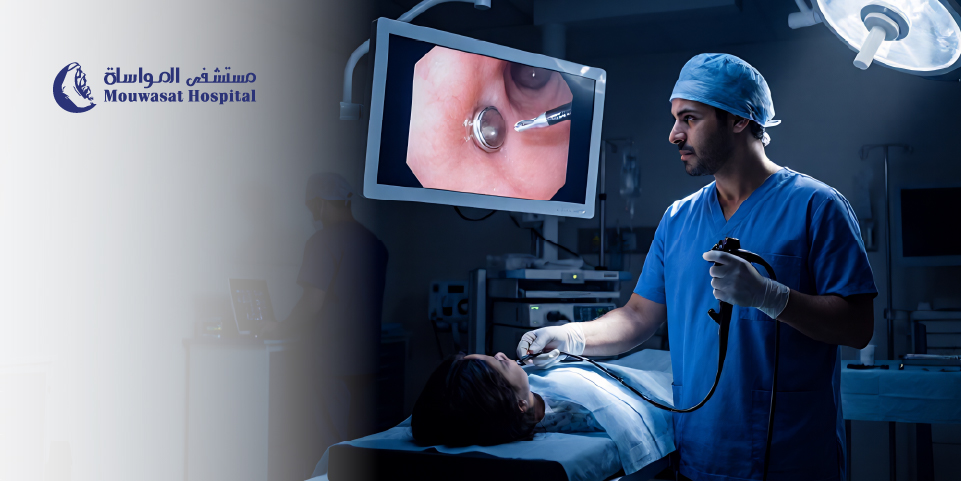
A child’s natural curiosity often leads them to explore their surroundings and put objects in their mouth, exposing them to the risk of swallowing foreign bodies such as coins, button batteries, magnets, pins, beads, or small toy parts.
Therefore, foreign body ingestion is considered one of the most common pediatric emergencies. These objects can become a serious threat to a child’s life if not handled quickly and professionally.
If you notice that your child has swallowed a foreign object, go immediately to the pediatric emergency department for proper management.
When a child swallows a foreign object, it may lodge in the esophagus, stomach, or intestines, causing blockage, perforation, or internal bleeding.
In some cases, the object can enter the airway, leading to choking.
Certain objects, such as button batteries, magnets, or sharp items, can cause severe internal damage like poisoning or bleeding within a short time, making these cases medical emergencies that should never be delayed.
It can be a frightening moment when you notice your child put something in their mouth or suspect an object is missing. Watch for these warning signs:
Severe symptoms include intense pain, vomiting blood, breathing difficulty, or continuous coughing.
If you see your child swallow an object or notice these symptoms, go to the emergency department immediately.
At Mouwasat Hospital, our pediatric emergency department is available 24/7 with specialized teams and advanced equipment to handle these cases safely and quickly.
Consult Pediatric Experts at Mouwasat
Go to the pediatric emergency department immediately.
Coins are among the most commonly swallowed objects by children. Often, the coin passes through the stomach and intestines and exits naturally. However, sometimes it gets stuck in the esophagus or even the windpipe, posing serious risks such as:
If removed by a specialist within 24 hours, permanent damage is unlikely to happen. But prolonged retention can cause serious tissue injury.
Swallowing multiple coins containing zinc can lead to zinc poisoning, causing:
If your child swallows a coin, do not wait for complications; head to the emergency department immediately.
Button batteries are extremely dangerous and can cause internal burns and severe complications within hours.
Important steps for parents before heading to the ER:
Even if you only suspect ingestion, go to the emergency department immediately.
Small, high-powered magnets found in toys or household items can cause serious gastrointestinal injuries.
If multiple magnets are swallowed, they can attract each other through intestinal walls, causing blockage, perforation, or tissue erosion.
The risk is even higher if a magnet is swallowed with another metallic object like a battery.
If you suspect your child swallowed a magnet, especially more than one, or notice symptoms like abdominal pain, vomiting, fever, or irritability, go to the emergency department immediately.
X-rays will determine the location, and removal is usually done via endoscopy.
Sharp objects like pins or plastic fragments are among the most dangerous because they can puncture the esophagus, stomach, or intestines, leading to:
What to do:
Most cases require endoscopic removal, and in complex situations, surgery may be necessary.
Foreign objects are often removed using endoscopy, a minimally invasive procedure.
A thin, flexible tube with a camera and light is inserted through the child’s mouth into the gastrointestinal tract.
The doctor visualizes the object and uses tiny instruments to remove it safely while checking for any tissue damage.
Our pediatric emergency department is equipped with technology and a multidisciplinary team, including pediatricians, gastroenterologists, and surgeons, to ensure rapid and safe intervention for emergencies such as:
We guarantee advanced, fast medical care for your child 24/7, because their safety is our top priority.
Prevention Is Better Than Cure, so keep your child’s environment safe: Remove small objects from their reach and choose age-appropriate toys without detachable parts, and supervise playtime to prevent accidents.
Disclaimer: The information provided in this article is for educational purposes only and does not replace professional medical advice. Please consult your doctor for personalized recommendations.
Resources:
A Child Swallows an Object—Children's Health | Swallowed a Coin—Poison Control | Button Battery Ingestion—EPBA
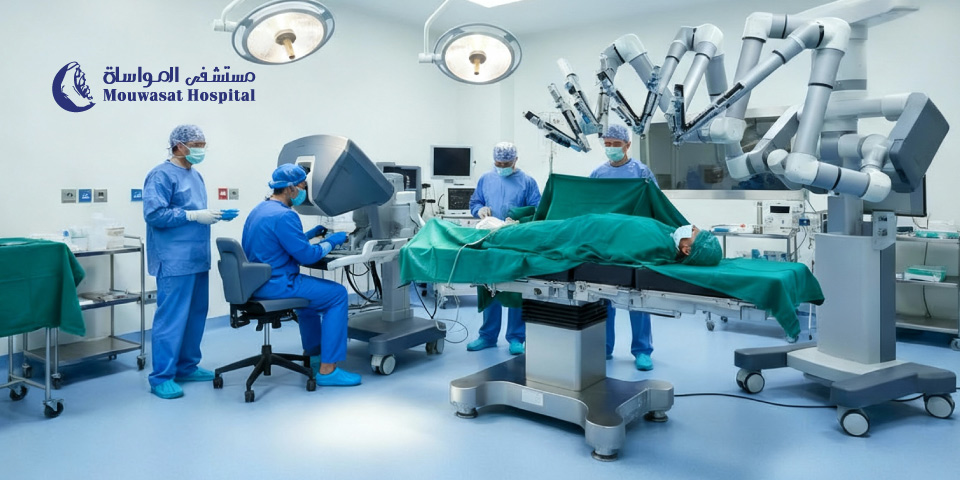
Laparoscopic gallbladder removal is one of the most advanced surgical techniques for treating gallbladder diseases. This minimally invasive procedure removes the affected gallbladder through small incisions in the abdomen. Compared to traditional open surgery, laparoscopic surgery offers greater precision, less pain,
faster recovery, and minimal scarring, making it the preferred choice for most cases.
Mouwasat Hospital provides robot-assisted laparoscopic gallbladder removal, combining the benefits of minimally invasive surgery with the enhanced accuracy of robotic technology.
Laparoscopic cholecystectomy is a surgical procedure that removes the gallbladder using fine instruments and a small camera, giving the surgeon a clear view while minimizing incision size. This results in less pain and quicker recovery compared to open surgery.
Robotic gallbladder removal is an advanced technique where the surgeon controls a robotic system with high-definition 3D imaging and enhanced magnification. This ensures maximum precision, improved safety, and better outcomes, while reducing complications.
Gallbladder removal is recommended when medical treatment is not enough. Common conditions include:
In these cases, surgery is the best option to prevent complications and improve quality of life.
In rare cases, gallstones can be treated without removing the gallbladder using:
These methods are suitable only if:
However, these are temporary solutions since stones often recur and may cause complications. Laparoscopic gallbladder removal remains the safest and most effective option for permanent treatment.
Book a consultation with general surgeons
Before surgery:
Patients are admitted on the day of surgery or the day before
Fasting is required as per medical instructions
Preoperative checks are done by the care team
During surgery:
General anesthesia is administered so you are completely asleep and pain-free
The procedure usually takes about one hour
Laparoscopic steps include:
Open surgery may be necessary in complex cases such as severe infection or gallbladder rupture. Recovery after open surgery takes 4–6 weeks, compared to 1–2 weeks for laparoscopic or robotic surgery.
Robotic-assisted laparoscopic surgery offers:
This advanced technique ensures optimal safety and superior results, making it ideal for gallbladder removal.
Book your robotic gallbladder surgery now at Mouwasat Hospital
The liver continues to produce bile for fat digestion, but without storage in the gallbladder, bile flows directly into the intestine. Digestion remains normal, but fat intake per meal should be moderate. Following a healthy diet is essential.
Diet
Sleep
Physical Activity
Avoid Harmful Habits
Adhering to these guidelines prevents complications, speeds recovery, and ensures a safe return to normal life. Proper diet, early mobility, good sleep, and wound care reduce pain, prevent infections, and improve overall healing.
Mouwasat offers robotic and laparoscopic gallbladder surgery performed by highly experienced surgeons. Our advanced technology ensures precision, safety, and faster recovery for every patient.
Mouwasat Hospital offers the latest surgical technologies, including laparoscopic gallbladder removal and robotic-assisted surgery, ensuring the highest levels of precision, safety, and faster recovery with minimal pain.
Our team of highly experienced surgeons specializes in complex procedures using advanced equipment and robotic systems to deliver the best outcomes and enhance patient experience.
If you are looking for comprehensive care, accurate follow-up, and cutting-edge techniques like robotic surgery, Mouwasat Hospital is your ideal choice for a safe and quick recovery.
Yes. Laparoscopic gallbladder removal is the most common and preferred option because it involves small incisions, less pain, faster recovery, and lower risk of infection and scarring.
Most patients leave the hospital the same day or the next day and return to normal life within 1–2 weeks.
Open surgery is only necessary for complicated cases such as severe infections or tumors. It requires a larger incision, causes more pain, and involves a longer recovery period of 4–6 weeks, with a higher risk of infection and visible scars.
In general, if your condition allows, laparoscopic surgery is the best choice for quick recovery and minimal discomfort, while open surgery is reserved for medical necessity.
The procedure is performed under general anesthesia, so you will be completely asleep and pain-free during surgery.
The operation usually takes about one hour, depending on your condition. Most patients are discharged the same day or the following day.
Disclaimer: The information provided in this article is for educational purposes only and does not replace professional medical advice. Please consult your doctor for personalized recommendations.
Success Stories in Robotic Surgery at Mouwasat:
Resources:
Laparoscopic Cholecystectomy | Gallbladder removal - NHS | Robotic Cholecystectomy - University Surgeons Associates

Acid reflux in infants and children is one of the most common health issues during the early years of life. Many babies encounter food or milk being regurgitated back into the esophagus from the stomach, and this problem may not go away. in older children, causing concern for parents.
In this comprehensive guide, we will cover the causes of acid reflux in babies and children, its symptoms, and the different treatment methods. We will also answer frequently asked questions such as:
Acid reflux occurs when stomach contents flow back into the esophagus, the tube that connects the mouth to the stomach, causing what is known as acid regurgitation. This condition can irritate the esophagus and lead to heartburn.
Acid reflux in infants and children is common across all age groups, from newborns to older kids. However, when reflux happens frequently, it becomes a chronic condition called Gastroesophageal Reflux Disease (GERD), which can cause more severe symptoms.
When food is swallowed, it travels from the mouth to the stomach through the esophagus. A muscular valve at the lower end of the esophagus (called the lower esophageal sphincter) prevents food from flowing back. If this valve does not close properly, stomach contents can return to the esophagus.
In infants, this muscle is underdeveloped, making reflux common. That’s why most babies spit up milk after feeding. Acid reflux usually disappears by the age of one as the muscle matures.
However, if symptoms persist or worsen, it may indicate GERD.
Reflux in babies and children can be mild or severe, and each has distinct symptoms:
This condition is more serious and requires medical attention. Common symptoms include:
If these symptoms occur repeatedly, consult a pediatrician for proper diagnosis and treatment.
If symptoms are mild, tests may not be necessary. However, persistent or severe symptoms may require:
These tests help determine the severity and guide treatment, especially if weight loss or complications occur.
After diagnosis, the doctor will choose the appropriate treatment based on severity:
Never use medication without a doctor’s guidance.
In severe cases that do not respond to medication, or when serious complications arise, surgery may be recommended.
The goal is to strengthen the lower esophageal sphincter to prevent food and acid from flowing back. This is an option when medications fail or complications occur.
Fundoplication: The most common procedure, where the upper part of the stomach is wrapped around the esophagus to reinforce the valve.
Methods include:
Laparoscopic fundoplication is the most popular choice because it involves smaller incisions, less pain, faster recovery, and minimal scarring.
Most children recover well, but some may need additional surgery if the wrap is too tight or too loose.
The Pediatric Surgery Department at Mouwasat Hospital offers comprehensive and personalized care for children suffering from gastroesophageal reflux disease (GERD) or cases requiring surgical intervention. The approach is holistic, starting from accurate diagnosis to post-treatment follow-up.
Key Advantages of Acid Reflux Treatment at Mouwasat Hospital
Reflux usually improves significantly between 6 to 12 months and often disappears completely by 12 to 18 months.
Food allergies or intolerances can increase reflux symptoms. The most common culprit is cow milk protein (not lactose), which is the leading cause of food-related reflux in infants.
Acid reflux surgery for children is generally safe, especially when performed laparoscopically by an experienced medical team in a well-equipped hospital like Al Mouwasat.
Potential risks are minimal and may include:
Disclaimer:
The information provided in this article is for educational purposes only and does not replace professional medical advice. Always consult a qualified pediatric specialist for diagnosis and treatment.
Resources:
Gastroesophageal reflux disease | Anti-reflux surgery - children | Reflux in breastfed babies