How can i help you?
Latest Blogs
Explore All
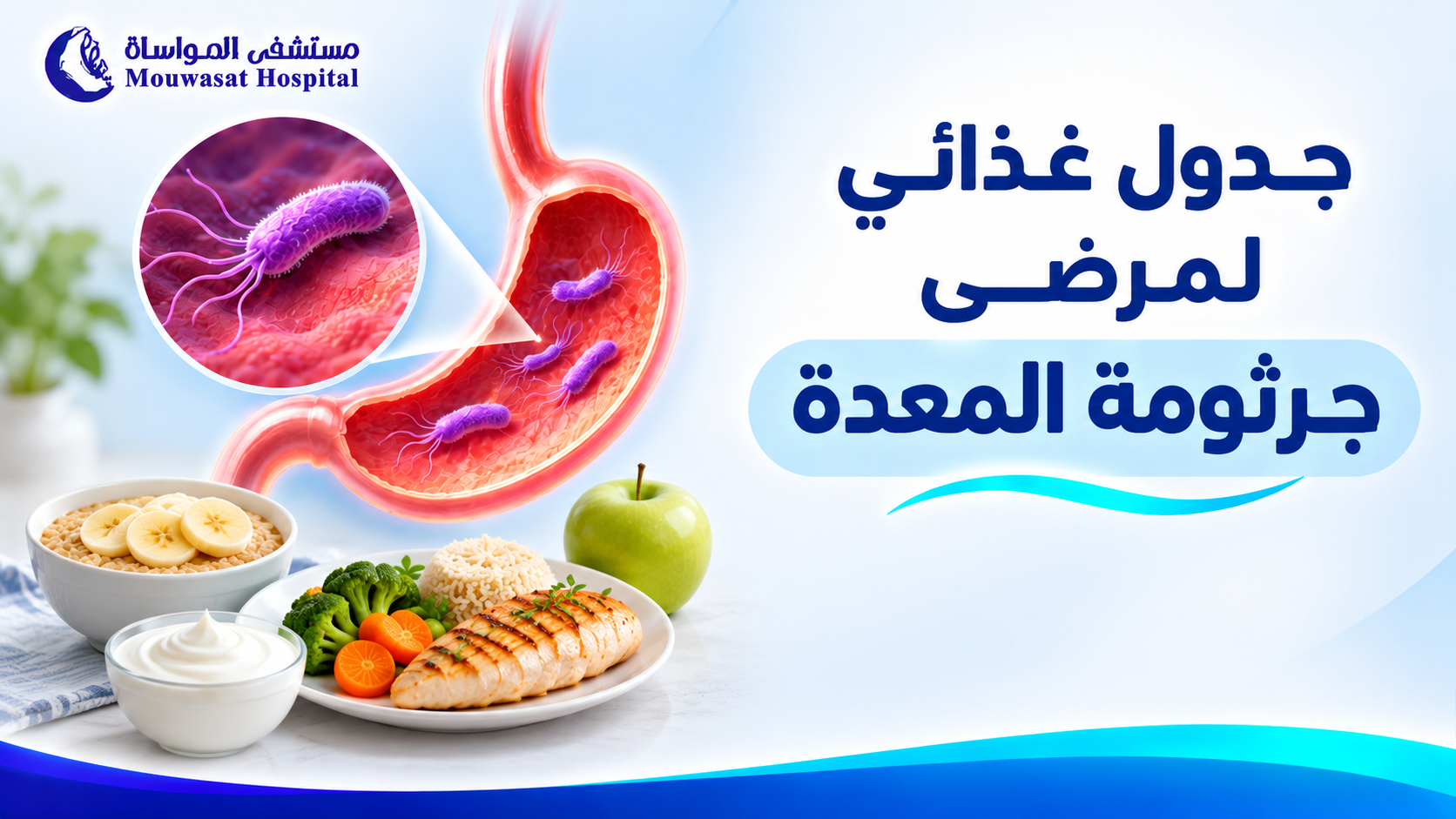


There is no special diet that can eradicate Helicobacter pylori (H. pylori) on its own, and there is no universal list of foods that every infected person must avoid.
Food can still matter during treatment because certain choices may aggravate nausea, heartburn, fullness, or stomach discomfort, while some foods and supplements can interact with medicines used in H. pylori eradication regimens. [1] [2]
The role of nutrition is therefore to support adequate intake, improve treatment tolerance, and avoid relevant drug-food interactions — not to replace eradication therapy.
No therapeutic diet has been established as a way to eradicate H. pylori.
NIDDK notes that research has not shown diet and nutrition to play an important role in causing, preventing, or treating peptic ulcers, and a special ulcer diet or universal avoidance of particular foods is not recommended. [1]
Nutrition should therefore be viewed as supportive care rather than antibacterial therapy.
For more about eradication therapy, see H. pylori Treatment: Medicines, Regimens and Eradication Rates.
A balanced diet that provides enough energy, protein, vegetables, fruit, grains, and fluids is appropriate for most people.
There is generally no reason to make the diet highly restrictive when ordinary foods are well tolerated.
| Meal | Example | Note |
|---|---|---|
| Breakfast | Oats or bread with eggs and tolerated fruit | Choose a portion that does not aggravate fullness or nausea. |
| Snack | Banana, apple, or simple toast | No particular fruit is required to treat H. pylori. |
| Lunch | Rice with chicken or fish and vegetables | Reduce fried or spicy foods if they worsen symptoms. |
| Snack | Fruit or yogurt if compatible with medication timing | Dairy needs to be separated from tetracycline according to medication instructions. |
| Dinner | Soup, potatoes, or rice with an appropriate protein source | Avoid very large meals if they aggravate fullness or reflux. |
There is no universal prohibited-food list.
It is more useful to distinguish between foods that worsen your symptoms, foods that interact with medication, and foods that are simply claimed online to “feed” H. pylori without adequate clinical evidence.
Spicy food does not cause H. pylori, and avoiding it has not been shown to eradicate the infection.
However, it may worsen burning, pain, reflux, or dyspepsia in some people.
Coffee is not known to prevent H. pylori eradication, although it may aggravate heartburn or dyspepsia in susceptible patients.
H. pylori itself does not require avoiding dairy.
However, MedlinePlus advises taking tetracycline on an empty stomach and not with foods — particularly dairy products such as milk, yogurt, cheese, and ice cream. [2]
For bismuth-metronidazole-tetracycline combination therapy, calcium-containing foods should be separated from the medicine according to the product instructions. [5]

No food has been clinically established as a substitute for eradication therapy.
Laboratory activity of a food or plant compound against H. pylori does not establish that eating it will eradicate infection in humans.
Garlic, honey, mastic gum, herbs, and other dietary remedies should therefore not replace prescribed treatment.
For information about confirming eradication, see H. pylori Testing: Breath Test vs. Stool Test and When to Test.
Probiotics have been studied as adjuncts to established eradication therapy rather than replacements for it.
A 2025 systematic review and network meta-analysis of 91 randomized controlled trials involving more than 13,000 participants found higher eradication rates and fewer treatment-related adverse effects when probiotics were added to standard therapy. [3]
A more recent systematic review of Lactobacillus-supplemented treatment also found an improvement in eradication success and a reduction in adverse events overall, although outcomes differed according to treatment regimen and patient group. [4]
World Gastroenterology Organisation guidance also states that some probiotics may reduce gastrointestinal adverse effects and support eradication therapy, while there is no evidence that probiotics alone can eradicate H. pylori without antibiotic treatment. [6]
| Medicine | Important food consideration |
|---|---|
| Tetracycline | Follow instructions regarding meals, dairy, calcium, and mineral supplements because they can affect absorption. |
| Metronidazole | Avoid alcohol during treatment and for the recommended period afterward. |
| Bismuth + metronidazole + tetracycline | Follow the prescribed meal schedule and calcium-separation instructions. |
MedlinePlus specifically advises separating bismuth-metronidazole-tetracycline from calcium-containing foods. [5]
NHS advises avoiding alcohol while taking oral metronidazole and for two days after finishing treatment because the combination can cause nausea, vomiting, abdominal pain, flushing, palpitations, and headache. [7]
Some eradication regimens can cause nausea, taste changes, diarrhea, and stomach upset.
If vomiting prevents you from keeping down your medicines or fluids, or diarrhea becomes severe or persistent, contact your healthcare provider rather than stopping treatment on your own.
There is no lifelong H. pylori diet.
After treatment and improvement of symptoms, most people can return to a varied balanced diet according to tolerance.
Persistent symptoms do not necessarily mean eradication failed, and symptom resolution does not prove the infection is gone. A properly timed test of cure remains important.
For more about symptoms, see H. pylori Symptoms: When Should Symptoms Lead to Testing?.

The Gastroenterology & Endoscopy Department at Mouwasat Hospital can assess stomach symptoms, diagnose H. pylori infection, and review treatment and medication interactions when needed.
A balanced diet providing adequate protein, grains, vegetables, fruit, and fluids is suitable for most patients.
There is no universal prohibited-food list. Reduce foods that aggravate your symptoms and follow medication-specific restrictions.
No food has been proven to eradicate H. pylori in humans instead of appropriate medical therapy.
Garlic has not been established as an eradication treatment and should not replace prescribed therapy.
There is insufficient clinical evidence that eating honey can eradicate H. pylori infection.
Yogurt can be part of the diet if tolerated but does not cure the infection. Dairy timing may matter with tetracycline-containing treatment.
Coffee is not universally prohibited but may aggravate dyspepsia or heartburn in some people.
They do not cause or increase the bacterial infection but may worsen symptoms in susceptible patients.
No. Some probiotics may improve treatment tolerance or modestly improve eradication outcomes when used as adjuncts, but they do not replace standard eradication therapy.
There is no special diet or food capable of eliminating H. pylori. Appropriate eradication therapy and a subsequent test of cure remain the foundation of management.
Food is mainly useful for maintaining nutrition and making the treatment period easier to tolerate. Medication-specific food interactions matter more than generic restriction lists.
Probiotics may also have an adjunctive role with some treatment regimens, but should not be used as an alternative to established therapy.
Medical disclaimer: Do not change medication timing, stop treatment, or add supplements without checking with your clinician or pharmacist.