How can i help you?
Latest Blogs
Explore All
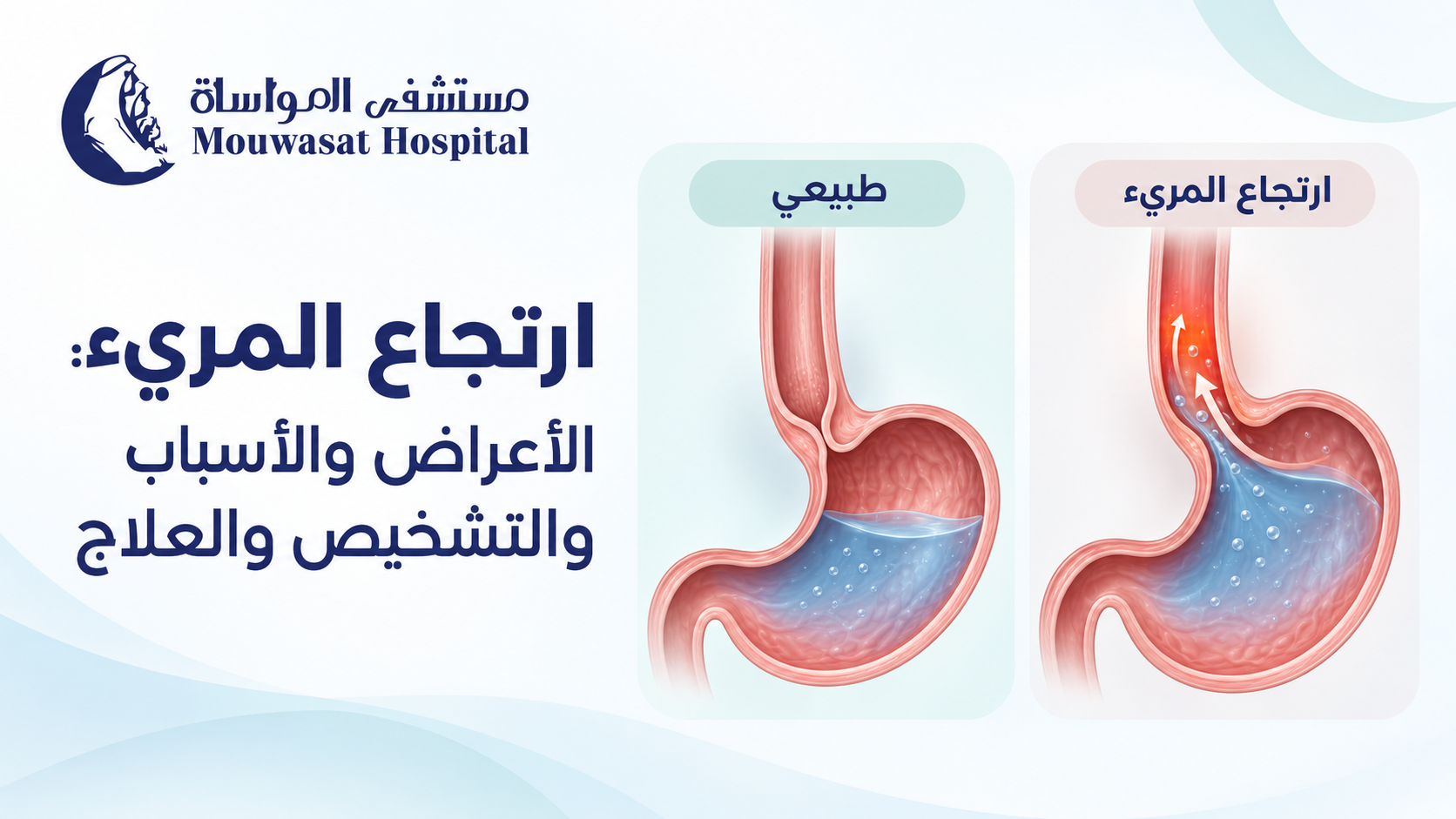




Acid reflux in infants and children is one of the most common health issues during the early years of life. Many babies encounter food or milk being regurgitated back into the esophagus from the stomach, and this problem may not go away. in older children, causing concern for parents.
In this comprehensive guide, we will cover the causes of acid reflux in babies and children, its symptoms, and the different treatment methods. We will also answer frequently asked questions such as:
Acid reflux occurs when stomach contents flow back into the esophagus, the tube that connects the mouth to the stomach, causing what is known as acid regurgitation. This condition can irritate the esophagus and lead to heartburn.
Acid reflux in infants and children is common across all age groups, from newborns to older kids. However, when reflux happens frequently, it becomes a chronic condition called Gastroesophageal Reflux Disease (GERD), which can cause more severe symptoms.
When food is swallowed, it travels from the mouth to the stomach through the esophagus. A muscular valve at the lower end of the esophagus (called the lower esophageal sphincter) prevents food from flowing back. If this valve does not close properly, stomach contents can return to the esophagus.
In infants, this muscle is underdeveloped, making reflux common. That’s why most babies spit up milk after feeding. Acid reflux usually disappears by the age of one as the muscle matures.
However, if symptoms persist or worsen, it may indicate GERD.
Reflux in babies and children can be mild or severe, and each has distinct symptoms:
This condition is more serious and requires medical attention. Common symptoms include:
If these symptoms occur repeatedly, consult a pediatrician for proper diagnosis and treatment.
If symptoms are mild, tests may not be necessary. However, persistent or severe symptoms may require:
These tests help determine the severity and guide treatment, especially if weight loss or complications occur.
After diagnosis, the doctor will choose the appropriate treatment based on severity:
Never use medication without a doctor’s guidance.
In severe cases that do not respond to medication, or when serious complications arise, surgery may be recommended.
The goal is to strengthen the lower esophageal sphincter to prevent food and acid from flowing back. This is an option when medications fail or complications occur.
Fundoplication: The most common procedure, where the upper part of the stomach is wrapped around the esophagus to reinforce the valve.
Methods include:
Laparoscopic fundoplication is the most popular choice because it involves smaller incisions, less pain, faster recovery, and minimal scarring.
Most children recover well, but some may need additional surgery if the wrap is too tight or too loose.
The Pediatric Surgery Department at Mouwasat Hospital offers comprehensive and personalized care for children suffering from gastroesophageal reflux disease (GERD) or cases requiring surgical intervention. The approach is holistic, starting from accurate diagnosis to post-treatment follow-up.
Key Advantages of Acid Reflux Treatment at Mouwasat Hospital
Reflux usually improves significantly between 6 to 12 months and often disappears completely by 12 to 18 months.
Food allergies or intolerances can increase reflux symptoms. The most common culprit is cow milk protein (not lactose), which is the leading cause of food-related reflux in infants.
Acid reflux surgery for children is generally safe, especially when performed laparoscopically by an experienced medical team in a well-equipped hospital like Al Mouwasat.
Potential risks are minimal and may include:
Disclaimer:
The information provided in this article is for educational purposes only and does not replace professional medical advice. Always consult a qualified pediatric specialist for diagnosis and treatment.
Resources:
Gastroesophageal reflux disease | Anti-reflux surgery - children | Reflux in breastfed babies
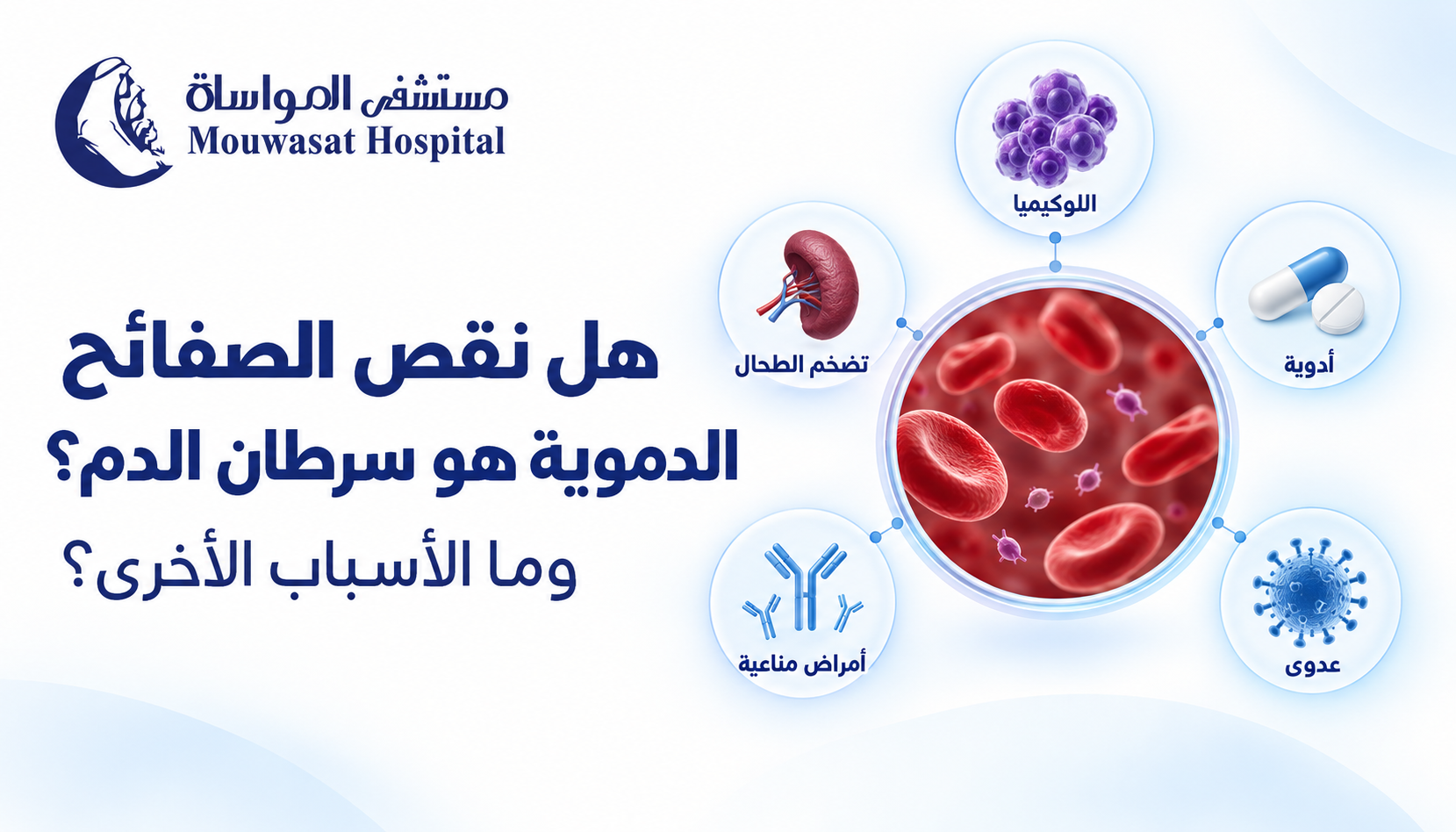
A low platelet count does not automatically mean that someone has leukemia or another blood cancer. Thrombocytopenia has many possible causes, including infections, medicines, immune disorders, liver or spleen conditions, nutritional deficiencies, and certain bone marrow disorders.
Doctors therefore do not interpret the platelet count in isolation. They also review the rest of the complete blood count, symptoms, medical history, and blood smear before deciding whether further testing is needed.[1][2]
Platelets are small blood components that help form clots and stop bleeding after a blood vessel is injured.
Thrombocytopenia means that the platelet count is below the normal range, generally below about 150,000 platelets per microliter of blood, although laboratory reference ranges may vary slightly.[1]
Mild thrombocytopenia may cause no symptoms and may be discovered during routine blood testing. More significant reductions can increase the tendency to bruise or bleed.
No. A low platelet count by itself does not mean that a person has blood cancer.
Platelet counts can fall because of immune conditions, infections, medicines, liver or spleen disorders, and many other causes.[1][3]
Leukemia can affect bone marrow and reduce normal platelet production in some patients, but it is only one possible cause of thrombocytopenia.[3][4]
A low platelet count is a laboratory finding that needs an explanation, not a diagnosis by itself. Doctors look at why the platelet count is low and what the rest of the blood count shows.
For a broader overview, read: Blood Cancers: Types, Symptoms, Diagnosis and Treatment
Many leukemias begin in blood-forming tissues, most often the bone marrow. As abnormal cells increase, they may interfere with the production of normal blood cells, including platelets.[4]
Some patients with leukemia may therefore have:
However, blood count patterns vary between leukemia types and patients. A platelet count alone cannot confirm or rule out leukemia.
Read also: Leukemia: Early Symptoms, Types and How It Is Diagnosed
Many conditions unrelated to cancer can cause thrombocytopenia.[1][3]

Rather than thinking of thrombocytopenia as one disease, most causes can be understood through three major mechanisms.[1]
| Mechanism | What happens? | Examples |
|---|---|---|
| Reduced production | The bone marrow does not produce enough platelets. | Certain bone marrow diseases, leukemia, and some medicines or cancer treatments. |
| Increased destruction or consumption | Platelets are produced but are destroyed or used faster than they can be replaced. | Immune thrombocytopenia and certain clotting disorders. |
| Sequestration in the spleen | The spleen holds a larger proportion of platelets, leaving fewer circulating in the blood. | An enlarged spleen and certain liver or splenic conditions. |
An important part of interpreting a low platelet count is determining whether platelets are the only abnormal blood cell line.
| CBC pattern | How it may guide evaluation |
|---|---|
| Low platelets with otherwise normal CBC | May direct evaluation toward conditions primarily affecting platelets, such as immune thrombocytopenia or drug-related thrombocytopenia, after other causes are considered.[5] |
| Low platelets plus red or white blood cell abnormalities | Usually requires a broader evaluation for conditions that can affect several blood cell types, including bone marrow disorders and many other possible causes. |
Even multiple abnormal CBC values do not automatically mean cancer. They simply provide more information about which causes need to be investigated.
Yes. A phenomenon called pseudothrombocytopenia can occur when platelets clump together inside the blood collection tube, causing automated equipment to report an artificially low platelet count.[5]
In appropriate cases, a doctor may repeat the blood count using another collection method and review a peripheral blood smear before concluding that true thrombocytopenia is present.
One unexpectedly low platelet result is not always the end of the diagnostic process. Sometimes the first step is confirming that the low result is real before investigating complex medical causes.
Mild thrombocytopenia may cause no symptoms. As platelet levels fall further, bleeding-related symptoms may become more noticeable.[1]
Risk is not determined by the platelet number alone. The degree of thrombocytopenia, active bleeding, how quickly the count is changing, medicines, and other medical conditions all influence the level of concern.[1][5]
Bleeding that does not stop or very severe thrombocytopenia accompanied by symptoms requires prompt medical assessment.
Evaluation begins with the CBC, symptoms, medical history, and medicines. Further testing depends on the findings.[2]
| Step | Why it may be useful |
|---|---|
| Repeat CBC when appropriate | Confirms whether thrombocytopenia persists and reviews the other blood cell counts. |
| Peripheral blood smear | Allows evaluation of blood cells and may identify platelet clumping or other abnormalities. |
| Medical and medication review | Helps identify medicines, infections, or medical conditions that may explain the low count. |
| Additional blood or imaging tests | May be selected according to suspected liver, spleen, immune, or infectious causes. |
| Bone marrow testing when needed | May help determine whether a bone marrow disorder is affecting blood cell production.[2] |
Treatment depends on why the platelet count is low, how low it is, and whether bleeding or other symptoms are present.[1]
Some people with mild thrombocytopenia may only require monitoring, while others need treatment directed at the underlying cause. This may involve addressing a medical condition or modifying a medication under medical supervision.
Trying to raise the platelet count without first identifying the cause may not address the underlying problem.
The Hemato-Oncology Department at Mouwasat Hospital provides specialized assessment for blood and platelet disorders as well as hematologic cancers, with diagnostic testing and management tailored to each patient's condition.
Specialist evaluation may be appropriate when thrombocytopenia is persistent, severe, unexplained, or accompanied by abnormalities in other blood cells.

No. Many conditions can cause thrombocytopenia. Leukemia is only one possible cause, and diagnosis depends on the rest of the blood count, symptoms, and additional testing when necessary.[1][4]
No. Immune disorders, infections, medicines, liver or spleen disease, and several other conditions can also lower platelet counts.
No. Isolated thrombocytopenia has several possible causes. Immune thrombocytopenia and medication-related causes are among the conditions doctors consider when the rest of the blood count is otherwise normal.[5]
Yes. Platelet clumping inside the sample tube can cause an artificially low result known as pseudothrombocytopenia. Repeating the test or examining a peripheral blood smear may help confirm whether the result is genuine.[5]
Concern increases when the platelet count is very low, when active bleeding is present, or when other medical factors increase bleeding risk. The number should always be interpreted in clinical context.
Most cases are not life-threatening, but severe thrombocytopenia with serious bleeding can be an emergency and requires prompt medical attention.[1]
There is no single diet that treats all causes of thrombocytopenia. Correcting a nutritional deficiency may help when it is the cause, while immune, medication-related, or bone marrow causes require treatment directed at the underlying condition.
No. Blood count findings vary between leukemia types and individual patients. Platelet levels alone cannot diagnose or exclude leukemia.
Gastroesophageal reflux occurs when stomach contents move back into the esophagus. It may cause heartburn behind the breastbone or a sour taste in the mouth. However, occasional heartburn does not necessarily mean that a person has chronic gastroesophageal reflux disease (GERD). [1]
GERD becomes more important when symptoms are frequent or troublesome, affect daily life, or lead to complications. Some patients may also experience cough, hoarseness, or swallowing problems without typical heartburn. [2]
Gastroesophageal reflux occurs when stomach contents flow back into the esophagus. GERD refers to reflux that causes repeated troublesome symptoms or complications. [1]
A muscular valve called the lower esophageal sphincter normally opens to allow food into the stomach and then closes. GERD may develop when this valve becomes weak or relaxes when it should not. [2]
Many people occasionally experience heartburn after a large meal or after lying down soon after eating. This does not automatically mean they have chronic GERD.
| Condition | Typical pattern |
|---|---|
| Occasional reflux | Occurs from time to time and then settles. |
| GERD | Symptoms are recurrent or troublesome, or reflux causes injury or complications. |
The most common symptoms are heartburn and regurgitation. [2]
For a deeper look at the symptoms, see our guide to GERD symptoms.
Yes. Some patients may experience cough, hoarseness, or throat symptoms without classic heartburn. [2]
However, these symptoms have many possible causes and should not automatically be attributed to reflux.
If you have throat or voice symptoms without obvious heartburn, read our guide to silent reflux.
When symptoms occur mainly outside the digestive system, doctors may need to consider other causes instead of assuming reflux is responsible.
GERD can occur when the lower esophageal sphincter allows stomach contents to flow back into the esophagus more often than it should.
Factors associated with GERD include:
Foods and drinks that worsen symptoms are not necessarily the underlying cause of GERD.
Coffee, chocolate, fatty meals, spicy foods, acidic foods, or mint may worsen symptoms in some people but not others.
This is why patients do not necessarily need to avoid the same long list of foods. Identifying personal triggers is usually more practical.
In many patients, GERD can initially be evaluated through symptoms and medical history. Doctors may recommend lifestyle changes and treatment without immediate testing.
Testing may be needed when symptoms suggest complications, treatment does not work as expected, or the diagnosis is uncertain.
| Test | When it may help |
|---|---|
| Upper endoscopy | Evaluates the esophagus and stomach when alarm symptoms or possible complications are present. |
| Reflux or pH monitoring | Measures reflux when the diagnosis is uncertain or objective confirmation is needed. |
| Other esophageal tests | May be used when another esophageal disorder is suspected or before selected procedures. |
No. Many patients can initially be assessed from symptoms and medical history.
Endoscopy becomes more important when there is difficulty swallowing, bleeding, unexplained weight loss, persistent symptoms despite treatment, or concern about complications.
When symptoms continue but endoscopy does not provide clear evidence of GERD, reflux monitoring may help determine whether abnormal reflux is actually present.
Persistent symptoms despite acid-suppressing medication do not necessarily mean severe reflux. The diagnosis and treatment approach may need to be reassessed.
Treatment depends on symptom severity, frequency, and whether complications are present. Management commonly includes lifestyle changes and medication, while procedures may be considered in selected patients.
For more detail, see our dedicated guide to GERD treatment.
Persistent symptoms do not always mean that more acid suppression is needed.
Learn more about the Gastroenterology & Endoscopy Department at Mouwasat Hospital and the diagnostic and therapeutic services available according to each patient's condition.
Medical assessment is appropriate when reflux symptoms are frequent, troublesome, affect daily life, or continue despite lifestyle changes or treatment.
The most common symptoms are heartburn and regurgitation. Some people may also have difficulty swallowing, cough, or hoarseness.
Many people achieve good long-term symptom control with lifestyle changes and appropriate treatment. However, GERD varies between patients and some require longer-term management.
Reflux may be associated with cough or throat symptoms in some people, but breathing difficulty and choking have many other possible causes.
GERD itself is not usually life-threatening, but persistent reflux can cause complications in some patients. Chest pain that appears to be heartburn may also have another serious cause.
No. Many cases can initially be evaluated from symptoms and medical history. Endoscopy is more useful when alarm symptoms, complications, or persistent symptoms are present.
No. Some patients have GERD without visible esophageal injury. Reflux monitoring may be used when objective confirmation is needed.
Not necessarily. Coffee worsens symptoms in some people but not everyone. Identifying personal triggers is usually more useful.
The medication may not be taken at the appropriate time, or the symptoms may have another cause. Persistent symptoms should be reassessed rather than automatically treated with higher doses.
Gastroesophageal reflux occurs when stomach contents move back into the esophagus. It may cause heartburn behind the breastbone or a sour taste in the mouth. However, occasional heartburn does not necessarily mean that a person has chronic gastroesophageal reflux disease (GERD). [1]
GERD becomes more important when symptoms are frequent or troublesome, affect daily life, or lead to complications. Some patients may also experience cough, hoarseness, or swallowing problems without typical heartburn. [2]
Gastroesophageal reflux occurs when stomach contents flow back into the esophagus. GERD refers to reflux that causes repeated troublesome symptoms or complications. [1]
A muscular valve called the lower esophageal sphincter normally opens to allow food into the stomach and then closes. GERD may develop when this valve becomes weak or relaxes when it should not. [2]
Many people occasionally experience heartburn after a large meal or after lying down soon after eating. This does not automatically mean they have chronic GERD.
| Condition | Typical pattern |
|---|---|
| Occasional reflux | Occurs from time to time and then settles. |
| GERD | Symptoms are recurrent or troublesome, or reflux causes injury or complications. |
The most common symptoms are heartburn and regurgitation. [2]
For a deeper look at the symptoms, see our guide to GERD symptoms.
Yes. Some patients may experience cough, hoarseness, or throat symptoms without classic heartburn. [2]
However, these symptoms have many possible causes and should not automatically be attributed to reflux.
If you have throat or voice symptoms without obvious heartburn, read our guide to silent reflux.
When symptoms occur mainly outside the digestive system, doctors may need to consider other causes instead of assuming reflux is responsible.
GERD can occur when the lower esophageal sphincter allows stomach contents to flow back into the esophagus more often than it should.
Factors associated with GERD include:
Foods and drinks that worsen symptoms are not necessarily the underlying cause of GERD.
Coffee, chocolate, fatty meals, spicy foods, acidic foods, or mint may worsen symptoms in some people but not others.
This is why patients do not necessarily need to avoid the same long list of foods. Identifying personal triggers is usually more practical.
In many patients, GERD can initially be evaluated through symptoms and medical history. Doctors may recommend lifestyle changes and treatment without immediate testing.
Testing may be needed when symptoms suggest complications, treatment does not work as expected, or the diagnosis is uncertain.
| Test | When it may help |
|---|---|
| Upper endoscopy | Evaluates the esophagus and stomach when alarm symptoms or possible complications are present. |
| Reflux or pH monitoring | Measures reflux when the diagnosis is uncertain or objective confirmation is needed. |
| Other esophageal tests | May be used when another esophageal disorder is suspected or before selected procedures. |
No. Many patients can initially be assessed from symptoms and medical history.
Endoscopy becomes more important when there is difficulty swallowing, bleeding, unexplained weight loss, persistent symptoms despite treatment, or concern about complications.
When symptoms continue but endoscopy does not provide clear evidence of GERD, reflux monitoring may help determine whether abnormal reflux is actually present.
Persistent symptoms despite acid-suppressing medication do not necessarily mean severe reflux. The diagnosis and treatment approach may need to be reassessed.
Treatment depends on symptom severity, frequency, and whether complications are present. Management commonly includes lifestyle changes and medication, while procedures may be considered in selected patients.
For more detail, see our dedicated guide to GERD treatment.
Persistent symptoms do not always mean that more acid suppression is needed.
Learn more about the Gastroenterology & Endoscopy Department at Mouwasat Hospital and the diagnostic and therapeutic services available according to each patient's condition.
Medical assessment is appropriate when reflux symptoms are frequent, troublesome, affect daily life, or continue despite lifestyle changes or treatment.
The most common symptoms are heartburn and regurgitation. Some people may also have difficulty swallowing, cough, or hoarseness.
Many people achieve good long-term symptom control with lifestyle changes and appropriate treatment. However, GERD varies between patients and some require longer-term management.
Reflux may be associated with cough or throat symptoms in some people, but breathing difficulty and choking have many other possible causes.
GERD itself is not usually life-threatening, but persistent reflux can cause complications in some patients. Chest pain that appears to be heartburn may also have another serious cause.
No. Many cases can initially be evaluated from symptoms and medical history. Endoscopy is more useful when alarm symptoms, complications, or persistent symptoms are present.
No. Some patients have GERD without visible esophageal injury. Reflux monitoring may be used when objective confirmation is needed.
Not necessarily. Coffee worsens symptoms in some people but not everyone. Identifying personal triggers is usually more useful.
The medication may not be taken at the appropriate time, or the symptoms may have another cause. Persistent symptoms should be reassessed rather than automatically treated with higher doses.
A low platelet count does not automatically mean that someone has leukemia or another blood cancer. Thrombocytopenia has many possible causes, including infections, medicines, immune disorders, liver or spleen conditions, nutritional deficiencies, and certain bone marrow disorders.
Doctors therefore do not interpret the platelet count in isolation. They also review the rest of the complete blood count, symptoms, medical history, and blood smear before deciding whether further testing is needed.[1][2]
Platelets are small blood components that help form clots and stop bleeding after a blood vessel is injured.
Thrombocytopenia means that the platelet count is below the normal range, generally below about 150,000 platelets per microliter of blood, although laboratory reference ranges may vary slightly.[1]
Mild thrombocytopenia may cause no symptoms and may be discovered during routine blood testing. More significant reductions can increase the tendency to bruise or bleed.
No. A low platelet count by itself does not mean that a person has blood cancer.
Platelet counts can fall because of immune conditions, infections, medicines, liver or spleen disorders, and many other causes.[1][3]
Leukemia can affect bone marrow and reduce normal platelet production in some patients, but it is only one possible cause of thrombocytopenia.[3][4]
A low platelet count is a laboratory finding that needs an explanation, not a diagnosis by itself. Doctors look at why the platelet count is low and what the rest of the blood count shows.
For a broader overview, read: Blood Cancers: Types, Symptoms, Diagnosis and Treatment
Many leukemias begin in blood-forming tissues, most often the bone marrow. As abnormal cells increase, they may interfere with the production of normal blood cells, including platelets.[4]
Some patients with leukemia may therefore have:
However, blood count patterns vary between leukemia types and patients. A platelet count alone cannot confirm or rule out leukemia.
Read also: Leukemia: Early Symptoms, Types and How It Is Diagnosed
Many conditions unrelated to cancer can cause thrombocytopenia.[1][3]
Rather than thinking of thrombocytopenia as one disease, most causes can be understood through three major mechanisms.[1]
| Mechanism | What happens? | Examples |
|---|---|---|
| Reduced production | The bone marrow does not produce enough platelets. | Certain bone marrow diseases, leukemia, and some medicines or cancer treatments. |
| Increased destruction or consumption | Platelets are produced but are destroyed or used faster than they can be replaced. | Immune thrombocytopenia and certain clotting disorders. |
| Sequestration in the spleen | The spleen holds a larger proportion of platelets, leaving fewer circulating in the blood. | An enlarged spleen and certain liver or splenic conditions. |
An important part of interpreting a low platelet count is determining whether platelets are the only abnormal blood cell line.
| CBC pattern | How it may guide evaluation |
|---|---|
| Low platelets with otherwise normal CBC | May direct evaluation toward conditions primarily affecting platelets, such as immune thrombocytopenia or drug-related thrombocytopenia, after other causes are considered.[5] |
| Low platelets plus red or white blood cell abnormalities | Usually requires a broader evaluation for conditions that can affect several blood cell types, including bone marrow disorders and many other possible causes. |
Even multiple abnormal CBC values do not automatically mean cancer. They simply provide more information about which causes need to be investigated.
Yes. A phenomenon called pseudothrombocytopenia can occur when platelets clump together inside the blood collection tube, causing automated equipment to report an artificially low platelet count.[5]
In appropriate cases, a doctor may repeat the blood count using another collection method and review a peripheral blood smear before concluding that true thrombocytopenia is present.
One unexpectedly low platelet result is not always the end of the diagnostic process. Sometimes the first step is confirming that the low result is real before investigating complex medical causes.
Mild thrombocytopenia may cause no symptoms. As platelet levels fall further, bleeding-related symptoms may become more noticeable.[1]
Risk is not determined by the platelet number alone. The degree of thrombocytopenia, active bleeding, how quickly the count is changing, medicines, and other medical conditions all influence the level of concern.[1][5]
Bleeding that does not stop or very severe thrombocytopenia accompanied by symptoms requires prompt medical assessment.
Evaluation begins with the CBC, symptoms, medical history, and medicines. Further testing depends on the findings.[2]
| Step | Why it may be useful |
|---|---|
| Repeat CBC when appropriate | Confirms whether thrombocytopenia persists and reviews the other blood cell counts. |
| Peripheral blood smear | Allows evaluation of blood cells and may identify platelet clumping or other abnormalities. |
| Medical and medication review | Helps identify medicines, infections, or medical conditions that may explain the low count. |
| Additional blood or imaging tests | May be selected according to suspected liver, spleen, immune, or infectious causes. |
| Bone marrow testing when needed | May help determine whether a bone marrow disorder is affecting blood cell production.[2] |
Treatment depends on why the platelet count is low, how low it is, and whether bleeding or other symptoms are present.[1]
Some people with mild thrombocytopenia may only require monitoring, while others need treatment directed at the underlying cause. This may involve addressing a medical condition or modifying a medication under medical supervision.
Trying to raise the platelet count without first identifying the cause may not address the underlying problem.
The Hemato-Oncology Department at Mouwasat Hospital provides specialized assessment for blood and platelet disorders as well as hematologic cancers, with diagnostic testing and management tailored to each patient's condition.
Specialist evaluation may be appropriate when thrombocytopenia is persistent, severe, unexplained, or accompanied by abnormalities in other blood cells.
No. Many conditions can cause thrombocytopenia. Leukemia is only one possible cause, and diagnosis depends on the rest of the blood count, symptoms, and additional testing when necessary.[1][4]
No. Immune disorders, infections, medicines, liver or spleen disease, and several other conditions can also lower platelet counts.
No. Isolated thrombocytopenia has several possible causes. Immune thrombocytopenia and medication-related causes are among the conditions doctors consider when the rest of the blood count is otherwise normal.[5]
Yes. Platelet clumping inside the sample tube can cause an artificially low result known as pseudothrombocytopenia. Repeating the test or examining a peripheral blood smear may help confirm whether the result is genuine.[5]
Concern increases when the platelet count is very low, when active bleeding is present, or when other medical factors increase bleeding risk. The number should always be interpreted in clinical context.
Most cases are not life-threatening, but severe thrombocytopenia with serious bleeding can be an emergency and requires prompt medical attention.[1]
There is no single diet that treats all causes of thrombocytopenia. Correcting a nutritional deficiency may help when it is the cause, while immune, medication-related, or bone marrow causes require treatment directed at the underlying condition.
No. Blood count findings vary between leukemia types and individual patients. Platelet levels alone cannot diagnose or exclude leukemia.
Lymphoma is a group of cancers that begin in cells of the lymphatic system, which is part of the immune system. The two main groups are Hodgkin lymphoma and non-Hodgkin lymphoma, and each includes different subtypes with different patterns of growth and treatment.[1]
Swollen lymph nodes can occur with lymphoma, particularly in the neck, underarm, or groin. However, lymph nodes also commonly enlarge because of infections and other non-cancerous conditions, so an enlarged lymph node alone cannot diagnose lymphoma.[2][3]
Lymphoma is a broad term for cancers that begin in lymphocytes, a type of white blood cell that plays an important role in the immune system.[1]
Because lymphatic tissue is found throughout the body, lymphoma can begin in lymph nodes or in other tissues and organs that contain lymphocytes.
For a broader overview, read: Blood Cancers: Types, Symptoms, Diagnosis and Treatment
Lymphomas are divided mainly into:
Non-Hodgkin lymphoma is not one disease. It includes many subtypes, some of which grow slowly while others develop more rapidly.[1][3]
| Feature | Hodgkin lymphoma | Non-Hodgkin lymphoma |
|---|---|---|
| Group | A defined group of lymphomas with characteristic cellular features. | A large group containing many different lymphoma subtypes. |
| Cells | Classic Hodgkin lymphoma typically includes Reed-Sternberg cells on tissue examination. | Includes lymphomas arising from different lymphocyte types, including B cells and T cells. |
| Growth pattern | Varies according to the individual disease and stage. | Includes both indolent, slower-growing and aggressive, faster-growing forms. |
| Treatment | Depends on subtype, stage, and patient factors. | Varies considerably according to subtype, growth rate, and stage. |
Lymphoma symptoms vary according to the type of lymphoma, where it develops, and how extensive the disease is. Not every patient develops all possible symptoms.[2][3]
Possible symptoms include:
Most of these symptoms are not specific to lymphoma. Swollen lymph nodes, for example, are commonly caused by infections, so lymphoma cannot be diagnosed from symptoms or lymph node size alone.
Lymphoma can cause enlargement of one or more lymph nodes, sometimes without pain. Enlarged nodes may occur in the neck, underarm, groin, or deeper inside the body.[2][3]
There is no single feature that allows a person to determine at home whether a lymph node is cancerous. Its location, size, duration, associated symptoms, and the patient's medical history all influence the medical evaluation.
No. A swollen lymph node under the jaw does not automatically mean lymphoma.
These lymph nodes are close to the mouth, throat, and teeth and may enlarge with many infections or inflammatory conditions in these areas. In many cases, they become smaller after the underlying problem resolves.
Medical evaluation may be appropriate when swelling persists without an obvious cause, continues to enlarge, or occurs with unexplained weight loss, persistent fever, drenching night sweats, or other concerning symptoms.
Doctors may pay particular attention to three systemic symptoms in some lymphomas:
These are sometimes referred to as B symptoms and can contribute to staging and assessment in certain lymphomas.[2][3]
However, the absence of B symptoms does not rule out lymphoma. Some people with lymphoma may have enlarged lymph nodes without fever, night sweats, or weight loss.
A complete blood count measures red blood cells, white blood cells, and platelets. It may help doctors assess a patient's general health and identify abnormalities in blood cell counts.[2]
However, a CBC does not diagnose lymphoma, and blood counts may remain within the normal range in some patients, particularly when the bone marrow or normal blood cell production is not affected.[5]
A normal CBC cannot rule out lymphoma. Unlike some leukemias that may cause obvious blood count abnormalities, lymphoma usually begins in the lymphatic system, so tissue evaluation becomes particularly important when the disease is suspected.
Read also: Leukemia: Early Symptoms, Types and How It Is Diagnosed
Diagnosis begins with a review of symptoms and medical history and a physical examination, including assessment of enlarged lymph nodes. Further testing is then selected according to the findings.[2][3]
| Test | Role |
|---|---|
| Physical examination | Assesses lymph nodes, symptoms, and other clinical findings. |
| Blood tests | Help assess blood cells, organ function, and general health but do not confirm lymphoma by themselves. |
| Lymph node or tissue biopsy | Allows tissue examination to determine whether lymphoma cells are present and identify the subtype. |
| Specialized tissue tests | Help classify the lymphoma and identify cellular characteristics. |
| CT or PET/CT | Helps identify disease locations and extent and supports staging and response assessment. |
There are many types of lymphoma, and treatment can differ significantly between them. Doctors therefore need to identify the type of abnormal cells rather than simply determine that a lymph node is enlarged.[3]
A lymph node or tissue biopsy is therefore a key part of diagnosis. A pathologist examines the sample and additional laboratory tests may be used to classify the lymphoma more precisely.[2][3]
Imaging can show enlarged lymph nodes or areas of increased activity, but it cannot always determine why they are abnormal or identify the exact disease subtype. Tissue examination allows doctors to determine whether cancer cells are present and classify the lymphoma.
CT or PET/CT may be used to help identify where lymphoma is located, determine its extent, and assess response to treatment in selected lymphoma types.[2][3]
However, an area of increased activity on PET/CT does not by itself prove lymphoma, because inflammation and other conditions can also cause increased activity. Imaging findings are interpreted together with biopsy results and other tests.
Treatment depends on the exact lymphoma subtype, stage, growth rate, patient age and health, and biological characteristics of the disease.[2][3]
Depending on the condition, treatment may include:
The word “lymphoma” alone is therefore not enough to select treatment. Precise subtype identification is an essential part of treatment planning.
The Hemato-Oncology Department at Mouwasat Hospital provides specialized evaluation, diagnosis, and treatment for hematologic cancers, including lymphomas, with care tailored to the disease subtype and each patient's condition.
Swollen lymph nodes are commonly caused by conditions other than cancer, but some situations deserve medical evaluation.
Consider seeing a doctor if you have:
These signs do not confirm lymphoma, but evaluation can help identify the underlying cause.
Lymphoma is a group of cancers that begin in cells of the lymphatic system. The two main groups are Hodgkin lymphoma and non-Hodgkin lymphoma.[1]
A painless swollen lymph node can be an early symptom in some patients. Other possible symptoms include fever, drenching night sweats, unexplained weight loss, and fatigue. No single symptom confirms lymphoma.[2][3]
No. Lymph nodes under the jaw often enlarge because of dental, mouth, throat, or other infections. Persistent or unexplained swelling should be medically evaluated.
Pain or lack of pain alone cannot reliably confirm or rule out lymphoma. Doctors consider the node's duration, location, size, associated symptoms, and other findings.
A CBC may show blood cell abnormalities in some patients, but it does not diagnose lymphoma and can remain normal in some cases.[5]
No. Lymphoma begins in the lymphatic system and may not affect blood counts, particularly when the bone marrow and normal blood cell production are not involved. Diagnosis relies on clinical evaluation and tissue biopsy when indicated.
PET/CT does not confirm lymphoma by itself. It helps show disease locations and extent, while tissue examination is generally needed to establish the diagnosis and subtype.[2][3]
Treatment outcomes vary widely between lymphoma subtypes, and many lymphomas can respond well to treatment. Prognosis depends on the exact type, stage, patient factors, and response to therapy.

Blood cancers are a group of cancers that affect the blood, bone marrow, or lymphatic system. They differ in how they develop, how quickly they progress, and how they are treated, which means that “blood cancer” does not refer to a single disease.
The main types include leukemia, lymphoma, and multiple myeloma. Depending on the type, symptoms may include persistent fatigue, frequent infections, easy bruising or bleeding, or swollen lymph nodes. However, these symptoms can also occur with many conditions that are not cancer.[1]
Blood cancers begin in blood-forming tissues such as the bone marrow or in cells of the immune system. Examples include leukemia, lymphoma, and multiple myeloma.[1]
For this reason, blood cancers do not all behave in the same way. One type may begin in bone marrow, while another begins in the lymphatic system or in a particular type of blood cell.
The term “blood cancer” is sometimes used to mean leukemia, but blood cancers more broadly also include lymphoma and multiple myeloma.
There are many different blood cancers, but three of the best-known groups are:
| Type | Where does it begin? | Possible symptoms |
|---|---|---|
| Leukemia | Blood-forming tissues such as bone marrow. | Fatigue, frequent infections, bruising or bleeding, fever, or paleness. |
| Lymphoma | Cells of the lymphatic system. | Swollen lymph nodes, fatigue, fever, night sweats, or unexplained weight loss in some patients. |
| Multiple myeloma | Plasma cells in the bone marrow. | Fatigue, bone pain, frequent infections, or abnormalities in some laboratory tests. |
Leukemia is a group of cancers that begin in blood-forming tissues such as the bone marrow and lead to the production of abnormal blood cells.[2]
There are several types of leukemia. Some grow quickly and are described as acute, while others develop more slowly and are described as chronic. Leukemias are also classified according to the type of blood cell affected.
Lymphoma is a broad group of cancers that begin in cells of the lymphatic system, which is part of the immune system. The two main groups are Hodgkin lymphoma and non-Hodgkin lymphoma.[3]
Possible symptoms may include swollen lymph nodes, fatigue, fever, night sweats, or unexplained weight loss. However, swollen lymph nodes are commonly caused by infections and do not by themselves mean that someone has lymphoma.
Multiple myeloma is a cancer involving plasma cells, a type of white blood cell found in the bone marrow. Plasma cells normally help produce antibodies that protect the body from infection.[4]
Multiple myeloma may affect the bones and normal blood cell production, and in some people it may be associated with anemia, bone pain, frequent infections, kidney problems, or changes in calcium levels.
Symptoms vary depending on the type of blood cancer, the cells affected, and how quickly the disease develops. Some blood cancers may cause few or no obvious symptoms at first.
Possible symptoms can include:
Having one or more of these symptoms does not necessarily mean that a person has blood cancer. Many can also result from common conditions such as infections, anemia, or other blood disorders.
No. Bruising and bleeding have many possible causes and do not automatically indicate blood cancer.
However, some leukemias can affect platelet production, which may make bruising or bleeding easier in some patients.
Healthy white blood cells play an important role in fighting infection. Some blood cancers can affect how these cells are produced or how well they function.
This can make infections more frequent in some patients. However, recurrent infections have many other possible causes and cannot be used alone to diagnose blood cancer.
The tests used depend on the symptoms and the specific disease being considered. There is no single test that diagnoses every type of blood cancer.
| Test | Possible role |
|---|---|
| Complete blood count (CBC) | Measures red blood cells, white blood cells, and platelets and may identify changes that need further assessment. |
| Blood sample examination | May help doctors assess blood cells when appropriate. |
| Bone marrow testing | May be used to diagnose leukemia, myeloma, and certain other blood disorders. |
| Lymph node biopsy | May be required when lymphoma is suspected. |
| Imaging and other tests | May help evaluate the location and extent of disease depending on the type of blood cancer. |
Blood cancers do not all produce the same laboratory findings. Some leukemias may cause clear changes in circulating blood cells, while diagnosing lymphoma or myeloma may require different tests. Diagnosis therefore does not depend on a single blood test.
Some blood cancers, particularly certain leukemias, may cause changes in a complete blood count, such as unusually high or low levels of specific blood cells or platelets.
However, a blood test alone cannot always confirm blood cancer or identify the exact type. Further testing may be needed depending on the results and symptoms.
Abnormal white blood cell or platelet counts can also occur for many reasons unrelated to cancer, so laboratory results need to be interpreted in the context of the patient's overall health.
Treatment depends on the exact type of blood cancer, how quickly it is developing, its biological features, the patient's age, and overall health.
Depending on the condition, treatment options may include:
There is no single treatment plan that is suitable for every blood cancer or every patient.[2][3][4]
The Hemato-Oncology Department at Mouwasat Hospital provides specialized care for blood disorders and hematologic cancers, including evaluation, diagnosis, treatment planning, and follow-up.
Specialist assessment can help interpret blood test results correctly and determine whether additional investigations are needed.
Many possible symptoms of blood cancer can be caused by other conditions. However, persistent or unexplained symptoms should be medically assessed.
Consider medical evaluation for:
These findings do not necessarily mean cancer is present, but medical assessment can help identify the underlying cause.
Leukemia is a type of blood cancer, but the broader term also includes lymphoma and multiple myeloma.[1]
Three of the main groups are leukemia, lymphoma, and multiple myeloma. Each group also includes different subtypes with different characteristics and treatments.
Fatigue can occur in some people with blood cancer, particularly when anemia is present, but fatigue is very common and has many other possible causes.
No. Some leukemias may affect platelet levels and increase bruising, but there are many other causes of frequent bruising.
No. Low platelets have many possible causes. The result needs to be interpreted together with other blood counts, symptoms, medical history, and any additional tests that may be needed.
A CBC may reveal abnormalities that require further investigation, but it cannot confirm every blood cancer or identify the exact type on its own.
No. Infections are a common cause of swollen lymph nodes. Persistent swelling or swelling accompanied by other unexplained symptoms should be assessed by a doctor.
Treatment options and outcomes vary greatly depending on the specific type of blood cancer, its characteristics, the patient's age, overall health, and response to treatment.
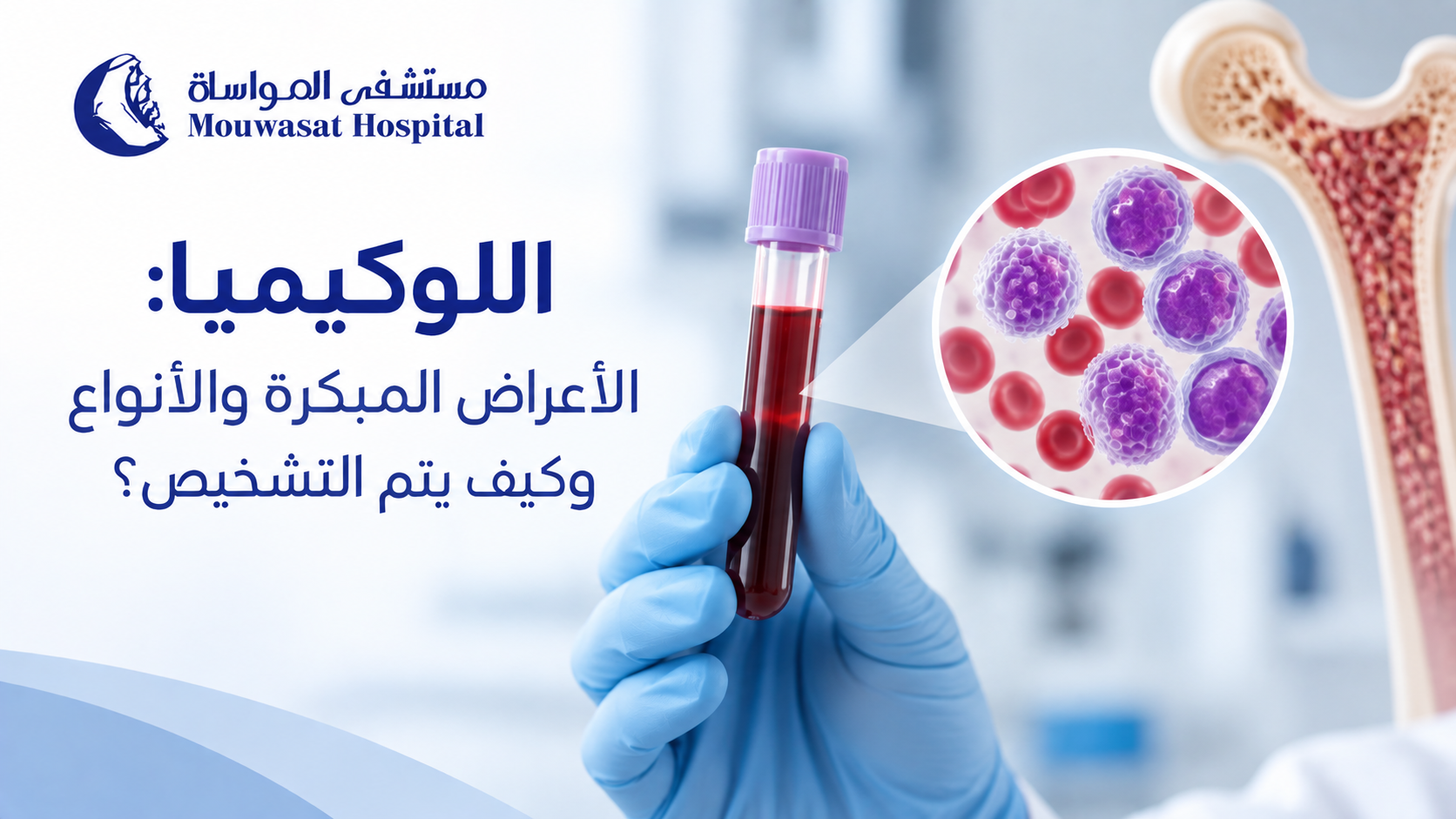
Leukemia is a group of blood cancers that begin in blood-forming tissues, most often the bone marrow. Different types of leukemia affect different blood cells and may develop quickly or slowly, which is why symptoms and treatment vary from one type to another.[1]
Possible symptoms include persistent fatigue, fever, frequent infections, and easy bruising or bleeding. However, these symptoms can also occur with many other conditions and cannot diagnose leukemia on their own.[2]
Leukemia is a group of cancers that begin in blood-forming cells. In many cases, it starts in the bone marrow, where abnormal blood cells grow and can reduce the space available for healthy blood cells.[1][3]
As abnormal cells build up, the body may have fewer healthy cells available to carry oxygen, fight infection, or control bleeding. This helps explain symptoms such as fatigue, infections, and easy bruising or bleeding.[3]
For a broader overview, read: Blood Cancers: Types, Symptoms, Diagnosis and Treatment
Leukemia is usually classified according to how quickly it develops and the type of blood-forming cell involved.[3]
| Type | Abbreviation | Main feature |
|---|---|---|
| Acute lymphoblastic leukemia | ALL | An acute leukemia involving lymphoid cells that develops quickly. |
| Acute myeloid leukemia | AML | An acute leukemia involving myeloid cells that develops quickly. |
| Chronic lymphocytic leukemia | CLL | A chronic leukemia involving lymphocytes that usually develops more slowly. |
| Chronic myeloid leukemia | CML | A chronic leukemia involving myeloid cells that usually develops more slowly. |
The main difference is how quickly the disease develops and how mature the abnormal cells are.
This is why the word “leukemia” alone does not determine treatment. Identifying the exact type is essential.[1]
Early leukemia symptoms can be non-specific and may resemble common conditions such as infections or anemia. Symptoms also vary between people and between leukemia types.
Possible symptoms include:[2][4]
There is no single symptom that confirms leukemia. Most of these symptoms have many more common causes, so diagnosis depends on medical assessment and testing rather than symptoms alone.
Bone marrow produces platelets, which help control bleeding. When leukemia interferes with normal blood cell production, platelet levels may fall in some patients, making bruising or bleeding more likely.[4]
However, bruising and low platelet counts have many other possible causes and do not automatically mean leukemia is present.
Leukemia can produce abnormal white blood cells that do not fight infection normally and can also reduce the production of healthy blood cells.[3]
As a result, some patients may experience frequent infections. However, recurrent infections have many other possible causes and cannot diagnose leukemia by themselves.
There is no single known cause for all leukemias. Leukemia develops after changes occur in the genetic material of blood-forming cells, although why these changes occur in a particular person may not be known.[1]
Risk factors vary by leukemia type and may include:
Having a risk factor does not mean that someone will develop leukemia, and leukemia may also occur without any known risk factor.[5]
Evaluation usually begins with a review of symptoms and medical history and a physical examination. The doctor then selects the appropriate tests.
| Test | What can it help assess? |
|---|---|
| Complete blood count (CBC) | Measures white blood cells, red blood cells, and platelets and may reveal abnormalities that require further investigation. |
| Blood smear | May help assess blood cell appearance and identify abnormal cells when appropriate. |
| Bone marrow examination | Can help confirm the diagnosis and identify abnormal cell types in many leukemias. |
| Specialized cell tests | Help identify the leukemia type and cellular features that may influence treatment decisions. |
A complete blood count may be one of the first tests to reveal abnormalities in some people with leukemia. These may include changes in white blood cells or reduced red blood cells or platelets.
However, a CBC alone may not be enough to confirm leukemia. Blood smear testing, bone marrow examination, and other specialized tests may be required to identify the exact type.[4]
Leukemia does not always cause a high white blood cell count. Some patients may have high levels, while others may have low white blood cell counts or abnormalities involving other blood cells. A white blood cell count alone cannot confirm or rule out leukemia.[6]
No. White blood cell counts can rise for many reasons, including infection and inflammation.[7]
Leukemia diagnosis depends not only on the number of white blood cells but also on the types and appearance of the cells and the results of other tests.
There is no single treatment for all leukemias. Treatment depends on the exact type, cellular characteristics, the patient's age and general health, and how the disease responds to therapy.
Depending on the leukemia type, treatment may include:[4][5]
The Hemato-Oncology Department at Mouwasat Hospital provides specialized evaluation and care for blood disorders and blood cancers, including acute and chronic leukemias.
Specialist assessment helps interpret blood test results correctly and determine which additional investigations may be required.
Most possible leukemia symptoms can be caused by more common conditions. However, persistent or unexplained symptoms should be medically assessed, especially when several occur together.
Examples include:
These symptoms do not necessarily mean leukemia, but medical assessment can help identify their cause.
Leukemia is a group of cancers involving blood-forming cells, often beginning in the bone marrow and producing abnormal cells that can interfere with healthy blood cell production.[1]
Possible symptoms include fatigue, fever, frequent infections, easy bruising or bleeding, paleness, unexplained weight loss, and night sweats. These symptoms are not specific to leukemia.[2]
No. White blood cells can rise because of infections, inflammation, and other conditions. Some patients with leukemia may even have a low white blood cell count, so diagnosis cannot be made from the number alone.[6][7]
No. Low platelets have many possible causes. They can occur with leukemia, but the cause must be determined from the full blood count, symptoms, medical history, and additional testing when needed.
Leukemia is not a single disease, and outcomes vary greatly between different types. Prognosis depends on the leukemia type, its biological features, age, overall health, and response to treatment. Treatment options have improved substantially for many leukemias.
There is no single rate that applies to all leukemias. Outcomes differ substantially between ALL, AML, CLL, and CML and also vary according to age, disease features, and response to treatment.
A blood count may reveal important abnormalities, but it does not always confirm leukemia or determine the exact type. Additional testing, including bone marrow examination, may be required.[4]
Acute leukemias develop more quickly, while chronic leukemias generally develop more slowly. The affected blood cell type and treatment also differ between leukemia subtypes.[3]

Irritable bowel syndrome can cause recurrent abdominal pain or cramping, but IBS pain does not have one fixed location. Its intensity and location may vary between people and may also change over time. More importantly, clinicians consider how the pain relates to bowel movements and whether it occurs alongside changes in stool frequency or form.[1][2]
For this reason, IBS cannot be diagnosed simply because pain occurs on the right, left, or lower part of the abdomen. Diagnosis depends on the overall symptom pattern, medical history, clinical assessment, and whether warning signs suggest another cause.[3]
IBS pain is commonly described as recurrent abdominal pain or cramping. Its intensity may vary between individuals and at different times. Saudi Ministry of Health guidance notes that abdominal cramps and pain in IBS are commonly associated with bowel movements.[1]
For some people, the pain changes after a bowel movement. It may also occur together with changes in bowel frequency or stool consistency. This is why doctors do not diagnose IBS based on the description of pain alone.[3]
For a broader overview, read: Irritable Bowel Syndrome Symptoms: How to Recognize Them and When to See a Doctor
There is no single location that defines IBS pain. NICE guidance states that the site of abdominal pain or discomfort can be anywhere in the abdomen and may vary over time.[4]
This means that trying to identify IBS from one specific point in the abdomen is not reliable. One person may notice discomfort in the lower abdomen, while another may experience it in a different area.
Clinicians consider whether the pain is recurrent, whether it is related to bowel movements, and whether stool frequency or appearance has changed. These patterns are more useful than whether pain is felt specifically on the right or left side.[3]
IBS pain can be felt in different areas of the abdomen, so pain on either the left or right side is possible. However, pain location alone cannot confirm that IBS is the cause.[4]
Many digestive and non-digestive conditions can cause pain in similar areas. New, severe, persistent, or unusual pain should therefore be medically assessed rather than automatically attributed to IBS.
Some people with IBS may experience pain or cramping in the lower abdomen. However, lower abdominal pain is not unique to IBS and cannot confirm the diagnosis on its own.
A recurring pattern of abdominal pain together with changes in bowel movements is more relevant when assessing whether symptoms may fit IBS.[2][3]
Some people with IBS report back pain alongside digestive symptoms, and NICE lists backache among symptoms that may accompany IBS in some patients.[5]
However, back pain is not a core diagnostic feature of IBS and can have many other causes involving the muscles, spine, or other health conditions. Back pain alone should not therefore be assumed to result from IBS.
The relationship between abdominal pain and bowel movements is one of the key patterns considered when diagnosing IBS. Diagnostic criteria focus on recurrent abdominal pain associated with two or more of the following:[3]
Pain may improve after a bowel movement in some people, while it may change in another way in others. IBS pain does not have to disappear after passing stool in order to be related to bowel function.[3]
| What you notice | Why it matters |
|---|---|
| Recurring pain related to bowel movements | This is an important part of the symptom pattern used when assessing IBS. |
| Change in bowel frequency | Helps identify a change in bowel pattern. |
| Change in stool consistency | A key feature considered together with abdominal pain. |
| Abdominal pain without bowel changes | Pain alone is not enough to diagnose IBS and may require assessment for other causes. |
There is no fixed duration for an episode of IBS pain. IBS is a chronic condition, but symptoms can come and go and change in severity over time. Some periods may be more symptomatic, while symptoms may improve during others.[2]
Severe or persistent pain, or a significant change from your usual symptom pattern, should be medically assessed rather than assumed to be another IBS flare.
Some people notice that certain foods are associated with increased abdominal pain or bloating. However, food triggers vary between individuals, and there is no single list of foods that causes symptoms in everyone with IBS.[6]
Keeping track of repeated food-and-symptom patterns is generally more useful than unnecessarily eliminating multiple food groups.
Read more: What Should You Eat With IBS? Foods, Common Triggers and Diet Tips
IBS is a disorder of gut-brain interaction. Changes in communication between the digestive system and the brain can influence bowel movement, gut sensitivity, and how pain is perceived.[2]
Some people notice that their symptoms become more noticeable during periods of stress. This does not mean that IBS pain is imaginary or “all psychological.” The symptoms are real and may be influenced by several interacting factors.
Read also: IBS, Stress and Anxiety: What Is the Connection?
IBS can cause significant abdominal discomfort, but certain features should not automatically be considered part of IBS. These signs may prompt further medical assessment for another cause.[1][3]
| Symptom or sign | How to interpret it |
|---|---|
| Recurring pain associated with bowel movements and bowel changes | May fit an IBS pattern when considered with the full clinical picture. |
| Bloating and stool changes | May occur with IBS. |
| Rectal bleeding or blood in the stool | Requires medical evaluation and should not be considered a normal IBS symptom. |
| Unexplained weight loss | The cause should be investigated. |
| Anemia | May suggest another condition and requires assessment. |
| An unusual abdominal mass or swelling | Requires medical evaluation. |
IBS can sometimes resemble other digestive conditions. Read: IBS vs Inflammatory Bowel Disease: What Is the Difference?
Consider medical assessment if abdominal pain is recurring, persistent, or interfering with daily life, particularly if your symptoms have never been evaluated or if your usual pain or bowel pattern has changed.
Assessment becomes particularly important if you have blood in the stool, unexplained weight loss, anemia, an unusual abdominal mass or swelling, or another new symptom that does not fit your usual pattern.[1][3]
A medical evaluation can help determine whether your symptom pattern is consistent with IBS or whether further investigation is needed to rule out another condition.
IBS pain commonly involves recurrent abdominal pain or cramping associated with bowel movements and may occur alongside changes in stool frequency or form.[1][3]
There is no single fixed location. IBS pain can be felt in different parts of the abdomen and its location may change over time.[4]
Yes, some people may experience pain on the left side, but IBS pain can also occur elsewhere. Left-sided pain alone does not confirm IBS.
Pain may occur on the right side or in other parts of the abdomen. Location alone cannot determine whether IBS is the cause.[4]
Yes, some people experience lower abdominal pain or cramping, but IBS is not limited to this area and the full symptom pattern should be considered.
Back pain may accompany IBS in some people, but it is not a core diagnostic feature and has many other possible causes.[5]
Pain may change or improve after a bowel movement in some people, but it does not need to disappear after passing stool. What matters is the relationship between pain and bowel function within the overall symptom pattern.[3]
There is no fixed duration. Symptoms may come and go and vary in severity. Severe, persistent, or unusually different pain should be medically assessed.[2]
No. Abdominal pain has many possible causes. IBS cannot be diagnosed from pain location or severity alone; diagnosis depends on the overall symptom pattern, medical history, and clinical assessment.[3]