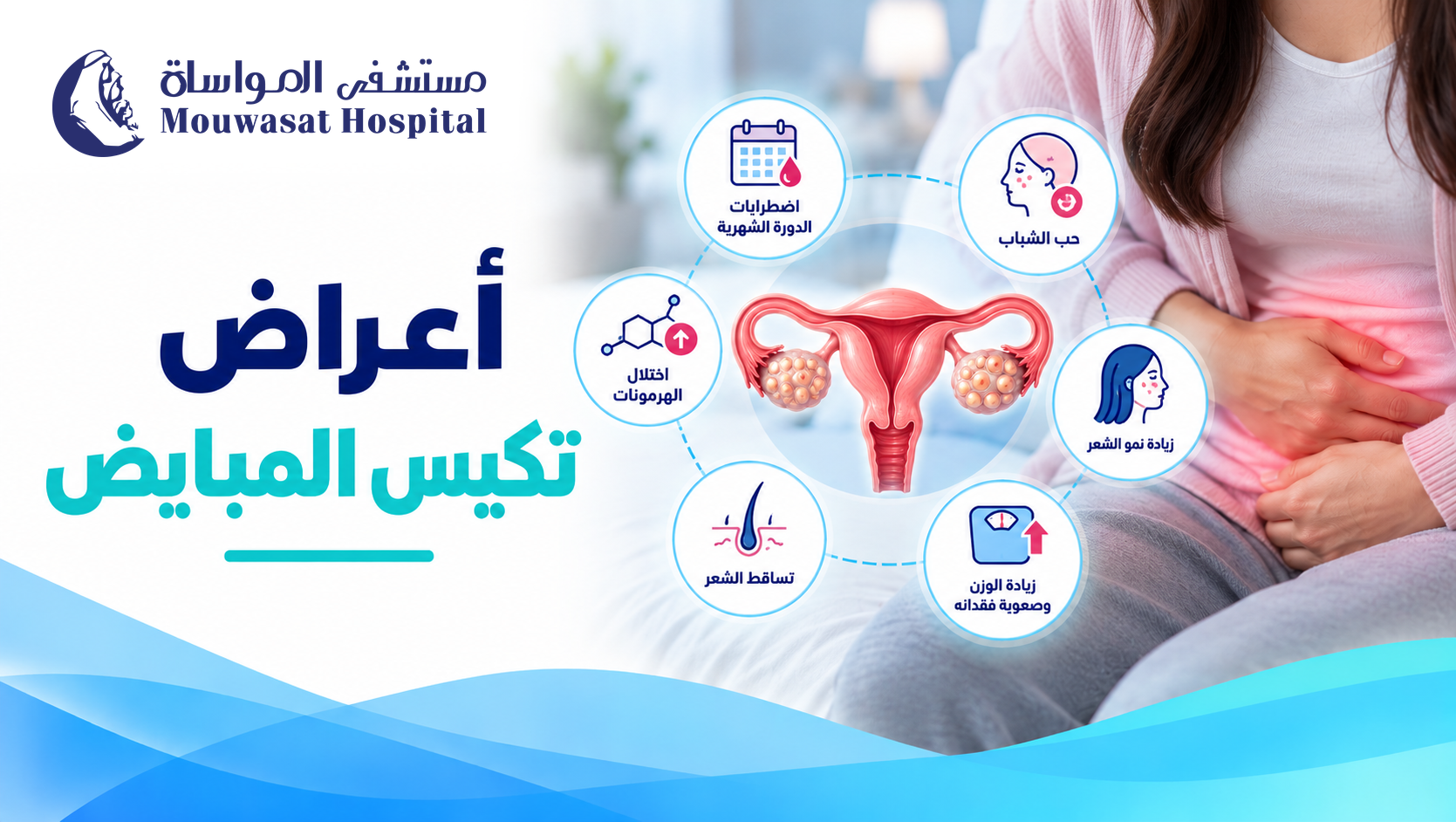


Can You Get Pregnant With PCOS? Fertility, Pregnancy, and When to Seek Help
One of the most common concerns after a PCOS diagnosis is simple and deeply personal: Will I be able to get pregnant?
PCOS does not mean that pregnancy is impossible. Many people with PCOS conceive naturally, while others need treatment to restore or improve ovulation or to address another fertility factor.[1][2]
For many people, the main challenge is not an inability of the ovaries to support pregnancy. It is that ovulation may occur less often or unpredictably, reducing the number of opportunities to conceive and making the fertile window harder to identify.
For a broader overview of the condition, read our PCOS guide. If you are still clarifying the diagnosis, see PCOS Ultrasound and Tests: Is an Ultrasound Enough?.
- PCOS can delay pregnancy because ovulation may be irregular, but it does not mean pregnancy is impossible.
- Ovulation and natural conception can still occur even when menstrual cycles are irregular.
- People with very irregular or absent periods do not necessarily need to wait 12 months before seeking fertility assessment.
- A fertility evaluation looks beyond PCOS and may include ovulation, the reproductive tract, and semen analysis when appropriate.
- When ovulation induction is needed for anovulatory infertility due to PCOS with no other infertility factors, letrozole is the preferred first-line pharmacological treatment.
- Once pregnancy occurs, appropriate antenatal monitoring is important because some pregnancy complications are more common with PCOS.
- Does PCOS cause infertility?
- How does PCOS affect ovulation?
- Can you get pregnant naturally with PCOS?
- How can you identify ovulation?
- When should you seek fertility help?
- What does a fertility assessment include?
- How can you prepare for pregnancy?
- What if you are not ovulating regularly?
- What happens after pregnancy occurs?
- Does PCOS increase pregnancy risks?
- Should metformin continue during pregnancy?
- Frequently asked questions
Does PCOS Cause Infertility?
PCOS is a leading cause of infertility related to ovulatory dysfunction, but infertility does not mean that pregnancy can never occur.[1]
International guidance specifically recommends reassuring people with PCOS that pregnancy can often be achieved either naturally or with fertility assistance when needed.[2]
If ovulation happens only a few times per year, there are naturally fewer opportunities for conception. Restoring or inducing ovulation can therefore make a significant difference for people whose main fertility issue is anovulation.
How Does PCOS Affect Ovulation?
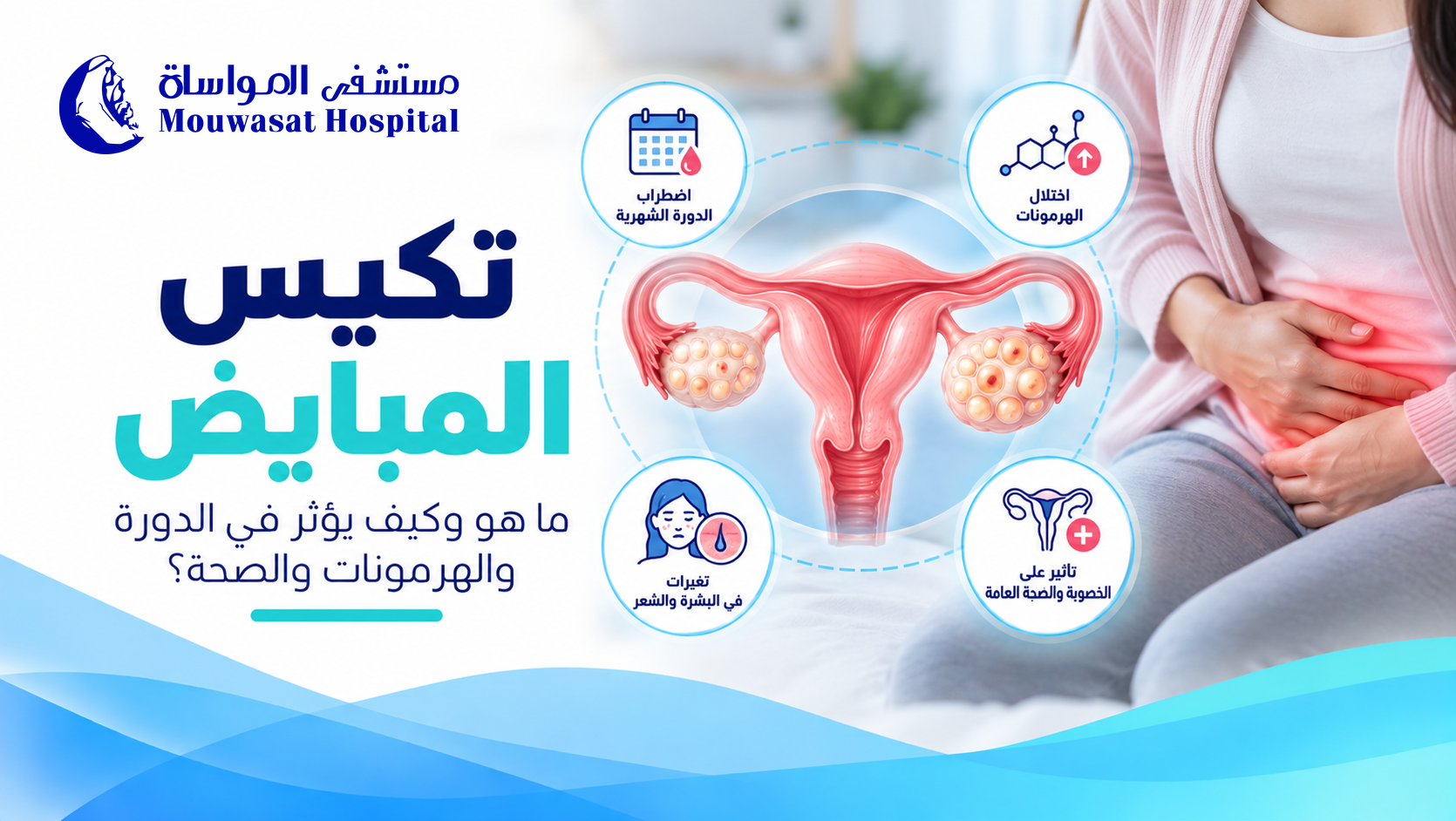
During an ovulatory menstrual cycle, a follicle develops and releases a mature egg.
With PCOS, hormonal changes can interfere with normal follicle development and ovulation.
Different people may experience:
- Regular ovulation.
- Ovulation that happens infrequently.
- Cycles in which ovulation does not occur.
This explains why fertility can vary substantially between individuals with the same diagnosis.
For more information about menstrual and androgen-related signs, read PCOS Symptoms: Early Signs and When to Seek Help.
Can You Get Pregnant Naturally With PCOS?
Yes. Natural pregnancy is possible for many people with PCOS.
Even when menstrual cycles are irregular, ovulation may still happen during some cycles. Pregnancy can occur if intercourse takes place during the fertile period.
The difficulty is that irregular ovulation makes that fertile period harder to predict and may reduce the number of ovulatory cycles available each year.
Do Regular Periods Mean Ovulation Is Normal?
Regular cycles generally make regular ovulation more likely, but they do not provide a complete fertility assessment.
Some people with apparently regular periods and features such as hirsutism may still have subtle ovulatory dysfunction.[3]
Can You Ovulate With Irregular Periods?
Yes. Irregular cycles do not necessarily mean that ovulation never occurs.
Ovulation may simply be intermittent and difficult to predict.
How Can You Identify Ovulation With PCOS?
Cycle-tracking applications may become less reliable when cycle length changes significantly from month to month because most predictions are based on previous cycle averages.
When necessary, clinicians may use menstrual history, appropriately timed progesterone measurements, or ultrasound in selected situations to assess ovulatory function.[3]
Do Ovulation Predictor Kits Work With PCOS?
Urine ovulation kits detect the luteinizing hormone (LH) surge that normally occurs shortly before ovulation.
However, some people with PCOS have higher baseline LH levels. This can result in false-positive results or repeated positive tests, making home kits more difficult to interpret.[3]
The test detects an LH pattern rather than ovulation itself. If home testing is repeatedly positive or confusing, another method of assessing ovulation may be more useful.
When Should You Seek Fertility Help?
For people without a known fertility-related condition, infertility evaluation is generally started after:
- 12 months of regular attempts when the female partner is younger than 35.
- 6 months when the female partner is 35 or older.
- More immediate assessment may be appropriate over age 40.[3]
PCOS can change this timeline.
ASRM's 2026 fertility-evaluation guidance recommends evaluation without delay when a condition known to affect fertility is already present. Irregular cycles, very long cycles, or amenorrhea are specifically included.[3]
If your periods occur only every few months or are absent without treatment, discussing fertility earlier can be more useful than spending a year waiting for ovulation that may rarely occur.
What Does a Fertility Assessment Include?
A PCOS diagnosis should not lead to the assumption that every delay in conception is caused by PCOS alone.
Depending on the situation, fertility evaluation may include:
- Assessment of menstrual cycles and ovulatory function.
- Age and reproductive history.
- Ultrasound assessment when appropriate.
- Evaluation of the uterus and fallopian tubes when indicated.
- Semen analysis when a sperm-contributing partner is involved.
- Targeted hormonal tests based on history and symptoms.
Modern fertility guidance emphasizes evaluating all relevant factors rather than stopping the assessment as soon as PCOS is identified.[3]
Does Everyone With PCOS Need a Tubal Test?
No.
When infertility appears to be due to anovulation alone and semen analysis is normal, the timing and need for tubal-patency testing can be individualized according to medical history, population risk, treatment plans, costs, and preferences.[2]
Does AMH Predict Whether You Will Conceive Naturally?
Not reliably.
AMH can provide useful information in certain fertility-treatment settings, but its ability to predict spontaneous natural pregnancy is limited.[3]
A high AMH level associated with PCOS should therefore not be interpreted as proof of excellent fertility, and an isolated AMH result should not determine whether natural pregnancy is possible.
How Can You Prepare for Pregnancy With PCOS?
Preconception care focuses on optimizing overall health before pregnancy rather than simply treating an ovulation number.
International guidance recommends considering factors such as:
- Blood pressure.
- Glucose status.
- Nutrition and physical activity.
- Smoking and alcohol when relevant.
- Sleep.
- Mental and emotional health.
- Current medications and supplements.
- Appropriate folate supplementation as part of routine preconception care.[2]
Do You Need to Lose Weight Before Pregnancy?
Not everyone with PCOS has a higher body weight.
When higher weight is present, sustainable lifestyle and weight management may improve reproductive and metabolic health for some individuals.
However, fertility care should consider the whole person rather than reducing reproductive health to a number on a scale.
Should Glucose Be Checked Before Pregnancy?
International PCOS guidance recommends offering an oral glucose tolerance test (OGTT) when planning pregnancy or seeking fertility treatment because of the increased risk of hyperglycaemia during pregnancy.[2]
What If You Are Not Ovulating Regularly?
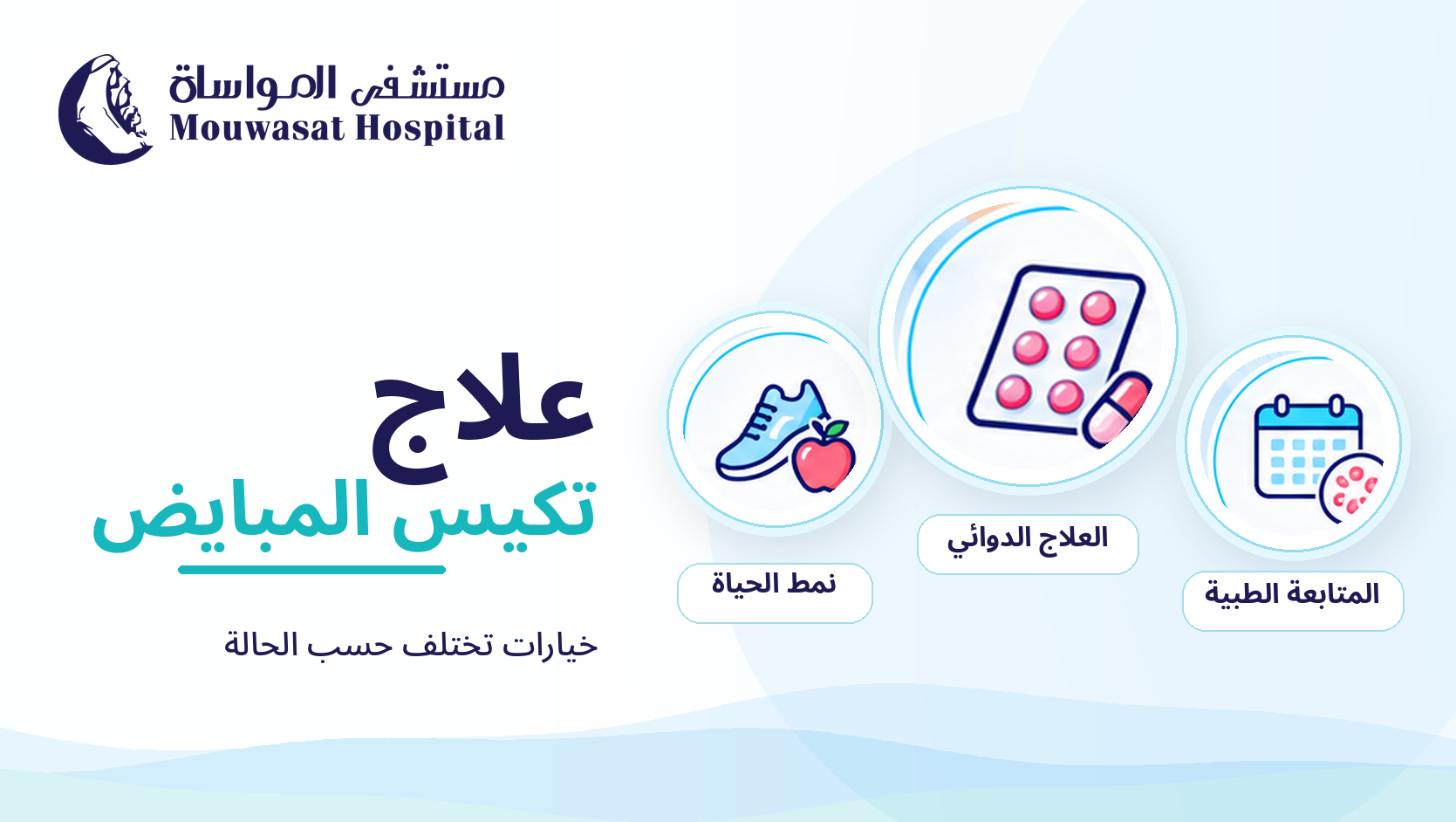
If anovulation is identified as the main fertility problem, effective treatments are available to induce ovulation.
For anovulatory infertility due to PCOS with no other infertility factors, letrozole is the preferred first-line pharmacological ovulation-induction treatment under international guidance.[2]
Fertility medication should be selected and monitored by a healthcare professional rather than used without supervision.
Other options are available if first-line therapy is unsuccessful. IVF and other assisted reproductive technologies may eventually be appropriate in some situations, but PCOS alone does not automatically mean IVF is required.
For the wider management of PCOS, see PCOS Treatment: How Options Differ According to Symptoms and Goals.
What Happens After You Become Pregnant?
Once pregnancy is confirmed, care shifts from fertility treatment to antenatal monitoring.
It is important for the maternity team to know about the PCOS history because pregnancy in people with PCOS is associated with higher rates of some complications and may benefit from additional monitoring.[1][2]
Does PCOS Increase Pregnancy Risks?
An increased risk does not mean that a complication will necessarily occur.
International guidance identifies increased rates of several pregnancy outcomes in people with PCOS, including:[2]
- Miscarriage.
- Gestational diabetes.
- Hypertension during pregnancy and preeclampsia.
- Preterm delivery.
- Some forms of impaired fetal growth or lower birth weight.
- Caesarean delivery.
Many people with PCOS have successful pregnancies. Recognizing the increased risks allows the healthcare team to monitor blood pressure, glucose, pregnancy growth and other factors appropriately.
When Is Glucose Testing Performed?
An OGTT is recommended when planning pregnancy or seeking fertility treatment.
If it was not performed before pregnancy, international PCOS guidance recommends offering it at the first antenatal visit and repeating it at around 24–28 weeks of pregnancy.[2]
Should Metformin Continue During Pregnancy?
There is no single rule for every patient.
Current international guidance indicates that routine metformin use during pregnancy in PCOS has not been shown to prevent gestational diabetes, late miscarriage, pregnancy hypertension, or preeclampsia.[2]
There may be selected circumstances where a clinician considers its use, but that decision needs to be individualized.
Do not stop or continue medication based solely on general online advice. Contact the clinician managing your care so the treatment can be reviewed according to why you take it and your individual health circumstances.
What About Inositol When Trying to Conceive?
Inositol is widely marketed to people with PCOS, but international guidance currently considers its use for PCOS-related infertility experimental, because evidence about ovulation, clinical pregnancy, and live-birth outcomes remains uncertain.[2]
Supplements should therefore not delay appropriate fertility assessment or evidence-based treatment when it is needed.
You can visit the Obstetrics and Gynecology Department at Mouwasat Hospital if you are planning pregnancy, have very irregular cycles, or have concerns about delayed conception.

Frequently Asked Questions About PCOS and Pregnancy
Does PCOS permanently prevent pregnancy?
No. PCOS may delay conception when ovulation is irregular, but many people conceive naturally or with treatment that helps restore ovulation.[1][2]
Can you get pregnant with PCOS without treatment?
Yes. Natural pregnancy can occur when spontaneous ovulation happens. Treatment may be needed when ovulation is very infrequent or absent.
How do I know whether I am ovulating with PCOS?
Menstrual history can provide useful information, and a clinician may use appropriately timed progesterone or other methods when needed. Home LH testing can sometimes be difficult to interpret in PCOS.
Do I have to try for a year before seeking fertility help?
Not necessarily. If periods are very irregular or absent, fertility evaluation can be started earlier because a known ovulatory disorder is already present.[3]
Does a high AMH mean I am very fertile?
No. AMH has limited ability to predict natural pregnancy and should not be interpreted in isolation.[3]
What is the first fertility medication for PCOS?
For anovulatory infertility caused by PCOS with no additional infertility factors, letrozole is the preferred first-line pharmacological ovulation-induction treatment under current international guidance.[2]
Does PCOS mean I will need IVF?
No. Less complex ovulation-induction treatments are usually considered first when anovulation is the main problem. IVF is used when clinically appropriate.
Does PCOS increase miscarriage risk?
PCOS is associated with an increased risk of miscarriage, but this does not mean miscarriage is inevitable. Many people with PCOS have successful pregnancies.[2]
Does pregnancy cure PCOS?
No. Symptoms may change after pregnancy, but PCOS remains a chronic hormonal and metabolic condition.
Final Thoughts: PCOS Can Delay Pregnancy, but It Does Not Close the Door
PCOS is one of the most common causes of ovulatory dysfunction, so conception may take longer when ovulation does not happen regularly.
But a PCOS diagnosis does not mean you cannot become pregnant.
Pregnancy may occur naturally, some people need help inducing ovulation, and others need evaluation for additional fertility factors unrelated to PCOS.
If your periods are extremely infrequent or absent, you also do not necessarily need to follow the usual “wait one year” rule before seeking help. A known ovulatory problem is a valid reason to discuss fertility sooner.
Medical disclaimer: This article provides general health education and does not replace individualized fertility evaluation or medical advice about fertility medication or medication use during pregnancy.
Medical References
- World Health Organization — Polycystic Ovary Syndrome, 2026
- American Society for Reproductive Medicine — International Evidence-based Guideline for PMOS/PCOS
- American Society for Reproductive Medicine — Fertility Evaluation of Infertile Women, 2026
- Monash University — International Evidence-based PMOS/PCOS Guideline