
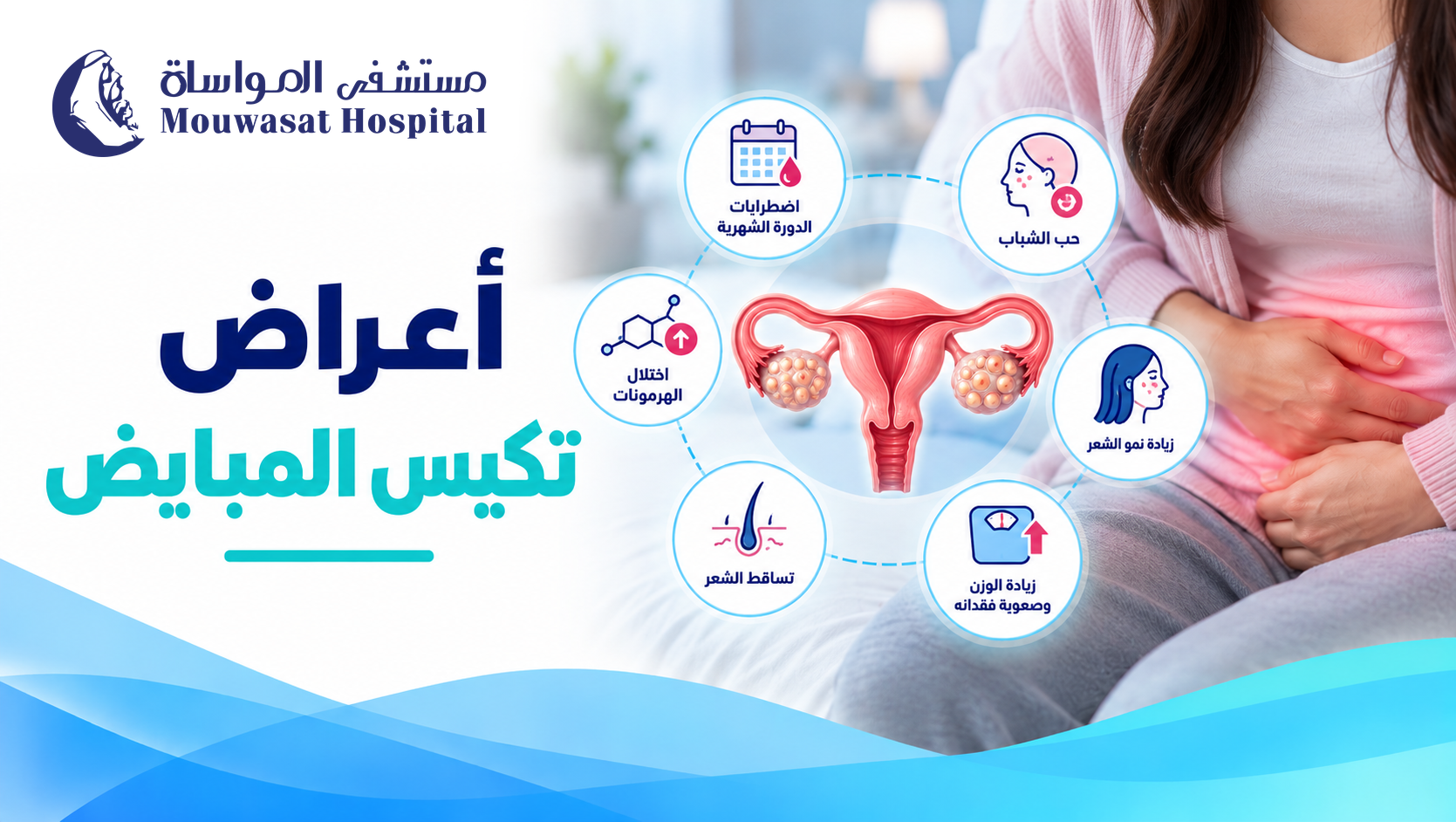

PCOS Symptoms: Early Signs, Mild Symptoms, and When to Seek Help
Your period starts arriving later than usual. Acne keeps returning even though adolescence is long behind you. Or you notice new coarse hairs appearing on your chin.
It is natural to wonder whether these changes could be PCOS symptoms. But no single symptom can answer that question. The condition can look very different from one person to another, and many of its features can also occur in people who do not have PCOS.[1][2]
What matters most is the pattern, persistence, and combination of symptoms.
For a broader introduction to the condition, read: Polycystic Ovary Syndrome (PCOS): Understanding the Condition and Its Health Effects.
- Irregular menstrual cycles and excess coarse facial or body hair are important features of PCOS.
- Acne, weight gain, or hair thinning alone cannot establish the diagnosis.
- PCOS can occur at any body size.
- Relationship or marital status does not change the syndrome.
- PCOS is not the same as having an individual ovarian cyst.
- Diagnosis considers the overall clinical pattern and excludes other possible causes.
- What is PCOS?
- What are the most common PCOS symptoms?
- What are mild PCOS symptoms?
- PCOS symptoms in teenagers
- Why do symptom combinations matter?
- Symptoms that do not necessarily mean PCOS
- Is PCOS the same as an ovarian cyst?
- When should you seek medical assessment?
- What happens after symptoms appear?
- Frequently asked questions
What Is PCOS?
PCOS is a common hormonal and metabolic condition that can affect ovulation, menstrual cycles, androgen activity, skin and hair, as well as aspects of metabolic health.[1]
In May 2026, a new medical name was adopted for the condition: Polyendocrine Metabolic Ovarian Syndrome (PMOS), replacing Polycystic Ovary Syndrome (PCOS). The updated name reflects the fact that the condition is not simply about ovarian “cysts” and involves broader endocrine and metabolic features.[2][3]
PCOS remains the term most patients know and search for, while the transition to PMOS terminology is taking place gradually. The name change does not mean that a new disease has been discovered or that the current diagnostic recommendations have suddenly changed.[2]
What Are the Most Common PCOS Symptoms?
The most characteristic symptoms generally relate to ovulatory dysfunction and androgen excess, although individual experiences vary considerably.[1]
1. Irregular or Infrequent Periods
Menstrual changes are among the most recognizable features of PCOS.
They may include:
- Periods that repeatedly arrive late.
- Long or unpredictable intervals between periods.
- Fewer menstrual cycles than expected during the year.
- Periods stopping for several months.
This may happen when ovulation does not occur regularly.[1]
However, menstrual irregularity is not unique to PCOS. Pregnancy, thyroid disorders, elevated prolactin, major changes in weight or energy intake, and other conditions can produce similar changes.
2. Excess Facial or Body Hair
Some people develop coarse, darker hair in androgen-sensitive areas such as the chin, upper lip, chest, abdomen, or back.
This pattern is known as hirsutism and can be an important clinical sign of androgen excess.[1][4]
Natural hair growth varies between individuals and families, so facial hair alone cannot diagnose PCOS.
3. Persistent Acne
Increased androgen activity can contribute to oily skin and acne. Some people notice acne that persists into adulthood or repeatedly affects the face, chest, or back.[1]
Because acne is very common, it is more informative when it appears alongside other features such as persistent menstrual irregularity or hirsutism.
4. Thinning Scalp Hair
Some people experience gradual thinning over the crown or widening of the hair part.
Hair thinning can also result from iron deficiency, thyroid disorders, nutritional changes, illness, and other causes, so the overall pattern matters.
5. Weight Gain or Difficulty Managing Weight
Weight gain or difficulties with weight management may occur with PCOS, but higher body weight is not required for the condition.
PCOS can affect people across different body sizes.[1]
6. Skin Changes Associated With Insulin Resistance
Some people notice darker, thicker, velvety skin around areas such as the neck or armpits.
This is called acanthosis nigricans and can be associated with insulin resistance, although it is not specific to PCOS.
PCOS Symptoms at a Glance
| Symptom | How It May Appear | Does It Diagnose PCOS? |
|---|---|---|
| Irregular periods | Infrequent or unpredictable cycles | No, but it is an important feature. |
| Hirsutism | Coarse facial or body hair | No. Genetics and background also matter. |
| Acne | Persistent or recurrent acne | No. Acne is common and nonspecific. |
| Scalp hair thinning | Reduced density around the crown or part | No. Other causes should be considered. |
| Weight changes | Weight gain or management difficulties | No. Weight gain is not required for PCOS. |
What Are Mild PCOS Symptoms?
People often search for “mild PCOS symptoms” when changes are subtle, such as occasional menstrual irregularity, limited facial hair growth, persistent acne, or gradual scalp hair thinning.
“Mild PCOS” is a commonly used phrase, but it is not a formally defined diagnostic severity category. Having only a few visible symptoms does not necessarily exclude the condition or indicate whether metabolic features are present.
Assessment therefore considers the type and persistence of symptoms rather than simply counting how many are visible.
PCOS Symptoms in Teenagers
PCOS can become apparent during adolescence, but diagnosis requires extra caution because normal puberty can produce features that overlap with the syndrome.
Irregular cycles and acne are common after puberty. International guidelines therefore use stricter criteria in adolescents, and ovarian ultrasound or AMH should not be used as diagnostic criteria at this stage because of poor specificity.[2][4]
Are Irregular Periods Normal After Menstruation Begins?
Cycles are often irregular during the first year after menarche as the reproductive system continues to mature.
More than three years after menarche, cycles shorter than 21 days or longer than 35 days, or fewer than eight cycles per year, fall within patterns of menstrual irregularity that may deserve evaluation. A gap of more than 90 days between cycles after the first post-menarche year also warrants assessment.[4]
These findings help guide assessment; they do not diagnose PCOS by themselves.
Does Teenage Acne Mean PCOS?
No. Acne is extremely common during adolescence.
Severe acne or hirsutism becomes more relevant when accompanied by persistent menstrual irregularity.
Why Do Symptom Combinations Matter?
An individual symptom may be common and nonspecific. The pattern created when several symptoms occur together can provide more useful information.
For example, acne alone is common. Repeatedly irregular periods combined with increasing coarse facial hair, however, bring together possible ovulatory dysfunction and clinical androgen excess.[4]
| Pattern | How to Interpret It | Possible Next Step |
|---|---|---|
| Acne alone | Common and nonspecific | Assess if severe or persistent. |
| One delayed period | Insufficient to suggest PCOS on its own | Consider possible causes and monitor the pattern. |
| Repeated irregular cycles + hirsutism | More suggestive of ovulatory dysfunction and androgen excess | Medical assessment is appropriate. |
| Weight gain alone | Not diagnostic of PCOS | Assess overall health as appropriate. |
| Rapid hair growth + virilizing changes | May suggest another cause of androgen excess | Prompt medical evaluation. |
Symptoms That Do Not Necessarily Mean PCOS
Weight Gain Alone
Weight gain has many possible causes and cannot establish PCOS by itself.
Fatigue
Fatigue is nonspecific and can occur with sleep problems, anemia, thyroid disease, psychological stress, and many other health conditions.
Bloating
Bloating is also nonspecific and may be related to gastrointestinal conditions, diet, or the menstrual cycle.
Pelvic or “Ovarian” Pain
Pelvic pain should not automatically be attributed to PCOS, particularly when it is sudden or severe.
Is PCOS the Same as an Ovarian Cyst?
No. This distinction is one reason the condition was renamed PMOS in 2026.
PCOS/PMOS is an endocrine and metabolic syndrome. An ovarian cyst is a separate structural finding that can develop for a variety of reasons.[3]
A person can have an ovarian cyst without having PCOS. Likewise, a PCOS diagnosis does not always require a polycystic ovarian appearance. In adults with irregular menstrual cycles and hyperandrogenism, ultrasound or AMH may not be required to establish the diagnosis once alternative causes have been excluded.[4]
We explore that question in detail in the next cluster article: PCOS Diagnosis and Tests: Is an Ultrasound Enough?.
When Should You Seek Medical Assessment?
Consider arranging an assessment if you notice:
- Persistent or repeatedly irregular periods.
- Periods stopping for several months without an obvious explanation.
- Increasing facial or body hair together with menstrual changes.
- Severe or persistent acne accompanied by other hormonal symptoms.
- Progressive scalp hair thinning alongside other symptoms.
- Changes that are affecting your quality of life or causing ongoing concern.
- Signs of androgen excess develop rapidly, such as sudden marked coarse hair growth or voice deepening.
- You develop sudden severe pelvic pain, particularly with vomiting, fainting, or unusual bleeding. These symptoms should not simply be assumed to be caused by PCOS.
Rapidly progressive or markedly severe androgen-related features deserve assessment for conditions other than PCOS as well.[4]
What Happens After PCOS Symptoms Appear?
Assessment usually begins with the menstrual history, timing and progression of symptoms, changes in hair and skin, medications, and relevant personal and family health history.
Further investigations are chosen according to the individual situation.
PCOS is not diagnosed from one symptom, one blood test, or an ultrasound image alone.[2][4]
For a detailed explanation of ultrasound, hormone testing, AMH, and diagnostic criteria, read: PCOS Diagnosis and Tests: Is an Ultrasound Enough?.
If PCOS is confirmed, management depends on symptoms and individual health goals. Learn more in: PCOS Treatment: How Options Differ According to Symptoms and Goals.
You can also visit the Obstetrics and Gynecology Department at Mouwasat Hospital for specialist assessment when needed.
Frequently Asked Questions About PCOS Symptoms
How do I know whether I have PCOS?
Persistent menstrual irregularity or hirsutism may raise suspicion, but symptoms alone cannot confirm the diagnosis. Medical assessment considers the overall pattern and other possible causes.
What is usually the first sign of PCOS?
There is no single first symptom. Some people first notice irregular periods, while others initially notice acne or changes in facial or body hair.
Can you have PCOS with regular periods?
Yes. Apparently regular cycles do not completely exclude ovulatory dysfunction.[4]
Can a person with normal weight have PCOS?
Yes. PCOS affects people across different body sizes, and weight gain is not required for diagnosis.[1]
Does chin hair automatically mean PCOS?
No. Genetics and other hormonal factors can affect facial hair growth. Its significance depends on the wider symptom pattern.
Is acne a PCOS symptom?
It can be, but acne is common and is not specific enough to diagnose PCOS by itself.
Is pelvic pain a typical PCOS symptom?
Severe or sudden pelvic pain is not a defining feature of PCOS and should be assessed rather than automatically attributed to the syndrome.
Can PCOS exist without ovarian cysts?
Yes. The old name can be misleading, and diagnosis does not always require a polycystic ovarian appearance.[3][4]
Are PCOS symptoms different in unmarried women?
No. Marital status does not change the syndrome. What may differ is the reason for seeking care or the person's current health priorities.
If my symptoms improve, has PCOS disappeared?
Symptoms may improve or change over time, but symptom improvement alone does not establish that the condition or related health considerations have resolved.
Final Thoughts: Look for the Pattern, Not One Symptom
PCOS symptoms can include irregular periods, excess facial or body hair, acne, scalp hair thinning, and other changes. However, each of these symptoms can also have other explanations.
The more useful question is therefore not simply “Do I have this symptom?” but “Is there a persistent pattern or combination of changes that deserves assessment?”
Recognizing that pattern can help you seek the right evaluation without unnecessary anxiety or relying on self-diagnosis.
Medical disclaimer: This article is intended for general health education and does not replace individualized medical assessment or diagnosis.
Medical References
- World Health Organization — Polycystic Ovary Syndrome, 2026
- Monash University — International Evidence-based Guideline for PMOS/PCOS
- Monash University — Polyendocrine Metabolic Ovarian Syndrome: New Name for PCOS, 2026
- American Society for Reproductive Medicine — International Evidence-based Guideline Recommendations for PMOS/PCOS