

For some women, the first clue is an irregular menstrual cycle. For others, it is persistent acne, unwanted facial hair, difficulty becoming pregnant, or an ultrasound report describing polycystic ovarian morphology.
These findings often lead to the same question: does this mean there are cysts on the ovaries?
Polycystic ovary syndrome (PCOS) is much more than an ovarian ultrasound finding. It is a complex endocrine and metabolic condition that can affect ovulation, menstrual cycles, androgen activity, skin and hair, metabolic health, and fertility.
In 2026, the international guideline initiative adopted a new name for the condition: Polyendocrine Metabolic Ovarian Syndrome (PMOS). The new terminology reflects growing recognition that the condition is not simply about ovarian “cysts.” PCOS remains the widely recognized term and is therefore used throughout this guide alongside the newer PMOS terminology.
This article explains what PCOS is, how it differs from an ovarian cyst, what causes it, how it can affect health, how diagnosis is approached, and why treatment is tailored to each woman's symptoms and goals.
The name has caused considerable confusion. The small follicles sometimes seen in polycystic ovarian morphology are not the same as pathological ovarian cysts, and having an ovarian cyst does not mean that someone has PCOS. [1] [2]
PCOS is a condition involving abnormalities in reproductive hormones, androgen activity, ovulation, and metabolic regulation.
Higher androgen activity can interfere with normal follicle development and ovulation, contributing to irregular menstrual cycles. In some women, it also contributes to excess facial or body hair, acne, or scalp hair thinning.
Metabolic changes are another important part of the syndrome. Insulin resistance is common, although it is not present to the same degree in every woman.
The World Health Organization describes PCOS as a chronic hormonal and metabolic condition that can affect health during the reproductive years and beyond. [2]
No.
One woman may primarily experience irregular periods. Another may seek help for hirsutism or acne. Someone else may discover the condition during a fertility assessment.
PCOS also occurs across different body sizes. Overweight or obesity can influence metabolic risk, but they are not required for diagnosis.
This variation is why diagnosis should be based on the complete clinical picture rather than one symptom or one ultrasound result.
In May 2026, the international guideline initiative adopted the name Polyendocrine Metabolic Ovarian Syndrome (PMOS) for the condition previously known as polycystic ovary syndrome.
The change was intended to correct a long-standing misconception created by the old name.
PCOS is not simply a disorder of ovarian cysts. It involves interactions between:
The newer PMOS terminology is intended to better reflect this broader biology. [1]
In everyday clinical practice and online searches, however, the term PCOS remains widely used. Both names currently refer to the same underlying condition.
| Feature | PCOS / PMOS | Ovarian cyst |
|---|---|---|
| Type of condition | Endocrine and metabolic syndrome affecting ovulation and other body systems. | A fluid-filled or otherwise defined cystic structure arising in or on an ovary. |
| Are cysts required? | No. PCOS can be diagnosed without pathological ovarian cysts. | A cystic structure defines the condition. |
| Hormonal effects | May affect ovulation, menstruation, and androgen levels. | Many ovarian cysts do not cause a generalized hormonal disorder. |
| Management | Based on symptoms, metabolic health, and reproductive goals. | Depends on cyst type, size, appearance, symptoms, age, and other factors. |
No.
The small follicles associated with polycystic ovarian morphology are not cysts that travel into the uterus and leave the body with menstrual blood.
Some functional ovarian cysts may resolve naturally over time, but this is a different process and should not be confused with PCOS.
There is no single known cause.
PCOS appears to result from interactions between genetic, endocrine, metabolic, and environmental factors.
PCOS tends to occur in families. A family history of the condition or type 2 diabetes may be associated with increased risk.
Excess androgen production or activity can interfere with ovulation and contribute to features such as hirsutism, acne, and androgen-related scalp hair thinning.
Insulin resistance is an important feature in many women with PCOS.
Higher insulin levels may contribute to increased ovarian androgen production and can interact with reproductive hormone regulation.
However, not every woman with PCOS has overweight or the same degree of insulin resistance.
No.
Diet, physical activity, and body weight can influence metabolic features and symptoms, but they do not provide a complete explanation for why PCOS develops.
Women should not be blamed for having the condition.
Possible features include:
No single symptom proves that someone has PCOS. Each of these features can also occur for other reasons.
For a deeper guide to symptom patterns and conditions that can look similar, see PCOS Symptoms: When Do Period and Skin Changes Suggest the Syndrome?.
There is no single blood test or ultrasound finding that independently proves PCOS.
Diagnosis in adults involves menstrual and medical history, clinical assessment, laboratory tests when appropriate, and sometimes ultrasound or anti-Müllerian hormone (AMH).
After other causes of the symptoms have been excluded, diagnosis is generally based on at least two of three features:
| Diagnostic feature | What it means |
|---|---|
| Ovulatory dysfunction | Often reflected by irregular, infrequent, or absent menstrual periods. |
| Hyperandrogenism | Clinical features such as excess hair growth or elevated androgen levels on appropriate testing. |
| Polycystic ovarian morphology | Defined by appropriate ultrasound assessment; AMH may be used in selected adults within the diagnostic algorithm. |
If an adult already has both irregular menstrual cycles and hyperandrogenism, ultrasound or AMH is not necessarily required to establish the diagnosis. [3]
No.
Polycystic ovarian morphology can occur without PCOS, and PCOS can occur without the characteristic ovarian appearance.
Using ultrasound alone can therefore result in overdiagnosis.
AMH can now be used in selected adults as part of the diagnostic algorithm for polycystic ovarian morphology, but it should not be used as a standalone diagnostic test. [3]
AMH and ultrasound are not currently recommended for diagnosing PCOS in adolescents because of limited specificity.
For a detailed explanation of blood tests, ultrasound, AMH, and alternative diagnoses, see PCOS Tests: Is Ultrasound Enough for Diagnosis?.
Insulin helps cells take up and use glucose.
When insulin resistance develops, the body may produce more insulin to maintain glucose regulation.
In PCOS, elevated insulin levels can interact with ovarian androgen production and reproductive hormone signaling.
This relationship is one reason women with PCOS have a higher risk of impaired glucose regulation and type 2 diabetes.
However, insulin resistance and PCOS are not interchangeable diagnoses.
The international guideline also notes that currently available clinical measures of insulin resistance are not sufficiently accurate to be recommended routinely for diagnosing the syndrome. [3]
If your glucose results are already above normal, see Prediabetes: Understanding Your Results and Reducing Your Risk.
PCOS is not usually an emergency, but it deserves appropriate long-term care because it can affect several aspects of health.
When ovulation is infrequent and periods are absent for prolonged intervals, the endometrium may be exposed to prolonged hormonal stimulation.
PCOS is associated with a higher risk of endometrial hyperplasia and endometrial cancer. However, the absolute cancer risk for an individual woman remains relatively low, and routine cancer screening is not recommended solely because someone has PCOS. [2] [3]
Women with PCOS have a higher risk of impaired glucose regulation and type 2 diabetes, so appropriate glucose assessment may be recommended according to individual risk.
PCOS can occur alongside hypertension and abnormal lipid levels, making cardiovascular risk assessment part of comprehensive care.
PCOS is associated with an increased risk of obstructive sleep apnea, particularly when other risk factors are present.
Symptoms involving body hair, acne, weight, menstruation, or fertility can significantly affect body image and quality of life.
Anxiety, depressive symptoms, eating disorders, and psychological distress are also more common in women with PCOS, making mental wellbeing an important part of care. [2] [3]
A PCOS diagnosis does not mean that pregnancy is impossible.
Many women with PCOS conceive naturally.
However, irregular or absent ovulation can make conception more difficult for some women and may require fertility assessment or treatment.
PCOS should also not automatically be assumed to explain every fertility problem. Other factors affecting either partner may need assessment.
Treatment therefore differs depending on whether the current goal is pregnancy, menstrual-cycle management, androgen-related symptoms, or metabolic health.
There is no single treatment plan for every woman.
Management starts by identifying what matters most:
Treatment may include lifestyle support, hormonal therapy, medicines targeting metabolic features, dermatological treatments, or fertility treatment when appropriate.
Combined hormonal contraceptives may be appropriate for some women to manage irregular cycles and androgen-related symptoms after individual medical assessment.
Metformin can be considered in selected women, particularly for certain metabolic indications, but PCOS does not automatically mean that everyone requires metformin.
Management can include medical treatments, dermatological care, and cosmetic hair-removal methods depending on severity and patient preferences.
When anovulation contributes to infertility, treatments that support ovulation are available. The appropriate option depends on a complete fertility assessment.
Hormonal medicines, metformin, and ovulation-induction medicines should not be self-started without medical assessment.
For a full comparison of treatment options by goal, see PCOS Treatment: How Options Change According to Symptoms and Goals.
Healthy lifestyle support is a core part of PCOS care across body sizes.
No single diet has been shown to be superior for every woman with the condition.
The focus should be on a sustainable eating pattern, regular physical activity, adequate sleep, and reducing prolonged sedentary time.
No.
For women with excess weight, modest and sustainable weight loss can improve metabolic outcomes and may improve menstrual regularity or ovulation.
At the same time, modern guidelines emphasize avoiding weight stigma and recognizing the benefits of healthy behaviors even when body weight does not change substantially. [3]
There is no universal list of “forbidden PCOS foods.”
A balanced eating pattern typically emphasizes fiber-rich foods, vegetables, appropriate protein sources, and less reliance on sugar-sweetened beverages and highly processed foods.
Extreme restriction or eliminating entire food groups is not routinely necessary without a specific medical reason.
Yes.
Irregular periods and acne can be part of normal pubertal development, and polycystic ovarian morphology is common during adolescence.
Current guidelines therefore require greater diagnostic caution.
In adolescents, both persistent ovulatory dysfunction and hyperandrogenism are required after excluding other causes.
Ultrasound and AMH are not recommended for diagnosis during adolescence because of poor specificity and the risk of overdiagnosis. [3]
PCOS is not related to marital status.
The condition can affect women and girls regardless of whether they are married or sexually active.
The underlying diagnostic criteria do not change because of marriage, although the specific tests and management approach are adapted to age, symptoms, health status, and individual goals.
Irregular periods, hirsutism, or other symptoms should not be ignored simply because pregnancy is not currently a priority.
Because PCOS can involve menstrual, hormonal, metabolic, and fertility concerns, appropriate assessment looks beyond the ultrasound result alone.
Through the Obstetrics & Gynecology Department at Mouwasat Hospital, patients can discuss irregular cycles, ovulatory problems, suspected PCOS, and individualized assessment and treatment according to available services.
Some women may also benefit from coordinated care involving endocrinology or other specialties when metabolic or additional health concerns are present.

Consider medical evaluation for:
Very rapid development of hirsutism, significant voice deepening, or other sudden signs of marked androgen excess require medical assessment because they may suggest causes other than PCOS.
No. PCOS is an endocrine and metabolic syndrome, whereas an ovarian cyst is a separate structural condition. PCOS can be diagnosed without pathological ovarian cysts.
Yes. In adults, PCOS can be diagnosed without polycystic ovarian morphology when other diagnostic criteria are present after alternative causes have been excluded.
PCOS is considered a chronic condition, but symptoms and metabolic effects can improve considerably with appropriate management and may change across different life stages.
No. Many women with PCOS conceive naturally. Irregular ovulation may make pregnancy more difficult for some women, but effective fertility treatments are available when needed.
No. PCOS occurs across body sizes. Excess weight can influence metabolic risk but is not required for diagnosis.
Yes. Increased androgen activity can cause coarse facial or body hair in some women.
It can contribute to androgen-related scalp hair thinning, although many other conditions can also cause hair loss.
Ovulatory dysfunction can cause infrequent or absent periods, although other causes of absent menstruation also need consideration.
No. Insulin resistance is an important and common feature, but it varies between individuals and is not required as a standalone diagnostic criterion.
No. Metformin can be useful for selected metabolic indications, but it does not permanently cure the syndrome and is not required for every woman.
Evidence is insufficient to support herbal remedies as a replacement for evidence-based assessment and treatment, and some supplements may interact with medicines.
PCOS is not usually an emergency, but appropriate follow-up matters because it is associated with metabolic, endometrial, reproductive, sleep, and psychological health risks.
No. AMH may be used within the adult diagnostic algorithm in selected circumstances, but it should not be used as a standalone diagnostic test.
No. Marriage and sexual activity neither cause nor cure PCOS. It is an endocrine and metabolic condition requiring management according to symptoms and health goals.
PCOS is a multisystem condition, which is why its international name was updated in 2026 to better reflect its endocrine and metabolic biology.
It can affect menstruation, ovulation, androgen activity, skin, hair, metabolic health, and fertility, but the pattern varies considerably between women.
Diagnosis does not depend on ultrasound alone, PCOS is not the same as having an ovarian cyst, and the condition does not automatically mean infertility or require the same treatment for everyone.
Good care begins by identifying which aspects of the syndrome affect you and building treatment around your priorities, whether they involve menstrual health, androgen-related symptoms, metabolic health, fertility, or a combination of these concerns.
Learn more about the Obstetrics & Gynecology Department at Mouwasat Hospital for assessment and follow-up.
Medical disclaimer: This article provides general health education and should not be used to diagnose PCOS or select medication without individualized medical assessment. Testing and treatment vary according to age, symptoms, health status, and reproductive goals.
You open your laboratory report and see an HbA1c of 5.9% or a fasting glucose of 108 mg/dL. Then you see the word prediabetes. Does that mean you already have diabetes?
No. Prediabetes means blood glucose is higher than normal but has not reached the diagnostic range for diabetes.
It is also not a guarantee that type 2 diabetes will develop. For many people, this stage is an opportunity to identify risk early and make changes that can substantially reduce the likelihood of progression.
Some people can bring glucose measurements back below the prediabetes range through weight management when appropriate, physical activity, nutrition, and other health changes. Follow-up remains important because prediabetes is associated with increased metabolic and cardiovascular risk.
This guide explains the prediabetes ranges for HbA1c, fasting glucose, and the oral glucose tolerance test, why results may disagree, how prediabetes differs from insulin resistance, and what practical steps can reduce future risk.
These values fall within the prediabetes range. The important next step is to understand your individual risk and act early rather than waiting for glucose to rise into the diabetes range.
Prediabetes is a metabolic state in which glucose levels are above the normal range but have not reached the thresholds used to diagnose diabetes.
It reflects an early disturbance in glucose regulation. In many people, this is related to insulin resistance, declining pancreatic beta-cell function, or a combination of both.
Prediabetes is not simply “halfway to diabetes,” and progression is not inevitable. It is a stage in which intervention can reduce future risk and improve overall metabolic health.
For a broader explanation of fasting and postmeal glucose ranges, see Normal Blood Sugar Levels: Fasting, After Meals, and When to Get Tested.
Prediabetes can be identified using HbA1c, fasting plasma glucose, or a two-hour oral glucose tolerance test.
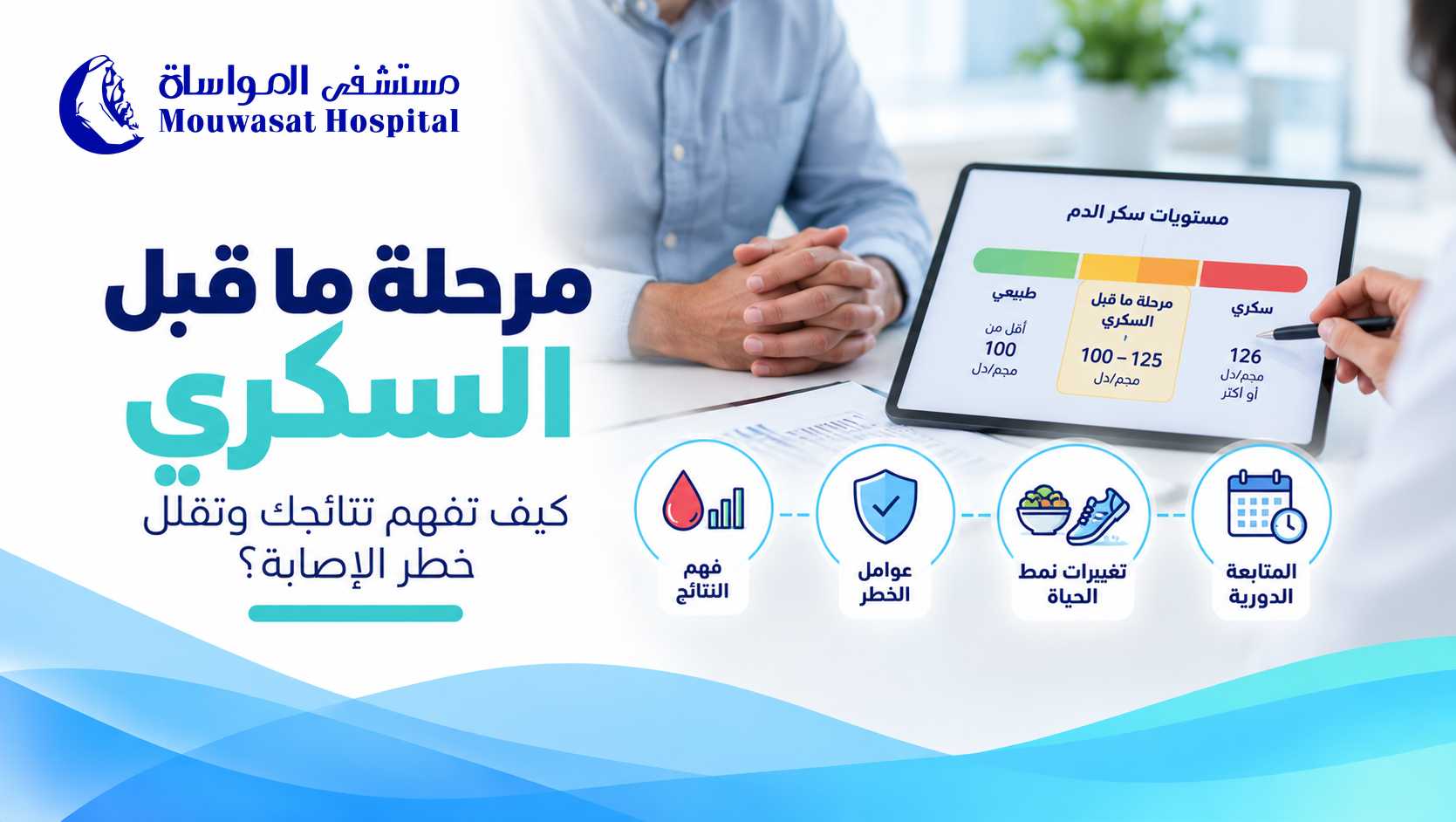
| Test | Normal range | Prediabetes | Diabetes range |
|---|---|---|---|
| HbA1c | Below 5.7% | 5.7%–6.4% | 6.5% or higher |
| Fasting plasma glucose | Below 100 mg/dL | 100–125 mg/dL | 126 mg/dL or higher |
| 2-hour oral glucose tolerance test | Below 140 mg/dL | 140–199 mg/dL | 200 mg/dL or higher |
These diagnostic ranges apply to nonpregnant individuals. Gestational diabetes uses different diagnostic criteria.
When a result reaches the diabetes range in the absence of unequivocal hyperglycemia, confirmation is generally required. [1]
An A1C of 5.7% is at the lower boundary of the prediabetes range.
It does not mean that diabetes is inevitable, but it indicates a higher risk than a lower A1C result.
An HbA1c of 6% is also within the prediabetes range.
As A1C rises within this range, other factors such as body weight, family history, physical activity, blood pressure, and lipid levels become increasingly important in estimating overall risk.
They fall within the same diagnostic category, but risk is not necessarily identical throughout the entire range.
A result close to the diabetes threshold generally deserves closer attention to follow-up and modifiable risk factors.
For more detail, see HbA1c Test: Normal Ranges, Results, and When to Repeat It.
Because these tests measure different aspects of glucose metabolism.
One test may therefore identify prediabetes while another remains within the normal range.
| Example | Result | Interpretation |
|---|---|---|
| A1C 5.9%, fasting glucose 96 mg/dL | A1C indicates prediabetes; fasting glucose is normal | The tests reflect different aspects of glucose regulation. |
| A1C 5.5%, fasting glucose 108 mg/dL | Fasting glucose indicates prediabetes; A1C is normal | This does not automatically mean one result is wrong. |
| A1C 6.0%, 2-hour OGTT 165 mg/dL | Both are within the prediabetes range | The results reinforce the need for prevention and follow-up. |
If results are unexpectedly inconsistent, healthcare professionals may consider factors that affect HbA1c accuracy, including certain anemias, hemoglobin disorders, or altered red blood cell lifespan. [1]
Prediabetes usually causes no obvious symptoms.
This is one reason people may live with it for years before it is identified through screening.
Absence of excessive thirst, frequent urination, or weight loss does not prove that glucose is normal.
If classic hyperglycemia symptoms such as marked thirst, frequent urination, unexplained weight loss, or blurred vision develop, glucose may have risen further and medical assessment is appropriate.
See Early Signs of Diabetes: Symptoms and When to Get Tested and High Blood Sugar: Symptoms, Dangerous Levels, and What to Do.
No.
Insulin resistance means the body's cells do not respond to insulin as effectively as expected, so more insulin may be required to maintain glucose control.
Prediabetes is a diagnostic category based on glucose or HbA1c results.
Insulin resistance can contribute to the development of prediabetes and type 2 diabetes, but the terms are not interchangeable.
A person may have insulin resistance before glucose testing reaches the prediabetes range, and prediabetes is not diagnosed simply by ordering an “insulin resistance test.” [4]
Risk may increase with factors such as:
Having one or more risk factors does not mean you have prediabetes, but it may be a reason to discuss screening with a healthcare professional. [1]
No.
This is one of the most important messages after receiving a prediabetes result.
Prediabetes indicates increased risk, but progression is not inevitable. Diabetes prevention studies show that sustained lifestyle changes can meaningfully reduce the likelihood of developing type 2 diabetes in high-risk individuals. [2] [3]
Some people can bring glucose measurements below the prediabetes range through weight loss when appropriate, regular physical activity, nutritional changes, and improvement in other metabolic risk factors.
However, describing this as a permanent “cure” can be misleading because underlying risk may remain and glucose levels can rise again over time.
A more useful goal is to reduce risk, improve metabolic health, and maintain follow-up.
Successful diabetes prevention is usually based on sustainable changes rather than short-term restrictive diets.
For adults with overweight or obesity at high risk of type 2 diabetes, intensive lifestyle programs commonly aim for approximately 5%–7% loss of initial body weight.
For someone weighing 90 kg, for example, 5%–7% represents approximately 4.5–6.3 kg.
This is not a mandatory “ideal weight.” It is a realistic initial target associated with meaningful health benefits. [2]
A common prevention target is at least 150 minutes per week of moderate-intensity physical activity, such as brisk walking, spread across the week.
Someone who is currently inactive can begin at a lower level and build gradually according to health status and ability.
Exercise is valuable, but daily movement also matters.
Breaking up long periods of sitting with short walks or other light activity can help create a more active routine.
Prediabetes prevention is not only about glucose.
Sleep, tobacco use, blood pressure, cholesterol, triglycerides, and cardiovascular health all contribute to long-term risk.
There is no single diet that every person with prediabetes must follow.
Evidence-based recommendations support several healthy dietary patterns depending on health needs, preferences, culture, and the ability to maintain them over time.
Helpful principles include:
No.
Carbohydrates do not have to be eliminated automatically. Their type, amount, and place within the overall dietary pattern matter.
Dietary patterns including Mediterranean-style approaches and some lower-carbohydrate approaches may be appropriate for different individuals. The best plan is one that is nutritionally sound and sustainable. [2]
No.
Whole fruit can be part of a healthy eating pattern. Its nutritional effect is different from large amounts of fruit juice or sugar-sweetened beverages.
Overall dietary quality and portion size matter more than banning one food category.
Not for everyone.
Lifestyle modification remains the foundation of diabetes prevention, and entering the HbA1c range of 5.7%–6.4% does not automatically mean medication is required.
The ADA recommends considering metformin for diabetes prevention in selected adults at particularly high risk, including people with factors such as:
These factors do not mean a person should automatically start medication. The decision depends on individual risk, health status, benefits, limitations, and medical assessment. [2]
Do not start metformin or another glucose-lowering medicine solely to prevent diabetes without medical guidance.
Prediabetes often occurs alongside other metabolic risk factors, including high blood pressure, excess weight, and abnormal lipid levels.
Follow-up therefore should not focus only on whether A1C has reached 6.5%.
A broader assessment may include:
The goal is to reduce overall long-term health risk, not simply change one laboratory number.
The ADA generally recommends testing people with established prediabetes at least annually, with earlier reassessment when individual risk or clinical circumstances justify it. [1]
| Situation | Next step |
|---|---|
| Stable result within the prediabetes range | Ongoing monitoring, generally at least yearly. |
| Result close to the diabetes threshold | A clinician may recommend earlier follow-up depending on overall risk. |
| Classic hyperglycemia symptoms develop | Do not wait for routine annual testing; seek medical assessment. |
| A1C reaches 6.5% or fasting glucose reaches 126 mg/dL | The result is within the diabetes diagnostic range and requires appropriate evaluation and confirmation. |
Diabetes diagnostic thresholds include:
Random laboratory plasma glucose may also be used when unequivocal hyperglycemia and classic symptoms are present.
In the absence of unequivocal hyperglycemia, diagnosis generally requires confirmatory abnormal testing. [1]
For the complete diagnostic pathway, read Diabetes: Early Detection, Diagnosis, and Your Next Steps.
A prediabetes result can be an opportunity to review overall metabolic health before glucose progresses further.
At the Diabetic Center at Mouwasat Hospital, patients can discuss glucose and HbA1c results, risk factors, body weight, physical activity, and an appropriate follow-up plan according to individual needs and available services.
When one test result does not match another, medical assessment can help determine whether repeat testing or another glucose test is appropriate.
No. Glucose is above normal but remains below the diagnostic range for diabetes.
Yes. An HbA1c of 5.7% is at the lower boundary of the prediabetes diagnostic range in nonpregnant individuals.
It is not an emergency by itself, but it falls within the prediabetes range and warrants prevention and follow-up, particularly when other risk factors are present.
Some people can bring glucose values below the prediabetes range through sustainable changes in weight, physical activity, nutrition, and other health factors. Continued follow-up is still important.
Usually not. It is commonly identified through screening rather than symptoms.
No. Insulin resistance is a metabolic mechanism, while prediabetes is defined by glucose or HbA1c test results.
No. Lifestyle modification is the foundation of prevention, while metformin may be considered for selected people at particularly high risk.
Reducing added sugars and sugar-sweetened drinks is useful, but prevention depends on the overall dietary pattern rather than eliminating one ingredient alone.
Yes. Whole fruit can be included as part of a balanced dietary pattern.
People with established prediabetes are generally tested at least yearly, although earlier testing may be appropriate for higher-risk individuals.
This can occur because the tests measure different aspects of glucose regulation. A healthcare professional can interpret them together and decide whether further testing is appropriate.
When testing reaches diabetes diagnostic thresholds, such as an HbA1c of 6.5% or higher or fasting plasma glucose of 126 mg/dL or higher, with confirmation when required.
Seeing an A1C of 5.8% or 6% can be worrying, but it does not mean you already have diabetes and it does not mean progression is inevitable.
It means glucose regulation has begun to change and this is an appropriate time to address modifiable factors such as weight when relevant, physical activity, nutrition, blood pressure, lipids, and follow-up.
The earlier prediabetes is identified, the more opportunity there is to create a realistic prevention plan before glucose reaches the diabetes range.
Learn more about the Diabetic Center at Mouwasat Hospital for assessment and follow-up.
Medical disclaimer: This article provides general health education and does not replace individualized medical assessment. Do not start or stop glucose-lowering medication based on one laboratory result without consulting a healthcare professional.
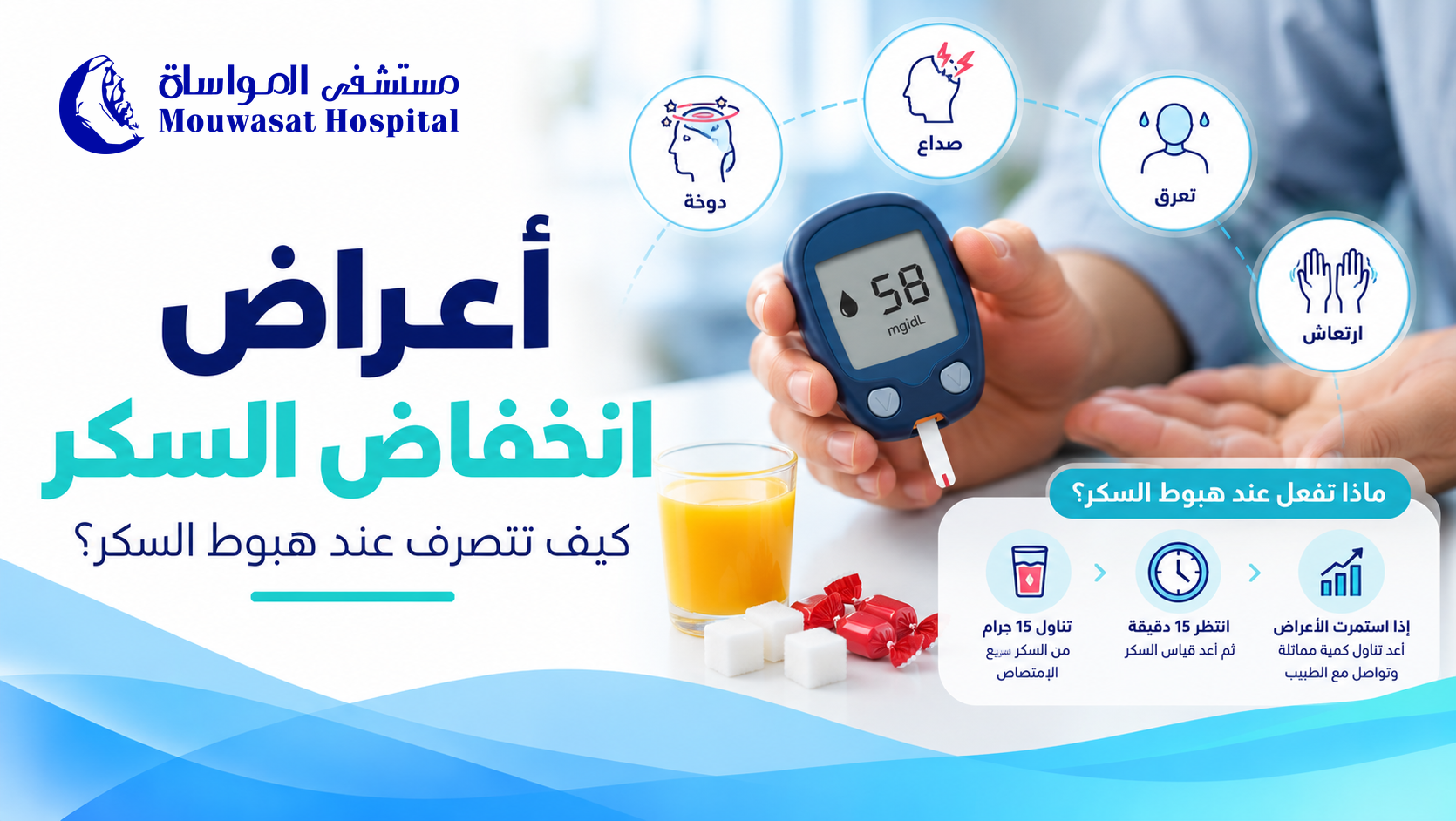
Low blood sugar does not always begin dramatically. It may start with shaky hands, sweating, sudden hunger, a racing heart, or simply a feeling that something is “off.” As glucose falls further, thinking and coordination can become more difficult, which is why recognizing the early signs matters.
Hypoglycemia means blood glucose has fallen below a safe level. For many people with diabetes, glucose below 70 mg/dL is considered clinically important and should be treated, while glucose below 54 mg/dL represents more significant hypoglycemia that requires immediate action.
However, one of the most important things to understand is that severe hypoglycemia is not defined by a particular glucose number. If a person becomes confused, cannot safely treat themselves, loses consciousness, or requires another person's help to recover, the episode is considered severe.
This guide explains the symptoms of low blood sugar, what different glucose levels mean, how to treat a low when someone is awake and able to swallow, what to do when they cannot, why hypoglycemia may occur during sleep or without warning, and when repeated episodes require a review of the diabetes treatment plan.
Do not give juice, water, honey, food, or tablets by mouth. Use glucagon if it has been prescribed, is available, and someone present knows how to administer it, and seek emergency medical assistance. Severe hypoglycemia can cause seizures or loss of consciousness and requires urgent treatment. [1] [2] [3]
Glucose is one of the body's major energy sources, and the brain depends on a continuous supply of it.
The body normally keeps glucose within an appropriate range through a balance involving food, insulin, the liver, and several counter-regulatory hormones.
When glucose falls too far, the body may first trigger warning signals such as shaking, sweating, hunger, or palpitations. If glucose continues to fall, the brain can become affected, leading to confusion, difficulty speaking, poor coordination, seizures, or loss of consciousness.
Hypoglycemia occurs most often in people with diabetes who use insulin or certain medicines that stimulate insulin release, although it can occasionally occur for other reasons.
If you are trying to understand the broader difference between fasting, after-meal, high, and low readings, see Normal Blood Sugar Levels: Fasting, After Meals, and When to Get Tested.
The American Diabetes Association classifies hypoglycemia into three levels.
| Level | Glucose | Meaning | Action |
|---|---|---|---|
| Level 1 | Below 70 and at least 54 mg/dL | An alert level that should be addressed even if symptoms are absent. | Treat promptly if the person can safely self-treat, then recheck glucose. |
| Level 2 | Below 54 mg/dL | Clinically significant hypoglycemia with greater risk of neuroglycopenic symptoms. | Immediate treatment and treatment-plan review if episodes occur. |
| Level 3 | No specific glucose threshold | Severe mental or physical impairment requiring assistance from another person. | Urgent treatment, glucagon when appropriate, and emergency assistance. |
This distinction matters because severe hypoglycemia is a clinical event, not simply a meter reading. A person may require urgent assistance even when an exact glucose result is unavailable. [1]
For someone at risk of hypoglycemia, 70 mg/dL is an important alert threshold. Treatment is generally recommended at or below this level rather than waiting for more severe symptoms.
In someone without diabetes or glucose-lowering medication, however, one home glucose value around 70 mg/dL does not by itself diagnose a hypoglycemic disorder.
Yes. A glucose level of 50 mg/dL is below the 54 mg/dL threshold for level 2 hypoglycemia and needs immediate attention.
If the person is confused, unable to swallow, unconscious, or unable to treat themselves, the situation is severe regardless of the exact reading.
Hypoglycemia symptoms can vary considerably from one person to another. They may also change over time, particularly after repeated episodes.
These warning signs are partly related to the body's hormonal response to falling glucose.
As glucose falls further, neuroglycopenic symptoms may occur, including:
Sometimes family members notice the episode first. A person may appear drunk, unusually emotional, or unable to perform a routine task before recognizing that glucose is low.
If your main symptoms are excessive thirst, frequent urination, and dry mouth instead, see High Blood Sugar: Symptoms, Dangerous Levels, and What to Do.
Severe hypoglycemia means the person's mental or physical function has deteriorated enough that they need another person's assistance.
Warning signs include:
At this point, do not try to force juice, food, glucose tablets, or honey into the person's mouth because they may choke or aspirate.
For people with diabetes, hypoglycemia often reflects a mismatch between glucose-lowering treatment, food intake, physical activity, and the body's changing insulin requirements.
Insulin is one of the treatments most closely associated with hypoglycemia risk.
Medicines that stimulate the pancreas to release insulin, including sulfonylureas and meglitinides, can also increase the risk.
This does not mean these treatments should be stopped. It means they require an appropriate monitoring, nutrition, and hypoglycemia-prevention plan.
Glucose can fall if medication is taken as usual but a meal is delayed, skipped, or contains less carbohydrate than expected.
Muscles use more glucose during and after exercise. The effect can continue for hours, meaning hypoglycemia may occur during activity, afterward, or even overnight after an unusually active day.
During illness, the balance between medication and nutrition can change. Continuing glucose-lowering treatment while being unable to eat normally may increase hypoglycemia risk in some situations.
Alcohol, particularly without adequate food, can interfere with the liver's ability to support blood glucose and may also make warning symptoms harder to recognize.
Kidney function, older age, nutrition, cognitive impairment, and other medical conditions can affect hypoglycemia risk and how some medicines are handled by the body. [4]
Remember that HbA1c describes average glucose exposure and cannot show how often hypoglycemia occurs.
The first question is practical rather than numerical:
Is the person awake, able to swallow safely, and capable of treating themselves?
| Situation | What to do | What next? |
|---|---|---|
| Below 70 mg/dL and able to swallow | Take about 15 g of fast-acting carbohydrate. | Wait 15 minutes and recheck glucose. |
| Still below 70 after 15 minutes | Repeat fast-acting carbohydrate. | Recheck again after another 15 minutes. |
| Below 54 mg/dL | Treat immediately and monitor the person's ability to self-treat. | Repeated episodes require treatment review. |
| Unconscious, unable to swallow, or unable to self-treat | Nothing by mouth. Use glucagon when available and appropriate. | Seek emergency medical assistance. |
For a conscious person who can swallow safely, hypoglycemia is commonly treated with approximately 15 g of glucose or fast-acting carbohydrate.
Wait 15 minutes and check glucose again. If it remains below 70 mg/dL, repeat treatment. Persistent or worsening hypoglycemia requires medical attention. [1] [2] [3]
Children, especially younger children, may require less carbohydrate than adults, so families should follow the child's individualized diabetes plan. [2]
Foods high in fat, including many chocolates and baked sweets, can slow carbohydrate absorption.
During an acute low, a rapidly absorbed glucose source is preferred for initial treatment. [3]
Some reactions that feel natural in a stressful moment can make the situation less safe.
Glucagon is a hormone that raises blood glucose and can be used for severe hypoglycemia when a person is unable to safely take carbohydrate or treat themselves.
The ADA recommends glucagon for people taking insulin or otherwise at high risk for hypoglycemia, with family members, caregivers, school personnel, or other close contacts knowing where it is and how to use it. [1]
If you are at risk of severe episodes, simply having glucagon in a drawer is not enough. Someone close to you should know what the emergency looks like and what to do at the moment when you may not be able to explain it yourself.
Loss of consciousness, seizures, or severe hypoglycemia require urgent medical assessment. Follow the product instructions and the person's emergency plan, and seek emergency assistance, especially if the person does not recover promptly. [3]
Many people initially notice shaking, sweating, or hunger as glucose falls.
After repeated episodes, however, these warning signals can become less noticeable or disappear. This is called impaired hypoglycemia awareness.
A person may not recognize a low until confusion develops, or may only notice because a continuous glucose monitor sounds an alarm.
The ADA recommends assessing people at risk for impaired hypoglycemia awareness, and one or more episodes of level 2 or level 3 hypoglycemia should prompt a reevaluation of the treatment plan. [1]
Yes.
HbA1c represents an average, so an apparently favorable result can sometimes conceal a pattern of significant highs and lows.
For people at risk of hypoglycemia, finger-prick readings and continuous glucose monitoring (CGM) can provide information that A1C cannot, including time spent below 70 mg/dL and below 54 mg/dL.
See HbA1c Test: Normal Ranges, Results, and When to Repeat It for more on interpreting long-term glucose results.
Hypoglycemia can occur while someone is asleep and may remain unnoticed for hours.
Possible signs of nocturnal hypoglycemia include:
These symptoms are not specific to hypoglycemia, so a glucose measurement or CGM data are important when trying to confirm whether an overnight low actually occurred. [4]
Possible contributors include insulin or other glucose-lowering medicines, increased physical activity earlier in the day, eating less than usual, or changes in treatment needs.
If overnight lows are recurring, do not simply add extra food every night without understanding the pattern. Review the timing of glucose levels, medications, activity, and meals with your healthcare team.
Yes, but true hypoglycemia in people who are not taking glucose-lowering diabetes medicines is less common and needs careful evaluation.
Feeling shaky, hungry, or dizzy after missing a meal does not automatically establish a hypoglycemic disorder.
Clinicians commonly use Whipple's triad when evaluating suspected hypoglycemia in someone without diabetes:
This approach helps avoid attributing every episode of dizziness, palpitations, weakness, or anxiety to low glucose without evidence. [5]
Possible causes vary and some are uncommon. They can include certain medicines, prolonged fasting, alcohol-related effects, hormonal or metabolic disorders, serious illness, and specific postmeal conditions.
Repeated symptoms in someone without diabetes therefore deserve medical evaluation rather than repeated self-treatment with sugar without establishing the cause.
Not necessarily.
Symptoms after a meal can have multiple causes and do not independently diagnose either hypoglycemia or prediabetes.
If your concern is laboratory results that are above the normal range rather than documented low glucose, see Prediabetes: Understanding Your Results and Reducing Your Risk.
The goal is not to live in fear of every low reading or deliberately keep glucose high all the time. The goal is to understand why your lows are happening and adjust the diabetes plan so that glucose control is both effective and safe.
Note the time of the episode, glucose level, recent meals, exercise, insulin or medicines, illness, and sleep.
These details can reveal patterns that isolated numbers cannot.
If you are at risk, having glucose tablets or another appropriate rapid carbohydrate source available at home, work, and while traveling can make treatment much easier when concentration itself begins to decline.
Physical activity can lower glucose during exercise and for hours afterward.
Depending on your treatment, you may need an individualized plan for glucose checks, food, insulin, and post-exercise monitoring.
Repeated level 2 or level 3 episodes, overnight lows, or loss of warning symptoms should not simply be accepted as an unavoidable part of diabetes.
These events are reasons to reassess treatment, targets, medication timing, and other risk factors. [1]
Hypoglycemia can impair concentration, reaction time, judgment, and coordination.
If you develop symptoms or detect low glucose, stop driving and treat the episode. Do not resume driving until you have recovered and your glucose is back within a safe range according to your diabetes plan.
Recurrent lows while driving or episodes without warning require treatment review before continuing normal driving habits.
One low may be related to a delayed meal or unusual exercise. Recurrent hypoglycemia, readings below 54 mg/dL, severe episodes requiring help, or reduced awareness deserve broader assessment.
At the Diabetic Center at Mouwasat Hospital, patients can discuss glucose patterns, diabetes medicines, nutrition, physical activity, and glucose-monitoring strategies according to individual needs and available services.
If you have never been diagnosed with diabetes and instead have symptoms such as excessive thirst, frequent urination, or unexplained weight loss, start with Early Signs of Diabetes: Symptoms and When to Get Tested, then see Diabetes: Early Detection, Diagnosis, and Your Next Steps.
Early symptoms may include shaking, sweating, hunger, palpitations, anxiety, dizziness, and weakness. Some people have little or no early warning.
It is an important alert threshold for people at risk of hypoglycemia, and treatment is generally recommended rather than waiting for glucose to fall further.
Yes. It is below 54 mg/dL and meets the definition of level 2 hypoglycemia, requiring immediate treatment.
If they can swallow safely, treatment commonly involves about 15 g of fast-acting carbohydrate followed by another glucose check after 15 minutes.
Do not give anything by mouth. Use glucagon when available and appropriate, and seek emergency medical assistance.
Honey can provide rapidly available carbohydrate for someone who is fully conscious and able to swallow. It must never be given by mouth to an unconscious person or someone unable to swallow safely.
Yes. Palpitations or a rapid heartbeat can occur as the body releases hormones in response to falling glucose.
Yes. Dizziness and lightheadedness are possible symptoms, but they also have many other causes. Measuring glucose when possible helps determine the appropriate response.
Yes. Nocturnal hypoglycemia may cause sweating, nightmares, disturbed sleep, or morning fatigue and confusion, although some episodes cause no obvious symptoms.
Yes, but it is less common and typically requires confirmation that low plasma glucose occurs during symptoms and that the symptoms resolve when glucose is corrected.
Repeated hypoglycemia can reduce awareness of early warning symptoms. This increases the risk of severe episodes and should prompt a review of the treatment plan.
No. The aim of treatment is not to push glucose as low as possible. It is to maintain safe glucose control while minimizing both high and low readings. Recurrent hypoglycemia can mean the treatment plan needs adjustment.
Hypoglycemia is common in some people using insulin or other glucose-lowering treatments, but it should not become a source of constant fear.
The practical rule is simple: when glucose is below 70 mg/dL and the person is conscious and able to swallow, treat the low promptly and recheck. If the person cannot treat themselves, cannot swallow safely, has a seizure, or loses consciousness, give nothing by mouth and seek immediate help.
Repeated lows, glucose below 54 mg/dL, nighttime episodes, and loss of warning symptoms are more than numbers on a glucose meter. They are important information that can help the healthcare team make diabetes treatment safer.
Learn more about the Diabetic Center at Mouwasat Hospital for diabetes assessment and individualized follow-up.
Medical disclaimer: This article provides general health education and does not replace an individualized diabetes treatment plan. Medication doses and hypoglycemia prevention strategies vary between patients. Seek emergency medical care for loss of consciousness, seizures, or inability to swallow safely.
You open your laboratory report and see an HbA1c of 5.9% or a fasting glucose of 108 mg/dL. Then you see the word prediabetes. Does that mean you already have diabetes?
No. Prediabetes means blood glucose is higher than normal but has not reached the diagnostic range for diabetes.
It is also not a guarantee that type 2 diabetes will develop. For many people, this stage is an opportunity to identify risk early and make changes that can substantially reduce the likelihood of progression.
Some people can bring glucose measurements back below the prediabetes range through weight management when appropriate, physical activity, nutrition, and other health changes. Follow-up remains important because prediabetes is associated with increased metabolic and cardiovascular risk.
This guide explains the prediabetes ranges for HbA1c, fasting glucose, and the oral glucose tolerance test, why results may disagree, how prediabetes differs from insulin resistance, and what practical steps can reduce future risk.
These values fall within the prediabetes range. The important next step is to understand your individual risk and act early rather than waiting for glucose to rise into the diabetes range.
Prediabetes is a metabolic state in which glucose levels are above the normal range but have not reached the thresholds used to diagnose diabetes.
It reflects an early disturbance in glucose regulation. In many people, this is related to insulin resistance, declining pancreatic beta-cell function, or a combination of both.
Prediabetes is not simply “halfway to diabetes,” and progression is not inevitable. It is a stage in which intervention can reduce future risk and improve overall metabolic health.
For a broader explanation of fasting and postmeal glucose ranges, see Normal Blood Sugar Levels: Fasting, After Meals, and When to Get Tested.
Prediabetes can be identified using HbA1c, fasting plasma glucose, or a two-hour oral glucose tolerance test.
| Test | Normal range | Prediabetes | Diabetes range |
|---|---|---|---|
| HbA1c | Below 5.7% | 5.7%–6.4% | 6.5% or higher |
| Fasting plasma glucose | Below 100 mg/dL | 100–125 mg/dL | 126 mg/dL or higher |
| 2-hour oral glucose tolerance test | Below 140 mg/dL | 140–199 mg/dL | 200 mg/dL or higher |
These diagnostic ranges apply to nonpregnant individuals. Gestational diabetes uses different diagnostic criteria.
When a result reaches the diabetes range in the absence of unequivocal hyperglycemia, confirmation is generally required. [1]
An A1C of 5.7% is at the lower boundary of the prediabetes range.
It does not mean that diabetes is inevitable, but it indicates a higher risk than a lower A1C result.
An HbA1c of 6% is also within the prediabetes range.
As A1C rises within this range, other factors such as body weight, family history, physical activity, blood pressure, and lipid levels become increasingly important in estimating overall risk.
They fall within the same diagnostic category, but risk is not necessarily identical throughout the entire range.
A result close to the diabetes threshold generally deserves closer attention to follow-up and modifiable risk factors.
For more detail, see HbA1c Test: Normal Ranges, Results, and When to Repeat It.
Because these tests measure different aspects of glucose metabolism.
One test may therefore identify prediabetes while another remains within the normal range.
| Example | Result | Interpretation |
|---|---|---|
| A1C 5.9%, fasting glucose 96 mg/dL | A1C indicates prediabetes; fasting glucose is normal | The tests reflect different aspects of glucose regulation. |
| A1C 5.5%, fasting glucose 108 mg/dL | Fasting glucose indicates prediabetes; A1C is normal | This does not automatically mean one result is wrong. |
| A1C 6.0%, 2-hour OGTT 165 mg/dL | Both are within the prediabetes range | The results reinforce the need for prevention and follow-up. |
If results are unexpectedly inconsistent, healthcare professionals may consider factors that affect HbA1c accuracy, including certain anemias, hemoglobin disorders, or altered red blood cell lifespan. [1]
Prediabetes usually causes no obvious symptoms.
This is one reason people may live with it for years before it is identified through screening.
Absence of excessive thirst, frequent urination, or weight loss does not prove that glucose is normal.
If classic hyperglycemia symptoms such as marked thirst, frequent urination, unexplained weight loss, or blurred vision develop, glucose may have risen further and medical assessment is appropriate.
See Early Signs of Diabetes: Symptoms and When to Get Tested and High Blood Sugar: Symptoms, Dangerous Levels, and What to Do.
No.
Insulin resistance means the body's cells do not respond to insulin as effectively as expected, so more insulin may be required to maintain glucose control.
Prediabetes is a diagnostic category based on glucose or HbA1c results.
Insulin resistance can contribute to the development of prediabetes and type 2 diabetes, but the terms are not interchangeable.
A person may have insulin resistance before glucose testing reaches the prediabetes range, and prediabetes is not diagnosed simply by ordering an “insulin resistance test.” [4]
Risk may increase with factors such as:
Having one or more risk factors does not mean you have prediabetes, but it may be a reason to discuss screening with a healthcare professional. [1]
No.
This is one of the most important messages after receiving a prediabetes result.
Prediabetes indicates increased risk, but progression is not inevitable. Diabetes prevention studies show that sustained lifestyle changes can meaningfully reduce the likelihood of developing type 2 diabetes in high-risk individuals. [2] [3]
Some people can bring glucose measurements below the prediabetes range through weight loss when appropriate, regular physical activity, nutritional changes, and improvement in other metabolic risk factors.
However, describing this as a permanent “cure” can be misleading because underlying risk may remain and glucose levels can rise again over time.
A more useful goal is to reduce risk, improve metabolic health, and maintain follow-up.
Successful diabetes prevention is usually based on sustainable changes rather than short-term restrictive diets.
For adults with overweight or obesity at high risk of type 2 diabetes, intensive lifestyle programs commonly aim for approximately 5%–7% loss of initial body weight.
For someone weighing 90 kg, for example, 5%–7% represents approximately 4.5–6.3 kg.
This is not a mandatory “ideal weight.” It is a realistic initial target associated with meaningful health benefits. [2]
A common prevention target is at least 150 minutes per week of moderate-intensity physical activity, such as brisk walking, spread across the week.
Someone who is currently inactive can begin at a lower level and build gradually according to health status and ability.
Exercise is valuable, but daily movement also matters.
Breaking up long periods of sitting with short walks or other light activity can help create a more active routine.
Prediabetes prevention is not only about glucose.
Sleep, tobacco use, blood pressure, cholesterol, triglycerides, and cardiovascular health all contribute to long-term risk.
There is no single diet that every person with prediabetes must follow.
Evidence-based recommendations support several healthy dietary patterns depending on health needs, preferences, culture, and the ability to maintain them over time.
Helpful principles include:
No.
Carbohydrates do not have to be eliminated automatically. Their type, amount, and place within the overall dietary pattern matter.
Dietary patterns including Mediterranean-style approaches and some lower-carbohydrate approaches may be appropriate for different individuals. The best plan is one that is nutritionally sound and sustainable. [2]
No.
Whole fruit can be part of a healthy eating pattern. Its nutritional effect is different from large amounts of fruit juice or sugar-sweetened beverages.
Overall dietary quality and portion size matter more than banning one food category.
Not for everyone.
Lifestyle modification remains the foundation of diabetes prevention, and entering the HbA1c range of 5.7%–6.4% does not automatically mean medication is required.
The ADA recommends considering metformin for diabetes prevention in selected adults at particularly high risk, including people with factors such as:
These factors do not mean a person should automatically start medication. The decision depends on individual risk, health status, benefits, limitations, and medical assessment. [2]
Do not start metformin or another glucose-lowering medicine solely to prevent diabetes without medical guidance.
Prediabetes often occurs alongside other metabolic risk factors, including high blood pressure, excess weight, and abnormal lipid levels.
Follow-up therefore should not focus only on whether A1C has reached 6.5%.
A broader assessment may include:
The goal is to reduce overall long-term health risk, not simply change one laboratory number.
The ADA generally recommends testing people with established prediabetes at least annually, with earlier reassessment when individual risk or clinical circumstances justify it. [1]
| Situation | Next step |
|---|---|
| Stable result within the prediabetes range | Ongoing monitoring, generally at least yearly. |
| Result close to the diabetes threshold | A clinician may recommend earlier follow-up depending on overall risk. |
| Classic hyperglycemia symptoms develop | Do not wait for routine annual testing; seek medical assessment. |
| A1C reaches 6.5% or fasting glucose reaches 126 mg/dL | The result is within the diabetes diagnostic range and requires appropriate evaluation and confirmation. |
Diabetes diagnostic thresholds include:
Random laboratory plasma glucose may also be used when unequivocal hyperglycemia and classic symptoms are present.
In the absence of unequivocal hyperglycemia, diagnosis generally requires confirmatory abnormal testing. [1]
For the complete diagnostic pathway, read Diabetes: Early Detection, Diagnosis, and Your Next Steps.
A prediabetes result can be an opportunity to review overall metabolic health before glucose progresses further.
At the Diabetic Center at Mouwasat Hospital, patients can discuss glucose and HbA1c results, risk factors, body weight, physical activity, and an appropriate follow-up plan according to individual needs and available services.
When one test result does not match another, medical assessment can help determine whether repeat testing or another glucose test is appropriate.
No. Glucose is above normal but remains below the diagnostic range for diabetes.
Yes. An HbA1c of 5.7% is at the lower boundary of the prediabetes diagnostic range in nonpregnant individuals.
It is not an emergency by itself, but it falls within the prediabetes range and warrants prevention and follow-up, particularly when other risk factors are present.
Some people can bring glucose values below the prediabetes range through sustainable changes in weight, physical activity, nutrition, and other health factors. Continued follow-up is still important.
Usually not. It is commonly identified through screening rather than symptoms.
No. Insulin resistance is a metabolic mechanism, while prediabetes is defined by glucose or HbA1c test results.
No. Lifestyle modification is the foundation of prevention, while metformin may be considered for selected people at particularly high risk.
Reducing added sugars and sugar-sweetened drinks is useful, but prevention depends on the overall dietary pattern rather than eliminating one ingredient alone.
Yes. Whole fruit can be included as part of a balanced dietary pattern.
People with established prediabetes are generally tested at least yearly, although earlier testing may be appropriate for higher-risk individuals.
This can occur because the tests measure different aspects of glucose regulation. A healthcare professional can interpret them together and decide whether further testing is appropriate.
When testing reaches diabetes diagnostic thresholds, such as an HbA1c of 6.5% or higher or fasting plasma glucose of 126 mg/dL or higher, with confirmation when required.
Seeing an A1C of 5.8% or 6% can be worrying, but it does not mean you already have diabetes and it does not mean progression is inevitable.
It means glucose regulation has begun to change and this is an appropriate time to address modifiable factors such as weight when relevant, physical activity, nutrition, blood pressure, lipids, and follow-up.
The earlier prediabetes is identified, the more opportunity there is to create a realistic prevention plan before glucose reaches the diabetes range.
Learn more about the Diabetic Center at Mouwasat Hospital for assessment and follow-up.
Medical disclaimer: This article provides general health education and does not replace individualized medical assessment. Do not start or stop glucose-lowering medication based on one laboratory result without consulting a healthcare professional.

The early signs of diabetes can be easy to overlook. You might find yourself drinking more water than usual, waking up frequently to use the bathroom, or feeling unusually tired. Some people lose weight without trying or notice blurry vision, while others have no obvious symptoms despite elevated blood glucose.
Diabetes symptoms vary from person to person. They may develop gradually over several years or appear within days or weeks, particularly with type 1 diabetes.
Recognizing these changes can help you seek medical assessment at the right time. However, symptoms alone cannot confirm whether you have diabetes.
This guide explains common early symptoms, differences between type 1 and type 2 diabetes, warning signs in children, when to seek urgent care, and when blood glucose testing is recommended even if you feel well.
Seek emergency medical care if excessive thirst and frequent urination are accompanied by repeated vomiting, abdominal pain, deep or rapid breathing, fruity-smelling breath, marked drowsiness, or confusion. These symptoms may indicate a serious condition such as diabetic ketoacidosis. Do not wait for a routine laboratory test or outpatient appointment. [3]
Several early symptoms are associated with elevated blood glucose and can occur in more than one type of diabetes.
However, having one symptom does not establish the diagnosis, and having no symptoms does not rule out diabetes.
You may notice that you need to use the bathroom more often than usual or wake up repeatedly during the night to urinate.
When blood glucose rises beyond the kidneys' capacity to reabsorb it, some glucose passes into the urine and draws additional water with it.
This can increase urine output.
Losing extra fluid through urination can make you feel unusually thirsty, even when you are drinking water regularly.
Some people also experience a persistently dry mouth.
Persistent tiredness may occur when the body cannot use glucose effectively and when increased urination contributes to fluid loss.
However, fatigue is nonspecific and can also result from insufficient sleep, anemia, thyroid disorders, and numerous other conditions.
Unintentional weight loss is an important warning sign, particularly when it occurs together with excessive thirst and frequent urination.
When insulin is severely deficient, the body may begin breaking down stored fat and other tissues for energy.
Weight loss can be especially noticeable at the onset of type 1 diabetes, although it is not exclusive to that type.
Significant changes in blood glucose can alter fluid balance within the lens of the eye, causing temporary changes in vision.
Blurred vision can also have many other causes, so it should not automatically be attributed to diabetes.
Sudden loss of vision or a severe new visual disturbance requires urgent medical assessment.
Some people feel hungrier than usual, sometimes even while losing weight, because the body is not using glucose efficiently.
Some people notice that cuts take longer to heal or that urinary tract infections and yeast infections occur repeatedly.
These problems may be more apparent in people who have had undiagnosed type 2 diabetes for some time.
Some people with previously unrecognized type 2 diabetes experience tingling or numbness in the hands or feet.
Dark, thickened patches of skin around the neck, underarms, or other skin folds may be associated with insulin resistance. This condition is known as acanthosis nigricans.
However, neither skin changes nor tingling alone can diagnose diabetes. Other causes must also be considered. [1] [6]
These symptoms often occur together because of the way elevated blood glucose affects the body.
When glucose levels become sufficiently high, the kidneys release some excess glucose into the urine. Water is lost with it, which may lead to increased urination.
That fluid loss can then cause excessive thirst.
At the same time, difficulty using glucose effectively can contribute to tiredness or increased hunger.
In cases of severe insulin deficiency, the body may break down fat and other tissues for energy, leading to weight loss.
Although this pattern can raise suspicion of diabetes, it does not mean that everyone with thirst, urinary frequency, or fatigue has the condition.
Both types share several symptoms, but they often differ in how quickly symptoms appear and how the condition develops.
Type 1 diabetes can cause symptoms that develop over days or weeks, including marked thirst, frequent urination, fatigue, and weight loss.
The condition usually results from an autoimmune process that damages insulin-producing cells in the pancreas.
Although often diagnosed in children, type 1 diabetes can occur at any age.
Some people are first diagnosed when they develop diabetic ketoacidosis, a serious emergency caused by severe insulin deficiency. [2]
Type 2 diabetes often develops gradually over several years, and symptoms can be mild or absent.
It may be discovered during routine testing or when someone seeks medical advice about fatigue, blurry vision, recurring infections, or another health concern.
Although it is more common in adults, type 2 diabetes can also occur in children and adolescents. [1] [5]
| Feature | Type 1 diabetes | Type 2 diabetes |
|---|---|---|
| Symptom onset | May develop quickly over days or weeks, although slower presentations occur | Often gradual; symptoms may be absent for years |
| Thirst and urination | May be prominent and severe | May develop gradually or go unnoticed |
| Weight loss | May be noticeable at diagnosis | Can occur but is not present in everyone |
| Age | Can begin at any age | More common in adults but also occurs in younger people |
| Next step | Suspected new-onset type 1 diabetes requires urgent same-day assessment | Testing is important with symptoms or risk factors, even without symptoms |
Important: Age, weight, and symptoms cannot reliably determine the type of diabetes. Additional clinical evaluation and laboratory testing may be necessary. [4]
Young children may not be able to describe thirst, tiredness, or changes in how they feel.
Parents and caregivers can instead watch for changes in everyday habits, including:
Organizations such as the NHS and Diabetes UK use the 4Ts to help families remember common warning signs:
If you suspect type 1 diabetes in your child, arrange an urgent medical assessment on the same day. Do not wait several days to see whether symptoms disappear. [2] [7]
If a child has increased thirst and urination alongside vomiting, abdominal pain, deep or rapid breathing, marked drowsiness, or confusion, seek emergency medical care immediately.
These may be signs of diabetic ketoacidosis.
The main symptoms, including thirst, frequent urination, fatigue, and blurred vision, can occur in women and men alike.
Recurring yeast infections, including vaginal yeast infections, may prompt an assessment for diabetes, particularly when accompanied by other symptoms or risk factors.
However, these infections are common and have several possible causes. They do not establish a diabetes diagnosis on their own.
There is no completely separate set of early diabetes symptoms exclusive to men.
Men can experience the same common warning signs. Problems such as erectile dysfunction may occur in people with longer-standing diabetes-related nerve or vascular complications, but they also have many other potential causes.
Gestational diabetes usually causes no obvious symptoms.
Screening is therefore recommended during pregnancy, commonly between 24 and 28 weeks, with timing adjusted when earlier testing is clinically indicated.
Pregnant patients should not wait for symptoms before completing recommended screening. [1] [6]
Yes. Some people live with type 2 diabetes or prediabetes without knowing it, because they do not experience noticeable symptoms.
Type 1 diabetes can also have early stages before obvious hyperglycemia or symptoms develop, although identifying these stages involves specialized testing in selected circumstances.
This is why screening decisions depend on age, medical history, family history, weight, and other risk factors—not simply how a person feels.
If your laboratory results are above the normal range but do not meet diabetes diagnostic thresholds, read Prediabetes: Understanding Your Results and Reducing Your Risk.
The appropriate response depends on how quickly symptoms develop, their severity, and the person's overall health.
The following comparison can help explain when routine assessment is appropriate and when more urgent medical attention is required.
| Situation | Possible signs | Recommended next step |
|---|---|---|
| Nonspecific symptoms or risk factors without symptoms | Persistent fatigue, family history, or excess weight without acute warning signs | Arrange a medical assessment and appropriate testing |
| Possible new-onset diabetes requiring prompt evaluation | Increasing thirst and urination with weight loss, especially in a child or with rapidly developing symptoms | Urgent same-day assessment for possible type 1 diabetes |
| Possible serious hyperglycemic emergency | Repeated vomiting, abdominal pain, deep rapid breathing, fruity breath, severe dehydration, or altered consciousness | Seek emergency medical care immediately |
Diabetic ketoacidosis can be the first recognized presentation of diabetes in someone who has not previously been diagnosed.
It is more common in type 1 diabetes but can also occur in people with type 2 diabetes. [3]
For more detailed information about high blood glucose in someone who has diabetes, read High Blood Sugar: Symptoms and When to Seek Urgent Care.
If you repeatedly experience unusual thirst, frequent urination, unexplained weight loss, or several symptoms together, arrange medical assessment without unnecessary delay.
Suspected type 1 diabetes, particularly in a child or someone with rapidly progressing symptoms, requires same-day evaluation.
Even without symptoms, screening may be appropriate based on age and risk factors.
The American Diabetes Association's 2026 Standards of Care recommend general screening for adults beginning at age 35, with earlier testing for certain people who have overweight or obesity and additional risk factors.
People with a history of prediabetes or gestational diabetes may require more frequent follow-up testing. [4]
The most appropriate test depends on your symptoms, risk factors, and medical circumstances.
This laboratory test measures glucose after at least eight hours without caloric intake, according to the testing instructions.
HbA1c reflects average glucose exposure over approximately the previous two to three months.
It can be used for diagnosis when an appropriate laboratory method is used, although certain medical conditions can affect its reliability.
This measures how the body processes a standardized glucose drink under a clinical testing protocol.
The two-hour glucose result is one accepted diagnostic measurement for nonpregnant individuals.
In someone with classic symptoms of hyperglycemia or a hyperglycemic crisis, a random laboratory plasma glucose result of 200 mg/dL (11.1 mmol/L) or higher meets a diabetes diagnostic criterion.
Without unequivocal hyperglycemia, diagnosis generally requires confirmation with two abnormal results according to accepted criteria.
A home blood glucose meter alone is not sufficient to confirm a diabetes diagnosis. [4]
For a more complete explanation of diagnosis and follow-up, read Diabetes: Early Detection, Diagnosis, and Your Next Steps.
To understand the difference between fasting, after-meal, and other glucose measurements, read Normal Blood Sugar Levels: Fasting, After Meals, and Test Timing.
For detailed guidance on your A1C result, explore HbA1c Test: Understanding Your Result and When to Repeat It.
Yes. Although thirst, frequent urination, fatigue, and unexplained weight loss can suggest diabetes, none is exclusive to the condition.
Dehydration, high temperatures, and some medications can cause increased thirst or urination.
Fatigue may be related to sleep problems, anemia, thyroid disorders, or many other health conditions.
A separate condition known as diabetes insipidus can cause excessive thirst and urination because of a problem with fluid regulation. Despite its name, it is different from diabetes mellitus, which involves blood glucose.
Sudden shaking and sweating should not be interpreted as specific signs of newly developing diabetes either. They may be associated with low blood glucose or other causes.
For people already taking diabetes medication, hypoglycemia can occur as a treatment-related problem.
Read Low Blood Sugar: Symptoms and When to Seek Help for more information.
A medical evaluation considers the whole pattern of symptoms alongside medical history and appropriate testing.
If you have recurring symptoms such as excessive thirst, frequent urination, unexplained fatigue, or other risk factors, a medical assessment can help determine whether diabetes testing or another investigation is needed.
The Diabetic Center at Mouwasat Hospital offers diabetes assessment, diagnosis, follow-up, and patient education, according to the services available at each hospital.
For emergency warning signs such as vomiting with abnormal breathing or altered consciousness, seek emergency medical care immediately rather than waiting for a routine clinic appointment.
Early signs may include excessive thirst, frequent urination, fatigue, blurry vision, and unexplained weight loss. However, some people have no noticeable symptoms.
It can be, particularly when accompanied by excessive thirst or weight loss. However, urinary frequency has many possible causes and requires appropriate assessment if persistent.
No. Thirst can result from dehydration, heat, medications, or other conditions. Diabetes requires appropriate testing for diagnosis.
They may develop over days or weeks, although slower presentations also occur, particularly in adults. Suspected type 1 diabetes requires urgent same-day assessment.
Type 2 diabetes generally develops gradually, and symptoms may remain unnoticed for years. Some people can experience more noticeable hyperglycemia, especially during illness or infection.
Yes. Not everyone experiences all the common symptoms, and diabetes may be detected through routine laboratory screening.
It can be, especially when accompanied by excessive thirst and frequent urination. Unexplained weight loss also has other possible causes and deserves medical assessment.
The main symptoms are similar in women and men. Some women may experience recurring yeast infections, but this does not confirm diabetes.
No. Gestational diabetes is often asymptomatic, making recommended pregnancy screening important.
No. Symptoms can raise suspicion, but diagnosis requires appropriate laboratory testing and medical interpretation.
They are not specific diagnostic signs of new-onset diabetes. They can occur with hypoglycemia or other conditions. People taking glucose-lowering medicines should follow their prescribed hypoglycemia action plan.
Seek emergency care for repeated vomiting, abdominal pain, rapid deep breathing, fruity-smelling breath, severe dehydration, or altered consciousness, particularly alongside excessive thirst and frequent urination.
Recognizing early diabetes symptoms may help people seek timely assessment, particularly when persistent thirst occurs alongside frequent urination, fatigue, or unexplained weight loss.
However, diabetes can exist without obvious symptoms, and similar complaints may result from other conditions.
Appropriate medical assessment and laboratory testing are therefore essential.
Rapidly developing symptoms in a child, or symptoms accompanied by vomiting, abnormal breathing, or confusion, require urgent medical care.
For nonemergency assessment and follow-up, learn more about the Diabetic Center at Mouwasat Hospital.
Medical disclaimer: This article provides general health information and does not replace individualized medical assessment or diagnosis. The appropriate action depends on age, symptoms, severity, and medical circumstances. Seek emergency care immediately when serious warning signs occur.
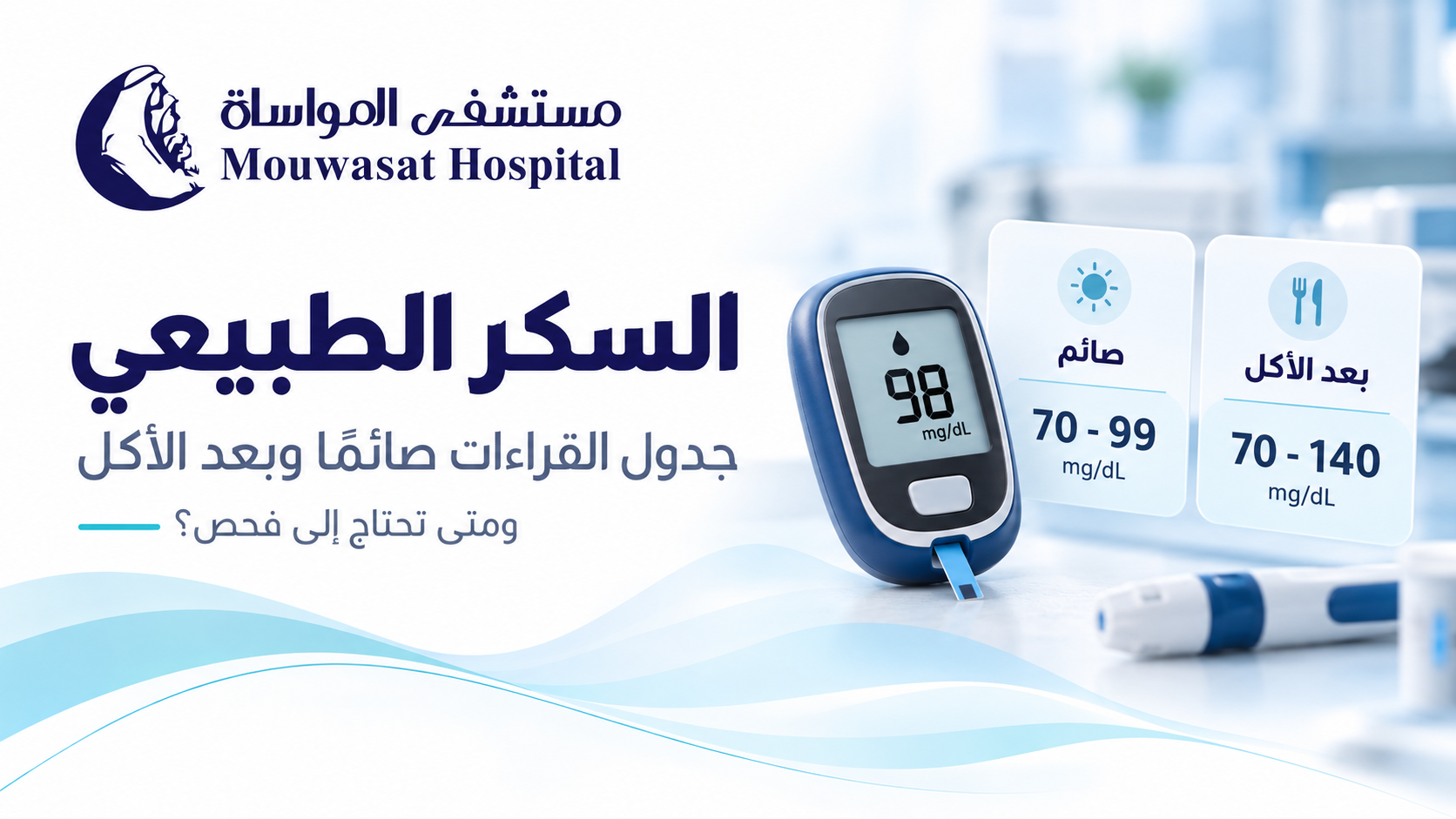
Is a blood sugar reading of 100 normal? What about 140 after eating or 180 two hours after a meal? These numbers can have very different meanings depending on when glucose is measured, which test is used, and whether the person has already been diagnosed with diabetes.
Normal blood sugar levels depend on the testing method and clinical circumstances. For example, fasting plasma glucose below 100 mg/dL is considered within the normal diagnostic range for nonpregnant individuals. However, people who are already receiving diabetes treatment may have different glucose targets.
Another important distinction is that a glucose reading after an ordinary meal is not equivalent to the result of a laboratory oral glucose tolerance test, even if both are measured two hours later.
This guide explains normal fasting glucose, what happens to blood sugar before and after eating, the difference between diagnostic thresholds and treatment targets, and when an unexpected reading warrants further testing or medical assessment.
Seek emergency care immediately if high blood glucose is accompanied by repeated vomiting, abdominal pain, deep or rapid breathing, severe dehydration, or altered consciousness. If someone with suspected severe hypoglycemia is unconscious or unable to swallow safely, do not give food or drinks by mouth. Call emergency medical services. [4] [5]
There is no single blood glucose value that is considered normal for everyone at every moment.
Glucose levels change throughout the day in response to meals, physical activity, hormones, medications, and other health factors.
Understanding a glucose result requires knowing three things:
A diagnostic threshold does not necessarily represent the glucose target for someone receiving treatment.
Likewise, a reading that fits a patient's individualized diabetes management goal cannot automatically establish whether someone else has diabetes.
A fasting plasma glucose (FPG) test measures glucose in a laboratory blood plasma sample after at least eight hours without caloric intake.
For nonpregnant individuals, the following ranges are used:
These thresholds are consistent with the American Diabetes Association's 2026 diagnostic standards. [1]
A laboratory fasting plasma glucose result of 100 or 110 mg/dL is not within the defined normal fasting range of less than 100 mg/dL.
Both values fall within the prediabetes range.
However, a single reading—especially from a home device—should not be treated as a definitive diagnosis.
Your clinician may review preparation, medications, other clinical factors, and whether another laboratory test is needed.
No. Fasting is necessary for a fasting plasma glucose test, but other tests, such as HbA1c, generally do not require fasting.
An oral glucose tolerance test requires its own specific preparation.
Do not change or stop prescribed medicines before testing unless your healthcare professional instructs you to do so.
Blood glucose normally rises after a meal as carbohydrates are digested and absorbed.
The body then uses insulin and other regulatory processes to manage glucose levels.
However, the amount and timing of the increase depend on meal composition, carbohydrate quantity, physical activity, medication, and individual health.
Glucose may be higher about an hour after starting a meal than it was before eating.
But there is no single one-hour home glucose cutoff following an ordinary meal that independently diagnoses diabetes in all nonpregnant individuals.
Interpretation depends on the reason for measuring and the person's medical circumstances.
A common mistake is to apply laboratory oral glucose tolerance test thresholds directly to readings measured two hours after lunch or dinner.
In a standard oral glucose tolerance test (OGTT), a person drinks a carefully measured glucose solution after appropriate preparation, and blood plasma glucose is measured two hours later.
A home glucose measurement after an ordinary meal reflects a different situation because food type, quantity, and timing can vary considerably.
A glucose reading of 140 or 180 mg/dL after an ordinary meal therefore cannot independently diagnose prediabetes or diabetes.
When monitoring postmeal glucose in people with diabetes, ADA 2026 guidance specifies measuring one to two hours after the beginning of the meal.
Using consistent timing makes it easier to compare results and identify patterns with your care team. [2]
The following table summarizes commonly used laboratory diagnostic thresholds for nonpregnant individuals.
These results should not be confused with home glucose monitoring goals or gestational diabetes testing criteria.
| Laboratory test | Normal range | Prediabetes | Diabetes diagnostic range |
|---|---|---|---|
| Fasting plasma glucose (FPG) | Below 100 mg/dL | 100–125 mg/dL | 126 mg/dL or higher |
| Two-hour 75-g oral glucose tolerance test (OGTT) | Below 140 mg/dL | 140–199 mg/dL | 200 mg/dL or higher |
| HbA1c (A1C) | Below 5.7% | 5.7%–6.4% | 6.5% or higher |
Important: The OGTT row does not describe ordinary postmeal home glucose readings. These thresholds are not individual treatment targets, and separate criteria apply to gestational diabetes.
In the absence of unequivocal hyperglycemia, diabetes diagnosis generally requires two abnormal results from the same or different appropriate tests. [1] [3]
For a complete overview of testing and follow-up, read Diabetes: Early Detection, Diagnosis, and Your Next Steps.
If your results are above normal but do not meet the criteria for diabetes, see Prediabetes: Understanding Your Results and Reducing Your Risk.
Once someone has been diagnosed with diabetes, glucose measurements serve a different purpose.
They help assess day-to-day glucose management and support clinical decisions rather than establish the diagnosis again.
According to the ADA 2026 Standards of Care, the following goals are appropriate for many nonpregnant adults with diabetes:
| Measurement | Common goal for many nonpregnant adults with diabetes | Important note |
|---|---|---|
| Before meals | 80–130 mg/dL | A treatment goal, not the normal fasting diagnostic range |
| One to two hours after starting a meal | Below 180 mg/dL | A common peak postmeal treatment target |
| HbA1c | Below 7% for many adults | The individualized goal may be more or less stringent |
These targets should not be applied automatically to everyone with diabetes. Appropriate goals depend on age, treatment, pregnancy, hypoglycemia risk, other medical conditions, and personal circumstances. [2]
For someone without a diabetes diagnosis, a laboratory fasting plasma glucose of 115 mg/dL falls within the prediabetes range.
For someone already receiving treatment for diabetes, a premeal glucose reading of 115 mg/dL may fall within their individualized treatment goal.
Both interpretations can be correct because the measurements are being used for different clinical purposes.
It depends on the test and the patient's circumstances:
Neither threshold should be used in place of the other without understanding the measurement.
Glucose goals during pregnancy differ from those used for most nonpregnant adults.
Pregnant patients with diabetes require careful monitoring to support maternal and fetal health.
ADA 2026 guidance lists the following commonly used blood glucose goals for pregnancies complicated by diabetes:
| Measurement timing | Common target during pregnancy complicated by diabetes |
|---|---|
| Fasting glucose | Below 95 mg/dL |
| One hour after starting a meal | Below 140 mg/dL |
| Two hours after starting a meal | Below 120 mg/dL |
The care team may recommend either one-hour or two-hour postmeal monitoring and individualize goals if necessary to avoid hypoglycemia.
These are glucose management targets for diabetes during pregnancy, not the diagnostic criteria for gestational diabetes. [6]
The following hypothetical examples show why the same number can mean different things in different settings.
They are provided for education, not for diagnosing an individual.
| Example reading | Testing context | Interpretation |
|---|---|---|
| 92 mg/dL | Laboratory fasting plasma glucose in a nonpregnant person | Within the normal fasting diagnostic range |
| 112 mg/dL | Laboratory fasting plasma glucose in someone without a previous diagnosis | Within the prediabetes range; further assessment is appropriate |
| 165 mg/dL | Home glucose reading two hours after an ordinary meal | Cannot independently diagnose prediabetes or diabetes; context and patterns matter |
| 165 mg/dL | Two-hour result from a standardized laboratory OGTT | Within the impaired glucose tolerance range, a prediabetes criterion in nonpregnant individuals |
| 165 mg/dL | One to two hours after starting a meal in a nonpregnant adult with diabetes | May be within the common treatment target if their individualized goal is below 180 mg/dL |
The repeated 165 mg/dL example demonstrates that a glucose reading only becomes meaningful when its purpose, timing, and testing method are known.
People living with diabetes may use finger-prick glucose meters or continuous glucose monitoring (CGM) devices.
These methods can help monitor treatment, but neither replaces appropriate laboratory testing for initial diagnosis.
When keeping a glucose log, record the time, whether you were fasting or eating, when the meal began, any symptoms, and relevant factors such as exercise, illness, or medication.
These details help your healthcare team identify patterns rather than react to a single number.
Yes. Glucose meter readings can differ because of sampling methods, device accuracy, technique, and other conditions.
A small difference does not necessarily indicate a medical problem or a defective device.
If the reading is unexpectedly high or low, particularly when it does not match your symptoms, check your testing technique and seek appropriate medical advice.
No. CGM devices measure glucose in interstitial fluid, while finger-prick meters measure blood glucose.
Values may differ, especially when glucose is changing rapidly.
Follow your device instructions and your care team's advice about when a finger-prick reading is necessary to confirm a CGM value.
Blood glucose changes can be part of normal physiology or related to health conditions and treatment.
No. Some people with diabetes experience an early-morning glucose rise related to hormonal changes, often called the dawn phenomenon.
However, a single elevated morning reading does not establish its cause or confirm diabetes.
Repeated abnormal results may require laboratory testing and a review of medication, sleep, and other factors.
Medical assessment is appropriate when readings are repeatedly outside the expected range, particularly if accompanied by excessive thirst, frequent urination, or unexplained weight loss.
Other reasons to seek professional advice include:
For more information about the signs of elevated glucose, read High Blood Sugar: Symptoms and When to Seek Urgent Care.
To understand low readings, read Low Blood Sugar: Symptoms and When to Seek Help.
Seek emergency care if high glucose is accompanied by repeated vomiting, abnormal breathing, or altered consciousness.
Likewise, a child developing excessive thirst, frequent urination, and unexplained weight loss over a short period needs urgent same-day evaluation for possible type 1 diabetes. [4]
Interpreting blood sugar results involves more than reviewing a number. Age, medical history, medicines, symptoms, and the type of test all matter.
Explore the Diabetic Center at Mouwasat Hospital for diabetes assessment, glucose monitoring support, and individualized follow-up, according to services available at each hospital.
If you want to understand the warning signs that may indicate testing is needed, read Early Signs of Diabetes: Symptoms and When to Get Tested.
For more information about long-term glucose measurements, see HbA1c Test: Understanding Your Result and When to Repeat It.
Laboratory fasting plasma glucose below 100 mg/dL is within the normal diagnostic range for nonpregnant individuals.
The prediabetes range begins at 100 mg/dL for laboratory fasting plasma glucose. A single home reading cannot independently confirm a diagnosis.
A laboratory fasting plasma glucose result of 110 mg/dL is within the prediabetes range in nonpregnant individuals and should be interpreted with other clinical findings.
There is no universal diagnostic cutoff for a home measurement after an ordinary meal. In a standardized laboratory OGTT, a two-hour result below 140 mg/dL is within the normal range for nonpregnant individuals.
It depends on the test. A two-hour OGTT laboratory result of 140 mg/dL falls within the impaired glucose tolerance range. A home reading after an ordinary meal cannot be interpreted using that diagnostic threshold directly.
Not every 180 mg/dL reading is an emergency. Its significance depends on the timing, symptoms, health status, and treatment goals. Repeated elevations or concerning symptoms deserve medical review.
Such a reading can occur depending on meal timing, activity, medication, and individual circumstances. New or unusual symptoms should be assessed rather than relying on the number alone.
A common premeal treatment goal for many nonpregnant adults with diabetes is 80–130 mg/dL, although individualized goals may differ.
For diabetes management, ADA guidance recommends measuring postmeal glucose one to two hours after the beginning of the meal when such measurements are indicated.
For pregnancies complicated by diabetes, common targets are below 140 mg/dL one hour after a meal or below 120 mg/dL two hours afterward, depending on the care plan.
Yes. Fasting glucose measures a specific point in time, while HbA1c reflects glucose exposure over previous months. Discordant results may require clinical assessment or further testing.
No. A high reading may indicate a need for evaluation, but diagnosis relies on appropriate laboratory tests and medical assessment.
Normal blood sugar is not represented by one number that applies to everyone.
Fasting glucose, an oral glucose tolerance test, an ordinary postmeal reading, and HbA1c provide different types of information.
Diagnostic thresholds such as fasting glucose below 100 mg/dL and two-hour OGTT glucose below 140 mg/dL are used in nonpregnant individuals, while treatment targets differ for people with diabetes and during pregnancy.
If you have unexpected readings or need help interpreting a laboratory result, the Diabetic Center at Mouwasat Hospital</a can help you discuss appropriate testing and follow-up with a medical professional.
Medical disclaimer: This article provides general health education and must not be used to diagnose diabetes or independently change medication. Testing criteria and treatment goals vary with age, pregnancy, other medical conditions, and individual care plans. Seek immediate medical attention for emergency warning signs.
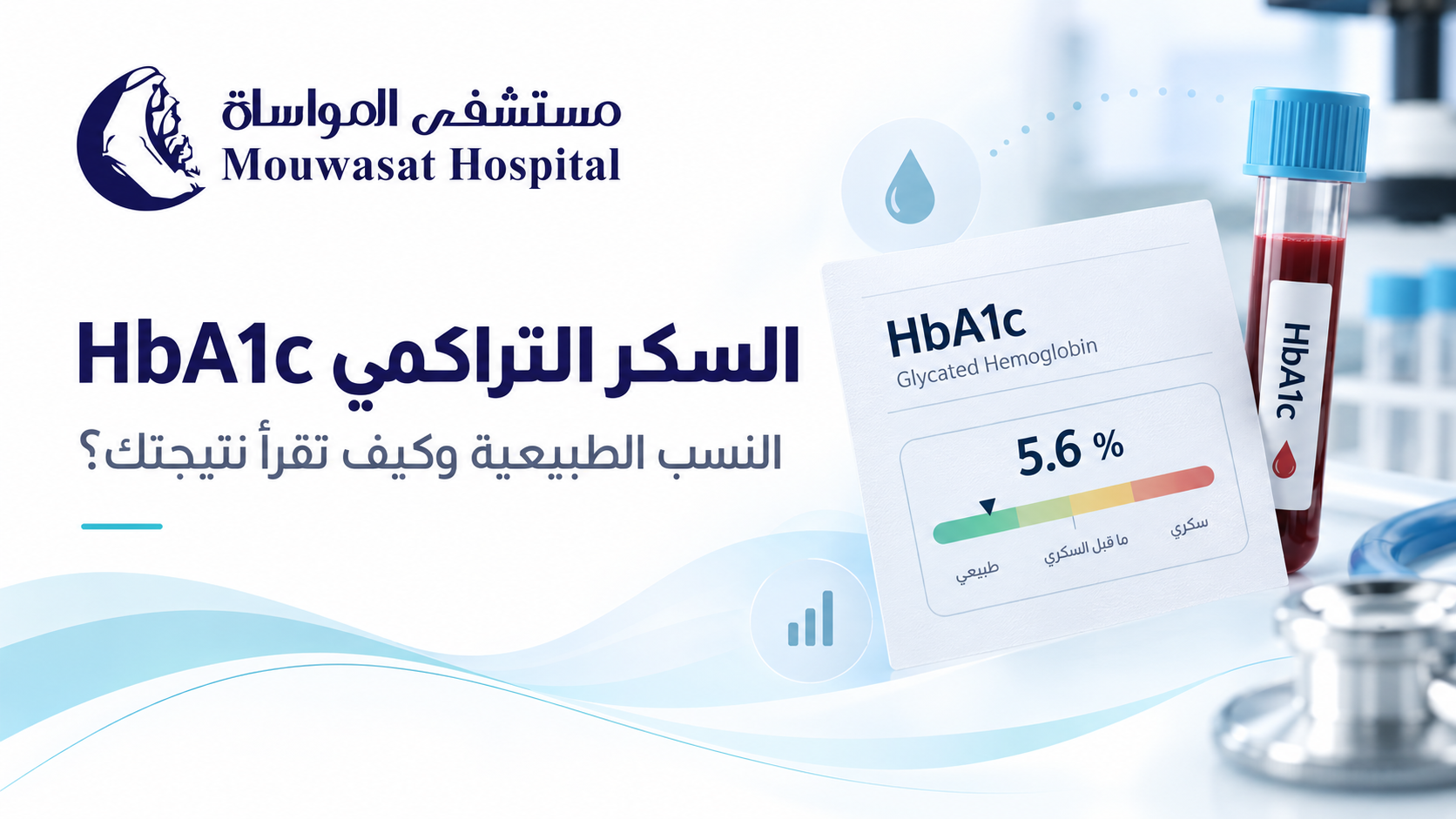
Is an HbA1c result of 6% normal? Does an A1C of 7% mean you have diabetes? And what does it mean if your A1C is 8% or 9% even though your home glucose readings often look acceptable?
The HbA1c test, also called A1C or glycated hemoglobin, provides an estimate of average blood glucose exposure over approximately the previous two to three months. Healthcare professionals use it to help diagnose diabetes and prediabetes and to monitor glucose management in people already living with diabetes.
However, the meaning of an A1C result depends on the clinical situation. A percentage used to diagnose diabetes is not necessarily the treatment target for someone who already has the condition.
The test also has limitations. It cannot identify individual episodes of high or low blood glucose, and certain conditions affecting red blood cells can make the result misleading.
This guide explains normal HbA1c levels, how to interpret different results, when repeat testing is appropriate, how A1C relates to estimated average glucose, and when another test may be more reliable.
HbA1c is not a test for identifying an immediate glucose emergency. If someone develops repeated vomiting, abdominal pain, deep or rapid breathing, severe dehydration, or altered consciousness, seek emergency medical care rather than waiting for an A1C result. [8]
Hemoglobin is the protein inside red blood cells that carries oxygen throughout the body.
Some glucose in the bloodstream attaches to hemoglobin. The more glucose circulates in the blood over time, the greater the proportion of glycated hemoglobin tends to become.
The HbA1c test measures this proportion as a percentage.
For example, an A1C result of 7% means approximately 7% of the measured hemoglobin is glycated. It does not mean that blood glucose itself is 7%.
Because red blood cells normally survive for about 120 days, HbA1c reflects average glucose exposure during approximately the previous two to three months.
However, recent glucose levels influence the result more heavily than older measurements, so meaningful changes during the last several weeks can affect A1C before three full months have passed. [3] [4]
No. An HbA1c test generally does not require fasting and can usually be performed at any time of day.
If your healthcare professional has ordered additional tests, such as fasting plasma glucose, follow the preparation instructions for those tests.
For diabetes diagnosis, the test should use an appropriate laboratory method that meets recognized quality and standardization requirements.
Point-of-care devices may be useful for monitoring during clinic visits, but not every rapid A1C device is suitable for making a diabetes diagnosis. [1]
According to the American Diabetes Association's 2026 Standards of Care, the following HbA1c ranges are used for diagnosing diabetes and prediabetes in nonpregnant individuals.
| HbA1c result | Diagnostic category | What it means |
|---|---|---|
| Below 5.7% | Normal range | Below the A1C threshold for prediabetes, assuming the test is reliable. |
| 5.7%–6.4% | Prediabetes | Higher-than-normal glucose exposure that warrants assessment of risk factors and preventive care. |
| 6.5% or higher | Diabetes diagnostic range | Meets one diabetes diagnostic criterion; confirmation is generally needed unless hyperglycemia is unequivocal. |
Important: These are diagnostic ranges, not individualized treatment goals for people who already have diabetes. Pregnancy has separate diagnostic considerations. [1]
An A1C result of 6.5% or higher meets a diabetes diagnostic threshold.
However, when unequivocal hyperglycemia is absent, the diagnosis generally requires two abnormal results.
Confirmation may involve repeating A1C using an appropriate test or obtaining another accepted laboratory measurement, depending on the clinical circumstances.
If different tests disagree, the healthcare professional may repeat the test that exceeded the diagnostic threshold and consider factors that could affect test accuracy.
For the broader diagnostic pathway, read Diabetes: Early Detection, Diagnosis, and Your Next Steps.
People frequently search for the meaning of a specific A1C percentage. However, results must always be interpreted according to whether the person has already been diagnosed with diabetes.
An HbA1c of 5.7% is at the beginning of the prediabetes range.
It does not mean progression to type 2 diabetes is inevitable, but it provides an opportunity to assess risk factors and discuss preventive measures.
For someone without a diabetes diagnosis, 6% falls within the prediabetes range.
Evaluation may include family history, body weight, physical activity, blood pressure, and cardiovascular risk factors.
This result is at the upper end of the prediabetes range.
It warrants attention to appropriate prevention and follow-up, especially when additional risk factors are present.
At 6.5%, the result reaches the diabetes diagnostic threshold.
Confirmation and further assessment are usually required before establishing the diagnosis in someone without unequivocal hyperglycemia.
For someone not previously diagnosed, 7% is within the diabetes diagnostic range.
For someone receiving diabetes treatment, an A1C of 7% may be close to their individualized treatment target.
An A1C below 7% is appropriate for many nonpregnant adults with diabetes, although goals may differ.
An A1C of 8% is above the common treatment goal for many adults living with diabetes.
It may prompt a review of glucose patterns, medications, lifestyle factors, and the treatment plan.
Medication doses should not be changed independently based on this number alone.
These values indicate substantially elevated average glucose exposure over recent months.
Medical assessment is important to determine why glucose remains high and whether changes in treatment are required.
An elevated A1C does not independently establish an immediate emergency. However, symptoms such as repeated vomiting, abdominal pain, abnormal breathing, or altered consciousness require urgent care regardless of the A1C percentage.
Markedly elevated A1C, especially with symptoms of hyperglycemia, may require more prompt evaluation and treatment planning. [2] [7]
Some laboratories report HbA1c alongside an estimated average glucose value, often called eAG.
This converts A1C into an approximate average glucose concentration using familiar units such as mg/dL.
| HbA1c | Estimated average glucose (eAG) |
|---|---|
| 6% | Approximately 126 mg/dL |
| 6.5% | Approximately 140 mg/dL |
| 7% | Approximately 154 mg/dL |
| 8% | Approximately 183 mg/dL |
| 9% | Approximately 212 mg/dL |
| 10% | Approximately 240 mg/dL |
These are approximate population-based estimates rather than expected glucose readings at every moment. The relationship between A1C and average glucose can differ among individuals, particularly when factors affect HbA1c accuracy. [6]
No. An eAG of approximately 154 mg/dL represents an estimated average.
Actual glucose may rise significantly after meals and fall at other times.
Someone could experience repeated highs and lows while maintaining an apparently acceptable overall average.
This is one reason A1C cannot independently show glucose variability or hypoglycemia episodes.
The ADA 2026 Standards of Care recommend an A1C goal below 7% for many nonpregnant adults with diabetes when it can be achieved safely without severe or burdensome hypoglycemia.
However, treatment targets should be individualized.
Some people may benefit from a lower goal, such as below 6.5%, if the risks and treatment burden are low.
Others may need a less stringent goal because of age, frailty, other illnesses, or increased hypoglycemia risk. [2]
Not necessarily.
Attempting to reach an excessively low A1C using treatments that increase hypoglycemia risk can be harmful for some patients.
The goal is to achieve an appropriate balance between glucose management, complication prevention, treatment burden, and patient safety.
Targets may differ according to age, diabetes type, health status, and individual needs.
During pregnancy, HbA1c alone is not sufficient to assess day-to-day glucose management, and pregnancy-specific blood glucose targets form an important part of care. [9]
There is no single retesting schedule suitable for everyone.
The appropriate interval depends on why the test was ordered, the previous result, and whether diabetes has already been diagnosed.
| Situation | Typical follow-up timing | Reason |
|---|---|---|
| First result within the diabetes diagnostic range without clear symptoms | Confirm without unnecessary delay, as clinically appropriate | Confirming a new diagnosis does not automatically require waiting three months. |
| Prediabetes | Generally yearly, or sooner based on risk | Monitor progression and reassess risk factors. |
| Borderline or conflicting results | Sometimes within 3–6 months, or sooner depending on the discrepancy | Clarify the result and investigate possible test interference. |
| Diagnosed diabetes with stable management and goals being met | At least twice yearly | Monitor continued glucose management. |
| Diagnosed diabetes with treatment changes or unmet goals | Often every three months | Assess treatment response and guide follow-up decisions. |
These intervals reflect general ADA 2026 recommendations and may be adjusted for individual circumstances. [1] [2]
Yes. HbA1c can begin to reflect recent glucose changes within several weeks.
However, a short interval does not provide the same long-term view as a later follow-up test.
Home glucose monitoring or CGM may be more useful for understanding the immediate response to treatment changes.
This should not be confused with confirmatory testing after a first diagnostic-range result, which may need to be performed promptly.
HbA1c is a valuable test, but its accuracy depends partly on red blood cell characteristics and lifespan.
Some medical conditions can therefore affect the relationship between A1C and actual blood glucose exposure.
Iron deficiency and certain forms of anemia can affect HbA1c.
Iron deficiency may lead to a falsely elevated result in some circumstances.
By contrast, conditions that shorten red blood cell survival, such as hemolytic anemia, can produce misleadingly low A1C results.
Some types of thalassemia, sickle cell disease, and other hemoglobin variants may interfere with HbA1c measurement.
However, not every hemoglobin variant makes every A1C assay unreliable. The effect depends on the condition and laboratory method.
Certain forms of glucose-6-phosphate dehydrogenase (G6PD) deficiency can affect the relationship between HbA1c and average glucose.
In situations where A1C is considered unreliable, plasma glucose criteria may be more appropriate for diagnosis.
Recent bleeding or blood transfusion may alter red blood cell populations and affect A1C interpretation.
The direction of the effect is not necessarily the same in every situation.
Advanced kidney disease, dialysis, and treatments that stimulate red blood cell production can affect HbA1c reliability.
Pregnancy changes red blood cell turnover and glucose metabolism.
HbA1c therefore has important limitations in this setting and does not replace recommended testing for gestational diabetes.
The ADA 2026 Standards of Care, NIDDK, and NGSP emphasize using plasma glucose criteria when medical conditions alter the relationship between HbA1c and actual glucose exposure. [1] [4] [5]
This discrepancy does not automatically mean that either test is wrong.
Home measurements may not capture glucose elevations after meals or overnight.
Alternatively, the result may reflect differences between measurement methods or a condition affecting A1C reliability.
Your healthcare professional may review glucose logs, repeat appropriate laboratory tests, or consider CGM data.
Do not change medication based on conflicting results without medical assessment.
Each test answers a different clinical question:
Yes.
A person may have an apparently favorable average while experiencing substantial glucose fluctuations, including frequent hypoglycemia.
A1C alone cannot show when low glucose occurred or how often it happened.
Finger-prick measurements and CGM data may therefore be essential, particularly for people taking insulin or other treatments associated with hypoglycemia. [2]
To understand fasting and after-meal readings, see Normal Blood Sugar Levels: Fasting, After Meals, and When to Get Tested.
For warning signs of hypoglycemia, read Low Blood Sugar: Symptoms and When to Seek Help.
Improving A1C depends on the type of diabetes, the reasons for elevated glucose, current treatment, and overall health.
There is no single approach that suits everyone, and attempting to lower glucose too aggressively can increase the risk of hypoglycemia in some patients.
Balanced meals, suitable carbohydrate portions, and limiting sugar-sweetened drinks can support glucose management.
However, eliminating all carbohydrates is not necessary for everyone.
The goal is an individualized eating pattern that can be maintained safely.
Appropriate physical activity can improve insulin sensitivity and support weight management, cardiovascular health, and blood pressure control.
People using insulin or medications associated with hypoglycemia may need additional precautions around exercise.
Treatment choices depend on diabetes type, kidney function, cardiovascular health, body weight, and hypoglycemia risk.
Do not increase doses, stop insulin, or add medicines without medical guidance.
Daily glucose measurements and CGM data can help identify patterns related to meals, exercise, illness, and treatment.
Blood pressure, cholesterol, kidney health, and eye care also remain important parts of comprehensive diabetes management. [2]
The appropriate next step depends on why the test was performed and your medical history.
For prevention and follow-up when glucose is elevated but below the diabetes diagnostic threshold, read Prediabetes: Understanding Your Results and Reducing Your Risk.
If you have excessive thirst, frequent urination, or unexplained weight loss, see Early Signs of Diabetes: Symptoms and When to Get Tested.
The Diabetic Center at Mouwasat Hospital offers diabetes assessment and follow-up services.
Its published comprehensive diagnostic services include HbA1c testing as part of long-term glucose evaluation.
Medical assessment can help interpret the result alongside other glucose measurements, health conditions, and current treatment, and determine when further testing or follow-up is appropriate.
Yes. It falls within the normal diagnostic range for nonpregnant individuals, assuming the test is reliable and no relevant medical condition affects interpretation.
No. An A1C of 5.7% is at the beginning of the prediabetes range, not the diabetes diagnostic range.
An A1C of 6% does not by itself indicate an emergency. It falls within the prediabetes range and warrants appropriate assessment and follow-up.
It meets a diabetes diagnostic threshold, but treatment decisions depend on confirming the diagnosis, identifying diabetes type, and assessing the person's overall health.
It may be close to an appropriate target for many adults with diabetes. However, goals are individualized. For someone not previously diagnosed, 7% is within the diabetes diagnostic range.
Yes. These levels are above the usual treatment target for many adults with diabetes and may indicate a need to review glucose patterns and treatment. The percentage alone does not establish an immediate emergency.
Yes. Recent glucose improvements can begin affecting the result within weeks. However, an assessment after approximately three months often provides a more useful view of treatment response.
Not usually. Fasting may only be necessary when other tests ordered at the same time require it.
Yes, some forms of anemia, particularly iron deficiency, may increase A1C results in certain circumstances. Conditions that shorten red blood cell survival may instead lower the result.
No. A1C reflects average glucose exposure and cannot show the timing or frequency of hypoglycemia. Home glucose or CGM data may be needed.
The two tests measure different aspects of glucose regulation. Significant differences may require clinical evaluation, repeated testing, or investigation of factors affecting test accuracy.
People with stable diabetes who meet treatment goals are generally assessed at least twice yearly. Testing is often performed approximately every three months when treatment changes or goals are not being met.
The HbA1c test helps identify diabetes-related glucose abnormalities and assess long-term glucose management.
In nonpregnant individuals, results below 5.7% fall within the normal diagnostic range, 5.7%–6.4% indicates prediabetes, and 6.5% or higher meets a diabetes diagnostic threshold.
However, treatment goals differ after diagnosis, and some conditions affecting red blood cells or hemoglobin may make HbA1c results less reliable.
The best approach is to interpret A1C alongside symptoms, glucose measurements, medical history, and individualized treatment goals.
Learn more about the Diabetic Center at Mouwasat Hospital for diabetes assessment, laboratory testing, and follow-up care.
Medical disclaimer: This article provides general health education and does not replace individualized medical advice. Do not adjust prescribed diabetes medications based on HbA1c results without consulting your healthcare professional.
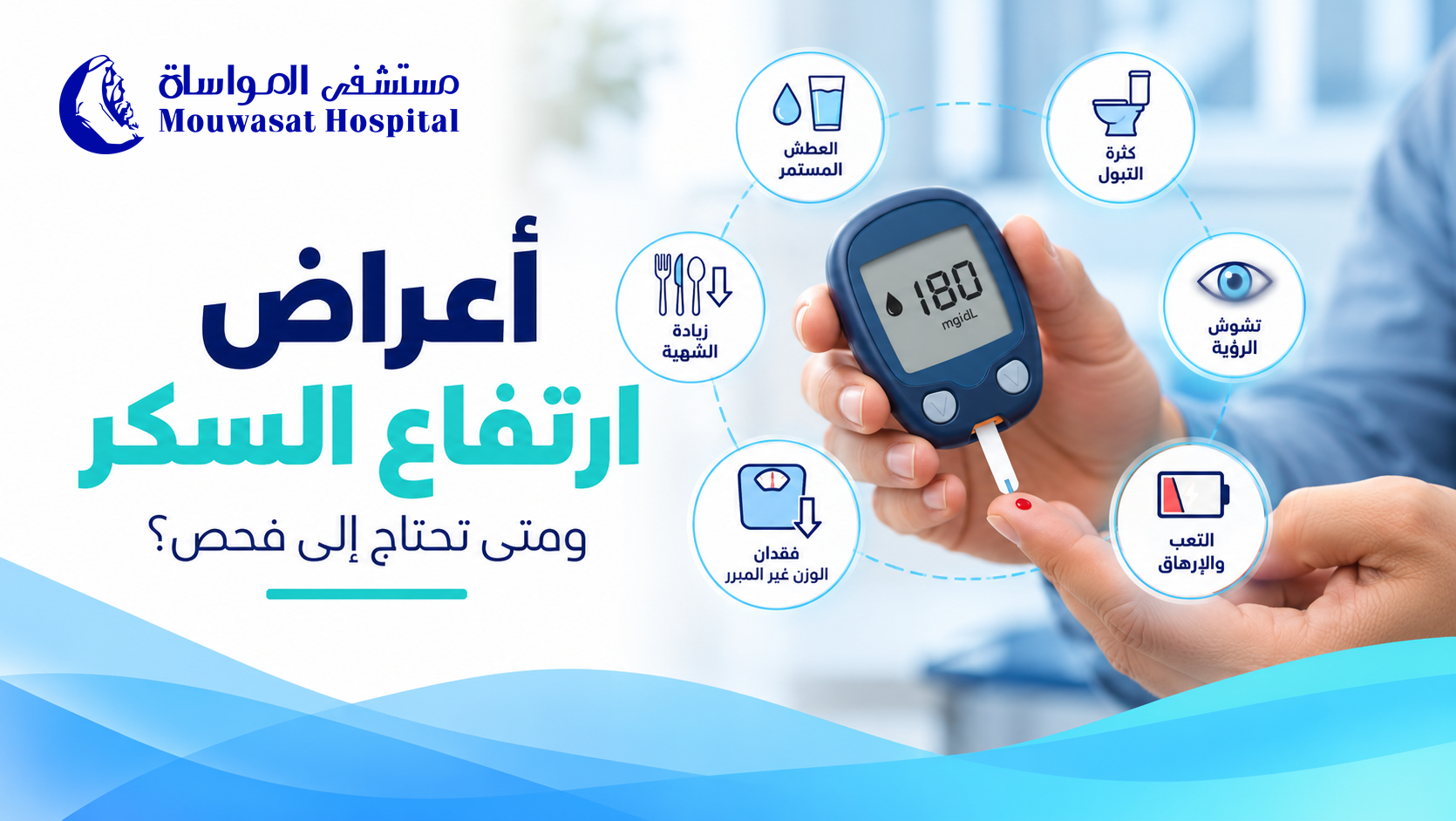
Your blood glucose meter shows 200, 250, or even 300 mg/dL. Does this mean you are in danger? Should you go to the emergency department, or can the situation be managed with your usual diabetes care plan?
High blood sugar, also called hyperglycemia, occurs when glucose rises above the desired range. It may cause excessive thirst, frequent urination, fatigue, and blurred vision, although some people have no noticeable symptoms.
Importantly, the seriousness of hyperglycemia cannot be determined from one number alone. It also depends on how long glucose remains elevated, whether concerning symptoms are present, the type of diabetes, medications, ketone levels, and overall health.
This guide explains high blood sugar symptoms, common causes, what different glucose readings may mean, when to check ketones, what you can safely do, and the warning signs that require emergency care.
Seek emergency medical attention for repeated vomiting with abdominal pain, deep or rapid breathing, fruity-smelling breath, marked confusion, loss of consciousness, severe dehydration, or inability to keep fluids down. Do not wait for blood glucose to reach a particular number if signs of diabetic ketoacidosis or another hyperglycemic emergency are present. [1] [2]
Glucose is a major source of energy, and insulin helps cells take up and use it.
Hyperglycemia develops when the body does not have enough effective insulin, when cells become less responsive to insulin, or when illness and other stresses increase insulin requirements.
High blood glucose can occur in type 1 or type 2 diabetes. It may also be one of the first signs of previously undiagnosed diabetes.
Symptoms are not always present, so elevated glucose may be discovered through home testing, continuous glucose monitoring, or laboratory investigations.
Glucose naturally rises after meals, but the extent and duration depend on the meal, medications, and individual health.
For many nonpregnant adults with diabetes, a commonly recommended treatment target is below 180 mg/dL one to two hours after the beginning of a meal.
Individual targets may differ. Laboratory diabetes diagnostic thresholds should not be applied directly to an ordinary home postmeal measurement.
For a detailed explanation, read Normal Blood Sugar Levels: Fasting, After Meals, and When to Get Tested.
Symptoms may develop gradually, particularly when glucose remains elevated for a prolonged period.
When glucose rises sufficiently, the kidneys release some of it into the urine, drawing additional water with it.
This fluid loss can cause increased thirst and a dry mouth.
You may notice more frequent urination or waking repeatedly during the night to use the bathroom.
The combination of increased thirst and urination is particularly important when accompanied by unexplained weight loss.
Unusual tiredness may result from impaired glucose utilization, fluid loss, or an illness contributing to hyperglycemia.
However, fatigue has many possible causes and cannot independently establish a diabetes diagnosis.
Significant changes in glucose may affect fluid balance in the eye's lens, temporarily altering vision.
Sudden vision loss or severe new visual changes require urgent assessment and should not automatically be attributed to blood sugar.
Headache or reduced concentration may accompany high glucose, particularly with dehydration or illness.
These are nonspecific symptoms and can occur in many other conditions.
Weight loss may occur when severe insulin deficiency prevents the body from using glucose effectively, leading it to break down fat and other tissues for energy.
Persistent poor glucose management can contribute to slow wound healing and recurring infections.
Longer-term complications may develop when hyperglycemia remains inadequately managed over time.
Not having symptoms does not guarantee that glucose is within your target range. [3] [4]
Many people want one number that separates ordinary hyperglycemia from a medical emergency.
However, the clinical situation is more complex.
A modest temporary elevation after a meal may be less concerning than persistent hyperglycemia during infection. Conversely, diabetic ketoacidosis can sometimes occur without extremely high glucose.
| Reading or situation | What it may mean | Appropriate response |
|---|---|---|
| 180 mg/dL after a meal | May be above a common postmeal target, depending on timing and individual goals. | Review timing and your care plan. The number alone does not establish an emergency. |
| Repeated readings above your individual target | May indicate a need to review medications, illness, meals, or other factors. | Contact your diabetes care team, especially if readings remain elevated or symptoms develop. |
| Approximately 240–250 mg/dL or higher | May require ketone testing, especially during illness and in people at risk of DKA. | Follow your individualized sick-day and ketone management plan. |
| Persistently 300 mg/dL or higher | Significant ongoing hyperglycemia requiring urgent assessment. | Seek urgent medical care; CDC advises emergency assessment when glucose stays at this level. |
| Repeated vomiting, abnormal breathing, or altered consciousness, regardless of glucose | Possible DKA or another serious hyperglycemic emergency. | Seek emergency care immediately. |
Important: These examples help explain urgency. They are not universal diagnostic cutoffs or personalized treatment instructions. Type 1 diabetes, pregnancy, medications, symptoms, and ketone results may require urgent action at lower glucose levels. [1] [2] [5]
Its significance depends on timing, symptoms, and medical history.
For someone without a diabetes diagnosis, random laboratory plasma glucose of at least 200 mg/dL together with classic symptoms of hyperglycemia or a hyperglycemic crisis meets a diabetes diagnostic criterion.
However, one home glucose reading cannot independently confirm diabetes, and not every reading of 200 mg/dL represents an emergency. [6]
Glucose that remains at 300 mg/dL or higher requires urgent attention. CDC advises emergency assessment when blood sugar stays at this level.
Emergency care is also necessary for symptoms of DKA, severe dehydration, or altered consciousness, even when glucose is below 300 mg/dL.
More than one factor may contribute to hyperglycemia.
Glucose can rise if prescribed medication is missed, insulin delivery is interrupted, or the current treatment plan does not meet the body's needs.
Insulin pump delivery problems can cause a rapid rise, especially in people with type 1 diabetes.
Infection and fever can trigger hormones that increase glucose levels and insulin requirements, even when appetite is reduced.
Large carbohydrate portions or reduced activity may contribute to glucose elevations.
Physical and psychological stress and disrupted sleep may affect glucose regulation.
Some medications, including corticosteroids, can increase glucose.
Tell your healthcare professional about all medicines and supplements you use.
Understanding the cause can support treatment decisions but does not justify making medication changes without an established medical plan. [3] [7]
For someone with diagnosed diabetes who has no emergency warning signs, the following steps may help assess the situation safely.
Review when glucose was measured. For finger-prick testing, wash and dry your hands and check that the test strips and device are being used correctly.
If a CGM reading does not match how you feel, confirm it with a finger-prick test when recommended by your device instructions or care plan.
Look beyond the number.
Repeated vomiting, abdominal pain, unusual breathing, severe dizziness, altered consciousness, or signs of significant dehydration may indicate urgent danger.
If you are alert, can swallow normally, and have no medical restriction on fluid intake, drinking water may help replace fluid lost through increased urination.
Persistent vomiting or inability to keep fluids down requires urgent medical assessment.
Take diabetes medicines as directed and use an individualized written insulin correction plan only if your care team has provided one.
Do not double insulin doses, repeat correction doses at random, or stop necessary basal insulin without medical guidance.
People at risk of DKA may need to check ketones during illness or elevated glucose, and sometimes even when glucose is not markedly high.
Physical activity can support glucose management in appropriate circumstances, but it is not a treatment for severe hyperglycemia accompanied by ketones or symptoms of illness.
Avoid strenuous exercise when ketones are elevated or DKA is suspected. Follow your healthcare team's advice on when exercise is safe.
If glucose remains elevated despite following your established plan, contact your care team rather than repeatedly attempting unplanned corrections. [1] [3]
Ketones are substances produced when the body breaks down fat for energy.
They can accumulate dangerously when insulin is severely insufficient, increasing the risk of diabetic ketoacidosis (DKA).
Ketone monitoring is particularly important for people with type 1 diabetes and others at risk of DKA, including some people using insulin or certain diabetes medicines.
Sources such as CDC and the Saudi Ministry of Health recommend checking ketones during illness or when glucose reaches approximately 240–250 mg/dL or higher in relevant at-risk situations, with individualized instructions taking priority. [2] [7]
Ketones can be measured using a blood ketone meter or urine ketone strips.
Blood testing measures beta-hydroxybutyrate, an important ketone in the assessment of DKA.
The appropriate response depends on the testing method, level, symptoms, and your medical plan.
The American Diabetes Association advises seeking emergency medical attention when blood ketones reach 1.6 mmol/L or higher.
Severe symptoms require emergency assessment regardless of a home ketone result.
Do not wait for a ketone test if someone is repeatedly vomiting, breathing abnormally, or becoming confused. [5]
Yes.
Some people develop euglycemic diabetic ketoacidosis, meaning DKA occurs without markedly elevated blood glucose.
This can happen in certain circumstances, including in some people taking SGLT2 inhibitors.
It is another reason that one glucose reading cannot safely rule out an emergency. [1] [8]
Severe disturbances in glucose regulation can cause life-threatening emergencies, particularly diabetic ketoacidosis (DKA) and hyperosmolar hyperglycemic state (HHS).
| Feature | Diabetic ketoacidosis (DKA) | Hyperosmolar hyperglycemic state (HHS) |
|---|---|---|
| What happens? | Insulin deficiency leads to ketone accumulation and metabolic acidosis. | Severe hyperglycemia causes major fluid loss and increased blood osmolality. |
| Most commonly associated with | Type 1 diabetes, but can occur in type 2. | Type 2 diabetes, particularly in older adults. |
| Important warning signs | Nausea, vomiting, abdominal pain, rapid or deep breathing, fruity breath. | Severe dehydration, progressive weakness, altered consciousness, often very high glucose. |
| Urgency | Medical emergency. | Medical emergency. |
These emergencies can overlap and cannot be reliably distinguished from home glucose readings or symptoms alone.
Diagnosis requires hospital assessment, including glucose, ketones, acid-base balance, electrolytes, and fluid status. [8]
Glucose can rise during influenza, infections, fever, or other illnesses, even when someone eats less than usual.
Hormones released during illness may increase insulin resistance and insulin requirements.
For this reason, people with diabetes are encouraged to create an individualized sick-day plan with their healthcare team before illness occurs.
A useful plan should explain:
Not all diabetes medicines should be managed in the same way during illness. Some treatments require specific instructions, so discuss them with your healthcare professional in advance.
Seek urgent assessment if you cannot keep fluids down, have repeated vomiting, abnormal breathing, or elevated ketones. [9] [10]
Preventing repeated hyperglycemia involves identifying causes and following a treatment and monitoring plan tailored to your diabetes type and overall health.
To understand how recent glucose patterns relate to long-term results, read HbA1c Test: Normal Ranges, Results, and When to Repeat It.
Arrange medical assessment when readings repeatedly exceed your individual target, hyperglycemia persists despite following your prescribed plan, or symptoms such as thirst, frequent urination, or weight loss develop.
Someone without a previous diabetes diagnosis also needs appropriate evaluation when these symptoms appear. A single home glucose reading is not sufficient to confirm diabetes.
Possible new-onset type 1 diabetes, especially in children or when symptoms develop rapidly, requires urgent same-day assessment.
For more on early warning signs, read Early Signs of Diabetes: Symptoms and When to Get Tested.
Managing repeated hyperglycemia requires assessing diabetes type, current medications, daily glucose patterns, overall health, and possible contributing factors.
The Diabetic Center at Mouwasat Hospital offers diabetes assessment, follow-up, individualized glucose management plans, and patient education, according to services available at each hospital.
When symptoms suggest an acute hyperglycemic emergency, seek emergency care immediately rather than waiting for a routine clinic appointment.
Symptoms may include thirst, frequent urination, fatigue, and blurred vision, although some people experience no symptoms. Vomiting, abdominal pain, abnormal breathing, or altered consciousness are emergency warning signs.
Headaches may occur with high glucose, particularly when dehydration is present, but they are nonspecific and have many possible causes.
Its significance depends on timing, symptoms, diabetes type, and whether the elevation persists. A reading of 200 alone does not automatically represent an emergency but may require evaluation.
Not necessarily based on the number alone. However, ketone testing may be needed in people at risk of DKA, particularly during illness. Symptoms or elevated ketones may require urgent care.
Glucose that remains at 300 mg/dL or higher requires urgent attention, and CDC recommends emergency assessment when it stays at this level. Do not delay emergency care if serious symptoms are present.
Yes. Hyperglycemia can occur without noticeable symptoms, which is why appropriate monitoring is important.
Water may be appropriate if you are alert, can swallow safely, and have no medical fluid restriction. Persistent vomiting or inability to keep fluids down requires urgent assessment.
Physical activity can help glucose management in suitable circumstances, but exercise should not be used to treat severe hyperglycemia with ketones or symptoms suggesting DKA.
Only follow a correction plan prescribed by your healthcare team. Do not increase or repeat doses at random. Seek medical guidance if glucose does not improve according to your plan.
Severe hyperglycemia may be accompanied by nausea or vomiting. These symptoms can indicate a serious emergency, particularly when abdominal pain or abnormal breathing is present.
Yes. Euglycemic DKA can occur in certain circumstances, including in some people taking SGLT2 inhibitors. A relatively lower glucose reading does not exclude DKA.
High glucose commonly causes thirst and frequent urination, while low glucose may cause shaking, sweating, palpitations, or sudden hunger. Symptoms can overlap, so checking glucose when possible helps guide appropriate action.
For more information, read Low Blood Sugar: Symptoms and When to Seek Help.
Hyperglycemia can cause thirst, frequent urination, fatigue, and blurred vision, but it may also occur without obvious symptoms.
The appropriate response depends on glucose levels, how long they remain elevated, diabetes type, illness, ketones, and concerning symptoms.
Repeated high readings deserve a review of the management plan. Repeated vomiting, abnormal breathing, or altered consciousness require immediate emergency care.
If you experience recurring elevations or need help reviewing your diabetes care plan, explore the Diabetic Center at Mouwasat Hospital and discuss the appropriate next steps with your healthcare team.
Medical disclaimer: This article provides general health education and must not be used to diagnose diabetes, calculate insulin doses, or independently change medication. Hyperglycemia action plans vary, particularly for children, pregnant patients, insulin users, and people with other medical conditions.