How can i help you?
Latest Blogs
Explore All
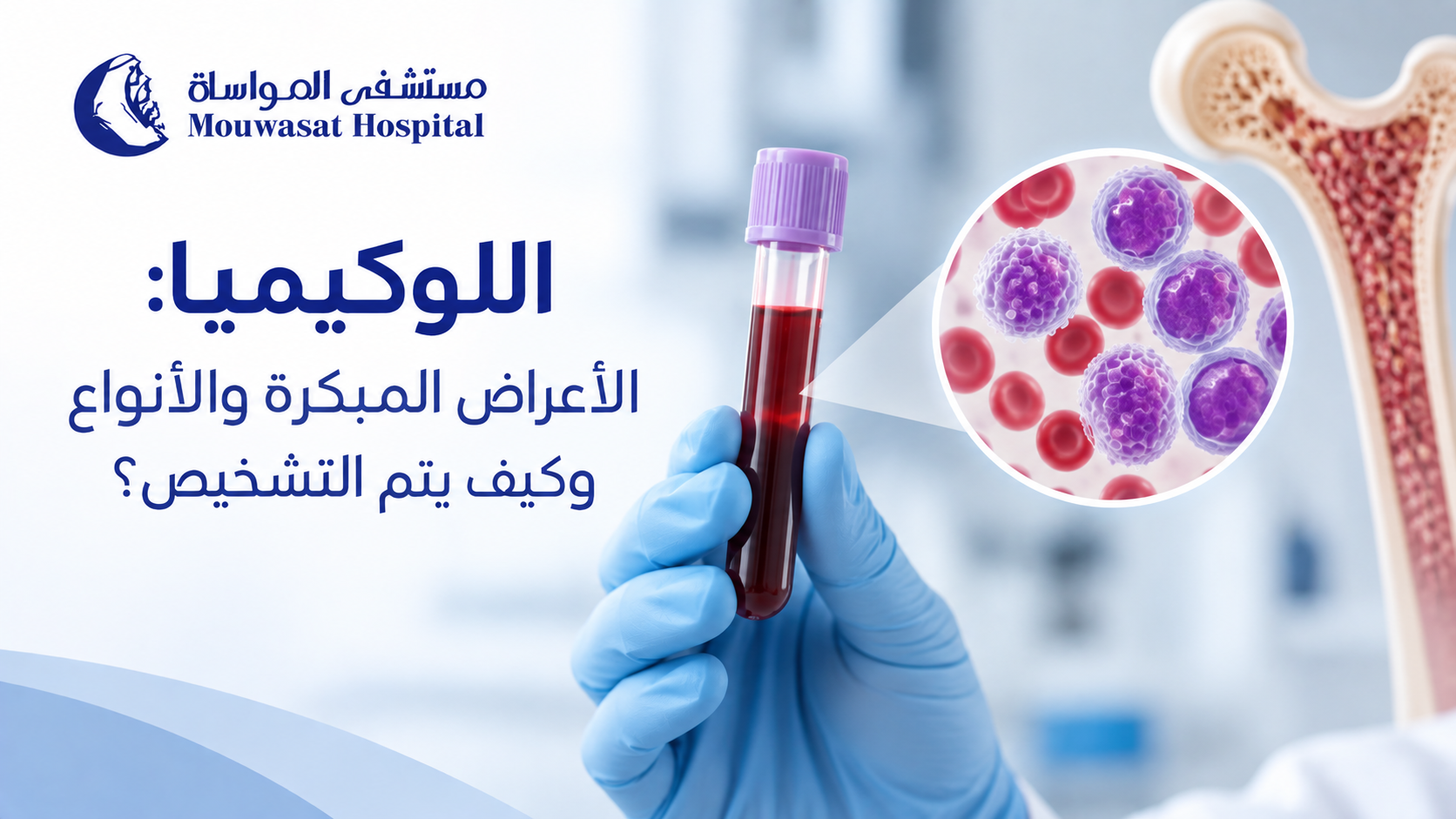



Blood cancers are a group of cancers that affect the blood, bone marrow, or lymphatic system. They differ in how they develop, how quickly they progress, and how they are treated, which means that “blood cancer” does not refer to a single disease.
The main types include leukemia, lymphoma, and multiple myeloma. Depending on the type, symptoms may include persistent fatigue, frequent infections, easy bruising or bleeding, or swollen lymph nodes. However, these symptoms can also occur with many conditions that are not cancer.[1]
Blood cancers begin in blood-forming tissues such as the bone marrow or in cells of the immune system. Examples include leukemia, lymphoma, and multiple myeloma.[1]
For this reason, blood cancers do not all behave in the same way. One type may begin in bone marrow, while another begins in the lymphatic system or in a particular type of blood cell.
The term “blood cancer” is sometimes used to mean leukemia, but blood cancers more broadly also include lymphoma and multiple myeloma.
There are many different blood cancers, but three of the best-known groups are:
| Type | Where does it begin? | Possible symptoms |
|---|---|---|
| Leukemia | Blood-forming tissues such as bone marrow. | Fatigue, frequent infections, bruising or bleeding, fever, or paleness. |
| Lymphoma | Cells of the lymphatic system. | Swollen lymph nodes, fatigue, fever, night sweats, or unexplained weight loss in some patients. |
| Multiple myeloma | Plasma cells in the bone marrow. | Fatigue, bone pain, frequent infections, or abnormalities in some laboratory tests. |
Leukemia is a group of cancers that begin in blood-forming tissues such as the bone marrow and lead to the production of abnormal blood cells.[2]
There are several types of leukemia. Some grow quickly and are described as acute, while others develop more slowly and are described as chronic. Leukemias are also classified according to the type of blood cell affected.
Lymphoma is a broad group of cancers that begin in cells of the lymphatic system, which is part of the immune system. The two main groups are Hodgkin lymphoma and non-Hodgkin lymphoma.[3]
Possible symptoms may include swollen lymph nodes, fatigue, fever, night sweats, or unexplained weight loss. However, swollen lymph nodes are commonly caused by infections and do not by themselves mean that someone has lymphoma.
Multiple myeloma is a cancer involving plasma cells, a type of white blood cell found in the bone marrow. Plasma cells normally help produce antibodies that protect the body from infection.[4]
Multiple myeloma may affect the bones and normal blood cell production, and in some people it may be associated with anemia, bone pain, frequent infections, kidney problems, or changes in calcium levels.

Symptoms vary depending on the type of blood cancer, the cells affected, and how quickly the disease develops. Some blood cancers may cause few or no obvious symptoms at first.
Possible symptoms can include:
Having one or more of these symptoms does not necessarily mean that a person has blood cancer. Many can also result from common conditions such as infections, anemia, or other blood disorders.
No. Bruising and bleeding have many possible causes and do not automatically indicate blood cancer.
However, some leukemias can affect platelet production, which may make bruising or bleeding easier in some patients.
Healthy white blood cells play an important role in fighting infection. Some blood cancers can affect how these cells are produced or how well they function.
This can make infections more frequent in some patients. However, recurrent infections have many other possible causes and cannot be used alone to diagnose blood cancer.
The tests used depend on the symptoms and the specific disease being considered. There is no single test that diagnoses every type of blood cancer.
| Test | Possible role |
|---|---|
| Complete blood count (CBC) | Measures red blood cells, white blood cells, and platelets and may identify changes that need further assessment. |
| Blood sample examination | May help doctors assess blood cells when appropriate. |
| Bone marrow testing | May be used to diagnose leukemia, myeloma, and certain other blood disorders. |
| Lymph node biopsy | May be required when lymphoma is suspected. |
| Imaging and other tests | May help evaluate the location and extent of disease depending on the type of blood cancer. |
Blood cancers do not all produce the same laboratory findings. Some leukemias may cause clear changes in circulating blood cells, while diagnosing lymphoma or myeloma may require different tests. Diagnosis therefore does not depend on a single blood test.
Some blood cancers, particularly certain leukemias, may cause changes in a complete blood count, such as unusually high or low levels of specific blood cells or platelets.
However, a blood test alone cannot always confirm blood cancer or identify the exact type. Further testing may be needed depending on the results and symptoms.
Abnormal white blood cell or platelet counts can also occur for many reasons unrelated to cancer, so laboratory results need to be interpreted in the context of the patient's overall health.
Treatment depends on the exact type of blood cancer, how quickly it is developing, its biological features, the patient's age, and overall health.
Depending on the condition, treatment options may include:
There is no single treatment plan that is suitable for every blood cancer or every patient.[2][3][4]
The Hemato-Oncology Department at Mouwasat Hospital provides specialized care for blood disorders and hematologic cancers, including evaluation, diagnosis, treatment planning, and follow-up.
Specialist assessment can help interpret blood test results correctly and determine whether additional investigations are needed.
Many possible symptoms of blood cancer can be caused by other conditions. However, persistent or unexplained symptoms should be medically assessed.
Consider medical evaluation for:
These findings do not necessarily mean cancer is present, but medical assessment can help identify the underlying cause.

Leukemia is a type of blood cancer, but the broader term also includes lymphoma and multiple myeloma.[1]
Three of the main groups are leukemia, lymphoma, and multiple myeloma. Each group also includes different subtypes with different characteristics and treatments.
Fatigue can occur in some people with blood cancer, particularly when anemia is present, but fatigue is very common and has many other possible causes.
No. Some leukemias may affect platelet levels and increase bruising, but there are many other causes of frequent bruising.
No. Low platelets have many possible causes. The result needs to be interpreted together with other blood counts, symptoms, medical history, and any additional tests that may be needed.
A CBC may reveal abnormalities that require further investigation, but it cannot confirm every blood cancer or identify the exact type on its own.
No. Infections are a common cause of swollen lymph nodes. Persistent swelling or swelling accompanied by other unexplained symptoms should be assessed by a doctor.
Treatment options and outcomes vary greatly depending on the specific type of blood cancer, its characteristics, the patient's age, overall health, and response to treatment.
Irritable bowel syndrome can cause recurrent abdominal pain or cramping, but IBS pain does not have one fixed location. Its intensity and location may vary between people and may also change over time. More importantly, clinicians consider how the pain relates to bowel movements and whether it occurs alongside changes in stool frequency or form.[1][2]
For this reason, IBS cannot be diagnosed simply because pain occurs on the right, left, or lower part of the abdomen. Diagnosis depends on the overall symptom pattern, medical history, clinical assessment, and whether warning signs suggest another cause.[3]
IBS pain is commonly described as recurrent abdominal pain or cramping. Its intensity may vary between individuals and at different times. Saudi Ministry of Health guidance notes that abdominal cramps and pain in IBS are commonly associated with bowel movements.[1]
For some people, the pain changes after a bowel movement. It may also occur together with changes in bowel frequency or stool consistency. This is why doctors do not diagnose IBS based on the description of pain alone.[3]
For a broader overview, read: Irritable Bowel Syndrome Symptoms: How to Recognize Them and When to See a Doctor
There is no single location that defines IBS pain. NICE guidance states that the site of abdominal pain or discomfort can be anywhere in the abdomen and may vary over time.[4]
This means that trying to identify IBS from one specific point in the abdomen is not reliable. One person may notice discomfort in the lower abdomen, while another may experience it in a different area.
Clinicians consider whether the pain is recurrent, whether it is related to bowel movements, and whether stool frequency or appearance has changed. These patterns are more useful than whether pain is felt specifically on the right or left side.[3]
IBS pain can be felt in different areas of the abdomen, so pain on either the left or right side is possible. However, pain location alone cannot confirm that IBS is the cause.[4]
Many digestive and non-digestive conditions can cause pain in similar areas. New, severe, persistent, or unusual pain should therefore be medically assessed rather than automatically attributed to IBS.
Some people with IBS may experience pain or cramping in the lower abdomen. However, lower abdominal pain is not unique to IBS and cannot confirm the diagnosis on its own.
A recurring pattern of abdominal pain together with changes in bowel movements is more relevant when assessing whether symptoms may fit IBS.[2][3]
Some people with IBS report back pain alongside digestive symptoms, and NICE lists backache among symptoms that may accompany IBS in some patients.[5]
However, back pain is not a core diagnostic feature of IBS and can have many other causes involving the muscles, spine, or other health conditions. Back pain alone should not therefore be assumed to result from IBS.
The relationship between abdominal pain and bowel movements is one of the key patterns considered when diagnosing IBS. Diagnostic criteria focus on recurrent abdominal pain associated with two or more of the following:[3]
Pain may improve after a bowel movement in some people, while it may change in another way in others. IBS pain does not have to disappear after passing stool in order to be related to bowel function.[3]
| What you notice | Why it matters |
|---|---|
| Recurring pain related to bowel movements | This is an important part of the symptom pattern used when assessing IBS. |
| Change in bowel frequency | Helps identify a change in bowel pattern. |
| Change in stool consistency | A key feature considered together with abdominal pain. |
| Abdominal pain without bowel changes | Pain alone is not enough to diagnose IBS and may require assessment for other causes. |
There is no fixed duration for an episode of IBS pain. IBS is a chronic condition, but symptoms can come and go and change in severity over time. Some periods may be more symptomatic, while symptoms may improve during others.[2]
Severe or persistent pain, or a significant change from your usual symptom pattern, should be medically assessed rather than assumed to be another IBS flare.
Some people notice that certain foods are associated with increased abdominal pain or bloating. However, food triggers vary between individuals, and there is no single list of foods that causes symptoms in everyone with IBS.[6]
Keeping track of repeated food-and-symptom patterns is generally more useful than unnecessarily eliminating multiple food groups.
Read more: What Should You Eat With IBS? Foods, Common Triggers and Diet Tips
IBS is a disorder of gut-brain interaction. Changes in communication between the digestive system and the brain can influence bowel movement, gut sensitivity, and how pain is perceived.[2]
Some people notice that their symptoms become more noticeable during periods of stress. This does not mean that IBS pain is imaginary or “all psychological.” The symptoms are real and may be influenced by several interacting factors.
Read also: IBS, Stress and Anxiety: What Is the Connection?
IBS can cause significant abdominal discomfort, but certain features should not automatically be considered part of IBS. These signs may prompt further medical assessment for another cause.[1][3]
| Symptom or sign | How to interpret it |
|---|---|
| Recurring pain associated with bowel movements and bowel changes | May fit an IBS pattern when considered with the full clinical picture. |
| Bloating and stool changes | May occur with IBS. |
| Rectal bleeding or blood in the stool | Requires medical evaluation and should not be considered a normal IBS symptom. |
| Unexplained weight loss | The cause should be investigated. |
| Anemia | May suggest another condition and requires assessment. |
| An unusual abdominal mass or swelling | Requires medical evaluation. |
IBS can sometimes resemble other digestive conditions. Read: IBS vs Inflammatory Bowel Disease: What Is the Difference?
Consider medical assessment if abdominal pain is recurring, persistent, or interfering with daily life, particularly if your symptoms have never been evaluated or if your usual pain or bowel pattern has changed.
Assessment becomes particularly important if you have blood in the stool, unexplained weight loss, anemia, an unusual abdominal mass or swelling, or another new symptom that does not fit your usual pattern.[1][3]
A medical evaluation can help determine whether your symptom pattern is consistent with IBS or whether further investigation is needed to rule out another condition.
IBS pain commonly involves recurrent abdominal pain or cramping associated with bowel movements and may occur alongside changes in stool frequency or form.[1][3]
There is no single fixed location. IBS pain can be felt in different parts of the abdomen and its location may change over time.[4]
Yes, some people may experience pain on the left side, but IBS pain can also occur elsewhere. Left-sided pain alone does not confirm IBS.
Pain may occur on the right side or in other parts of the abdomen. Location alone cannot determine whether IBS is the cause.[4]
Yes, some people experience lower abdominal pain or cramping, but IBS is not limited to this area and the full symptom pattern should be considered.
Back pain may accompany IBS in some people, but it is not a core diagnostic feature and has many other possible causes.[5]
Pain may change or improve after a bowel movement in some people, but it does not need to disappear after passing stool. What matters is the relationship between pain and bowel function within the overall symptom pattern.[3]
There is no fixed duration. Symptoms may come and go and vary in severity. Severe, persistent, or unusually different pain should be medically assessed.[2]
No. Abdominal pain has many possible causes. IBS cannot be diagnosed from pain location or severity alone; diagnosis depends on the overall symptom pattern, medical history, and clinical assessment.[3]

Leukemia is a group of blood cancers that begin in blood-forming tissues, most often the bone marrow. Different types of leukemia affect different blood cells and may develop quickly or slowly, which is why symptoms and treatment vary from one type to another.[1]
Possible symptoms include persistent fatigue, fever, frequent infections, and easy bruising or bleeding. However, these symptoms can also occur with many other conditions and cannot diagnose leukemia on their own.[2]
Leukemia is a group of cancers that begin in blood-forming cells. In many cases, it starts in the bone marrow, where abnormal blood cells grow and can reduce the space available for healthy blood cells.[1][3]
As abnormal cells build up, the body may have fewer healthy cells available to carry oxygen, fight infection, or control bleeding. This helps explain symptoms such as fatigue, infections, and easy bruising or bleeding.[3]
For a broader overview, read: Blood Cancers: Types, Symptoms, Diagnosis and Treatment
Leukemia is usually classified according to how quickly it develops and the type of blood-forming cell involved.[3]
| Type | Abbreviation | Main feature |
|---|---|---|
| Acute lymphoblastic leukemia | ALL | An acute leukemia involving lymphoid cells that develops quickly. |
| Acute myeloid leukemia | AML | An acute leukemia involving myeloid cells that develops quickly. |
| Chronic lymphocytic leukemia | CLL | A chronic leukemia involving lymphocytes that usually develops more slowly. |
| Chronic myeloid leukemia | CML | A chronic leukemia involving myeloid cells that usually develops more slowly. |
The main difference is how quickly the disease develops and how mature the abnormal cells are.
This is why the word “leukemia” alone does not determine treatment. Identifying the exact type is essential.[1]
Early leukemia symptoms can be non-specific and may resemble common conditions such as infections or anemia. Symptoms also vary between people and between leukemia types.
Possible symptoms include:[2][4]
There is no single symptom that confirms leukemia. Most of these symptoms have many more common causes, so diagnosis depends on medical assessment and testing rather than symptoms alone.
Bone marrow produces platelets, which help control bleeding. When leukemia interferes with normal blood cell production, platelet levels may fall in some patients, making bruising or bleeding more likely.[4]
However, bruising and low platelet counts have many other possible causes and do not automatically mean leukemia is present.
Leukemia can produce abnormal white blood cells that do not fight infection normally and can also reduce the production of healthy blood cells.[3]
As a result, some patients may experience frequent infections. However, recurrent infections have many other possible causes and cannot diagnose leukemia by themselves.
There is no single known cause for all leukemias. Leukemia develops after changes occur in the genetic material of blood-forming cells, although why these changes occur in a particular person may not be known.[1]
Risk factors vary by leukemia type and may include:
Having a risk factor does not mean that someone will develop leukemia, and leukemia may also occur without any known risk factor.[5]
Evaluation usually begins with a review of symptoms and medical history and a physical examination. The doctor then selects the appropriate tests.
| Test | What can it help assess? |
|---|---|
| Complete blood count (CBC) | Measures white blood cells, red blood cells, and platelets and may reveal abnormalities that require further investigation. |
| Blood smear | May help assess blood cell appearance and identify abnormal cells when appropriate. |
| Bone marrow examination | Can help confirm the diagnosis and identify abnormal cell types in many leukemias. |
| Specialized cell tests | Help identify the leukemia type and cellular features that may influence treatment decisions. |
A complete blood count may be one of the first tests to reveal abnormalities in some people with leukemia. These may include changes in white blood cells or reduced red blood cells or platelets.
However, a CBC alone may not be enough to confirm leukemia. Blood smear testing, bone marrow examination, and other specialized tests may be required to identify the exact type.[4]
Leukemia does not always cause a high white blood cell count. Some patients may have high levels, while others may have low white blood cell counts or abnormalities involving other blood cells. A white blood cell count alone cannot confirm or rule out leukemia.[6]
No. White blood cell counts can rise for many reasons, including infection and inflammation.[7]
Leukemia diagnosis depends not only on the number of white blood cells but also on the types and appearance of the cells and the results of other tests.
There is no single treatment for all leukemias. Treatment depends on the exact type, cellular characteristics, the patient's age and general health, and how the disease responds to therapy.
Depending on the leukemia type, treatment may include:[4][5]
The Hemato-Oncology Department at Mouwasat Hospital provides specialized evaluation and care for blood disorders and blood cancers, including acute and chronic leukemias.
Specialist assessment helps interpret blood test results correctly and determine which additional investigations may be required.
Most possible leukemia symptoms can be caused by more common conditions. However, persistent or unexplained symptoms should be medically assessed, especially when several occur together.
Examples include:
These symptoms do not necessarily mean leukemia, but medical assessment can help identify their cause.
Leukemia is a group of cancers involving blood-forming cells, often beginning in the bone marrow and producing abnormal cells that can interfere with healthy blood cell production.[1]
Possible symptoms include fatigue, fever, frequent infections, easy bruising or bleeding, paleness, unexplained weight loss, and night sweats. These symptoms are not specific to leukemia.[2]
No. White blood cells can rise because of infections, inflammation, and other conditions. Some patients with leukemia may even have a low white blood cell count, so diagnosis cannot be made from the number alone.[6][7]
No. Low platelets have many possible causes. They can occur with leukemia, but the cause must be determined from the full blood count, symptoms, medical history, and additional testing when needed.
Leukemia is not a single disease, and outcomes vary greatly between different types. Prognosis depends on the leukemia type, its biological features, age, overall health, and response to treatment. Treatment options have improved substantially for many leukemias.
There is no single rate that applies to all leukemias. Outcomes differ substantially between ALL, AML, CLL, and CML and also vary according to age, disease features, and response to treatment.
A blood count may reveal important abnormalities, but it does not always confirm leukemia or determine the exact type. Additional testing, including bone marrow examination, may be required.[4]
Acute leukemias develop more quickly, while chronic leukemias generally develop more slowly. The affected blood cell type and treatment also differ between leukemia subtypes.[3]
Leukemia is a group of blood cancers that begin in blood-forming tissues, most often the bone marrow. Different types of leukemia affect different blood cells and may develop quickly or slowly, which is why symptoms and treatment vary from one type to another.[1]
Possible symptoms include persistent fatigue, fever, frequent infections, and easy bruising or bleeding. However, these symptoms can also occur with many other conditions and cannot diagnose leukemia on their own.[2]
Leukemia is a group of cancers that begin in blood-forming cells. In many cases, it starts in the bone marrow, where abnormal blood cells grow and can reduce the space available for healthy blood cells.[1][3]
As abnormal cells build up, the body may have fewer healthy cells available to carry oxygen, fight infection, or control bleeding. This helps explain symptoms such as fatigue, infections, and easy bruising or bleeding.[3]
For a broader overview, read: Blood Cancers: Types, Symptoms, Diagnosis and Treatment
Leukemia is usually classified according to how quickly it develops and the type of blood-forming cell involved.[3]
| Type | Abbreviation | Main feature |
|---|---|---|
| Acute lymphoblastic leukemia | ALL | An acute leukemia involving lymphoid cells that develops quickly. |
| Acute myeloid leukemia | AML | An acute leukemia involving myeloid cells that develops quickly. |
| Chronic lymphocytic leukemia | CLL | A chronic leukemia involving lymphocytes that usually develops more slowly. |
| Chronic myeloid leukemia | CML | A chronic leukemia involving myeloid cells that usually develops more slowly. |
The main difference is how quickly the disease develops and how mature the abnormal cells are.
This is why the word “leukemia” alone does not determine treatment. Identifying the exact type is essential.[1]
Early leukemia symptoms can be non-specific and may resemble common conditions such as infections or anemia. Symptoms also vary between people and between leukemia types.
Possible symptoms include:[2][4]
There is no single symptom that confirms leukemia. Most of these symptoms have many more common causes, so diagnosis depends on medical assessment and testing rather than symptoms alone.
Bone marrow produces platelets, which help control bleeding. When leukemia interferes with normal blood cell production, platelet levels may fall in some patients, making bruising or bleeding more likely.[4]
However, bruising and low platelet counts have many other possible causes and do not automatically mean leukemia is present.
Leukemia can produce abnormal white blood cells that do not fight infection normally and can also reduce the production of healthy blood cells.[3]
As a result, some patients may experience frequent infections. However, recurrent infections have many other possible causes and cannot diagnose leukemia by themselves.
There is no single known cause for all leukemias. Leukemia develops after changes occur in the genetic material of blood-forming cells, although why these changes occur in a particular person may not be known.[1]
Risk factors vary by leukemia type and may include:
Having a risk factor does not mean that someone will develop leukemia, and leukemia may also occur without any known risk factor.[5]
Evaluation usually begins with a review of symptoms and medical history and a physical examination. The doctor then selects the appropriate tests.
| Test | What can it help assess? |
|---|---|
| Complete blood count (CBC) | Measures white blood cells, red blood cells, and platelets and may reveal abnormalities that require further investigation. |
| Blood smear | May help assess blood cell appearance and identify abnormal cells when appropriate. |
| Bone marrow examination | Can help confirm the diagnosis and identify abnormal cell types in many leukemias. |
| Specialized cell tests | Help identify the leukemia type and cellular features that may influence treatment decisions. |
A complete blood count may be one of the first tests to reveal abnormalities in some people with leukemia. These may include changes in white blood cells or reduced red blood cells or platelets.
However, a CBC alone may not be enough to confirm leukemia. Blood smear testing, bone marrow examination, and other specialized tests may be required to identify the exact type.[4]
Leukemia does not always cause a high white blood cell count. Some patients may have high levels, while others may have low white blood cell counts or abnormalities involving other blood cells. A white blood cell count alone cannot confirm or rule out leukemia.[6]
No. White blood cell counts can rise for many reasons, including infection and inflammation.[7]
Leukemia diagnosis depends not only on the number of white blood cells but also on the types and appearance of the cells and the results of other tests.
There is no single treatment for all leukemias. Treatment depends on the exact type, cellular characteristics, the patient's age and general health, and how the disease responds to therapy.
Depending on the leukemia type, treatment may include:[4][5]
The Hemato-Oncology Department at Mouwasat Hospital provides specialized evaluation and care for blood disorders and blood cancers, including acute and chronic leukemias.
Specialist assessment helps interpret blood test results correctly and determine which additional investigations may be required.
Most possible leukemia symptoms can be caused by more common conditions. However, persistent or unexplained symptoms should be medically assessed, especially when several occur together.
Examples include:
These symptoms do not necessarily mean leukemia, but medical assessment can help identify their cause.
Leukemia is a group of cancers involving blood-forming cells, often beginning in the bone marrow and producing abnormal cells that can interfere with healthy blood cell production.[1]
Possible symptoms include fatigue, fever, frequent infections, easy bruising or bleeding, paleness, unexplained weight loss, and night sweats. These symptoms are not specific to leukemia.[2]
No. White blood cells can rise because of infections, inflammation, and other conditions. Some patients with leukemia may even have a low white blood cell count, so diagnosis cannot be made from the number alone.[6][7]
No. Low platelets have many possible causes. They can occur with leukemia, but the cause must be determined from the full blood count, symptoms, medical history, and additional testing when needed.
Leukemia is not a single disease, and outcomes vary greatly between different types. Prognosis depends on the leukemia type, its biological features, age, overall health, and response to treatment. Treatment options have improved substantially for many leukemias.
There is no single rate that applies to all leukemias. Outcomes differ substantially between ALL, AML, CLL, and CML and also vary according to age, disease features, and response to treatment.
A blood count may reveal important abnormalities, but it does not always confirm leukemia or determine the exact type. Additional testing, including bone marrow examination, may be required.[4]
Acute leukemias develop more quickly, while chronic leukemias generally develop more slowly. The affected blood cell type and treatment also differ between leukemia subtypes.[3]
Irritable bowel syndrome can cause recurrent abdominal pain or cramping, but IBS pain does not have one fixed location. Its intensity and location may vary between people and may also change over time. More importantly, clinicians consider how the pain relates to bowel movements and whether it occurs alongside changes in stool frequency or form.[1][2]
For this reason, IBS cannot be diagnosed simply because pain occurs on the right, left, or lower part of the abdomen. Diagnosis depends on the overall symptom pattern, medical history, clinical assessment, and whether warning signs suggest another cause.[3]
IBS pain is commonly described as recurrent abdominal pain or cramping. Its intensity may vary between individuals and at different times. Saudi Ministry of Health guidance notes that abdominal cramps and pain in IBS are commonly associated with bowel movements.[1]
For some people, the pain changes after a bowel movement. It may also occur together with changes in bowel frequency or stool consistency. This is why doctors do not diagnose IBS based on the description of pain alone.[3]
For a broader overview, read: Irritable Bowel Syndrome Symptoms: How to Recognize Them and When to See a Doctor
There is no single location that defines IBS pain. NICE guidance states that the site of abdominal pain or discomfort can be anywhere in the abdomen and may vary over time.[4]
This means that trying to identify IBS from one specific point in the abdomen is not reliable. One person may notice discomfort in the lower abdomen, while another may experience it in a different area.
Clinicians consider whether the pain is recurrent, whether it is related to bowel movements, and whether stool frequency or appearance has changed. These patterns are more useful than whether pain is felt specifically on the right or left side.[3]
IBS pain can be felt in different areas of the abdomen, so pain on either the left or right side is possible. However, pain location alone cannot confirm that IBS is the cause.[4]
Many digestive and non-digestive conditions can cause pain in similar areas. New, severe, persistent, or unusual pain should therefore be medically assessed rather than automatically attributed to IBS.
Some people with IBS may experience pain or cramping in the lower abdomen. However, lower abdominal pain is not unique to IBS and cannot confirm the diagnosis on its own.
A recurring pattern of abdominal pain together with changes in bowel movements is more relevant when assessing whether symptoms may fit IBS.[2][3]
Some people with IBS report back pain alongside digestive symptoms, and NICE lists backache among symptoms that may accompany IBS in some patients.[5]
However, back pain is not a core diagnostic feature of IBS and can have many other causes involving the muscles, spine, or other health conditions. Back pain alone should not therefore be assumed to result from IBS.
The relationship between abdominal pain and bowel movements is one of the key patterns considered when diagnosing IBS. Diagnostic criteria focus on recurrent abdominal pain associated with two or more of the following:[3]
Pain may improve after a bowel movement in some people, while it may change in another way in others. IBS pain does not have to disappear after passing stool in order to be related to bowel function.[3]
| What you notice | Why it matters |
|---|---|
| Recurring pain related to bowel movements | This is an important part of the symptom pattern used when assessing IBS. |
| Change in bowel frequency | Helps identify a change in bowel pattern. |
| Change in stool consistency | A key feature considered together with abdominal pain. |
| Abdominal pain without bowel changes | Pain alone is not enough to diagnose IBS and may require assessment for other causes. |
There is no fixed duration for an episode of IBS pain. IBS is a chronic condition, but symptoms can come and go and change in severity over time. Some periods may be more symptomatic, while symptoms may improve during others.[2]
Severe or persistent pain, or a significant change from your usual symptom pattern, should be medically assessed rather than assumed to be another IBS flare.
Some people notice that certain foods are associated with increased abdominal pain or bloating. However, food triggers vary between individuals, and there is no single list of foods that causes symptoms in everyone with IBS.[6]
Keeping track of repeated food-and-symptom patterns is generally more useful than unnecessarily eliminating multiple food groups.
Read more: What Should You Eat With IBS? Foods, Common Triggers and Diet Tips
IBS is a disorder of gut-brain interaction. Changes in communication between the digestive system and the brain can influence bowel movement, gut sensitivity, and how pain is perceived.[2]
Some people notice that their symptoms become more noticeable during periods of stress. This does not mean that IBS pain is imaginary or “all psychological.” The symptoms are real and may be influenced by several interacting factors.
Read also: IBS, Stress and Anxiety: What Is the Connection?
IBS can cause significant abdominal discomfort, but certain features should not automatically be considered part of IBS. These signs may prompt further medical assessment for another cause.[1][3]
| Symptom or sign | How to interpret it |
|---|---|
| Recurring pain associated with bowel movements and bowel changes | May fit an IBS pattern when considered with the full clinical picture. |
| Bloating and stool changes | May occur with IBS. |
| Rectal bleeding or blood in the stool | Requires medical evaluation and should not be considered a normal IBS symptom. |
| Unexplained weight loss | The cause should be investigated. |
| Anemia | May suggest another condition and requires assessment. |
| An unusual abdominal mass or swelling | Requires medical evaluation. |
IBS can sometimes resemble other digestive conditions. Read: IBS vs Inflammatory Bowel Disease: What Is the Difference?
Consider medical assessment if abdominal pain is recurring, persistent, or interfering with daily life, particularly if your symptoms have never been evaluated or if your usual pain or bowel pattern has changed.
Assessment becomes particularly important if you have blood in the stool, unexplained weight loss, anemia, an unusual abdominal mass or swelling, or another new symptom that does not fit your usual pattern.[1][3]
A medical evaluation can help determine whether your symptom pattern is consistent with IBS or whether further investigation is needed to rule out another condition.
IBS pain commonly involves recurrent abdominal pain or cramping associated with bowel movements and may occur alongside changes in stool frequency or form.[1][3]
There is no single fixed location. IBS pain can be felt in different parts of the abdomen and its location may change over time.[4]
Yes, some people may experience pain on the left side, but IBS pain can also occur elsewhere. Left-sided pain alone does not confirm IBS.
Pain may occur on the right side or in other parts of the abdomen. Location alone cannot determine whether IBS is the cause.[4]
Yes, some people experience lower abdominal pain or cramping, but IBS is not limited to this area and the full symptom pattern should be considered.
Back pain may accompany IBS in some people, but it is not a core diagnostic feature and has many other possible causes.[5]
Pain may change or improve after a bowel movement in some people, but it does not need to disappear after passing stool. What matters is the relationship between pain and bowel function within the overall symptom pattern.[3]
There is no fixed duration. Symptoms may come and go and vary in severity. Severe, persistent, or unusually different pain should be medically assessed.[2]
No. Abdominal pain has many possible causes. IBS cannot be diagnosed from pain location or severity alone; diagnosis depends on the overall symptom pattern, medical history, and clinical assessment.[3]
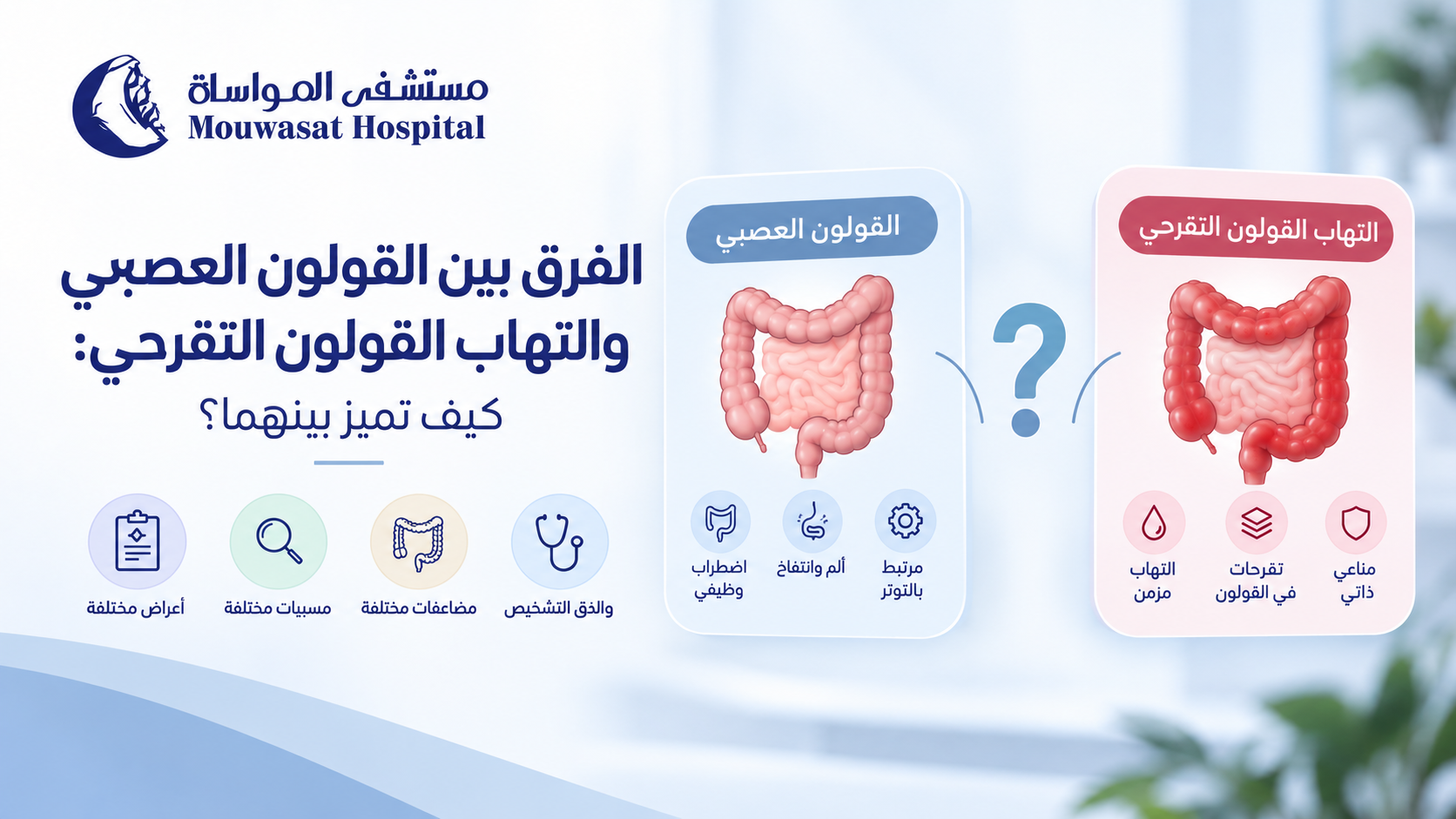
Irritable bowel syndrome and ulcerative colitis can cause some similar symptoms, including abdominal pain, diarrhea, and changes in bowel habits. However, they are different conditions with different causes, diagnostic approaches, and treatments.
Irritable bowel syndrome (IBS) affects how the bowel functions without causing inflammation or ulcers, while ulcerative colitis is a chronic inflammatory condition that causes inflammation and ulcers in the lining of the colon and rectum.[1][2]
The key difference is that IBS changes how the bowel functions without causing inflammation or visible tissue damage, while ulcerative colitis causes inflammation and ulcers in the lining of the colon.[1][2]
| Feature | IBS | Ulcerative colitis |
|---|---|---|
| Type of condition | A disorder affecting bowel function and sensitivity. | A chronic inflammatory disease of the colon. |
| Inflammation | Does not cause inflammation or ulcers. | Causes inflammation and may cause ulcers. |
| Abdominal pain | Common and often associated with bowel movements. | May occur with diarrhea and active inflammation. |
| Diarrhea | May occur, but constipation or mixed bowel habits are also possible. | Common and may contain blood or mucus. |
| Blood in stool | Not a typical feature of IBS. | May occur, particularly during active disease. |
| Weight loss or anemia | Not typical and should be medically assessed. | May occur in some patients. |
| Colonoscopy | Not required for every patient with typical IBS. | May be important for confirming the diagnosis. |
Irritable bowel syndrome is a chronic condition that affects bowel function. It commonly causes recurrent abdominal pain together with constipation, diarrhea, or a combination of both.[1]
IBS does not cause inflammation, ulcers, or damage to the tissues of the digestive tract.
Read more: Irritable Bowel Syndrome Symptoms: How to Recognize Them and When to See a Doctor
Ulcerative colitis is a chronic condition that causes inflammation and ulcers in the inner lining of the colon and rectum. It is one of the main types of inflammatory bowel disease.[2]
Symptoms may become more active at certain times and improve significantly during other periods.
IBS does not mean that the colon is inflamed. Ulcerative colitis causes true inflammation that can be detected through medical testing and endoscopy.[1][2]
Some symptoms overlap, which can make the two conditions seem similar. Both may involve:
Ulcerative colitis may also cause symptoms related to inflammation, such as blood in the stool, rectal bleeding, frequent diarrhea, strong urgency, fatigue, weight loss, and fever in some patients.[3]
IBS more commonly involves recurrent abdominal pain associated with bowel movements and changes in stool frequency or form. Bloating, gas, and a feeling of incomplete evacuation may also occur.[4]
Blood in the stool is not considered a typical symptom of IBS. It should not automatically be attributed to IBS, even in someone who has already been diagnosed with the condition.[4]
Ulcerative colitis, however, may cause blood in the stool because the lining of the colon is inflamed.[3]
Both conditions can cause abdominal pain or cramping, so pain location or severity alone cannot reliably distinguish between them.
In IBS, pain is commonly related to bowel movements or changes in stool frequency or form.[4]
In ulcerative colitis, abdominal pain may occur together with diarrhea, bleeding, and frequent urgency to have a bowel movement.[3]
Read more: IBS Pain: Where Is It Felt and What Does It Feel Like?
Diagnosis begins with a review of symptoms, medical history, family history, and a physical examination.
When IBS is suspected, doctors rely mainly on the pattern of symptoms and may use tests to rule out other causes when necessary.[5]
When ulcerative colitis is suspected, additional tests may be needed to look for evidence of inflammation in the intestine.[6]
| Test | Why it may be used |
|---|---|
| Blood tests | To look for anemia or signs that may suggest inflammation. |
| Stool tests | To help rule out infection and look for signs of intestinal inflammation. |
| Fecal calprotectin | May help determine whether intestinal inflammation is present. |
| Colonoscopy | Allows the doctor to examine the colon and take small tissue samples if necessary. |
Calprotectin is a substance that can be measured in a stool sample. Its level may rise when inflammation is present in the intestines.
The test may help doctors distinguish inflammatory bowel disease from non-inflammatory conditions such as IBS in appropriate patients.[7]
Fecal calprotectin does not diagnose ulcerative colitis on its own. Results must be considered alongside symptoms and other investigations.
Not everyone with typical IBS symptoms requires colonoscopy to confirm the diagnosis. The decision depends on age, medical history, symptoms, and whether warning signs or another diagnosis are suspected.[5]
When ulcerative colitis is suspected, colonoscopy may be used to examine the inflamed lining of the colon and obtain tissue samples to help confirm the diagnosis.[6]
IBS is mainly diagnosed from the symptom pattern and clinical assessment, while ulcerative colitis requires evidence of inflammation in the colon.
The two main forms of IBD are ulcerative colitis and Crohn's disease. These conditions cause inflammation in the digestive tract, unlike IBS.
IBS does not turn into ulcerative colitis and is not an early stage of IBD.
Even if you have already been diagnosed with IBS, new or unusual digestive symptoms should not automatically be attributed to the condition.
Seek medical assessment if you develop:
Medical assessment can help determine whether symptoms fit IBS or whether testing is needed for ulcerative colitis or another digestive condition.
IBS affects bowel function without causing inflammation or ulcers, while ulcerative colitis causes inflammation and ulcers in the lining of the colon.[1][2]
Blood in the stool is not considered a typical IBS symptom and should be medically assessed.[4]
Yes. Weight loss may occur in some people, particularly when the disease is active or when diarrhea and inflammation are significant.[3]
No. IBS and ulcerative colitis are different conditions, and IBS is not an early stage of ulcerative colitis.
No. Diarrhea can occur with IBS and many other conditions. Diagnosis depends on the full symptom pattern and testing when appropriate.
No. It may help identify intestinal inflammation, but it does not confirm ulcerative colitis by itself. Colonoscopy and other tests may still be needed.[6][7]
No. Stress may worsen IBS symptoms, but it cannot be used to confirm or exclude ulcerative colitis.
Read also: IBS, Stress and Anxiety: What Is the Connection?

Irritable bowel syndrome symptoms vary from one person to another, but the most typical pattern includes recurrent abdominal pain together with changes in bowel habits, such as constipation, diarrhea, or alternating between the two. Bloating, gas, changes in stool consistency, and a feeling of incomplete bowel emptying may also occur.[1][2]
However, abdominal pain or bloating alone does not automatically mean that a person has irritable bowel syndrome (IBS). Several other conditions can cause similar symptoms. Diagnosis therefore depends on the overall pattern of symptoms, medical history, and clinical assessment, with additional tests used when necessary to rule out other causes.[3]
Irritable bowel syndrome, or IBS, is a group of digestive symptoms that occur together. The main features include recurrent abdominal pain accompanied by changes in bowel movements, such as constipation, diarrhea, or both.[2]
IBS is classified as a disorder of gut-brain interaction. Changes in how the brain and digestive system communicate may affect intestinal movement, sensitivity, and how pain is perceived. At the same time, people with IBS do not have visible structural damage in the digestive tract that explains their symptoms.[2]
IBS is usually a long-term condition, and symptoms may vary over time. Some people experience periods when symptoms become more noticeable, followed by periods of improvement.[1]
IBS is not diagnosed based on one symptom alone. Doctors look for a characteristic pattern of symptoms, with recurrent abdominal pain associated with changes in bowel habits being the most important feature.[3]
Recurrent abdominal pain or cramping is one of the main symptoms of IBS. The pain is often related to bowel movements and may improve after passing stool in some people, while in others it may change or become temporarily worse.[3]
Some people experience hard or lumpy stools, difficulty passing stool, or less frequent bowel movements. Constipation may be the predominant bowel pattern in this type of IBS.[1][2]
Other people may experience loose or watery stools and more frequent bowel movements, with diarrhea being the predominant pattern.[2]
Some people alternate between periods of constipation and diarrhea rather than having one consistent bowel pattern.[2]
Bloating, abdominal fullness, and increased gas are common symptoms of IBS. Their severity may vary depending on food intake, bowel habits, and other individual factors.[1][5]
A person may feel that they have not completely emptied their bowels even after passing stool. NICE guidance identifies incomplete evacuation and urgency among symptoms that may help clinicians assess IBS.[5]
Some people with IBS may notice white mucus in their stool.[1] However, blood in the stool should not automatically be attributed to IBS and should be medically evaluated.[3]
There is no single location that defines IBS pain. Pain may occur in different parts of the abdomen and may change location or intensity over time. NICE guidance notes that the site of abdominal pain in IBS can vary.[5]
The pattern of pain is more important than its location alone. Doctors consider whether the pain is related to bowel movements, whether stool frequency has changed, and whether stool consistency has changed.[3]
For a more detailed explanation, read: IBS Pain: Where Does It Occur and What Does It Feel Like?
Changes in stool frequency and consistency are central features of IBS and are important during diagnosis.[3]
Stool may become harder and lumpier when constipation predominates, or looser and more watery when diarrhea predominates. People with mixed IBS may experience both patterns at different times.[2]
Doctors may use the Bristol Stool Form Scale to help describe stool consistency and bowel patterns more clearly.[5]
Stool appearance alone cannot diagnose IBS. Blood in the stool, rectal bleeding, or unusually black stools should be medically evaluated rather than assumed to be part of IBS.[3]
IBS is classified according to the predominant bowel pattern. Identifying the subtype can help guide symptom management and treatment decisions.[2]
| IBS type | Predominant bowel pattern |
|---|---|
| IBS-C | Constipation-predominant IBS, usually involving harder or lumpy stools. |
| IBS-D | Diarrhea-predominant IBS, usually involving loose or watery stools. |
| IBS-M | Mixed IBS, involving both hard stools and loose or watery stools at different times. |
Bowel patterns can change over time, so a person's IBS subtype may not necessarily remain the same indefinitely.[2]
The main symptoms of IBS in women are the same as in men: recurrent abdominal pain, changes in bowel habits, constipation, diarrhea, or a combination of these symptoms, often accompanied by bloating.[2]
IBS is reported more frequently in women than in men.[1][2] NICE guidance also notes that bloating is commonly reported by women with IBS.[5]
However, abdominal pain or bloating in women should not automatically be attributed to IBS. Digestive symptoms can overlap with other gastrointestinal or gynecological conditions, particularly when symptoms are new, persistent, or changing.
The connection between the digestive system and the brain plays an important role in IBS. Because IBS is a disorder of gut-brain interaction, changes in communication between the brain and the digestive tract may influence intestinal movement, sensitivity, and the perception of pain.[2]
Stress and psychological factors may worsen symptoms in some people, but this does not mean that IBS is “all in the mind” or that the symptoms are not real.[1]
For some patients, treatment may therefore include approaches that address the gut-brain interaction alongside dietary, lifestyle, and symptom-directed treatments.[4]
Read more: IBS, Stress and Anxiety: What Is the Connection?
An important part of understanding IBS is recognizing which symptoms fit the typical pattern and which may indicate another condition requiring further evaluation.[1][3]
| Symptom or sign | Relationship to IBS | What to do |
|---|---|---|
| Abdominal pain associated with bowel movements | A common core feature | Assess it together with the overall symptom pattern. |
| Recurring constipation or diarrhea | May occur with IBS | Consider duration, stool consistency, and accompanying symptoms. |
| White mucus in the stool | May occur with IBS | Interpret it within the full clinical picture. |
| Rectal bleeding or blood in the stool | Not a typical IBS feature | Requires medical evaluation. |
| Unexplained weight loss | Not part of the usual IBS pattern | The cause should be assessed. |
| Anemia | May point to another condition | Medical evaluation is recommended. |
| An unusual abdominal lump or swelling | Not a typical IBS symptom | See a doctor for assessment. |
Doctors may also consider a family history of conditions such as celiac disease, inflammatory bowel disease, or colorectal cancer when deciding whether further investigations are needed.[3]
Read also: IBS vs Inflammatory Bowel Disease: What Is the Difference?
There is no single blood test, scan, or procedure that confirms IBS on its own. Diagnosis begins with a review of symptoms, their duration, medical and family history, and a physical examination.[3]
Diagnostic criteria focus on recurrent abdominal pain associated with bowel movements and changes in stool frequency or form over time.[3]
No. A colonoscopy is not routinely required for every person whose symptoms fit an IBS pattern. The need for testing depends on factors such as age, medical history, family history, the pattern of symptoms, and whether warning signs are present.[3][5]
When appropriate, doctors may request blood tests, stool tests, or other investigations to rule out conditions that can produce similar symptoms.[3][5]
There is no single treatment plan that works for everyone with IBS. Management depends on the predominant symptoms, their severity, and how much they affect daily life.[4]
Treatment may include dietary and lifestyle changes, therapies directed at constipation, diarrhea, or abdominal pain, and in some cases treatments that target the gut-brain interaction.[4]
There is no universal list of foods that every person with IBS must avoid. A food that triggers symptoms in one person may not affect another in the same way.[7]
A doctor or dietitian may recommend adjusting the amount or type of fiber or, in selected cases, trying a low-FODMAP diet. NICE recommends that restrictive approaches such as a low-FODMAP diet should ideally be guided by a healthcare professional with expertise in dietary management.[5]
Read the full guide: What Should You Eat With IBS? Foods to Eat and Avoid
Soluble fiber may help some people, particularly those with constipation. However, increasing fiber too quickly or choosing unsuitable types may worsen bloating and gas in some patients.[1][7]
Appropriate physical activity, adequate sleep, and strategies to manage stress may form part of an IBS management plan alongside dietary changes and symptom-directed treatment.[4]
Consider seeing a doctor if abdominal symptoms or changes in bowel habits are recurrent, persistent, or affecting your daily life, especially if they have not previously been medically assessed.
Medical evaluation is particularly important if you notice rectal bleeding or blood in the stool, unexplained weight loss, anemia, or another unusual symptom that could suggest a condition other than IBS.[1][3]
The purpose of medical assessment is not only to determine whether the symptoms fit IBS, but also to rule out other conditions when necessary and to develop a management plan based on your specific bowel pattern and symptoms.
The main symptoms are recurrent abdominal pain and changes in bowel habits, including constipation, diarrhea, or both. Bloating, gas, mucus in the stool, and a feeling of incomplete bowel emptying may also occur.[1][2]
The cause cannot be determined from the location of pain alone. Doctors look at whether pain is recurrent, related to bowel movements, and accompanied by changes in stool frequency or consistency while also checking for warning signs.[3]
IBS pain can occur in different parts of the abdomen and may move or change over time. Its location alone is not enough to diagnose IBS.[5]
Stool may be hard or lumpy in constipation-predominant IBS, loose or watery in diarrhea-predominant IBS, or alternate between both patterns in mixed IBS.[2]
Yes. White mucus may occur in some people with IBS. Blood in the stool, however, should be medically evaluated and should not be considered a normal IBS symptom.[1][3]
Dizziness is not one of the main symptoms used to diagnose IBS. If dizziness is frequent, severe, or accompanied by other symptoms, its cause should be assessed rather than automatically attributed to IBS.
Blood in the stool or rectal bleeding should not be considered a typical IBS symptom. Medical evaluation is recommended to determine the cause.[1][3]
IBS can be long-lasting and may significantly affect quality of life, but it does not cause visible structural damage to the digestive tract.[2] Medical assessment remains important to make sure symptoms are not caused by another condition.
No. IBS is a real disorder of gut-brain interaction. Stress and psychological factors may influence symptom severity in some people, but IBS is not simply a psychological condition and the digestive symptoms are genuine.[1][2]
IBS is a long-term condition for many people, and symptoms may improve or worsen over time. Symptoms can often be managed effectively with an individualized approach, but there is no single treatment that guarantees permanent resolution for everyone.[4]

People with irritable bowel syndrome often look for a fixed list of foods they should eat or avoid. However, IBS food triggers vary considerably from one person to another. A food that causes bloating or abdominal discomfort in one person may be well tolerated by someone else with IBS.[1][2]
For this reason, dietary management usually focuses on regular eating habits, adequate fluids, appropriate types of fiber, identifying individual triggers, and seeking professional guidance when a more structured dietary approach is needed.[2][3]
Food can influence the severity of IBS symptoms in some people, but food itself is not necessarily the cause of IBS. Symptoms may be affected by the type and amount of food eaten, meal timing, bowel patterns, stress, and other individual factors.[1]
This is why foods that worsen IBS symptoms vary from person to person. The goal is to identify meaningful individual patterns without placing unnecessary restrictions on the diet.
Most people do not need one universal “IBS diet.” First-line advice generally focuses on regular eating patterns and practical changes that make it easier to identify whether certain foods are associated with symptoms.[1][3]
Regular meals are recommended in IBS dietary guidance. Avoiding very long gaps between meals may help establish a more consistent routine and make food-related patterns easier to recognize.[1][3]
Adequate fluid intake, particularly water, is important for digestive health and may be especially relevant when constipation or diarrhea is present. Fluids also help fiber work effectively.[1][2]
Fiber may help some people with IBS, particularly when constipation is present. Evidence suggests that soluble fiber is generally more helpful for overall IBS symptoms than insoluble fiber.[2][4]
Oats are one dietary source of soluble fiber. Fiber is usually better increased gradually because adding too much too quickly may worsen gas and bloating.[2]
A food that works well for one person may not work as well for another. Repeated patterns between a particular food and symptoms are more useful than automatically avoiding entire food groups based on another person's experience.
Avoid removing many foods at the same time. Making several dietary changes together can make it difficult to identify the true trigger and may unnecessarily limit the variety of your diet.
It is more accurate to think of these foods as possible triggers rather than foods that are universally forbidden. Potential triggers for some people include:[1][3]
| Possible trigger | Possible effect | Practical approach |
|---|---|---|
| Caffeine | May worsen bowel symptoms in some people. | Notice whether coffee, tea, or energy drinks consistently affect your symptoms. |
| High-fat foods | May be associated with increased symptoms in sensitive individuals. | Consider portion size, preparation method, and your individual response. |
| Carbonated drinks | May increase bloating and gas. | Use water as the main source of hydration. |
| Sweeteners such as sorbitol | May worsen diarrhea or bloating in some people. | Check labels on sugar-free gum, sweets, and similar products if symptoms occur. |
| Some high-FODMAP foods | May increase gas, bloating, and other symptoms in some people. | Do not automatically eliminate them all; discuss a structured approach with a professional when needed. |
There is no single breakfast that is suitable for everyone with IBS. A simple, balanced meal based on foods you already tolerate is usually more useful than following a rigid “IBS breakfast” plan.
Oats may be an option for some people because they contain soluble fiber. If dairy products repeatedly cause symptoms because of lactose intolerance, discuss suitable alternatives rather than assuming all dairy foods must be avoided.[1][2]
Yes. Dietary priorities may differ depending on whether constipation, diarrhea, or bloating is the predominant problem.[1][4]
| Predominant symptom | What may help | What to watch for |
|---|---|---|
| IBS-C | Adequate fluids and gradually increasing appropriate soluble fiber. | Increasing fiber too quickly may worsen gas and bloating. |
| IBS-D | Maintaining fluids and identifying repeat dietary triggers. | Sorbitol and other individual triggers may worsen symptoms in some people. |
| Bloating and gas | Regular meals and identifying personal triggers. | Carbonated drinks and certain fermentable carbohydrates may worsen symptoms. |
The American College of Gastroenterology recommends soluble rather than insoluble fiber for improving overall IBS symptoms.[4]
Fiber should generally be introduced gradually, since a sudden increase may cause additional gas and bloating.[2]
FODMAPs are certain short-chain carbohydrates that may be poorly absorbed and can contribute to gas, bloating, and bowel symptoms in some people with IBS.[2]
The American College of Gastroenterology supports a limited trial of a low-FODMAP diet for some patients with IBS. However, it is not intended as a permanent highly restrictive diet.[4]
A structured approach generally involves a temporary reduction phase, followed by gradual reintroduction to identify individual sensitivities, and then personalization of the diet so that unnecessary restrictions can be removed.[4]
NICE recommends that exclusion diets such as low-FODMAP should be guided by a healthcare professional with expertise in dietary management.[3]
Not everyone with IBS needs a gluten-free diet. Some people report worsening symptoms after gluten-containing foods, but this does not mean that avoiding gluten is appropriate for every person with IBS.[2]
If celiac disease or another condition is suspected, medical assessment is preferable to making major dietary exclusions based on self-diagnosis.
A simple food-and-symptom record can help identify repeated patterns without relying on memory. The purpose is not to count calories or excessively monitor food, but to note whether a particular food or eating pattern repeatedly coincides with symptoms.
| What to note | What to look for |
|---|---|
| Food or drink | Main ingredients in the meal. |
| Timing of symptoms | Whether symptoms consistently occur after a particular meal. |
| Type of symptom | Pain, bloating, constipation, diarrhea, or another bowel change. |
| Other factors | Stress, poor sleep, routine changes, or new medicines. |
Making multiple exclusions at the same time makes it difficult to identify which food is actually associated with symptoms and can unnecessarily reduce dietary variety.
The aim is to identify triggers and then expand the diet as much as possible, not to maintain broad restrictions indefinitely.[4]
Fiber may help, particularly when constipation is present, but a rapid increase can worsen gas and bloating.[2]
The American College of Gastroenterology does not recommend routine food allergy or sensitivity testing for every person with IBS unless there are reproducible symptoms that raise concern for a true food allergy.[4]
Professional guidance may be useful if symptoms remain persistent or severe, if your diet has become very limited, or if you are unable to identify potential triggers without excluding multiple food groups.
Medical assessment is also important if you develop symptoms that should not automatically be attributed to IBS, including rectal bleeding, blood in the stool, unexplained weight loss, anemia, or other new persistent symptoms.[1]
There is no single best food for everyone. Regular meals, adequate fluids, foods that are individually well tolerated, and appropriate soluble fiber are common starting points.[1][4]
There is no universal forbidden-food list. Caffeine, high-fat foods, carbonated drinks, and some sweeteners may trigger symptoms in some people, but individual tolerance varies.[1]
A simple breakfast based on well-tolerated foods is usually appropriate. Oats may suit some people because they provide soluble fiber.[2]
Caffeine may worsen symptoms in some people. Monitoring whether symptoms repeatedly follow coffee or other caffeinated drinks can help identify whether it is a personal trigger.[1]
Not necessarily. Dairy products require particular attention when lactose intolerance is present, but they do not need to be automatically excluded by everyone with IBS.[1]
Soluble fiber may help some people, especially those with constipation. However, increasing fiber too quickly can worsen gas and bloating.[2][4]
No. It may help some patients, but it is not necessary for everyone and is not intended to be a permanently restrictive diet. Professional guidance is recommended when it is used.[3][4]
No. A gluten-free diet is not required for every person with IBS. Individual response and medical assessment should guide major dietary exclusions.[2]

If pain, stiffness, weakness, an injury, or recovery after surgery is limiting the way you move, you may be wondering whether physical therapy is right for you. The answer depends not only on the presence of pain, but also on its cause, how your movement and daily activities are affected, your overall health, and what you want to regain.
Physical therapy focuses on movement and function. A physical therapist assesses the individual's condition and develops a plan aimed at improving mobility, restoring function, managing symptoms, and helping the person return to meaningful daily activities.[1][2]
Physical therapy may be worth considering when a health problem begins to limit your movement, independence, or ability to perform normal daily activities, or when you need to regain function following an injury, illness, or surgery.
The World Health Organization notes that rehabilitation may be needed at different stages of life following injury, surgery, disease or illness, or when a person's functioning declines with age.[2]
A diagnosis alone cannot determine exactly what physical therapy you need. Two people with the same condition may require different approaches because of differences in age, symptoms, activity level, health status, goals, and response to rehabilitation.
Saudi Ministry of Health guidance emphasizes that physical therapy depends on the patient's condition, age, individual needs, the nature of the problem, and the rate of recovery and response to treatment.[1]
| Situation | Possible role of physical therapy | What shapes the plan? |
|---|---|---|
| Back, neck, or joint pain | Assessment of movement and function followed by appropriate exercise and other interventions. | Cause, duration, functional impact, and assessment findings. |
| After orthopedic surgery | Gradual restoration of movement, strength, and function. | Type of surgery, recovery stage, and the surgeon's instructions. |
| Sports injury | Restoring strength, flexibility, movement, and readiness to return to sport. | Type and severity of injury and the demands of the sport. |
| Certain neurological conditions | Training in movement, strength, balance, and functional activities as part of rehabilitation. | Neurological condition, current abilities, and functional goals. |
| Reduced balance or mobility in older adults | Movement, strength, and balance training to support safety and independence. | Health status, mobility, and individual needs. |
Physical therapy is a healthcare discipline focused on evaluating movement and function and developing an individualized plan to improve mobility, manage symptoms, and help patients perform everyday activities more effectively.[1]
Physical therapy is also part of the broader rehabilitation process. WHO defines rehabilitation around optimizing functioning and helping people remain as independent as possible in everyday activities.[2]
For this reason, progress is not measured only by pain scores. A meaningful goal may be returning to work, walking comfortably, climbing stairs, getting back to sport, or performing another activity that matters to the patient.
Physical therapy has several areas of practice. Saudi Ministry of Health guidance includes musculoskeletal, neurological, geriatric, pediatric, cardiovascular and pulmonary rehabilitation, vestibular therapy, sports rehabilitation, and other areas.[1]
Common situations where physical therapy may have a role include musculoskeletal pain and injuries, sprains and fractures, sports injuries, rehabilitation after certain surgeries, neurological conditions, balance disorders, and reduced mobility.
Physical therapy is not necessarily a replacement for other treatment. Depending on the diagnosis, it may form one part of a multidisciplinary plan involving physicians, surgeons, rehabilitation specialists, and other healthcare professionals.[2]
Your first appointment is usually an assessment rather than simply a session of exercises. The physical therapist will ask about your symptoms, medical history, lifestyle, and the way the problem affects your daily activities.[1][3]
Depending on your condition, the physical assessment may include:
Your physical therapist then works with you to identify goals and develop an individualized treatment plan based on the assessment.[3]
Be ready to explain when the problem started, which movements make it better or worse, and how it affects your work, sleep, sport, and daily activities. This information helps your therapist understand what you need to return to.[3]
No. Therapeutic exercise is important, but physical therapy may also include education, movement training, balance and gait training, manual therapy, and selected treatment modalities depending on the patient's needs.[1]
Massage, manual techniques, or equipment may sometimes form part of the program, but physical therapy should not be viewed as simply receiving a passive treatment. The plan is selected according to assessment findings and functional goals.
There is no single number that applies to everyone. The number and frequency of sessions depend on the condition, age, individual needs, goals, recovery rate, and response to treatment.[1]
Some musculoskeletal problems may require a relatively short rehabilitation period, while neurological or more complex conditions may need longer-term care. Progress toward functional goals is generally more useful than focusing on a predetermined number of visits.
Some people may experience temporary muscle soreness or fatigue after performing new exercises or increasing physical activity. Normal exercise-related muscle soreness generally improves as the body adapts.[4]
Severe, increasing, or persistent pain, significant swelling, or new symptoms should be discussed with your physical therapist so that the program can be reassessed or modified.
Physical therapy can be appropriate for many movement and rehabilitation problems, but it does not replace medical assessment when an injury or illness may require another form of diagnosis or treatment.
If symptoms are sudden and severe, follow a major injury, or involve an unusual rapid decline in function, medical assessment should take priority over starting a rehabilitation program on your own.
A physical therapist may also recommend referral to a physician or another healthcare professional if the assessment suggests that further medical investigation is needed. Rehabilitation commonly involves multidisciplinary care when appropriate.[2]
The Physiotherapy Department at Mouwasat Hospital provides services including musculoskeletal physiotherapy, rehabilitation after orthopedic surgery, sports injury rehabilitation, mobility and strength programs, and other rehabilitation services according to each patient's needs.
Care begins with assessing the patient's condition and goals before developing an individualized rehabilitation plan designed to support movement, function, and a gradual return to meaningful activities.
Physical therapy may be useful when pain, weakness, stiffness, or reduced mobility affects daily activities, or when rehabilitation is needed after certain injuries, surgeries, or health conditions.[1][2]
Physical therapy may be part of the management plan for some types of back pain after appropriate assessment of symptoms, movement, function, and individual needs.
Rehabilitation following some orthopedic procedures can help restore movement, strength, and function. The timing and type of rehabilitation depend on the surgery and instructions from the treating medical team.[1]
No. It may include education, therapeutic exercise, functional training, balance and gait training, manual therapy, and selected treatment modalities depending on the condition.[1]
There is no fixed number. It varies according to the condition, severity, individual needs, goals, and response to rehabilitation.[1]
Severe pain is not the goal of physical therapy. Mild temporary muscle soreness can occur after unfamiliar exercise, but severe, worsening, or persistent pain should be discussed with the physical therapist.[4]
No. Physical therapy is used across several areas, including musculoskeletal rehabilitation, neurological rehabilitation, balance problems, post-surgical care, pediatrics, older adults, and sports rehabilitation.[1]