How can i help you?
Latest Blogs
Explore All




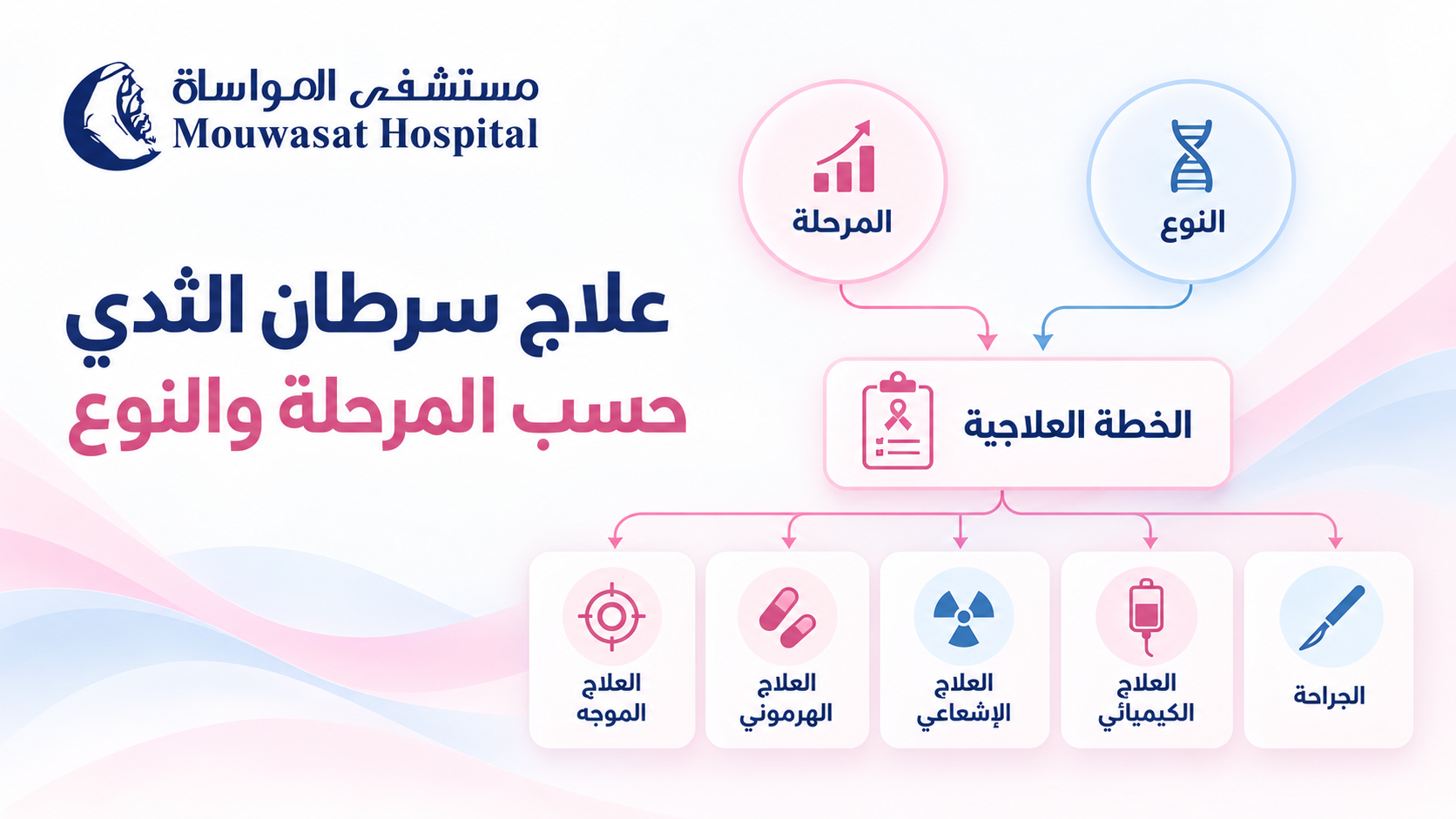
Triple-negative breast cancer does not mean there is no treatment, it does not automatically mean stage III or IV disease, and it does not mean cure is impossible. TNBC is a breast cancer subtype whose cells lack estrogen receptors, progesterone receptors and high levels of HER2, so its treatment differs from hormone receptor-positive and HER2-positive breast cancers. [1]
TNBC tends, on average, to grow and recur more quickly than some other breast cancer subtypes. However, it can respond well to chemotherapy, and some people with early-stage disease achieve a pathologic complete response (pCR) after treatment given before surgery, meaning no residual invasive cancer is found in the breast or lymph nodes at surgery.
After a breast cancer biopsy, laboratory testing evaluates biomarkers that help determine which treatments are likely to work.
The cancer is called triple-negative breast cancer (TNBC) when it is:
TNBC accounts for about 15% of breast cancers. [1]
Because these targets are absent, endocrine therapy and standard HER2-directed therapy are not effective treatment strategies for this subtype. However, chemotherapy, immunotherapy and other targeted approaches are available. [1] [2]
Learn more about biomarkers: Breast Cancer Types and Stages: Understanding ER, PR, HER2 and Triple-Negative Disease.
TNBC tends, on average, to grow more quickly and recur more often during the early years after diagnosis than many hormone receptor-positive cancers. [1]
However, saying that TNBC is “aggressive” does not mean that every TNBC has a poor outcome.
Stage at diagnosis, lymph node involvement, tumour size and response to treatment all matter greatly.
Localized TNBC and metastatic TNBC have very different outlooks, even though both are triple-negative.
No.
Triple-negative describes receptor status. Stage describes how far the cancer has spread.
| Term | What it describes |
|---|---|
| Triple-negative | ER, PR and HER2 biomarker status. |
| Stage I–IV | Extent of disease in the breast, lymph nodes and distant organs. |
TNBC can be diagnosed at stage I, II, III or IV.
Yes.
For some early-stage TNBC, chemotherapy, sometimes combined with immunotherapy, is given before surgery.
The tissue removed during surgery is then examined under a microscope.
If no residual invasive cancer is found in the breast or lymph nodes, this is called:
Pathologic Complete Response (pCR).
Achieving pCR in TNBC is generally associated with better long-term outcomes. Many people with early-stage TNBC do very well, especially when the cancer is gone after preoperative treatment. [3]
No. It is a highly favorable treatment response, but it does not reduce recurrence risk to zero.
Usually not.
TNBC can cause the same symptoms seen with other breast cancers, including:
TNBC cannot be identified from symptoms or mammography alone. A biopsy and ER, PR and HER2 testing are needed. [4]
TNBC has a higher tendency than early ER-positive breast cancer to recur during the first several years after diagnosis.
The recurrence pattern is more concentrated in the first five years. After about five years without recurrence, the risk tends to fall more substantially than it does in hormone receptor-positive disease, where late recurrence can remain a concern for much longer. [5]
This does not mean recurrence is inevitable.
Individual risk is influenced by:
Treatment depends on tumour size, stage and other clinical factors.
Smaller operable cancers may begin with surgery, whereas larger or higher-risk cancers are often treated with systemic therapy before surgery. [2]
Preoperative treatment may include chemotherapy, with pembrolizumab added in appropriate early-stage cases.
After surgery, additional treatment is selected according to the original treatment plan, pathology results, residual disease and BRCA status. [2] [3]

Because TNBC lacks ER, PR and HER2 targets, chemotherapy remains one of its main systemic treatment strategies.
It may be used:
Importantly, TNBC can sometimes be highly responsive to chemotherapy despite its more aggressive biology.
Immunotherapy can be part of treatment in selected TNBC settings.
Pembrolizumab may be combined with chemotherapy in appropriate high-risk early-stage TNBC and may continue after surgery according to the treatment plan. [2]
In advanced or metastatic TNBC, biomarkers such as PD-L1 can help guide some immunotherapy decisions. [3]
Residual invasive cancer does not mean the entire treatment failed.
Instead, it provides important prognostic information and can help determine additional treatment.
Depending on the situation, postoperative options may include:
For metastatic TNBC, systemic treatment is central.
The goals are usually to control the cancer, slow progression, improve symptoms and maintain quality of life.
Treatment selection can depend on:
Options can include chemotherapy, immunotherapy, PARP inhibitors for selected BRCA-associated cancers and antibody-drug conjugates such as sacituzumab govitecan. [2] [3]
In June 2026, the U.S. Food and Drug Administration expanded first-line use of sacituzumab govitecan for certain adults with unresectable locally advanced or metastatic TNBC. [8]
The U.S. approvals included:
There is a particularly important association between inherited BRCA1 pathogenic variants and triple-negative breast cancer. [6]
However:
Genetic evaluation can be important after a TNBC diagnosis because the result may affect treatment as well as cancer risk assessment for relatives. [7]
Read: BRCA and Breast Cancer: Who Needs Genetic Testing and What Do the Results Mean?
There is no single cure or survival rate that applies to all TNBC.
According to National Cancer Institute data, five-year relative survival varies substantially with the extent of disease: [9]
| Extent of disease | 5-year relative survival |
|---|---|
| Localized | 91.8% |
| Regional | 66.2% |
| Distant | 12.8% |
| All stages combined | 77.6% |
These are population statistics and cannot predict an individual patient's outcome. They also reflect people treated in earlier years, so they may not fully capture the benefit of newer treatments. [9]
For more context: Breast Cancer Survival Rates by Stage and Type.

Not necessarily.
TNBC can occur without an inherited cancer-predisposition variant. However, its association with BRCA1 makes genetic assessment particularly relevant after diagnosis. [6]
Chemotherapy is important in many TNBC treatment plans, but treatment is not identical for every patient.
Stage, tumour size, lymph node involvement, overall health and other available treatments all influence the plan.
No. Hormone therapy depends on estrogen or progesterone receptors, and TNBC lacks those targets.
Yes, although pCR is a favorable prognostic sign. Recurrence risk does not become zero, so follow-up remains important.
It means the tumour is negative for estrogen receptors, progesterone receptors and HER2 positivity.
No. TNBC describes tumour biology. Stage III describes the extent of cancer spread.
Many early-stage TNBCs are treated with curative intent, and some patients achieve a pathologic complete response after preoperative treatment.
Yes. If no invasive cancer remains in the breast or lymph nodes at surgery, this is called pCR. It is a favorable response but does not guarantee zero recurrence risk.
No. Many people complete treatment without recurrence. Risk varies with stage, nodes, tumour size and treatment response.
Recurrence risk tends to be more concentrated in the first five years after diagnosis and generally falls more substantially afterward than it does in hormone receptor-positive breast cancer. [5]
No. Immunotherapy depends on the stage, clinical situation, treatment plan and, in metastatic disease, biomarkers such as PD-L1 in some treatment settings.
Triple-negative breast cancer lacks ER, PR and HER2 as standard treatment targets, but it is not an untreatable form of breast cancer.
It tends to grow and recur more quickly during the early years than some other subtypes, but stage and response to treatment have a major impact on prognosis.
In early disease, chemotherapy and sometimes immunotherapy before surgery can lead to a pathologic complete response, which is associated with better outcomes.
If residual cancer remains, that information can help guide additional postoperative treatment rather than simply being viewed as treatment failure.
For metastatic disease, treatment options have expanded beyond chemotherapy and now include immunotherapy, PARP inhibitors for selected BRCA-associated cancers and antibody-drug conjugates, with additional first-line developments approved in the United States in 2026.
Not every breast cancer requires chemotherapy, not every treatment plan starts with surgery, and stage alone does not determine treatment. The plan depends on a combination of cancer stage, tumour size, lymph node involvement, ER and PR status, HER2 status, tumour grade, certain gene changes, overall health and response to treatment. [1] [2]
One person with stage I breast cancer may need surgery followed by endocrine therapy, while another person with a similar stage may also need chemotherapy or HER2-targeted treatment because the biology of the tumour is different.
Treatment is not selected from the word “breast cancer” or the stage alone.
Important factors include:
The National Cancer Institute notes that most patients receive more than one type of treatment and that stage, subtype, overall health and other individual factors all contribute to treatment planning. [1]
They can identify treatment targets.
Biomarker testing helps doctors understand the tumour and choose treatments that are more likely to work. [2]
For more detail, read: Breast Cancer Types and Stages: Understanding ER, PR, HER2 and Triple-Negative Disease.
| Stage | Common treatment pathway | What can change the plan? |
|---|---|---|
| Stage 0 / DCIS | Surgery ± radiation; endocrine therapy may be discussed in selected cases. | Extent of DCIS, surgery type and hormone receptor status. |
| Stage I | Usually surgery first, followed by additional treatment when needed. | ER/PR, HER2, grade, nodes, tumour size and sometimes genomic tests. |
| Stage II | Surgery first in some cases; systemic treatment before surgery in others. | Tumour size, nodes and biological subtype. |
| Stage III | Often systemic treatment → surgery → radiation → additional systemic therapy. | Subtype, response and residual disease. |
| Stage IV | Systemic treatment is usually central; surgery or radiation may be used selectively. | HR/HER2 status, gene changes, sites of spread, symptoms and response. |
Stage 0 usually refers to ductal carcinoma in situ (DCIS), in which abnormal cells remain inside the breast ducts and have not become invasive.
Treatment may include:
Chemotherapy is not routinely required for DCIS because treatment is different from that of invasive breast cancer. [1]
Stage I breast cancer is early-stage disease, and treatment commonly begins with surgery. [1]
Surgery may involve:
No.
Some small, hormone receptor-positive, HER2-negative tumours with favourable features may have limited expected benefit from chemotherapy.
In certain HR-positive/HER2-negative cancers, genomic tests can help estimate whether chemotherapy is likely to add meaningful benefit. [3]
Chemotherapy or targeted treatment becomes more important when other tumour features indicate higher risk, such as certain HER2-positive or triple-negative cancers.
Radiation is commonly used after breast-conserving surgery to reduce the risk of cancer returning in the breast. [3]
Endocrine therapy is usually recommended to reduce recurrence risk. [5]
Stage II treatment can follow more than one pathway.
Some patients have surgery first, while others receive chemotherapy and/or targeted treatment before surgery. [1] [3]
Preoperative treatment may be considered when the tumour is larger, lymph nodes are involved, breast-conserving surgery could become easier after tumour shrinkage, or tumour subtype makes response to preoperative treatment particularly useful for later decisions.
HER2-positive and triple-negative disease are important examples where treatment before surgery may be preferred in appropriate cases. [3]
Stage III is generally considered locally advanced breast cancer.
Treatment often begins with systemic therapy, followed by surgery, radiation and additional systemic treatment based on subtype and response. [1]
A simplified pathway may look like:
Systemic therapy → surgery → radiation → additional treatment based on biomarkers and response.
The systemic treatment itself depends on tumour biology:
Stage IV means breast cancer has spread to distant parts of the body.
Systemic treatment is usually the foundation of care, with the goals of controlling the cancer, slowing progression, relieving symptoms and maintaining quality of life. [4]
The treatment selected depends heavily on tumour biology.
| Subtype | Systemic treatment that may be used |
|---|---|
| HR-positive / HER2-negative | Endocrine therapy, often combined with appropriate targeted therapy. |
| HER2-positive | HER2-directed therapies with other systemic treatment as appropriate. |
| Triple-negative | Chemotherapy, with immunotherapy or other targeted options in selected cases. |
| Selected BRCA-related cancers | PARP inhibitors may be an option in selected situations. |
HR-positive breast cancer contains estrogen and/or progesterone receptors, allowing endocrine therapy to target the role these hormones play in cancer growth. [2]
No.
The decision depends on factors including stage, nodes, tumour size, grade, HER2 status, recurrence risk and sometimes genomic test results.
This means one patient may receive surgery, radiation and endocrine therapy without chemotherapy, while another with HR-positive cancer may benefit from chemotherapy as well.
It is usually prescribed for at least five years, and longer treatment may be appropriate for some patients at higher risk of recurrence. [5]
For a full treatment timeline, read: How Long Does Breast Cancer Treatment Take?
HER2-positive breast cancer has increased HER2 activity, which provides an important treatment target. [2]
HER2-directed therapy may be combined with chemotherapy and can be given before or after surgery according to stage, tumour size and other factors. [3]
For many early HER2-positive treatment plans, HER2-targeted treatment continues for a total of approximately one year, although the exact approach varies. [3]
A tumour can have more than one actionable target.
Treatment may therefore include HER2-targeted therapy, chemotherapy when appropriate, endocrine therapy, surgery and radiation according to stage.
Triple-negative breast cancer lacks estrogen receptors, progesterone receptors and HER2 positivity. [7]
Therefore:
Triple-negative does not mean that treatment cannot work. It simply means that ER, PR and HER2 are not available as treatment targets.
BRCA1 and BRCA2 help cells repair DNA damage. Harmful inherited variants can increase the risk of breast and other cancers.
BRCA testing can sometimes affect treatment as well as inherited risk assessment. [8]
Selected patients with BRCA-related breast cancer may be candidates for targeted treatments known as PARP inhibitors. [6]
Many early breast cancers are treated with surgery first.
In other cases, systemic treatment is given first. This is known as neoadjuvant therapy.
Possible reasons include:
After neoadjuvant treatment, the tissue removed during surgery is examined by a pathologist.
If no invasive cancer remains in the breast or lymph nodes, this may be described as a pathologic complete response (pCR).
If residual cancer remains, this does not automatically mean treatment has failed.
The amount and type of residual disease can provide valuable information and may change the treatment recommended after surgery, particularly in HER2-positive and triple-negative breast cancer. [3]
No.
Surgery treats cancer in the breast and surgical area, whereas chemotherapy, endocrine therapy and targeted therapies are systemic treatments.
Some patients also require radiation after mastectomy depending on tumour size, lymph node involvement and other risk factors.
Yes, in selected cases.
For some early HR-positive cancers, a medically appropriate plan may involve surgery, radiation when needed and endocrine therapy without chemotherapy.
For other cancers, chemotherapy can be an important part of curative treatment.
The more useful question is therefore not simply “Do I need chemotherapy?” but:
“How much benefit is chemotherapy expected to add in my specific case?”
For early and locally advanced breast cancer that has not spread to distant organs, treatment is often delivered with curative intent.
For stage IV metastatic breast cancer, treatment usually focuses on long-term disease control, slowing progression, reducing symptoms and maintaining quality of life. [4]
For more on long-term outcomes, read: Breast Cancer Survival Rates by Stage and Subtype.
There is no single treatment that is best for every breast cancer. The best plan depends on stage, ER, PR, HER2, tumour grade, lymph nodes, gene changes, overall health and response to treatment.
Not always. Some lower-risk stage I cancers may have little expected benefit from chemotherapy, while other stage I cancers can benefit significantly because of their biological features.
Yes. Although treatment is usually more intensive and involves several treatment types, many stage III cancers that have not spread to distant organs are treated with curative intent.
Yes. Many systemic treatments can shrink or control metastatic breast cancer. Treatment is usually ongoing and adjusted according to response and side effects.
No. Some early HR-positive cancers are treated without chemotherapy, while higher-risk cancers may still benefit from it.
No. Triple-negative describes tumour biology, while stage III describes how far the cancer has spread. Triple-negative breast cancer can occur at different stages.
Surgery and the rest of the treatment plan are still determined by the oncology team. If no invasive cancer remains in the breast or lymph nodes at surgery, this may represent a pathologic complete response.
Breast cancer treatment is determined by much more than stage.
Stage I often begins with surgery and does not always require chemotherapy. Stage II may begin with either surgery or systemic treatment. Many stage III cancers are treated with systemic therapy before surgery, followed by surgery, radiation and additional treatment.
In stage IV disease, systemic treatment becomes central to long-term disease control.
Tumour biology also changes the plan: HR-positive disease can respond to endocrine therapy, HER2-positive disease can be targeted with HER2-directed treatments, and triple-negative disease relies on other systemic strategies such as chemotherapy and, in selected cases, immunotherapy.
The most useful questions after diagnosis are therefore not only “What stage is my cancer?” but also: What subtype is it? What are my ER, PR and HER2 results? Do I need treatment before surgery or after it, and what is the purpose of each part of my treatment plan?
Yes, breast cancer can come back after treatment in some people, but recurrence is not inevitable. The individual risk varies substantially according to the original stage, tumour size, lymph node involvement, tumour grade, biological subtype, response to treatment and other factors. [1]
Recurrence can happen months or years after treatment. Many recurrences occur during the first several years, but some breast cancers, particularly hormone receptor-positive disease, can recur much later. [1] [5]
Breast cancer recurrence means breast cancer has returned after the initial treatment and a period during which there was no detectable disease.
Recurrence can occur when a very small number of cancer cells survive treatment but remain too small to detect. These cells may later begin growing again. [1]
This does not automatically mean the original treatment was incorrect or ineffective. Treatment can greatly reduce recurrence risk without being able to reduce that risk to zero in every patient.
| Type | What it means |
|---|---|
| Local recurrence | Cancer returns in the breast, chest wall or surgical area. |
| Regional recurrence | Cancer returns in nearby lymph nodes, such as those under the arm, near the collarbone or in the neck. |
| Distant recurrence | Breast cancer returns in a distant organ and is considered metastatic breast cancer. |
Common sites of distant recurrence include the bones, lungs, liver and brain. [1]
No.
A person who has previously had breast cancer can later develop a completely new breast cancer known as a second primary breast cancer.
This is biologically separate from a recurrence of the first tumour. [1]
A new tumour therefore needs appropriate imaging, biopsy and biomarker testing rather than simply being assumed to be the original cancer returning.
Yes.
After a mastectomy, local recurrence can occur in the skin, surgical scar or chest wall. Cancer can also recur in nearby lymph nodes or distant organs. [1]
Mastectomy and other treatments reduce recurrence risk substantially, but they cannot guarantee that every microscopic cancer cell has been eliminated.
There is no single time period that applies to all breast cancers.
Many recurrences occur during the first few years after treatment, but breast cancer can also recur many years later. [1]
No.
For hormone receptor-positive breast cancer, studies have shown an ongoing risk of distant recurrence from 5 to 20 years after diagnosis in some patients. The level of risk depends on factors such as the original tumour size and lymph node involvement. [5]
Recurrence risk in TNBC is more concentrated during the first five years after diagnosis and tends to decline substantially afterward. [6]
The early recurrence risk is often lower than in hormone receptor-negative disease, but the risk can persist for much longer and late recurrence may occur more than 10 years after diagnosis. [5]
TNBC does not inevitably return within five years, and hormone-positive breast cancer does not inevitably return later.
Learn more: Triple-Negative Breast Cancer: Is It More Aggressive and How Is It Treated?.
Possible signs include:
Symptoms depend on where the cancer is located and can include:
Contact your care team if you notice a new lump, an unusual change around the surgical area, unexplained symptoms that persist or worsen, or any other new health change that clearly differs from your usual state.
You do not need to wait for the next routine follow-up appointment if a concerning symptom develops.
Recurrence risk is individualized, but factors associated with a higher risk include:
No strategy can guarantee that recurrence will never occur, but much of breast cancer treatment is specifically designed to reduce this risk.
Depending on the cancer, this can include surgery, radiation, chemotherapy, endocrine therapy, HER2-targeted therapy, immunotherapy and other systemic treatments.
Taking prescribed long-term treatment as recommended and discussing side effects rather than stopping treatment without medical advice can also be important.
Physical activity and maintaining a healthy weight are also associated with better breast cancer outcomes. [1]
For more on treatment decisions: Breast Cancer Treatment: How Does the Plan Change by Stage and Subtype?.
Follow-up is individualized, but may include:
Most experts recommend a mammogram of the treated breast around 6 to 12 months after surgery and radiation are completed, followed by mammography at least annually according to the care plan. [3]
Routine mammography is usually no longer needed on the side where the entire breast was removed, while the remaining breast continues to need regular mammograms. [3]
Routine mammograms are generally not required because there is usually not enough breast tissue left to screen, although clinical follow-up remains important.
Usually not after curative treatment for stage I–III breast cancer if you have no symptoms or abnormal findings.
Randomized studies have not shown that routinely performing body imaging or certain blood tests in asymptomatic survivors improves survival or quality of life compared with standard clinical follow-up. [4]
ASCO also advises against routine surveillance imaging such as PET, CT and radionuclide bone scans, or routine serum tumour markers, in asymptomatic people treated for breast cancer with curative intent. [7]
For most survivors of early breast cancer without symptoms, clinical follow-up and appropriate breast imaging are the foundation. Additional scans are ordered when there is a medical reason.
If a new symptom or abnormal finding appears, recurrence should not be assumed without further evaluation.
Depending on the situation, tests can include:
When possible, recurrent disease is biopsied and biomarkers such as ER, PR and HER2 may be reassessed because they can differ from those of the original tumour and can affect treatment. [4]
Not necessarily.
The initial treatment may have removed or destroyed all cancer that could be detected and substantially reduced recurrence risk, while a very small number of microscopic cells remained undetectable.
Those cells may remain dormant before growing again later.
Yes. Treatment depends on whether recurrence is local, regional or distant, the tumour's current biomarkers and previous treatments.
Treatment may include surgery, radiation and systemic therapy. Some patients with locoregional recurrence can achieve long-term disease control with appropriate treatment. [1] [4]
Distant recurrence is metastatic breast cancer. Systemic treatment is usually central, with the goals of controlling disease, slowing progression, relieving symptoms and maintaining quality of life.
Treatment selection can depend on ER, PR, HER2, molecular findings, the location of metastases, previous treatments and the interval between initial therapy and recurrence.
For more context on prognosis: Breast Cancer Survival Rates by Stage and Type.
It can recur in some people after a period with no detectable disease, but many people treated for breast cancer never develop a recurrence.
Yes. It can recur in the chest wall or surgical area, nearby lymph nodes or distant organs, although mastectomy and additional treatments substantially reduce risk.
Yes, particularly some hormone receptor-positive breast cancers, which can have a risk of late recurrence. [5]
Yes. Late recurrence more than 10 years after diagnosis can occur, especially in hormone receptor-positive disease.
There is no single first symptom. A new breast or chest wall lump may signal local recurrence, while distant recurrence can cause symptoms that depend on the affected organ.
No. Bone pain has many common causes. New unexplained pain that persists or worsens should be assessed rather than assumed to be cancer.
Not routinely for most asymptomatic people treated for early breast cancer. Advanced imaging is usually used when symptoms, examination findings or another medical reason justify it. [4] [7]
Yes. Local and regional recurrences may be treated with additional local and systemic therapy, while metastatic recurrence has multiple treatment options that can control disease for varying periods of time.
Breast cancer can come back after treatment, but recurrence is not inevitable. Risk depends on the original stage, lymph nodes, tumour biology, grade, response to treatment and other individual factors.
Recurrence may be local, regional or distant. A later breast tumour can also be a completely new primary breast cancer rather than recurrence of the first cancer.
Common symptoms such as headaches, fatigue, cough or bone pain usually have causes other than cancer, but new, unexplained or persistent symptoms deserve medical assessment.
For most asymptomatic survivors of early-stage breast cancer, follow-up does not require routine PET, CT or tumour-marker testing. Clinical follow-up and appropriate mammography remain central, with additional tests used when there is a clear medical reason.
Yes, breast cancer can come back after treatment in some people, but recurrence is not inevitable. The individual risk varies substantially according to the original stage, tumour size, lymph node involvement, tumour grade, biological subtype, response to treatment and other factors. [1]
Recurrence can happen months or years after treatment. Many recurrences occur during the first several years, but some breast cancers, particularly hormone receptor-positive disease, can recur much later. [1] [5]
Breast cancer recurrence means breast cancer has returned after the initial treatment and a period during which there was no detectable disease.
Recurrence can occur when a very small number of cancer cells survive treatment but remain too small to detect. These cells may later begin growing again. [1]
This does not automatically mean the original treatment was incorrect or ineffective. Treatment can greatly reduce recurrence risk without being able to reduce that risk to zero in every patient.
| Type | What it means |
|---|---|
| Local recurrence | Cancer returns in the breast, chest wall or surgical area. |
| Regional recurrence | Cancer returns in nearby lymph nodes, such as those under the arm, near the collarbone or in the neck. |
| Distant recurrence | Breast cancer returns in a distant organ and is considered metastatic breast cancer. |
Common sites of distant recurrence include the bones, lungs, liver and brain. [1]
No.
A person who has previously had breast cancer can later develop a completely new breast cancer known as a second primary breast cancer.
This is biologically separate from a recurrence of the first tumour. [1]
A new tumour therefore needs appropriate imaging, biopsy and biomarker testing rather than simply being assumed to be the original cancer returning.
Yes.
After a mastectomy, local recurrence can occur in the skin, surgical scar or chest wall. Cancer can also recur in nearby lymph nodes or distant organs. [1]
Mastectomy and other treatments reduce recurrence risk substantially, but they cannot guarantee that every microscopic cancer cell has been eliminated.
There is no single time period that applies to all breast cancers.
Many recurrences occur during the first few years after treatment, but breast cancer can also recur many years later. [1]
No.
For hormone receptor-positive breast cancer, studies have shown an ongoing risk of distant recurrence from 5 to 20 years after diagnosis in some patients. The level of risk depends on factors such as the original tumour size and lymph node involvement. [5]
Recurrence risk in TNBC is more concentrated during the first five years after diagnosis and tends to decline substantially afterward. [6]
The early recurrence risk is often lower than in hormone receptor-negative disease, but the risk can persist for much longer and late recurrence may occur more than 10 years after diagnosis. [5]
TNBC does not inevitably return within five years, and hormone-positive breast cancer does not inevitably return later.
Learn more: Triple-Negative Breast Cancer: Is It More Aggressive and How Is It Treated?.
Possible signs include:
Symptoms depend on where the cancer is located and can include:
Contact your care team if you notice a new lump, an unusual change around the surgical area, unexplained symptoms that persist or worsen, or any other new health change that clearly differs from your usual state.
You do not need to wait for the next routine follow-up appointment if a concerning symptom develops.
Recurrence risk is individualized, but factors associated with a higher risk include:
No strategy can guarantee that recurrence will never occur, but much of breast cancer treatment is specifically designed to reduce this risk.
Depending on the cancer, this can include surgery, radiation, chemotherapy, endocrine therapy, HER2-targeted therapy, immunotherapy and other systemic treatments.
Taking prescribed long-term treatment as recommended and discussing side effects rather than stopping treatment without medical advice can also be important.
Physical activity and maintaining a healthy weight are also associated with better breast cancer outcomes. [1]
For more on treatment decisions: Breast Cancer Treatment: How Does the Plan Change by Stage and Subtype?.
Follow-up is individualized, but may include:
Most experts recommend a mammogram of the treated breast around 6 to 12 months after surgery and radiation are completed, followed by mammography at least annually according to the care plan. [3]
Routine mammography is usually no longer needed on the side where the entire breast was removed, while the remaining breast continues to need regular mammograms. [3]
Routine mammograms are generally not required because there is usually not enough breast tissue left to screen, although clinical follow-up remains important.
Usually not after curative treatment for stage I–III breast cancer if you have no symptoms or abnormal findings.
Randomized studies have not shown that routinely performing body imaging or certain blood tests in asymptomatic survivors improves survival or quality of life compared with standard clinical follow-up. [4]
ASCO also advises against routine surveillance imaging such as PET, CT and radionuclide bone scans, or routine serum tumour markers, in asymptomatic people treated for breast cancer with curative intent. [7]
For most survivors of early breast cancer without symptoms, clinical follow-up and appropriate breast imaging are the foundation. Additional scans are ordered when there is a medical reason.
If a new symptom or abnormal finding appears, recurrence should not be assumed without further evaluation.
Depending on the situation, tests can include:
When possible, recurrent disease is biopsied and biomarkers such as ER, PR and HER2 may be reassessed because they can differ from those of the original tumour and can affect treatment. [4]
Not necessarily.
The initial treatment may have removed or destroyed all cancer that could be detected and substantially reduced recurrence risk, while a very small number of microscopic cells remained undetectable.
Those cells may remain dormant before growing again later.
Yes. Treatment depends on whether recurrence is local, regional or distant, the tumour's current biomarkers and previous treatments.
Treatment may include surgery, radiation and systemic therapy. Some patients with locoregional recurrence can achieve long-term disease control with appropriate treatment. [1] [4]
Distant recurrence is metastatic breast cancer. Systemic treatment is usually central, with the goals of controlling disease, slowing progression, relieving symptoms and maintaining quality of life.
Treatment selection can depend on ER, PR, HER2, molecular findings, the location of metastases, previous treatments and the interval between initial therapy and recurrence.
For more context on prognosis: Breast Cancer Survival Rates by Stage and Type.
It can recur in some people after a period with no detectable disease, but many people treated for breast cancer never develop a recurrence.
Yes. It can recur in the chest wall or surgical area, nearby lymph nodes or distant organs, although mastectomy and additional treatments substantially reduce risk.
Yes, particularly some hormone receptor-positive breast cancers, which can have a risk of late recurrence. [5]
Yes. Late recurrence more than 10 years after diagnosis can occur, especially in hormone receptor-positive disease.
There is no single first symptom. A new breast or chest wall lump may signal local recurrence, while distant recurrence can cause symptoms that depend on the affected organ.
No. Bone pain has many common causes. New unexplained pain that persists or worsens should be assessed rather than assumed to be cancer.
Not routinely for most asymptomatic people treated for early breast cancer. Advanced imaging is usually used when symptoms, examination findings or another medical reason justify it. [4] [7]
Yes. Local and regional recurrences may be treated with additional local and systemic therapy, while metastatic recurrence has multiple treatment options that can control disease for varying periods of time.
Breast cancer can come back after treatment, but recurrence is not inevitable. Risk depends on the original stage, lymph nodes, tumour biology, grade, response to treatment and other individual factors.
Recurrence may be local, regional or distant. A later breast tumour can also be a completely new primary breast cancer rather than recurrence of the first cancer.
Common symptoms such as headaches, fatigue, cough or bone pain usually have causes other than cancer, but new, unexplained or persistent symptoms deserve medical assessment.
For most asymptomatic survivors of early-stage breast cancer, follow-up does not require routine PET, CT or tumour-marker testing. Clinical follow-up and appropriate mammography remain central, with additional tests used when there is a clear medical reason.
Not every breast cancer requires chemotherapy, not every treatment plan starts with surgery, and stage alone does not determine treatment. The plan depends on a combination of cancer stage, tumour size, lymph node involvement, ER and PR status, HER2 status, tumour grade, certain gene changes, overall health and response to treatment. [1] [2]
One person with stage I breast cancer may need surgery followed by endocrine therapy, while another person with a similar stage may also need chemotherapy or HER2-targeted treatment because the biology of the tumour is different.
Treatment is not selected from the word “breast cancer” or the stage alone.
Important factors include:
The National Cancer Institute notes that most patients receive more than one type of treatment and that stage, subtype, overall health and other individual factors all contribute to treatment planning. [1]
They can identify treatment targets.
Biomarker testing helps doctors understand the tumour and choose treatments that are more likely to work. [2]
For more detail, read: Breast Cancer Types and Stages: Understanding ER, PR, HER2 and Triple-Negative Disease.
| Stage | Common treatment pathway | What can change the plan? |
|---|---|---|
| Stage 0 / DCIS | Surgery ± radiation; endocrine therapy may be discussed in selected cases. | Extent of DCIS, surgery type and hormone receptor status. |
| Stage I | Usually surgery first, followed by additional treatment when needed. | ER/PR, HER2, grade, nodes, tumour size and sometimes genomic tests. |
| Stage II | Surgery first in some cases; systemic treatment before surgery in others. | Tumour size, nodes and biological subtype. |
| Stage III | Often systemic treatment → surgery → radiation → additional systemic therapy. | Subtype, response and residual disease. |
| Stage IV | Systemic treatment is usually central; surgery or radiation may be used selectively. | HR/HER2 status, gene changes, sites of spread, symptoms and response. |
Stage 0 usually refers to ductal carcinoma in situ (DCIS), in which abnormal cells remain inside the breast ducts and have not become invasive.
Treatment may include:
Chemotherapy is not routinely required for DCIS because treatment is different from that of invasive breast cancer. [1]
Stage I breast cancer is early-stage disease, and treatment commonly begins with surgery. [1]
Surgery may involve:
No.
Some small, hormone receptor-positive, HER2-negative tumours with favourable features may have limited expected benefit from chemotherapy.
In certain HR-positive/HER2-negative cancers, genomic tests can help estimate whether chemotherapy is likely to add meaningful benefit. [3]
Chemotherapy or targeted treatment becomes more important when other tumour features indicate higher risk, such as certain HER2-positive or triple-negative cancers.
Radiation is commonly used after breast-conserving surgery to reduce the risk of cancer returning in the breast. [3]
Endocrine therapy is usually recommended to reduce recurrence risk. [5]
Stage II treatment can follow more than one pathway.
Some patients have surgery first, while others receive chemotherapy and/or targeted treatment before surgery. [1] [3]
Preoperative treatment may be considered when the tumour is larger, lymph nodes are involved, breast-conserving surgery could become easier after tumour shrinkage, or tumour subtype makes response to preoperative treatment particularly useful for later decisions.
HER2-positive and triple-negative disease are important examples where treatment before surgery may be preferred in appropriate cases. [3]
Stage III is generally considered locally advanced breast cancer.
Treatment often begins with systemic therapy, followed by surgery, radiation and additional systemic treatment based on subtype and response. [1]
A simplified pathway may look like:
Systemic therapy → surgery → radiation → additional treatment based on biomarkers and response.
The systemic treatment itself depends on tumour biology:
Stage IV means breast cancer has spread to distant parts of the body.
Systemic treatment is usually the foundation of care, with the goals of controlling the cancer, slowing progression, relieving symptoms and maintaining quality of life. [4]
The treatment selected depends heavily on tumour biology.
| Subtype | Systemic treatment that may be used |
|---|---|
| HR-positive / HER2-negative | Endocrine therapy, often combined with appropriate targeted therapy. |
| HER2-positive | HER2-directed therapies with other systemic treatment as appropriate. |
| Triple-negative | Chemotherapy, with immunotherapy or other targeted options in selected cases. |
| Selected BRCA-related cancers | PARP inhibitors may be an option in selected situations. |
HR-positive breast cancer contains estrogen and/or progesterone receptors, allowing endocrine therapy to target the role these hormones play in cancer growth. [2]
No.
The decision depends on factors including stage, nodes, tumour size, grade, HER2 status, recurrence risk and sometimes genomic test results.
This means one patient may receive surgery, radiation and endocrine therapy without chemotherapy, while another with HR-positive cancer may benefit from chemotherapy as well.
It is usually prescribed for at least five years, and longer treatment may be appropriate for some patients at higher risk of recurrence. [5]
For a full treatment timeline, read: How Long Does Breast Cancer Treatment Take?
HER2-positive breast cancer has increased HER2 activity, which provides an important treatment target. [2]
HER2-directed therapy may be combined with chemotherapy and can be given before or after surgery according to stage, tumour size and other factors. [3]
For many early HER2-positive treatment plans, HER2-targeted treatment continues for a total of approximately one year, although the exact approach varies. [3]
A tumour can have more than one actionable target.
Treatment may therefore include HER2-targeted therapy, chemotherapy when appropriate, endocrine therapy, surgery and radiation according to stage.
Triple-negative breast cancer lacks estrogen receptors, progesterone receptors and HER2 positivity. [7]
Therefore:
Triple-negative does not mean that treatment cannot work. It simply means that ER, PR and HER2 are not available as treatment targets.
BRCA1 and BRCA2 help cells repair DNA damage. Harmful inherited variants can increase the risk of breast and other cancers.
BRCA testing can sometimes affect treatment as well as inherited risk assessment. [8]
Selected patients with BRCA-related breast cancer may be candidates for targeted treatments known as PARP inhibitors. [6]
Many early breast cancers are treated with surgery first.
In other cases, systemic treatment is given first. This is known as neoadjuvant therapy.
Possible reasons include:
After neoadjuvant treatment, the tissue removed during surgery is examined by a pathologist.
If no invasive cancer remains in the breast or lymph nodes, this may be described as a pathologic complete response (pCR).
If residual cancer remains, this does not automatically mean treatment has failed.
The amount and type of residual disease can provide valuable information and may change the treatment recommended after surgery, particularly in HER2-positive and triple-negative breast cancer. [3]
No.
Surgery treats cancer in the breast and surgical area, whereas chemotherapy, endocrine therapy and targeted therapies are systemic treatments.
Some patients also require radiation after mastectomy depending on tumour size, lymph node involvement and other risk factors.
Yes, in selected cases.
For some early HR-positive cancers, a medically appropriate plan may involve surgery, radiation when needed and endocrine therapy without chemotherapy.
For other cancers, chemotherapy can be an important part of curative treatment.
The more useful question is therefore not simply “Do I need chemotherapy?” but:
“How much benefit is chemotherapy expected to add in my specific case?”
For early and locally advanced breast cancer that has not spread to distant organs, treatment is often delivered with curative intent.
For stage IV metastatic breast cancer, treatment usually focuses on long-term disease control, slowing progression, reducing symptoms and maintaining quality of life. [4]
For more on long-term outcomes, read: Breast Cancer Survival Rates by Stage and Subtype.
There is no single treatment that is best for every breast cancer. The best plan depends on stage, ER, PR, HER2, tumour grade, lymph nodes, gene changes, overall health and response to treatment.
Not always. Some lower-risk stage I cancers may have little expected benefit from chemotherapy, while other stage I cancers can benefit significantly because of their biological features.
Yes. Although treatment is usually more intensive and involves several treatment types, many stage III cancers that have not spread to distant organs are treated with curative intent.
Yes. Many systemic treatments can shrink or control metastatic breast cancer. Treatment is usually ongoing and adjusted according to response and side effects.
No. Some early HR-positive cancers are treated without chemotherapy, while higher-risk cancers may still benefit from it.
No. Triple-negative describes tumour biology, while stage III describes how far the cancer has spread. Triple-negative breast cancer can occur at different stages.
Surgery and the rest of the treatment plan are still determined by the oncology team. If no invasive cancer remains in the breast or lymph nodes at surgery, this may represent a pathologic complete response.
Breast cancer treatment is determined by much more than stage.
Stage I often begins with surgery and does not always require chemotherapy. Stage II may begin with either surgery or systemic treatment. Many stage III cancers are treated with systemic therapy before surgery, followed by surgery, radiation and additional treatment.
In stage IV disease, systemic treatment becomes central to long-term disease control.
Tumour biology also changes the plan: HR-positive disease can respond to endocrine therapy, HER2-positive disease can be targeted with HER2-directed treatments, and triple-negative disease relies on other systemic strategies such as chemotherapy and, in selected cases, immunotherapy.
The most useful questions after diagnosis are therefore not only “What stage is my cancer?” but also: What subtype is it? What are my ER, PR and HER2 results? Do I need treatment before surgery or after it, and what is the purpose of each part of my treatment plan?
Not everyone needs BRCA testing, and having breast cancer in the family does not automatically mean the cancer is hereditary. However, genetic testing can be extremely important in selected situations because it may affect cancer risk assessment, family members, future screening and sometimes breast cancer treatment itself.
A positive BRCA result also does not mean that a person currently has cancer or will inevitably develop it. It means that a harmful inherited gene change has been identified that increases the risk of certain cancers. [1]
Breast cancer can be hereditary, but most breast cancers are not caused directly by an inherited cancer-predisposition variant.
The American Cancer Society estimates that about 5–10% of breast cancers are hereditary. [6]
BRCA1 and BRCA2 are among the best-known inherited breast cancer susceptibility genes, but they are not the only ones.
Other genes such as PALB2, TP53, PTEN and CDH1 can also be clinically important, which is why a multigene panel may be more appropriate than BRCA-only testing in some people. [2]
No.
Family patterns become more suggestive of inherited cancer risk when they include:
BRCA1 and BRCA2 are normal genes that produce proteins involved in repairing damaged DNA. [1]
Problems arise when a person inherits a harmful change, known as a pathogenic or likely pathogenic variant, in one of these genes.
According to the National Cancer Institute, more than 60% of women who inherit a harmful BRCA1 or BRCA2 change may develop breast cancer during their lifetime. [1]
This is a substantial increase in risk, but it is not a guarantee that cancer will occur.
Some people inherit harmful BRCA variants and never develop cancer.
Testing criteria can vary among health systems and professional guidelines, and the same criteria do not apply to people with cancer and people who have never had cancer.
The ASCO–Society of Surgical Oncology guideline recommends offering BRCA1/2 testing to all patients newly diagnosed with breast cancer at age 65 or younger. [2]
For patients older than 65, testing should also be offered in selected situations, including when:
Testing may also be important for recurrent breast cancer when PARP inhibitor therapy is being considered and for patients who develop a second primary breast cancer. [2]
A germline test can provide information that may affect several areas of care:
For a broader explanation of treatment decisions, read: Breast Cancer Treatment: How Does the Plan Change by Stage and Subtype?
Not every family history requires genetic testing, but a genetics assessment becomes more important when there is:
When possible, the National Cancer Institute recommends that testing for an inherited cancer syndrome begin with a relative who has had cancer. [3]
If a pathogenic variant is identified in the affected relative, other relatives can then be tested specifically for that variant.
Either parent.
A harmful inherited BRCA variant can come from the mother or the father, so cancer history on the father's side of the family is just as relevant to genetic risk assessment.
If a parent carries a BRCA mutation, each child has a 50% chance of inheriting it. [5]
Not necessarily.
Her breast cancer might not be hereditary. Even if she carries a BRCA variant, each child has a 50% chance of inheriting it, and inheriting the variant still does not guarantee cancer.
Inherited BRCA testing is commonly performed using:
An inherited germline variant is present throughout the body's cells, which is why blood or saliva can be used. [1]
No.
A clinician may recommend a multigene panel when the personal or family history suggests that genes other than BRCA1 and BRCA2 may be relevant. [2]
Some consumer tests examine only a limited number of known BRCA variants.
A negative result from such a test therefore may not rule out other clinically important BRCA variants. [1] [4]
| Test | What does it assess? | Does it prove inheritance? |
|---|---|---|
| Germline testing | Inherited variants present throughout the body. | Yes, when a pathogenic inherited variant is identified. |
| Tumour / somatic testing | Genetic changes within the cancer itself that may help guide treatment. | Not necessarily. |
A BRCA alteration found in a tumour may either be inherited or have arisen only in the tumour during a person's lifetime.
Therefore, if tumour testing identifies a harmful BRCA change, germline testing may be considered to determine whether it was inherited. [1] [3]
Germline testing is needed to clarify whether the finding is inherited.
A positive result means that a harmful or likely harmful genetic variant has been identified.
It can indicate:
A positive result does not predict exactly whether or when cancer will occur. [1]
The meaning depends on context.
If a specific pathogenic variant is already known in the family and a relative tests negative for that exact variant, this is a true negative: the person did not inherit that familial variant. [1]
If no familial variant has been identified, however, a negative result can be uninformative. Family history may still indicate increased risk, and another genetic cause may remain possible. [3]
A VUS is a genetic change for which there is not yet enough evidence to classify it as harmful or benign.
A VUS is not a positive pathogenic result.
The ASCO–SSO guideline states that variants of uncertain significance should not alter management. [2]
Many VUS findings are eventually reclassified as benign as more scientific data become available. [1]
If a germline BRCA variant is confirmed, blood relatives may also carry it.
Parents, siblings and adult children are usually among the closest relatives considered first, followed by other blood relatives based on the family tree.
Each child of a BRCA carrier has a 50% chance of inheriting the variant. [5]
BRCA testing is generally not recommended for children younger than 18 because BRCA-associated cancers are extremely uncommon in childhood and childhood management usually does not change based on the result. [1]
Management is individualized.
Depending on whether a person already has cancer, age, family history and other factors, options may include:
For more on breast screening, read: Mammogram Breast Cancer Screening: When Should You Start?
No.
Risk-reducing mastectomy can be discussed as one option for some BRCA carriers, but it is not an automatic requirement.
The decision can depend on:
The National Cancer Institute lists enhanced screening and risk-reducing surgery among the options available to people with inherited harmful BRCA variants. [1]
Yes, in selected situations.
BRCA-deficient cancer cells have impaired DNA repair, which can make certain treatment strategies particularly useful.
One important example is:
PARP inhibitors.
These targeted treatments can be used in specific cancers with harmful BRCA changes. [1]
However, a BRCA result alone does not determine treatment. The decision also depends on stage, whether the variant is germline or somatic, tumour subtype, previous therapies and approved treatment indications.
For some patients with breast cancer, the result can have direct treatment implications as well as implications for relatives.
Breast cancers in people with inherited harmful BRCA1 changes are more likely to be triple-negative than breast cancers in the general population. [1]
But not every triple-negative cancer is caused by BRCA, and not every BRCA-associated cancer is triple-negative.
Learn more: Breast Cancer Types and Stages: ER, PR, HER2 and Triple-Negative Disease.
Yes.
BRCA variants can be inherited and passed on by men as well as women.
BRCA2 in particular is associated with an increased risk of male breast cancer and prostate cancer, while BRCA variants can also be associated with pancreatic cancer risk. [1]
Male breast cancer itself is an important reason to consider hereditary cancer testing. [3]
Read: Male Breast Cancer: Signs That Can Be Missed and When to Seek Evaluation.
No.
BRCA testing detects inherited cancer susceptibility. It does not look for a tumour.
Breast cancer screening and diagnosis use tests such as mammography, breast MRI in selected high-risk people, and diagnostic imaging when symptoms or abnormal findings are present.
No.
Most breast cancers are not caused by an inherited BRCA variant, so routine or risk-based screening remains important even when BRCA testing is negative.
It is a genetic test that looks for harmful changes in BRCA1 and BRCA2 that can increase the risk of breast, ovarian and some other cancers.
No. It identifies genetic susceptibility rather than detecting a breast tumour.
Yes. BRCA can be inherited from either parent.
Each child has a 50% chance of inheriting the variant. [5]
Not automatically. The age at diagnosis, other cancers in the family and whether a pathogenic variant has already been found all affect whether testing is appropriate.
It means a harmful or likely harmful BRCA variant has been identified. It indicates increased cancer risk but does not guarantee that cancer will develop.
Its significance depends on whether a known familial variant exists. A true negative for a known family mutation is different from a negative test in a family where no genetic cause has yet been identified.
A variant of uncertain significance is a genetic change that cannot yet be classified as harmful or benign. It should not be treated as a pathogenic result. [2]
No. Risk is substantially increased, but some carriers never develop cancer.
Yes. In selected patients, BRCA status may affect eligibility for targeted treatments such as PARP inhibitors and can contribute to longer-term surgical and risk-management discussions.
A family history of breast cancer does not automatically mean that BRCA is present, and most breast cancers are not hereditary.
However, BRCA testing can be highly valuable when personal or family history suggests inherited cancer risk, and it is now offered more broadly to many people already diagnosed with breast cancer because the result can also influence treatment.
A positive result means increased risk, not inevitable cancer. A negative result does not always mean average risk, and a VUS should not be treated as a confirmed harmful mutation.
BRCA can be inherited from either the mother or the father, making the result relevant to both women and men within a family.

There is no single treatment duration that applies to every person with breast cancer. For some people, the intensive phase of treatment may be completed within several months, while other treatments—such as endocrine therapy for hormone receptor-positive disease—can continue for years.
The total breast cancer treatment timeline depends on the stage, tumour biology, ER, PR and HER2 status, whether chemotherapy or radiation is needed, and whether treatment starts with surgery or systemic therapy before surgery.
Breast cancer is not one disease with one standard timeline. Treatment planning takes several factors into account, including:
The National Cancer Institute notes that breast cancer treatment may involve a combination of surgery, radiation, chemotherapy, hormone therapy, targeted therapy and immunotherapy. [1]
| Treatment | General duration | Important note |
|---|---|---|
| Surgery | Usually one procedure plus several weeks of recovery | Recovery varies with lumpectomy, mastectomy and reconstruction. |
| Chemotherapy | Often 3–6 months | Applies broadly to adjuvant or neoadjuvant chemotherapy. |
| Whole-breast radiation | Often 3–4 weeks | Some schedules are as short as one week or as long as about six weeks. |
| Hormone therapy | Usually at least 5 years | Longer treatment may be advised for some higher-risk cancers. |
| HER2-targeted therapy | Often up to about 1 year in early disease | The drug and duration can change according to response and residual disease. |
| Metastatic disease | No fixed duration | Treatment is continued or changed based on benefit and side effects. |
Surgery is usually a defined procedure rather than a treatment lasting months, but recovery time varies significantly.
Breast-conserving surgery is often performed as an outpatient procedure, and many people can return to most regular activities within about two weeks. [6]
After mastectomy, many people can return to most daily activities within about four weeks, although recovery can take longer when reconstruction or more extensive surgery is performed. [7]
Recovery from surgery does not necessarily mean breast cancer treatment is complete. Chemotherapy, radiation, hormone therapy or targeted therapy may still be needed.
When chemotherapy is given before surgery or after surgery, it commonly lasts a total of about 3 to 6 months, depending on the drugs and schedule. [2]
Chemotherapy is delivered in cycles. A treatment dose or series of doses is followed by a recovery period before the next cycle.
Many cycles are two or three weeks long, although weekly and other schedules are also used. [2]
The duration can depend on:
Whole-breast radiation is commonly given five days a week for about 3 to 4 weeks. [3]
However, some modern schedules can be completed in about one week, while some people require longer courses of approximately six weeks.
Radiation is generally started after the surgical area has healed. The National Cancer Institute notes that this is commonly about one to two months after surgery. [8]
If chemotherapy is also required after surgery, radiation is generally delayed until chemotherapy has been completed. [8]
Hormone or endocrine therapy is used for hormone receptor-positive breast cancer.
It is usually taken for at least five years. Some people may be advised to continue for longer if their risk of recurrence is higher. [4]
This does not mean that the person remains in the same intensive phase of treatment for five years. Surgery, chemotherapy and radiation may already be complete while endocrine therapy continues as a long-term treatment to reduce recurrence risk.
HER2-positive breast cancer may require HER2-targeted treatment in addition to other therapies.
For early HER2-positive breast cancer, trastuzumab-based therapy is commonly given for a total of approximately one year. [5]
The treatment can begin before or after surgery. If cancer remains in the surgical specimen after preoperative treatment, the targeted treatment used afterward may change.
For advanced breast cancer, HER2-targeted treatment may continue for as long as it remains helpful and tolerable rather than following a predetermined one-year endpoint. [5]
No.
Many early-stage breast cancers are treated with surgery first, followed by additional treatment when needed. [1]
For larger, locally advanced or certain biologically aggressive tumours, chemotherapy and/or targeted therapy may be given first to shrink the tumour. This is known as neoadjuvant therapy.
| Possible pathway | Simplified example |
|---|---|
| Surgery first | Surgery → chemotherapy if needed → radiation → hormone/targeted treatment if appropriate |
| Systemic treatment first | Chemotherapy ± targeted treatment → surgery → radiation → additional systemic treatment if needed |
Yes, although stage is not the only factor.
DCIS treatment may involve surgery, radiation and sometimes endocrine therapy depending on the individual case. [1]
Many stage I cancers are treated with surgery first. Some people do not require chemotherapy, while radiation, hormone therapy or targeted treatment may still be recommended according to tumour biology.
Treatment is often more multimodal and may include systemic therapy before surgery, surgery, radiation and further treatment afterward. The intensive treatment pathway can therefore extend over several months. [1]
Metastatic breast cancer usually does not have a predetermined treatment endpoint.
Treatment is used to control the disease, slow progression, reduce symptoms and maintain quality of life. Therapy is continued or changed according to response, side effects and tumour biology.
No.
Some early breast cancers do not require chemotherapy. The decision may depend on stage, tumour grade, lymph nodes, hormone receptor status, HER2 status and sometimes genomic testing.
Chemotherapy is more likely to be considered in situations such as:
No.
Radiation is commonly recommended after breast-conserving surgery. After mastectomy, whether radiation is needed depends on features such as tumour size, lymph node involvement and local extent. [10]
That depends on what is meant by “finished.”
The intensive phase involving surgery, chemotherapy and radiation may be completed within several months, but endocrine or targeted treatment may continue much longer.
After active treatment, follow-up focuses on:
Some people may have surgery as their main short-term treatment, but many breast cancer plans include additional therapy lasting weeks, months or years.
Several months can be a common duration for the intensive phase of some treatment plans, especially when chemotherapy, surgery and radiation are required. However, there is no rule that all breast cancer treatment ends within six months.
Neoadjuvant breast cancer chemotherapy commonly falls within the overall 3-to-6-month range, depending on the regimen and response. [2]
Many whole-breast schedules are given five days a week for about 3 to 4 weeks, although shorter and longer schedules are available depending on the clinical situation. [3]
Not necessarily. Hormone therapy, for example, may continue for years in early-stage hormone receptor-positive breast cancer to reduce recurrence risk.
There is no single answer to how long breast cancer treatment takes.
Chemotherapy given before or after surgery often lasts about 3 to 6 months. Many modern radiation schedules take about 3 to 4 weeks. Hormone therapy usually continues for at least five years, and some HER2-targeted treatment for early breast cancer is given for about one year.
Treatment may begin with surgery in one patient and with chemotherapy or targeted therapy in another.
The most useful way to understand the timeline is to look at the entire treatment plan: which therapies are needed, in what order, which are part of an intensive temporary phase, and which are intended to continue long term.

One of the most common questions after a breast cancer diagnosis is: What are my chances of recovery?
There is no single percentage that applies to everyone. Outlook varies substantially according to how far the cancer has spread at diagnosis, tumour subtype, ER and PR status, HER2 status, tumour grade, response to treatment and individual health factors.
Medical statistics also usually measure survival rather than “cure” directly.
A 5-year survival rate does not mean someone is expected to live only five years. It is a population statistic used to understand outcomes among large groups and cannot predict exactly what will happen to an individual.
Not exactly.
Most cancer registries use statistical measures such as:
This is why statements such as “breast cancer has a 90% cure rate” can be misleading unless the statistic, population and period are clearly defined.
No.
Five years is simply a standard reference point used in research. Many breast cancer survivors live for decades after diagnosis.
According to the Saudi Health Council's national Cancer Survival Report, age-standardised 5-year net survival among women with breast cancer was approximately 82.1% for patients diagnosed during 2015–2019. [1]
This figure should not be interpreted as an individual's chance of cure.
It describes a historical population and uses a different survival measure from the relative survival statistics commonly reported by US SEER databases.
Survival figures can differ because of the population studied, years of diagnosis, cancer stage distribution, tumour subtypes, access to treatment and the statistical method used.
How far the cancer has spread at diagnosis is one of the strongest factors affecting prognosis.
The American Cancer Society reports the following 5-year relative survival rates for women diagnosed with invasive breast cancer in the United States between 2015 and 2021. [2]
| SEER stage | Meaning | 5-year relative survival |
|---|---|---|
| Localized | Cancer has not spread outside the breast. | >99% |
| Regional | Cancer has spread to nearby structures or regional lymph nodes. | 87% |
| Distant | Cancer has spread to distant parts of the body. | 32% |
| All stages combined | All eligible cases combined. | 92% |
The localized figure applies to invasive breast cancer and does not include ductal carcinoma in situ (DCIS). [2]
Not exactly.
SEER survival statistics use a simplified system of localized, regional and distant disease, whereas clinical breast cancer staging uses the AJCC system with stages 0 through IV.
The systems overlap conceptually but are not interchangeable.
Modern prognostic breast cancer staging also incorporates information such as tumour grade and ER, PR and HER2 status in addition to TNM information. [3]
Tumour biology also matters.
The National Cancer Institute reports the following 5-year relative survival rates from SEER data for women diagnosed during 2013–2019. [4]
| Subtype | Overall | Localized | Regional | Distant |
|---|---|---|---|---|
| HR+/HER2- | 94.8% | 100.0% | 90.2% | 34.0% |
| HR+/HER2+ | 91.0% | 99.1% | 89.8% | 45.6% |
| HR-/HER2+ | 85.6% | 97.2% | 84.0% | 39.5% |
| Triple-negative | 77.6% | 91.8% | 66.2% | 12.8% |
These statistics describe populations, not individual outcomes, and newer treatments may not yet be fully reflected in historical survival datasets. [4]
Hormone receptor-positive breast cancer contains estrogen and/or progesterone receptors and can often be treated with endocrine therapy. [5]
In NCI data, overall 5-year relative survival was:
However, the extent of disease at diagnosis remains extremely important. Hormone receptor-positive metastatic cancer has a very different prognosis from localized hormone receptor-positive cancer.
Hormone receptor-positive cancers often have a favourable short-term outlook, but they can recur many years after initial treatment. [5]
Not necessarily.
HER2-positive tumours can grow more quickly, but modern HER2-targeted therapies have substantially changed the treatment landscape.
NCI data show overall 5-year relative survival of 91.0% for HR+/HER2+ disease and 85.6% for HR-/HER2+ disease, with large differences according to whether the cancer is localized, regional or metastatic. [4]
Triple-negative breast cancer lacks ER, PR and HER2 targets and tends, on average, to grow and recur more quickly than many other breast cancers. [6]
However, stage matters greatly:
These figures come from women diagnosed during 2013–2019 and should not be treated as an individual's predicted outcome. [4]
No.
Metastatic breast cancer is generally managed as a chronic disease requiring ongoing systemic treatment rather than the finite curative treatment approach commonly used for early breast cancer.
Modern treatment can control disease for meaningful periods in some patients, but duration of response varies widely.
No.
Five years is not a biological cut-off.
Hormone receptor-positive breast cancers in particular can sometimes recur many years after initial treatment, which is one reason endocrine therapy is usually prescribed for at least five years and may be extended in selected higher-risk cases. [7]
Important factors include:
Because survival databases combine thousands of people with different ages, tumour characteristics, treatments and responses into population averages.
They also describe people treated years earlier, so the full benefit of newer therapies may not yet appear in current survival statistics. [4]
What is my stage? What are my ER, PR and HER2 results? What is my tumour grade? Which features of my particular cancer increase or reduce recurrence risk, and what is the purpose of each treatment in my plan?
Many early-stage breast cancers are treated with curative intent, and survival outcomes are excellent when disease is diagnosed while still localized. No population statistic, however, can guarantee an individual's outcome.
Early breast cancer generally has an excellent outlook, although individual prognosis also depends on tumour biology, grade, lymph nodes and other factors.
NCI data show an overall 5-year relative survival rate of 94.8% for HR+/HER2- breast cancer, but the rate varies markedly according to extent of disease. [4]
No. Localized triple-negative breast cancer had a 5-year relative survival rate of 91.8% in NCI data. Outcomes are much less favourable after distant spread, which illustrates why stage is crucial. [4]
No. Five-year survival is a statistical measure. Some breast cancers, particularly hormone receptor-positive disease, can recur later.
Yes. Survival statistics necessarily describe people treated in the past, and improvements from newer treatments can take years to appear fully in population datasets. [4]
There is no single breast cancer cure rate.
Localized breast cancer generally has an excellent prognosis, while survival decreases when cancer spreads to regional lymph nodes and falls further after distant metastasis.
Tumour biology also matters. Hormone receptors, HER2 status and triple-negative status affect treatment options and prognosis, but none of these features can be interpreted without considering stage.
Population survival rates are useful for understanding broad patterns, but they cannot determine an individual's future. The most meaningful assessment combines stage, TNM, tumour grade, ER, PR, HER2, lymph node involvement, treatment response and overall health.
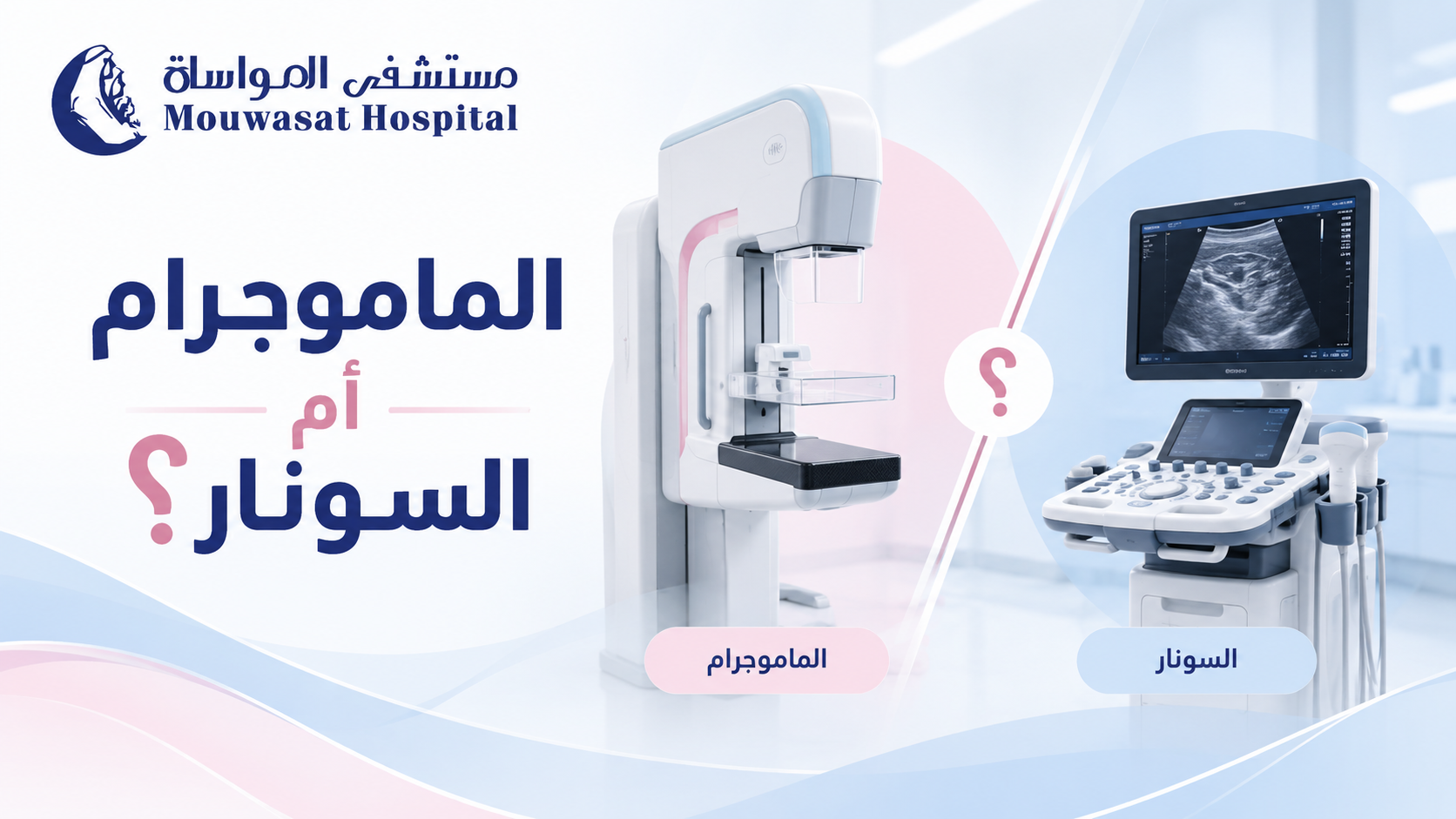
A mammogram and a breast ultrasound are both important breast imaging tests, but they are not interchangeable. Each works differently and answers different clinical questions.
Mammography uses low-dose X-rays and is the primary imaging method used for breast cancer screening. Ultrasound uses sound waves and is particularly useful for evaluating a specific breast lump or abnormality and determining whether a finding is solid or fluid-filled. In many situations, the two tests complement rather than replace each other. [1] [2]
| Feature | Mammogram | Breast ultrasound |
|---|---|---|
| Technology | Low-dose X-rays. | High-frequency sound waves. |
| Main role | Screening and diagnostic breast imaging. | Evaluating focal abnormalities and complementing mammography. |
| Radiation | Uses a low dose of ionising radiation. | Uses no ionising radiation. |
| Microcalcifications | Can detect small calcifications associated with some early breast cancers. | Some calcifications visible on mammography may not be visible on ultrasound. |
| Cysts vs solid masses | May identify a mass or abnormal area. | Very useful for determining whether a finding is fluid-filled or solid. |
The Saudi Ministry of Health describes mammography as low-dose X-ray imaging used for both screening and diagnosis. Breast ultrasound instead produces real-time images using sound waves and does not use radiation. [1] [2]
Mammography is particularly important when the goal is breast cancer screening before symptoms develop.
It can image the entire breast and identify changes that cannot be felt, including small calcifications that may be associated with ductal carcinoma in situ (DCIS) or other breast cancers. [3]
Diagnostic mammography is also used when a patient already has a breast concern, such as:
Breast ultrasound is a safe, non-invasive examination that uses sound waves to evaluate breast tissue. [2]
Common uses include:
| Situation | Typical imaging approach |
|---|---|
| Under 30 with a palpable lump | Breast ultrasound is usually the appropriate first test. |
| Age 30–39 with a new lump | Ultrasound and/or diagnostic mammography or tomosynthesis may be appropriate. |
| Age 40 or older with a new lump | Diagnostic mammography or tomosynthesis is commonly used, often with targeted ultrasound. |
American College of Radiology guidance generally recommends ultrasound first for a palpable mass in women younger than 30, while diagnostic mammography and ultrasound become complementary tools at older ages. [4]
Ultrasound can identify masses and abnormalities that may represent breast cancer, but it cannot detect every breast cancer and cannot always confirm whether a mass is malignant.
A suspicious solid mass may require tissue sampling. A biopsy examines the actual cells and can provide the definitive diagnosis when imaging alone cannot.
No. Radiologists assess characteristics such as shape, margins, orientation and internal appearance, but no single ultrasound image allows a patient to diagnose breast cancer by comparing pictures online.
Yes.
Some early breast cancers, particularly ductal carcinoma in situ (DCIS), may present mainly as small calcifications on mammography without a mass that is visible on ultrasound. This is one reason ultrasound does not replace mammography for breast cancer screening. [2] [3]
Yes. Ultrasound can identify some lesions that are difficult to see clearly on mammography, including some abnormalities in dense breast tissue and findings related to a specific palpable area.
The two tests therefore provide different information rather than competing to determine which is universally “better.”
Breast density refers to the relative amount of fibrous and glandular tissue compared with fatty tissue as seen on a mammogram. It cannot be determined simply by touching the breast. [5]
Dense tissue and many breast abnormalities both appear white on mammograms, which can make some cancers more difficult to detect.
Ultrasound may detect additional findings in women with dense breasts, but supplemental ultrasound also increases false-positive findings and may lead to extra testing or benign biopsies. [2]
No.
More imaging does not always mean better care. Additional ultrasound can identify benign abnormalities that lead to repeat imaging, aspiration or biopsy.
Using both tests is particularly useful when:
One result does not simply cancel out the other.
A palpable lump may not be clearly visible on mammography but can sometimes be characterised with targeted ultrasound. Conversely, suspicious calcifications may be visible on mammography without a corresponding ultrasound abnormality.
If a new palpable lump remains despite reassuring imaging, the clinical finding should still be followed up. Some cancers may have a normal appearance on initial imaging, and biopsy may occasionally be needed when the examination and imaging do not agree. [4]
Imaging can classify a finding as more or less suspicious, but it does not always provide a definitive tissue diagnosis.
Radiologists use the BI-RADS system to describe breast imaging findings and recommend the next step, which may range from routine screening to short-term follow-up, additional imaging or biopsy.
Breast MRI is not a routine replacement for mammography or ultrasound.
For some women at high risk of breast cancer, MRI may be used in addition to mammography because it is more sensitive for detecting certain cancers. [6]
MRI may also be used in selected diagnostic situations, but its greater sensitivity also means that it can detect findings that later prove to be benign.
| Situation | Typical approach |
|---|---|
| No symptoms; routine breast cancer screening | Mammography is the primary imaging test. |
| Palpable lump under age 30 | Ultrasound is usually the first examination. |
| Palpable lump from age 30 onward | Diagnostic mammography and/or ultrasound depending on age and findings. |
| Abnormality on mammography | Targeted ultrasound or additional mammographic views may be recommended. |
| Suspicious microcalcifications | Mammography is particularly important; biopsy may be recommended based on the findings. |
| Dense breasts without symptoms | Mammography remains important; supplemental imaging depends on overall risk. |
| Very high breast cancer risk | MRI may be added to mammography as part of an individualised screening plan. |
The difference between mammography and breast ultrasound is not that one is universally better than the other. They answer different clinical questions.
Mammography is the primary breast cancer screening test and can identify findings such as microcalcifications before a lump can be felt. Ultrasound is especially useful for evaluating a focal area and determining whether a mass is solid or fluid-filled.
Ultrasound therefore does not generally replace mammography, even in women with dense breasts. At the same time, a normal mammogram should not be used to dismiss a new persistent lump; targeted ultrasound or further evaluation may still be appropriate.
The best test is the one that matches the clinical question—and in some situations, the correct answer is to use both.