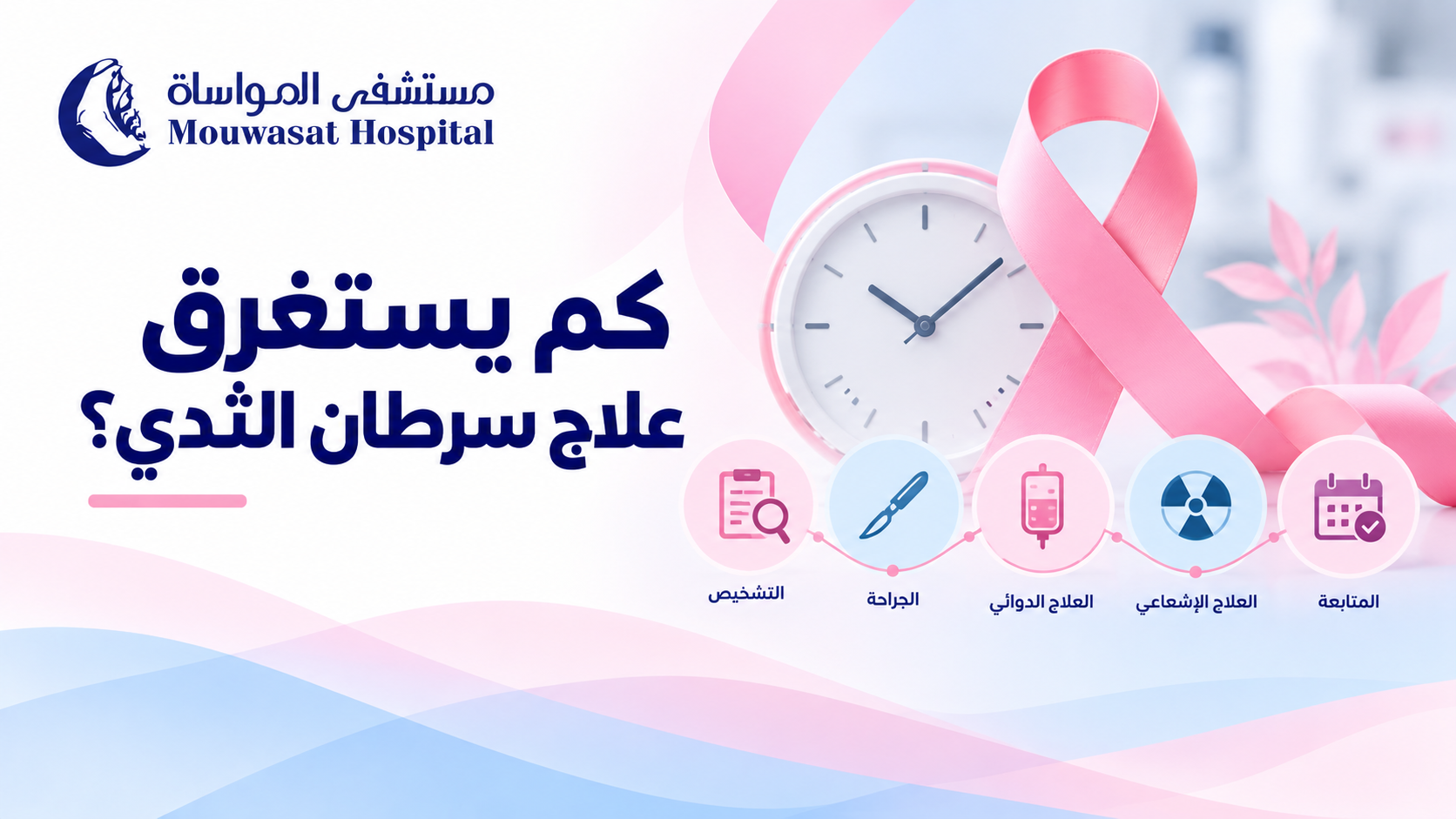
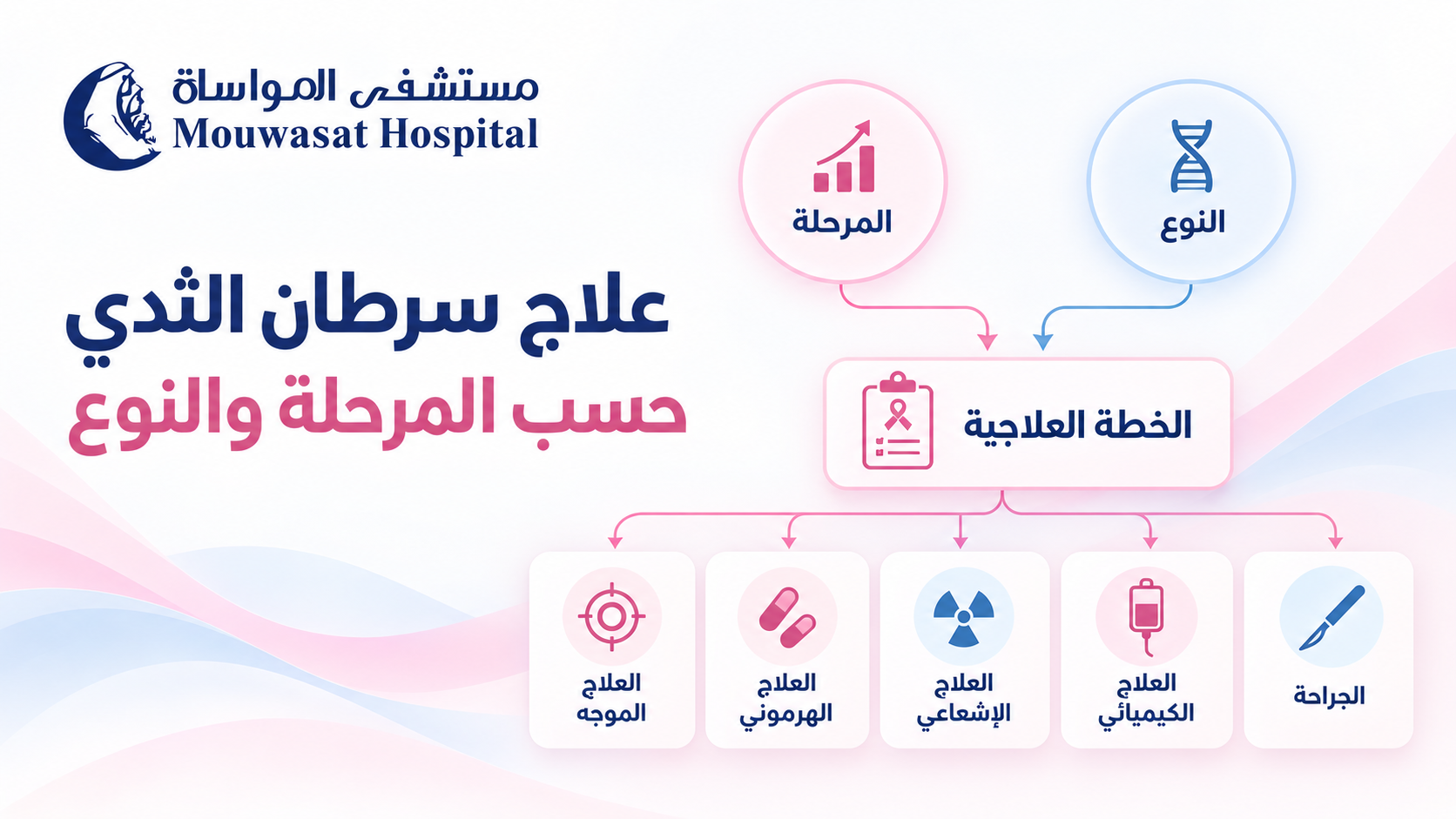

Not every breast cancer requires chemotherapy, not every treatment plan starts with surgery, and stage alone does not determine treatment. The plan depends on a combination of cancer stage, tumour size, lymph node involvement, ER and PR status, HER2 status, tumour grade, certain gene changes, overall health and response to treatment. [1] [2]
One person with stage I breast cancer may need surgery followed by endocrine therapy, while another person with a similar stage may also need chemotherapy or HER2-targeted treatment because the biology of the tumour is different.
Treatment is not selected from the word “breast cancer” or the stage alone.
Important factors include:
The National Cancer Institute notes that most patients receive more than one type of treatment and that stage, subtype, overall health and other individual factors all contribute to treatment planning. [1]
They can identify treatment targets.
Biomarker testing helps doctors understand the tumour and choose treatments that are more likely to work. [2]
For more detail, read: Breast Cancer Types and Stages: Understanding ER, PR, HER2 and Triple-Negative Disease.
| Stage | Common treatment pathway | What can change the plan? |
|---|---|---|
| Stage 0 / DCIS | Surgery ± radiation; endocrine therapy may be discussed in selected cases. | Extent of DCIS, surgery type and hormone receptor status. |
| Stage I | Usually surgery first, followed by additional treatment when needed. | ER/PR, HER2, grade, nodes, tumour size and sometimes genomic tests. |
| Stage II | Surgery first in some cases; systemic treatment before surgery in others. | Tumour size, nodes and biological subtype. |
| Stage III | Often systemic treatment → surgery → radiation → additional systemic therapy. | Subtype, response and residual disease. |
| Stage IV | Systemic treatment is usually central; surgery or radiation may be used selectively. | HR/HER2 status, gene changes, sites of spread, symptoms and response. |
Stage 0 usually refers to ductal carcinoma in situ (DCIS), in which abnormal cells remain inside the breast ducts and have not become invasive.
Treatment may include:
Chemotherapy is not routinely required for DCIS because treatment is different from that of invasive breast cancer. [1]
Stage I breast cancer is early-stage disease, and treatment commonly begins with surgery. [1]
Surgery may involve:
No.
Some small, hormone receptor-positive, HER2-negative tumours with favourable features may have limited expected benefit from chemotherapy.
In certain HR-positive/HER2-negative cancers, genomic tests can help estimate whether chemotherapy is likely to add meaningful benefit. [3]
Chemotherapy or targeted treatment becomes more important when other tumour features indicate higher risk, such as certain HER2-positive or triple-negative cancers.
Radiation is commonly used after breast-conserving surgery to reduce the risk of cancer returning in the breast. [3]
Endocrine therapy is usually recommended to reduce recurrence risk. [5]
Stage II treatment can follow more than one pathway.
Some patients have surgery first, while others receive chemotherapy and/or targeted treatment before surgery. [1] [3]
Preoperative treatment may be considered when the tumour is larger, lymph nodes are involved, breast-conserving surgery could become easier after tumour shrinkage, or tumour subtype makes response to preoperative treatment particularly useful for later decisions.
HER2-positive and triple-negative disease are important examples where treatment before surgery may be preferred in appropriate cases. [3]

Stage III is generally considered locally advanced breast cancer.
Treatment often begins with systemic therapy, followed by surgery, radiation and additional systemic treatment based on subtype and response. [1]
A simplified pathway may look like:
Systemic therapy → surgery → radiation → additional treatment based on biomarkers and response.
The systemic treatment itself depends on tumour biology:
Stage IV means breast cancer has spread to distant parts of the body.
Systemic treatment is usually the foundation of care, with the goals of controlling the cancer, slowing progression, relieving symptoms and maintaining quality of life. [4]
The treatment selected depends heavily on tumour biology.
| Subtype | Systemic treatment that may be used |
|---|---|
| HR-positive / HER2-negative | Endocrine therapy, often combined with appropriate targeted therapy. |
| HER2-positive | HER2-directed therapies with other systemic treatment as appropriate. |
| Triple-negative | Chemotherapy, with immunotherapy or other targeted options in selected cases. |
| Selected BRCA-related cancers | PARP inhibitors may be an option in selected situations. |
HR-positive breast cancer contains estrogen and/or progesterone receptors, allowing endocrine therapy to target the role these hormones play in cancer growth. [2]
No.
The decision depends on factors including stage, nodes, tumour size, grade, HER2 status, recurrence risk and sometimes genomic test results.
This means one patient may receive surgery, radiation and endocrine therapy without chemotherapy, while another with HR-positive cancer may benefit from chemotherapy as well.
It is usually prescribed for at least five years, and longer treatment may be appropriate for some patients at higher risk of recurrence. [5]
For a full treatment timeline, read: How Long Does Breast Cancer Treatment Take?
HER2-positive breast cancer has increased HER2 activity, which provides an important treatment target. [2]
HER2-directed therapy may be combined with chemotherapy and can be given before or after surgery according to stage, tumour size and other factors. [3]
For many early HER2-positive treatment plans, HER2-targeted treatment continues for a total of approximately one year, although the exact approach varies. [3]
A tumour can have more than one actionable target.
Treatment may therefore include HER2-targeted therapy, chemotherapy when appropriate, endocrine therapy, surgery and radiation according to stage.
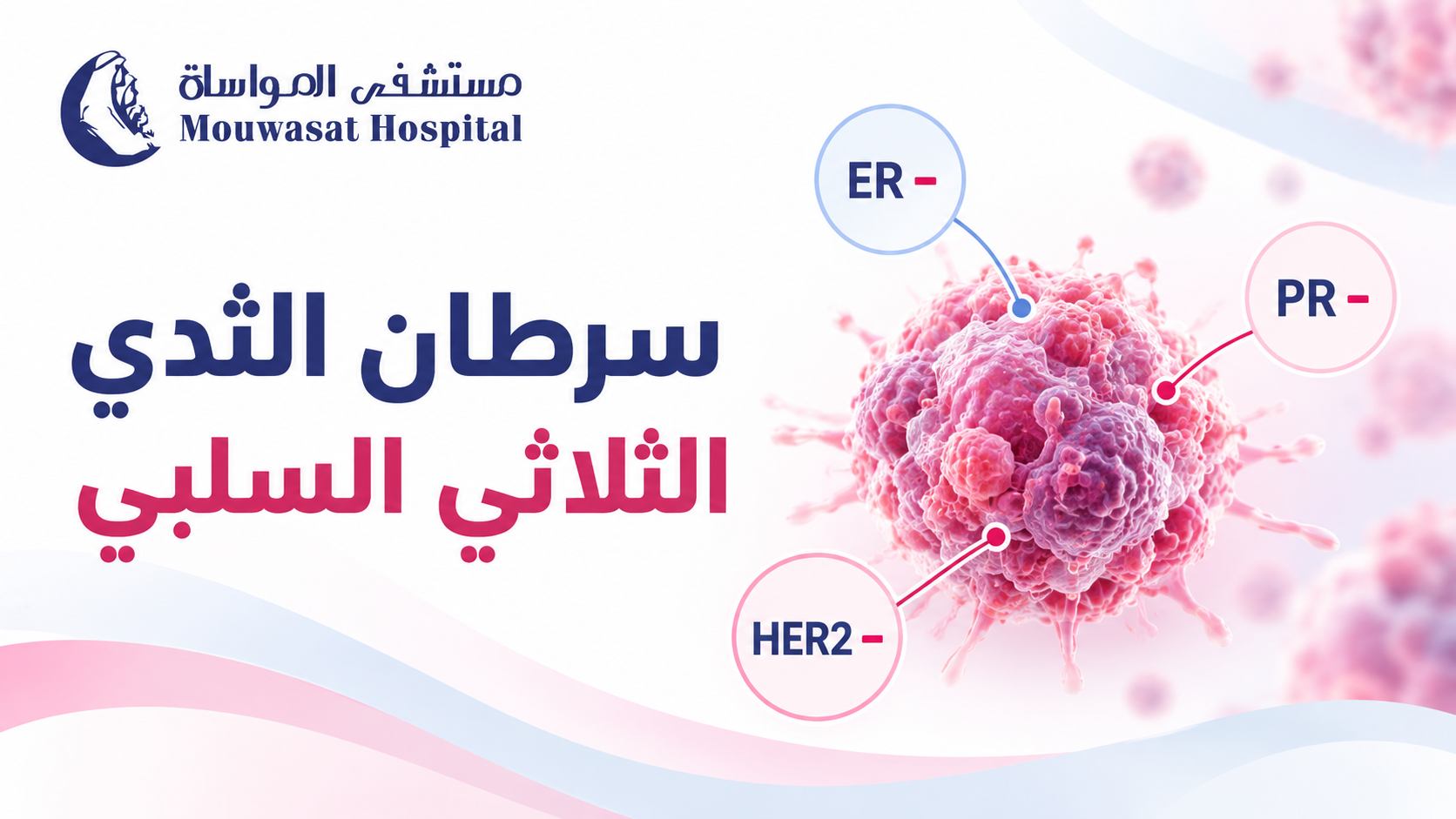
Triple-negative breast cancer lacks estrogen receptors, progesterone receptors and HER2 positivity. [7]
Therefore:
Triple-negative does not mean that treatment cannot work. It simply means that ER, PR and HER2 are not available as treatment targets.
BRCA1 and BRCA2 help cells repair DNA damage. Harmful inherited variants can increase the risk of breast and other cancers.
BRCA testing can sometimes affect treatment as well as inherited risk assessment. [8]
Selected patients with BRCA-related breast cancer may be candidates for targeted treatments known as PARP inhibitors. [6]
Many early breast cancers are treated with surgery first.
In other cases, systemic treatment is given first. This is known as neoadjuvant therapy.
Possible reasons include:
After neoadjuvant treatment, the tissue removed during surgery is examined by a pathologist.
If no invasive cancer remains in the breast or lymph nodes, this may be described as a pathologic complete response (pCR).
If residual cancer remains, this does not automatically mean treatment has failed.
The amount and type of residual disease can provide valuable information and may change the treatment recommended after surgery, particularly in HER2-positive and triple-negative breast cancer. [3]
No.
Surgery treats cancer in the breast and surgical area, whereas chemotherapy, endocrine therapy and targeted therapies are systemic treatments.
Some patients also require radiation after mastectomy depending on tumour size, lymph node involvement and other risk factors.
Yes, in selected cases.
For some early HR-positive cancers, a medically appropriate plan may involve surgery, radiation when needed and endocrine therapy without chemotherapy.
For other cancers, chemotherapy can be an important part of curative treatment.
The more useful question is therefore not simply “Do I need chemotherapy?” but:
“How much benefit is chemotherapy expected to add in my specific case?”

For early and locally advanced breast cancer that has not spread to distant organs, treatment is often delivered with curative intent.
For stage IV metastatic breast cancer, treatment usually focuses on long-term disease control, slowing progression, reducing symptoms and maintaining quality of life. [4]
For more on long-term outcomes, read: Breast Cancer Survival Rates by Stage and Subtype.
There is no single treatment that is best for every breast cancer. The best plan depends on stage, ER, PR, HER2, tumour grade, lymph nodes, gene changes, overall health and response to treatment.
Not always. Some lower-risk stage I cancers may have little expected benefit from chemotherapy, while other stage I cancers can benefit significantly because of their biological features.
Yes. Although treatment is usually more intensive and involves several treatment types, many stage III cancers that have not spread to distant organs are treated with curative intent.
Yes. Many systemic treatments can shrink or control metastatic breast cancer. Treatment is usually ongoing and adjusted according to response and side effects.
No. Some early HR-positive cancers are treated without chemotherapy, while higher-risk cancers may still benefit from it.
No. Triple-negative describes tumour biology, while stage III describes how far the cancer has spread. Triple-negative breast cancer can occur at different stages.
Surgery and the rest of the treatment plan are still determined by the oncology team. If no invasive cancer remains in the breast or lymph nodes at surgery, this may represent a pathologic complete response.
Breast cancer treatment is determined by much more than stage.
Stage I often begins with surgery and does not always require chemotherapy. Stage II may begin with either surgery or systemic treatment. Many stage III cancers are treated with systemic therapy before surgery, followed by surgery, radiation and additional treatment.
In stage IV disease, systemic treatment becomes central to long-term disease control.
Tumour biology also changes the plan: HR-positive disease can respond to endocrine therapy, HER2-positive disease can be targeted with HER2-directed treatments, and triple-negative disease relies on other systemic strategies such as chemotherapy and, in selected cases, immunotherapy.
The most useful questions after diagnosis are therefore not only “What stage is my cancer?” but also: What subtype is it? What are my ER, PR and HER2 results? Do I need treatment before surgery or after it, and what is the purpose of each part of my treatment plan?