How can i help you?

Blolgs

How to Protect myself and others from Novel Corona Virus (COVID-19)?

How to Protect myself and others from Novel Corona Virus (COVID-19)?

How to Protect myself and others from Novel Corona Virus (COVID-19)?

How to Protect myself and others from Novel Corona Virus (COVID-19)?
site.CALENDAR_IMAGE_ALT
24/05/2021

In light of the continuing spread of the Novel Corona Virus (COVID-19) at record rates in all countries of the world and not producing an effective until this moment, we must be aware of the severity of this disease and effective ways to protect ourselves and others from contracting or transmitting it. The Novel Corona Virus (abbreviated as "COVID-19") is an infectious disease caused by the SARS-CoV-2 virus, a new strain of the Corona virus that was discovered at the end of 2019 in China, but COVID-19 spreads faster and is more likely to cause disease than its sibling, the SARS-CoV virus.

How COVID-19 is transmitted?

The COVID-19 virus is easily transmitted from person to person in the following ways:

1. The main way to transmit the COVID-19 virus is through respiratory droplets that are transmitted between people who are close to each other when they are in closed places or in crowded places for long periods. The respiratory droplets spread when people in closed or crowded places sneeze or cough.

2. COVID-19 virus is transmitted when people touch surfaces and objects, such as: Tables, chairs, doorknobs, switches and handrails that have been contaminated by people with COVID-19.

3. The COVID-19 virus is transmitted when infected people talk without mask while they are in places that lack adequate ventilation, noting that a good number of infected people do not show any symptoms indicating that they are infected with the disease. The main symptoms of COVID-19 infection include: Cough, fever, muscle aches, fatigue, loss of the sense of smell and taste, shortness of breath, and gastrointestinal symptoms, such as: diarrhea and vomiting.

Effective ways to protect ourselves and others from infection with COVID-19 virus:

1. Frequently wash your hands with soap and water and use of  alcohol hand rubs to get rid of viruses, including the COVID-19 virus, which sticks to the hands when touching surfaces, tables, chairs and door handles and avoid transmitting viruses unconsciously when touching your nose or face.

2. Use of tissue is recommended when coughing or sneezing.

3. Maintain a distance of more than two meters between yourself and other people. To maintain social distancing, hold business meetings using virtual means and avoid going to places crowded with people.

4. Ensure to wear facemask properly at all time.

5. Keep surfaces clean, as the COVID-19 virus can be transmitted from person to person by touching frequently used surfaces, such as: Doorknobs, smart phones, bathroom fixtures, kitchen tables, desks, remote controls, flat surfaces, and areas where respiratory droplets remain contaminated.


Prev
17/09/2026

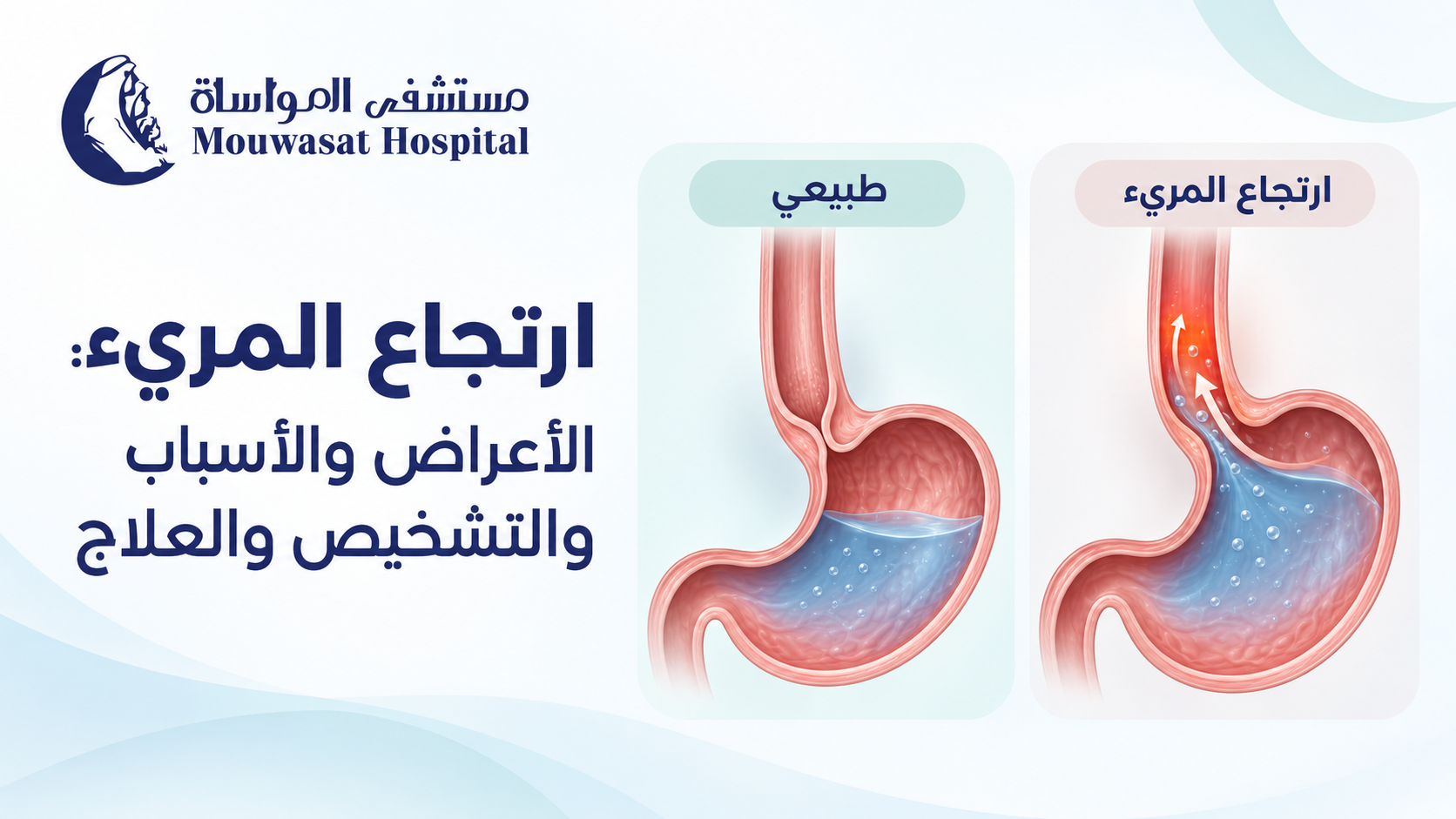
GERD: Symptoms, Causes, Diagnosis and Treatment

Gastroesophageal reflux occurs when stomach contents move back into the esophagus. It may cause heartburn behind the breastbone or a sour taste in the mouth. However, occasional heartburn does not necessarily mean that a person has chronic gastroesophageal reflux disease (GERD). [1]

GERD becomes more important when symptoms are frequent or troublesome, affect daily life, or lead to complications. Some patients may also experience cough, hoarseness, or swallowing problems without typical heartburn. [2]

Key takeaways:
  • Occasional heartburn does not always mean GERD.
  • The most common symptoms are heartburn and regurgitation.
  • GERD can sometimes occur without obvious heartburn.
  • Not every patient with GERD needs an endoscopy.
  • Persistent symptoms may require confirmation of the diagnosis rather than simply increasing medication.
  • New or unexplained chest pain should not automatically be assumed to be reflux.

What is GERD?

Gastroesophageal reflux occurs when stomach contents flow back into the esophagus. GERD refers to reflux that causes repeated troublesome symptoms or complications. [1]

A muscular valve called the lower esophageal sphincter normally opens to allow food into the stomach and then closes. GERD may develop when this valve becomes weak or relaxes when it should not. [2]

What is the difference between occasional reflux and GERD?

Many people occasionally experience heartburn after a large meal or after lying down soon after eating. This does not automatically mean they have chronic GERD.

Condition Typical pattern
Occasional reflux Occurs from time to time and then settles.
GERD Symptoms are recurrent or troublesome, or reflux causes injury or complications.

What are the symptoms of GERD?

The most common symptoms are heartburn and regurgitation. [2]

  • A burning sensation behind the breastbone.
  • Sour fluid or food coming back into the mouth or throat.
  • A sour or bitter taste.
  • Upper abdominal or chest discomfort.
  • Difficulty or pain with swallowing.
  • A sensation of a lump in the throat.
  • Chronic cough in some patients.
  • Hoarseness or throat irritation.

For a deeper look at the symptoms, see our guide to GERD symptoms.

Can GERD occur without heartburn?

Yes. Some patients may experience cough, hoarseness, or throat symptoms without classic heartburn. [2]

However, these symptoms have many possible causes and should not automatically be attributed to reflux.

If you have throat or voice symptoms without obvious heartburn, read our guide to silent reflux.

Important information

When symptoms occur mainly outside the digestive system, doctors may need to consider other causes instead of assuming reflux is responsible.

What causes GERD?

GERD can occur when the lower esophageal sphincter allows stomach contents to flow back into the esophagus more often than it should.

Factors associated with GERD include:

  • Overweight or obesity.
  • Pregnancy.
  • Smoking.
  • Hiatal hernia.
  • Certain medications.

What is the difference between a cause and a GERD trigger?

Foods and drinks that worsen symptoms are not necessarily the underlying cause of GERD.

Coffee, chocolate, fatty meals, spicy foods, acidic foods, or mint may worsen symptoms in some people but not others.

This is why patients do not necessarily need to avoid the same long list of foods. Identifying personal triggers is usually more practical.

Book an appointment at Mouwasat Hospital

How is GERD diagnosed?

In many patients, GERD can initially be evaluated through symptoms and medical history. Doctors may recommend lifestyle changes and treatment without immediate testing.

Testing may be needed when symptoms suggest complications, treatment does not work as expected, or the diagnosis is uncertain.

Test When it may help
Upper endoscopy Evaluates the esophagus and stomach when alarm symptoms or possible complications are present.
Reflux or pH monitoring Measures reflux when the diagnosis is uncertain or objective confirmation is needed.
Other esophageal tests May be used when another esophageal disorder is suspected or before selected procedures.

Does every patient with GERD need an endoscopy?

No. Many patients can initially be assessed from symptoms and medical history.

Endoscopy becomes more important when there is difficulty swallowing, bleeding, unexplained weight loss, persistent symptoms despite treatment, or concern about complications.

When is reflux monitoring needed?

When symptoms continue but endoscopy does not provide clear evidence of GERD, reflux monitoring may help determine whether abnormal reflux is actually present.

Important information

Persistent symptoms despite acid-suppressing medication do not necessarily mean severe reflux. The diagnosis and treatment approach may need to be reassessed.

How is GERD treated?

Treatment depends on symptom severity, frequency, and whether complications are present. Management commonly includes lifestyle changes and medication, while procedures may be considered in selected patients.

For more detail, see our dedicated guide to GERD treatment.

What lifestyle changes may help GERD?

  • Avoid lying down immediately after eating.
  • Allow around two to three hours between the last meal and bedtime.
  • Reduce meal size if large meals trigger symptoms.
  • Lose weight when medically appropriate.
  • Stop smoking.
  • Elevate the upper body during sleep if nighttime symptoms are frequent.
  • Avoid foods that clearly and repeatedly trigger your symptoms.

What medications are used for GERD?

  • Antacids: may provide quick relief for occasional symptoms.
  • H2 receptor blockers: reduce stomach acid production.
  • Proton pump inhibitors: provide stronger acid suppression and can help heal reflux esophagitis in appropriate patients.

Why can symptoms persist despite treatment?

Persistent symptoms do not always mean that more acid suppression is needed.

  • The medication may not be taken at the appropriate time.
  • The symptoms may have another cause.
  • Another esophageal disorder may be present.
  • Non-acid reflux or increased esophageal sensitivity may contribute in some patients.

What are the possible complications of GERD?

  • Esophagitis.
  • Ulcers or bleeding in some cases.
  • Esophageal narrowing or stricture.
  • Barrett's esophagus in some patients.

GERD Care at Mouwasat Hospital

Learn more about the Gastroenterology & Endoscopy Department at Mouwasat Hospital and the diagnostic and therapeutic services available according to each patient's condition.

When should you see a doctor?

Medical assessment is appropriate when reflux symptoms are frequent, troublesome, affect daily life, or continue despite lifestyle changes or treatment.

  • Difficulty or pain when swallowing.
  • Persistent nausea or vomiting.
  • Unexplained weight loss.
  • Persistent symptoms despite treatment.
  • Signs of gastrointestinal bleeding.
Important chest pain warning: Do not automatically assume new or severe chest pain is heartburn. Seek urgent medical care for sudden or unexplained chest pain, especially with shortness of breath, pain spreading to the arm, jaw or back, sweating, or dizziness.

Meet Mouwasat Hospital doctors

Frequently Asked Questions About GERD

What are the symptoms of GERD?

The most common symptoms are heartburn and regurgitation. Some people may also have difficulty swallowing, cough, or hoarseness.

Can GERD be cured permanently?

Many people achieve good long-term symptom control with lifestyle changes and appropriate treatment. However, GERD varies between patients and some require longer-term management.

Can GERD cause shortness of breath or choking?

Reflux may be associated with cough or throat symptoms in some people, but breathing difficulty and choking have many other possible causes.

Can GERD be fatal?

GERD itself is not usually life-threatening, but persistent reflux can cause complications in some patients. Chest pain that appears to be heartburn may also have another serious cause.

Does everyone with GERD need an endoscopy?

No. Many cases can initially be evaluated from symptoms and medical history. Endoscopy is more useful when alarm symptoms, complications, or persistent symptoms are present.

Does a normal endoscopy rule out GERD?

No. Some patients have GERD without visible esophageal injury. Reflux monitoring may be used when objective confirmation is needed.

Is coffee completely forbidden for people with GERD?

Not necessarily. Coffee worsens symptoms in some people but not everyone. Identifying personal triggers is usually more useful.

Why is my acid reflux medication not working?

The medication may not be taken at the appropriate time, or the symptoms may have another cause. Persistent symptoms should be reassessed rather than automatically treated with higher doses.

References

  1. NIDDK – Acid Reflux (GER & GERD) in Adults
  2. NIDDK – Symptoms & Causes of GER & GERD
  3. NIDDK – Diagnosis of GER & GERD
  4. NIDDK – Treatment for GER & GERD
  5. Saudi Ministry of Health – GERD Awareness
  6. American College of Gastroenterology – Acid Reflux / GERD
  7. American College of Gastroenterology – Clinical Guidelines
How to Protect myself and others from Novel Corona Virus (COVID-19)?

Next
How to Protect myself and others from Novel Corona Virus (COVID-19)?
21/09/2026

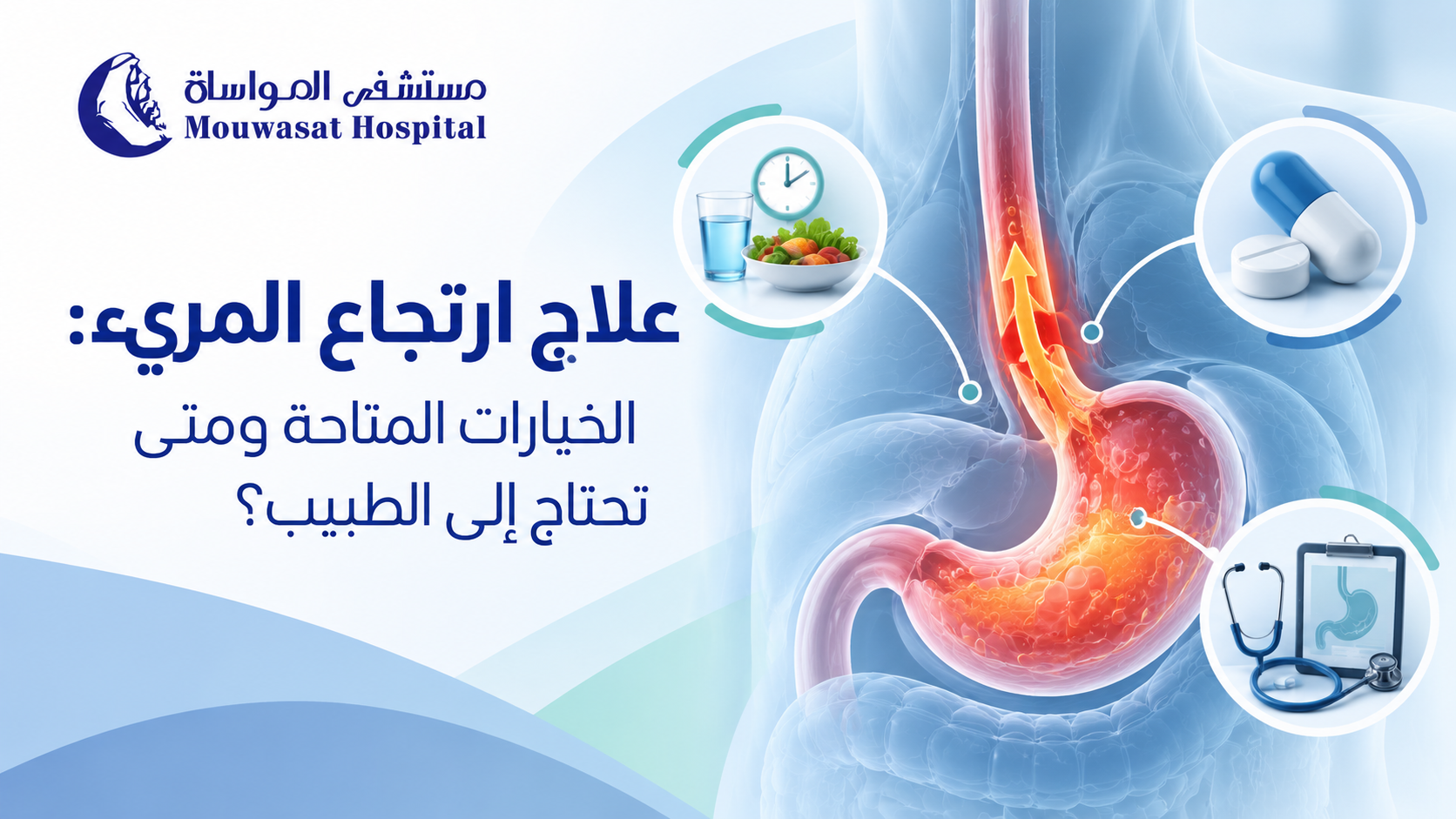
GERD Treatment: Available Options and When to See a Doctor

GERD treatment depends on how often symptoms occur, how severe they are, and how well they respond to lifestyle changes and medication. Many people can control gastroesophageal reflux disease effectively with lifestyle measures and appropriate medical treatment, while others may need additional evaluation to confirm the diagnosis or check for complications.

Key points:
  • There is no single GERD treatment plan that is right for everyone.
  • Lifestyle changes and acid-reducing medicines are the main treatments for many patients.
  • Not everyone with reflux needs an endoscopy.
  • Persistent symptoms do not automatically mean that a stronger medicine is needed.
  • Difficulty swallowing, unexplained weight loss, or persistent vomiting require medical evaluation.

Can GERD Be Cured Permanently?

Whether GERD can disappear completely depends on the underlying factors and the severity of the condition. Some people experience long periods without symptoms after losing excess weight, changing eating habits, and addressing factors that worsen reflux. Others may require intermittent or longer-term treatment.

The goal of GERD treatment is therefore not simply to stop heartburn temporarily. Treatment aims to control symptoms, heal esophageal inflammation when present, and reduce the risk of complications. The American College of Gastroenterology identifies proton pump inhibitors as the main medical therapy for GERD. [3]

Important: Feeling better does not necessarily mean that the tendency to reflux has permanently disappeared. Likewise, symptoms returning after treatment does not automatically indicate a serious problem.

For a broader explanation of the condition, see our guide to GERD symptoms, causes, diagnosis and treatment.

How Is GERD Treatment Selected?

Treatment is individualized according to symptom frequency and severity, previous response to treatment, and whether warning signs or possible complications are present.

Situation Possible approach
Occasional mild symptoms Lifestyle measures, identification of personal triggers and appropriate symptom-relieving medicines when needed.
Frequent or troublesome symptoms A doctor may recommend acid-suppressing treatment and assess the response.
Symptoms despite appropriate treatment Review how treatment is being used, reassess the diagnosis and consider further testing.
Difficulty swallowing or warning signs Medical assessment and appropriate diagnostic testing rather than symptom treatment alone.

Lifestyle Changes That May Reduce GERD Symptoms

Lifestyle measures may reduce reflux symptoms. Recommendations include avoiding lying down soon after meals, allowing two to three hours between eating and bedtime, maintaining a healthy weight, and elevating the head during sleep when appropriate. [1]

1. Avoid lying down soon after eating

Leaving time between the last meal of the day and bedtime may be particularly helpful for people with nighttime reflux.

2. Reach a healthy weight

For people who are overweight or have obesity, weight loss may reduce GERD symptoms. [2]

3. Identify your own food triggers

Common triggers can include high-fat or fried foods, chocolate, spicy foods, tomato products, caffeine and mint. However, triggers vary between individuals. [1]

A food does not need to be eliminated simply because it appears on a general GERD list if it does not actually trigger symptoms for that individual.

4. Avoid very large meals

Smaller meals may help some people because excessive stomach fullness can increase the likelihood of reflux.

Book an appointment at Mouwasat Hospital

Which Medicines Are Used to Treat GERD?

Several types of medicines can be used for reflux. The choice depends on the severity and frequency of symptoms.

Medicine type What it does Key point
Antacids Neutralize stomach acid and can provide quick relief of mild symptoms. Frequent or severe symptoms should not be managed indefinitely with antacids alone.
H2 blockers Reduce the amount of acid produced by the stomach. They may be appropriate in selected patients.
Proton pump inhibitors (PPIs) More strongly reduce acid production and can help heal the esophageal lining. They are a major medical treatment for GERD.

NIDDK notes that PPIs are more effective than H2 blockers for treating GERD symptoms and healing the esophageal lining in many patients. [2]

Is There a “Best” GERD Medicine?

There is no single medicine that is best for everyone with GERD. The right option depends on symptom frequency, severity, other medications, overall health and whether esophageal inflammation or complications are present.

Repeatedly switching medicines based on another person's experience may therefore delay appropriate evaluation when symptoms persist.

A useful question:

When symptoms continue, the important question is not always “Which medicine is stronger?” It may be “Is GERD definitely causing these symptoms, and is the treatment being used appropriately?”

Why Can GERD Symptoms Continue Despite Treatment?

Persistent symptoms do not automatically mean that GERD has become more severe. A doctor may consider several possibilities, including:

  • Inconsistent or ineffective use of treatment.
  • Ongoing habits or triggers that worsen reflux.
  • Another condition producing symptoms similar to GERD.
  • The need to confirm whether ongoing reflux is actually present.

NIDDK recommends considering diagnostic testing when symptoms do not improve after lifestyle changes and medicines, when complications are suspected, or when another condition may be causing similar symptoms. [4]

Does Everyone With GERD Need an Endoscopy?

No. Doctors can diagnose many cases initially by reviewing symptoms and medical history and may recommend treatment before ordering tests. [4]

Testing becomes more relevant when:

  • Symptoms continue despite appropriate treatment.
  • Swallowing becomes difficult or painful.
  • A GERD complication is suspected.
  • Another medical problem may be causing similar symptoms.

Upper GI endoscopy

Upper endoscopy allows the doctor to examine the lining of the esophagus and stomach and may help identify esophagitis, complications or alternative causes of symptoms. [4]

Esophageal reflux monitoring

Reflux monitoring can measure acid exposure in the esophagus and may be used in selected patients to confirm GERD or investigate persistent symptoms. [4]

Can Herbs or Honey Cure GERD?

Natural remedies such as herbs and honey are frequently promoted for reflux, but they should not replace proven treatment or medical assessment when symptoms are recurrent.

Some people may experience temporary relief after a particular food or drink, but temporary symptom relief does not demonstrate that the underlying problem has been treated. Natural products may also interact with medicines or be unsuitable for some people.

Persistent reflux is therefore better approached by identifying the cause of symptoms and creating an appropriate treatment plan rather than relying indefinitely on unproven home remedies.

When May Surgery or Other Procedures Be Considered?

Most people with GERD do not need surgery. Procedures may be considered in selected patients with confirmed GERD when symptoms remain problematic despite an appropriate treatment plan or when other clinical factors make an intervention reasonable.

NIDDK notes that surgery may be considered when symptoms do not improve with lifestyle changes and medicines, or in selected patients discussing alternatives to long-term medication with their doctor. [2]

How Do You Know Whether GERD Treatment Is Working?

Treatment success is not measured only by whether heartburn disappears for a day or two. Doctors may consider:

  • How often symptoms occur.
  • Improvement in nighttime symptoms and sleep.
  • Ability to eat and continue normal activities without frequent symptoms.
  • Healing of esophagitis when it was present.
  • Prevention of GERD-related complications.

For this reason, the duration of treatment can differ significantly between patients.

When Should You See a Doctor?

Medical assessment is important when reflux is frequent, symptoms persist despite medication, swallowing becomes difficult, vomiting continues, or unexplained weight loss occurs. [1]

Seek prompt medical assessment for significant or unusual symptoms, including difficulty swallowing, persistent vomiting, gastrointestinal bleeding or unexplained weight loss. New or severe chest pain should not automatically be assumed to be reflux.

Mouwasat Hospital's Gastroenterology & Endoscopy Department provides diagnostic and therapeutic services for digestive disorders, including the evaluation of reflux disease.

Meet Mouwasat Hospital doctors

Frequently Asked Questions About GERD Treatment

How long does GERD treatment take?

Treatment duration depends on symptom severity, whether esophagitis is present and how well the patient responds. Some people need a defined course of treatment, while others need longer-term management.

Can GERD return after treatment?

Yes. Symptoms can return, particularly when factors that promote reflux remain or when GERD is chronic. Recurrence does not necessarily mean treatment has failed, but the management plan may need to be reviewed.

Can GERD be treated without medication?

Lifestyle measures may be sufficient for some people with mild symptoms, while recurrent or more severe symptoms may require medication or medical assessment.

Do I have to stop drinking coffee completely?

Not necessarily. If coffee consistently worsens your symptoms, reducing or avoiding it may help. If it is not a personal trigger, complete avoidance is not automatically required.

Does milk treat acid reflux?

Milk may temporarily relieve heartburn in some people, but it does not treat GERD itself. Higher-fat milk may also worsen symptoms in some individuals. [1]

Do persistent symptoms despite PPIs mean I need surgery?

No. The diagnosis and the way treatment is being used should first be reviewed. Further testing may be needed to confirm that reflux is actually responsible for the symptoms before an invasive procedure is considered.

References

  1. Saudi Ministry of Health – Gastroesophageal Reflux Disease Awareness
  2. NIDDK – Treatment for GER & GERD
  3. ACG Clinical Guideline for the Diagnosis and Management of Gastroesophageal Reflux Disease
  4. NIDDK – Diagnosis of GER & GERD
Next
Prev
  • 21/09/2026

    GERD Treatment: Available Options and When to See a Doctor

    GERD treatment depends on how often symptoms occur, how severe they are, and how well they respond to lifestyle changes and medication. Many people can control gastroesophageal reflux disease effectively with lifestyle measures and appropriate medical treatment, while others may need additional evaluation to confirm the diagnosis or check for complications.

    Key points:
    • There is no single GERD treatment plan that is right for everyone.
    • Lifestyle changes and acid-reducing medicines are the main treatments for many patients.
    • Not everyone with reflux needs an endoscopy.
    • Persistent symptoms do not automatically mean that a stronger medicine is needed.
    • Difficulty swallowing, unexplained weight loss, or persistent vomiting require medical evaluation.

    Can GERD Be Cured Permanently?

    Whether GERD can disappear completely depends on the underlying factors and the severity of the condition. Some people experience long periods without symptoms after losing excess weight, changing eating habits, and addressing factors that worsen reflux. Others may require intermittent or longer-term treatment.

    The goal of GERD treatment is therefore not simply to stop heartburn temporarily. Treatment aims to control symptoms, heal esophageal inflammation when present, and reduce the risk of complications. The American College of Gastroenterology identifies proton pump inhibitors as the main medical therapy for GERD. [3]

    Important: Feeling better does not necessarily mean that the tendency to reflux has permanently disappeared. Likewise, symptoms returning after treatment does not automatically indicate a serious problem.

    For a broader explanation of the condition, see our guide to GERD symptoms, causes, diagnosis and treatment.

    How Is GERD Treatment Selected?

    Treatment is individualized according to symptom frequency and severity, previous response to treatment, and whether warning signs or possible complications are present.

    Situation Possible approach
    Occasional mild symptoms Lifestyle measures, identification of personal triggers and appropriate symptom-relieving medicines when needed.
    Frequent or troublesome symptoms A doctor may recommend acid-suppressing treatment and assess the response.
    Symptoms despite appropriate treatment Review how treatment is being used, reassess the diagnosis and consider further testing.
    Difficulty swallowing or warning signs Medical assessment and appropriate diagnostic testing rather than symptom treatment alone.

    Lifestyle Changes That May Reduce GERD Symptoms

    Lifestyle measures may reduce reflux symptoms. Recommendations include avoiding lying down soon after meals, allowing two to three hours between eating and bedtime, maintaining a healthy weight, and elevating the head during sleep when appropriate. [1]

    1. Avoid lying down soon after eating

    Leaving time between the last meal of the day and bedtime may be particularly helpful for people with nighttime reflux.

    2. Reach a healthy weight

    For people who are overweight or have obesity, weight loss may reduce GERD symptoms. [2]

    3. Identify your own food triggers

    Common triggers can include high-fat or fried foods, chocolate, spicy foods, tomato products, caffeine and mint. However, triggers vary between individuals. [1]

    A food does not need to be eliminated simply because it appears on a general GERD list if it does not actually trigger symptoms for that individual.

    4. Avoid very large meals

    Smaller meals may help some people because excessive stomach fullness can increase the likelihood of reflux.

    Book an appointment at Mouwasat Hospital

    Which Medicines Are Used to Treat GERD?

    Several types of medicines can be used for reflux. The choice depends on the severity and frequency of symptoms.

    Medicine type What it does Key point
    Antacids Neutralize stomach acid and can provide quick relief of mild symptoms. Frequent or severe symptoms should not be managed indefinitely with antacids alone.
    H2 blockers Reduce the amount of acid produced by the stomach. They may be appropriate in selected patients.
    Proton pump inhibitors (PPIs) More strongly reduce acid production and can help heal the esophageal lining. They are a major medical treatment for GERD.

    NIDDK notes that PPIs are more effective than H2 blockers for treating GERD symptoms and healing the esophageal lining in many patients. [2]

    Is There a “Best” GERD Medicine?

    There is no single medicine that is best for everyone with GERD. The right option depends on symptom frequency, severity, other medications, overall health and whether esophageal inflammation or complications are present.

    Repeatedly switching medicines based on another person's experience may therefore delay appropriate evaluation when symptoms persist.

    A useful question:

    When symptoms continue, the important question is not always “Which medicine is stronger?” It may be “Is GERD definitely causing these symptoms, and is the treatment being used appropriately?”

    Why Can GERD Symptoms Continue Despite Treatment?

    Persistent symptoms do not automatically mean that GERD has become more severe. A doctor may consider several possibilities, including:

    • Inconsistent or ineffective use of treatment.
    • Ongoing habits or triggers that worsen reflux.
    • Another condition producing symptoms similar to GERD.
    • The need to confirm whether ongoing reflux is actually present.

    NIDDK recommends considering diagnostic testing when symptoms do not improve after lifestyle changes and medicines, when complications are suspected, or when another condition may be causing similar symptoms. [4]

    Does Everyone With GERD Need an Endoscopy?

    No. Doctors can diagnose many cases initially by reviewing symptoms and medical history and may recommend treatment before ordering tests. [4]

    Testing becomes more relevant when:

    • Symptoms continue despite appropriate treatment.
    • Swallowing becomes difficult or painful.
    • A GERD complication is suspected.
    • Another medical problem may be causing similar symptoms.

    Upper GI endoscopy

    Upper endoscopy allows the doctor to examine the lining of the esophagus and stomach and may help identify esophagitis, complications or alternative causes of symptoms. [4]

    Esophageal reflux monitoring

    Reflux monitoring can measure acid exposure in the esophagus and may be used in selected patients to confirm GERD or investigate persistent symptoms. [4]

    Can Herbs or Honey Cure GERD?

    Natural remedies such as herbs and honey are frequently promoted for reflux, but they should not replace proven treatment or medical assessment when symptoms are recurrent.

    Some people may experience temporary relief after a particular food or drink, but temporary symptom relief does not demonstrate that the underlying problem has been treated. Natural products may also interact with medicines or be unsuitable for some people.

    Persistent reflux is therefore better approached by identifying the cause of symptoms and creating an appropriate treatment plan rather than relying indefinitely on unproven home remedies.

    When May Surgery or Other Procedures Be Considered?

    Most people with GERD do not need surgery. Procedures may be considered in selected patients with confirmed GERD when symptoms remain problematic despite an appropriate treatment plan or when other clinical factors make an intervention reasonable.

    NIDDK notes that surgery may be considered when symptoms do not improve with lifestyle changes and medicines, or in selected patients discussing alternatives to long-term medication with their doctor. [2]

    How Do You Know Whether GERD Treatment Is Working?

    Treatment success is not measured only by whether heartburn disappears for a day or two. Doctors may consider:

    • How often symptoms occur.
    • Improvement in nighttime symptoms and sleep.
    • Ability to eat and continue normal activities without frequent symptoms.
    • Healing of esophagitis when it was present.
    • Prevention of GERD-related complications.

    For this reason, the duration of treatment can differ significantly between patients.

    When Should You See a Doctor?

    Medical assessment is important when reflux is frequent, symptoms persist despite medication, swallowing becomes difficult, vomiting continues, or unexplained weight loss occurs. [1]

    Seek prompt medical assessment for significant or unusual symptoms, including difficulty swallowing, persistent vomiting, gastrointestinal bleeding or unexplained weight loss. New or severe chest pain should not automatically be assumed to be reflux.

    Mouwasat Hospital's Gastroenterology & Endoscopy Department provides diagnostic and therapeutic services for digestive disorders, including the evaluation of reflux disease.

    Meet Mouwasat Hospital doctors

    Frequently Asked Questions About GERD Treatment

    How long does GERD treatment take?

    Treatment duration depends on symptom severity, whether esophagitis is present and how well the patient responds. Some people need a defined course of treatment, while others need longer-term management.

    Can GERD return after treatment?

    Yes. Symptoms can return, particularly when factors that promote reflux remain or when GERD is chronic. Recurrence does not necessarily mean treatment has failed, but the management plan may need to be reviewed.

    Can GERD be treated without medication?

    Lifestyle measures may be sufficient for some people with mild symptoms, while recurrent or more severe symptoms may require medication or medical assessment.

    Do I have to stop drinking coffee completely?

    Not necessarily. If coffee consistently worsens your symptoms, reducing or avoiding it may help. If it is not a personal trigger, complete avoidance is not automatically required.

    Does milk treat acid reflux?

    Milk may temporarily relieve heartburn in some people, but it does not treat GERD itself. Higher-fat milk may also worsen symptoms in some individuals. [1]

    Do persistent symptoms despite PPIs mean I need surgery?

    No. The diagnosis and the way treatment is being used should first be reviewed. Further testing may be needed to confirm that reflux is actually responsible for the symptoms before an invasive procedure is considered.

    References

    1. Saudi Ministry of Health – Gastroesophageal Reflux Disease Awareness
    2. NIDDK – Treatment for GER & GERD
    3. ACG Clinical Guideline for the Diagnosis and Management of Gastroesophageal Reflux Disease
    4. NIDDK – Diagnosis of GER & GERD
  • 17/09/2026

    GERD: Symptoms, Causes, Diagnosis and Treatment

    Gastroesophageal reflux occurs when stomach contents move back into the esophagus. It may cause heartburn behind the breastbone or a sour taste in the mouth. However, occasional heartburn does not necessarily mean that a person has chronic gastroesophageal reflux disease (GERD). [1]

    GERD becomes more important when symptoms are frequent or troublesome, affect daily life, or lead to complications. Some patients may also experience cough, hoarseness, or swallowing problems without typical heartburn. [2]

    Key takeaways:
    • Occasional heartburn does not always mean GERD.
    • The most common symptoms are heartburn and regurgitation.
    • GERD can sometimes occur without obvious heartburn.
    • Not every patient with GERD needs an endoscopy.
    • Persistent symptoms may require confirmation of the diagnosis rather than simply increasing medication.
    • New or unexplained chest pain should not automatically be assumed to be reflux.

    What is GERD?

    Gastroesophageal reflux occurs when stomach contents flow back into the esophagus. GERD refers to reflux that causes repeated troublesome symptoms or complications. [1]

    A muscular valve called the lower esophageal sphincter normally opens to allow food into the stomach and then closes. GERD may develop when this valve becomes weak or relaxes when it should not. [2]

    What is the difference between occasional reflux and GERD?

    Many people occasionally experience heartburn after a large meal or after lying down soon after eating. This does not automatically mean they have chronic GERD.

    Condition Typical pattern
    Occasional reflux Occurs from time to time and then settles.
    GERD Symptoms are recurrent or troublesome, or reflux causes injury or complications.

    What are the symptoms of GERD?

    The most common symptoms are heartburn and regurgitation. [2]

    • A burning sensation behind the breastbone.
    • Sour fluid or food coming back into the mouth or throat.
    • A sour or bitter taste.
    • Upper abdominal or chest discomfort.
    • Difficulty or pain with swallowing.
    • A sensation of a lump in the throat.
    • Chronic cough in some patients.
    • Hoarseness or throat irritation.

    For a deeper look at the symptoms, see our guide to GERD symptoms.

    Can GERD occur without heartburn?

    Yes. Some patients may experience cough, hoarseness, or throat symptoms without classic heartburn. [2]

    However, these symptoms have many possible causes and should not automatically be attributed to reflux.

    If you have throat or voice symptoms without obvious heartburn, read our guide to silent reflux.

    Important information

    When symptoms occur mainly outside the digestive system, doctors may need to consider other causes instead of assuming reflux is responsible.

    What causes GERD?

    GERD can occur when the lower esophageal sphincter allows stomach contents to flow back into the esophagus more often than it should.

    Factors associated with GERD include:

    • Overweight or obesity.
    • Pregnancy.
    • Smoking.
    • Hiatal hernia.
    • Certain medications.

    What is the difference between a cause and a GERD trigger?

    Foods and drinks that worsen symptoms are not necessarily the underlying cause of GERD.

    Coffee, chocolate, fatty meals, spicy foods, acidic foods, or mint may worsen symptoms in some people but not others.

    This is why patients do not necessarily need to avoid the same long list of foods. Identifying personal triggers is usually more practical.

    Book an appointment at Mouwasat Hospital

    How is GERD diagnosed?

    In many patients, GERD can initially be evaluated through symptoms and medical history. Doctors may recommend lifestyle changes and treatment without immediate testing.

    Testing may be needed when symptoms suggest complications, treatment does not work as expected, or the diagnosis is uncertain.

    Test When it may help
    Upper endoscopy Evaluates the esophagus and stomach when alarm symptoms or possible complications are present.
    Reflux or pH monitoring Measures reflux when the diagnosis is uncertain or objective confirmation is needed.
    Other esophageal tests May be used when another esophageal disorder is suspected or before selected procedures.

    Does every patient with GERD need an endoscopy?

    No. Many patients can initially be assessed from symptoms and medical history.

    Endoscopy becomes more important when there is difficulty swallowing, bleeding, unexplained weight loss, persistent symptoms despite treatment, or concern about complications.

    When is reflux monitoring needed?

    When symptoms continue but endoscopy does not provide clear evidence of GERD, reflux monitoring may help determine whether abnormal reflux is actually present.

    Important information

    Persistent symptoms despite acid-suppressing medication do not necessarily mean severe reflux. The diagnosis and treatment approach may need to be reassessed.

    How is GERD treated?

    Treatment depends on symptom severity, frequency, and whether complications are present. Management commonly includes lifestyle changes and medication, while procedures may be considered in selected patients.

    For more detail, see our dedicated guide to GERD treatment.

    What lifestyle changes may help GERD?

    • Avoid lying down immediately after eating.
    • Allow around two to three hours between the last meal and bedtime.
    • Reduce meal size if large meals trigger symptoms.
    • Lose weight when medically appropriate.
    • Stop smoking.
    • Elevate the upper body during sleep if nighttime symptoms are frequent.
    • Avoid foods that clearly and repeatedly trigger your symptoms.

    What medications are used for GERD?

    • Antacids: may provide quick relief for occasional symptoms.
    • H2 receptor blockers: reduce stomach acid production.
    • Proton pump inhibitors: provide stronger acid suppression and can help heal reflux esophagitis in appropriate patients.

    Why can symptoms persist despite treatment?

    Persistent symptoms do not always mean that more acid suppression is needed.

    • The medication may not be taken at the appropriate time.
    • The symptoms may have another cause.
    • Another esophageal disorder may be present.
    • Non-acid reflux or increased esophageal sensitivity may contribute in some patients.

    What are the possible complications of GERD?

    • Esophagitis.
    • Ulcers or bleeding in some cases.
    • Esophageal narrowing or stricture.
    • Barrett's esophagus in some patients.

    GERD Care at Mouwasat Hospital

    Learn more about the Gastroenterology & Endoscopy Department at Mouwasat Hospital and the diagnostic and therapeutic services available according to each patient's condition.

    When should you see a doctor?

    Medical assessment is appropriate when reflux symptoms are frequent, troublesome, affect daily life, or continue despite lifestyle changes or treatment.

    • Difficulty or pain when swallowing.
    • Persistent nausea or vomiting.
    • Unexplained weight loss.
    • Persistent symptoms despite treatment.
    • Signs of gastrointestinal bleeding.
    Important chest pain warning: Do not automatically assume new or severe chest pain is heartburn. Seek urgent medical care for sudden or unexplained chest pain, especially with shortness of breath, pain spreading to the arm, jaw or back, sweating, or dizziness.

    Meet Mouwasat Hospital doctors

    Frequently Asked Questions About GERD

    What are the symptoms of GERD?

    The most common symptoms are heartburn and regurgitation. Some people may also have difficulty swallowing, cough, or hoarseness.

    Can GERD be cured permanently?

    Many people achieve good long-term symptom control with lifestyle changes and appropriate treatment. However, GERD varies between patients and some require longer-term management.

    Can GERD cause shortness of breath or choking?

    Reflux may be associated with cough or throat symptoms in some people, but breathing difficulty and choking have many other possible causes.

    Can GERD be fatal?

    GERD itself is not usually life-threatening, but persistent reflux can cause complications in some patients. Chest pain that appears to be heartburn may also have another serious cause.

    Does everyone with GERD need an endoscopy?

    No. Many cases can initially be evaluated from symptoms and medical history. Endoscopy is more useful when alarm symptoms, complications, or persistent symptoms are present.

    Does a normal endoscopy rule out GERD?

    No. Some patients have GERD without visible esophageal injury. Reflux monitoring may be used when objective confirmation is needed.

    Is coffee completely forbidden for people with GERD?

    Not necessarily. Coffee worsens symptoms in some people but not everyone. Identifying personal triggers is usually more useful.

    Why is my acid reflux medication not working?

    The medication may not be taken at the appropriate time, or the symptoms may have another cause. Persistent symptoms should be reassessed rather than automatically treated with higher doses.

    References

    1. NIDDK – Acid Reflux (GER & GERD) in Adults
    2. NIDDK – Symptoms & Causes of GER & GERD
    3. NIDDK – Diagnosis of GER & GERD
    4. NIDDK – Treatment for GER & GERD
    5. Saudi Ministry of Health – GERD Awareness
    6. American College of Gastroenterology – Acid Reflux / GERD
    7. American College of Gastroenterology – Clinical Guidelines
  • 16/09/2026

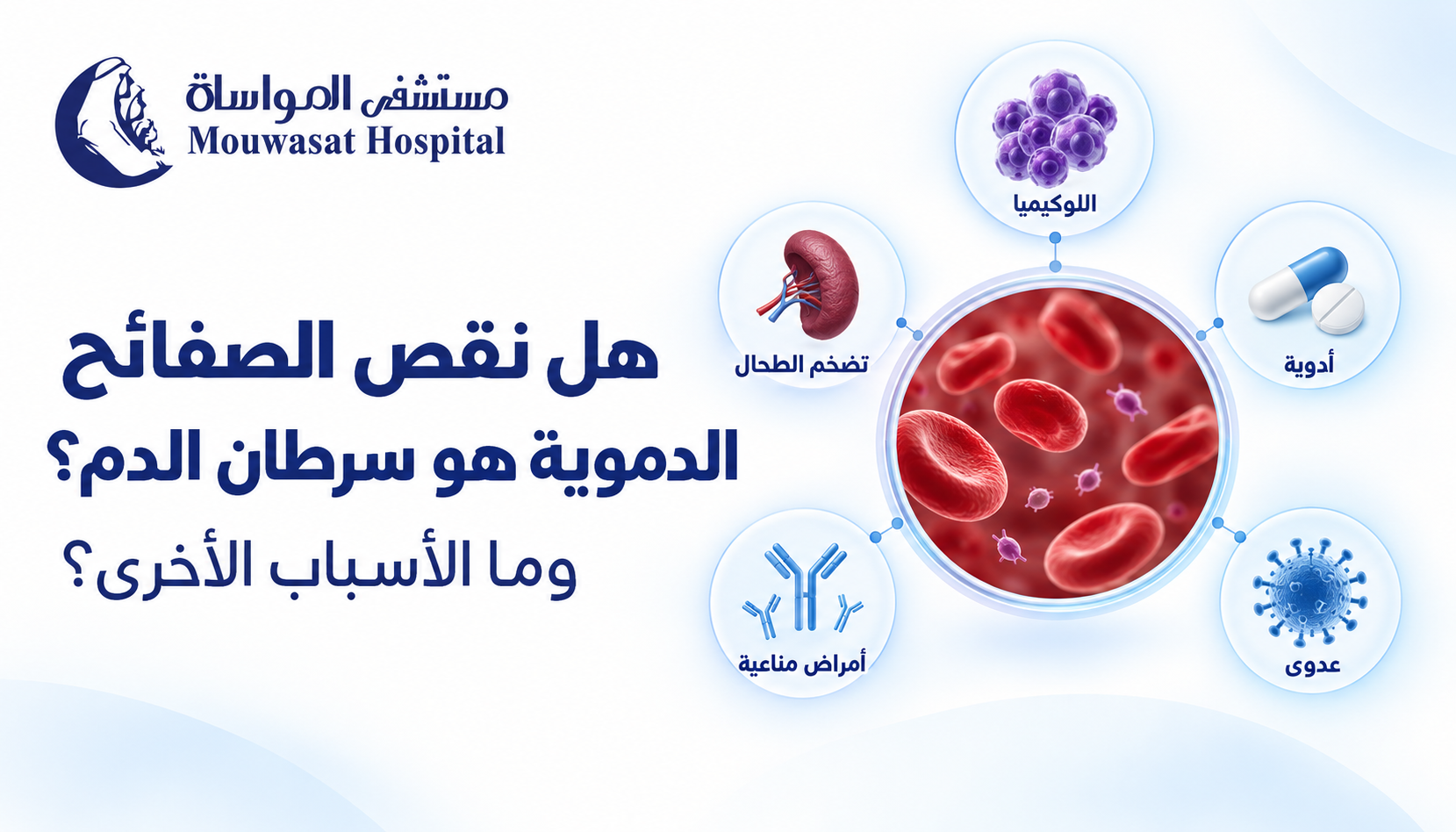
    Does a Low Platelet Count Mean Leukemia? Causes and When to Be Concerned

    A low platelet count does not automatically mean that someone has leukemia or another blood cancer. Thrombocytopenia has many possible causes, including infections, medicines, immune disorders, liver or spleen conditions, nutritional deficiencies, and certain bone marrow disorders.

    Doctors therefore do not interpret the platelet count in isolation. They also review the rest of the complete blood count, symptoms, medical history, and blood smear before deciding whether further testing is needed.[1][2]

    Key takeaways:
    • A low platelet count is not a diagnosis of blood cancer.
    • There are many possible causes of thrombocytopenia.
    • Leukemia can lower platelet levels in some patients, but it is only one possible cause.
    • Isolated thrombocytopenia is interpreted differently from low platelets accompanied by abnormalities in other blood cells.
    • Sometimes a low platelet result is false because platelets clump inside the blood sample tube.
    • Diagnosis depends on the complete clinical picture, not one laboratory number.

    What is thrombocytopenia?

    Platelets are small blood components that help form clots and stop bleeding after a blood vessel is injured.

    Thrombocytopenia means that the platelet count is below the normal range, generally below about 150,000 platelets per microliter of blood, although laboratory reference ranges may vary slightly.[1]

    Mild thrombocytopenia may cause no symptoms and may be discovered during routine blood testing. More significant reductions can increase the tendency to bruise or bleed.

    Does a low platelet count mean blood cancer?

    No. A low platelet count by itself does not mean that a person has blood cancer.

    Platelet counts can fall because of immune conditions, infections, medicines, liver or spleen disorders, and many other causes.[1][3]

    Leukemia can affect bone marrow and reduce normal platelet production in some patients, but it is only one possible cause of thrombocytopenia.[3][4]

    The key point

    A low platelet count is a laboratory finding that needs an explanation, not a diagnosis by itself. Doctors look at why the platelet count is low and what the rest of the blood count shows.

    For a broader overview, read: Blood Cancers: Types, Symptoms, Diagnosis and Treatment

    How can leukemia lower platelet counts?

    Many leukemias begin in blood-forming tissues, most often the bone marrow. As abnormal cells increase, they may interfere with the production of normal blood cells, including platelets.[4]

    Some patients with leukemia may therefore have:

    • Low platelet counts.
    • Anemia or low red blood cell levels.
    • Abnormal white blood cell counts or abnormal white blood cells.

    However, blood count patterns vary between leukemia types and patients. A platelet count alone cannot confirm or rule out leukemia.

    Read also: Leukemia: Early Symptoms, Types and How It Is Diagnosed

    What causes low platelets?

    Many conditions unrelated to cancer can cause thrombocytopenia.[1][3]

    • Immune thrombocytopenia (ITP).
    • Certain viral or bacterial infections.
    • Some medicines.
    • Chemotherapy or radiation therapy.
    • Bone marrow disorders.
    • Liver disease or an enlarged spleen.
    • Certain nutritional deficiencies.
    • Conditions that consume platelets during abnormal clotting.
    • Pregnancy-related thrombocytopenia in some women.

    Book an appointment at Mouwasat Hospital

    Three main ways platelet counts fall

    Rather than thinking of thrombocytopenia as one disease, most causes can be understood through three major mechanisms.[1]

    Mechanism What happens? Examples
    Reduced production The bone marrow does not produce enough platelets. Certain bone marrow diseases, leukemia, and some medicines or cancer treatments.
    Increased destruction or consumption Platelets are produced but are destroyed or used faster than they can be replaced. Immune thrombocytopenia and certain clotting disorders.
    Sequestration in the spleen The spleen holds a larger proportion of platelets, leaving fewer circulating in the blood. An enlarged spleen and certain liver or splenic conditions.

    Isolated thrombocytopenia vs abnormalities in other blood cells

    An important part of interpreting a low platelet count is determining whether platelets are the only abnormal blood cell line.

    CBC pattern How it may guide evaluation
    Low platelets with otherwise normal CBC May direct evaluation toward conditions primarily affecting platelets, such as immune thrombocytopenia or drug-related thrombocytopenia, after other causes are considered.[5]
    Low platelets plus red or white blood cell abnormalities Usually requires a broader evaluation for conditions that can affect several blood cell types, including bone marrow disorders and many other possible causes.

    Even multiple abnormal CBC values do not automatically mean cancer. They simply provide more information about which causes need to be investigated.

    Can a low platelet result be false?

    Yes. A phenomenon called pseudothrombocytopenia can occur when platelets clump together inside the blood collection tube, causing automated equipment to report an artificially low platelet count.[5]

    In appropriate cases, a doctor may repeat the blood count using another collection method and review a peripheral blood smear before concluding that true thrombocytopenia is present.

    Important insight

    One unexpectedly low platelet result is not always the end of the diagnostic process. Sometimes the first step is confirming that the low result is real before investigating complex medical causes.

    What are the symptoms of thrombocytopenia?

    Mild thrombocytopenia may cause no symptoms. As platelet levels fall further, bleeding-related symptoms may become more noticeable.[1]

    • Easy bruising.
    • Small red or purple spots under the skin.
    • Frequent nosebleeds.
    • Bleeding gums.
    • Bleeding that lasts longer after a minor injury.
    • Heavy menstrual bleeding in some women.

    When is a low platelet count dangerous?

    Risk is not determined by the platelet number alone. The degree of thrombocytopenia, active bleeding, how quickly the count is changing, medicines, and other medical conditions all influence the level of concern.[1][5]

    Bleeding that does not stop or very severe thrombocytopenia accompanied by symptoms requires prompt medical assessment.

    Important: Do not judge the seriousness of thrombocytopenia from the platelet number alone. The same count may have different implications depending on the cause, symptoms, and the rest of the blood tests.

    How is the cause of thrombocytopenia diagnosed?

    Evaluation begins with the CBC, symptoms, medical history, and medicines. Further testing depends on the findings.[2]

    Step Why it may be useful
    Repeat CBC when appropriate Confirms whether thrombocytopenia persists and reviews the other blood cell counts.
    Peripheral blood smear Allows evaluation of blood cells and may identify platelet clumping or other abnormalities.
    Medical and medication review Helps identify medicines, infections, or medical conditions that may explain the low count.
    Additional blood or imaging tests May be selected according to suspected liver, spleen, immune, or infectious causes.
    Bone marrow testing when needed May help determine whether a bone marrow disorder is affecting blood cell production.[2]

    How is thrombocytopenia treated?

    Treatment depends on why the platelet count is low, how low it is, and whether bleeding or other symptoms are present.[1]

    Some people with mild thrombocytopenia may only require monitoring, while others need treatment directed at the underlying cause. This may involve addressing a medical condition or modifying a medication under medical supervision.

    Trying to raise the platelet count without first identifying the cause may not address the underlying problem.

    Platelet and Blood Disorder Care at Mouwasat Hospital

    The Hemato-Oncology Department at Mouwasat Hospital provides specialized assessment for blood and platelet disorders as well as hematologic cancers, with diagnostic testing and management tailored to each patient's condition.

    When should you see a hematologist?

    Specialist evaluation may be appropriate when thrombocytopenia is persistent, severe, unexplained, or accompanied by abnormalities in other blood cells.

    • Low platelets persist on repeat testing.
    • Frequent unexplained bruising or bleeding occurs.
    • Anemia or unexplained white blood cell abnormalities are also present.
    • Persistent unexplained fever or weight loss occurs.
    • The spleen or lymph nodes are enlarged.
    • The platelet count is severely reduced.

    Meet Mouwasat Hospital doctors

    Frequently Asked Questions About Low Platelet Counts

    Does a low platelet count mean blood cancer?

    No. Many conditions can cause thrombocytopenia. Leukemia is only one possible cause, and diagnosis depends on the rest of the blood count, symptoms, and additional testing when necessary.[1][4]

    Does thrombocytopenia mean leukemia?

    No. Immune disorders, infections, medicines, liver or spleen disease, and several other conditions can also lower platelet counts.

    Does isolated thrombocytopenia mean cancer?

    No. Isolated thrombocytopenia has several possible causes. Immune thrombocytopenia and medication-related causes are among the conditions doctors consider when the rest of the blood count is otherwise normal.[5]

    Can one low platelet result be inaccurate?

    Yes. Platelet clumping inside the sample tube can cause an artificially low result known as pseudothrombocytopenia. Repeating the test or examining a peripheral blood smear may help confirm whether the result is genuine.[5]

    When is thrombocytopenia dangerous?

    Concern increases when the platelet count is very low, when active bleeding is present, or when other medical factors increase bleeding risk. The number should always be interpreted in clinical context.

    Can a low platelet count be life-threatening?

    Most cases are not life-threatening, but severe thrombocytopenia with serious bleeding can be an emergency and requires prompt medical attention.[1]

    Can food treat a low platelet count?

    There is no single diet that treats all causes of thrombocytopenia. Correcting a nutritional deficiency may help when it is the cause, while immune, medication-related, or bone marrow causes require treatment directed at the underlying condition.

    Does leukemia always cause low platelets?

    No. Blood count findings vary between leukemia types and individual patients. Platelet levels alone cannot diagnose or exclude leukemia.

    References

    1. National Heart, Lung, and Blood Institute – Thrombocytopenia
    2. National Heart, Lung, and Blood Institute – Platelet Disorders: Diagnosis
    3. National Heart, Lung, and Blood Institute – Platelet Disorders: Causes and Risk Factors
    4. National Cancer Institute – Leukemia
    5. American Family Physician – Thrombocytopenia: Evaluation and Management
    6. American Society of Hematology – Immune Thrombocytopenia Guidelines
  • 16/09/2026

    Lymphoma: Symptoms, Types and How It Is Diagnosed

    Lymphoma is a group of cancers that begin in cells of the lymphatic system, which is part of the immune system. The two main groups are Hodgkin lymphoma and non-Hodgkin lymphoma, and each includes different subtypes with different patterns of growth and treatment.[1]

    Swollen lymph nodes can occur with lymphoma, particularly in the neck, underarm, or groin. However, lymph nodes also commonly enlarge because of infections and other non-cancerous conditions, so an enlarged lymph node alone cannot diagnose lymphoma.[2][3]

    Key takeaways:
    • Lymphoma is a group of cancers of the lymphatic system rather than a single disease.
    • The two main groups are Hodgkin lymphoma and non-Hodgkin lymphoma.
    • Swollen lymph nodes do not automatically mean cancer; infections are a common cause.
    • Other symptoms may include unexplained fever, drenching night sweats, unexplained weight loss, and fatigue.
    • A normal CBC does not rule out lymphoma.
    • A tissue or lymph node biopsy is a key step in confirming the diagnosis and identifying the lymphoma type.

    What is lymphoma?

    Lymphoma is a broad term for cancers that begin in lymphocytes, a type of white blood cell that plays an important role in the immune system.[1]

    Because lymphatic tissue is found throughout the body, lymphoma can begin in lymph nodes or in other tissues and organs that contain lymphocytes.

    For a broader overview, read: Blood Cancers: Types, Symptoms, Diagnosis and Treatment

    What are the types of lymphoma?

    Lymphomas are divided mainly into:

    • Hodgkin lymphoma.
    • Non-Hodgkin lymphoma.

    Non-Hodgkin lymphoma is not one disease. It includes many subtypes, some of which grow slowly while others develop more rapidly.[1][3]

    What is the difference between Hodgkin and non-Hodgkin lymphoma?

    Feature Hodgkin lymphoma Non-Hodgkin lymphoma
    Group A defined group of lymphomas with characteristic cellular features. A large group containing many different lymphoma subtypes.
    Cells Classic Hodgkin lymphoma typically includes Reed-Sternberg cells on tissue examination. Includes lymphomas arising from different lymphocyte types, including B cells and T cells.
    Growth pattern Varies according to the individual disease and stage. Includes both indolent, slower-growing and aggressive, faster-growing forms.
    Treatment Depends on subtype, stage, and patient factors. Varies considerably according to subtype, growth rate, and stage.

    What are the symptoms of lymphoma?

    Lymphoma symptoms vary according to the type of lymphoma, where it develops, and how extensive the disease is. Not every patient develops all possible symptoms.[2][3]

    Possible symptoms include:

    • Painless swelling of lymph nodes in the neck, underarm, or groin.
    • Persistent or recurrent unexplained fever.
    • Drenching night sweats.
    • Unexplained weight loss.
    • Persistent fatigue.
    • Itchy skin in some patients.
    • Other symptoms depending on where lymphoma develops in the body.
    Important information

    Most of these symptoms are not specific to lymphoma. Swollen lymph nodes, for example, are commonly caused by infections, so lymphoma cannot be diagnosed from symptoms or lymph node size alone.

    What do swollen lymph nodes mean?

    Lymphoma can cause enlargement of one or more lymph nodes, sometimes without pain. Enlarged nodes may occur in the neck, underarm, groin, or deeper inside the body.[2][3]

    There is no single feature that allows a person to determine at home whether a lymph node is cancerous. Its location, size, duration, associated symptoms, and the patient's medical history all influence the medical evaluation.

    Important: You cannot reliably distinguish a lymph node caused by infection from lymphoma simply by touching it or looking at it.

    Book an appointment at Mouwasat Hospital

    Does a swollen lymph node under the jaw mean lymphoma?

    No. A swollen lymph node under the jaw does not automatically mean lymphoma.

    These lymph nodes are close to the mouth, throat, and teeth and may enlarge with many infections or inflammatory conditions in these areas. In many cases, they become smaller after the underlying problem resolves.

    Medical evaluation may be appropriate when swelling persists without an obvious cause, continues to enlarge, or occurs with unexplained weight loss, persistent fever, drenching night sweats, or other concerning symptoms.

    Why are fever, night sweats, and weight loss important?

    Doctors may pay particular attention to three systemic symptoms in some lymphomas:

    • Unexplained fever.
    • Drenching night sweats.
    • Unexplained weight loss.

    These are sometimes referred to as B symptoms and can contribute to staging and assessment in certain lymphomas.[2][3]

    However, the absence of B symptoms does not rule out lymphoma. Some people with lymphoma may have enlarged lymph nodes without fever, night sweats, or weight loss.

    Can lymphoma show up on a CBC?

    A complete blood count measures red blood cells, white blood cells, and platelets. It may help doctors assess a patient's general health and identify abnormalities in blood cell counts.[2]

    However, a CBC does not diagnose lymphoma, and blood counts may remain within the normal range in some patients, particularly when the bone marrow or normal blood cell production is not affected.[5]

    Important information

    A normal CBC cannot rule out lymphoma. Unlike some leukemias that may cause obvious blood count abnormalities, lymphoma usually begins in the lymphatic system, so tissue evaluation becomes particularly important when the disease is suspected.

    Read also: Leukemia: Early Symptoms, Types and How It Is Diagnosed

    How is lymphoma diagnosed?

    Diagnosis begins with a review of symptoms and medical history and a physical examination, including assessment of enlarged lymph nodes. Further testing is then selected according to the findings.[2][3]

    Test Role
    Physical examination Assesses lymph nodes, symptoms, and other clinical findings.
    Blood tests Help assess blood cells, organ function, and general health but do not confirm lymphoma by themselves.
    Lymph node or tissue biopsy Allows tissue examination to determine whether lymphoma cells are present and identify the subtype.
    Specialized tissue tests Help classify the lymphoma and identify cellular characteristics.
    CT or PET/CT Helps identify disease locations and extent and supports staging and response assessment.

    Why is biopsy important in lymphoma?

    There are many types of lymphoma, and treatment can differ significantly between them. Doctors therefore need to identify the type of abnormal cells rather than simply determine that a lymph node is enlarged.[3]

    A lymph node or tissue biopsy is therefore a key part of diagnosis. A pathologist examines the sample and additional laboratory tests may be used to classify the lymphoma more precisely.[2][3]

    Why isn't imaging enough?

    Imaging can show enlarged lymph nodes or areas of increased activity, but it cannot always determine why they are abnormal or identify the exact disease subtype. Tissue examination allows doctors to determine whether cancer cells are present and classify the lymphoma.

    What is the role of PET/CT in lymphoma?

    CT or PET/CT may be used to help identify where lymphoma is located, determine its extent, and assess response to treatment in selected lymphoma types.[2][3]

    However, an area of increased activity on PET/CT does not by itself prove lymphoma, because inflammation and other conditions can also cause increased activity. Imaging findings are interpreted together with biopsy results and other tests.

    How is lymphoma treated?

    Treatment depends on the exact lymphoma subtype, stage, growth rate, patient age and health, and biological characteristics of the disease.[2][3]

    Depending on the condition, treatment may include:

    • Chemotherapy.
    • Immunotherapy.
    • Targeted therapy.
    • Radiation therapy in selected cases.
    • Stem cell transplantation for some patients.
    • Active monitoring without immediate treatment for certain slow-growing lymphomas when medically appropriate.

    The word “lymphoma” alone is therefore not enough to select treatment. Precise subtype identification is an essential part of treatment planning.

    Lymphoma and Hemato-Oncology Care at Mouwasat Hospital

    The Hemato-Oncology Department at Mouwasat Hospital provides specialized evaluation, diagnosis, and treatment for hematologic cancers, including lymphomas, with care tailored to the disease subtype and each patient's condition.

    When should you see a doctor?

    Swollen lymph nodes are commonly caused by conditions other than cancer, but some situations deserve medical evaluation.

    Consider seeing a doctor if you have:

    • Persistent lymph node swelling without an obvious cause.
    • A lymph node that continues to enlarge.
    • Swelling in several areas of the body.
    • Persistent or recurrent unexplained fever.
    • Drenching, recurrent night sweats.
    • Unexplained weight loss.
    • Persistent fatigue with other symptoms.
    • Other new or persistent symptoms that require medical assessment.

    These signs do not confirm lymphoma, but evaluation can help identify the underlying cause.

    Meet Mouwasat Hospital doctors

    Frequently Asked Questions About Lymphoma

    What is lymphoma?

    Lymphoma is a group of cancers that begin in cells of the lymphatic system. The two main groups are Hodgkin lymphoma and non-Hodgkin lymphoma.[1]

    What are the early symptoms of lymphoma?

    A painless swollen lymph node can be an early symptom in some patients. Other possible symptoms include fever, drenching night sweats, unexplained weight loss, and fatigue. No single symptom confirms lymphoma.[2][3]

    Does a swollen lymph node under the jaw mean lymphoma?

    No. Lymph nodes under the jaw often enlarge because of dental, mouth, throat, or other infections. Persistent or unexplained swelling should be medically evaluated.

    Does a painful lymph node rule out lymphoma?

    Pain or lack of pain alone cannot reliably confirm or rule out lymphoma. Doctors consider the node's duration, location, size, associated symptoms, and other findings.

    Can a CBC detect lymphoma?

    A CBC may show blood cell abnormalities in some patients, but it does not diagnose lymphoma and can remain normal in some cases.[5]

    Does a normal CBC rule out lymphoma?

    No. Lymphoma begins in the lymphatic system and may not affect blood counts, particularly when the bone marrow and normal blood cell production are not involved. Diagnosis relies on clinical evaluation and tissue biopsy when indicated.

    Can PET/CT confirm lymphoma?

    PET/CT does not confirm lymphoma by itself. It helps show disease locations and extent, while tissue examination is generally needed to establish the diagnosis and subtype.[2][3]

    Can lymphoma be treated?

    Treatment outcomes vary widely between lymphoma subtypes, and many lymphomas can respond well to treatment. Prognosis depends on the exact type, stage, patient factors, and response to therapy.

    References

    1. National Cancer Institute – Lymphoma
    2. National Cancer Institute – Hodgkin Lymphoma
    3. National Cancer Institute – Non-Hodgkin Lymphoma
    4. Saudi Ministry of Health – Lymphoma
    5. American Cancer Society – Tests for Non-Hodgkin Lymphoma
  • 15/09/2026

    Blood Cancers: Types, Symptoms, Diagnosis and Treatment

    Blood cancers are a group of cancers that affect the blood, bone marrow, or lymphatic system. They differ in how they develop, how quickly they progress, and how they are treated, which means that “blood cancer” does not refer to a single disease.

    The main types include leukemia, lymphoma, and multiple myeloma. Depending on the type, symptoms may include persistent fatigue, frequent infections, easy bruising or bleeding, or swollen lymph nodes. However, these symptoms can also occur with many conditions that are not cancer.[1]

    Key takeaways:
    • Blood cancer is not a single disease; it includes several different types of cancer.
    • Leukemia, lymphoma, and multiple myeloma are among the main types.
    • Possible symptoms include fatigue, frequent infections, bruising or bleeding, and swollen lymph nodes.
    • These symptoms alone do not mean that a person has blood cancer.
    • Tests and treatment differ depending on the exact type of blood cancer.

    What is blood cancer?

    Blood cancers begin in blood-forming tissues such as the bone marrow or in cells of the immune system. Examples include leukemia, lymphoma, and multiple myeloma.[1]

    For this reason, blood cancers do not all behave in the same way. One type may begin in bone marrow, while another begins in the lymphatic system or in a particular type of blood cell.

    Important information

    The term “blood cancer” is sometimes used to mean leukemia, but blood cancers more broadly also include lymphoma and multiple myeloma.

    What are the main types of blood cancer?

    There are many different blood cancers, but three of the best-known groups are:

    • Leukemia: cancers that begin in blood-forming tissues.
    • Lymphoma: cancers that begin in cells of the lymphatic system.
    • Multiple myeloma: cancer involving plasma cells, a type of white blood cell.
    Type Where does it begin? Possible symptoms
    Leukemia Blood-forming tissues such as bone marrow. Fatigue, frequent infections, bruising or bleeding, fever, or paleness.
    Lymphoma Cells of the lymphatic system. Swollen lymph nodes, fatigue, fever, night sweats, or unexplained weight loss in some patients.
    Multiple myeloma Plasma cells in the bone marrow. Fatigue, bone pain, frequent infections, or abnormalities in some laboratory tests.

    What is leukemia?

    Leukemia is a group of cancers that begin in blood-forming tissues such as the bone marrow and lead to the production of abnormal blood cells.[2]

    There are several types of leukemia. Some grow quickly and are described as acute, while others develop more slowly and are described as chronic. Leukemias are also classified according to the type of blood cell affected.

    What is lymphoma?

    Lymphoma is a broad group of cancers that begin in cells of the lymphatic system, which is part of the immune system. The two main groups are Hodgkin lymphoma and non-Hodgkin lymphoma.[3]

    Possible symptoms may include swollen lymph nodes, fatigue, fever, night sweats, or unexplained weight loss. However, swollen lymph nodes are commonly caused by infections and do not by themselves mean that someone has lymphoma.

    What is multiple myeloma?

    Multiple myeloma is a cancer involving plasma cells, a type of white blood cell found in the bone marrow. Plasma cells normally help produce antibodies that protect the body from infection.[4]

    Multiple myeloma may affect the bones and normal blood cell production, and in some people it may be associated with anemia, bone pain, frequent infections, kidney problems, or changes in calcium levels.

    Book an appointment at Mouwasat Hospital

    What are the symptoms of blood cancer?

    Symptoms vary depending on the type of blood cancer, the cells affected, and how quickly the disease develops. Some blood cancers may cause few or no obvious symptoms at first.

    Possible symptoms can include:

    • Persistent fatigue or weakness.
    • Pale skin associated with anemia.
    • Recurring or persistent fever.
    • Frequent infections.
    • Easy bruising.
    • Unusual or recurrent bleeding.
    • Swollen lymph nodes.
    • Heavy night sweats in some cases.
    • Unexplained weight loss.
    • Bone pain with certain blood cancers.

    Having one or more of these symptoms does not necessarily mean that a person has blood cancer. Many can also result from common conditions such as infections, anemia, or other blood disorders.

    Do bruising or bleeding mean blood cancer?

    No. Bruising and bleeding have many possible causes and do not automatically indicate blood cancer.

    However, some leukemias can affect platelet production, which may make bruising or bleeding easier in some patients.

    Important: Blood cancer cannot be diagnosed from the appearance of a bruise or skin spots. Frequent unexplained bruising, recurrent bleeding, or additional symptoms should be medically assessed.

    Why can infections occur more often with some blood cancers?

    Healthy white blood cells play an important role in fighting infection. Some blood cancers can affect how these cells are produced or how well they function.

    This can make infections more frequent in some patients. However, recurrent infections have many other possible causes and cannot be used alone to diagnose blood cancer.

    How are blood cancers diagnosed?

    The tests used depend on the symptoms and the specific disease being considered. There is no single test that diagnoses every type of blood cancer.

    Test Possible role
    Complete blood count (CBC) Measures red blood cells, white blood cells, and platelets and may identify changes that need further assessment.
    Blood sample examination May help doctors assess blood cells when appropriate.
    Bone marrow testing May be used to diagnose leukemia, myeloma, and certain other blood disorders.
    Lymph node biopsy May be required when lymphoma is suspected.
    Imaging and other tests May help evaluate the location and extent of disease depending on the type of blood cancer.
    Important information

    Blood cancers do not all produce the same laboratory findings. Some leukemias may cause clear changes in circulating blood cells, while diagnosing lymphoma or myeloma may require different tests. Diagnosis therefore does not depend on a single blood test.

    Can blood cancer be detected in a blood test?

    Some blood cancers, particularly certain leukemias, may cause changes in a complete blood count, such as unusually high or low levels of specific blood cells or platelets.

    However, a blood test alone cannot always confirm blood cancer or identify the exact type. Further testing may be needed depending on the results and symptoms.

    Abnormal white blood cell or platelet counts can also occur for many reasons unrelated to cancer, so laboratory results need to be interpreted in the context of the patient's overall health.

    How are blood cancers treated?

    Treatment depends on the exact type of blood cancer, how quickly it is developing, its biological features, the patient's age, and overall health.

    Depending on the condition, treatment options may include:

    • Chemotherapy.
    • Targeted therapy.
    • Immunotherapy.
    • Radiation therapy in selected cases.
    • Stem cell transplantation for some patients.
    • Careful monitoring without immediate treatment for certain slow-growing conditions when clinically appropriate.

    There is no single treatment plan that is suitable for every blood cancer or every patient.[2][3][4]

    Hemato-Oncology Care at Mouwasat Hospital

    The Hemato-Oncology Department at Mouwasat Hospital provides specialized care for blood disorders and hematologic cancers, including evaluation, diagnosis, treatment planning, and follow-up.

    Specialist assessment can help interpret blood test results correctly and determine whether additional investigations are needed.

    When should you see a doctor?

    Many possible symptoms of blood cancer can be caused by other conditions. However, persistent or unexplained symptoms should be medically assessed.

    Consider medical evaluation for:

    • Severe or persistent unexplained fatigue.
    • Unexplained paleness or anemia.
    • Unusually frequent infections.
    • Frequent unexplained bruising or bleeding.
    • Persistent swollen lymph nodes.
    • Unexplained weight loss.
    • Recurring or persistent unexplained fever.
    • Persistent unexplained abnormalities in blood cell or platelet counts.

    These findings do not necessarily mean cancer is present, but medical assessment can help identify the underlying cause.

    Meet Mouwasat Hospital doctors

    Frequently Asked Questions About Blood Cancer

    Is blood cancer the same as leukemia?

    Leukemia is a type of blood cancer, but the broader term also includes lymphoma and multiple myeloma.[1]

    What are the main types of blood cancer?

    Three of the main groups are leukemia, lymphoma, and multiple myeloma. Each group also includes different subtypes with different characteristics and treatments.

    Is persistent fatigue a symptom of blood cancer?

    Fatigue can occur in some people with blood cancer, particularly when anemia is present, but fatigue is very common and has many other possible causes.

    Does frequent bruising mean leukemia?

    No. Some leukemias may affect platelet levels and increase bruising, but there are many other causes of frequent bruising.

    Does a low platelet count mean blood cancer?

    No. Low platelets have many possible causes. The result needs to be interpreted together with other blood counts, symptoms, medical history, and any additional tests that may be needed.

    Can a CBC alone detect blood cancer?

    A CBC may reveal abnormalities that require further investigation, but it cannot confirm every blood cancer or identify the exact type on its own.

    Do swollen lymph nodes mean lymphoma?

    No. Infections are a common cause of swollen lymph nodes. Persistent swelling or swelling accompanied by other unexplained symptoms should be assessed by a doctor.

    Can blood cancers be treated?

    Treatment options and outcomes vary greatly depending on the specific type of blood cancer, its characteristics, the patient's age, overall health, and response to treatment.

    References

    1. National Cancer Institute – Blood Cancer
    2. National Cancer Institute – Leukemia
    3. National Cancer Institute – Lymphoma
    4. National Cancer Institute – Multiple Myeloma
  • 15/09/2026

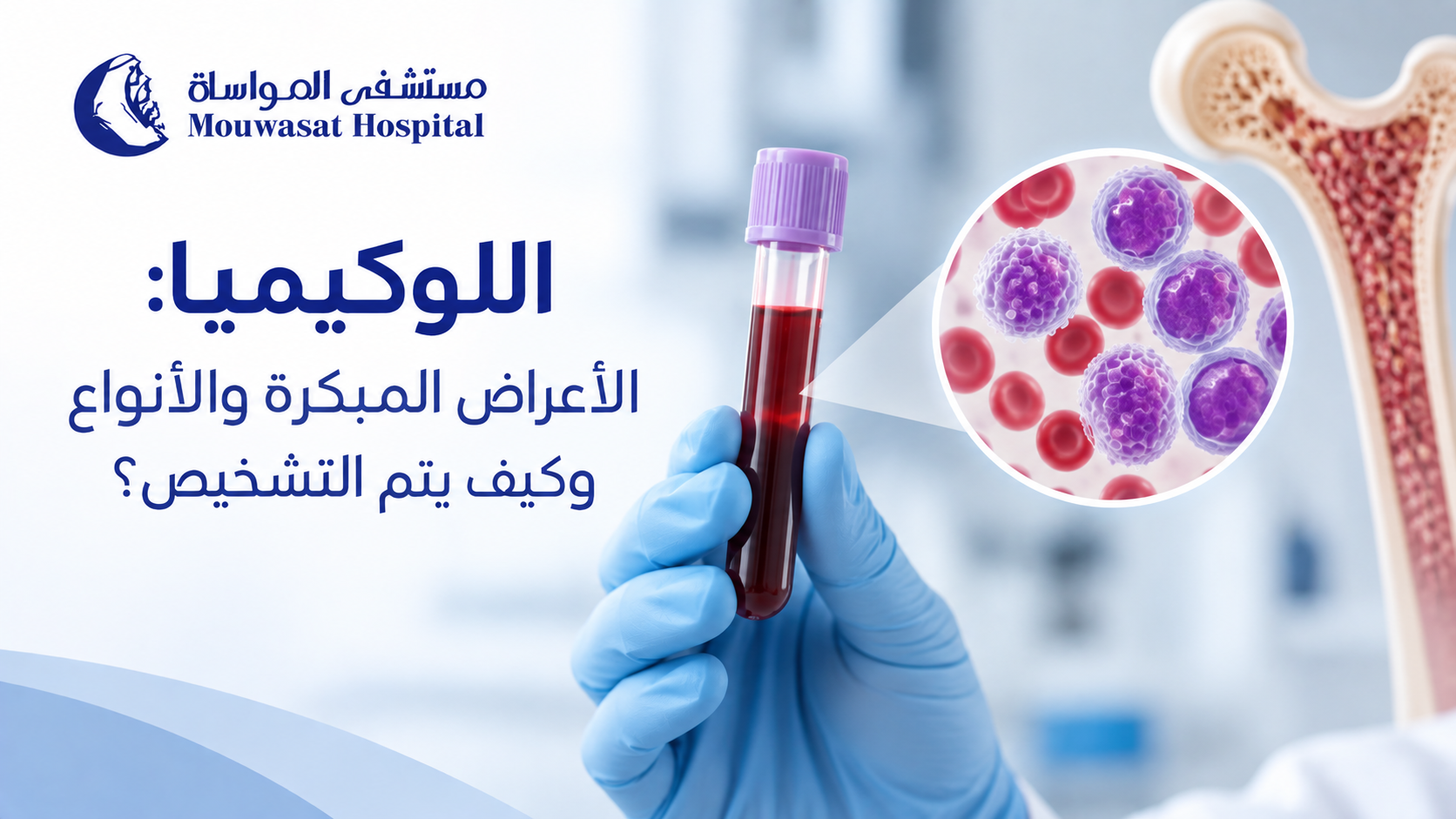
    Leukemia: Early Symptoms, Types and How It Is Diagnosed

    Leukemia is a group of blood cancers that begin in blood-forming tissues, most often the bone marrow. Different types of leukemia affect different blood cells and may develop quickly or slowly, which is why symptoms and treatment vary from one type to another.[1]

    Possible symptoms include persistent fatigue, fever, frequent infections, and easy bruising or bleeding. However, these symptoms can also occur with many other conditions and cannot diagnose leukemia on their own.[2]

    Key takeaways:
    • Leukemia is not one disease; there are acute, chronic, myeloid, and lymphocytic types.
    • Possible symptoms include fatigue, fever, frequent infections, bruising, and bleeding.
    • Symptoms alone cannot confirm leukemia.
    • A complete blood count may show important abnormalities, but it may not confirm the diagnosis by itself.
    • White blood cell counts can be high or low depending on the type and individual case.
    • Treatment depends on the exact leukemia type, patient factors, and characteristics of the leukemia cells.

    What is leukemia?

    Leukemia is a group of cancers that begin in blood-forming cells. In many cases, it starts in the bone marrow, where abnormal blood cells grow and can reduce the space available for healthy blood cells.[1][3]

    As abnormal cells build up, the body may have fewer healthy cells available to carry oxygen, fight infection, or control bleeding. This helps explain symptoms such as fatigue, infections, and easy bruising or bleeding.[3]

    For a broader overview, read: Blood Cancers: Types, Symptoms, Diagnosis and Treatment

    What are the main types of leukemia?

    Leukemia is usually classified according to how quickly it develops and the type of blood-forming cell involved.[3]

    Type Abbreviation Main feature
    Acute lymphoblastic leukemia ALL An acute leukemia involving lymphoid cells that develops quickly.
    Acute myeloid leukemia AML An acute leukemia involving myeloid cells that develops quickly.
    Chronic lymphocytic leukemia CLL A chronic leukemia involving lymphocytes that usually develops more slowly.
    Chronic myeloid leukemia CML A chronic leukemia involving myeloid cells that usually develops more slowly.

    What is the difference between acute and chronic leukemia?

    The main difference is how quickly the disease develops and how mature the abnormal cells are.

    • Acute leukemia: develops quickly and generally requires prompt specialist assessment and treatment after diagnosis.
    • Chronic leukemia: often develops more slowly, although management varies considerably depending on the exact type and the individual patient.

    This is why the word “leukemia” alone does not determine treatment. Identifying the exact type is essential.[1]

    What are the early symptoms of leukemia?

    Early leukemia symptoms can be non-specific and may resemble common conditions such as infections or anemia. Symptoms also vary between people and between leukemia types.

    Possible symptoms include:[2][4]

    • Persistent fatigue or weakness.
    • Pale skin.
    • Recurring or persistent fever.
    • Frequent infections.
    • Easy bruising.
    • Unusual or recurrent bleeding.
    • Small red spots under the skin caused by minor bleeding in some cases.
    • Night sweats.
    • Unexplained weight loss.
    • Swollen lymph nodes.
    • Bone or joint pain in some patients.
    Important information

    There is no single symptom that confirms leukemia. Most of these symptoms have many more common causes, so diagnosis depends on medical assessment and testing rather than symptoms alone.

    Book an appointment at Mouwasat Hospital

    Why can bruising or bleeding occur with leukemia?

    Bone marrow produces platelets, which help control bleeding. When leukemia interferes with normal blood cell production, platelet levels may fall in some patients, making bruising or bleeding more likely.[4]

    However, bruising and low platelet counts have many other possible causes and do not automatically mean leukemia is present.

    Important: Leukemia cannot be diagnosed from the appearance of bruises or skin spots. Frequent unexplained bruising or recurrent bleeding should be medically assessed.

    Why can infections occur more often in some people with leukemia?

    Leukemia can produce abnormal white blood cells that do not fight infection normally and can also reduce the production of healthy blood cells.[3]

    As a result, some patients may experience frequent infections. However, recurrent infections have many other possible causes and cannot diagnose leukemia by themselves.

    What causes leukemia and what are the risk factors?

    There is no single known cause for all leukemias. Leukemia develops after changes occur in the genetic material of blood-forming cells, although why these changes occur in a particular person may not be known.[1]

    Risk factors vary by leukemia type and may include:

    • Previous treatment with certain chemotherapy drugs or radiation therapy.
    • Exposure to high levels of radiation.
    • Exposure to chemicals such as benzene.
    • Certain previous blood disorders.
    • Certain inherited conditions or genetic syndromes.

    Having a risk factor does not mean that someone will develop leukemia, and leukemia may also occur without any known risk factor.[5]

    How is leukemia diagnosed?

    Evaluation usually begins with a review of symptoms and medical history and a physical examination. The doctor then selects the appropriate tests.

    Test What can it help assess?
    Complete blood count (CBC) Measures white blood cells, red blood cells, and platelets and may reveal abnormalities that require further investigation.
    Blood smear May help assess blood cell appearance and identify abnormal cells when appropriate.
    Bone marrow examination Can help confirm the diagnosis and identify abnormal cell types in many leukemias.
    Specialized cell tests Help identify the leukemia type and cellular features that may influence treatment decisions.

    Can leukemia show up on a CBC?

    A complete blood count may be one of the first tests to reveal abnormalities in some people with leukemia. These may include changes in white blood cells or reduced red blood cells or platelets.

    However, a CBC alone may not be enough to confirm leukemia. Blood smear testing, bone marrow examination, and other specialized tests may be required to identify the exact type.[4]

    Important information

    Leukemia does not always cause a high white blood cell count. Some patients may have high levels, while others may have low white blood cell counts or abnormalities involving other blood cells. A white blood cell count alone cannot confirm or rule out leukemia.[6]

    Does a high white blood cell count mean leukemia?

    No. White blood cell counts can rise for many reasons, including infection and inflammation.[7]

    Leukemia diagnosis depends not only on the number of white blood cells but also on the types and appearance of the cells and the results of other tests.

    How is leukemia treated?

    There is no single treatment for all leukemias. Treatment depends on the exact type, cellular characteristics, the patient's age and general health, and how the disease responds to therapy.

    Depending on the leukemia type, treatment may include:[4][5]

    • Chemotherapy.
    • Targeted therapy.
    • Immunotherapy for certain types.
    • Stem cell transplantation for selected patients.
    • Radiation therapy in specific situations.

    Leukemia and Hemato-Oncology Care at Mouwasat Hospital

    The Hemato-Oncology Department at Mouwasat Hospital provides specialized evaluation and care for blood disorders and blood cancers, including acute and chronic leukemias.

    Specialist assessment helps interpret blood test results correctly and determine which additional investigations may be required.

    When should you see a doctor?

    Most possible leukemia symptoms can be caused by more common conditions. However, persistent or unexplained symptoms should be medically assessed, especially when several occur together.

    Examples include:

    • Severe or persistent unexplained fatigue.
    • Recurring fever or unusually frequent infections.
    • Frequent unexplained bruising or bleeding.
    • Unexplained paleness or anemia.
    • Unexplained weight loss.
    • Persistent heavy night sweats.
    • Persistent swollen lymph nodes.
    • Persistent unexplained abnormalities on a blood count.

    These symptoms do not necessarily mean leukemia, but medical assessment can help identify their cause.

    Meet Mouwasat Hospital doctors

    Frequently Asked Questions About Leukemia

    What is leukemia?

    Leukemia is a group of cancers involving blood-forming cells, often beginning in the bone marrow and producing abnormal cells that can interfere with healthy blood cell production.[1]

    What are the early symptoms of leukemia?

    Possible symptoms include fatigue, fever, frequent infections, easy bruising or bleeding, paleness, unexplained weight loss, and night sweats. These symptoms are not specific to leukemia.[2]

    Does a high white blood cell count mean leukemia?

    No. White blood cells can rise because of infections, inflammation, and other conditions. Some patients with leukemia may even have a low white blood cell count, so diagnosis cannot be made from the number alone.[6][7]

    Does a low platelet count mean leukemia?

    No. Low platelets have many possible causes. They can occur with leukemia, but the cause must be determined from the full blood count, symptoms, medical history, and additional testing when needed.

    Is leukemia fatal?

    Leukemia is not a single disease, and outcomes vary greatly between different types. Prognosis depends on the leukemia type, its biological features, age, overall health, and response to treatment. Treatment options have improved substantially for many leukemias.

    What is the leukemia survival or cure rate?

    There is no single rate that applies to all leukemias. Outcomes differ substantially between ALL, AML, CLL, and CML and also vary according to age, disease features, and response to treatment.

    Can leukemia be diagnosed from a blood test alone?

    A blood count may reveal important abnormalities, but it does not always confirm leukemia or determine the exact type. Additional testing, including bone marrow examination, may be required.[4]

    What is the difference between acute and chronic leukemia?

    Acute leukemias develop more quickly, while chronic leukemias generally develop more slowly. The affected blood cell type and treatment also differ between leukemia subtypes.[3]

    References

    1. National Cancer Institute – Leukemia
    2. Saudi Ministry of Health – Leukemia
    3. National Cancer Institute – What Is Cancer?
    4. National Cancer Institute – Acute Lymphoblastic Leukemia
    5. National Cancer Institute – Acute Myeloid Leukemia
    6. Leukemia & Lymphoma Society – Understanding Leukemia
    7. National Cancer Institute – White Blood Cell


Mouwasat Medical Dammam Dispensary in '75, evolved into LLC managing multiple facilities in '97 under same registration.

Contact Information

Unified Number:
site.QUOTES_IMAGE_ALT
+966 920 004 477