

Hemorrhoid Symptoms: Bleeding, Pain, and When to Get Checked
Bleeding after a bowel movement, itching, pain, or a lump around the anus can easily be assumed to mean hemorrhoids. However, the pattern of symptoms matters. Internal and external hemorrhoids behave differently, and other anorectal conditions—particularly anal fissures—can produce similar complaints.
The most important rule is that rectal bleeding should not automatically be attributed to hemorrhoids. Hemorrhoids are common, but they are not the only possible cause of bleeding.[1]
For an overview of types, grades, and causes, see Hemorrhoids: Types, Causes, Grades, and When to See a Doctor.
- Painless bright-red bleeding with bowel movements is a classic symptom of internal hemorrhoids.
- Internal hemorrhoids may prolapse and can cause irritation, mucus, or cleaning difficulties when they protrude.
- External hemorrhoids may cause itching, discomfort, or a lump near the anus.
- Sudden severe pain with a tender external lump is more typical of a thrombosed external hemorrhoid.
- Sharp pain during a bowel movement that continues afterward can suggest an anal fissure.
- Heavy or ongoing bleeding with dizziness or faintness requires urgent assessment.
- Common hemorrhoid symptoms
- Internal hemorrhoid symptoms
- External hemorrhoid symptoms
- Thrombosed external hemorrhoids
- What does hemorrhoid bleeding look like?
- Do hemorrhoids cause severe pain?
- Can hemorrhoids cause itching?
- Hemorrhoid symptoms in women
- Hemorrhoids vs anal fissure
- When symptoms may not be hemorrhoids
- When to seek urgent care
- Frequently asked questions
What Are the Most Common Hemorrhoid Symptoms?
Symptoms differ considerably depending on the type of hemorrhoid.
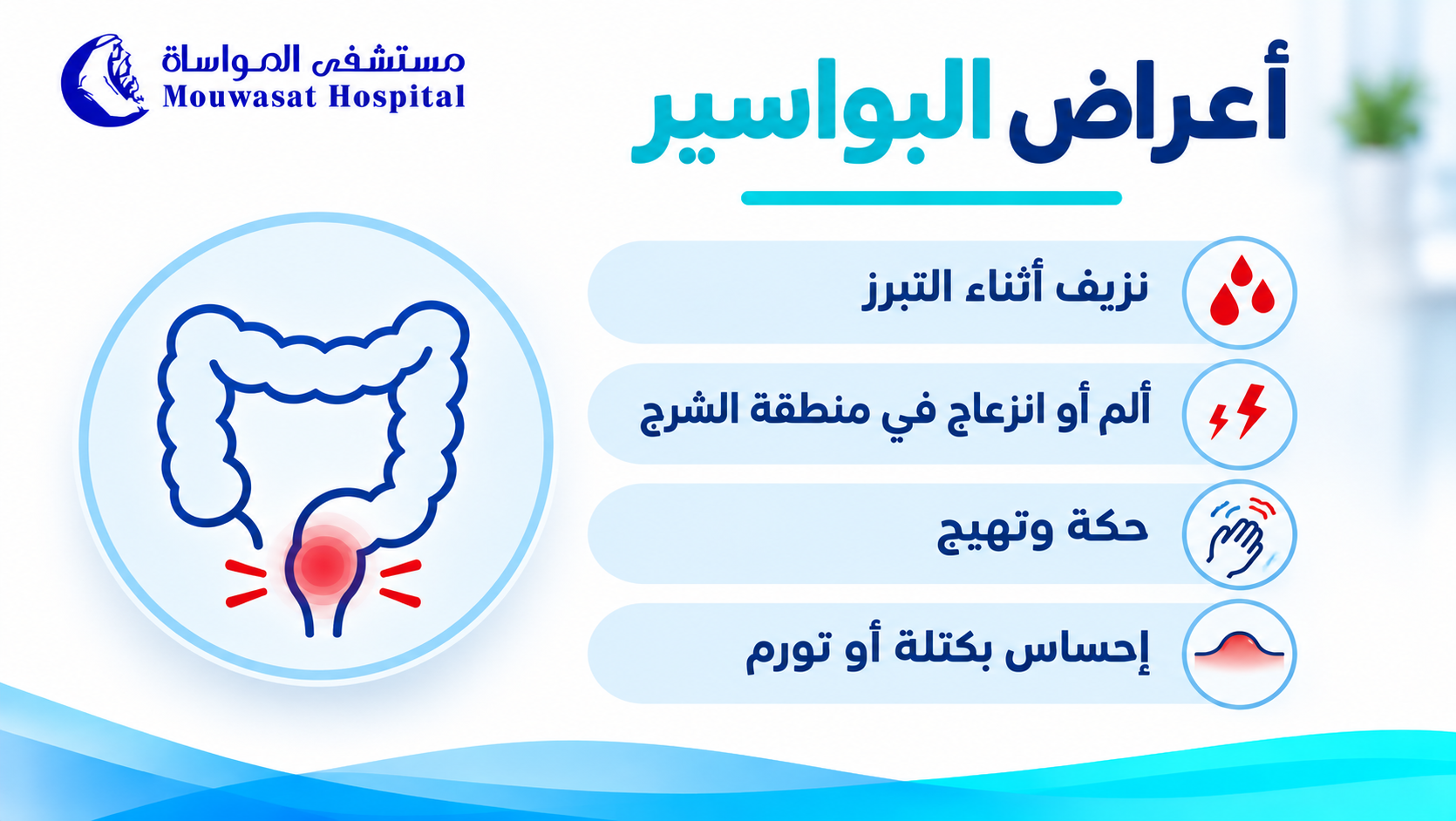
They may include:
- Bright-red rectal bleeding during or after a bowel movement.
- Prolapse of tissue through the anal opening.
- A lump or swelling around the anus.
- Anal itching or irritation.
- Pain, pressure, or discomfort in selected cases.
- Difficulty keeping the area clean when prolapse is present.[2]
Bleeding may be the only symptom of an internal hemorrhoid, whereas an external hemorrhoid may mainly cause a lump, itching, or pain. The pattern provides useful clues but does not replace examination when the diagnosis is uncertain.
What Are the Symptoms of Internal Hemorrhoids?
Internal hemorrhoids are located in a part of the anal canal that has relatively little pain sensation. Therefore, non-prolapsed internal hemorrhoids are usually not painful.[3]
Typical features include:
- Painless bright-red bleeding during or after bowel movements.
- Blood on toilet paper, on the surface of stool, or dripping into the toilet.
- Tissue protruding through the anal opening during bowel movements.
- Prolapsed tissue that returns inside by itself or may need manual reduction.
- Itching or irritation when prolapse occurs.
- Mucus discharge or difficulty cleaning after a bowel movement in some patients.[2]
Are Internal Hemorrhoids Painful?
Pain is not the classic feature of uncomplicated internal hemorrhoids.
Discomfort or significant pain may occur with marked prolapse or when prolapsed tissue becomes trapped.[2]
Sharp pain that begins during defecation and continues afterward is more characteristic of an anal fissure than uncomplicated internal hemorrhoids. Because both can bleed, examination may be needed to distinguish them.
What Are the Symptoms of External Hemorrhoids?
External hemorrhoids develop beneath sensitive skin around the anus.
Symptoms may include:[3]
- Anal itching or irritation.
- One or more lumps near the anus.
- Aching or discomfort.
- Pain that may be more noticeable while sitting.
- Swelling around the anus.
An external lump is not always an active hemorrhoid. A painless skin tag can remain after a previous thrombosed external hemorrhoid.[2]
Read more in External Hemorrhoids: What Does a Painful Lump Mean and When Should It Be Checked?.
What Does a Thrombosed External Hemorrhoid Feel Like?
A blood clot can form inside an external hemorrhoid, producing a thrombosed external hemorrhoid.
Typical features include:
- Sudden and sometimes severe pain.
- A hard, very tender lump near the anus.
- Swelling and inflammation.
- A bluish or darker-colored lump.
- Discomfort when sitting or moving.[2][4]
Painless bright-red bleeding is more typical of internal hemorrhoids, while sudden severe pain with a tender external lump is more characteristic of external hemorrhoidal thrombosis.
What Does Hemorrhoid Bleeding Look Like?
Bleeding from internal hemorrhoids is usually bright red.[2][3]
You may notice it:
- On toilet paper.
- Streaked on the outside of stool.
- As drops of blood in the toilet.
Is Hemorrhoid Bleeding Painful?
Bleeding from internal hemorrhoids is often painless.
When bright-red bleeding is accompanied by sharp pain during and after a bowel movement, an anal fissure becomes another important possibility.
Can Hemorrhoids Bleed a Lot?
Internal hemorrhoids can sometimes produce noticeable bleeding, but the amount of blood alone cannot confirm that hemorrhoids are the source.[2]
Colorectal guidelines specifically caution against automatically attributing rectal bleeding to hemorrhoids because other colorectal conditions can produce the same symptom.[1]

Do Hemorrhoids Cause Severe Pain?
They can, but severe pain is not typical of every type of hemorrhoid.
| Pain Pattern | What It May Suggest |
|---|---|
| Bleeding with little or no pain | Typical of internal hemorrhoids |
| Sudden constant pain with a tender lump | May indicate a thrombosed external hemorrhoid |
| Sharp pain during a bowel movement continuing afterward | More typical of an anal fissure |
| Severe worsening pain with systemic illness | Requires assessment for another anorectal problem |
Can Hemorrhoids Cause Anal Itching?
Yes. Itching and irritation can occur with external hemorrhoids and prolapsing internal hemorrhoids.[2][3]
Possible contributors include difficulty cleaning the area, mucus or stool contacting the surrounding skin, and excessive rubbing or cleaning.
However, itching alone does not diagnose hemorrhoids because skin disorders, infections, and other conditions can also cause anal itching.
Are Hemorrhoid Symptoms Different in Women?
The core symptoms are not fundamentally different in women and men.
Women can experience bleeding, prolapse, itching, pain, or external swelling in the same way.
The important difference is context: pregnancy is a recognized risk factor for hemorrhoids because pelvic pressure and bowel-habit changes can increase during pregnancy.[3]
Bleeding or unusual pain during pregnancy should still be discussed with a healthcare professional rather than automatically assumed to be hemorrhoids.
Hemorrhoids or Anal Fissure: What Is the Difference?
An anal fissure is a small tear in the skin lining the anal opening.
Its characteristic symptom is severe pain during a bowel movement, often continuing for minutes or hours afterward, frequently with some bleeding.[5]
| Feature | Internal Hemorrhoids | Anal Fissure |
|---|---|---|
| Bleeding | Often bright red | Bright-red bleeding can also occur |
| Pain | Often minimal or absent unless significantly prolapsed | Often severe during and after bowel movements |
| Prolapse or lump | Prolapse may occur | Not the primary feature |
These differences can guide understanding but should not be used as a substitute for examination.
When Might the Symptoms Not Be Hemorrhoids?
Hemorrhoids are common, but other conditions can cause similar symptoms.
Possibilities include:
- Anal fissure.
- Anal abscess or fistula.
- Proctitis or inflammatory bowel disease.
- Rectal prolapse.
- Other anal or colorectal disease, including malignancy.[1][3]
Do Changes in Bowel Habits Matter?
Yes.
If rectal bleeding is accompanied by a new persistent change in bowel habits or unusual changes in stool color or consistency, medical assessment is important rather than simply assuming hemorrhoids are responsible.[4]
Do Hemorrhoids Cause Colorectal Cancer?
No. Hemorrhoids do not cause colorectal cancer.
The concern is that colorectal disease can produce similar symptoms, particularly rectal bleeding.[2]
When Do Hemorrhoid-Like Symptoms Need Urgent Assessment?
- Rectal bleeding is heavy or continuous.
- Bleeding is accompanied by dizziness, lightheadedness, marked weakness, or fainting.
- You experience an unusual episode of significant rectal bleeding without a confirmed source.
- Bleeding occurs with significant new changes in bowel habits that require assessment.[4]
Repeated rectal bleeding also deserves medical assessment even when the amount seems small.[3]
What Happens After Hemorrhoids Are Confirmed?
The next step depends on hemorrhoid type, degree of prolapse, symptom severity, and impact on daily life.
Some patients only need conservative measures, while others may eventually require an office procedure or surgery.
For the full decision pathway, see Hemorrhoid Treatment: When Is Conservative Care Enough and When Is a Procedure Needed?.
The General Surgery Department at Mouwasat Hospital provides care for anorectal conditions including hemorrhoids, anal fissures, and anal fistulas.

Frequently Asked Questions About Hemorrhoid Symptoms
What are the first signs of hemorrhoids?
There is no universal first sign. Internal hemorrhoids may first appear as painless bright-red bleeding, while external hemorrhoids may present with itching, discomfort, or a lump.
What color is hemorrhoid blood?
Bleeding from internal hemorrhoids is typically bright red and may appear on toilet paper, on the surface of stool, or in the toilet.[2]
Does bleeding mean the hemorrhoid is healing?
No. Bleeding is not a sign that hemorrhoids are draining or healing. Recurrent bleeding should be assessed rather than interpreted as part of recovery.
Can hemorrhoids cause buttock or anal pain?
External hemorrhoids can cause pain or discomfort, particularly when thrombosed. Non-prolapsed internal hemorrhoids usually cause little or no pain.
Can hemorrhoids cause itching?
Yes. Itching can occur with external hemorrhoids or prolapsing internal hemorrhoids.
How do I know whether an external lump is a hemorrhoid?
An external hemorrhoid may produce a lump near the anus, particularly when thrombosed. However, not every anal lump is a hemorrhoid, so uncertain or persistent lumps should be examined.
Are internal and external hemorrhoid symptoms different?
Yes. Internal hemorrhoids are more strongly associated with bleeding and prolapse, whereas external hemorrhoids are more likely to cause a lump, itching, swelling, or pain.
How does fissure pain differ from hemorrhoid pain?
Anal fissures typically produce severe pain during bowel movements that continues afterward. A thrombosed external hemorrhoid is more likely to cause constant severe pain with a tender lump.[5]
Are hemorrhoid symptoms different in women?
The symptoms themselves are similar. Pregnancy, however, increases the likelihood of developing hemorrhoids in some women.
Should minor rectal bleeding be checked?
Rectal bleeding—particularly when recurrent or of uncertain origin—should be medically assessed rather than automatically diagnosed as hemorrhoids.[3]
When is rectal bleeding an emergency?
Heavy or continuous bleeding, especially when accompanied by dizziness, weakness, lightheadedness, or fainting, requires urgent medical care.[4]
Final Thoughts: The Pattern of Symptoms Matters
Hemorrhoid symptoms do not look the same in every patient.
Painless bright-red bleeding is more characteristic of internal hemorrhoids. Sudden severe pain with an external tender lump raises the possibility of a thrombosed external hemorrhoid. Severe pain during and after defecation may point toward an anal fissure.
These patterns are useful for understanding symptoms, but they do not replace diagnosis.
Most importantly, having known hemorrhoids should not become a reason to ignore new or persistent rectal bleeding. Hemorrhoids can be present while another condition is also responsible for the symptom.
Medical disclaimer: This article is intended for general health education and does not replace medical assessment for rectal bleeding, severe pain, or new or persistent symptoms.
Medical References
- American Society of Colon and Rectal Surgeons — Clinical Practice Guidelines for the Management of Hemorrhoids, 2024
- American Society of Colon and Rectal Surgeons — Hemorrhoids: Expanded Information
- National Institute of Diabetes and Digestive and Kidney Diseases — Symptoms & Causes of Hemorrhoids
- Mayo Clinic — Hemorrhoids: Symptoms and Causes
- American Society of Colon and Rectal Surgeons — Anal Fissure: Expanded Information