

External Hemorrhoids: What Does a Painful Lump Mean and How Is It Treated?
A new lump, swelling, or severe pain near the anus is often immediately assumed to be an external hemorrhoid. But not every perianal lump is the same, and external hemorrhoids themselves can present in different ways.
An external hemorrhoid may simply be swollen or irritated, or a blood clot may form inside it, producing a thrombosed external hemorrhoid with sudden pain and a tender lump.[1][2]
In other cases, a painless lump that remains after an earlier episode may simply be an anal skin tag rather than an actively inflamed hemorrhoid.
For the wider classification of hemorrhoids, read Hemorrhoids: Types, Causes, Grades, and When to See a Doctor.
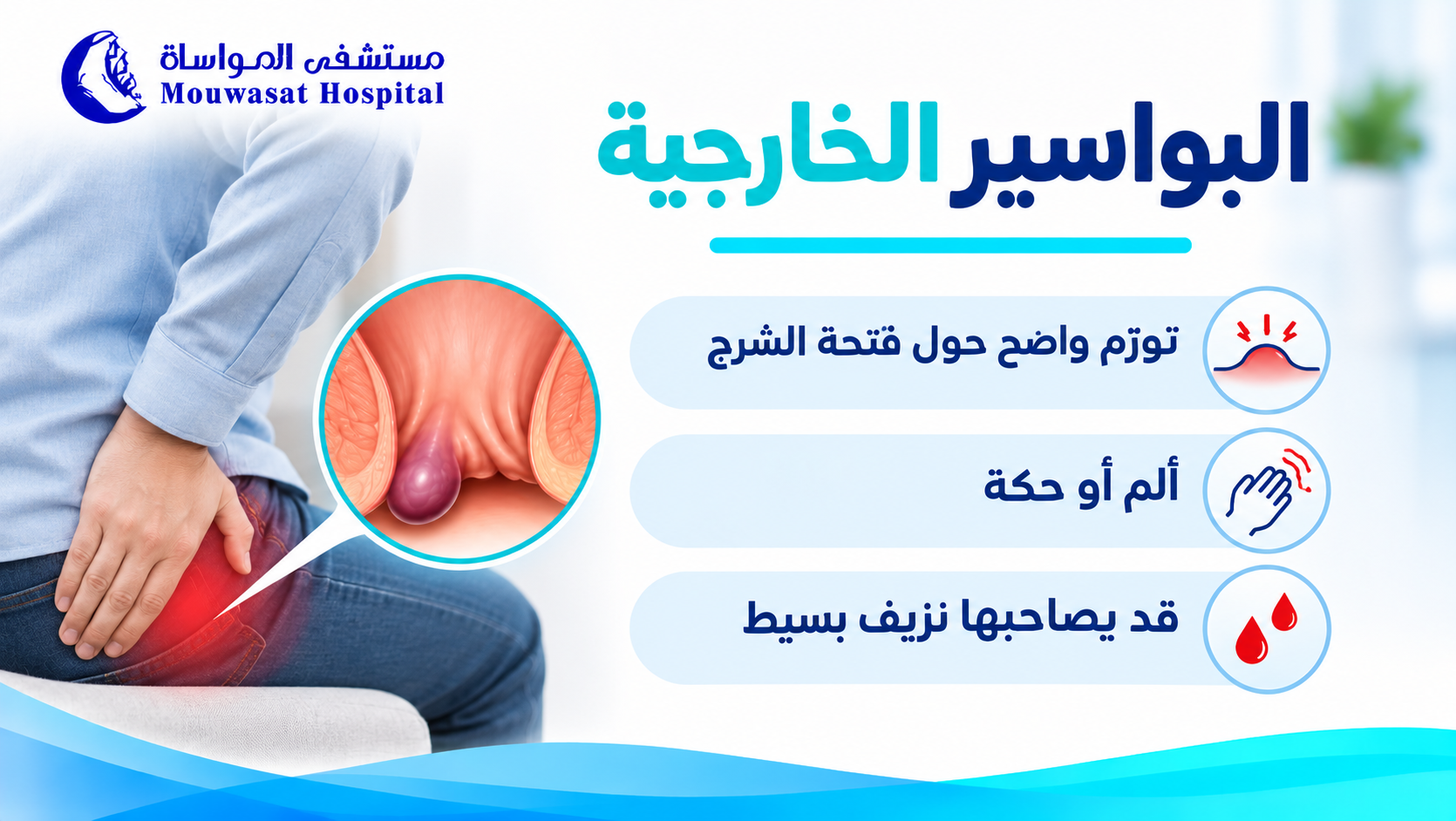
- External hemorrhoids develop beneath the skin around the anus in an area that is sensitive to pain.
- They may cause a lump, swelling, itching, or discomfort.
- A thrombosed external hemorrhoid often causes sudden severe pain and a firm, tender lump.
- Many thrombosed external hemorrhoids improve gradually without surgery.
- Selected patients with severe symptoms may benefit from early excision, but there is no universally proven fixed time window.
- A painless skin tag can remain after the clot and swelling resolve.
- Do not cut, puncture, or drain an anal lump yourself.
- Increasing redness, fever, drainage, or systemic symptoms can suggest another condition such as an abscess.
- What are external hemorrhoids?
- What do external hemorrhoids look like?
- What is a thrombosed external hemorrhoid?
- Why do external hemorrhoids become swollen or painful?
- Do external hemorrhoids go away?
- Why can a lump remain afterward?
- How are external hemorrhoids treated without surgery?
- When can early excision help?
- Is the 48–72 hour rule absolute?
- Can you drain a thrombosed hemorrhoid yourself?
- Is every painful anal lump a hemorrhoid?
- When should you see a doctor?
- Frequently asked questions
What Are External Hemorrhoids?
External hemorrhoids arise below the dentate line and are covered by sensitive anoderm and skin.[1]
This anatomy explains why external hemorrhoidal problems can be significantly more painful than uncomplicated internal hemorrhoids.
Non-thrombosed external hemorrhoids may cause:
- A lump or swelling around the anus.
- Itching or irritation.
- Pressure or discomfort.
- Difficulty with hygiene in some patients.[2]
What Do External Hemorrhoids Look Like?
There is no single appearance.
An external hemorrhoid may look like a skin-covered lump or swelling at the anal opening. It may be soft or firmer depending on inflammation and whether a blood clot is present.
A thrombosed external hemorrhoid may appear:
- Firm and very tender.
- Swollen.
- Bluish, purple, or darker because of blood trapped beneath the skin.[2]
Several anal and skin conditions can produce lumps or color changes. Comparing your symptoms with internet photographs is not a reliable substitute for examination when the diagnosis is uncertain.
What Is a Thrombosed External Hemorrhoid?
A thrombosed external hemorrhoid develops when a blood clot forms inside external hemorrhoidal tissue.
The classic presentation is sudden pain with a tender, non-reducible lump at the anal verge.[1]
Pain is often most intense during the early phase and then gradually improves as the body begins to resorb the clot.
Is the Blood Clot Dangerous?
This is not the same type of clot as a deep-vein thrombosis in the leg, and it does not travel to the lungs in the same way.
The main problem is local pain, swelling, and inflammation.
Why Do External Hemorrhoids Become Swollen or Painful?
Hemorrhoidal disease is associated with pressure and congestion in the anorectal tissues.
Factors commonly associated with hemorrhoids include:
- Constipation and straining.
- Prolonged toilet sitting.
- Recurrent diarrhea.
- Pregnancy.
- Frequent heavy lifting.
- Other conditions that increase abdominal pressure.[3]
A thrombosis can sometimes follow a period of increased pressure or straining, although a clear trigger cannot always be identified.
Do External Hemorrhoids Go Away on Their Own?
Many external hemorrhoidal episodes improve without surgery.
In thrombosed external hemorrhoids, the body can gradually resorb the clot and the pain and swelling often decrease with time.[1]
However, improvement in pain may occur before the lump disappears completely.
Clot resorption and tissue shrinkage take time, so it is possible to feel significantly better while still noticing a small external lump.
Why Can a Lump Remain After an External Hemorrhoid Improves?
After swelling or thrombosis resolves, stretched skin can remain as an anal skin tag.[2]
This can feel like a persistent external lump even though active thrombosis and inflammation have resolved.
Does a Skin Tag Need to Be Removed?
Not usually if it causes no symptoms.
Removal may be discussed if it repeatedly interferes with hygiene or causes significant irritation, after confirming that the lump is actually a skin tag.

How Are External Hemorrhoids Treated Without Surgery?
When symptoms are manageable and there is no reason for urgent intervention, treatment focuses on relieving discomfort and reducing repeated pressure during bowel movements.
This may include:
- Increasing dietary fiber.
- Maintaining appropriate hydration.
- Avoiding straining.
- Reducing time spent sitting on the toilet.
- Warm sitz baths for comfort.
- Appropriate pain relief or topical treatments when suitable.[1][3]
For the complete treatment ladder, see Hemorrhoid Treatment: When Is Conservative Care Enough and When Is a Procedure Needed?.
When Can Early Excision Help a Thrombosed External Hemorrhoid?
Current ASCRS guidance states that selected patients with thrombosed external hemorrhoids may benefit from early surgical excision.[1]
It may be considered when:
- Pain is severe.
- The thrombosed lump is large and very uncomfortable.
- Symptoms significantly interfere with sitting, sleeping, or daily activities.
- Clinical examination suggests that excision is likely to produce faster relief.
A 2026 systematic review and meta-analysis found that surgical treatment was associated with lower recurrence of thrombosed external hemorrhoids than conservative management, although treatment decisions still need to balance procedural discomfort, recovery, and patient preferences.[4]
Is the 48–72 Hour Rule for Thrombosed External Hemorrhoids Absolute?
No.
A commonly repeated rule states that excision is appropriate only during the first 48 or 72 hours and should not be considered afterward.
However, current ASCRS guidance notes that the available evidence does not establish one optimal fixed time window for choosing surgical rather than non-operative treatment.[1]
Pain severity, duration, clot size, whether symptoms are already improving, general health, and patient preferences all influence the decision. A person should not avoid assessment simply because a certain number of hours has passed.
Can You Drain a Thrombosed Hemorrhoid at Home?
No.
Do not cut, puncture, squeeze, or attempt to remove the clot yourself.
Doing so may lead to:
- Significant bleeding.
- Infection.
- Damage to surrounding tissue.
- Delayed diagnosis if the lump is not actually a hemorrhoid.
A severely painful lump near the anus should be examined rather than opened or drained at home.
Is Every Painful Anal Lump an External Hemorrhoid?
No.
Other possible causes include:
- Perianal abscess.
- Anal fissure with a chronic skin tag.
- Anal fistula.
- Skin cysts or localized inflammation.
- Other prolapsing anorectal tissue.
Thrombosed Hemorrhoid or Perianal Abscess?
A thrombosed external hemorrhoid generally produces a tender lump at the anal verge without systemic illness.
A perianal abscess can cause increasing pain, swelling, redness, and sometimes fever, chills, or drainage.[5]
| Feature | Thrombosed External Hemorrhoid | Perianal Abscess |
|---|---|---|
| Lump | Firm, tender lump at the anal verge | Tender swelling that may be red and warm |
| Color | May be blue or purple | Skin may become red and inflamed |
| Fever or chills | Not typical | May occur |
| Treatment | Conservative care or excision in selected cases | Requires prompt medical assessment and treatment |
If the main symptom is severe pain during and after bowel movements, see Hemorrhoid Symptoms: Bleeding, Pain, and Warning Signs for the distinction from an anal fissure.
When Should You See a Doctor for an External Hemorrhoid?
Medical assessment is appropriate when:
- A new, severely painful lump develops.
- Pain interferes significantly with sitting, sleeping, or normal activities.
- Pain and swelling are not gradually improving.
- External thrombosis repeatedly returns.
- Fever, chills, drainage, or increasing redness develops.
- Rectal bleeding is recurrent or unexplained.
- You are not certain that the lump is actually a hemorrhoid.
The General Surgery Department at Mouwasat Hospital provides evaluation and treatment for anorectal conditions including hemorrhoids, anal fissures, and fistulas.

Frequently Asked Questions About External Hemorrhoids
What do external hemorrhoids look like?
They can appear as a skin-covered lump or swelling at the anal opening. When thrombosed, the lump may become firm, very painful, and blue or purple.
Are external hemorrhoids dangerous?
They are usually not dangerous themselves, although thrombosis can cause severe pain. Other painful anal conditions such as an abscess must sometimes be excluded.
Do external hemorrhoids go away on their own?
Many episodes improve gradually with conservative treatment, and the body can resorb an external clot over time.
How long does an external hemorrhoid take to go away?
There is no single duration for everyone. Pain may improve well before the swelling or lump disappears completely.
Can a lump remain after a hemorrhoid improves?
Yes. A painless anal skin tag may remain after a previous thrombosed external hemorrhoid resolves.[2]
Does a thrombosed external hemorrhoid have to be removed within 72 hours?
No fixed 72-hour rule applies to every patient. Selected patients benefit from early excision, but current guidance does not establish one universally optimal time window.[1]
Can I pop an external hemorrhoid?
No. Do not puncture or drain an anal lump yourself because of the risks of bleeding, infection, and incorrect diagnosis.
Will hemorrhoid cream make an external hemorrhoid disappear?
Topical treatment may relieve itching, irritation, or discomfort in some patients, but it does not instantly dissolve a blood clot or remove every external lump.
How can I tell an external hemorrhoid from an abscess?
An abscess often causes progressive pain, swelling, and redness and may be associated with fever or drainage, while a thrombosed hemorrhoid is a clot within external hemorrhoidal tissue.[5]
When should an anal lump be examined?
New or severely painful lumps, increasing swelling, fever, drainage, recurrent bleeding, or a lump of uncertain cause should be medically assessed.
Final Thoughts: Not Every External Hemorrhoid Needs Surgery
External hemorrhoids can cause swelling, irritation, and a lump around the anus, and they may become intensely painful when thrombosis occurs.
Many cases gradually improve with conservative care, and the body can resorb an external clot over time.
However, selected patients with severe thrombosed external hemorrhoids may benefit from early excision. The decision should not be based on a rigid “72-hour rule” alone, but on pain severity, clinical findings, symptom progression, and individual circumstances.
A small lump that remains after the pain resolves may simply be a skin tag rather than ongoing active hemorrhoidal disease.
Most importantly, do not attempt to drain an anal lump yourself and do not assume every painful swelling is a hemorrhoid, because conditions such as a perianal abscess require a different treatment pathway.
Medical disclaimer: This article is intended for general health education and does not replace individualized medical assessment or surgical decision-making.
Medical References
- American Society of Colon and Rectal Surgeons — Clinical Practice Guidelines for the Management of Hemorrhoids, 2024
- American Society of Colon and Rectal Surgeons — Hemorrhoids: Expanded Information
- National Institute of Diabetes and Digestive and Kidney Diseases — Treatment of Hemorrhoids
- Surgical versus Conservative Treatment of Thrombosed External Hemorrhoids — Systematic Review and Meta-analysis, 2026
- American Society of Colon and Rectal Surgeons — Abscess and Fistula: Expanded Information