

Breast cancer is not a single disease with one presentation or one treatment. It is a group of cancers that develop when abnormal cells in breast tissue begin growing out of control. Most breast cancers begin in the milk ducts or milk-producing lobules. Some remain confined to their site of origin, while invasive cancers can grow into surrounding breast tissue and may spread to lymph nodes or other organs. [1]
Breast cancer is also not diagnosed simply by feeling a lump. Some cancers are detected on mammography before symptoms appear, while others first cause a change in the breast, skin or nipple. When imaging identifies a suspicious area, a biopsy is needed to determine whether the cells are cancerous. Further testing then helps establish the cancer's biological features and guide treatment. [2]
Breast cancer develops when cells in the breast begin to grow abnormally and uncontrollably. Most breast cancers start in the ducts that carry milk or in the lobules that produce it. [1]
Abnormal cells can initially remain confined to where they started, known as in situ disease. If they grow through surrounding tissue, the cancer becomes invasive. Some invasive cancers can reach nearby lymph nodes and later spread to distant organs. [1]
Yes. Breast cancer is overwhelmingly more common in women, but men can develop it as well. The World Health Organization estimates that approximately 0.5% to 1% of breast cancers occur in men. [1]
No. Breast cancers differ in where they begin, their microscopic characteristics, their biological behaviour and their response to treatment.
At a basic level, breast cancer may be described as:
After a biopsy, however, doctors also assess biological characteristics such as estrogen and progesterone receptors and HER2 because these findings can directly affect treatment choices. [3]
There is no single cause that explains every breast cancer. Having a risk factor does not mean that cancer will occur, and having no obvious risk factors does not mean that a woman is protected.
The World Health Organization reports that approximately 80% of breast cancers occur in women without specific identifiable risk factors other than sex and age. [1]
Factors associated with increased risk include:
This is why the absence of a family history should not be used to dismiss a new breast symptom or appropriate screening. [1]
Early breast cancer may cause no noticeable symptoms and can sometimes be detected by imaging before a woman can feel anything.
Possible signs include:
These signs do not diagnose breast cancer. Many are caused by benign conditions, but a new or unusual breast change should be medically assessed. [2]

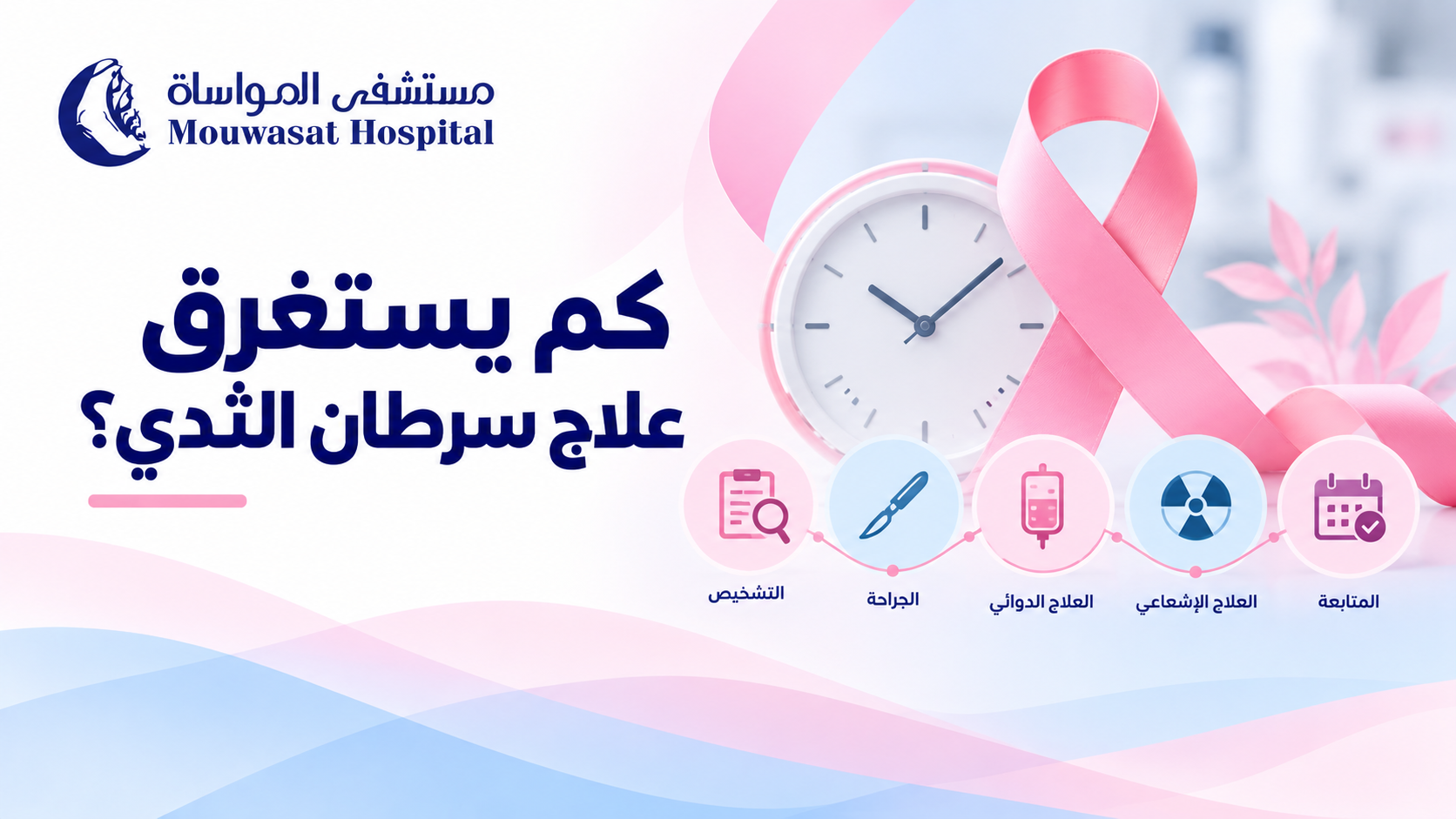
Diagnosis is a pathway rather than a single test.
A woman may enter this pathway because screening detected an abnormality before symptoms developed, or because she noticed a breast lump, nipple change, discharge, skin change or another symptom.
Assessment may include a clinical breast examination, mammography, breast ultrasound and, when indicated, other imaging. If the finding remains suspicious, a biopsy is performed. [2]
No. Imaging can show that an area is suspicious and help doctors characterise it, but imaging alone cannot prove that the cells are cancerous.
Mammography, ultrasound, MRI or a combination may be used depending on the patient's age, symptoms, breast characteristics and level of risk.
When imaging identifies an area that needs further evaluation, a biopsy removes a small sample of tissue so that it can be examined in a laboratory.
The Saudi Ministry of Health identifies biopsy as the definitive method for diagnosing breast cancer. The tissue can also be tested to determine tumour characteristics, grade and receptor status. [2]
Being referred for a biopsy therefore does not mean that cancer has already been diagnosed. It means that imaging has identified a question that requires tissue analysis for a reliable answer.
Once cancer is confirmed, knowing its stage is not enough. Doctors also need to understand what is driving the tumour biologically.
| Marker | What it means | Why it matters |
|---|---|---|
| ER | Estrogen receptor. | ER-positive cancers may respond to endocrine therapy. |
| PR | Progesterone receptor. | Together with ER, it helps define hormone sensitivity. |
| HER2 | A protein that is present at high levels in some breast cancers. | HER2-positive cancers may be treated with HER2-targeted therapies. |
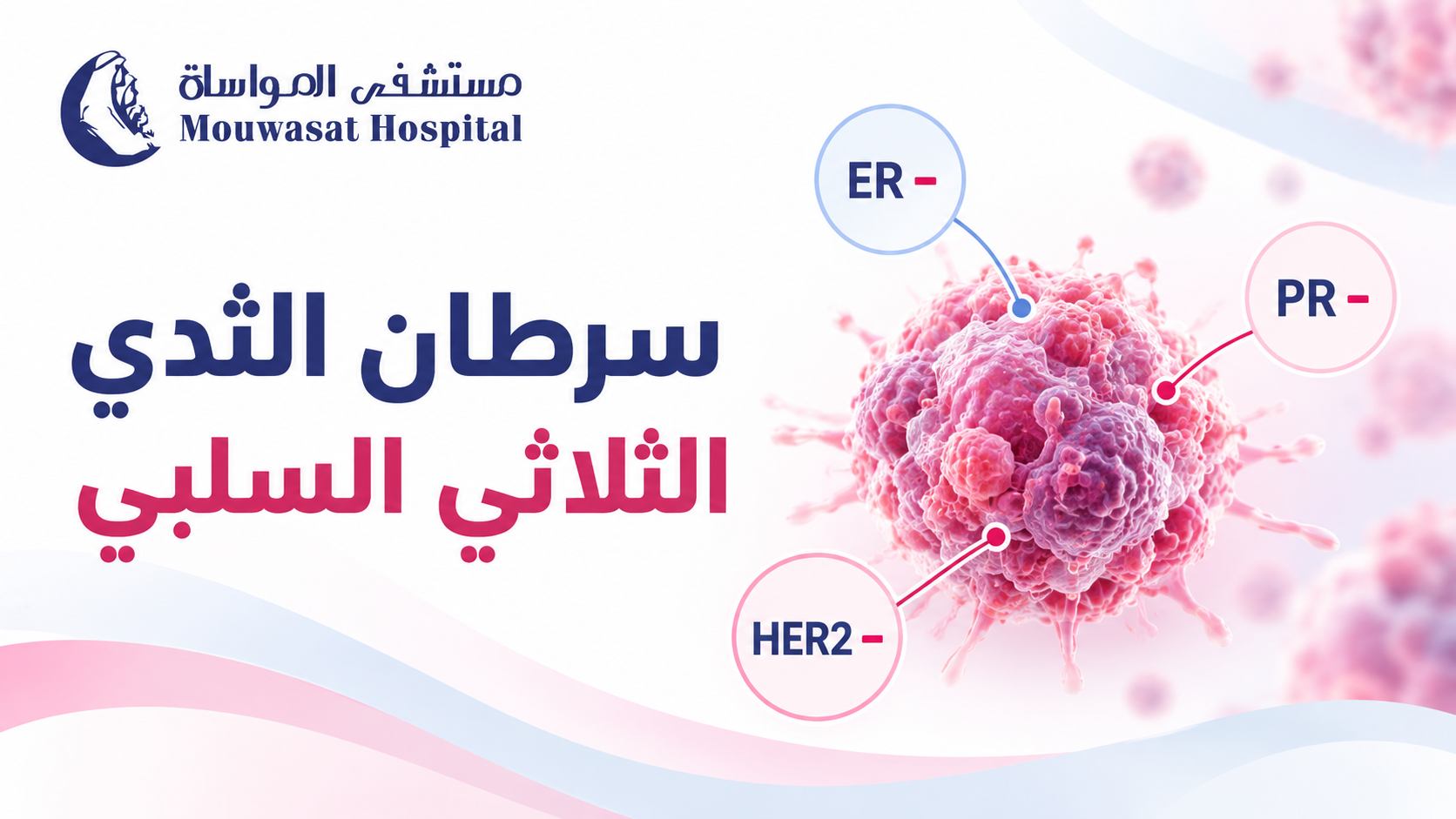
Triple-negative breast cancer does not express ER or PR and does not have HER2 overexpression, so its treatment strategy differs from hormone receptor-positive and HER2-positive disease. [1] [3]
| Information | Question it answers |
|---|---|
| Type / subtype | What kind of cancer is it and what are its biological features? |
| Stage | How far has the cancer spread within the breast, lymph nodes or elsewhere? |
| Grade | How abnormal do the cancer cells look and what may this suggest about their growth behaviour? |
Two patients can therefore have breast cancer at the same stage and still receive different treatment because the biology of their tumours is different.
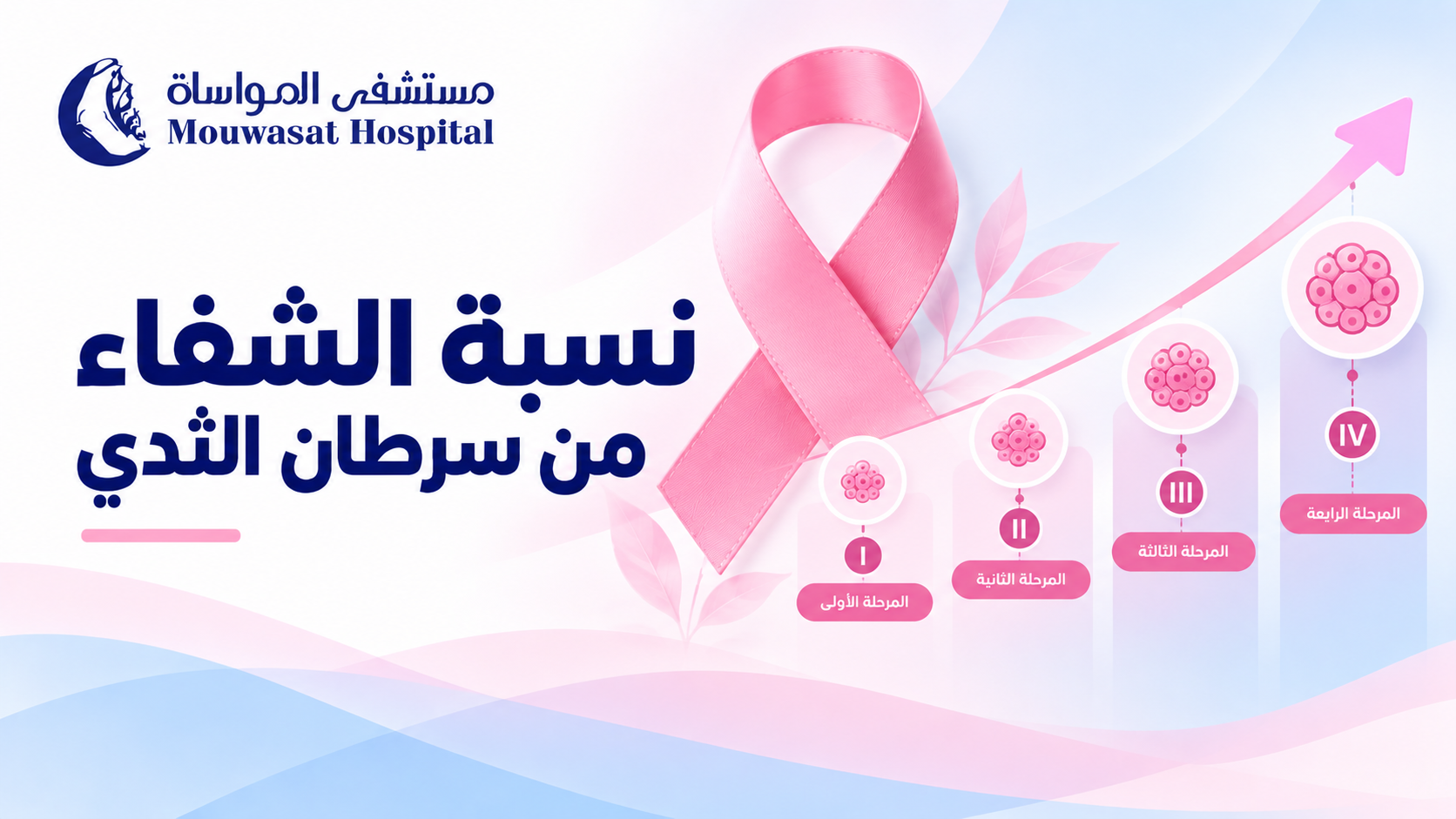
Breast cancer is generally staged from 0 to IV. Modern staging considers more than tumour size. It incorporates tumour and lymph-node involvement, distant spread, tumour grade and biological markers such as ER, PR and HER2. [4]
| Stage | General meaning |
|---|---|
| 0 | Non-invasive disease such as ductal carcinoma in situ (DCIS). |
| I | Early invasive cancer that remains relatively limited. |
| II | A larger tumour and/or involvement of some nearby lymph nodes, depending on the specific findings. |
| III | Locally advanced disease involving nearby tissues and/or more extensive regional lymph nodes, without distant metastasis. |
| IV | Breast cancer that has spread to a distant organ. |
This table is only a simplified overview. Formal staging is more detailed and cannot be determined from tumour size or symptoms alone. [4]
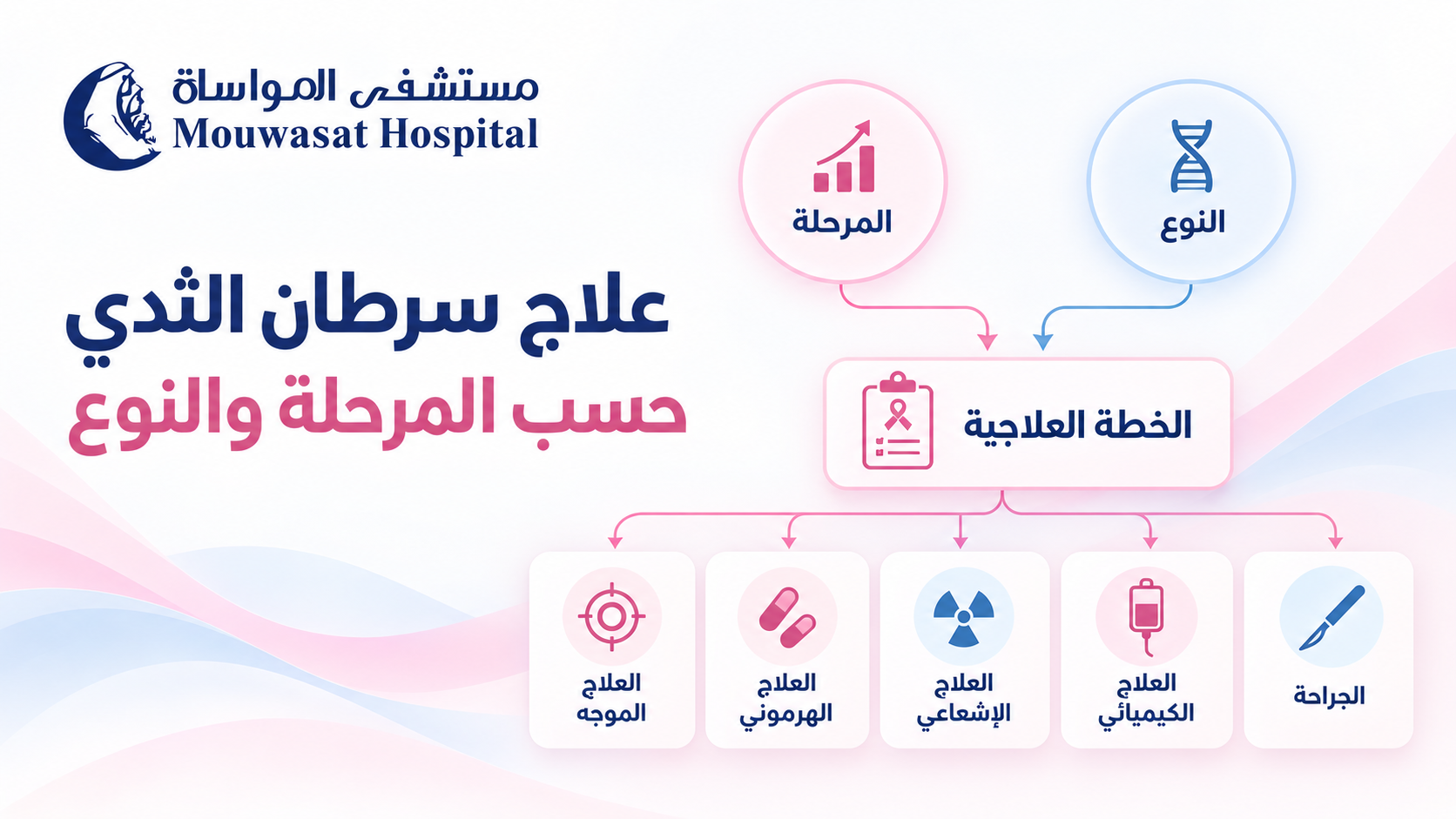
There is no universal breast cancer treatment plan. Treatment depends on factors including:
For this reason, two patients with the same numerical stage can receive different treatment combinations. [3] [5]
Surgery may remove the tumour and a margin of surrounding tissue while preserving the rest of the breast, or may involve mastectomy in other cases. The choice depends on the tumour, its extent, the ability to use radiation therapy and individual clinical considerations.
Nearby lymph nodes may also need to be assessed, including sentinel lymph-node biopsy when appropriate. [1]
Radiation therapy targets a defined area with high-energy radiation to reduce the risk of cancer returning locally. It is commonly used after breast-conserving surgery and may also be recommended after mastectomy in selected situations. [3]
Chemotherapy is systemic treatment that reaches cancer cells through the bloodstream. It can be given before surgery, after surgery or as part of treatment for advanced disease, depending on the cancer's characteristics.
Hormone receptor-positive breast cancers may respond to medicines that block hormone signalling or reduce hormonal stimulation of the cancer. [1]
Targeted therapies act on specific abnormalities within cancer cells. HER2-positive breast cancer is an important example because treatments are available that specifically target the HER2 pathway.
Immunotherapy can be used in selected breast cancers based on tumour type, stage and relevant test results. It is not routinely appropriate for every person with breast cancer.

There is an important difference between early diagnosis and screening.
Saudi Ministry of Health guidance uses mammography for breast cancer screening in women aged 40 to 69 years. Women with higher inherited or medical risk may require a different strategy. [6]
Not every breast cancer can be prevented. Many risk factors cannot be changed, and cancer can occur even without a known family history.
However, some modifiable risks may be reduced through:
Risk reduction is not a guarantee of prevention and does not replace appropriate screening or evaluation of new symptoms. [1]
Yes. Many breast cancers can be treated successfully, particularly when they are detected and treated early. There is, however, no single survival or cure percentage that applies to every patient. [1]
Outcome depends on factors such as:
Stage IV breast cancer has spread to a distant part of the body. Treatment generally focuses on controlling the cancer, slowing its progression, relieving symptoms, prolonging life and maintaining quality of life, with treatment selected according to the tumour's biology and the individual patient's situation. [5]
Together, these answers provide a much more useful picture than the words “breast cancer” or a stage number alone.
Breast cancer is a group of diseases that differ in where they begin, their biological features, their extent and their response to treatment. It may be found because of a breast change or detected through screening before any symptoms develop.
Imaging helps assess suspicious findings, but biopsy confirms the diagnosis. Stage, grade, ER and PR receptor status, HER2 and other clinical information then help the multidisciplinary team design the treatment strategy.
Treatment may involve surgery, radiation therapy, chemotherapy, endocrine therapy, targeted therapy or immunotherapy, often in combination and in an order tailored to the individual cancer.
The key message is not to wait for a “classic” symptom. Know what is unusual for you, seek assessment for new breast changes and use appropriate screening based on age and individual risk.
For specialist evaluation and care, visit Oncology at Mouwasat Hospital.