How can i help you?
Latest Blogs
Explore All





Vitamin D 50,000 IU is a high-strength dose compared with the amount most people normally need each day. It may be used by healthcare professionals in selected cases where vitamin D treatment is medically indicated.
It should not, however, be treated as a routine daily supplement. There is no single dosing schedule that is appropriate for everyone, and high-dose vitamin D should be used according to an individual treatment plan. [1]
The number 50,000 IU refers to the amount of vitamin D contained in a dose or capsule. IU stands for International Units.
For comparison, most healthy adults usually need around 600 IU per day, increasing to around 800 IU daily after age 70. A 50,000 IU dose is therefore much higher than normal daily nutritional requirements. [1]
| Amount | What it represents |
|---|---|
| 600 IU | Usual daily requirement for most adults up to age 70. |
| 800 IU | Usual daily requirement for adults older than 70. |
| 50,000 IU | A high dose that may be used medically in selected circumstances. |
For an overview of vitamin D requirements, sources and benefits, read our complete guide to vitamin D.
A healthcare professional may use high-dose vitamin D when there is a clear medical reason for treatment, including selected cases of confirmed vitamin D deficiency.
Treatment should not be based on symptoms such as fatigue or body aches alone because vitamin D deficiency symptoms can be nonspecific and may have many other causes.
When testing is clinically appropriate, vitamin D status is usually assessed using a 25-hydroxyvitamin D or 25(OH)D blood test. [1]
Read more about vitamin D levels and blood testing.
There is no universal schedule for vitamin D 50,000 IU.
The treatment plan may depend on:

Vitamin D 50,000 IU should not be taken every day without specific medical instructions.
The usual tolerable upper intake level for adults and people aged 9 years and older is 4,000 IU per day under normal circumstances. Healthcare professionals may sometimes use amounts above this level for medical treatment, but this is different from routine self-supplementation. [1]
There is no single timeline that applies to everyone. Vitamin D levels change gradually after treatment begins, while the response varies according to the severity and cause of deficiency, absorption and adherence to treatment.
Symptoms may also improve at a different rate from the vitamin D level itself, particularly because symptoms such as fatigue and body aches can have causes unrelated to vitamin D.
Vitamin D is a fat-soluble vitamin. Follow the instructions provided by the healthcare professional managing your treatment and the directions for the specific product.
More important than choosing a particular time of day is following the prescribed schedule without changing the number or frequency of doses yourself.
Read more about the best time to take vitamin D.
High-dose vitamin D can be used medically when appropriate, but excessive vitamin D intake from supplements can raise calcium levels in the blood and cause vitamin D toxicity. [1] [2]
Possible signs of excessive vitamin D intake include:
Severe toxicity may lead to more serious kidney or heart complications. [1]
If you accidentally repeat a 50,000 IU dose or take more than prescribed, do not continue taking additional doses before checking with a healthcare professional or pharmacist.
The appropriate assessment depends on the amount taken, the number of doses, age, health conditions and other medicines or supplements.
Seek prompt medical assessment if significant or unusual symptoms develop after excessive intake.
Some people receiving high-dose treatment may require follow-up testing of vitamin D or calcium depending on the reason for treatment and their medical circumstances. [2]
This does not mean that every healthy person needs routine vitamin D testing. The 2024 Endocrine Society guideline recommends against routine 25(OH)D screening in generally healthy adults without another medical reason for testing. [3]
Seek medical advice if:
Learn more about vitamin D deficiency causes and risk factors.

Yes. It is much higher than routine daily requirements and is generally used for selected medical purposes rather than as a standard daily supplement.
Do not take it every day unless a healthcare professional has specifically instructed you to do so for a medical reason.
There is no fixed timeline. The response depends on the severity and cause of deficiency, absorption and the individual treatment plan.
It may be used safely when medically appropriate, but excessive or incorrectly repeated high doses can increase the risk of vitamin D toxicity and high blood calcium.
No. A higher dose is not automatically better. The appropriate amount depends on why treatment is needed. In adults aged 50 years and older who have an indication for vitamin D treatment, recent Endocrine Society guidance favors lower daily doses over intermittent higher doses. [3]
Vitamin D 50,000 IU is a high-strength dose that may be used for selected medical indications, but it should not be treated as a routine daily supplement.
There is no single dosing schedule or timeline that is right for everyone. The safest approach is to use high-dose vitamin D only according to an appropriate treatment plan and avoid increasing or repeating doses without medical guidance.
Vitamin D for children plays an important role in normal bone development because it helps the body absorb calcium and supports healthy bones and muscles. Severe or prolonged deficiency can weaken growing bones and lead to rickets. [1] [2]
However, not every child needs the same supplement or the same number of drops. Vitamin D needs vary with age, feeding pattern and medical circumstances, while supplement concentrations can differ considerably between products.
Vitamin D's best-established role during childhood is supporting healthy bone development. It helps the body absorb calcium, which is essential for building and maintaining strong bones and teeth. [2]
Vitamin D is also involved in normal muscle and immune function. The 2024 Endocrine Society guideline suggests appropriate vitamin D intake or supplementation for children and adolescents aged 1 to 18 years, particularly to help prevent nutritional rickets. [4]
For a broader overview, read our complete guide to vitamin D.
| Age | Recommended daily amount |
|---|---|
| Birth to 12 months | 400 IU (10 mcg) |
| 1–13 years | 600 IU (15 mcg) |
| 14–18 years | 600 IU (15 mcg) |
These values are dietary reference amounts for generally healthy children. They are not treatment doses for a diagnosed vitamin D deficiency. [2]
Breast milk alone usually does not provide enough vitamin D for an infant.
The CDC recommends that exclusively or partially breastfed infants receive 400 IU of vitamin D each day, beginning shortly after birth. [1]
Babies who are exclusively formula-fed may receive enough vitamin D from fortified infant formula if they drink sufficient amounts. According to the CDC, supplementation is generally not required once an infant drinks around 32 ounces of fortified formula per day. [1]
There is no single number of drops that applies to every vitamin D product.
Different preparations contain different amounts of vitamin D in each drop or millilitre. One product may provide the required amount in a single drop, while another may require a different volume.
Before giving a supplement, check:
If the concentration is unclear, ask your child's doctor or pharmacist rather than estimating the number of drops.
| Source | Examples |
|---|---|
| Fish | Salmon and some types of tuna appropriate for the child's age. |
| Eggs | Egg yolks contain small amounts of vitamin D. |
| Fortified foods | Some milk, yoghurt and breakfast cereals. |
| Infant formula | Infant formula is typically fortified with vitamin D. |
Cow's milk should not be used as a baby's main drink before 12 months of age. [1]
Mild deficiency may not cause obvious symptoms. Severe or prolonged deficiency, however, can affect growing bones and may lead to rickets.
Possible signs of significant deficiency or rickets can include:
These symptoms cannot confirm vitamin D deficiency on their own. [5]
Read more about vitamin D deficiency symptoms.
Learn more about vitamin D deficiency causes and risk factors.
The skin can make vitamin D when exposed to UVB radiation, but the amount produced varies considerably according to factors such as age, skin pigmentation, clothing, season and exposure. There is therefore no single amount of sun exposure that is appropriate for every child. [3]
Infants should not be intentionally exposed to direct sunlight as a strategy for obtaining vitamin D. Sun protection remains important, particularly for babies. [3]
Very high vitamin D intake from supplements can be harmful, which is why supplements should be stored safely and used only in the appropriate amount. [2]
Speak with a paediatric healthcare professional if:
If testing is recommended, read our guide to vitamin D levels and blood testing.
There is no single product that is best for every child. The important factors are a clear concentration, an age-appropriate amount and correct use according to healthcare guidance.
There is no universal number of drops because concentrations vary between products. Always check how many IU are contained in each drop or millilitre.
The general dietary reference amount for children aged 1 to 18 years is 600 IU per day. Treatment doses for a diagnosed deficiency may be different and should be determined by a healthcare professional. [2]
Not necessarily. It depends on the child's age, the type and amount of milk consumed, other dietary sources and individual circumstances.
Severe and prolonged deficiency can interfere with normal bone development and cause rickets. [5]
Vitamin D for children is important for normal bone development. Infants need approximately 400 IU per day, while children and adolescents aged 1 to 18 years generally need 600 IU per day.
However, the number of drops is not the same for every supplement because product concentrations vary. Always check the concentration carefully and avoid high-dose treatment without medical guidance.


Fatigue, dizziness and hair loss are often blamed on vitamin D deficiency, but these symptoms do not automatically mean that vitamin D levels are low. In fact, some people with low vitamin D have no noticeable symptoms at all.
Problems tend to become more apparent when deficiency is severe or prolonged, particularly because vitamin D is important for healthy bones and muscles. Symptoms alone, however, cannot confirm a vitamin D deficiency. [1] [2]
Not everyone with low vitamin D develops noticeable symptoms. When symptoms do occur, they may include:
For a broader overview of vitamin D, including its sources, benefits and testing, read our complete guide to vitamin D.
Severe or long-term vitamin D deficiency can have a more noticeable effect on bones and muscles.
In adults, significant deficiency can contribute to osteomalacia, a condition in which bones become softer and weaker. Possible symptoms include:
In children, severe vitamin D deficiency may cause rickets, which affects normal bone development. [1] [3]
Read more in our guide to vitamin D for children.
Many symptoms are commonly attributed to low vitamin D online. It is important to distinguish between symptoms that are well recognised in significant deficiency and conditions that have only been associated with low vitamin D in some studies.
| Question | What does the evidence suggest? |
|---|---|
| Can vitamin D deficiency cause dizziness? | Dizziness is not a core symptom used to identify vitamin D deficiency. Research has found an association between low vitamin D and a specific recurrent form of vertigo, but dizziness has many other possible causes. [4] |
| Can vitamin D deficiency cause hair loss? | Lower vitamin D levels have been reported in people with certain types of hair loss. This does not mean that all hair loss is caused by vitamin D deficiency. [5] |
| Can vitamin D deficiency cause depression? | Low vitamin D levels have been associated with depressive symptoms in research, but depression has many possible causes. Vitamin D status alone should not be used to diagnose or explain depression. [2] [6] |
| Can vitamin D deficiency cause headaches? | Headache is not a specific sign of vitamin D deficiency and should not automatically be attributed to low vitamin D without considering other possible causes. |
Symptoms alone cannot confirm vitamin D deficiency. When clinically indicated, vitamin D status is assessed using a blood test that measures 25-hydroxyvitamin D, or 25(OH)D.
This does not mean everyone who feels tired or has muscle aches needs a vitamin D test. The Endocrine Society recommends against routine vitamin D screening in generally healthy adults who do not otherwise have a medical reason for testing. [7]
Learn more about blood testing and interpretation in our guide to vitamin D levels and testing.
Risk may be higher in people with factors such as:
For a more detailed explanation, read causes and risk factors for vitamin D deficiency.
Consider medical advice if you have persistent or unexplained symptoms such as bone pain or muscle weakness, or if you have factors that increase your likelihood of vitamin D deficiency.
New, severe or persistent symptoms should not automatically be blamed on vitamin D deficiency, as they may require assessment for other possible causes.
There is no single reliable first symptom. Some people experience no symptoms, while others may notice fatigue or muscle and bone discomfort. These symptoms can also occur for many other reasons.
The main concern with severe, prolonged deficiency is its effect on bones and muscles. It can contribute to osteomalacia in adults and rickets in children. [1] [3]
Symptoms cannot confirm deficiency. If there is a clinical reason to investigate, a healthcare professional may request a 25(OH)D blood test.
Fatigue can occur with vitamin D deficiency, but it is highly nonspecific and has many other possible causes.
Not necessarily. The need for supplementation and the appropriate amount vary between individuals. High-dose vitamin D should not be taken without medical supervision. Read more about vitamin D 50,000 IU.
Vitamin D deficiency symptoms are often nonspecific, and some people may have no symptoms at all. Bone pain and muscle weakness are among the findings more closely associated with significant or prolonged deficiency, while symptoms such as tiredness, dizziness, headache, hair loss and mood changes cannot confirm the diagnosis on their own.
If symptoms persist or you have risk factors for deficiency, a healthcare professional can assess whether vitamin D testing or other investigations are appropriate.
Vitamin D for children plays an important role in normal bone development because it helps the body absorb calcium and supports healthy bones and muscles. Severe or prolonged deficiency can weaken growing bones and lead to rickets. [1] [2]
However, not every child needs the same supplement or the same number of drops. Vitamin D needs vary with age, feeding pattern and medical circumstances, while supplement concentrations can differ considerably between products.
Vitamin D's best-established role during childhood is supporting healthy bone development. It helps the body absorb calcium, which is essential for building and maintaining strong bones and teeth. [2]
Vitamin D is also involved in normal muscle and immune function. The 2024 Endocrine Society guideline suggests appropriate vitamin D intake or supplementation for children and adolescents aged 1 to 18 years, particularly to help prevent nutritional rickets. [4]
For a broader overview, read our complete guide to vitamin D.
| Age | Recommended daily amount |
|---|---|
| Birth to 12 months | 400 IU (10 mcg) |
| 1–13 years | 600 IU (15 mcg) |
| 14–18 years | 600 IU (15 mcg) |
These values are dietary reference amounts for generally healthy children. They are not treatment doses for a diagnosed vitamin D deficiency. [2]
Breast milk alone usually does not provide enough vitamin D for an infant.
The CDC recommends that exclusively or partially breastfed infants receive 400 IU of vitamin D each day, beginning shortly after birth. [1]
Babies who are exclusively formula-fed may receive enough vitamin D from fortified infant formula if they drink sufficient amounts. According to the CDC, supplementation is generally not required once an infant drinks around 32 ounces of fortified formula per day. [1]
There is no single number of drops that applies to every vitamin D product.
Different preparations contain different amounts of vitamin D in each drop or millilitre. One product may provide the required amount in a single drop, while another may require a different volume.
Before giving a supplement, check:
If the concentration is unclear, ask your child's doctor or pharmacist rather than estimating the number of drops.
| Source | Examples |
|---|---|
| Fish | Salmon and some types of tuna appropriate for the child's age. |
| Eggs | Egg yolks contain small amounts of vitamin D. |
| Fortified foods | Some milk, yoghurt and breakfast cereals. |
| Infant formula | Infant formula is typically fortified with vitamin D. |
Cow's milk should not be used as a baby's main drink before 12 months of age. [1]
Mild deficiency may not cause obvious symptoms. Severe or prolonged deficiency, however, can affect growing bones and may lead to rickets.
Possible signs of significant deficiency or rickets can include:
These symptoms cannot confirm vitamin D deficiency on their own. [5]
Read more about vitamin D deficiency symptoms.
Learn more about vitamin D deficiency causes and risk factors.
The skin can make vitamin D when exposed to UVB radiation, but the amount produced varies considerably according to factors such as age, skin pigmentation, clothing, season and exposure. There is therefore no single amount of sun exposure that is appropriate for every child. [3]
Infants should not be intentionally exposed to direct sunlight as a strategy for obtaining vitamin D. Sun protection remains important, particularly for babies. [3]
Very high vitamin D intake from supplements can be harmful, which is why supplements should be stored safely and used only in the appropriate amount. [2]
Speak with a paediatric healthcare professional if:
If testing is recommended, read our guide to vitamin D levels and blood testing.
There is no single product that is best for every child. The important factors are a clear concentration, an age-appropriate amount and correct use according to healthcare guidance.
There is no universal number of drops because concentrations vary between products. Always check how many IU are contained in each drop or millilitre.
The general dietary reference amount for children aged 1 to 18 years is 600 IU per day. Treatment doses for a diagnosed deficiency may be different and should be determined by a healthcare professional. [2]
Not necessarily. It depends on the child's age, the type and amount of milk consumed, other dietary sources and individual circumstances.
Severe and prolonged deficiency can interfere with normal bone development and cause rickets. [5]
Vitamin D for children is important for normal bone development. Infants need approximately 400 IU per day, while children and adolescents aged 1 to 18 years generally need 600 IU per day.
However, the number of drops is not the same for every supplement because product concentrations vary. Always check the concentration carefully and avoid high-dose treatment without medical guidance.
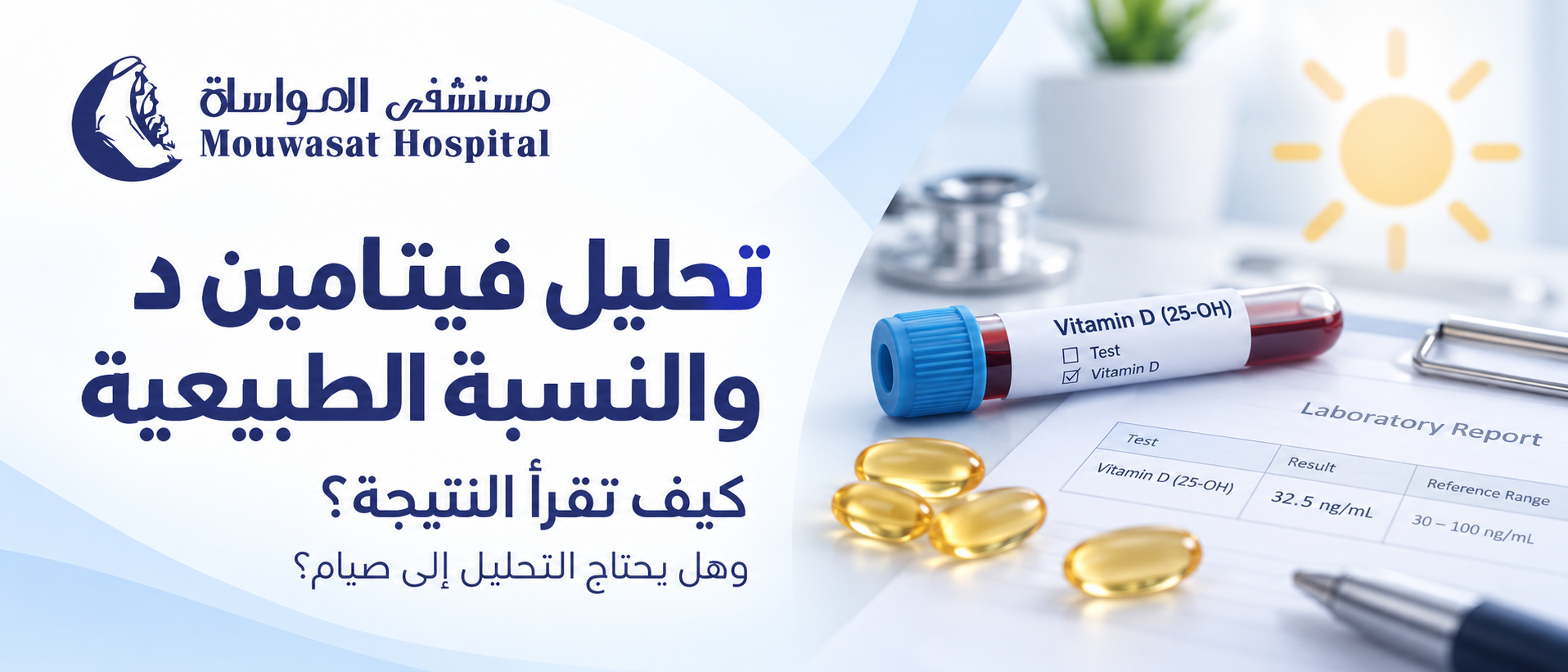
A vitamin D test may be used when a healthcare professional has a medical reason to assess vitamin D status. The main blood test used for this purpose measures 25-hydroxyvitamin D, or 25(OH)D. [1]
Interpreting the result involves more than comparing a number with the word "normal." Reference ranges can vary somewhat between laboratories, and current guidelines do not support a single universal target that has been proven to prevent disease in every healthy person. [1] [2]
A vitamin D blood test usually measures 25-hydroxyvitamin D [25(OH)D]. It is the main marker used to assess vitamin D status because it reflects vitamin D obtained from food and supplements as well as vitamin D produced by the skin. [1]
The 1,25-dihydroxyvitamin D test is generally not used to assess routine vitamin D stores and is reserved for different clinical situations.
For an overview of vitamin D sources, benefits and requirements, read our complete guide to vitamin D.
The test may appear on a request form or laboratory report under names such as:
According to the NIH Office of Dietary Supplements, 25(OH)D results can generally be interpreted as follows: [1]
| Result | General interpretation |
|---|---|
| Below 12 ng/mL Below 30 nmol/L |
Associated with vitamin D deficiency and possible effects on bone health. |
| 12 to <20 ng/mL 30 to <50 nmol/L |
Generally considered inadequate for bone health in some individuals. |
| 20 ng/mL or higher 50 nmol/L or higher |
Generally considered adequate for bone and overall health in most people. |
| Above 50 ng/mL Above 125 nmol/L |
May be associated with potential adverse effects, especially at persistently higher levels. |
First, confirm that the test is 25(OH)D and check which unit the laboratory used.
For example, a result of 18 ng/mL falls within the range that the NIH generally considers potentially inadequate, while a result of 25 ng/mL falls within the range considered adequate for most people for bone health. [1]
However, your healthcare professional may also consider:
Vitamin D test results may be reported in either nanograms per millilitre or nanomoles per litre.
For example, 20 ng/mL is equivalent to 50 nmol/L. [1]
General 25(OH)D interpretation does not use separate standard thresholds for healthy women and men. The result is interpreted according to the individual's health and the reason for testing.
During pregnancy and in certain medical conditions, clinical decisions about supplementation or follow-up may differ, but that does not mean that there is one separate universal "normal vitamin D level for women."
A vitamin D blood test usually does not require fasting. MedlinePlus notes that fasting is generally unnecessary, although laboratory instructions should always be followed. [3]
If other blood tests are being performed at the same time, one of those tests may require fasting.
Testing may be considered when there is a medical reason to know vitamin D status, such as:
Learn more about vitamin D deficiency causes and risk factors.
No. Routine vitamin D testing is not recommended for every healthy person.
The 2024 Endocrine Society guideline recommends against routine 25(OH)D screening in generally healthy adults who do not otherwise have a medical indication for testing. Clinical trials have also not established a specific 25(OH)D threshold that provides additional outcome-specific benefits for healthy people. [2]
Markedly elevated vitamin D levels are most often associated with excessive supplement intake rather than normal food intake or usual sun exposure.
The NIH notes that concentrations above 50 ng/mL, or 125 nmol/L, may be associated with adverse effects, with greater concern at substantially higher levels. [1]
If you are taking high-dose supplements, read our guide to vitamin D 50,000 IU.
Yes. Some people with low vitamin D have no noticeable symptoms. Bone pain or muscle weakness may occur with more significant or prolonged deficiency, but nonspecific symptoms cannot confirm the diagnosis.
Read more about vitamin D deficiency symptoms.
Consider medical advice if:
The NIH considers 20 ng/mL, or 50 nmol/L, and above generally adequate for bone and overall health in most people, although the result should be interpreted in clinical context. [1]
Not necessarily. Levels of 20 ng/mL or more are considered adequate for most people by the NIH, and current Endocrine Society guidance has not established a higher universal target that provides additional benefits for every healthy person. [1] [2]
Usually not. Fasting may still be required if other tests performed at the same time need it. [3]
It is commonly listed as 25(OH)D, 25-Hydroxy Vitamin D or Vitamin D, 25-OH.
General interpretation does not normally use separate reference thresholds based only on sex.
Routine annual testing is not recommended for generally healthy people without another medical indication. [2]
A vitamin D test usually measures 25(OH)D. According to the NIH, levels below 12 ng/mL are associated with deficiency, while levels of 20 ng/mL or higher are generally considered adequate for most people for bone health.
However, a "normal vitamin D level" should not be treated as a number that must be pushed as high as possible. Routine testing is not necessary for everyone, and abnormal results are best interpreted in the context of the person's overall health.

There are several possible causes of vitamin D deficiency. A person may not obtain enough vitamin D, may absorb it poorly from the digestive system, or may have a medical condition that affects how the body processes the vitamin.
Other factors may not directly cause deficiency on their own but can increase the likelihood of low vitamin D, including older age, obesity and limited sun exposure. [1] [2]
The main causes can be grouped into four simple categories:
| Cause | How it may lower vitamin D |
|---|---|
| Low intake | Not obtaining enough vitamin D from food or other sources. |
| Reduced skin production | Limited UV exposure reduces vitamin D production in the skin. |
| Poor absorption | Digestive conditions or certain surgical procedures may reduce absorption. |
| Reduced processing by the body | Certain liver, kidney and medication-related factors can interfere with vitamin D metabolism. |
For an overview of vitamin D requirements, sources and functions, read our complete guide to vitamin D.
Vitamin D occurs naturally in relatively few foods, which can make it difficult to obtain enough from unfortified food alone. [1]
Sources include:
The skin can produce vitamin D in response to ultraviolet radiation, so limited sun exposure can contribute to lower vitamin D status in some people. [1]
Skin production varies according to factors including:
Because vitamin D is fat-soluble, normal absorption of dietary fat is important for vitamin D absorption.
Conditions associated with impaired absorption include:
Gastric bypass surgery can also increase the risk of deficiency because part of the small intestine involved in vitamin D absorption is bypassed. [1] [2]
Vitamin D undergoes several steps inside the body before it can be used effectively, and both the liver and kidneys play important roles in this process.
Certain chronic liver or kidney conditions can therefore interfere with normal vitamin D metabolism. [2]
Some medicines can interfere with vitamin D absorption or metabolism.
Examples include:
Do not stop or change a prescribed medicine because of concerns about vitamin D. A healthcare professional can decide whether testing or supplementation is appropriate. [1]
People with obesity tend to have lower average blood levels of 25(OH)D. The NIH notes that people with a BMI of 30 or higher generally have lower vitamin D levels than people without obesity. [1]
This does not mean that obesity prevents the skin from producing vitamin D. Greater amounts of body fat affect how vitamin D is distributed and stored in the body.
It is also important to note that vitamin D supplementation alone is not a weight-loss treatment. [1]
Yes. With age, the skin becomes less efficient at producing vitamin D, and the kidneys may also become less efficient at converting vitamin D into the form the body uses. [1] [2]
Higher melanin levels reduce the skin's ability to produce vitamin D from the same amount of UV exposure.
This may increase the likelihood of lower vitamin D levels in people with darker skin, but darker skin alone does not mean that a person is deficient. [1]
The 2024 Endocrine Society guideline does not recommend routine vitamin D screening in otherwise healthy adults solely because they have a darker complexion. [3]
Human breast milk usually contains relatively little vitamin D, which is why exclusively or partially breastfed infants are among the groups at higher risk of inadequate vitamin D without an additional appropriate source. [1]
Read more in our guide to vitamin D for children and babies.
Yes. Living in a sunny climate does not guarantee an adequate vitamin D level.
Vitamin D production depends on actual UV exposure to the skin rather than the amount of sunshine in the country alone. Time spent indoors, clothing coverage and patterns of outdoor activity can all reduce effective exposure.
Diet, absorption, age, health conditions and medicines can also affect vitamin D status regardless of climate.
When there is a medical reason to assess vitamin D, the appropriate test is the 25(OH)D vitamin D blood test.
Not necessarily.
It is important to distinguish between a factor associated with lower vitamin D levels and a medical indication for testing.
The 2024 Endocrine Society guideline recommends against routine 25(OH)D screening in generally healthy adults, including otherwise healthy adults with obesity or darker complexion, unless another clinical indication exists. [3]
Prevention depends on the underlying cause and individual risk factors. General approaches include:
Intentional excess UV exposure is not recommended as a prevention strategy because of the associated skin-cancer risk. [4]
Consider medical advice if:
For symptom-specific information, read vitamin D deficiency symptoms.
There is no single cause for everyone. Deficiency may result from low intake, limited skin production, poor absorption or medical and medication-related factors.
Limited sun exposure can contribute to lower vitamin D production, but it is not the only cause. Deliberately increasing UV exposure is not recommended as a treatment strategy. [1] [4]
Yes. Conditions that interfere with fat and nutrient absorption, including coeliac disease and Crohn's disease, can increase the risk of vitamin D deficiency. [1]
Obesity is associated with lower blood vitamin D levels, but it is not a simple direct cause in every individual. Vitamin D supplementation is also not a weight-loss treatment.
Not necessarily. The appropriate approach depends on the vitamin D level, age, health conditions and the reason for deficiency. High-dose products such as vitamin D 50,000 IU should not be started without appropriate medical guidance.
Yes. Some people with low vitamin D have no noticeable symptoms, so symptoms alone cannot confirm or rule out deficiency.
The causes of vitamin D deficiency include low intake, reduced skin production, poor absorption, certain liver and kidney conditions and some medicines.
Older age, obesity, darker skin and breastfeeding in infancy are also associated with a greater likelihood of low vitamin D. However, a risk factor alone does not automatically mean that a person has deficiency or requires routine testing.
When there is a medical reason to suspect deficiency, a healthcare professional can determine whether testing and treatment are appropriate.

Vitamin D has several essential roles in the body, particularly helping the body absorb calcium and supporting healthy bones and normal muscle function. It is also involved in immune function and many other biological processes. [1]
However, when discussing vitamin D benefits, it is important to distinguish between the normal functions of vitamin D and the benefits of taking additional supplements. Getting enough vitamin D is important, but taking more than the body needs does not automatically provide additional health benefits. [2]
Vitamin D has several established functions, including:
These normal roles do not mean that taking more vitamin D than the body needs will continuously improve bones, muscles or immunity. [1]
For an overview of requirements and sources, read our complete guide to vitamin D.
Bone health is one of the best-established benefits of vitamin D.
Vitamin D helps the intestine absorb calcium, an essential mineral for building and maintaining strong bones. Adequate vitamin D and calcium are therefore important throughout life. [1]
Severe or prolonged deficiency can cause:
Learn more about vitamin D deficiency symptoms.
Vitamin D is required for normal muscle function, and significant deficiency can contribute to muscle weakness and pain. [1]
Correcting a deficiency, however, is different from taking extra vitamin D to increase muscle strength in a healthy person who already gets enough.
Vitamin D is involved in normal immune function, and vitamin D receptors are present in several types of immune cells. [1]
This does not mean that high-dose vitamin D prevents every infection.
Some evidence suggests regular supplementation may slightly reduce the risk of certain respiratory infections, particularly in people with low vitamin D levels, while other studies have found no benefit. Vitamin D supplements do not appear to treat respiratory infections. [3]
The fundamental benefits of vitamin D for women are the same as for men, particularly maintaining bone and muscle health and supporting calcium absorption.
Bone health becomes particularly important after menopause as the risk of bone loss and osteoporosis increases with age.
During pregnancy, the 2024 Endocrine Society guideline suggests vitamin D supplementation because of potential benefits for several pregnancy outcomes, while recommending against routine vitamin D blood testing in otherwise healthy pregnancies. [2]
There is no completely separate set of vitamin D benefits for men. The established roles remain bone health, muscle function and normal immune function.
Observational research has linked vitamin D levels with various aspects of men's health, but an association alone does not prove that taking additional vitamin D will improve those outcomes.
Vitamin D is particularly important during growth because children need it for normal bone development.
Severe deficiency can cause rickets, which is why infants, children and adolescents have specific vitamin D intake recommendations. [1] [2]
Read our dedicated guide to vitamin D for children.
Research has found that vitamin D deficiency is more common in some people with certain forms of hair loss, including alopecia areata and female-pattern hair loss. [4]
This association does not mean that vitamin D supplements treat every form of hair loss. Systematic reviews have called for further research into whether supplementation is an effective treatment for alopecia. [4]
Vitamin D is involved in cellular processes throughout the body, including in skin tissue. However, vitamin D supplements are not an established cosmetic treatment for improving skin appearance in people without deficiency.
| Claim | What does the evidence show? |
|---|---|
| Supports healthy bones | Yes. Vitamin D promotes calcium absorption and is essential for healthy bone growth and maintenance. [1] |
| Important for muscles | Yes. Adequate vitamin D is important for normal muscle function. [1] |
| Prevents infections | Vitamin D has an immune role, but evidence that supplementation prevents respiratory infections is mixed. [3] |
| Causes weight loss | No. Clinical evidence does not support vitamin D supplements as a weight-loss treatment. [5] |
| Treats depression | Low vitamin D is associated with depression in observational studies, but clinical trials have not shown that supplementation prevents or treats depression in the general population. [1] |
| Prevents heart disease | Clinical trials have not shown that vitamin D supplementation reduces cardiovascular disease risk in the general population. [1] |
| Prevents cancer | Current studies do not show that vitamin D supplementation reduces overall cancer incidence. [1] |
Needing vitamin D does not mean that everyone benefits from taking additional vitamin D supplements.
The 2024 Endocrine Society guideline suggests against vitamin D supplementation above recommended dietary intake in most generally healthy adults under age 75 for disease prevention. [2]
Some groups may have different recommendations, including:
This does not mean that all of these groups should use the same dose.
No. The aim is to obtain an appropriate amount, not the highest possible dose.
Excessive supplementation can cause high blood calcium and other health problems.
Read our guide to vitamin D 50,000 IU before considering high-dose products.
Sources include:
If your vitamin D level is low, identifying the cause of vitamin D deficiency can be as important as simply taking a supplement.
Consider medical advice if:
Vitamin D helps the body absorb calcium and supports healthy bones, normal muscle function and immune function. [1]
Its primary roles include supporting bone and muscle health and helping calcium absorption. Pregnancy and postmenopausal bone health have additional considerations.
The established benefits include supporting bones, muscles and normal immune function. There is no evidence that healthy men need higher doses simply because of their sex.
Low vitamin D levels are associated with certain types of hair loss, but supplementation has not been established as a treatment for all forms of hair loss. [4]
No. Research does not support vitamin D supplementation as a weight-loss treatment. [5]
There is no single clock time that is best for everyone. Read our guide to the best time to take vitamin D.
The best-established vitamin D benefits include supporting calcium absorption, healthy bones, normal muscle function and immune function.
However, associations between vitamin D levels and many diseases do not mean that taking extra vitamin D prevents or treats those conditions. More is not necessarily better, and intake should be appropriate for age and individual health needs.

Many people wonder about the best time to take vitamin D: should it be taken in the morning or at night, and before or after food?
There is no single clock time proven to be best for everyone. In practice, consistency matters more, and vitamin D supplements are generally best taken with a meal or snack that contains some fat because this can improve absorption. [1] [2]
For most people, the best time to take vitamin D is a time that is easy to remember, preferably with a meal or snack containing some fat.
Vitamin D is a fat-soluble vitamin, and the NIH notes that it is best absorbed when taken with a meal or snack that includes some fat. [1]
A systematic review of vitamin D absorption also found that vitamin D can be absorbed without dietary fat, although absorption may improve when fat is present in the meal. [2]
For a broader overview, read our complete guide to vitamin D.
There is no strong evidence showing that vitamin D must be taken in the morning rather than at night, or vice versa.
You can take it with:
Choose a time that fits your routine and helps you remember the supplement consistently.
Vitamin D does not need to be taken before eating.
Taking the supplement with a meal is a practical option, particularly when that meal contains some dietary fat.
Human studies have found greater vitamin D absorption when it was taken with fat-containing meals compared with fat-free conditions. [3]
Vitamin D is fat-soluble, so the presence of fat in the digestive system can help its absorption.
In one study, vitamin D3 absorption was approximately 32% greater when it was taken with a fat-containing meal compared with a fat-free meal. [3]
You do not need a particularly high-fat meal. Examples of foods containing some fat include:
Vitamin D is still absorbed without dietary fat, so missing a fat-containing meal once should not be a cause for concern. [1] [2]
Yes, some vitamin D can still be absorbed without food. However, taking it with a meal or snack that contains some fat may improve absorption. [1]
It does not need to be taken at exactly the same minute each day.
Linking your supplement to a regular habit, such as breakfast or lunch, can simply make it easier to remember.
Do not automatically double a dose if one is missed, particularly if you are using a non-daily or prescription schedule.
Vitamin D helps the body absorb calcium, but taking vitamin D does not automatically mean that you need a calcium supplement.
If both have been recommended, calcium timing depends partly on the form:
Calcium absorption is also generally better when supplements provide 500 mg or less at one time. [4]
If you have been prescribed vitamin D 50,000 IU, the key issue is not whether it is taken in the morning or evening. It is following the prescribed day, frequency and duration.
50,000 IU is a high dose and should not be converted into a daily dose without medical instructions.
Read more about vitamin D 50,000 IU.
There is no specific clock time that applies to every pregnant person.
Vitamin D can generally be taken at a convenient, consistent time and with food when appropriate, while the dose should follow pregnancy-specific medical advice.
There is no universal hour at which children or babies must receive vitamin D.
The priority is giving the correct amount consistently according to the child's age and the concentration of the product.
Read our dedicated guide to vitamin D for children and babies.
Some medicines can interact with vitamin D or affect its absorption and metabolism. Examples listed by the NIH include:
Orlistat, for example, can reduce the absorption of vitamin D from food and supplements. [5]
If you take regular medicines, ask your doctor or pharmacist how to organise your supplements rather than changing medication timing yourself.
Consider medical advice if:
Learn more about vitamin D testing and normal levels.
There is no single best hour. Choose a consistent time, preferably with a meal or snack that contains some fat to support absorption. [1]
Either can be suitable. There is no strong evidence showing that one time is universally better.
Taking it with a meal is a practical choice because dietary fat may improve absorption.
Yes. There is no general rule preventing evening use if that timing works well for you.
Fat can improve absorption, but vitamin D is still absorbed without it. [1] [2]
They can be used together when both are appropriate, but calcium supplement timing depends on the form and not everyone taking vitamin D needs supplemental calcium.
There is no single clock time that represents the best time to take vitamin D. Morning and evening can both be suitable, and consistency is usually more important.
Taking vitamin D with a meal or snack containing some fat may improve absorption. If you use prescription-strength vitamin D or take other medicines, follow the specific instructions provided by your healthcare professional.