Foods to Avoid With Shingles: Are Any Foods Actually Off-Limits?
23/11/2026
Foods to Avoid With Shingles: Are Any Foods Actually Off-Limits?
People with shingles are often told to avoid foods such as chocolate, nuts, seeds, or other foods considered high in arginine. Other foods and supplements are promoted as ways to make shingles disappear faster.
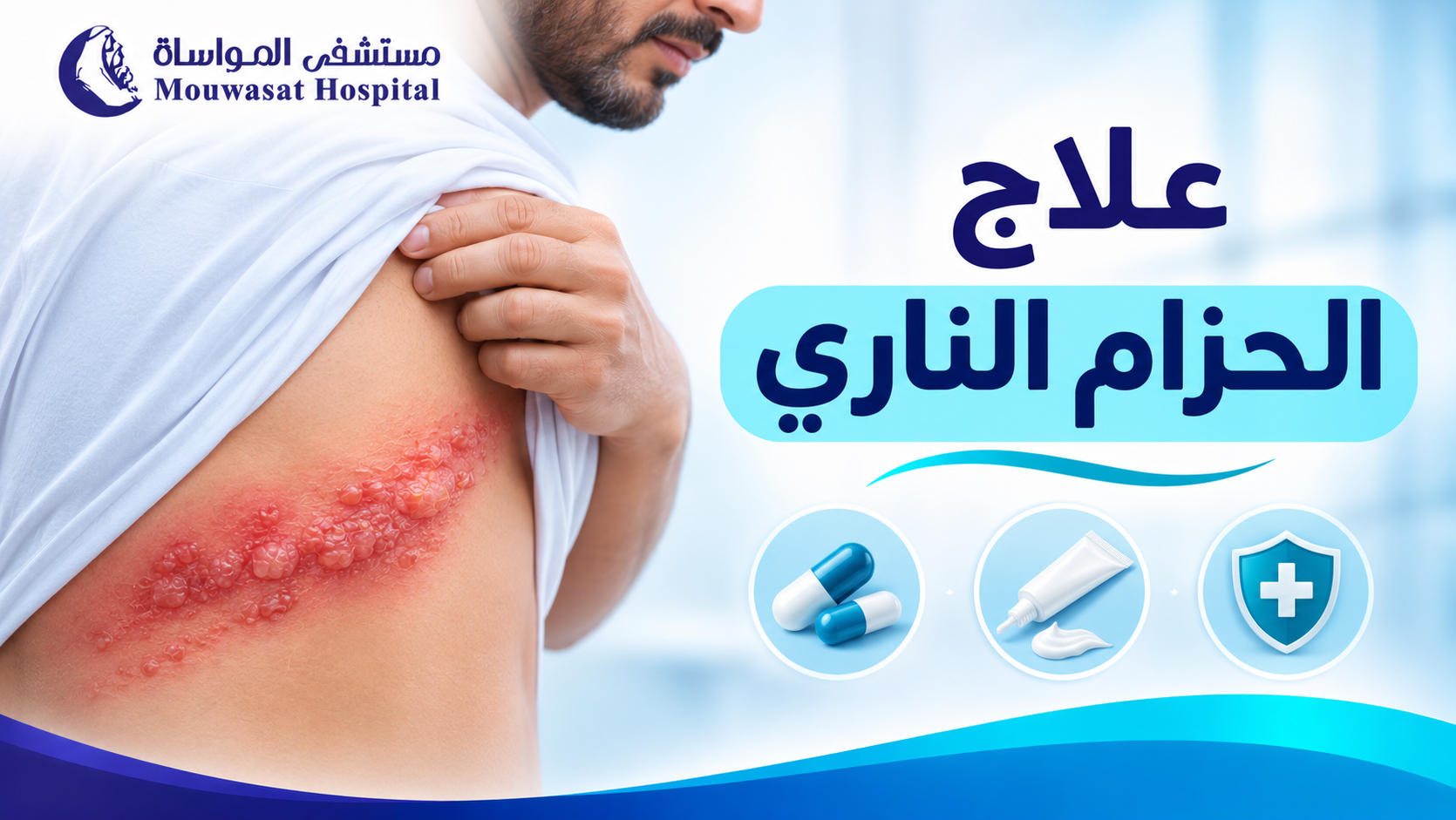
However, there is no established therapeutic shingles diet or universal list of foods that every patient must avoid. Standard shingles care focuses on prompt antiviral treatment when appropriate, pain relief, rash care, and monitoring for complications. [1]
Nutrition is best viewed as supportive care: maintaining adequate food intake and hydration rather than trying to eliminate varicella-zoster virus (VZV) through diet.
Key points:
- There is no proven special diet that treats shingles.
- There is no strong clinical evidence requiring everyone with shingles to avoid nuts, chocolate, or seeds.
- The lysine-versus-arginine theory comes mainly from herpes simplex research rather than shingles research.
- A balanced diet and adequate hydration are more useful than searching for an antiviral food.
- Diet and supplements should not delay prescribed antiviral treatment.
Is There a Special Diet for Shingles?
No diet has been proven to eliminate shingles or stop VZV replication in the body.
Established shingles treatment focuses on early antiviral therapy when indicated, managing pain and itching, caring for the rash, and monitoring for complications. [1]
Food therefore plays a supportive nutritional role rather than functioning as an antiviral treatment.
For a broader overview of shingles, see Shingles: Symptoms, Appearance and When to Seek Medical Care.
Which Foods Actually Need to Be Avoided With Shingles?
For most people, shingles itself does not create a universal list of prohibited foods.
Official medication guidance also does not require a special diet for commonly used shingles antivirals. For example, valacyclovir can be taken with or without food, and MedlinePlus advises patients to continue their normal diet unless a clinician instructs otherwise. [2]
Someone may still need dietary restrictions because of a separate issue such as:
- A food allergy.
- Diabetes.
- Kidney or liver disease.
- An interaction involving another medication.
- Nausea or poor appetite during illness.
Those are individualized medical considerations, not shingles-specific food bans.
Should You Avoid Foods High in Arginine?
This is one of the most common claims in shingles diet advice.
Arginine is a naturally occurring amino acid found in foods including nuts, seeds, legumes, whole grains, and many protein-containing foods.
The theory largely comes from laboratory research and clinical studies involving herpes simplex virus (HSV), where researchers have investigated the balance between arginine and another amino acid, lysine.
The critical distinction is that HSV and VZV are different viruses.
Shingles is caused by VZV, while most human trials involving dietary lysine or arginine have examined recurrent herpes simplex, particularly cold sores. [3]
Results from HSV research therefore cannot simply be assumed to prove that avoiding dietary arginine treats shingles.
Important:
There is not strong clinical evidence supporting removal of entire nutritious food groups such as nuts, seeds, or legumes from every patient's diet solely because they contain arginine.
Are Chocolate and Nuts Bad for Shingles?
There is insufficient clinical evidence to classify chocolate or nuts as foods that all people with shingles should avoid.
They appear on many online restriction lists because of their relative arginine content, but that does not establish that eating them worsens shingles or prolongs an outbreak.
Nuts, seeds, and legumes also provide protein, fats, vitamins, minerals, and fiber. Removing them unnecessarily may make the diet less varied.
Does Lysine Help Treat Shingles?
Lysine is an essential amino acid obtained from food and is also sold as a supplement.
It has mainly been studied in herpes simplex infection, and the human evidence has been inconsistent.
A review of the available trials found small and variable studies and no convincing evidence that lysine treats active herpes simplex lesions. The authors concluded that better controlled research was still needed. [3]
More importantly, this evidence concerns HSV rather than shingles caused by VZV.
There is therefore no established lysine dose for treating shingles, and lysine supplements should not replace antiviral therapy.
What Should You Eat During Shingles?
A practical approach is to eat a varied diet that provides enough energy, protein, and essential nutrients while you recover.
Examples include:
- A variety of vegetables.
- Fruit.
- Appropriate protein sources such as fish, poultry, eggs, dairy, or legumes.
- Whole grains.
- Healthy sources of dietary fat.
- Adequate fluids.
These foods do not cure shingles. The goal is to maintain overall nutrition and avoid deficiencies during illness.
Do fruit and vegetables help?
They are useful as part of a balanced diet, but no individual fruit or vegetable should be promoted as a shingles treatment.
One community-based observational study found an association between very low fruit intake and greater zoster risk. However, it was not a treatment trial and does not show that eating more fruit during an active outbreak cures shingles. [4]
The same study did not find statistically significant associations when seven individual micronutrients were examined separately. [4]
Do Vitamins or Zinc Speed Shingles Recovery?
Adequate nutrition is important for immune function, but this is not the same as showing that high-dose vitamin or mineral supplements treat shingles.
There is no standard recommendation to use high-dose vitamin C, vitamin D, zinc, or B vitamins as antiviral treatment for an uncomplicated shingles episode in a person without a documented deficiency.
If a nutritional deficiency has been medically identified, correcting it may be appropriate for general health, but supplements are not replacements for antiviral treatment.

Can Shingles Antiviral Medicines Be Taken With Food?
This depends on the prescribed medicine, but commonly used antivirals do not necessarily require a specific meal.
Valacyclovir can be taken with or without food. [2]
NHS guidance also states that people can eat and drink normally while taking aciclovir. [5]
If medication causes nausea or stomach upset, ask your doctor or pharmacist whether taking it with food is appropriate.
Why Is Hydration Important?
Adequate hydration is useful during illness and is particularly relevant with some antiviral medicines.
NHS guidance recommends drinking plenty of water while taking aciclovir, especially for people with kidney problems. [5]
People whose heart or kidney condition requires fluid restriction should follow their clinician's individualized fluid advice instead.
Should Alcohol Be Avoided?
There is no evidence that alcohol directly feeds VZV or causes shingles.
NHS guidance states that alcohol can be consumed with aciclovir, but this does not mean alcohol is appropriate for every patient. [5]
Alcohol may worsen dehydration or dizziness and may be unsuitable with certain pain medicines or medical conditions. Individual medication advice therefore matters more than a universal rule.
What If You Have Diabetes or Another Chronic Condition?
Do not abandon the dietary plan recommended for a chronic condition in order to follow a restrictive "shingles diet."
Someone with diabetes still needs appropriate glucose control, while kidney or liver disease may require entirely different dietary restrictions.
The underlying condition should continue to guide dietary decisions unless the treating clinician advises a change.
What Should Food and Supplements Never Replace?
Do not delay medical assessment or prescribed antiviral treatment in order to try:
- A low-arginine diet.
- Lysine supplements.
- High-dose vitamins or zinc.
- Herbal remedies.
- Fasting or highly restrictive diets.
CDC identifies acyclovir, valacyclovir, and famciclovir as preferred antiviral treatments for shingles and emphasizes early treatment. [1]

Shingles Care at Mouwasat Hospital
The Dermatology Department at Mouwasat Hospital can evaluate a suspected shingles rash, determine appropriate treatment, and review medical factors that may affect recovery.
Tell your clinician about chronic illnesses, prescription medicines, and supplements before adding new nutritional supplements during treatment.
Frequently Asked Questions About Food and Shingles
What foods should you avoid with shingles?
There is no universal medically established list of prohibited foods. Most people can continue a balanced diet while following any restrictions required for their own medical conditions.
Should you avoid chocolate with shingles?
There is not strong clinical evidence showing that chocolate worsens shingles or delays recovery.
Should you avoid nuts?
No universal restriction is recommended. Nuts are often mentioned because of their arginine content, but evidence does not establish that avoiding them treats shingles.
Does arginine make shingles worse?
There is no strong human clinical evidence showing that normal dietary arginine worsens VZV reactivation. Much of the theory comes from herpes simplex research.
Does lysine help shingles?
Lysine has not been established as a shingles treatment. Human research mainly involves herpes simplex and has produced mixed results.
Does zinc treat shingles?
Zinc is an essential nutrient but is not an established replacement for antiviral therapy. Treating a documented zinc deficiency is a separate issue.
Can you eat eggs with shingles?
Yes, unless you have an allergy or another medical reason to avoid them. Shingles itself does not require avoiding eggs.
Can you drink coffee?
There is no universal shingles-specific restriction. People who find caffeine worsens sleep, palpitations, or hydration may choose to reduce it temporarily.
Can valacyclovir be taken with food?
Yes. Valacyclovir may be taken with or without food according to official medication information.
Is there a food that kills shingles virus?
No food has been proven to eliminate VZV from the body. Antiviral medicines are used to reduce viral replication during an active episode.
What is the best diet during shingles?
A varied, balanced diet providing enough protein, fruit, vegetables, whole grains, healthy fats, and appropriate fluids is a reasonable approach for most people.
Conclusion
There is no scientifically established universal list of foods that must be avoided during shingles. Common advice to eliminate chocolate, nuts, or other high-arginine foods largely extrapolates from herpes simplex research rather than clinical evidence in VZV.
A balanced diet and adequate hydration are more appropriate than unnecessary dietary restriction, and food or supplements should never delay prescribed antiviral treatment.
Medical disclaimer: People with chronic medical conditions, kidney disease, or multiple medications should discuss major dietary changes or supplements with their healthcare professional.
Medical References
- CDC — Clinical Overview of Shingles
- MedlinePlus — Valacyclovir Drug Information
- Lysine for Herpes Simplex Prophylaxis: A Review of the Evidence
- Micronutrient Intake and the Risk of Herpes Zoster: A Case-Control Study
- NHS — Aciclovir